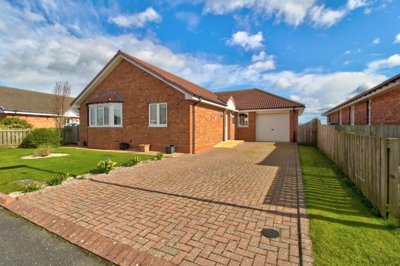
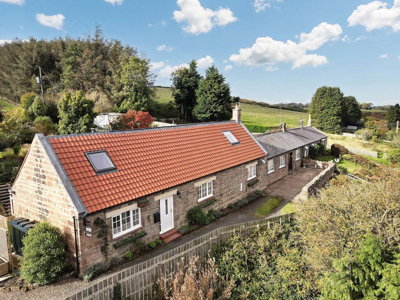
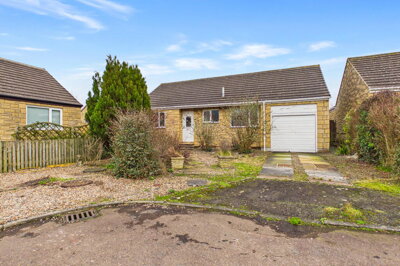
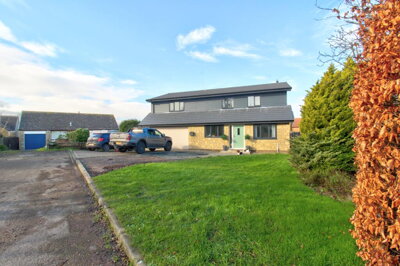
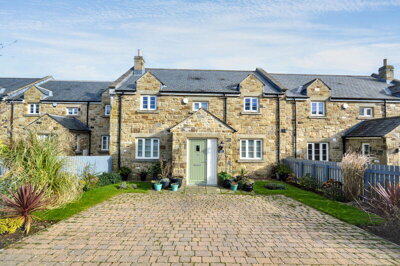
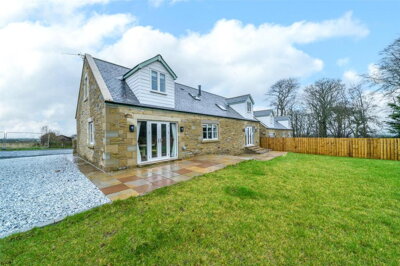
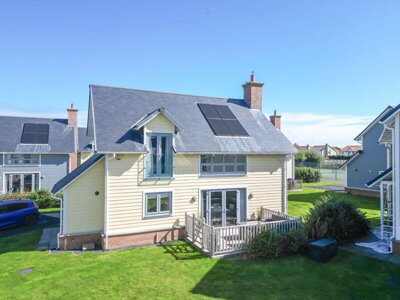
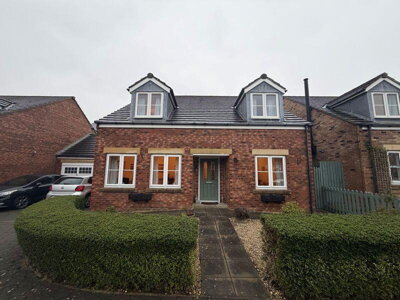
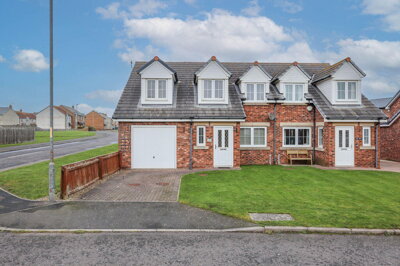
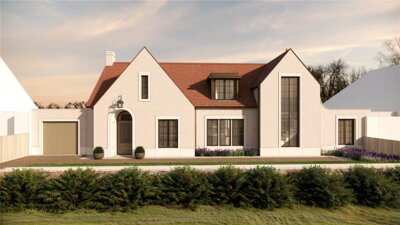
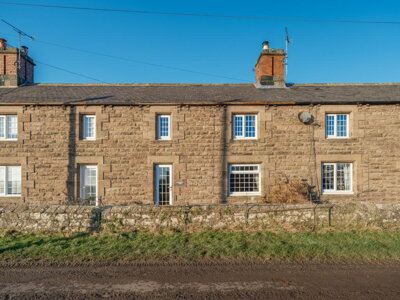
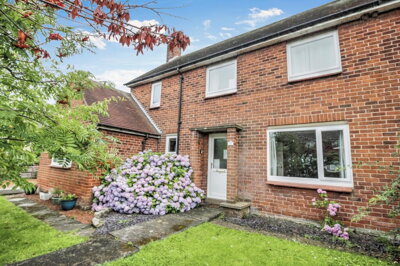
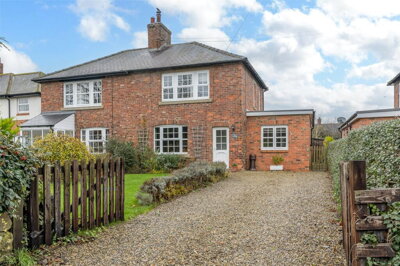
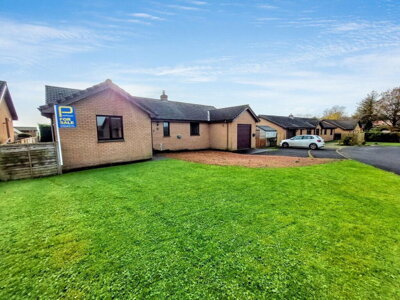
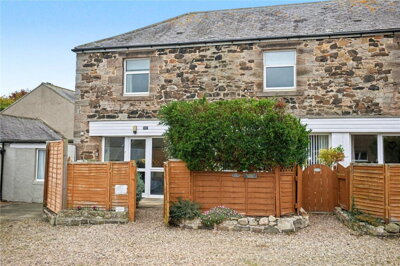
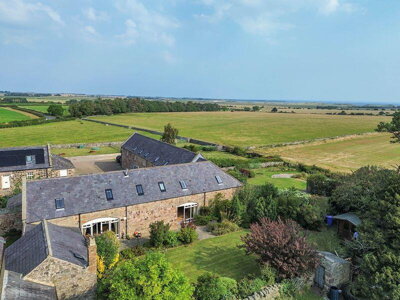
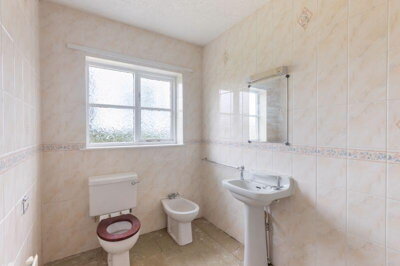
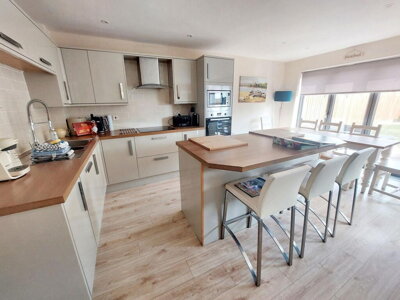
Browse 18 homes for sale in Newton-by-the-Sea from local estate agents.
The Newton By The Sea property market offers detached, semi-detached, and terraced houses spanning various price ranges and neighbourhoods. Each listing includes detailed property information, photographs, and direct contact with the marketing agent.
The property market in Newton-by-the-Sea operates within the broader NE66 postcode area that encompasses several coastal villages, and it reflects the premium nature of Northumberland's Heritage Coast. Recent sold prices demonstrate the strength of this local market, with detached properties achieving significant sums: Clover Cottage sold for £393,000 in June 2023, Silver Birch reached £614,000 in February 2023, and Doray sold for £675,000 in May 2022. These transactions illustrate that buyers are prepared to pay substantial premiums for the unique combination of coastal living, historical character, and access to the stunning natural environment that Newton-by-the-Sea provides.
New build activity remains limited in this small village, which helps maintain property values and exclusivity. Planning permission was granted in December 2024 for a development of four executive homes on land south of Kareith Drive, representing a £4 million investment by FORM Properties with design input from Elliot Architects. This represents the first significant new-build development in recent years, and the project's positioning as premium executive housing underscores the continued desirability of Newton-by-the-Sea addresses. The Adderstone Group has also completed The Willows development nearby, featuring a substantial four-bedroom property with a separate two-bedroom cottage valued at £1.4 million, demonstrating the high-net-worth buyer demographic drawn to this coastline.
The combination of National Trust stewardship protecting much of the surrounding coastal land, strict planning controls preserving the village's historic character, and the inherent scarcity of properties coming to market creates a vendor-friendly environment. Properties here tend to be held for long periods, and when they do appear for sale, they attract considerable interest from buyers seeking a foothold in this prestigious coastal location. For buyers, securing a mortgage agreement in principle before viewing is essential, as desirable properties can move quickly in this tight-knit community.
Boatmans Place represents one of the village's most prestigious addresses, with 11 Cullernose Cottage selling for £650,000 in May 2021 and 12 Haven Cottage achieving £677,500 in March 2020. These figures demonstrate the premium commanded by well-positioned properties with good access to the coastline and village amenities, even in transactions predating the current market conditions.

Life in Newton-by-the-Sea revolves around the stunning natural landscape that surrounds this small coastal settlement on every side. The village sits along Embleton Bay, a sweep of coastline famous for its geological formations, birdlife, and the dramatic views across to the Farne Islands on clear days. Low Newton, the lower part of the village, is protected by National Trust stewardship, ensuring that the traditional fishermen's cottages and unspoiled landscapes remain preserved for future generations. The area is a haven for walkers, photographers, and nature enthusiasts who appreciate the raw beauty of Northumberland's coastline without the commercial tourist infrastructure found at larger seaside destinations.
The architectural heritage of Newton-by-the-Sea contributes significantly to its unique sense of place and community character. Newton Hall, a late 18th-century country house built of pink sandstone ashlar with a Scottish slate roof, stands as testament to the area's historical significance and wealth. Newton House, another elegant 18th-century residence constructed of squared stone and rubble with Welsh slate roofing, exemplifies the traditional building techniques that remain visible throughout the village. Traditional stone-built barns have been sensitively converted into contemporary homes, blending period features with modern living requirements in properties that appeal to buyers seeking character properties with practical layouts.
The local community is served by a traditional village atmosphere where neighbours know one another and local events bring residents together throughout the year. While Newton-by-the-Sea itself is a small settlement, it falls within easy reach of larger villages and towns offering everyday amenities. The village forms part of a network of coastal communities including Craster, Embleton, and Beadnell, all of which share similar heritage characteristics and attract visitors throughout the year, though particularly during the summer months when the coastline comes alive with tourists exploring the region's numerous attractions.
For residents and visitors alike, the proximity to Dunstanburgh Castle provides a dramatic backdrop to daily life, with the medieval ruin visible from many properties throughout the village. The castle, owned by the National Trust and dating from the 14th century, serves as both a historical landmark and a popular walking destination. Golf enthusiasts will appreciate the nearby clubs in the surrounding area, while food lovers can explore the acclaimed pubs and restaurants in neighbouring villages that have established Northumberland's coast as a culinary destination.

Families considering a move to Newton-by-the-Sea will find a selection of educational options available within reasonable driving distance of the village. Primary education is served by schools in the surrounding villages, with Embleton First School providing education for younger children in the immediate area. For secondary education, pupils typically travel to schools in Alnwick, the nearest substantial town, which offers a range of secondary schools with varying specialisms and academic records. The journey to Alnwick takes approximately 20 minutes by car, and school transport arrangements are generally available for families living in more rural parts of the county.
The wider Northumberland area has several schools that have achieved strong Ofsted ratings, though specific current ratings should be verified directly through official channels as these are regularly updated. Parents moving to Newton-by-the-Sea often choose to prioritise the quality of the local environment and lifestyle alongside educational provision, recognising that the smaller class sizes and community feel of rural schools can offer benefits that complement academic achievement. The coastal location also provides unique educational opportunities through first-hand experience of marine biology, environmental science, and geography, subjects that take on a tangible relevance when your classroom includes Embleton Bay and the Farne Islands.
For families requiring further education options, the Northumberland area provides access to sixth form colleges and further education establishments in Alnwick and the surrounding towns. Older students may also consider the broader options available in Newcastle upon Tyne and the wider North East region, particularly for specialist courses or vocational qualifications. The relatively close proximity to major urban centres means that students can commute for certain educational opportunities while benefiting from living in a peaceful coastal environment during their studies.
Many families relocating from urban areas find that the drive to secondary schools in Alnwick, while requiring planning, becomes manageable with the quality of life benefits that coastal living provides. The route takes in some of Northumberland's most scenic countryside, passing through picturesque villages and open farmland that contrasts sharply with the urban environment from which many buyers are relocating. Parents frequently cite this daily journey as a small price to pay for the combination of educational options and lifestyle advantages that Newton-by-the-Sea offers their families.
Transport connections from Newton-by-the-Sea reflect its rural coastal location, with residents typically relying on private vehicles as the primary means of transportation for everyday needs. The village is situated approximately three miles from the A1 trunk road, which provides the main north-south route through Northumberland and connects to the wider national motorway network. This access point means that cities such as Newcastle upon Tyne and Edinburgh remain accessible for commuters willing to travel, though the journey times are substantial and should be carefully considered by those planning to commute regularly to urban employment centres.
Public transport options are limited, as is typical for small rural villages, with local bus services providing connections to nearby towns and villages but not the frequency or directness of urban routes. The nearest railway stations are located in Alnmouth and Berwick-upon-Tweed, both offering regular services to major cities including Newcastle, Edinburgh, and London. Alnmouth station, approximately 15 miles from Newton-by-the-Sea, is the more convenient option for many residents and provides direct connections to Edinburgh (approximately one hour) and Newcastle (approximately 40 minutes), making day commuting feasible for those with flexible working arrangements or hybrid commuting patterns.
For cyclists and walkers, the local area offers excellent opportunities for sustainable transport for local journeys, with quiet country lanes connecting the village to neighbouring communities. The Northumberland Coast Path passes through the area, providing walking routes to numerous nearby destinations including Craster, Dunstanburgh Castle, and the various beaches and coves that characterise this stretch of coastline. Many residents of Newton-by-the-Sea embrace the coastal lifestyle by walking to local destinations rather than driving, particularly during the summer months when the village sees increased visitor traffic.
The X18 bus service provides a vital link between coastal villages, connecting Newton-by-the-Sea with Alnwick and other communities along the route. While frequencies are limited to several times daily, this service enables residents without private vehicles to access town centre amenities, attend medical appointments, and travel to railway stations for longer journeys. Those considering a move to Newton-by-the-Sea should factor car ownership into their planning, as the rural nature of the location makes a vehicle essential for everyday convenience and independence.
Before viewing any properties, obtain a mortgage agreement in principle from a lender. This demonstrates your purchasing capacity to estate agents and sellers, and helps you understand your true budget in the Newton-by-the-Sea market where properties at the upper end regularly exceed £500,000. With most transactions falling into the higher SDLT brackets, having your financing confirmed before entering negotiations gives you a significant advantage in a competitive market.
Study recent sold prices in the NE66 postcode area and understand the premium coastal market. Properties in Newton-by-the-Sea are relatively scarce, so familiarise yourself with the different property types available, from traditional stone cottages to converted barns and modern executive homes. Reviewing comparable sales data for properties like Silver Birch (£614,000), Doray (£675,000), and Clover Cottage (£393,000) will help you understand what represents fair value in the current market.
Work with estate agents familiar with the Newton-by-the-Sea and Northumberland coastal market. Local knowledge is invaluable for understanding which properties represent genuine value and which may be priced optimistically based on location alone. Agents with established relationships in the village can alert you to upcoming listings before they reach the broader market, which is crucial given how quickly desirable properties sell in this tight-knit community.
View multiple properties to understand the full range available. Pay attention to construction materials, flood risk considerations for coastal properties, and the condition of traditional stone buildings which may require ongoing maintenance investment. When viewing period properties, look specifically at the condition of sandstone walls, original slate roofing, and any signs of settlement or damp that are common in traditional coastal construction.
Once you have a offer accepted, arrange for a thorough survey. Given the age and character of many properties in Newton-by-the-Sea, a full RICS Level 3 Building Survey is recommended to identify any structural or maintenance concerns before purchase. Our team has experience surveying traditional sandstone properties throughout Northumberland's coast, and we understand the specific defect patterns that affect period buildings in this coastal environment.
Appoint a solicitor experienced with rural and coastal properties to handle the legal aspects of your purchase, including any local authority searches specific to the Northumberland coastline and National Trust boundaries. Properties near National Trust land or within conservation areas may require additional due diligence regarding access rights, stewardship agreements, and planning constraints that affect what you can do with the property.
Purchasing a property in Newton-by-the-Sea requires careful attention to several factors that are particularly relevant to this coastal location. Flood risk is a genuine consideration for some properties in the village, as the Parish Council has previously raised objections to planning applications based on concerns about flooding risk in certain areas. Prospective buyers should review Environment Agency flood maps, consider the history of any property they are interested in, and ensure that appropriate insurance can be obtained before committing to a purchase.
The construction materials and age of properties in Newton-by-the-Sea also warrant careful investigation during the conveyancing process. Many homes are constructed from traditional sandstone and feature original slate roofs, which require periodic maintenance and may have specific repair requirements that differ from modern construction. When viewing period properties, look for signs of damp, settlement cracks, and the condition of roofing materials. A comprehensive building survey will identify any concerns, but it is worth attending viewings with a basic understanding of traditional construction methods common to the area.
Planning restrictions and conservation considerations are likely to affect what you can do with a property in Newton-by-the-Sea, given the National Trust stewardship of much of the surrounding area and the village's historic character. Listed building status applies to several properties, which will limit permitted development rights and require listed building consent for alterations. Before purchasing, verify any planning constraints that may affect your intended use of the property, whether you are planning to extend, convert buildings, or simply make internal alterations to suit your family's needs.
The condition of external elements deserves particular attention in Newton-by-the-Sea properties. Sandstone walls, while durable, can suffer from weathering and erosion in the coastal environment, requiring repointing and repair work over time. Original Welsh or Scottish slate roofs on period properties may have exceeded their expected lifespan and could require partial or complete replacement. Our surveyors regularly identify these maintenance requirements in coastal Northumberland properties, and a thorough survey will provide you with a detailed maintenance schedule and cost estimates for any necessary repairs.
Specific average house prices for Newton-by-the-Sea are not published separately, but properties in the NE66 postcode area have achieved notable prices in recent transactions. Detached properties have sold for between £393,000 and £675,000, with premium locations and larger properties commanding prices at the upper end of this range. Boatmans Place represents one of the village's most sought-after addresses, with 11 Cullernose Cottage achieving £650,000 in May 2021 and 12 Haven Cottage reaching £677,500 in March 2020. The recent £4 million development of four executive homes on Kareith Drive suggests that new-build properties are priced significantly higher than existing stock, reflecting the scarcity of development opportunities in this protected coastal location.
Properties in Newton-by-the-Sea fall under Northumberland County Council's jurisdiction. The village contains a mix of property types from different eras, meaning council tax bands will vary considerably depending on the property's size, age, and valuation. Band A properties may be found among smaller traditional cottages, while larger period homes and modern executive properties may fall into higher bands. Newton Hall and Newton House, as substantial period residences, would likely be assessed in the higher council tax bands reflecting their size and historic character. Contact Northumberland County Council or view the property's details for its specific band.
Primary education is available at schools in nearby villages including Embleton, with pupils typically progressing to secondary schools in Alnwick. Embleton First School serves younger children in the immediate area, while secondary options in Alnwick include The Duke's School and other establishments with varying academic specialisms. For specific current Ofsted ratings and performance data, consult the official Ofsted website as these are regularly updated. The quality of education provision in Northumberland consistently ranks among the better-performing local authority areas in the North East, and many families find that the benefits of coastal living more than compensate for the school commute arrangements required.
Newton-by-the-Sea is a rural village with limited public transport options, and private vehicle ownership is essential for most residents. The X18 bus service connects the village to Alnwick and other coastal communities, though with reduced frequencies compared to urban areas. The nearest railway stations are Alnmouth (approximately 15 miles away) and Berwick-upon-Tweed, both offering direct services to Newcastle and Edinburgh. Many residents embrace the coastal location by walking or cycling for local journeys, taking advantage of the quiet country lanes and public footpaths that connect the village to neighbouring communities throughout the year.
Newton-by-the-Sea offers several factors that appeal to property investors, including the limited supply of properties, the premium nature of the coastal market, and the year-round appeal of the Northumberland coastline. The village's National Trust protection and planning restrictions help maintain property values by preventing overdevelopment. Holiday lets represent a popular investment option given the strong visitor demand for quality coastal accommodation in this Area of Outstanding Natural Beauty. The completed Adderstone Group development at The Willows, valued at £1.4 million, demonstrates the appetite among high-net-worth buyers for premium coastal properties in the area.
Stamp duty rates from April 2025 are 0% on properties up to £250,000, 5% between £250,001 and £925,000, 10% between £925,001 and £1.5 million, and 12% above £1.5 million. First-time buyers pay 0% on the first £425,000 of a residential purchase, with 5% on the portion from £425,001 to £625,000. Most properties in Newton-by-the-Sea, priced between £393,000 and £675,000, will fall into the 5% bracket for standard buyers, resulting in stamp duty of approximately £7,150 to £21,250 depending on the final purchase price.
Flood risk is a genuine consideration for some Newton-by-the-Sea properties given the village's coastal location along Embleton Bay. The Parish Council has formally objected to planning applications citing flood risk concerns, indicating that this is an issue taken seriously by local authorities. Properties in Low Newton, particularly those closest to the beach and harbour areas, may face elevated flood risk from coastal surges and surface water runoff. Prospective buyers should consult Environment Agency flood maps, review local authority records, and ensure that appropriate building insurance is available before completing any purchase in the village. Properties at higher elevations in High Newton generally face lower flood risk, though this should be verified on a property-by-property basis.
Newton-by-the-Sea offers a diverse range of property types reflecting its long history and varied architectural heritage. Traditional 18th and 19th-century fishermen's cottages in Low Newton represent the most characterful option, often featuring thick sandstone walls, original fireplaces, and stunning sea views. Substantial period residences like Newton Hall and Newton House offer grand proportions and formal gardens befitting their country house heritage. Converted stone barns provide a middle ground, combining period features with contemporary layouts. The newest additions to the market include executive homes from developments such as the FORM Properties scheme on Kareith Drive, offering modern construction with the same prestigious postcode.
Buying a property in Newton-by-the-Sea involves several costs beyond the purchase price that buyers should factor into their budget from the outset. Stamp duty (or SDLT in England) is calculated on a tiered system based on the property purchase price, with rates of 0% for the first £250,000, 5% on the portion between £250,001 and £925,000, 10% on amounts between £925,001 and £1.5 million, and 12% on any remainder above £1.5 million. For a typical Newton-by-the-Sea property priced at around £500,000, this would result in stamp duty of £12,500 for a standard buyer purchasing with their own funds.
First-time buyers benefit from relief on the first £425,000 of a residential purchase, paying 5% on the portion between £425,001 and £625,000. This relief applies to purchases where all buyers are first-time buyers and the property will be their main residence. For Newton-by-the-Sea properties priced above £625,000, first-time buyer relief does not apply to any portion of the purchase price, meaning standard SDLT rates become due for the full amount.
Additional buying costs include solicitor fees for conveyancing (typically £800-£1,500 plus disbursements for a standard transaction), mortgage arrangement fees (ranging from £0 to £2,000 depending on the lender and product), valuation fees, and the cost of surveys. For older properties common in Newton-by-the-Sea, a full RICS Level 3 Building Survey is recommended at a cost of approximately £600-£1,000 depending on property size, which will provide detailed information about the condition of traditional stone construction and any maintenance concerns. Budgeting a minimum of 3-5% of the purchase price for these additional costs is a sensible approach for buyers entering this premium coastal market.
From £350
A basic survey suitable for conventional properties in good condition
From £600
A detailed building survey recommended for older and period properties
From £60
Energy performance certificate required for all property sales
From £499
Legal services for property purchase in Newton-by-the-Sea
From 4.5%
Finance options for Newton-by-the-Sea properties
Properties for Sale In London

Properties for Sale In Plymouth

Properties for Sale In Liverpool

Properties for Sale In Glasgow

Properties for Sale In Sheffield

Properties for Sale In Edinburgh

Properties for Sale In Coventry

Properties for Sale In Bradford

Properties for Sale In Manchester

Properties for Sale In Birmingham

Properties for Sale In Bristol

Properties for Sale In Oxford

Properties for Sale In Leicester

Properties for Sale In Newcastle

Properties for Sale In Leeds

Properties for Sale In Southampton

Properties for Sale In Cardiff

Properties for Sale In Nottingham

Properties for Sale In Norwich

Properties for Sale In Brighton

Properties for Sale In Derby

Properties for Sale In Portsmouth

Properties for Sale In Northampton

Properties for Sale In Milton Keynes

Properties for Sale In Bournemouth

Properties for Sale In Bolton

Properties for Sale In Swansea

Properties for Sale In Swindon

Properties for Sale In Peterborough

Properties for Sale In Wolverhampton

Enter your details to see if this property is within your budget.
Loans, cards, car finance
Estimated property budget
Borrowing + deposit
You could borrow between
Typical borrowing
Monthly repayment
Est. at 4.5%
Loan-to-value
This is an estimate only. Your actual budget may vary depending on interest rates, credit history, and personal circumstances. For an accurate affordability assessment, speak to one of our free mortgage advisors.
This calculator provides estimates for illustrative purposes only and does not constitute financial advice. Your home may be repossessed if you do not keep up repayments on your mortgage. Estimates based on 4.5% interest rate, repayment mortgage. Actual rates depend on your circumstances.
Homemove is a trading name of HM Haus Group Ltd (Company No. 13873779, registered in England & Wales). Homemove Mortgages Ltd (Company No. 15947693) is an Appointed Representative of TMG Direct Limited, trading as TMG Mortgage Network, which is authorised and regulated by the Financial Conduct Authority (FRN 786245). Homemove Mortgages Ltd is entered on the FCA Register as an Appointed Representative (FRN 1022429). You can check registrations at NewRegister or by calling 0800 111 6768.

We use cookies to show you personalised content and improve your experience of our website. Find out more in our Privacy policy and Cookie policy.