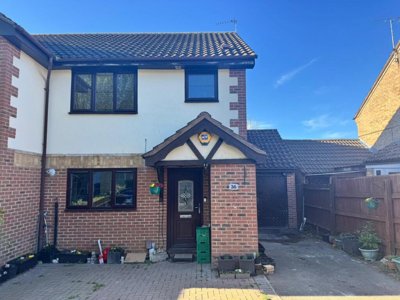
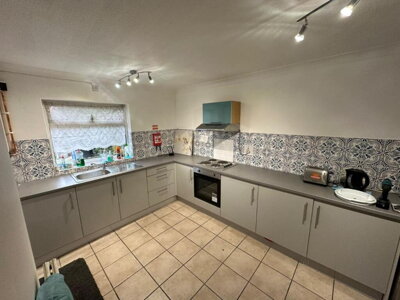
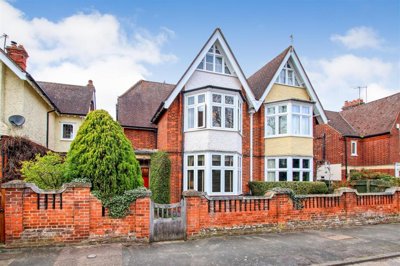
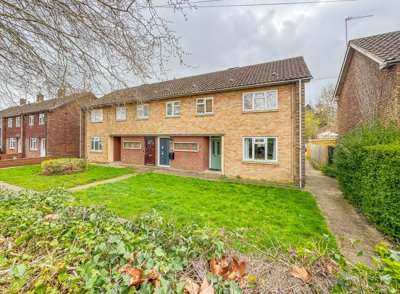
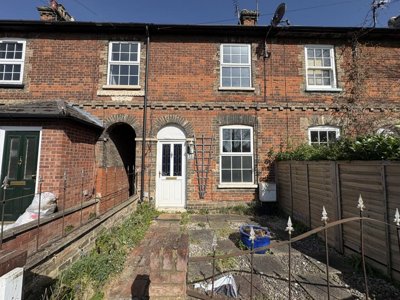
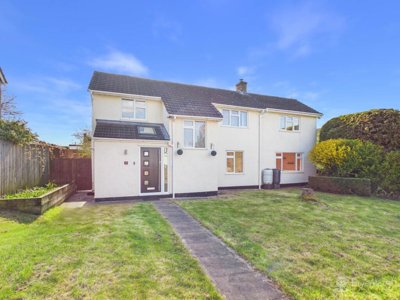
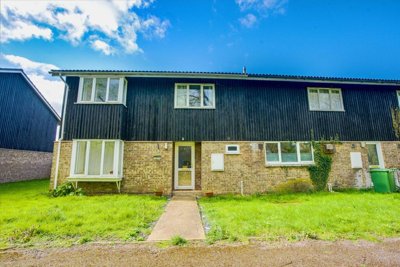
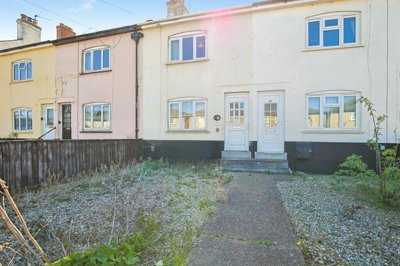
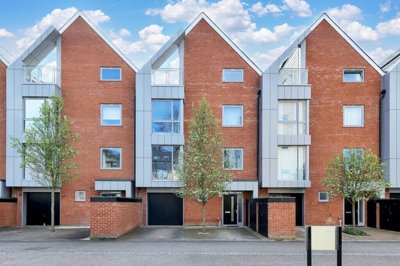
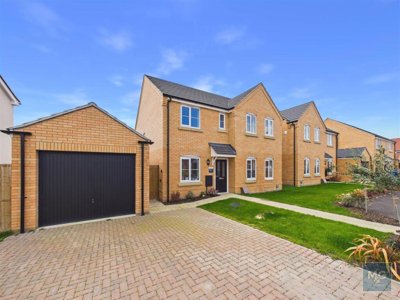
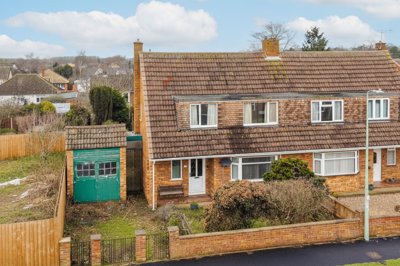
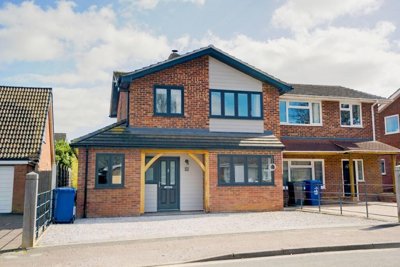
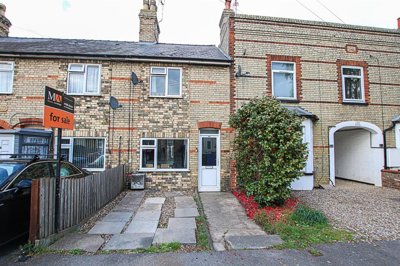
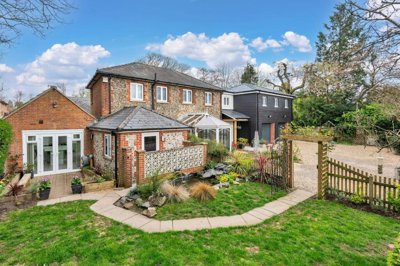
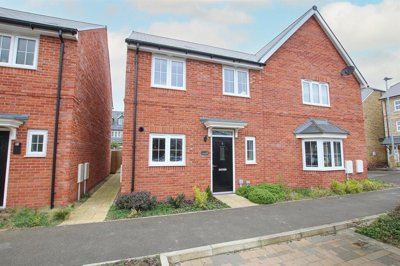
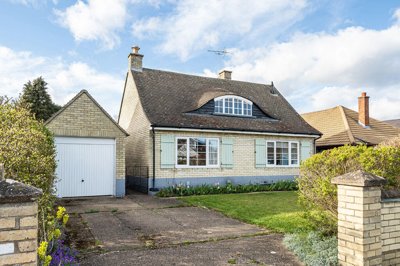
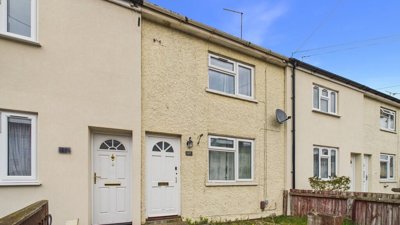
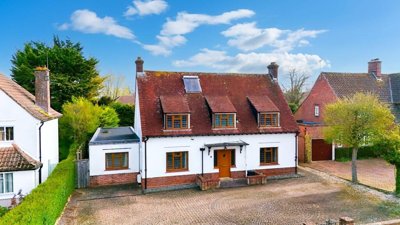
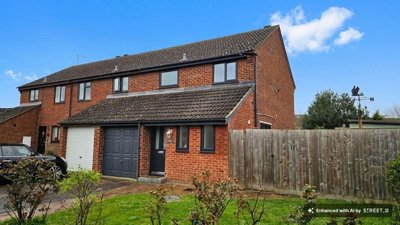
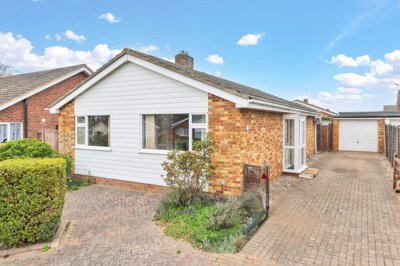
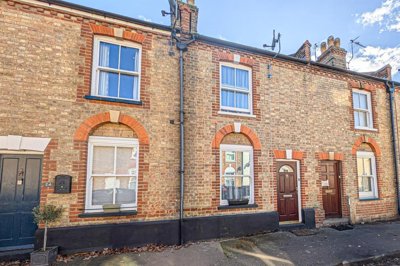
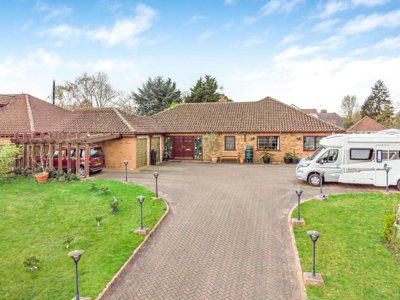
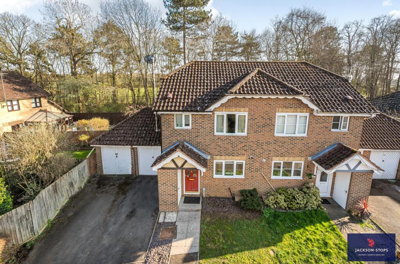
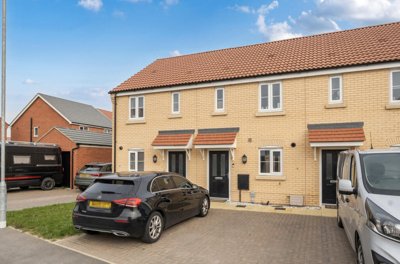
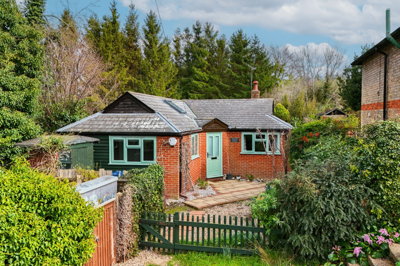
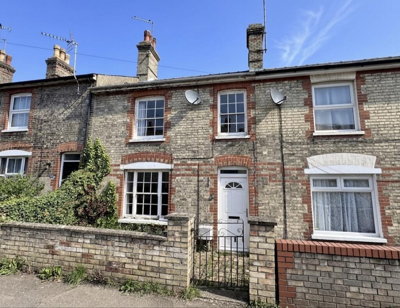
Browse 311 homes for sale in Newmarket, West Suffolk from local estate agents.
£285k
133
11
110
Source: home.co.uk
Source: home.co.uk
Semi-Detached
32 listings
Avg £317,313
Terraced
30 listings
Avg £249,133
Detached
23 listings
Avg £589,783
Flat
12 listings
Avg £164,163
Apartment
11 listings
Avg £214,909
End of Terrace
9 listings
Avg £271,667
Detached Bungalow
7 listings
Avg £390,714
Semi-Detached Bungalow
3 listings
Avg £305,000
Bungalow
2 listings
Avg £322,500
Link Detached House
1 listings
Avg £120,000
Source: home.co.uk
Source: home.co.uk
Newmarket's property market reflects its status as a thriving Suffolk market town with deep roots in the horse racing industry. The CB8 postcode area recorded 386 property sales in the twelve months leading to January 2024, demonstrating consistent activity in this sought-after location. Property prices have shown relative stability over the past year, with the overall average decreasing by just 1.7% to £367,073, suggesting a market that has weathered national economic pressures while maintaining firm foundations.
The housing stock in Newmarket offers something for every buyer. Detached properties command an average price of £530,307, appealing to families seeking generous living space and proximity to the renowned training stables. Semi-detached homes, averaging £330,816, represent the most common property type in the town at 29.8% of stock, providing ideal accommodation for growing families. Terraced properties at £280,000 and flats at £188,400 offer more accessible entry points for first-time buyers and investors looking to establish themselves in this prosperous town.
Looking at recent price trends across different property types reveals varying market conditions. Detached properties and flats have shown the strongest resilience with 1.0% decreases over twelve months, while terraced properties experienced a 2.3% decrease and semi-detached homes saw a 2.0% reduction. These modest fluctuations indicate balanced market conditions where neither buyers nor sellers hold overwhelming leverage, creating opportunities across all price points.
New build activity continues to bring fresh options to the Newmarket market. The Paddocks development by Taylor Wimpey on CB8 0FA offers 2, 3, 4, and 5 bedroom homes from £319,995. Barratt Homes presents King's Warren on Fordham Road (CB8 7AA) with similar house types starting from £319,995. For buyers seeking larger family homes, David Wilson Homes at Newmarket Leys (CB8 7AA) offers premium 3, 4, and 5 bedroom properties from £419,995. These developments provide modern specifications and energy-efficient designs that appeal to buyers prioritising comfort and low running costs.

Understanding the construction and architectural character of Newmarket helps buyers appreciate what they are purchasing and anticipate potential maintenance needs. Approximately 17.5% of properties predate 1919, including elegant Georgian townhouses and historic cottages clustered around the High Street and Palace House area. A further 14.5% of homes were constructed between 1919 and 1945, reflecting the interwar building boom that added substantially to the townscape. These period properties typically feature traditional solid brick construction, sometimes rendered, with timber floors and pitched roofs covered in slate or clay tiles.
The largest proportion of housing, 31.5%, was built between 1945 and 1980, providing post-war family housing that has become well-established in desirable residential areas. Properties from this era commonly use traditional brick construction with distinctive red or gault brick finishes. The remaining 36.5% of stock consists of post-1980 developments, which typically incorporate cavity wall insulation, modern timber roof trusses, and concrete tiled roofs. This age distribution means that 63.5% of all properties in Newmarket were built before 1980, indicating a significant proportion of housing stock where surveys frequently identify age-related defects.
Conservation areas protect significant portions of Newmarket's historic centre, including the High Street, Palace House, and surrounding residential neighbourhoods. This designation preserves the architectural integrity of areas where listed buildings cluster, particularly along routes associated with the racing industry. Properties within conservation areas face restrictions on permitted development rights, which can limit your ability to extend, alter, or make external changes without planning permission. Listed buildings carry additional requirements governing materials and repair methods, which can affect both the cost and timeline of any renovation work. The blend of protected heritage and modern development creates a townscape that respects its past while remaining relevant to contemporary needs.

Given that 63.5% of Newmarket properties were constructed before 1980, arranging a professional property survey before purchase represents a prudent investment. Our inspectors regularly assess properties across Newmarket's diverse housing stock, from Victorian terraces on the High Street to post-war semis in residential areas. These surveys frequently identify defects that, while not immediately apparent during viewings, can result in significant unexpected costs after completion. Understanding a property's true condition before committing helps buyers negotiate appropriate prices or request repairs as part of the sale.
Common defects identified in Newmarket properties include damp issues affecting solid-wall construction, particularly where modern damp-proof courses have not been installed or have failed over time. Timber defects, including rot and woodworm activity, occur in floor structures and roof timbers where moisture has penetrated or ventilation has proved inadequate. Roof problems such as slipped tiles, failed felt underlays, and deteriorated lead flashings commonly affect older properties and require attention to prevent water ingress. Properties built on clay soils may exhibit signs of subsidence or heave, particularly where large trees are present or foundations prove insufficient for ground conditions.
A RICS Level 2 Survey provides a thorough assessment of a property's condition, identifying defects and advising on necessary repairs and maintenance. For properties in Newmarket, survey costs typically range from £400 for smaller terraced houses and flats to around £700 for larger detached properties. While this represents an upfront cost, the information gained helps buyers make informed decisions and can reveal issues that justify negotiating a lower purchase price or requesting repairs before completion. For listed buildings or properties requiring significant renovation, a more detailed RICS Level 3 Building Survey may prove more appropriate, providing in-depth analysis of construction and defects alongside guidance on appropriate repair methods for historic structures.

Newmarket embodies the essence of a thriving Suffolk market town, combining centuries of equestrian heritage with modern conveniences. The town's economy centres on the horse racing industry, which provides stable employment through training stables, stud farms, and associated businesses. This unique economic foundation creates a close-knit community atmosphere where residents share a genuine passion for their town's special character. The presence of major racing-related employers influences local demand and ensures the property market remains robust even during broader economic uncertainty.
The built environment reflects Newmarket's rich history while accommodating contemporary living. Georgian townhouses and Victorian terraces line the principal streets, many of which are listed buildings reflecting the town's architectural significance. Local amenities include supermarkets, independent shops, restaurants, and recreational facilities, while the weekly market continues the centuries-old tradition of bringing the community together. The town offers leisure facilities including sports clubs, a cinema, and access to countryside walks in the surrounding West Suffolk landscape.
Demographics show Newmarket as a community balanced between families, professionals, and older residents. With 7,088 households recorded in the 2021 Census and a population of 16,527, the town maintains a scale that feels welcoming rather than overwhelming. Property types are distributed across detached, semi-detached, terraced, and apartment options, ensuring that residents can find accommodation suitable for their stage of life. The mix of housing ages, from historic properties through to post-1980 developments, means buyers can choose between character-filled period homes and modern properties with contemporary insulation and systems.

Education provision in Newmarket serves families well, with primary and secondary schools catering to children of all ages. The town contains several primary schools serving different catchment areas, providing young families with flexibility when choosing their family home. Secondary education is available within Newmarket itself, with schools offering comprehensive curricula and sixth-form provision for students continuing their education locally. The presence of quality schools within the town reduces the need for families to commute to neighbouring towns for education, enhancing Newmarket's appeal to buyers with children.
The town is well-served by schools within walking or cycling distance of most residential areas, making it practical for families to find suitable schooling without lengthy commutes. Primary schools in Newmarket serve catchment areas that encompass various neighbourhoods, from the historic centre to more recent developments on the town periphery. Secondary schools provide comprehensive education through to sixth form, with examination results that compare favourably with regional averages. Parents are advised to research specific school catchments and admissions criteria when choosing their property, as catchment boundaries can affect access to preferred schools.

Transport connections from Newmarket serve commuters and visitors heading to major employment centres. The town sits in a strategic position in West Suffolk, positioned between Cambridge to the north-west and Bury St Edmunds to the east. The A14 trunk road passes nearby, connecting Newmarket to Cambridge and the wider Fenland region to the north, and to Felixstowe port to the east. This road network proves essential for residents commuting by car to employment in surrounding towns and cities, with Cambridge's growing technology sector attracting workers from across the region.
Rail services from Newmarket station offer connections to Cambridge and Ipswich, with onward journey options to London Liverpool Street via Cambridge or directly via Ipswich and Colchester. These rail links support commuting for those working in Cambridge's growing technology sector or the professional services available in London. Journey times to Cambridge by train typically take around 30 minutes, while London Liverpool Street is accessible in approximately 90 minutes via Cambridge or around two hours via Ipswich. Bus services operate locally and connect Newmarket to neighbouring villages, serving residents without private vehicles and providing flexibility for occasional journeys.
The town's position between Cambridge and Bury St Edmunds means residents have access to the retail, healthcare, and cultural amenities available in these larger centres while enjoying the more affordable housing and peaceful environment of a smaller town. Cambridge offers employment opportunities in the technology and bioscience sectors, as well as major retail centres and cultural attractions. Bury St Edmunds provides additional shopping options, healthcare facilities including West Suffolk Hospital, and rail connections to London Liverpool Street via Ely and Cambridge.

Explore Newmarket's different neighbourhoods to find the area that best suits your lifestyle. Consider proximity to the racecourse and training grounds if you work in the racing industry, or look for family-friendly areas near good schools. Use Homemove to browse current listings and understand price ranges for different property types. The town's various neighbourhoods offer distinct character, from historic streets near the High Street to more modern developments on the town periphery.
Once you have identified properties of interest, contact estate agents to arrange viewings. Viewing multiple properties helps you understand what your budget buys in Newmarket's current market. Take notes on property condition, orientation, noise levels, and the neighbourhood atmosphere at different times of day. Pay particular attention to the exterior condition of period properties, including brickwork, roof covering, and any signs of settlement or movement.
Before making an offer, obtain a mortgage agreement in principle from a lender. This demonstrates your financial readiness to sellers and estate agents, strengthening your position in competitive situations. Compare rates from multiple lenders to secure the best deal for your circumstances. Having your finances arranged before searching means you can move quickly when you find the right property.
When you find your ideal home, submit an offer through the selling estate agent. Be prepared to negotiate on price and terms. In Newmarket's market, properties at realistic prices tend to sell within weeks, so acting promptly when you find the right property serves buyers well. Your agreement in principle demonstrates serious intent and can strengthen your negotiating position.
Before completing your purchase, arrange for a RICS Level 2 Survey to assess the property's condition. Given that 63.5% of Newmarket properties were built before 1980, surveys frequently identify issues such as damp, timber defects, or roof condition that require attention. Survey costs in Newmarket typically range from £400 to £700 depending on property size and type. Our inspectors know Newmarket's housing stock well and can identify defects common to local construction types.
Instruct a conveyancing solicitor to handle the legal transfer of ownership. Your solicitor will conduct searches, review contracts, and coordinate with your mortgage lender. Search results will include local authority, drainage, and environmental searches relevant to Newmarket's specific location and geology. On completion day, you receive the keys to your new Newmarket home and can begin settling into your new community.
Several local factors deserve attention when evaluating properties in Newmarket. The town's geology includes areas with clay soils, which can cause shrink-swell movement affecting property foundations. Properties with large trees nearby or those built with shallower foundations may show signs of subsidence or heave over time. A thorough survey helps identify any structural movement, and buyers should review any historical underpinning or foundation work mentioned in property documentation. Signs of cracking, doors sticking, or uneven floors warrant careful investigation before proceeding.
Flood risk varies across Newmarket, with low-lying areas near watercourses presenting some surface water flooding potential. While the town is inland and not affected by coastal erosion, buyers should check the Environment Agency flood maps for specific locations and review drainage history. Properties in flood-risk areas may face higher insurance premiums and may require additional precautions. During viewings, look for signs of previous water ingress such as tide marks, warped skirting boards, or dehumidifiers running continuously.
Conservation area restrictions affect many properties in Newmarket, particularly those along the High Street and near Palace House. These designations may limit permitted development rights, affecting your ability to extend, alter, or make changes to the property's exterior without planning permission. Listed buildings carry additional requirements for materials and methods when undertaking repairs or alterations. Before purchasing, understand the implications of your property's conservation status and budget accordingly for specialist work if required. Freehold and leasehold tenure also requires attention, as flats in particular may carry service charges and ground rent that affect ongoing costs.
Electrical and plumbing systems in older properties may not meet current safety standards or could be nearing the end of their operational lifespan. Properties built before the 1990s may require rewire or plumbing upgrades as part of any renovation plans. Energy efficiency varies substantially between period properties with solid walls and newer developments with cavity wall insulation. Understanding these factors helps buyers budget appropriately for any works required after purchase and assess ongoing running costs.
The average house price in Newmarket's CB8 postcode area is £367,073 based on recent sales data from the twelve months ending January 2024. Detached properties average £530,307, semi-detached homes £330,816, terraced properties £280,000, and flats £188,400. The market has shown relative stability over the past twelve months with a modest 1.7% decrease in overall average prices, suggesting balanced conditions for both buyers and sellers in this Suffolk market town.
Properties in Newmarket fall under West Suffolk Council administration. Council tax bands range from A to H depending on property value, with most residential properties in the town falling within bands A through D. Exact bands depend on the property's assessed value, and buyers can verify the current band through the West Suffolk Council website or the property's listing documentation. Band D typically covers properties valued between £100,000 and £150,000 at the time of valuation.
Newmarket offers good educational provision with several primary schools serving different catchment areas and secondary schools providing comprehensive education through to sixth form. The town is well-served by schools within walking or cycling distance of most residential areas, making it practical for families to find suitable schooling without lengthy commutes. Parents are advised to research specific school catchments and admissions criteria when choosing their property, as catchment boundaries can affect which school a child can access.
Newmarket has rail connections to Cambridge and Ipswich, providing access to onward services including London Liverpool Street. Bus services connect the town to surrounding villages and nearby towns including Bury St Edmunds. The A14 trunk road passes nearby, providing road connections to Cambridge, Felixstowe, and the wider region. Transport connections support commuting to major employment centres while maintaining the peaceful environment of a smaller Suffolk town.
Newmarket's property market benefits from the town's unique economic position as the centre of British horse racing, which provides stable employment and consistent demand for housing. The population of 16,527 across 7,088 households indicates steady demand from both families and professionals. Properties near the racecourse and training facilities attract premiums from those working in the industry, while more affordable terraced and flat options appeal to first-time buyers. The mix of period and modern housing stock provides options across different price points and investment strategies.
Stamp duty rates for 2024-25 apply the standard thresholds to all buyers: 0% on the first £250,000, 5% on £250,001 to £925,000, 10% on £925,001 to £1.5 million, and 12% above £1.5 million. First-time buyers benefit from enhanced relief with zero SDLT on the first £425,000 and 5% on amounts between £425,001 and £625,000. Given Newmarket's average property price of £367,073, most standard purchases would attract SDLT on the portion above £250,000, while first-time buyers purchasing at or below this average price would typically pay no stamp duty at all.
Properties in Newmarket may face subsidence risk due to the presence of clay soils in certain areas, which can shrink and swell with moisture changes affecting foundations. Properties with large trees nearby or those with shallow foundations are particularly vulnerable to ground movement. Our inspectors check for signs of subsidence including cracking patterns, door and window sticking, and uneven floors. If concerns arise, we recommend reviewing any historical underpinning or foundation work mentioned in property documentation.
While Newmarket is an inland town not subject to coastal erosion, certain low-lying areas near watercourses do present surface water flooding potential. The chalk geology predominant in the area generally provides good drainage, though clay deposits can create slower drainage in some locations. Buyers should check Environment Agency flood maps for specific properties and factor potential flood risk into their insurance calculations and property decisions.
From 4.5%
Expert mortgage advice tailored to your purchase
From £499
Professional legal services for your property transaction
From £400
Comprehensive property condition assessment
From £80
Energy performance certificate for your property
Understanding the full costs of purchasing property in Newmarket helps buyers budget accurately and avoid surprises at completion. The Stamp Duty Land Tax (SDLT) rates for 2024-25 set the zero-rate threshold at £250,000 for all buyers. This means that many properties in Newmarket, where the average price is £367,073, will incur SDLT above this threshold. For a property priced at the average, the SDLT calculation would be 5% on £117,073, resulting in £5,853.64 in stamp duty.
First-time buyers enjoy enhanced relief, with zero SDLT on the first £425,000 and 5% on amounts between £425,001 and £625,000. This means first-time buyers purchasing a typical terraced property at £280,000 or a flat at £188,400 would pay no stamp duty at all. Properties priced between £425,000 and £625,000 would incur 5% on the amount above £425,000. Buyers who have previously owned property, even if not currently homeowners, do not qualify for first-time buyer relief and must pay standard SDLT rates.
Beyond stamp duty, buyers should budget for solicitor conveyancing costs, typically ranging from £499 for basic transactions to £1,500 or more for complex purchases including listed buildings or properties with conservation area restrictions. Survey costs for a RICS Level 2 Survey in Newmarket typically range from £400 to £700 depending on property size and age. Mortgage arrangement fees vary by lender but often range from 0% to 1.5% of the loan amount. Search fees, land registry fees, and moving costs complete the picture, meaning buyers should typically hold back 3-5% of the property price for these additional expenses. Getting a mortgage agreement in principle before searching for properties ensures you know exactly what you can afford and positions you strongly when making offers on Newmarket homes.
Properties for Sale In London

Properties for Sale In Plymouth

Properties for Sale In Liverpool

Properties for Sale In Glasgow

Properties for Sale In Sheffield

Properties for Sale In Edinburgh

Properties for Sale In Coventry

Properties for Sale In Bradford

Properties for Sale In Manchester

Properties for Sale In Birmingham

Properties for Sale In Bristol

Properties for Sale In Oxford

Properties for Sale In Leicester

Properties for Sale In Newcastle

Properties for Sale In Leeds

Properties for Sale In Southampton

Properties for Sale In Cardiff

Properties for Sale In Nottingham

Properties for Sale In Norwich

Properties for Sale In Brighton

Properties for Sale In Derby

Properties for Sale In Portsmouth

Properties for Sale In Northampton

Properties for Sale In Milton Keynes

Properties for Sale In Bournemouth

Properties for Sale In Bolton

Properties for Sale In Swansea

Properties for Sale In Swindon

Properties for Sale In Peterborough

Properties for Sale In Wolverhampton

Enter your details to see if this property is within your budget.
Loans, cards, car finance
Estimated property budget
Borrowing + deposit
You could borrow between
Typical borrowing
Monthly repayment
Est. at 4.5%
Loan-to-value
This is an estimate only. Your actual budget may vary depending on interest rates, credit history, and personal circumstances. For an accurate affordability assessment, speak to one of our free mortgage advisors.
This calculator provides estimates for illustrative purposes only and does not constitute financial advice. Your home may be repossessed if you do not keep up repayments on your mortgage. Estimates based on 4.5% interest rate, repayment mortgage. Actual rates depend on your circumstances.
Homemove is a trading name of HM Haus Group Ltd (Company No. 13873779, registered in England & Wales). Homemove Mortgages Ltd (Company No. 15947693) is an Appointed Representative of TMG Direct Limited, trading as TMG Mortgage Network, which is authorised and regulated by the Financial Conduct Authority (FRN 786245). Homemove Mortgages Ltd is entered on the FCA Register as an Appointed Representative (FRN 1022429). You can check registrations at NewRegister or by calling 0800 111 6768.

We use cookies to show you personalised content and improve your experience of our website. Find out more in our Privacy policy and Cookie policy.