Pick the right path and we'll point you to the next step.
I'm the homeowner
Track this property, get market updates, and list it on Home when you're ready to sell or let.
I'm an estate agent
Claim your branch on Home.co.uk, list your properties for free, and reach buyers actively searching your area.
From riverside apartments to country cottages, search hundreds of thousands of properties for sale, to rent, and recently sold, all enriched with three decades of market data.
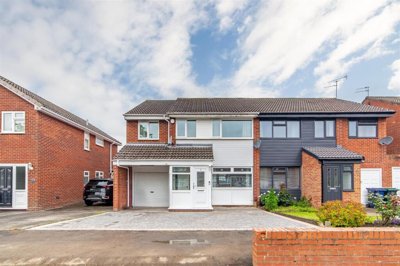
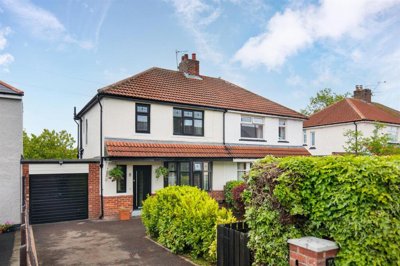
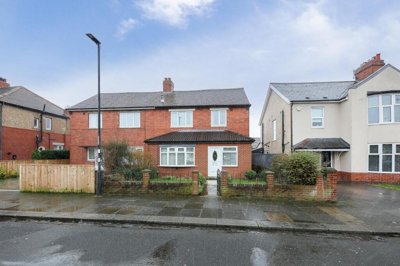
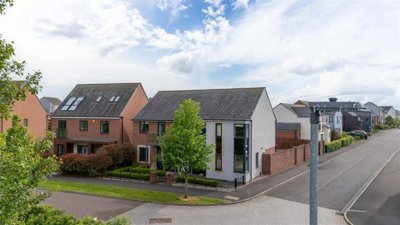
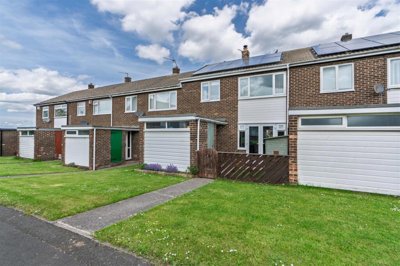
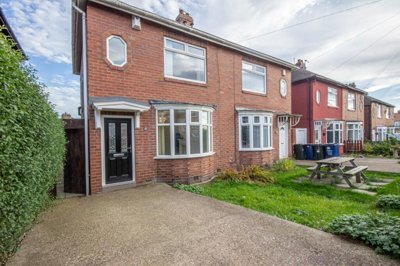
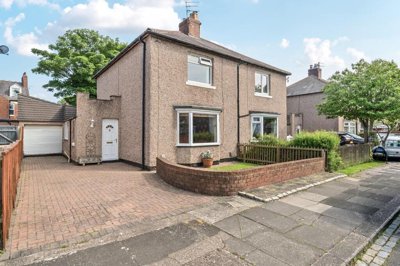
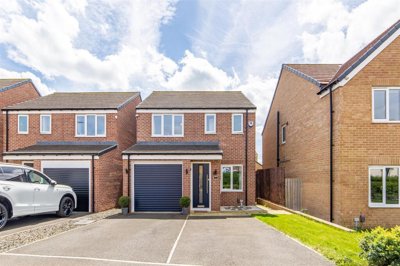
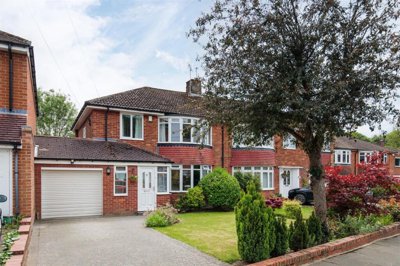
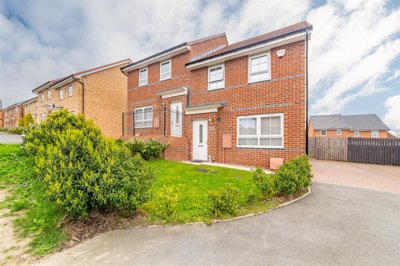
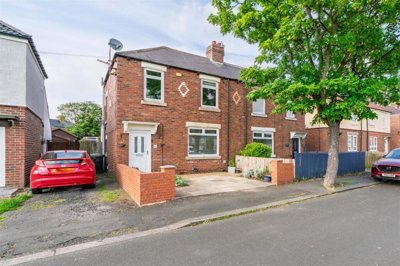
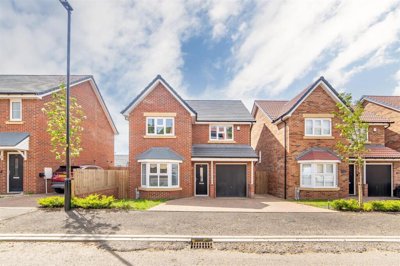
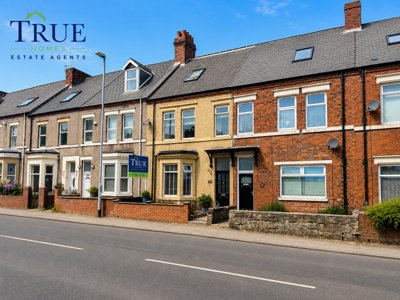
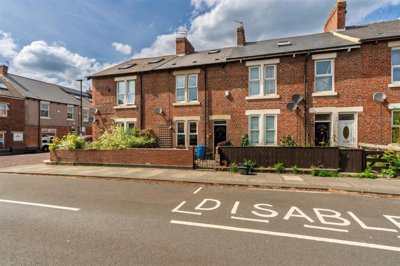
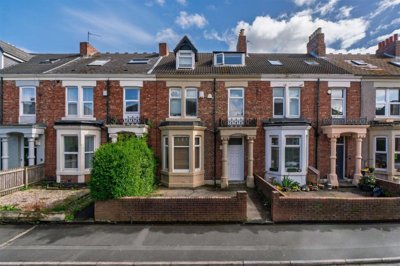
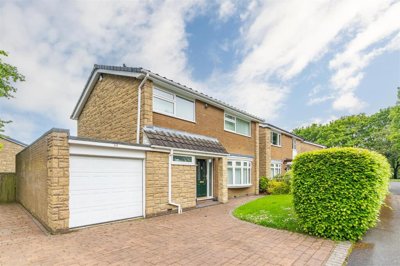
Browse 430 homes for sale in Newcastle, North East from local estate agents.
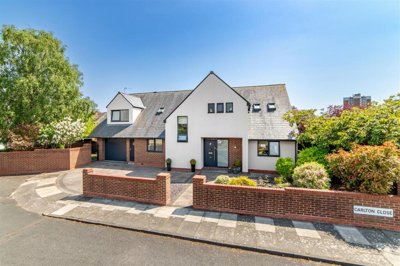
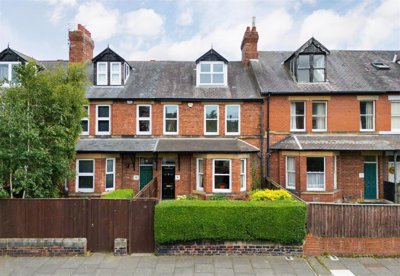
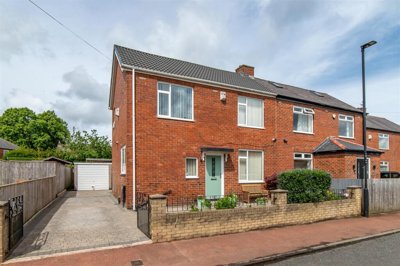
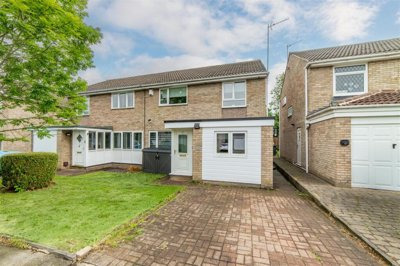
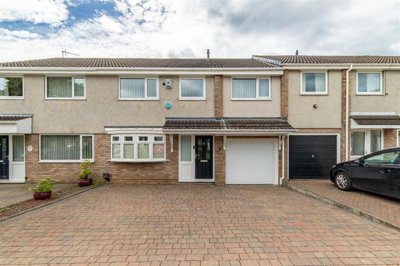
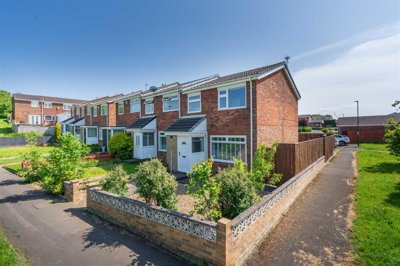
The Newcastle property market offers detached, semi-detached, and terraced houses spanning various price ranges and neighbourhoods. Each listing includes detailed property information, photographs, and direct contact with the marketing agent.
£280k
605
67
72
Source: home.co.uk
Showing 605 results for Houses for sale in Newcastle, North East. 67 new listings added this week. The median asking price is £280,000.
Source: home.co.uk
Semi-Detached
252 listings
Avg £287,431
Detached
192 listings
Avg £549,172
Terraced
161 listings
Avg £262,059
Source: home.co.uk
Source: home.co.uk
homedata.co.uk data points to an active Newcastle market, with prices up across most home types through 2025. Detached homes saw the strongest annual rise at +8.2% over 12 months to December 2025. Flats increased by 2.7%, semi-detached homes by 3.3%, and terraced homes by 3.8%. To us, that suggests buyers are still paying for extra room, while cheaper stock near the city centre and major employment hubs keeps selling steadily. The £129,000 average for flats and the £207,000 average for terraces still give many movers a workable way into the city.
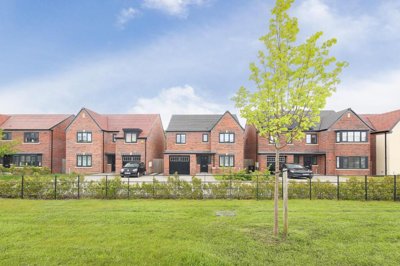
New-build sales are making a visible difference too. Between January 2025 and December 2025, 544 newly built homes sold in the Newcastle upon Tyne postcode area, which was 4.0% of all sales, and the average new-build price reached £293,000, up 9% year on year. The busiest price band was £300,000-£400,000, where 151 sales accounted for 27.8% of the total. home.co.uk currently lists active schemes across Newcastle and the wider NE area, including Portland Green in Ouseburn from £149,995, The Rise in Scotswood from £199,995, City Edge in Fenham from £249,995, and The Sycamores in Callerton from £279,995.

Newcastle has range, and the figures back that up. The 2021 Census recorded a population of 300,196 and 132,197 households. Sales are spread across several home types, with terraced houses at 33.0%, semi-detached homes at 31.6%, detached homes at 18.3%, and flats at 17.1%. That spread is one reason the market covers both smaller city homes and bigger family houses. We also see housing demand supported by the local economy, with major employers in healthcare, education, retail, digital, and the Port of Tyne.
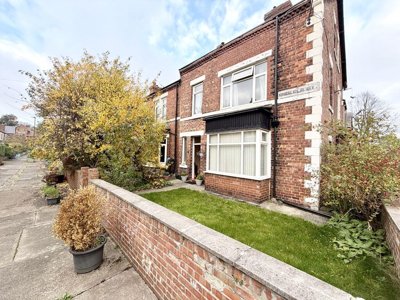
The city’s housing stock changes noticeably from one district to another. Sandstone appears in many of the grander older buildings, red brick turns up again and again in Victorian and Edwardian terraces, and newer schemes often use render, contemporary brick, and cladding. Place matters here. Grainger Town has its classical streets, while Jesmond and Gosforth include conservation areas and listed buildings that can affect what owners are allowed to alter. For buyers, that can mean plenty of original detail, but also stricter planning control over windows, roofs, and other external work.
Education plays a big part in the Newcastle market. Newcastle University and Northumbria University are both major employers, and both shape demand across the city. That has a knock-on effect on housing, because it supports rental demand, keeps local services trading, and means some areas stay active beyond term time. Families still need to look closely at catchments before offering on a property. In our experience, the home that fits the budget is not always the one tied to the chosen school.
For many family moves, the search starts with established residential districts. Jesmond and Gosforth come up often because buyers like their street layout and school access, while other parts of Newcastle can offer more room for the money and a simpler route into central facilities. We always suggest checking the latest Ofsted report, confirming the exact catchment for the address, and asking the selling agent whether the property has historically drawn interest from buyers focused on local schools. It is a small check, but it can remove a lot of doubt later.

Commuting is one of Newcastle’s practical strengths. Newcastle Central Station handles regional and national rail services, and the Tyne and Wear Metro helps people get across the city and out to nearby districts. By road, the A1 and other main routes link Newcastle with Gateshead, North Tyneside, the coast, and inland towns. Buses fill in a lot of daily journeys as well. That mix suits both city-centre buyers and households looking at suburban homes where parking and travel time matter every day.
Travel patterns shift a lot by area. The centre, Ouseburn, and Heaton can cut the trip to work or university, while Gosforth, Fenham, Callerton, and Scotswood may suit buyers who want more internal space or simpler car access. Parking is another point to pin down early. Around denser streets and many apartment blocks, spaces can be limited, so we would check for a bay, permit access, or private parking before going too far. One of Newcastle’s strengths is that buyers can swap a shorter commute for more house and garden without stepping outside the city market.
Our usual starting point is the map. Newcastle changes quickly from one neighbourhood to the next, so the first job is to focus on the area that matches both budget and day-to-day life. A terrace near the centre, a semi in Gosforth, and a new-build flat in Ouseburn each call for a slightly different approach. Before any viewing stage gets serious, we recommend having a mortgage agreement in principle in place. In a market where good homes still move fast, that can help a buyer look ready from the start.
Daylight viewings help. So does looking beyond the front door. In Newcastle, older houses can compare well on price, but we would still watch for roof condition, damp, and signs of earlier movement. Anyone weighing up several options should ask plainly about lease terms, parking, utility bills, and work already carried out by the seller. The more detail gathered on the street and the property, the easier it is to decide whether the asking price stacks up.
Once an offer is agreed, we would move quickly on the legal side and the survey. The age and construction of the property matter here. A house with sandstone walls, a slate roof, or a period conversion often needs closer inspection than a recently built home, and a good survey can spot costs before they land with the buyer. Keep the mortgage lender updated as matters progress, answer legal enquiries promptly, and line up completion dates with removals and notice periods. In Newcastle, preparation often counts for a lot, especially where character homes are involved.
Building materials and ground conditions matter in Newcastle more than some buyers expect. Older homes are often built in sandstone or red brick, and the underlying Carboniferous geology, with glacial till in places, can create a moderate to high shrink-swell risk that may lead to subsidence or heave where foundations are weak or the site has shifted over time. That is not a reason to rule out an older house. It is a reason to inspect carefully for cracks, sticking doors, sloping floors, and any record of past movement. On a period property, we think a solid survey earns its fee.
Flooding is another issue that can be very local. The River Tyne and tributaries such as the Ouseburn can bring fluvial flood risk, and heavy rainfall can also affect harder-surfaced streets with poor drainage. Buyers in conservation areas need to be careful for a different reason, because places such as Grainger Town, Jesmond, and Gosforth may have tighter planning control over windows, roof materials, and smaller external alterations. Flats need their own checks as well, especially lease length, service charges, ground rent, and sinking fund contributions. In Newcastle, the better offer is usually the one backed by proper due diligence, not simply the cheapest figure on the board.

In December 2025, homedata.co.uk records show an average house price of £208,000 in Newcastle upon Tyne. That was 6.1% higher than December 2024, which was stronger than the North East average rise of 4.6%. Property type makes a big difference. Flats and maisonettes averaged £129,000, while detached homes averaged £404,000. When we help buyers set a budget, we look first at the kind of home they actually want rather than relying on the city-wide average.
Council tax comes under Newcastle City Council, but the band is tied to the individual property rather than the street name on its own. Smaller flats and terraces often sit in the lower bands, while larger detached homes are more likely to fall into higher ones. The exact band should appear in the property details or be confirmed by the seller’s solicitor. We like to check this early. It is part of the monthly cost of owning the place, not just a side note after the purchase price.
School choice in Newcastle is never a city-wide shortcut. The right option depends on the exact address, the catchment, and the intake year. Newcastle University and Northumbria University help give the city a strong education setting overall, and family buyers often focus on established residential districts such as Jesmond and Gosforth. Before any offer goes in, we would check the latest Ofsted report and the current catchment map for the specific property. That usually gives a firmer answer than local reputation on its own.
By UK city standards, Newcastle is very well connected. Newcastle Central Station provides regional and national rail services, and the Tyne and Wear Metro covers many parts of the city as well as surrounding districts. Buses are useful, particularly on suburban routes and around local shopping areas. Parking is less consistent. We would always confirm whether a property has its own space or a clear permit arrangement, because some inner parts of the city are tighter than others.
For investors, Newcastle has one clear advantage, demand comes from more than one direction. Professionals, families, students, and local movers are all active in the market. Across the Newcastle upon Tyne postcode area, 13,700 sales were recorded in 2025, and 4.0% of those sales were new-build homes. Major employers in healthcare, education, retail, digital, and the Port of Tyne add to that base. Even so, the best purchase still comes down to yield, location, lease terms, and how easy the property is likely to be to resell.
At £208,000, a standard home purchase usually falls below the current stamp duty threshold for a main residence. That means the charge is generally 0%, because the price sits under £250,000. First-time buyers get 0% up to £425,000, so a £208,000 first home would also usually have no stamp duty to pay. Above that level, the sums change. A £300,000 main residence, for example, would usually mean £2,500 of stamp duty for a standard buyer. We would always check the figures against the buyer’s own position, because additional property rules and first-time buyer relief can alter the total.
Yes, new builds are a meaningful part of the Newcastle market. homedata.co.uk shows 544 newly built properties sold in the Newcastle upon Tyne postcode area between January and December 2025, with an average price of £293,000. home.co.uk also lists active schemes including Portland Green in Ouseburn, The Rise in Scotswood, City Edge in Fenham, and The Sycamores in Callerton. For some buyers, that lower-maintenance setup and newer energy performance will matter. We would still check service charges and any restrictions attached to the site.
Stamp duty is easy to misjudge if the buyer only looks at the headline price. For the 2024-25 tax year, standard buyers pay 0% up to £250,000, then 5% from £250,000 to £925,000, 10% from £925,000 to £1.5 million, and 12% above that. First-time buyers pay 0% up to £425,000, then 5% from £425,000 to £625,000, with no relief above £625,000. On Newcastle’s average price of £208,000, a standard residential purchase would usually sit below the threshold, so no stamp duty is normally due.
Other costs still need room in the budget. Mortgage arrangement fees, solicitor charges, survey costs, searches, removals, and any redecoration or repair work can mount up quickly, especially on an older terrace or a flat carrying leasehold charges. On a £300,000 purchase, the standard stamp duty bill is £2,500, while a first-time buyer would usually pay nothing at that price under the current rules. We think it makes more sense to cost the whole move as one project, not just the deposit and monthly repayment, because Newcastle has homes at very different price points and with equally different running costs.
Properties for Sale In London

Properties for Sale In Plymouth

Properties for Sale In Liverpool

Properties for Sale In Glasgow

Properties for Sale In Sheffield

Properties for Sale In Edinburgh

Properties for Sale In Coventry

Properties for Sale In Bradford

Properties for Sale In Manchester

Properties for Sale In Birmingham

Properties for Sale In Bristol

Properties for Sale In Oxford

Properties for Sale In Leicester

Properties for Sale In Newcastle

Properties for Sale In Leeds

Properties for Sale In Southampton

Properties for Sale In Cardiff

Properties for Sale In Nottingham

Properties for Sale In Norwich

Properties for Sale In Brighton

Properties for Sale In Derby

Properties for Sale In Portsmouth

Properties for Sale In Northampton

Properties for Sale In Milton Keynes

Properties for Sale In Bournemouth

Properties for Sale In Bolton

Properties for Sale In Swansea

Properties for Sale In Swindon

Properties for Sale In Peterborough

Properties for Sale In Wolverhampton

Enter your details to see if this property is within your budget.
Loans, cards, car finance
Estimated property budget
Borrowing + deposit
You could borrow between
Typical borrowing
Monthly repayment
Est. at 4.5%
Loan-to-value
This is an estimate only. Your actual budget may vary depending on interest rates, credit history, and personal circumstances. For an accurate affordability assessment, speak to one of our free mortgage advisors.
This calculator provides estimates for illustrative purposes only and does not constitute financial advice. Your home may be repossessed if you do not keep up repayments on your mortgage. Estimates based on 4.5% interest rate, repayment mortgage. Actual rates depend on your circumstances.
Homemove is a trading name of HM Haus Group Ltd (Company No. 13873779, registered in England & Wales). Homemove Mortgages Ltd (Company No. 15947693) is an Appointed Representative of TMG Direct Limited, trading as TMG Mortgage Network, which is authorised and regulated by the Financial Conduct Authority (FRN 786245). Homemove Mortgages Ltd is entered on the FCA Register as an Appointed Representative (FRN 1022429). You can check registrations at NewRegister or by calling 0800 111 6768.

We use cookies to show you personalised content and improve your experience of our website. Find out more in our Privacy policy and Cookie policy.