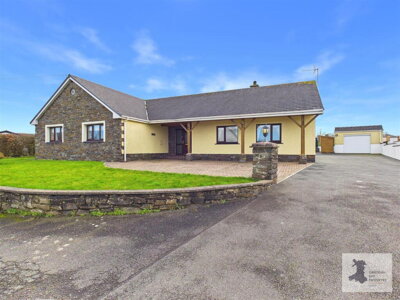
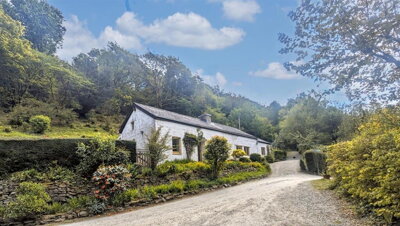
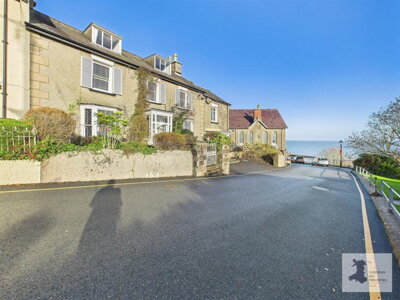
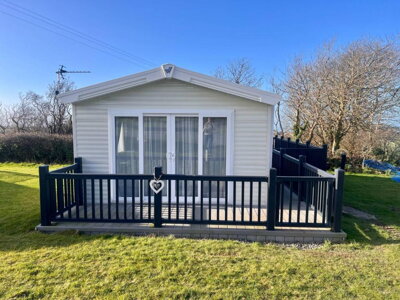
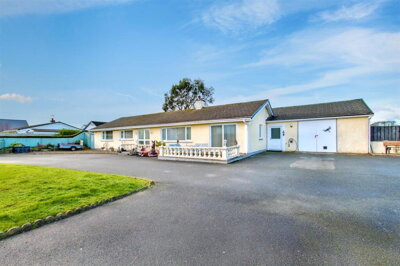
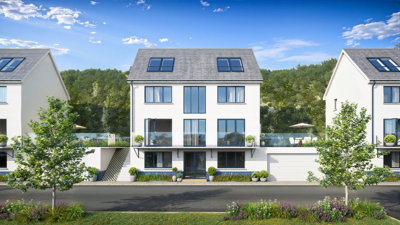
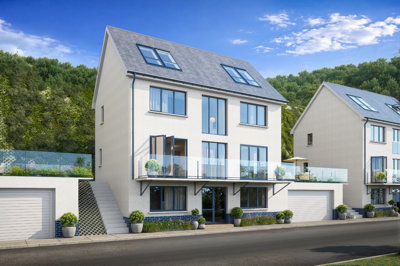
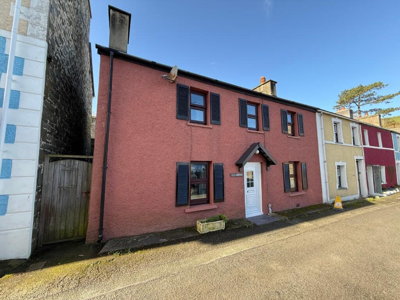
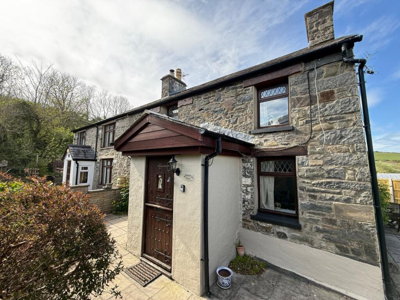
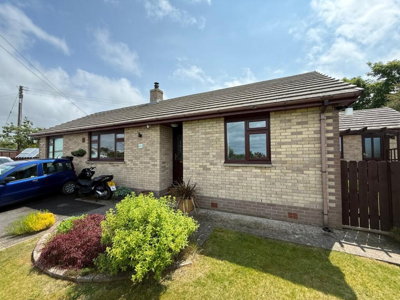
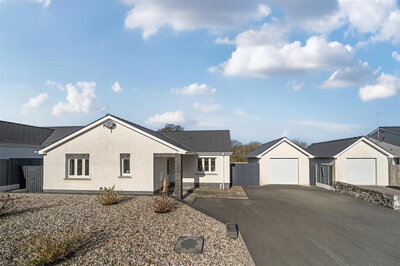
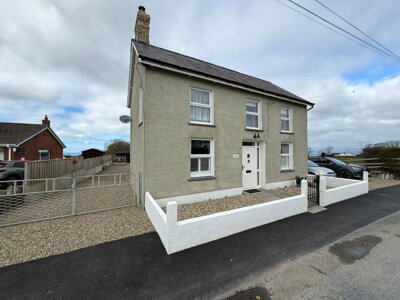
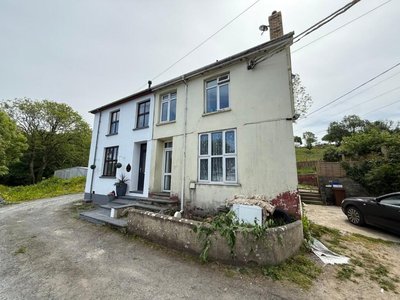
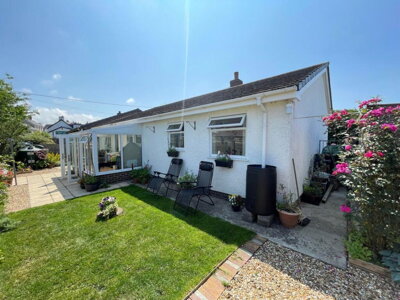
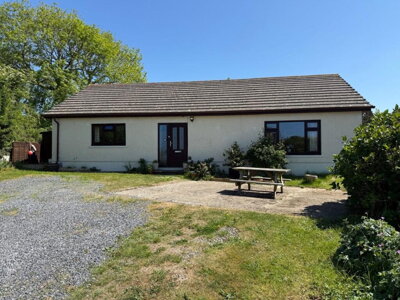
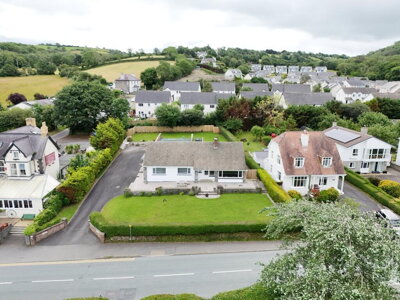
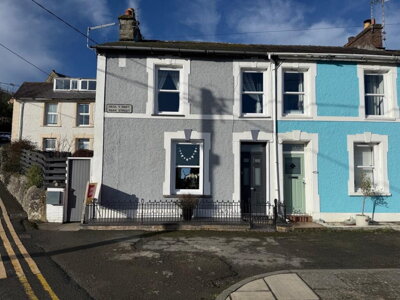
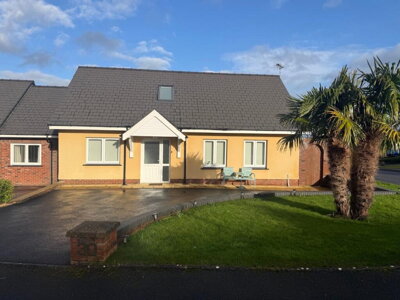
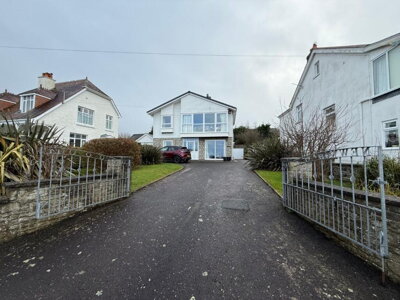
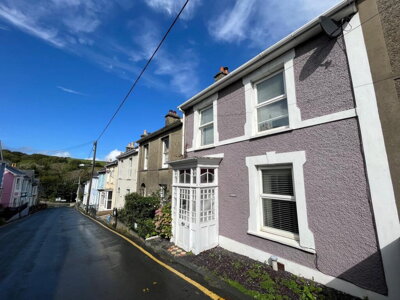
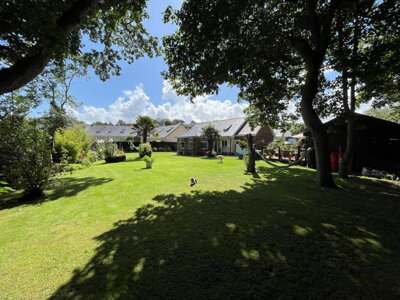
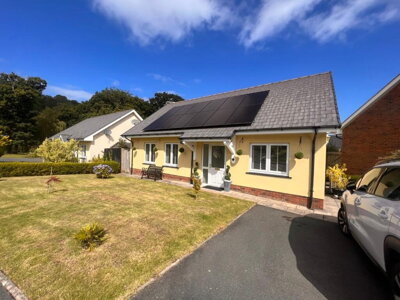
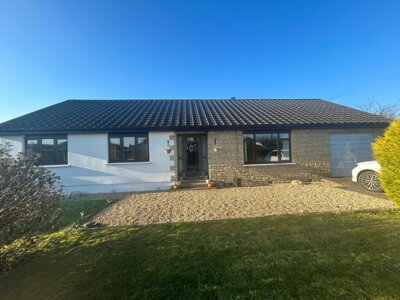
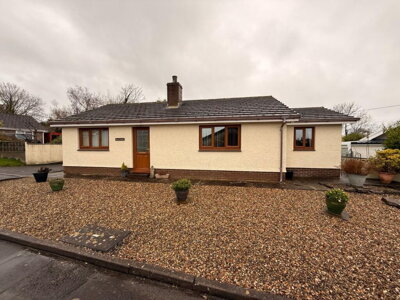
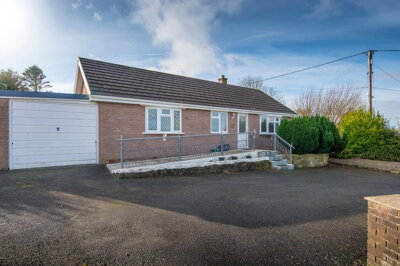
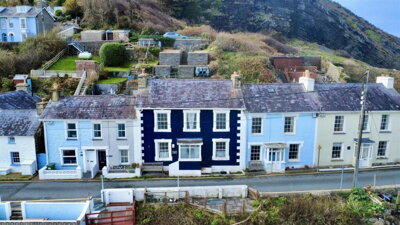
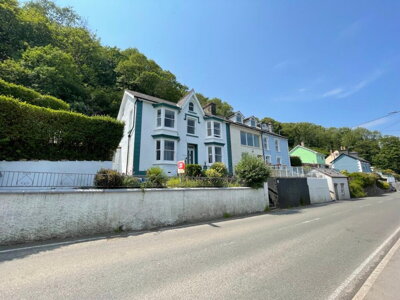
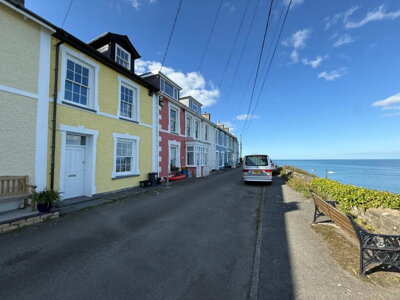
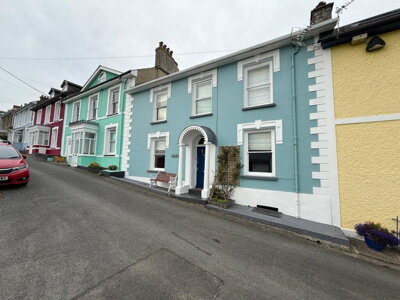
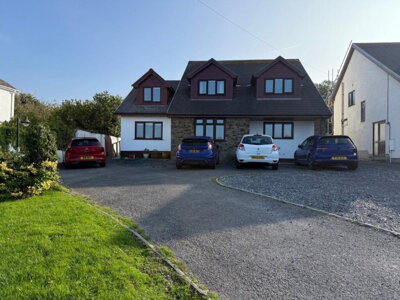
Browse 68 homes for sale in New Quay from local estate agents.
The New Quay property market offers detached, semi-detached, and terraced houses spanning various price ranges and neighbourhoods. Each listing includes detailed property information, photographs, and direct contact with the marketing agent.
£267,778
Average Property Price
18
Properties Currently Listed
+20.6%
5-Year Price Growth
The New Quay property market presents a diverse range of housing options to suit different budgets and lifestyles. Detached properties command the highest prices, with the average currently sitting at around £321,000, reflecting the premium associated with larger homes with sea views and garden space. Semi-detached homes average £220,000, while terraced properties typically sell for approximately £200,000. For those seeking more affordable entry to this coastal market, flats average around £145,000, offering an accessible option for first-time buyers or investors looking to capitalise on the strong holiday let demand.
Property prices in New Quay have demonstrated resilient long-term growth despite recent modest fluctuations. Over the past five years, values have increased by 20.6%, and over a decade, the market has grown by an impressive 37.9%. The past twelve months have seen a slight softening of 1.8%, which may present a buying opportunity for those who have been watching the market. With only 18 property sales recorded in the last year, the market moves at a measured pace, allowing buyers time to conduct thorough research and make informed decisions about their purchase.
The mix of property types in New Quay reflects its evolution from a working fishing harbour to a beloved coastal destination. Traditional fishermen's cottages line streets such as Rock Street and Marine Terrace, many now converted into holiday lets or desirable private residences. Victorian and Edwardian properties along Towyn Road and the seafront represent the towns Victorian heyday as a seaside resort, while more modern developments have added contemporary options on the outskirts of the village. This variety means buyers can find everything from character-filled period properties requiring renovation to well-presented homes ready for immediate occupation.

New Quay occupies a special place on the Ceredigion coast, where the Afon Cerdin flows into Cardigan Bay at the town harbour. With a population of approximately 1,082 residents across 550 households, the village maintains an intimate community atmosphere where neighbours know one another and local events bring the community together throughout the year. The town centre centres around the historic harbour, where fishing boats still operate alongside pleasure vessels offering dolphin watching excursions that have become something of a regional tradition for visitors.
The local economy of New Quay revolves primarily around tourism, hospitality, and marine activities. Visitors flock to the area throughout the summer months to enjoy the beaches, coastal walks, and wildlife watching opportunities, particularly the resident population of bottlenose dolphins that can be spotted from the shore and seafront properties. This seasonal influx supports numerous bed and breakfasts, holiday cottages, and local businesses that form the backbone of the community. The presence of holiday homes and second properties significantly influences the local housing market, creating demand that supports property values while also presenting considerations for those seeking permanent residences.
Beyond the summer season, New Quay reveals a different character that appeals to those seeking a quieter pace of life. Local pubs and restaurants serve the resident community year-round, while community initiatives and local groups provide social connections for those putting down roots. The surrounding countryside offers excellent walking opportunities, with the Ceredigion Coast Path providing spectacular views and wildlife spotting along the cliff tops. For those considering a permanent move, the village offers a strong sense of community that many larger towns lack, though prospective buyers should visit during the quieter winter months to ensure the seasonal rhythm suits their lifestyle preferences.

Families considering a move to New Quay will find educational provision available within the village and the surrounding Ceredigion area. The local primary school serves the immediate community, providing education for children in the early years before they progress to secondary education in nearby towns. Ceredigion local authority maintains a strong commitment to Welsh language education, and many schools in the area offer bilingual teaching that provides children with valuable language skills for their future.
Secondary education options for New Quay residents typically include schools in the surrounding towns of Lampeter, Aberystwyth, or Cardigan, which students access via school transport services. Parents should verify current catchment areas and admissions policies with Ceredigion County Council, as these can change and may influence school placement for their children. For families prioritising specific educational approaches or religious education, researching options across the wider Ceredigion region is advisable before committing to a property purchase, particularly given the rural nature of the area and the distances involved in reaching some facilities.
The quality of education in Ceredigion is generally well regarded, with schools consistently performing above the Welsh average in many measures. Parents moving to New Quay from England should note that the Welsh education system has some differences from its English counterpart, including the prominence of Welsh language teaching and the Welsh Baccalaureate qualification at secondary level. For families relocating from further afield, understanding these differences and how they might benefit your childs educational development can be an important factor in your decision to purchase property in this part of West Wales.
New Quay sits on the Ceredigion coast, approximately 12 miles south of Aberarth and within reasonable reach of the larger towns of Aberystwyth to the north and Cardigan to the south. The village is connected by local bus services that run along the coast, providing links to neighbouring communities and onward connections to railway stations. For residents relying on public transport, planning journeys to major cities or accessing wider transport networks will require combining bus services with rail connections from Aberystwyth or Carmarthen.
For those travelling by car, the A486 provides the main road connection through New Quay, linking the village to the A487 coastal road that runs between Aberystwyth and Cardigan. Journey times to Aberystwyth take approximately 30 minutes, while Cardigan can be reached in around 35 minutes. The journey to Swansea typically takes two to two and a half hours, and reaching the Severn Bridge crossing for access to England requires approximately three hours of driving. Daily commuters to major employment centres should carefully consider these distances and whether remote working arrangements or hybrid commuting patterns might suit their circumstances before purchasing property in this beautiful but remote location.
The nearest railway stations are located in Aberystwyth to the north and Carmarthen to the south, both offering connections to the national rail network. Aberystwyth provides services towards Shrewsbury and the West Midlands, while Carmarthen offers connections to Swansea, Cardiff, and beyond. For those who travel regularly for business or family reasons, factoring in these connections and the time they add to journeys is an important practical consideration. Many residents of New Quay find that the peaceful lifestyle and natural beauty of the area more than compensate for the distances involved in reaching larger urban centres.
Spend time exploring New Quay at different times of year to understand the seasonal tourism patterns, check tide times and beach access, and speak with residents about their experiences of living in the village. Consider whether the summer influx of visitors suits your lifestyle preferences, and visit the local shops and pubs to get a feel for the community atmosphere.
Contact lenders or mortgage brokers to obtain an Agreement in Principle before viewing properties. This demonstrates your financial readiness to estate agents and sellers, strengthening your position in negotiations. Several competitive products are available for Welsh property purchases, and speaking with a specialist broker familiar with coastal properties can help you understand the options available.
Use Homemove to browse all available properties in New Quay and set up instant alerts for new listings. Arrange viewings through listed estate agents, paying particular attention to property condition, potential renovation needs, and proximity to flood risk areas. Take time to view properties both inside and out, noting the condition of boundaries, roofs, and any seafront exposure.
Once your offer is accepted, instruct a RICS Level 2 Survey to assess the property condition. Given the age of many properties in New Quay and the coastal environment, a thorough survey is essential to identify any issues with damp, roofing, or structural concerns before you commit to purchase. Our inspectors have extensive experience surveying traditional Welsh stone properties and understand the specific challenges of the local housing stock.
Appoint a conveyancing solicitor with experience in Welsh property transactions to handle the legal work. They will conduct searches with Ceredigion County Council, manage the transfer of ownership, and ensure all documentation is in order for your purchase to proceed smoothly. Given the number of listed buildings and conservation area properties in New Quay, using a solicitor familiar with these designations is particularly important.
Once all searches are satisfactory and financing is confirmed, your solicitor will arrange the exchange of contracts and set a completion date. On completion day, the remaining balance is transferred and you receive the keys to your new home in New Quay. We recommend arranging a final walk-through shortly before completion to ensure the property is in the expected condition.
Properties in New Quay present unique considerations that buyers should carefully evaluate before proceeding with a purchase. The coastal environment means that properties, particularly those near the seafront or harbour, face exposure to salt air and driving rain that can accelerate wear on building materials. Look carefully for signs of damp, both internally and in less visible areas such as under floors or within roof spaces. Older properties constructed from local stone may lack modern damp-proof courses, making thorough inspections even more important.
Flood risk requires careful consideration in New Quay, given its coastal position and the presence of the Afon Cerdin river. Properties immediately adjacent to the harbour or river should be assessed for their elevation and any history of flooding. Sellers are required to complete a Property Information Questionnaire that includes flood-related questions, and you should also conduct your own research using government flood risk maps before committing to a purchase. Properties within the designated Conservation Area may face restrictions on alterations and renovations, which is worth understanding if you are planning any works to a property you are considering buying.
The prevalence of listed buildings in New Quay means that many properties carry additional responsibilities and considerations. If you are purchasing a listed building, you will need to obtain Listed Building Consent for certain works that would otherwise not require planning permission. This can affect everything from window replacements to extensions or even significant repairs. Factor in the potential costs of maintaining traditional features and using appropriate materials when budgeting for any property purchase in this historic harbour village.
Beyond the specific New Quay considerations, we always recommend a thorough inspection of the condition of roofing, windows, plumbing, and electrical systems. Many properties in the village date from the 18th, 19th, and early 20th centuries, and original features may require updating to meet modern standards. Our RICS Level 2 Survey will identify any issues that need attention, giving you the information needed to negotiate on price or request repairs before completion.
The traditional building methods used in New Quay reflect centuries of local construction practice adapted to the Ceredigion coast. Properties are predominantly built from local stone, often rendered or painted, with traditional Welsh slate used for roofing. Timber sash windows are common in older properties, as are lime mortars rather than modern cement pointing. Understanding these traditional construction methods helps buyers appreciate both the character of the property and the maintenance considerations that come with older buildings.
The underlying geology of the New Quay area consists primarily of Silurian and Ordovician mudstones and sandstones, which generally present a low to very low shrink-swell risk for foundations. However, superficial deposits of clay or till, where present, can introduce localised moderate shrink-swell potential that may affect foundation performance. Our surveyors are experienced in assessing properties on these geological conditions and can advise on any remedial works that might be required.
Given the coastal environment and age of much of the housing stock, certain defects are commonly encountered in New Quay properties. Damp is particularly prevalent, whether rising damp in properties lacking a damp-proof course, penetrating damp from driving rain exposure, or condensation resulting from inadequate ventilation in solid-walled construction. Roof conditions also require careful inspection, with original slate roofs prone to slipped slates, perished pointing, and general wear that can lead to water ingress. Timber defects including wet rot, dry rot, and woodworm are common where damp issues are present, and our inspectors pay particular attention to these areas during every survey.
Electrical wiring and plumbing in older properties frequently require updating to meet current standards. Many properties will have fuse boards and wiring that predates modern safety requirements, and plumbing systems may use materials no longer considered best practice. Heating systems are often outdated and inefficient, contributing to higher energy costs and potential condensation issues in properties lacking modern insulation. A RICS Level 2 Survey will assess all these systems and flag any concerns that need addressing before or after purchase.
Purchasing a property in New Quay involves several costs beyond the purchase price that buyers should budget for carefully. In addition to the property price itself, you will need to account for Stamp Duty Land Tax, which in Wales operates on a tiered system with 0% charged on the first £225,000, 5% between £225,001 and £400,000, and progressively higher rates above that threshold. For a typical property in New Quay at the average price of £267,778, standard SDLT would be approximately £2,139. First-time buyers may qualify for relief on the first £300,000 of properties valued up to £500,000.
Survey costs are an essential part of the buying process, particularly given the age and character of many properties in New Quay. A RICS Level 2 Survey in the Ceredigion area typically costs between £400 and £800, depending on property size and value, with larger detached homes commanding higher fees. An Energy Performance Certificate costs from £85 and is a legal requirement for all property sales. Conveyancing fees generally start from around £499 for straightforward transactions, though complexity involving listed buildings or conservation area restrictions may increase costs. You should also budget for search fees from Ceredigion County Council, which typically run to several hundred pounds, plus Land Registry fees for registering your ownership.
Additional costs to factor into your budget include removal expenses, potential renovation or repair costs identified during survey, and buildings insurance from the point of exchange of contracts. If you are purchasing a property that requires renovation, obtaining quotes from local builders before completion is advisable so you understand the full cost of your purchase. Setting aside a contingency fund equivalent to at least 10% of your purchase price for unexpected works is a prudent approach when buying any property, but particularly so in older coastal properties where hidden defects are more likely.
The average property price in New Quay, Ceredigion was £267,778 as of February 2026, based on the previous 12 months of transaction data. Detached properties average around £321,000, semi-detached homes around £220,000, terraced properties approximately £200,000, and flats around £145,000. Property prices have decreased slightly by 1.8% over the past year, though long-term growth remains strong with a 20.6% increase over five years and a 37.9% increase over the past decade.
Council tax bands in New Quay are set by Ceredigion County Council. Properties in this coastal village typically fall across bands A through D, with many traditional cottages and smaller terraced properties in lower bands and larger detached homes or properties with significant sea views in higher bands. You can check the specific council tax band of any property through the Valuation Office Agency website using the property address or location code.
New Quay has a local primary school serving the immediate community, with Welsh language education available as part of the curriculum. Secondary education options for New Quay residents include schools in nearby towns such as Aberystwyth, Lampeter, or Cardigan, with school transport services provided for eligible pupils. Ceredigion maintains a network of good-performing schools, and parents should verify current admissions arrangements and catchment areas with the local education authority before purchasing property, particularly given the rural nature of the area and the distances involved.
New Quay is served by local bus routes that connect the village to neighbouring coastal communities and onward transport hubs. The nearest railway stations are in Aberystwyth and Carmarthen, requiring bus connections to reach. For those without private transport, planning journeys to major cities requires combining multiple modes of transport and should be factored into your decision about relocating to this beautiful but relatively remote coastal village.
New Quay offers several investment considerations worth evaluating. The strong tourism presence creates demand for holiday lets, potentially generating attractive rental income for property owners during peak season. Long-term property values have shown consistent growth, with prices rising 37.9% over ten years. However, the seasonal nature of tourism means rental income may be concentrated in summer months, and the presence of holiday homes affects the character of the village outside peak season. Any investment should factor in potential void periods, maintenance costs for older properties, and the impact of holiday let regulations.
Stamp Duty Land Tax rates for standard purchases in Wales start at 0% on the first £225,000 of property value, then 5% on the portion from £225,001 to £400,000, and higher rates above that threshold. First-time buyers in Wales may benefit from relief on the first £300,000 of properties up to £500,000 value. For properties above £500,000, standard SDLT rates apply to all buyers. Your solicitor will calculate the exact amount due based on your circumstances and the purchase price.
From 4.5% APR
Finance your New Quay property purchase with competitive rates
From £499
Expert legal support for your Welsh property transaction
From £400
Professional property survey by qualified inspectors
From £85
Energy performance certificate for your New Quay home
Properties for Sale In London

Properties for Sale In Plymouth

Properties for Sale In Liverpool

Properties for Sale In Glasgow

Properties for Sale In Sheffield

Properties for Sale In Edinburgh

Properties for Sale In Coventry

Properties for Sale In Bradford

Properties for Sale In Manchester

Properties for Sale In Birmingham

Properties for Sale In Bristol

Properties for Sale In Oxford

Properties for Sale In Leicester

Properties for Sale In Newcastle

Properties for Sale In Leeds

Properties for Sale In Southampton

Properties for Sale In Cardiff

Properties for Sale In Nottingham

Properties for Sale In Norwich

Properties for Sale In Brighton

Properties for Sale In Derby

Properties for Sale In Portsmouth

Properties for Sale In Northampton

Properties for Sale In Milton Keynes

Properties for Sale In Bournemouth

Properties for Sale In Bolton

Properties for Sale In Swansea

Properties for Sale In Swindon

Properties for Sale In Peterborough

Properties for Sale In Wolverhampton

Enter your details to see if this property is within your budget.
Loans, cards, car finance
Estimated property budget
Borrowing + deposit
You could borrow between
Typical borrowing
Monthly repayment
Est. at 4.5%
Loan-to-value
This is an estimate only. Your actual budget may vary depending on interest rates, credit history, and personal circumstances. For an accurate affordability assessment, speak to one of our free mortgage advisors.
This calculator provides estimates for illustrative purposes only and does not constitute financial advice. Your home may be repossessed if you do not keep up repayments on your mortgage. Estimates based on 4.5% interest rate, repayment mortgage. Actual rates depend on your circumstances.
Homemove is a trading name of HM Haus Group Ltd (Company No. 13873779, registered in England & Wales). Homemove Mortgages Ltd (Company No. 15947693) is an Appointed Representative of TMG Direct Limited, trading as TMG Mortgage Network, which is authorised and regulated by the Financial Conduct Authority (FRN 786245). Homemove Mortgages Ltd is entered on the FCA Register as an Appointed Representative (FRN 1022429). You can check registrations at NewRegister or by calling 0800 111 6768.

We use cookies to show you personalised content and improve your experience of our website. Find out more in our Privacy policy and Cookie policy.