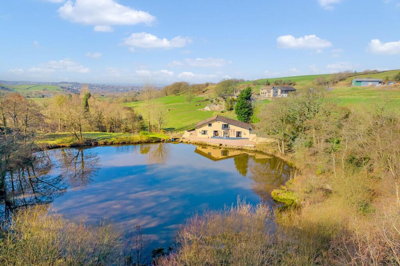
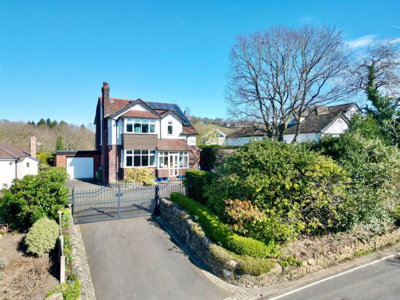
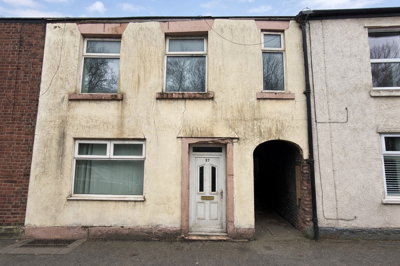
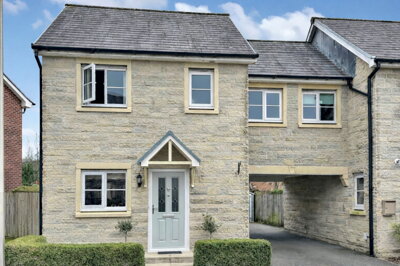
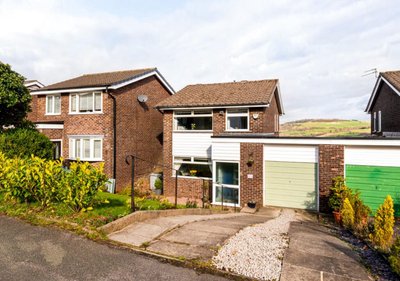
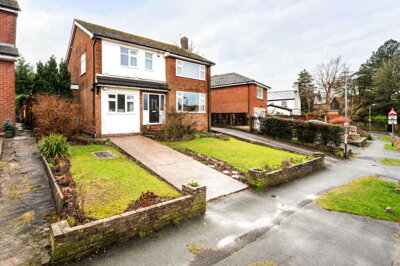
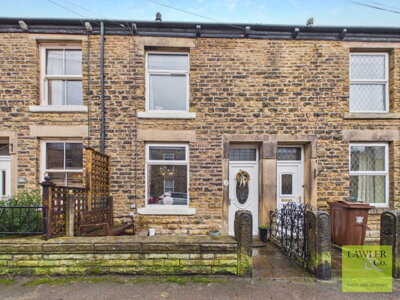
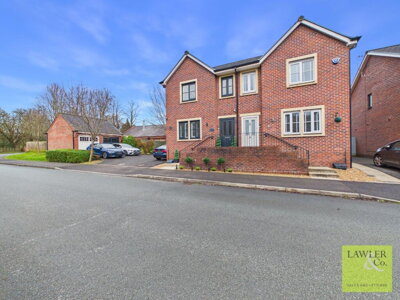
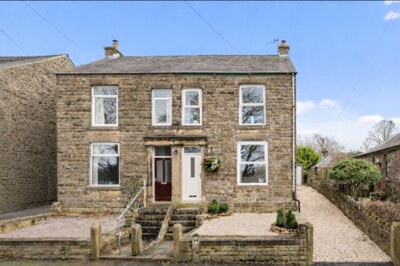
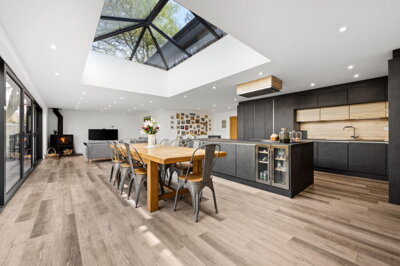
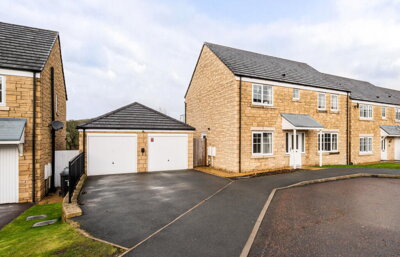
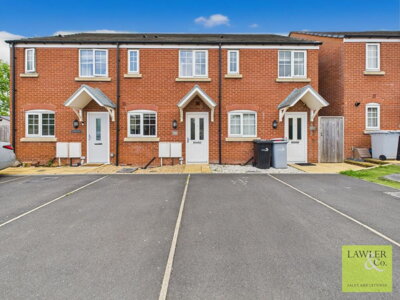
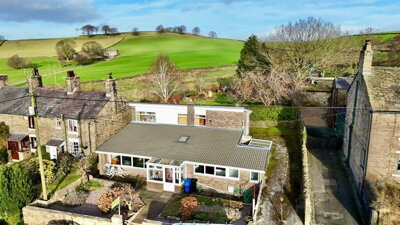
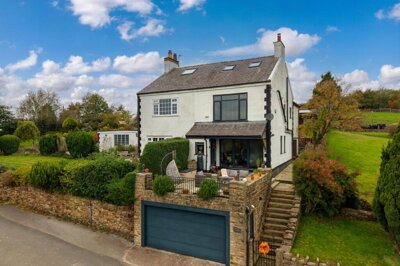
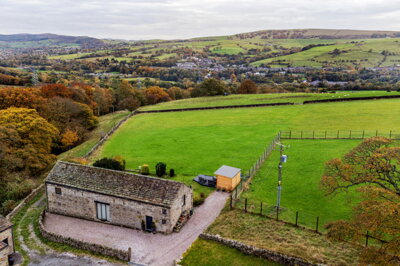
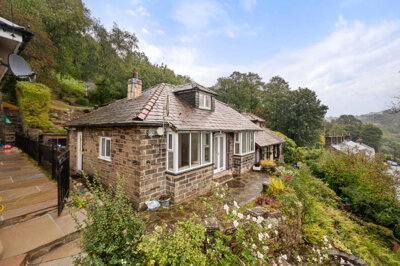
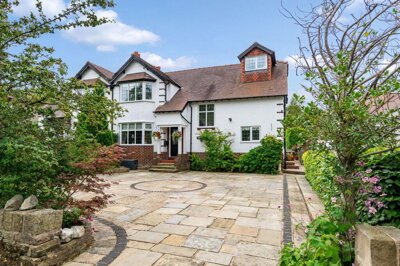
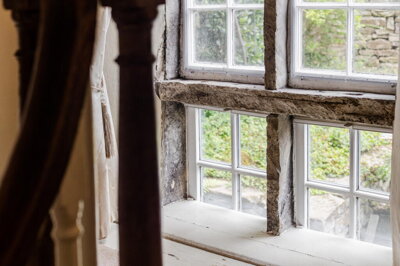
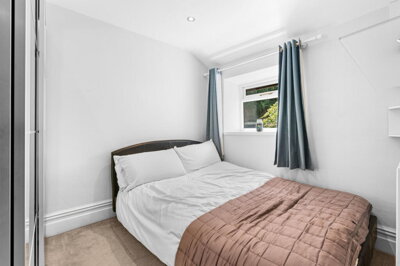
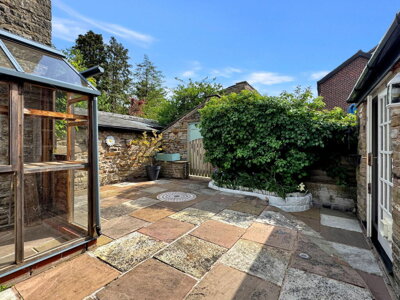
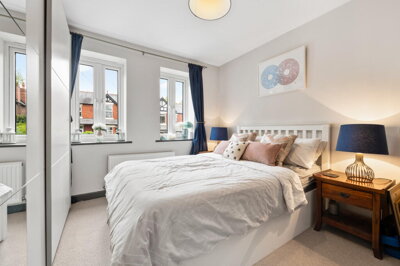
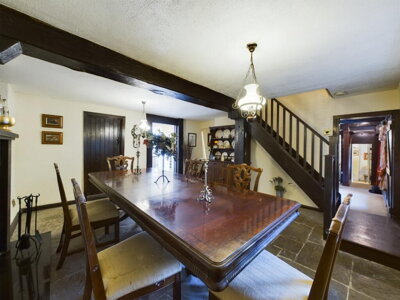
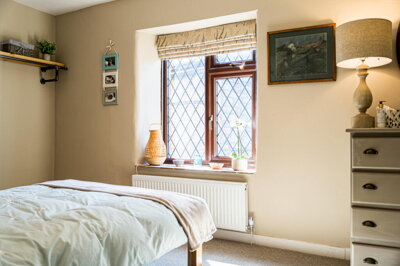
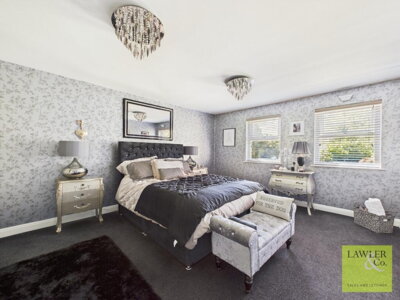
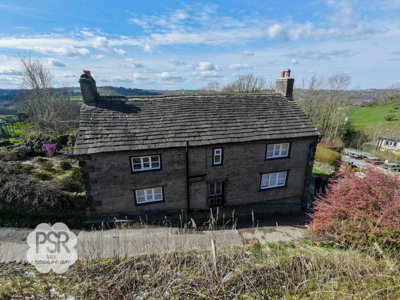
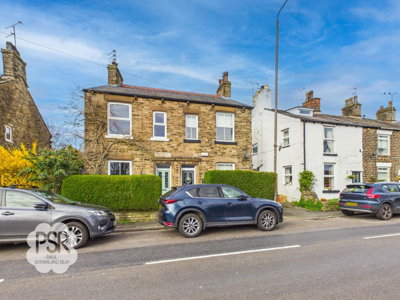
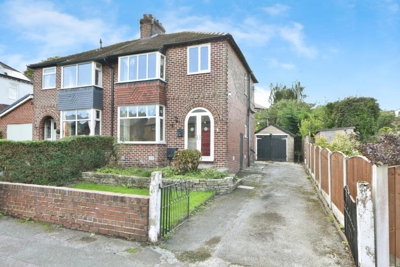
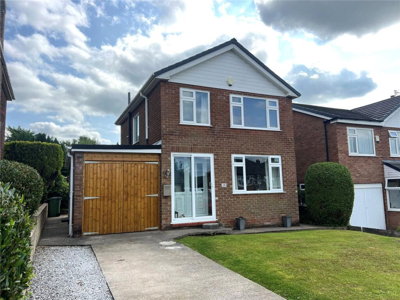
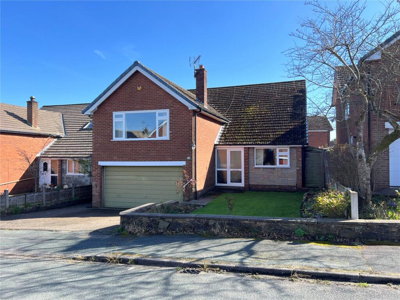
Browse 325 homes for sale in New Mills from local estate agents.
The New Mills property market offers detached, semi-detached, and terraced houses spanning various price ranges and neighbourhoods. Each listing includes detailed property information, photographs, and direct contact with the marketing agent.
The New Mills property market has demonstrated resilience despite broader national fluctuations, with house prices showing modest growth of 3.83% over the past twelve months according to recent market analysis. Our data indicates 232 property sales have completed in the SK22 postcode area over the last two years, reflecting steady demand from buyers who recognise the value this Derbyshire town offers compared to nearby Manchester and Stockport. The market includes a healthy mix of property types, from compact starter homes to generous family houses, ensuring options for buyers across different budget levels and life stages.
Property prices in New Mills vary considerably by type, with detached homes commanding an average of £408,909 and semi-detached properties trading around £307,281. Terraced houses, which form a significant portion of the town's Victorian housing stock, typically sell for approximately £242,857, making them an accessible entry point for first-time buyers seeking character properties in a desirable location. Flats in New Mills average around £145,000, though conversions from former mill buildings can command premiums due to their unique features and desirable settings overlooking the Torrs gorge.
Several new build developments are adding modern options to the local market. High Hill View on Hayfield Road offers a selection of two, three, and four-bedroom homes alongside apartments starting from £179,950, providing contemporary alternatives for buyers preferring newer construction. Corn Mill Court on Albion Road features three and four-bedroom townhouses from £425,000, while Moorland Gardens on Moorland Road presents eco homes priced between £525,000 and £550,000 for buyers prioritising sustainable living. These developments complement rather than dominate the existing character of New Mills, which retains a strong emphasis on period properties constructed from local gritstone.

Life in New Mills revolves around community spirit and appreciation for the natural landscape that surrounds this former industrial town on the edge of the Peak District. The town centre features an eclectic mix of independent shops, artisan cafes, and traditional pubs that line the historic streets, creating an atmosphere far removed from generic high street uniformity. Local businesses include family-run greengrocers, vintage furniture shops, and specialist outdoor equipment retailers that serve both residents and visitors exploring the nearby moorland and valleys.
The Torrs represents New Mills most dramatic natural feature, a 70-foot deep gorge carved through Carboniferous sandstone where the River Goyt and River Sett converge. This spectacular landscape is accessible via public footpaths and offers opportunities for climbing, walking, and photography throughout the year. The historic Torr Vale Mill, now a Grade II* listed building, stands as the industrial heritage that shaped the town from the late 18th century onwards, when cotton mills and print-works dominated the local economy and attracted workers from across the region.
The local economy benefits from the presence of Swizzels Matlow, the sweet manufacturer that bought up redundant mills in the mid-20th century and remains a significant local employer today. This mix of traditional manufacturing and modern service sector employment provides stable job opportunities within the town itself, reducing reliance on commuting for those who prefer to work locally. New Mills maintains a population of approximately 9,137 residents across 4,317 households, creating a compact community where neighbours often become friends and local events draw good attendances throughout the year.
Families considering a move to New Mills will find a reasonable selection of educational options within the town and surrounding High Peak area. Primary education is served by several local schools, with New Mills Primary School serving as the main establishment for children in the immediate area. The schools in New Mills generally reflect the character of the broader community, providing solid educational foundations within a supportive environment that encourages outdoor learning given the proximity to countryside and moorland.
Secondary education options include New Mills School, a purpose-built secondary established in 1912 that continues to serve students from across the surrounding valleys and villages. The school occupies a prominent position in the community and maintains traditions dating back over a century, with buildings constructed from the same local gritstone that characterises much of the towns architecture. For families seeking grammar school options, nearby towns in Derbyshire and Greater Manchester offer selective education, though admission depends on catchment areas and examination results.
Further education opportunities are readily accessible for older students, with colleges and sixth forms in surrounding towns providing a wide range of academic and vocational courses. The excellent rail connections from New Mills make it practical for older students to commute to colleges in Stockport, Manchester, or Sheffield, opening up extensive educational pathways beyond what a small town could offer alone. Parents should verify current Ofsted ratings and admission catchment boundaries when considering specific schools, as these can change and may influence which properties best suit family requirements.
Transport connectivity ranks among New Mills strongest assets, with two railway stations serving the town and providing direct access to major employment centres. New Mills Central and New Mills Newtown stations offer regular services to Stockport and Manchester Piccadilly, with journey times to Manchester city centre taking under 30 minutes on most services. This makes New Mills particularly attractive to commuters who work in the financial, professional services, and creative sectors concentrated in Manchester city centre but prefer to live somewhere with more character and outdoor recreation opportunities.
Rail services from New Mills also connect to Sheffield, providing access to another major employment hub and university city, while cross-platform connections at Stockport open routes to Manchester Airport and beyond. For drivers, the towns position provides reasonable access to the motorway network, though the winding valley roads require careful navigation. The A6 passes nearby, connecting New Mills to Buxton and Bakewell to the north while providing routes towards Manchester and Derby in other directions.
Local bus services operate throughout New Mills and connect to surrounding villages and towns, providing essential access for residents without cars. The bus network serves daily needs including shopping trips, school runs, and leisure journeys to nearby towns. Cycling is popular in the area, with both commuters and recreational cyclists using the scenic routes through the Peak District, though the hilly terrain requires reasonable fitness. Parking in the town centre is generally manageable compared to larger towns, making driving within New Mills itself relatively straightforward for those with vehicles.
Explore New Mills thoroughly before committing to a purchase. Visit at different times of day and week, check local amenities, and speak with residents to understand what daily life is like in specific streets and areas. The town centre and areas around Market Street and Union Road offer different atmospheres to the quieter residential streets climbing up from the valley floor, so consider how your daily routine might fit with each neighbourhood.
Before viewing properties, obtain a mortgage agreement in principle from a lender or broker. This confirms how much you can borrow and demonstrates to estate agents and sellers that you are a serious buyer. New Mills property can sell quickly given its popularity, so being financially prepared gives you a competitive advantage when you find the right home.
View multiple properties across different price ranges to understand what your budget can achieve in New Mills. Note the variety between Victorian terraces on streets like Station Road and Meal Street, period semis, and newer builds, paying attention to construction materials, room sizes, and outdoor space. Ask about any recent renovations, maintenance history, and any known issues with neighbours or the property.
Given that most properties in New Mills are over 50 years old, with many dating from the Victorian and Edwardian periods, a thorough survey is essential. RICS Level 2 surveys in New Mills typically cost between £395 and £1,250 depending on property size and value. This investment can identify issues like damp, structural concerns, or outdated electrics that are common in period properties here.
Once your offer is accepted, instruct a conveyancing solicitor to handle the legal transfer of ownership. They will conduct searches specific to Derbyshire, including checks on local planning permissions, environmental risks, and any rights of way affecting the property. Given New Mills history with flooding and mining, specific searches around flood risk and ground stability may be particularly relevant.
After all searches are satisfactory and mortgage finance is confirmed, you will exchange contracts and pay your deposit. Completion typically follows within weeks, at which point you receive the keys and can move into your new New Mills home. Allow time for transferring utilities and updating addresses before completion day for a smooth transition.
Properties in New Mills present both opportunities and challenges that buyers should understand before committing to a purchase. The towns industrial heritage means many homes are constructed from local gritstone using traditional methods predating modern building regulations, resulting in solid walls without cavity insulation and original features that require ongoing maintenance. Prospective buyers should look beyond cosmetic improvements to assess the underlying condition of roofs, drainage systems, and structural elements that can be expensive to repair or replace.
Flood risk deserves careful consideration given New Mills position at the confluence of two rivers and its documented history of significant flooding, most notably the Great Flood of 1930 when the River Sett rose over twenty feet. While specific Flood Zone designations vary within the town, buyers should investigate the flood history of any specific property and consider whether adequate flood resilience measures are in place. Properties near the river or in lower-lying areas of the valley may face higher insurance premiums or mortgage restrictions.
The presence of 65 listed buildings in New Mills, including the Grade II* Torr Vale Mill, means that buyers considering period properties should understand the implications of listed building status. These homes require specialist maintenance using appropriate traditional materials and techniques, with any alterations requiring Listed Building Consent from the local planning authority. Article 4 Directions within the conservation area impose additional restrictions on permitted development rights, which buyers should investigate thoroughly before purchase to avoid unexpected limitations on how they can use or modify the property.
Mining history in New Mills involved up to 40 small pits exploiting the Yard Seam, creating potential for ground instability issues in some areas, though a geo-environmental assessment at some sites has found no current mining affects. Given the prevalence of clay-rich soils in the region, shrink-swell subsidence during prolonged dry or wet periods can affect properties with shallow foundations. A thorough building survey should investigate these geological and historical factors, with particular attention to any signs of cracking, movement, or drainage issues that might indicate underlying problems.
Given New Mills concentration of Victorian and Edwardian properties, our surveyors frequently encounter defects associated with traditional construction methods and materials. Solid-walled gritstone properties often suffer from rising damp when original damp-proof courses have failed or were never installed, along with penetrating damp from weathered pointing or deteriorating mortar joints. The Pennine urban vernacular style of these homes, with their simply dressed and coursed stonework and semi-circular headed doorways, requires ongoing maintenance to prevent water ingress through the traditional fabric.
Roof conditions on traditional slate and stone-slate coverings frequently require attention during surveys. Our inspectors commonly find slipped or broken tiles, deteriorating ridge mortar, and failed flashings around chimneys and parapets. Properties that have been re-roofed with heavier modern materials such as concrete tiles instead of the original Welsh slate can experience roof spread if the original timber structures were not designed to carry the additional weight. This structural concern is something our team looks for carefully when surveying properties in New Mills.
Timber defects represent another common finding in local properties, particularly in original roof structures and where ventilation has been compromised by modern alterations. Original wiring systems including knob-and-tube arrangements or aluminium conductors frequently remain in properties that have not been fully rewired, creating both safety concerns and insurance implications. Properties with original lead plumbing, cast iron waste systems, or solid floor construction without damp-proof membranes also present recurring concerns for our survey team.
Drainage problems often lurk hidden in older properties, with clay tile or original cast iron drains frequently found to be partially collapsed or misaligned beneath floors and behind walls. Properties bordering the River Goyt and River Sett, or situated in lower-lying valley areas, warrant particular attention regarding flood risk and any history of water ingress. Our surveyors always check for adequate flood resilience measures and flag any properties that may face higher insurance premiums or mortgage lender requirements due to their proximity to watercourses.
Understanding the full costs of buying a property in New Mills helps buyers budget accurately and avoid unexpected expenses during what is typically one of the largest financial transactions of a lifetime. Beyond the property purchase price, buyers need to account for stamp duty, solicitor fees, survey costs, and various other charges that can add several thousand pounds to the total investment. For a typical New Mills property priced around the town average of £300,000, these additional costs typically range from £4,000 to £7,000 depending on circumstances and the level of service required.
Stamp Duty Land Tax represents a significant upfront cost for most buyers. Standard rates apply 0% to the first £250,000, then 5% on amounts between £250,001 and £925,000. For a £300,000 property, this means SDLT of £2,500. First-time buyers benefit from increased thresholds, paying nothing on the first £425,000, then 5% on amounts up to £625,000, meaning most first-time buyers purchasing at the New Mills average price would pay no SDLT whatsoever. Buyers purchasing additional properties or those with internationally domiciled status face higher rates, with an additional 3% surcharge applying in most cases.
Solicitors and conveyancers in New Mills typically charge between £500 and £2,000 for handling a purchase, with costs varying based on complexity, property value, and whether the transaction involves a chain. Additional legal costs include local authority searches, typically £200 to £400, and Land Registry fees for registering the transfer. A RICS Level 2 survey costs between £395 and £1,250 in New Mills depending on property size and value, money well spent given the age of many local properties and the potential for hidden defects. Buyers should also budget for mortgage arrangement fees, which can range from zero to £2,000 depending on the product chosen, and removal costs that typically fall between £500 and £2,500 depending on the volume of belongings and distance moved.
The average house price in New Mills stands at approximately £300,462 based on recent sales data, with HM Land Registry figures suggesting around £306,333. Property prices vary significantly by type, with detached homes averaging £408,909, semi-detached properties around £307,281, and terraced houses approximately £242,857. Flats typically sell for around £145,000, though prices can vary based on condition, location, and whether the property is a new build or period conversion. The market has shown modest growth of around 3.83% over the past twelve months, with 126 residential sales completing in the most recent year.
Properties in New Mills fall under High Peak Borough Council, which sets council tax bands based on property values assessed in 1991. Victorian and Edwardian terraced houses in New Mills typically fall into bands A through C, while larger semi-detached properties and some period homes occupy bands C through D. Contemporary detached homes and larger period properties may be in bands E or F. Prospective buyers should check the specific council tax band for any property they are considering, as this affects ongoing running costs and is particularly relevant for period properties that may have higher maintenance requirements.
New Mills Primary School serves the main educational needs of younger children within the town itself, providing a foundation stage through to Year 6. New Mills Secondary School, established in 1912, provides secondary education for students from the town and surrounding villages, with the building itself being a notable example of early 20th-century civic architecture using local gritstone. For families seeking grammar school options, selective schools in nearby towns accept students based on examination results and catchment areas. The excellent train service makes commuting to sixth form colleges in Manchester, Stockport, or Sheffield practical for older students pursuing specific academic or vocational pathways.
New Mills benefits from two railway stations, New Mills Central and New Mills Newtown, providing regular services to Stockport and Manchester Piccadilly with journey times to Manchester city centre under 30 minutes. Trains also run to Sheffield, offering access to another major employment hub. Local bus services connect New Mills to surrounding villages and towns, serving daily transport needs including shopping and school journeys. This excellent connectivity makes New Mills particularly attractive to commuters while maintaining a semi-rural lifestyle, and residents frequently cite the transport links as a key factor in their decision to live in the area.
New Mills offers several factors that make it attractive for property investment, including strong commuter demand from professionals seeking semi-rural living, a limited supply of quality period properties, and ongoing interest from buyers wanting to escape larger cities without completely abandoning urban employment. The presence of new build developments like High Hill View and Moorland Gardens indicates continued developer confidence in the local market. However, investors should consider specific factors including flood risk for certain properties, the maintenance demands of period buildings, and the potential impact of interest rate changes on mortgage affordability. Properties requiring renovation in desirable locations may offer the best investment potential, though these carry their own risks and require realistic budgets.
Stamp Duty Land Tax rates for standard purchases in England are 0% on the first £250,000 of property value, 5% on the portion between £250,001 and £925,000, 10% on the portion between £925,001 and £1.5 million, and 12% on any value exceeding £1.5 million. First-time buyers benefit from relief on the first £425,000, paying 5% on the portion between £425,001 and £625,000, with no relief above £625,000. For a typical New Mills property averaging around £300,000, a standard buyer would pay no stamp duty on the first £250,000 and 5% on the remaining £50,000, totalling £2,500. First-time buyers would pay no SDLT on such a property.
Properties for Sale In London

Properties for Sale In Plymouth

Properties for Sale In Liverpool

Properties for Sale In Glasgow

Properties for Sale In Sheffield

Properties for Sale In Edinburgh

Properties for Sale In Coventry

Properties for Sale In Bradford

Properties for Sale In Manchester

Properties for Sale In Birmingham

Properties for Sale In Bristol

Properties for Sale In Oxford

Properties for Sale In Leicester

Properties for Sale In Newcastle

Properties for Sale In Leeds

Properties for Sale In Southampton

Properties for Sale In Cardiff

Properties for Sale In Nottingham

Properties for Sale In Norwich

Properties for Sale In Brighton

Properties for Sale In Derby

Properties for Sale In Portsmouth

Properties for Sale In Northampton

Properties for Sale In Milton Keynes

Properties for Sale In Bournemouth

Properties for Sale In Bolton

Properties for Sale In Swansea

Properties for Sale In Swindon

Properties for Sale In Peterborough

Properties for Sale In Wolverhampton

Enter your details to see if this property is within your budget.
Loans, cards, car finance
Estimated property budget
Borrowing + deposit
You could borrow between
Typical borrowing
Monthly repayment
Est. at 4.5%
Loan-to-value
This is an estimate only. Your actual budget may vary depending on interest rates, credit history, and personal circumstances. For an accurate affordability assessment, speak to one of our free mortgage advisors.
This calculator provides estimates for illustrative purposes only and does not constitute financial advice. Your home may be repossessed if you do not keep up repayments on your mortgage. Estimates based on 4.5% interest rate, repayment mortgage. Actual rates depend on your circumstances.
Homemove is a trading name of HM Haus Group Ltd (Company No. 13873779, registered in England & Wales). Homemove Mortgages Ltd (Company No. 15947693) is an Appointed Representative of TMG Direct Limited, trading as TMG Mortgage Network, which is authorised and regulated by the Financial Conduct Authority (FRN 786245). Homemove Mortgages Ltd is entered on the FCA Register as an Appointed Representative (FRN 1022429). You can check registrations at NewRegister or by calling 0800 111 6768.

We use cookies to show you personalised content and improve your experience of our website. Find out more in our Privacy policy and Cookie policy.