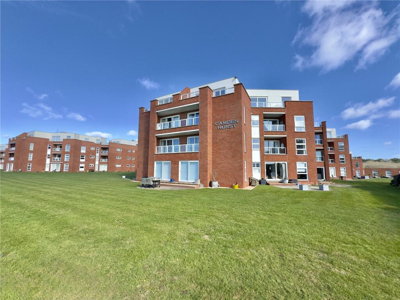
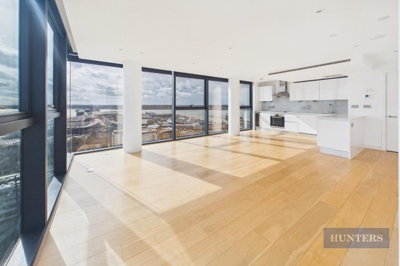
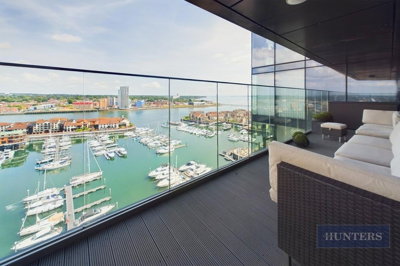
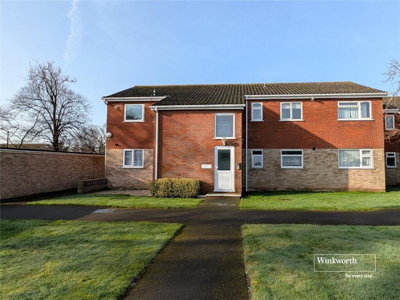
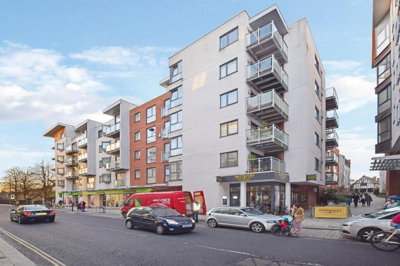
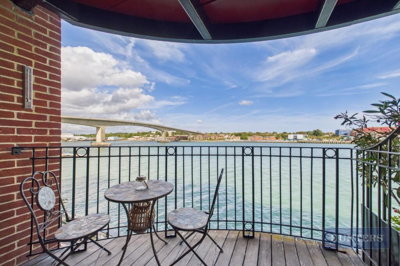
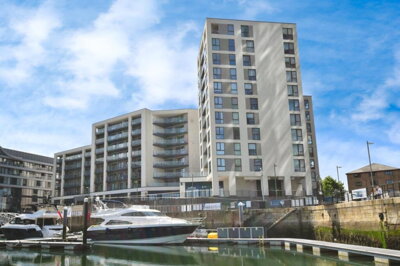
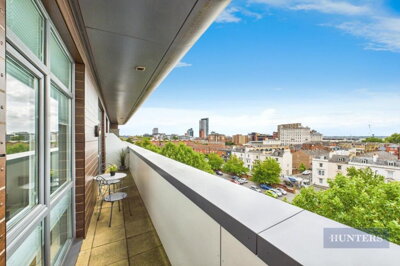
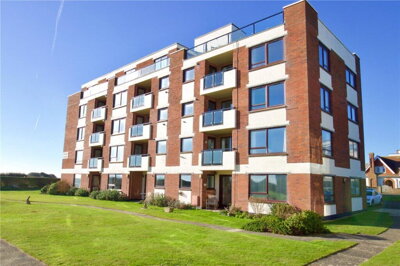
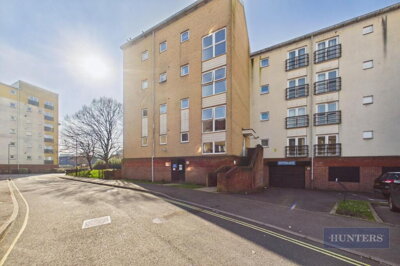
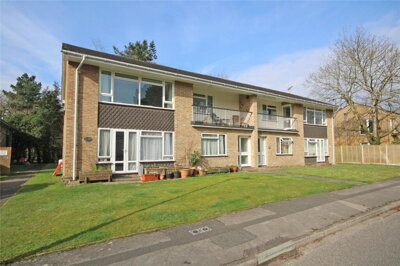
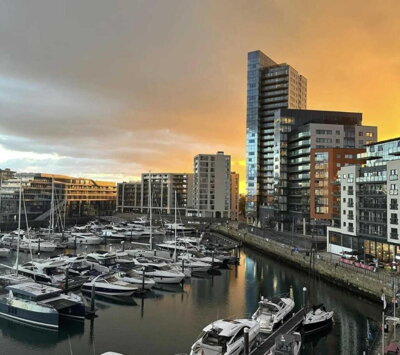
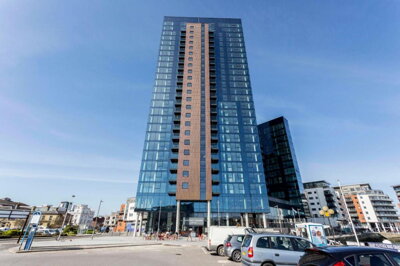
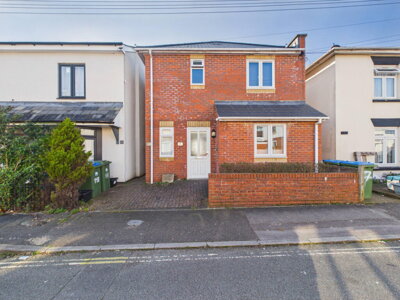
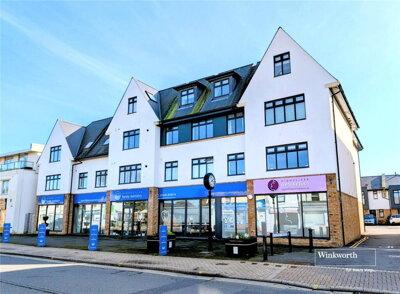
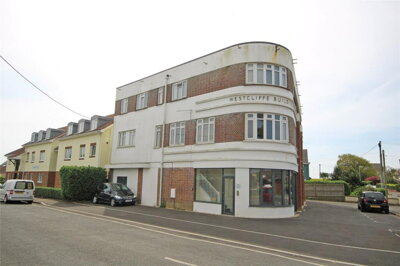
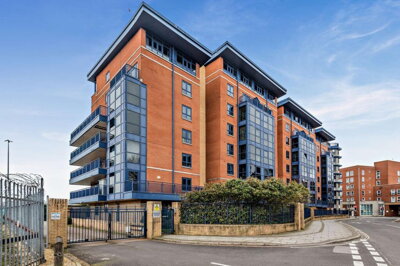
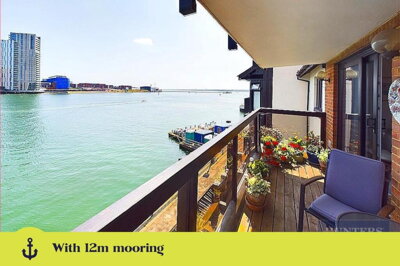
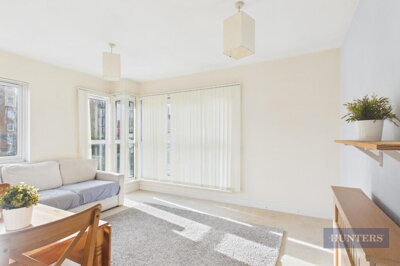
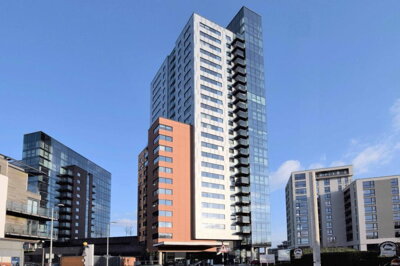
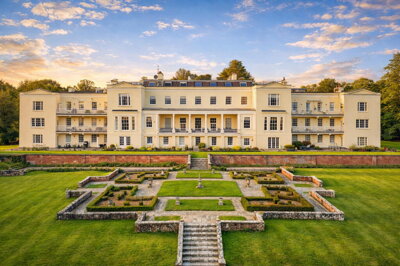
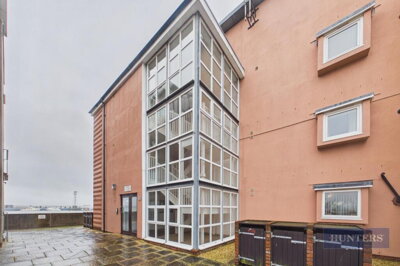
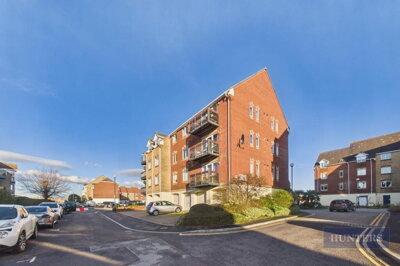
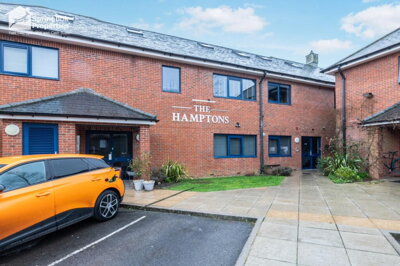
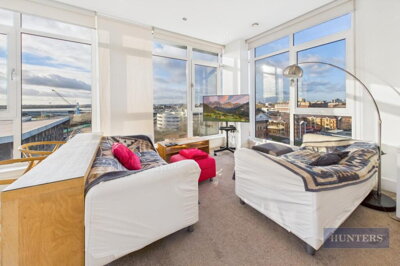
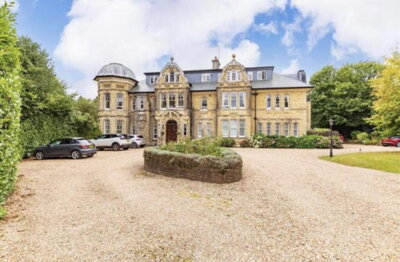
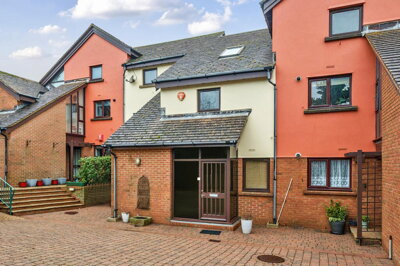
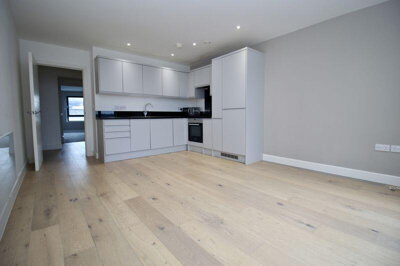
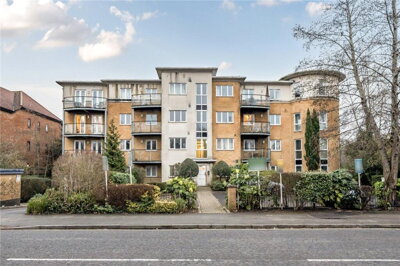
Browse 1,131 homes for sale in New Forest from local estate agents.
Studio apartments feature open-plan living spaces without separate bedrooms, incorporating sleeping, living, kitchen, and bathroom facilities. The New Forest studio market includes properties in modern apartment complexes, converted Victorian and Georgian buildings, and purpose-built developments.
The Harrington property market reflects the character of a small Lincolnshire village with prices that have proven resilient and even upward-trending despite broader national fluctuations. Detached properties command the highest prices, averaging around £260,000, offering generous space and often comes with larger gardens or plots that appeal to families and those seeking rural tranquility. These premium properties typically feature more bedrooms and bathrooms than urban equivalents, making them attractive to buyers prioritising space over convenience. The detached category represents the upper end of the Harrington market and often includes homes on the village outskirts with countryside views.
Semi-detached homes in the village typically sell for approximately £169,950, providing a popular choice for first-time buyers and growing families looking for a balance between space and affordability. This price point positions semi-detached properties as the most accessible category in Harrington, often featuring three bedrooms, a garden, and drive parking. Many semi-detached homes in the village were constructed during the mid-twentieth century and offer solid, practical layouts that appeal to buyers seeking character properties at moderate prices. The relative affordability compared to detached properties makes this category particularly competitive among buyers.
Terraced properties represent a significant portion of available housing in Harrington, with average prices around £149,889. These homes often feature traditional construction typical of the region and appeal to buyers seeking character properties at more modest price points. The village terraced stock includes worker cottages dating from the late nineteenth and early twentieth centuries, many featuring original fireplaces, exposed brickwork, and timber floors. Such period features add character and value for buyers who appreciate traditional craftsmanship over modern finishes. The absence of significant new-build development in the immediate area means that buyers acquiring properties here are typically purchasing established homes with inherent character and mature surroundings.
The scarcity of new supply in and around Harrington has contributed to the robust price performance observed over the past twelve months. With no verified active new-build developments in the village, prospective buyers are limited to the existing housing stock, which creates sustained demand for quality properties. This supply constraint benefits sellers but means buyers should act decisively when they find a suitable property. Market conditions in Harrington favour those who come prepared with mortgage financing arranged and a clear understanding of their requirements.

Harrington sits within the East Lindsey district, one of the largest rural local authority areas in England, spanning coastal and countryside environments. The village environment offers the kind of peaceful residential setting that attracts buyers seeking escape from urban pressures. The surrounding Lincolnshire countryside is characterised by open farmland, gentle rolling terrain, and the distinctive big skies that define this part of eastern England. Residents often cite the quality of light, the sense of space, and the changing seasons across the farmland as key aspects of village life that drew them to the area.
Community life in villages like Harrington often centres around local churches, village halls, and seasonal events that foster strong neighbourhood connections. The village hall serves as a hub for activities ranging from craft groups to community suppers, providing opportunities for new residents to meet neighbours. Local churches maintain the traditional social calendar of villages, with events throughout the year drawing both regular attendees and the wider community. For buyers prioritising community and connection, these village institutions represent an important aspect of daily life.
The broader East Lindsey area offers a range of amenities across its network of market towns including Louth, Horncastle, and Spilsby. The coast is accessible for day trips, with sandy beaches and seaside towns within reasonable driving distance, particularly toward the popular resort areas further north along the Lincolnshire coastline. Local pubs and farm shops provide essential services and social hubs for village residents, offering fresh local produce and a sense of place that larger supermarkets cannot replicate. The area attracts buyers who appreciate outdoor pursuits including walking, cycling, and birdwatching, with the Lincolnshire Wolds an Area of Outstanding Natural Beauty offering scenic landscapes to explore.
For families and individuals alike, the quality of life offered by rural Lincolnshire locations like Harrington provides compelling reasons to make the move away from larger urban centres. The relative affordability compared to metropolitan areas means buyers can often secure larger properties with gardens, garages, and additional land within their budget. Daily life does require car ownership for most practical purposes, but many residents find the trade-off worthwhile for the space, air quality, and sense of community that village living provides.

Families considering a move to Harrington will find educational provision across primary and secondary levels within reasonable travelling distance. Primary education in the surrounding villages is typically served by local primary schools that cater to younger children, with several good and outstanding Ofsted-rated schools operating in the wider catchment area. These smaller rural schools often benefit from close community ties and individual attention for pupils, qualities that many parents actively seek when choosing where to raise their children. Class sizes in rural primary schools can be smaller than in urban settings, allowing teachers to provide more personalised attention to each pupil's development.
The East Lindsey district maintains several primary schools across its rural communities, each serving specific catchment villages. Parents should verify the exact catchment area for any school they are considering, as boundaries can affect which schools are available for their children. Some families choose to base their property search on school availability, particularly if they have younger children who will be starting primary education soon. Visiting schools directly and speaking with headteachers can provide valuable insight beyond Ofsted reports, helping families understand the culture and ethos of each institution.
Secondary education options in East Lindsey include several secondary schools serving villages across the district, with schools in nearby market towns providing the nearest options for Harrington families. Parents should research specific school catchments relevant to properties they are considering, as admission policies can significantly affect options for families. Secondary schools in the area offer a range of GCSE and A-level courses, with some providing specialised subjects or vocational pathways. Performance data from these schools varies, so reviewing recent results alongside Ofsted ratings provides a fuller picture of educational outcomes.
For sixth form and further education, students typically travel to nearby towns where colleges and school sixth forms offer a broader range of A-level and vocational courses. Lincolnshire has several further education colleges offering courses across various disciplines, with campuses accessible from East Lindsey villages. The availability of good schools remains a key factor in property values across Lincolnshire villages, making school performance worth investigating thoroughly before committing to a purchase in any specific location. Families should also consider transport arrangements for secondary school children, as journey times can be longer than in urban areas with more school options.
Transport connections from Harrington reflect its rural village character, with private transport being the primary means of travel for most residents. The village position within Lincolnshire means that accessing larger towns and cities typically requires car journeys, though the road network connecting East Lindsey villages to market towns is generally well-maintained. The A16 trunk road provides north-south connectivity through Lincolnshire, linking communities from Grimsby in the north through to Peterborough in the south, passing near major towns along its route. The A158 offers routes toward the coast and inland destinations, including connections to the historic city of Lincoln.
For those working in nearby towns such as Louth, Spilsby, or Horncastle, commuting from Harrington is practical for those who drive, with journey times typically under 30 minutes to these market towns. Louth serves as a significant local centre offering a wider range of shops, restaurants, and services, while Horncastle provides access to supermarkets and healthcare facilities. Commuters working in larger centres such as Lincoln or Grimsby should expect longer journey times of approximately 45 minutes to an hour, depending on the specific route and traffic conditions. The flexibility of remote working has made rural village locations more viable for those whose employers offer hybrid arrangements, reducing the frequency of longer journeys.
Public transport options are more limited than in urban areas, as is typical for rural Lincolnshire, with bus services connecting villages to market towns on set timetables. Service frequencies vary by route and day of the week, with some routes operating only on certain days, making car ownership effectively essential for most residents. For commuters requiring rail access, the nearest railway stations are located in larger towns, with connections to the wider rail network available from towns like Grantham, which offers regular services to London King's Cross, or Boston, providing connections to cross-country routes. Those considering Harrington as a base should factor in the necessity of car ownership and evaluate journey times to their workplace as part of the property search process.
Journey times to major employment centres from Harrington include approximately 75 minutes to Lincoln city centre by car, 60 minutes to Grimsby, and around 90 minutes to Nottingham. The A16 provides direct access toward the east coast and ports, while the A158 connects to Skegness on the coast and inland toward Lincoln. Daily commuting to cities such as Leicester or Sheffield is possible but would require significant time commitment, making Harrington more suitable for those working locally or managing hybrid working arrangements. Planning test journeys during typical commute times before purchasing property helps ensure the location meets practical requirements.
Spend time exploring Harrington and surrounding villages to understand the local property market, community feel, and practical considerations such as school catchments and nearest amenities. Our platform provides comprehensive listings to start your search, while visiting the village at different times of day and week helps assess traffic levels, noise, and the atmosphere of the local community.
Before arranging viewings, obtain a mortgage agreement in principle from a lender. This strengthens your position when making offers and demonstrates to sellers that you have financing in place. With average property prices in Harrington around £176,842, most buyers will require mortgage financing, and having agreement in principle helps clarify your budget and speeds up the purchase process once an offer is accepted.
Visit properties that match your requirements and assess their condition, surroundings, and suitability. Consider factors like garden size, parking, and proximity to neighbours. Viewing multiple properties helps build a picture of what represents good value in the local market, and taking notes during viewings aids comparison afterwards.
Once you have an offer accepted, book a Level 2 Homebuyer Report to identify any structural issues, repairs needed, or potential problems with the property before proceeding to completion. Given the age of many properties in rural Lincolnshire villages, a thorough survey is particularly valuable for identifying defects that may not be visible during viewings.
Appoint a conveyancing solicitor to handle the legal aspects of your purchase, including searches, contracts, and registration of the title. Local knowledge of East Lindsey properties and any specific issues affecting the village can be valuable, so consider solicitors with experience in the area.
Your solicitor will coordinate the exchange of contracts and set a completion date. On completion day, you receive the keys and take ownership of your new Harrington home. Ensure buildings insurance is in place from the point of exchange, as you become legally responsible for the property at this stage.
Properties in rural Lincolnshire villages like Harrington are often older than those found in urban areas, which means buyers should pay particular attention to the condition of traditional features. Roof condition, the state of original windows, and the presence of damp or timber issues are worth investigating carefully. Older properties may have solid floors rather than suspended timber, and heating systems may require updating. A thorough RICS Level 2 survey will highlight any concerns before you commit to the purchase.
Traditional building materials used in Lincolnshire properties include red brick, sometimes rendered, with pantile or slate roofs depending on the property age and original specification. Many village cottages feature original fireplaces, some with exposed brick chimneys, and timber construction elements that require periodic maintenance. Understanding the construction type helps assess ongoing maintenance requirements and potential issues. Period properties often have character features that require specialist repair techniques, so obtaining quotes for any identified works before completing is advisable.
Flood risk should be considered as part of any property purchase, and while no specific flood risk data was identified for Harrington itself, the proximity to the Lincolnshire coast and the nature of low-lying agricultural land means that general flood risk assessments should be included in your property searches. Enquire about the history of any flooding issues with the seller and review the Environment Agency flood maps for the specific location. Additionally, check for any planning applications in the vicinity that might affect your enjoyment of the property or its future value. Drainage and soakaway conditions are also worth investigating given the local soil types, as some properties may rely on private drainage systems rather than mains sewerage.
Rural properties in East Lindsey may also have private water supplies or drainage systems that differ from standard urban configurations. Septic tanks and private drainage systems require regular maintenance and may need upgrading to comply with current regulations. Buyers should include drainage and water supply checks as part of their survey arrangements and factor any necessary upgrades into their budget. Planning permission for any extensions or alterations should be verified with East Lindsey District Council before purchase.
The average house price in Harrington, East Lindsey, over the past year was £176,842. Detached properties average around £260,000, semi-detached homes around £169,950, and terraced properties approximately £149,889. House prices have risen by 11% year-on-year, indicating strong demand for property in this Lincolnshire village. The wider East Lindsey district average was £219,000 in December 2025, making Harrington a more affordable option within the region.
Properties in Harrington fall under East Lindsey District Council for council tax purposes, and the village is located within this local authority area. Properties are assigned bands A through H depending on their valuation, with band A being the lowest and band H the highest. Most terraced and smaller semi-detached properties in the village fall into bands A or B, while larger detached homes may be categorised in higher bands. Prospective buyers should check the specific council tax band for any property they are considering, as this will affect ongoing annual costs alongside mortgage payments and other expenses.
The surrounding East Lindsey area offers a range of educational options across primary and secondary levels, with several primary schools in nearby villages achieving good or outstanding Ofsted ratings. Secondary education is available at schools in market towns within reasonable travelling distance, with several options accessible from Harrington depending on exact property location. Parents should verify specific school catchment areas and admission policies, as these boundaries directly affect school placement eligibility. Researching recent GCSE results and A-level performance alongside Ofsted reports provides a comprehensive view of educational quality at each school.
Public transport options from Harrington reflect its rural village setting and are more limited than in urban areas, with bus services operating between villages and market towns on reduced frequencies. For rail travel, stations in larger towns including Grantham and Boston provide connections to the wider rail network, though these require car journeys to reach from Harrington. Most residents of rural Lincolnshire villages rely on private car ownership for daily transport needs, and prospective buyers should factor this into their decision-making. The nearest bus stop location and service frequency relative to any property under consideration affects how practical public transport would be for occasional use.
Property values in Harrington have shown positive growth, with an 11% increase over the past year returning prices to approximately 2023 peak levels of around £176,819. The relative affordability compared to the wider East Lindsey district average suggests continued demand from buyers seeking value for money in rural Lincolnshire. Rural village properties tend to appreciate steadily over the long term, supported by buyer interest in countryside living, though liquidity in smaller markets can be lower than in urban areas. Those considering Harrington for investment should factor in ongoing maintenance costs for older properties and the likelihood of voids between tenancies in the rental market.
Stamp Duty Land Tax applies to property purchases in England, including properties in Harrington, with standard rates of 0% on the first £250,000, 5% on £250,001 to £925,000, 10% on £925,001 to £1.5 million, and 12% above £1.5 million. At the average Harrington price of £176,842, most buyers would pay no stamp duty under standard rates, representing a meaningful saving. First-time buyers may qualify for relief on the first £425,000, though those purchasing above this threshold or who do not qualify as first-time buyers should calculate their specific liability based on the purchase price.
Beyond any applicable stamp duty, buyers should budget for solicitor fees, survey costs, and potentially mortgage arrangement fees when purchasing in Harrington. Conveyancing costs typically start from around £499 for standard purchases, while a RICS Level 2 survey costs from £350 depending on property size and complexity. Local search fees, land registry fees, and electronic money transfer charges add further costs to the legal process. We recommend budgeting approximately 2-3% of the purchase price for these additional costs to ensure financial planning is comprehensive.
From 3.94%
Expert mortgage advice and competitive rates for Harrington buyers
From £499
Specialist solicitors for your Harrington property purchase
From £350
Professional survey to identify property issues before purchase
From £60
Energy performance certificate for your new home
For most buyers purchasing a property in Harrington at the village average price of £176,842, Stamp Duty Land Tax is unlikely to be a significant concern. Properties below the £250,000 threshold attract zero SDLT under standard rates, meaning that first-time buyers and others purchasing at or near the village average will not face this cost. This represents a meaningful saving compared to property purchases in more expensive regions of the country, where stamp duty can add thousands of pounds to the purchase cost. The lower price points in rural Lincolnshire villages create an advantage for buyers that should be factored into overall affordability calculations.
Beyond stamp duty, buyers should budget for additional purchase costs including solicitor fees, survey fees, and potentially mortgage arrangement fees. Conveyancing costs typically start from around £499 for standard purchases, while a RICS Level 2 survey costs from £350 depending on property size. Search fees, land registry fees, and mortgage fees where applicable will add to the total. We recommend budgeting approximately 2-3% of the purchase price for these additional costs to ensure your financial planning is comprehensive. A buffer for unexpected costs such as repairs identified during survey or additional legal enquiries is also prudent.
Obtaining a mortgage agreement in principle before beginning your property search is essential, as this clarifies your budget and strengthens your position when making offers on homes in this sought-after Lincolnshire village. Mortgage rates vary between lenders and depend on individual circumstances, so comparing options through a mortgage broker can help secure competitive terms. With most properties in Harrington priced below standard SDLT thresholds, the overall purchase costs for buyers in this village compare favourably with those in more expensive property markets across the UK.
Properties for Sale In London

Properties for Sale In Plymouth

Properties for Sale In Liverpool

Properties for Sale In Glasgow

Properties for Sale In Sheffield

Properties for Sale In Edinburgh

Properties for Sale In Coventry

Properties for Sale In Bradford

Properties for Sale In Manchester

Properties for Sale In Birmingham

Properties for Sale In Bristol

Properties for Sale In Oxford

Properties for Sale In Leicester

Properties for Sale In Newcastle

Properties for Sale In Leeds

Properties for Sale In Southampton

Properties for Sale In Cardiff

Properties for Sale In Nottingham

Properties for Sale In Norwich

Properties for Sale In Brighton

Properties for Sale In Derby

Properties for Sale In Portsmouth

Properties for Sale In Northampton

Properties for Sale In Milton Keynes

Properties for Sale In Bournemouth

Properties for Sale In Bolton

Properties for Sale In Swansea

Properties for Sale In Swindon

Properties for Sale In Peterborough

Properties for Sale In Wolverhampton

Enter your details to see if this property is within your budget.
Loans, cards, car finance
Estimated property budget
Borrowing + deposit
You could borrow between
Typical borrowing
Monthly repayment
Est. at 4.5%
Loan-to-value
This is an estimate only. Your actual budget may vary depending on interest rates, credit history, and personal circumstances. For an accurate affordability assessment, speak to one of our free mortgage advisors.
This calculator provides estimates for illustrative purposes only and does not constitute financial advice. Your home may be repossessed if you do not keep up repayments on your mortgage. Estimates based on 4.5% interest rate, repayment mortgage. Actual rates depend on your circumstances.
Homemove is a trading name of HM Haus Group Ltd (Company No. 13873779, registered in England & Wales). Homemove Mortgages Ltd (Company No. 15947693) is an Appointed Representative of TMG Direct Limited, trading as TMG Mortgage Network, which is authorised and regulated by the Financial Conduct Authority (FRN 786245). Homemove Mortgages Ltd is entered on the FCA Register as an Appointed Representative (FRN 1022429). You can check registrations at NewRegister or by calling 0800 111 6768.

We use cookies to show you personalised content and improve your experience of our website. Find out more in our Privacy policy and Cookie policy.