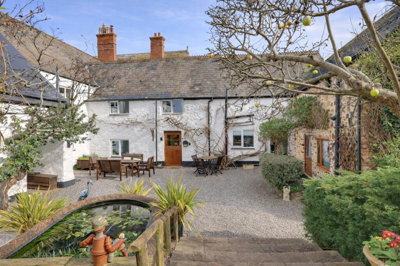
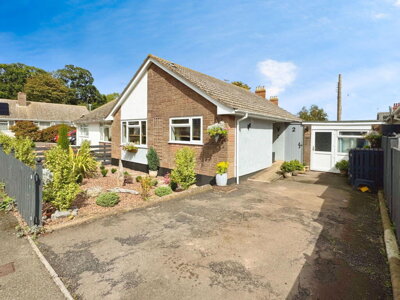
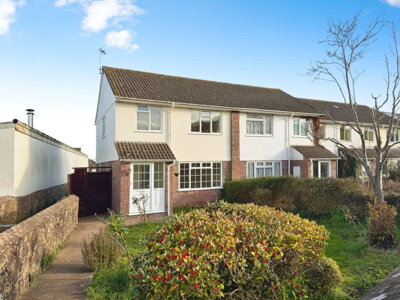
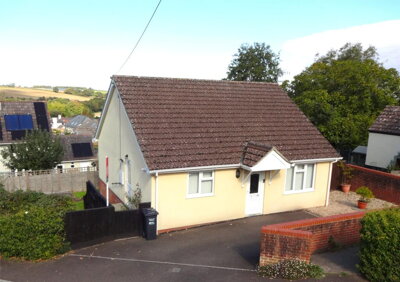
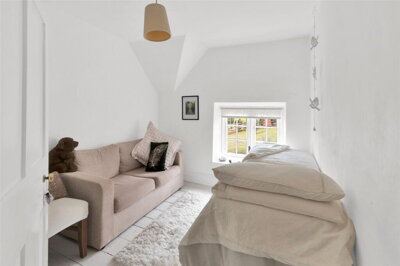
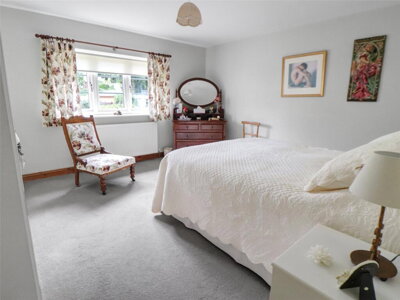
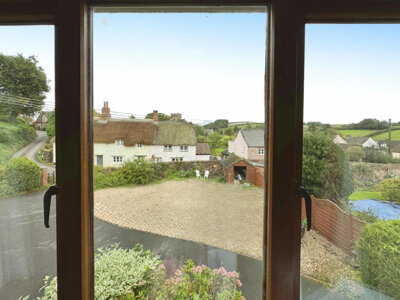
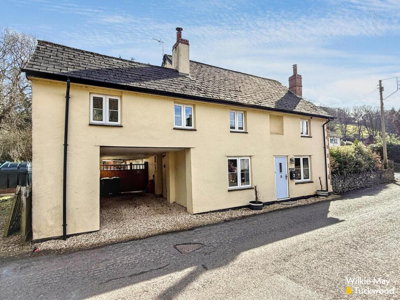
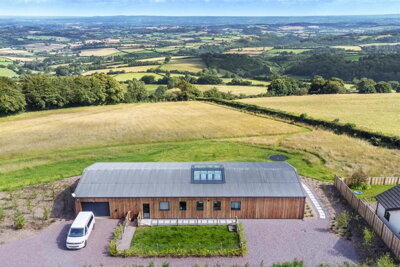
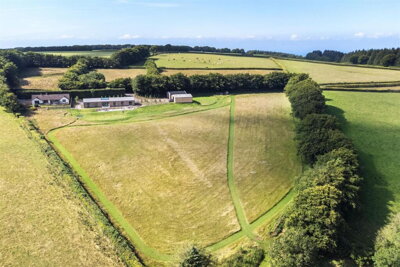
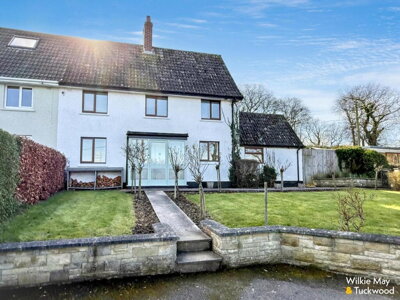
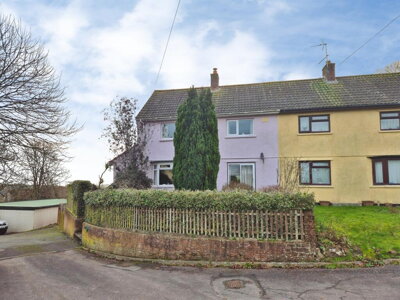
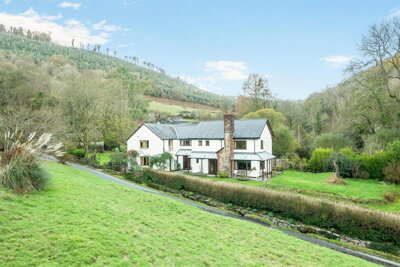
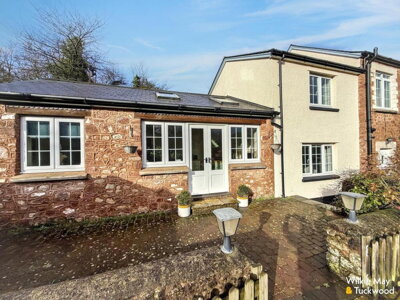
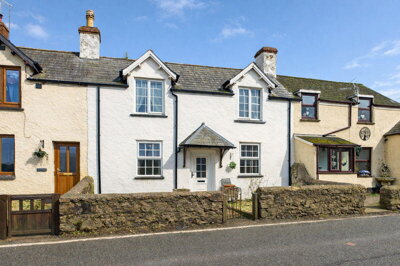
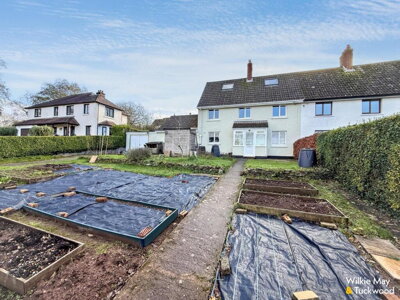
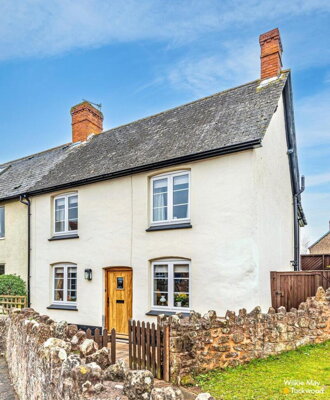
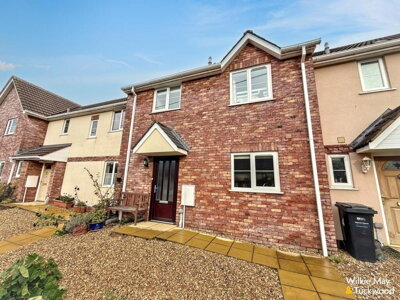
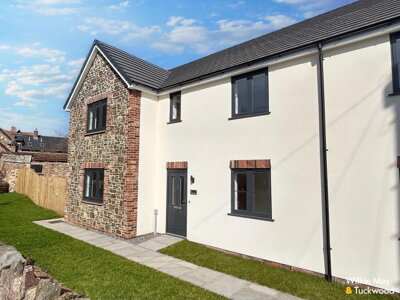
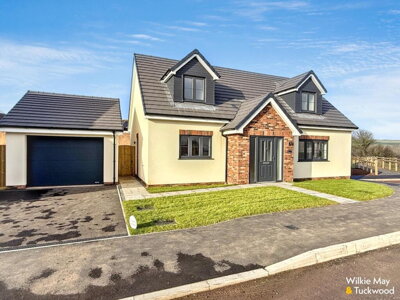
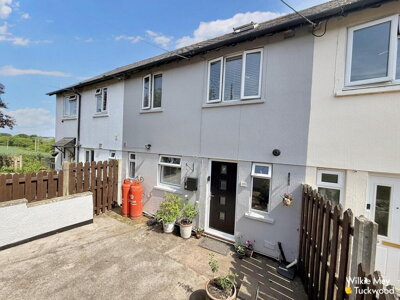
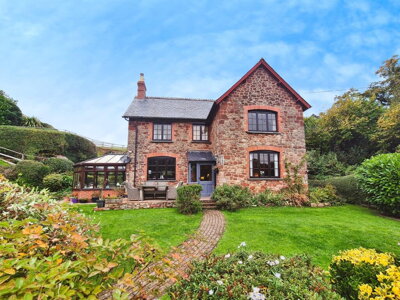
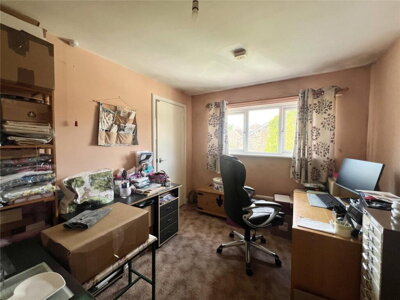
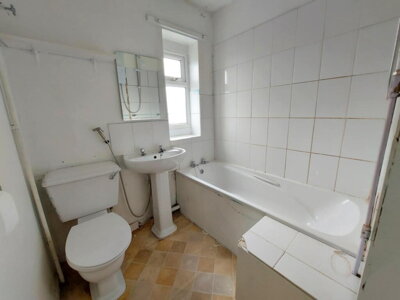
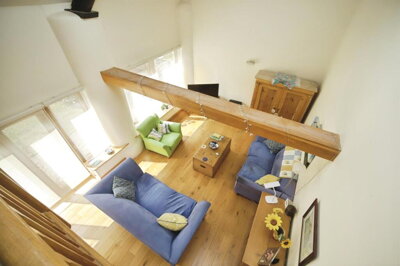
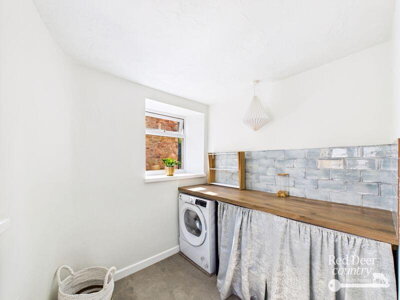
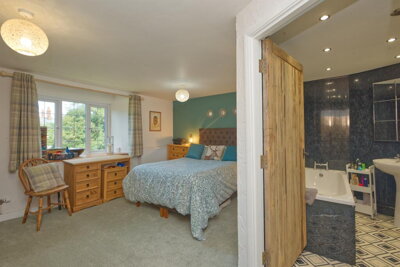
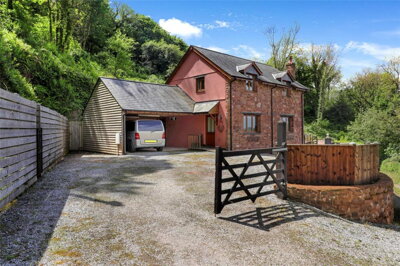
Browse 28 homes for sale in Nettlecombe, Somerset from local estate agents.
The Nettlecombe property market offers detached, semi-detached, and terraced houses spanning various price ranges and neighbourhoods. Each listing includes detailed property information, photographs, and direct contact with the marketing agent.
£0k
0
0
0
Source: home.co.uk
Showing 0 results for Houses for sale in Nettlecombe, Somerset.
Lancashire's property market demonstrates steady resilience with prices similar to the previous year and sitting just 1% above the 2023 peak of £214,674. According to Rightmove data from February 2026, the average property price stands at £217,316, while Plumplot records a median price of £179,000 across the county. This creates excellent conditions for buyers who want meaningful space and strong community connections without the premium prices found in neighbouring Greater Manchester or Merseyside. The market has experienced a modest 2.5% decline over the past twelve months according to Land Registry data, which has opened doors for careful buyers positioning themselves for future growth.
The breakdown of property types sold reveals Lancashire's character. Terraced properties dominate sales volume at 37.6%, followed closely by semi-detached homes at 32.9%. Detached properties account for 21.9% of sales, while flats represent just 7.5% of the market. This distribution reflects Lancashire's heritage as an industrial county where terraced housing was built in large numbers to accommodate mill workers, creating neighbourhoods that remain popular today for their practicality and community atmosphere. Average prices vary significantly by type, with detached homes averaging £363,833, semi-detached properties at £212,177, terraced houses at £144,217, and flats at approximately £124,962.

Lancashire's new build sector offers buyers modern homes from major national developers including Barratt Homes, Persimmon Homes, Taylor Wimpey, and David Wilson Homes. Current developments span the county from Preston to Colne, with prices ranging from around £174,995 for entry-level terraced homes to nearly £550,000 for large detached properties. These new homes typically feature contemporary construction methods, energy-efficient designs, and the benefit of manufacturer warranties, making them attractive to first-time buyers and those seeking low-maintenance living.
Notable developments include Cottam Gardens in Preston (Barratt Homes), offering 3 and 4-bedroom homes from £239,995 to £369,995 in the PR4 postcode area. Whittingham Place by David Wilson Homes provides larger family homes with 3, 4, and 5 bedrooms priced from £299,995 to £549,995 on the northern edge of Preston. For buyers considering the east of the county, Weavers Fold in Colne offers 3 and 4-bedroom properties from £219,995 to £364,995, while The Pastures development in Langho provides homes from £269,995 to £389,995. Stone Bridge Fold in Preston by Persimmon Homes covers a wide range of plot sizes with 2, 3, 4, and 5-bedroom options from £174,995 to £349,995.

Lancashire rewards residents with an extraordinary diversity of landscapes and lifestyles within a single county. The western coastline draws visitors to Blackpool's famous Pleasure Beach and Tower, while Morecambe Bay offers stunning sunsets and the unique experience of walking across the sands guided by trained guides. Moving inland, the Forest of Bowland Area of Outstanding Natural Beauty provides 310 square miles of heather moorland, rolling hills, and picturesque villages where time seems to move at a gentler pace. This contrast between coastal energy and rural tranquility means Lancashire can offer whatever pace of life you prefer, often within a short drive.
The county's towns each possess their own distinct character shaped by centuries of history. Lancaster boasts its impressive castle and university heritage, Preston serves as the county town with strong cultural offerings including the Harris Museum, Blackburn has undergone significant regeneration with stunning architecture at Blackburn Cathedral, and Burnley maintains proud industrial heritage alongside modern developments. Each town offers distinct property markets ranging from period terraces in mill towns to executive detached homes in commuter villages.
Building materials throughout Lancashire reflect local geology and history, with sandstone, traditional red brick, and slate roofs defining the visual character of older neighbourhoods. Properties in towns like Accrington often feature the distinctive dark blue engineering bricks that gave the town its industrial character, while the Ribbleside valley areas showcase sandstone construction typical of Victorian era properties. Understanding these local building traditions helps buyers appreciate the character of different neighbourhoods and anticipate common maintenance issues associated with each construction type.
Education plays a central role in Lancashire's appeal to families, with the county offering a comprehensive range of educational institutions. Lancashire County Council maintains hundreds of primary and secondary schools, with notable grammar schools in towns like Lancaster, Kirkby Lonsdale, and Clitheroe attracting students from across the region. Independent schools also feature prominently, with institutions such as Lancaster Grammar School, Queen Elizabeth Grammar School in Blackburn, and St. Mary's College in Blackburn providing alternatives for families seeking different educational approaches. Understanding catchment areas is essential when buying property in Lancashire, as school admissions can significantly impact both your child's education and your property's future value.
Higher education options within Lancashire include Lancaster University, consistently ranked among the UK's top universities and particularly strong for research, and the University of Central Lancashire (UCLan) in Preston, one of the largest universities in the country with excellent vocational courses. These institutions not only provide educational opportunities but also contribute significantly to local economies and cultural life. Students and staff from these universities create vibrant communities, particularly in Lancaster and Preston, where university presence brings cafes, bookshops, and cultural events that enrich town centre living.
For families considering Lancashire, researching specific school performance data through Ofsted reports and understanding your property's position within catchment areas should form a key part of your buying decision. Primary schools across the county show significant variation in performance, withOutstanding-rated institutions in both urban and rural settings. Secondary education options include academy trusts expanding their presence across Lancashire, offering varied curricula and specialisms that cater to different student interests and career paths.
Lancashire benefits from excellent transport connections that make commuting to major northern cities entirely practical for those who need to work in Manchester, Liverpool, Leeds, or further afield. The West Coast Main Line runs through the county with key stations at Preston, Lancaster, and Warrington Bank Quay, providing fast services to London Euston in around two hours from Preston. Commuter towns like Chorley, Leyland, and Buckshaw Parkway offer particularly attractive options for those working in Manchester, with journey times of 30-45 minutes making daily commuting feasible while enjoying significantly lower property prices than the city itself.
The motorway network serves Lancashire well, with the M6 running the length of the county and connecting to the M61 towards Manchester, the M65 linking Preston to Leeds via Blackburn and Burnley, and the M55 providing direct access to Blackpool. For those who prefer public transport, Northern Rail services connect towns across Lancashire, while the Merseyrail extension to Ormskirk provides links to Liverpool. However, those considering property purchases should note that parking availability varies considerably between towns, and some Lancashire towns face congestion during peak hours.
Cycling infrastructure has improved in recent years, particularly around Lancaster and Preston, though rural Lancashire relies heavily on car ownership for daily activities. Bus services operate throughout urban areas but may be less frequent in rural communities. If you are buying property in more remote areas of the Forest of Bowland or the Lancashire moors, factor in the need for at least one vehicle per household for supermarket trips, medical appointments, and school runs.
Contact Lancashire mortgage brokers to obtain an agreement in principle before viewing properties. This documents your borrowing capacity and strengthens your position when making offers on homes across the county. Local brokers familiar with the Lancashire property market can often secure better rates and understand the specific requirements of lenders active in the region.
Explore different areas of Lancashire to find communities that match your lifestyle needs. Consider commute times, school catchment areas, local amenities, and the character of housing stock in each neighbourhood. Properties in the Ribble Valley differ substantially from those in East Lancashire mill towns, and each area offers distinct lifestyle benefits.
Work with estate agents listed on Homemove to arrange viewings of properties that match your criteria. Take notes on property condition, potential issues, and areas requiring investigation before making an offer. Pay particular attention to the condition of older properties where defects may not be immediately apparent.
Commission a Level 2 Survey from a qualified RICS surveyor to assess the property condition thoroughly. Given Lancashire's significant stock of older properties including Victorian terraces and Edwardian semis, this survey can identify defects like damp, roof issues, or structural concerns that may not be visible during viewings. Our surveyors understand local construction methods and common defect patterns across the county.
Choose a conveyancing solicitor to handle the legal aspects of your purchase. Your solicitor will conduct searches, review contracts, and coordinate with your mortgage lender through to completion. Local solicitors familiar with Lancashire may have faster turnaround times for common searches in their areas.
Once searches are satisfactory and your mortgage offer is confirmed, exchange contracts with the seller and set a completion date. On completion day, your solicitor transfers the remaining funds and you receive the keys to your new Lancashire home.
Property buyers in Lancashire should be aware of several area-specific considerations that can significantly impact their purchase. Flood risk varies across the county, with areas along the River Ribble, River Lune, River Wyre, and River Calder facing varying degrees of fluvial flood risk. Coastal properties in Morecambe and the Fylde coast face additional tidal and storm surge risks, while surface water flooding can occur in urban areas during heavy rainfall events. Areas including parts of Preston, Lancaster, and Garstang have known flood history, and we strongly recommend requesting a flood risk search before proceeding with any purchase in these locations.
Lancashire's geology presents both opportunities and challenges for property buyers. The county's varied geology includes Carboniferous rocks, Triassic sandstones, and glacial deposits, with areas of significant boulder clay presenting shrink-swell risk to properties. During periods of extreme wet and dry weather, clay-rich soils can cause ground movement that affects foundations, particularly in properties with shallow foundations typical of Victorian and Edwardian construction. Properties in former mining areas across East Lancashire and parts of Wigan may face subsidence risk from historical coal extraction, making a mining search essential in towns like Wigan, Leigh, and parts of East Lancashire.
Conservation areas are prevalent throughout Lancashire, protecting the special architectural character of towns and villages from Accrington to Wyre. If you are buying a period property within a conservation area, be aware that planning permission may be required for certain alterations, and permitted development rights may be more restricted. Lancashire also has a significant number of listed buildings, from medieval churches to Victorian terraced houses, which require special consideration for any works. Understanding the housing stock is equally important given the prevalence of solid wall construction in older properties, which may have different insulation and damp-proofing characteristics than modern cavity wall buildings.
Common defects in Lancashire's older housing stock include rising damp in properties without adequate damp-proof courses, deterioration of slate roofs on Victorian and Edwardian properties, and outdated electrical systems that may not meet current standards. Properties with suspended timber floors often show signs of woodworm or rot, particularly where ventilation is poor. We always recommend commissioning appropriate surveys, particularly for properties over 50 years old where damp, timber defects, and outdated electrics are commonly encountered issues.
The average house price in Lancashire is currently £217,316 according to Rightmove data from February 2026, with a median price of £179,000 recorded by Plumplot over the past year. Prices vary significantly by property type, with detached homes averaging £363,833, semi-detached properties at £212,177, terraced houses at £144,217, and flats around £124,962. The market has remained relatively stable, sitting just 1% above the 2023 peak despite modest recent declines. Of the approximately 20,400 property sales recorded in the past year, only 742 (3.6%) were newly built properties, indicating strong demand for the existing housing stock across the county.
Council tax bands in Lancashire vary by local authority and property value. Lancashire is covered by multiple district and borough councils including Preston City Council, Lancaster City Council, Blackburn with Darwen Borough Council, Burnley Borough Council, Hyndburn Borough Council, Pendle Borough Council, Ribble Valley Borough Council, Rossendale Borough Council, South Ribble Borough Council, West Lancashire Borough Council, and Wyre Council. Each council sets its own rates within government guidelines, and you can check specific bands via the Valuation Office Agency website using the property address. The diverse range of local authorities reflects Lancashire's complex administrative structure, with bands typically ranging from A (lowest value properties) through to H (highest value homes).
Lancashire offers excellent educational options including grammar schools in Lancaster, Kirkby Lonsdale, and Clitheroe, plus strong independent schools like Lancaster Grammar School and Queen Elizabeth Grammar School in Blackburn. Higher education is well served by Lancaster University and the University of Central Lancashire in Preston. School performance varies significantly by location, so we recommend checking Ofsted reports and understanding specific catchment areas when buying property in Lancashire. The grammar schools in Lancashire are particularly competitive, with entrance exams taking place when children are around 11 years old, making early planning essential for families targeting these institutions.
Lancashire has good transport connectivity with the West Coast Main Line providing fast services from Preston and Lancaster to London, Manchester, and other major cities. Northern Rail operates services across the county, connecting towns like Blackburn, Burnley, Lancaster, and Preston. The M6 motorway runs through the county, while the M61 and M65 provide routes to Manchester and Leeds respectively. However, rural areas of Lancashire require car ownership for most daily activities. Commuters from Chorley to Manchester benefit from around 30-minute train journey times, while those in Lancaster can reach Manchester Piccadilly in approximately 75 minutes.
Lancashire offers several advantages for property investors, including more affordable entry prices compared to neighbouring Greater Manchester and Merseyside, a diverse economy with sectors including aerospace, advanced manufacturing, and digital creative industries, and strong rental demand from students, commuters, and families. The presence of major employers like BAE Systems (with facilities in Warton and Samlesbury) and two universities creates consistent rental markets. However, as with any investment, thorough research into specific locations, rental yields, and local market conditions is essential before purchasing. Towns with strong transport links to Manchester and Liverpool, such as Leyland, Buckshaw Parkway, and Chorley, often see strong rental demand from commuters.
Stamp Duty Land Tax rates from April 2025 are 0% on the first £250,000 of residential property, 5% on £250,001 to £925,000, 10% on £925,001 to £1.5 million, and 12% on amounts exceeding £1.5 million. First-time buyers benefit from relief on the first £425,000 (0% rate), with 5% applying between £425,001 and £625,000. Given Lancashire's average property price of £217,316, most buyers purchasing at or below average will pay no stamp duty at all. You can use Homemove's stamp duty calculator to estimate your specific liability based on your purchase price and buyer status.
Flood risk in Lancashire varies by location, with significant fluvial flood risk along the River Ribble, Lune, Wyre, and Calder. Coastal areas around Morecambe Bay and the Fylde coast face tidal and storm surge risks. Surface water flooding can occur across urban and rural areas during heavy rainfall. We strongly recommend obtaining flood risk searches before purchasing, particularly in known risk areas around Preston, Lancaster, and Garstang. Properties in flood risk areas may face higher insurance premiums and potential difficulties with mortgage applications, so understanding this risk before committing to a purchase is essential.
Given Lancashire's significant stock of Victorian and Edwardian properties, common defects include rising damp in solid wall constructions without effective damp-proof courses, deterioration of slate and tile roofing on properties over 50 years old, and outdated electrical wiring that may not meet current regulations. Properties with solid suspended timber floors commonly exhibit woodworm or wet rot where ventilation is inadequate. Properties in former mining areas may have suffered ground movement from historical extraction. Our RICS surveyors are experienced in identifying these common issues during property surveys across Lancashire's diverse housing stock.
Understanding the full costs of buying property in Lancashire helps you budget accurately and avoid surprises during the purchase process. Stamp Duty Land Tax applies to all English property purchases, with current thresholds (from April 2025) set at 0% for the first £250,000 of residential property value. For properties between £250,001 and £925,000, the rate increases to 5%, while properties priced between £925,001 and £1.5 million incur 10% stamp duty, with 12% applying to anything above £1.5 million. Given Lancashire's average property price of £217,316, many buyers purchasing at or below average will pay no stamp duty at all, making the county particularly attractive for first-time buyers and those with more modest budgets.
First-time buyers in England benefit from enhanced relief, paying 0% stamp duty on the first £425,000 of their purchase, with 5% applying between £425,001 and £625,000. This relief can make a significant difference when purchasing your first property, potentially saving thousands of pounds compared to previous thresholds. Beyond stamp duty, your buying costs will include mortgage arrangement fees, survey costs (a RICS Level 2 Survey typically starts from £350 depending on property size), conveyancing fees from £499, and searches including local authority, drainage, and environmental searches which typically total £250-400. Land Registry fees for registering your ownership also apply. We recommend budgeting for approximately 3-5% of your purchase price in addition to your deposit to cover these costs comprehensively.
Properties for Sale In London

Properties for Sale In Plymouth

Properties for Sale In Liverpool

Properties for Sale In Glasgow

Properties for Sale In Sheffield

Properties for Sale In Edinburgh

Properties for Sale In Coventry

Properties for Sale In Bradford

Properties for Sale In Manchester

Properties for Sale In Birmingham

Properties for Sale In Bristol

Properties for Sale In Oxford

Properties for Sale In Leicester

Properties for Sale In Newcastle

Properties for Sale In Leeds

Properties for Sale In Southampton

Properties for Sale In Cardiff

Properties for Sale In Nottingham

Properties for Sale In Norwich

Properties for Sale In Brighton

Properties for Sale In Derby

Properties for Sale In Portsmouth

Properties for Sale In Northampton

Properties for Sale In Milton Keynes

Properties for Sale In Bournemouth

Properties for Sale In Bolton

Properties for Sale In Swansea

Properties for Sale In Swindon

Properties for Sale In Peterborough

Properties for Sale In Wolverhampton

Enter your details to see if this property is within your budget.
Loans, cards, car finance
Estimated property budget
Borrowing + deposit
You could borrow between
Typical borrowing
Monthly repayment
Est. at 4.5%
Loan-to-value
This is an estimate only. Your actual budget may vary depending on interest rates, credit history, and personal circumstances. For an accurate affordability assessment, speak to one of our free mortgage advisors.
This calculator provides estimates for illustrative purposes only and does not constitute financial advice. Your home may be repossessed if you do not keep up repayments on your mortgage. Estimates based on 4.5% interest rate, repayment mortgage. Actual rates depend on your circumstances.
Homemove is a trading name of HM Haus Group Ltd (Company No. 13873779, registered in England & Wales). Homemove Mortgages Ltd (Company No. 15947693) is an Appointed Representative of TMG Direct Limited, trading as TMG Mortgage Network, which is authorised and regulated by the Financial Conduct Authority (FRN 786245). Homemove Mortgages Ltd is entered on the FCA Register as an Appointed Representative (FRN 1022429). You can check registrations at NewRegister or by calling 0800 111 6768.

We use cookies to show you personalised content and improve your experience of our website. Find out more in our Privacy policy and Cookie policy.