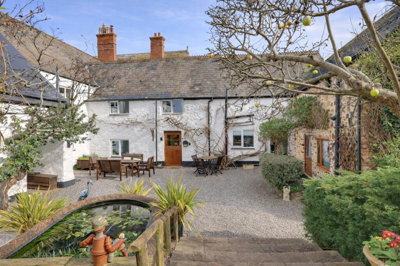
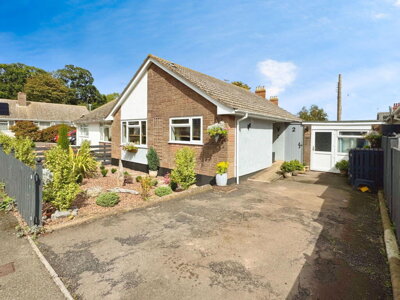
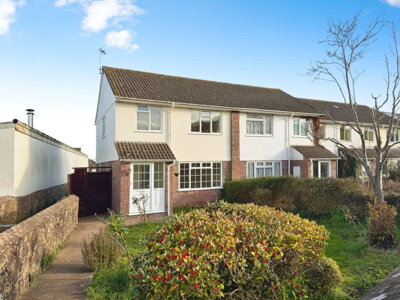
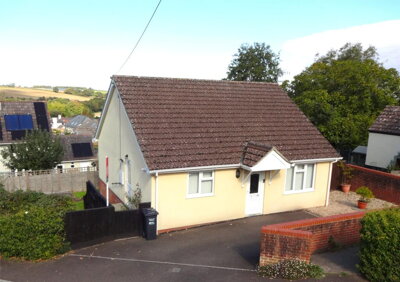
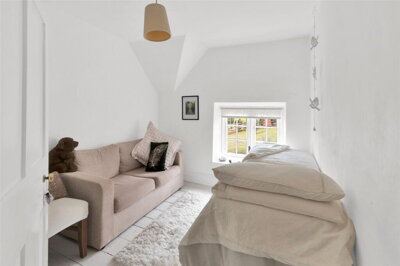
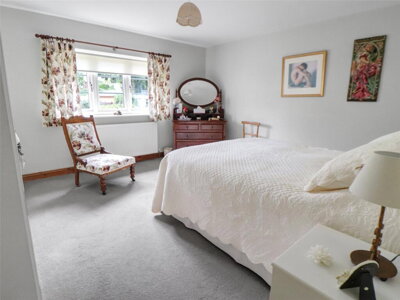
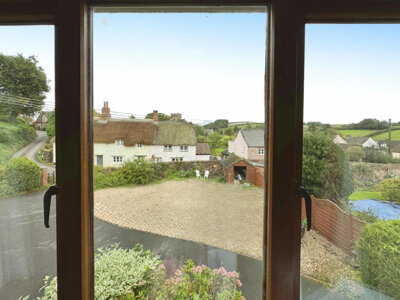
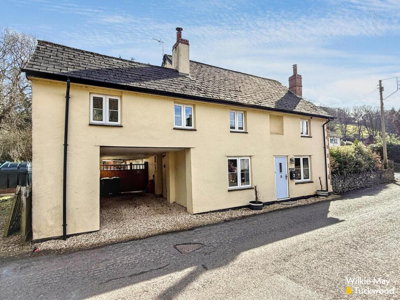
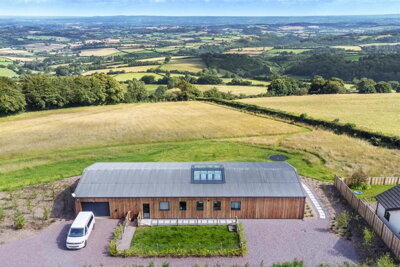
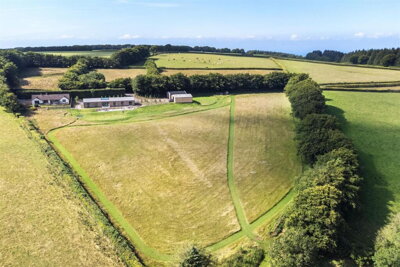
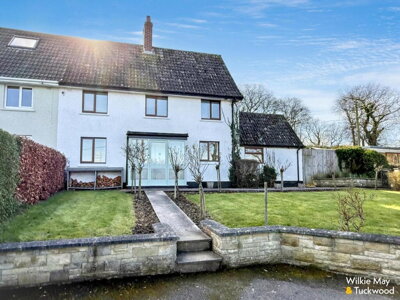
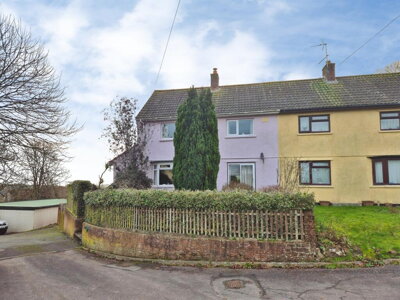
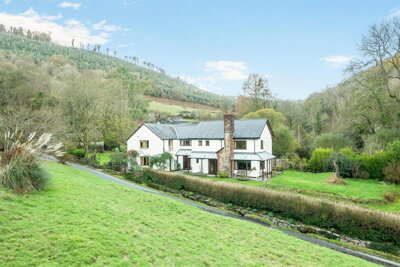
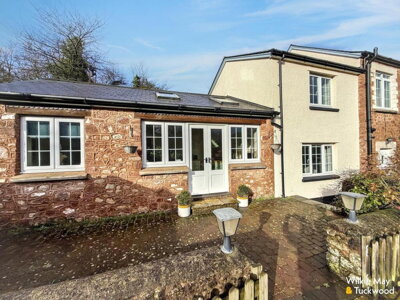
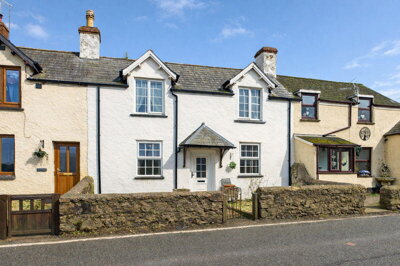
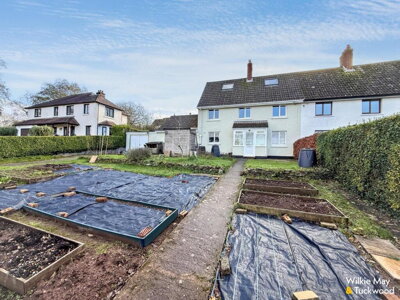
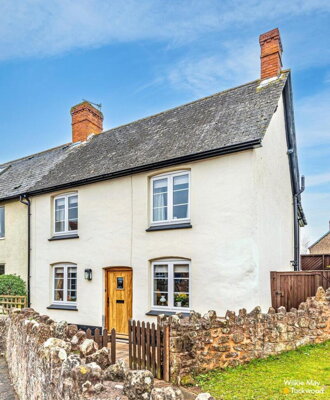
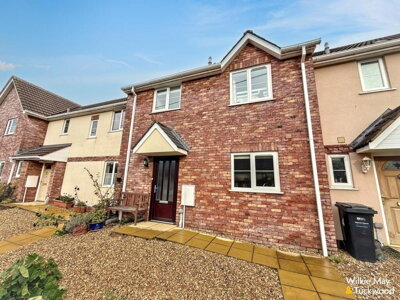
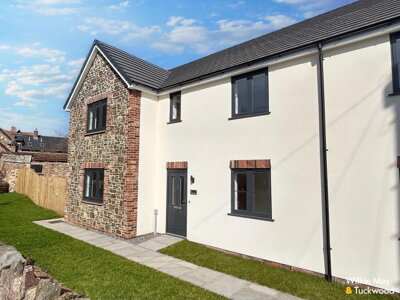
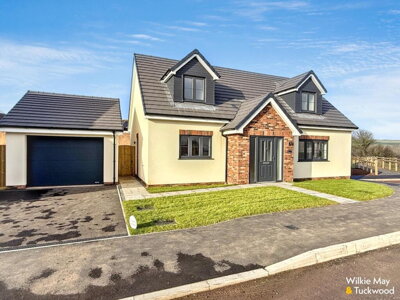
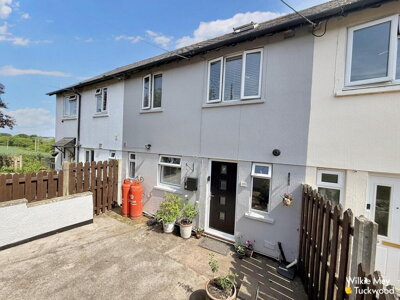
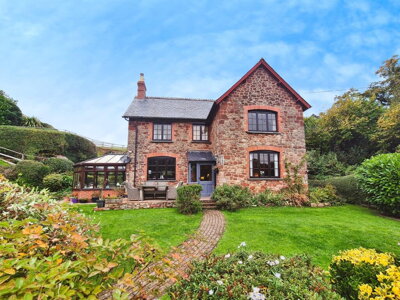
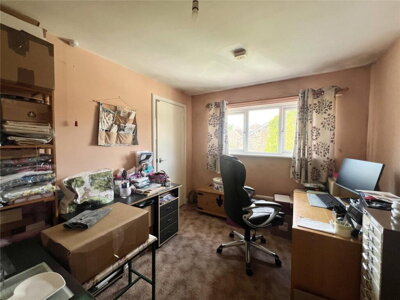
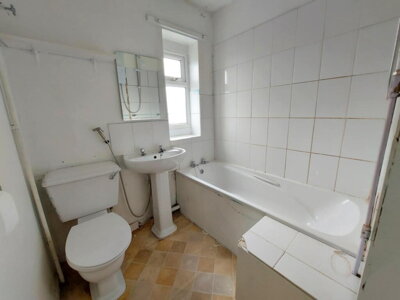
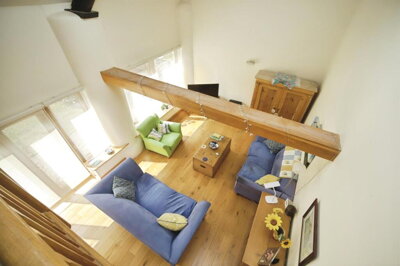
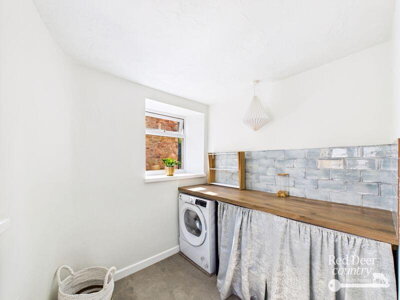
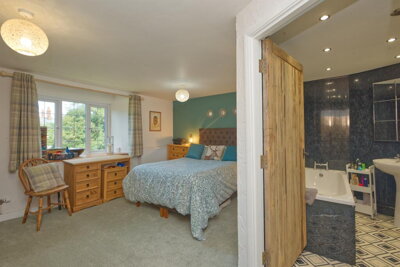
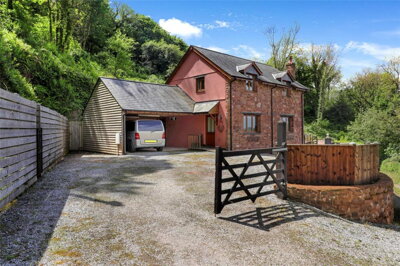
Browse 28 homes for sale in Nettlecombe, Somerset from local estate agents.
£0k
0
0
0
Source: home.co.uk
The Lancashire property market demonstrates steady resilience, with recent data showing house prices have risen by approximately 1% from the 2023 peak of £214,674. Over the past year, there were 20,400 property sales across the county, indicating healthy market activity despite broader economic conditions. The median property price of £179,000 reflects excellent value for buyers seeking spacious homes without the premium prices found in southern England. PropertyResearch.uk reports a 2.5% annual decline in some segments, suggesting a buyer-friendly market with negotiation potential.
Property types in Lancashire span an impressive range to suit all budgets and preferences. Terraced properties dominate sales volume at 37.6% of transactions, with an average price of £144,217, making them ideal for first-time buyers seeking their first step onto the property ladder. Semi-detached homes account for 32.9% of sales, averaging £212,177, offering generous living space for growing families. Detached properties average £363,833, providing substantial homes in sought-after locations, while flats average £124,962, perfect for young professionals and investors seeking rental income. This diversity in housing stock reflects Lancashire's rich architectural heritage spanning Victorian terraces to modern executive homes.
The county's housing stock is predominantly Victorian and Edwardian in origin, particularly in the former mill towns of Blackburn, Burnley, and Accrington where red brick terraces were built to house factory workers. These properties often feature characteristic sandstone facades, original sash windows, and slate roofs that require ongoing maintenance. Interwar semi-detached houses dominate suburban areas around Preston and Lancaster, while new-build developments have expanded towns like Fulwood and Penwortham in recent years. Understanding the age and construction of properties is essential for budgeting potential renovation costs and identifying properties that may require a structural survey before purchase.

Lancashire continues to see significant new build activity, offering buyers modern properties with the latest construction standards and energy efficiency ratings. Major developers including Barratt Homes, Persimmon, Taylor Wimpey, and David Wilson Homes have active developments across the county. These new homes typically feature contemporary open-plan layouts, integrated appliances, and 10-year NHBC warranties, making them attractive to buyers seeking low-maintenance properties with modern amenities.
Current new build options include Barratt Homes' The Pastures development in Langho (BB6 8EU), offering 3 and 4 bedroom homes from £269,995 to £389,995, situated in a semi-rural location between Blackburn and the Ribblesdale countryside. Nearby, Weavers Fold in Colne (BB8 0EZ) provides 3 and 4 bedroom properties from £219,995 to £364,995, ideal for families seeking contemporary homes in East Lancashire. In the Preston area, Cottam Gardens (PR4 0RA) offers 3 and 4 bedroom homes from £239,995 to £369,995, while David Wilson Homes' Whittingham Place (PR2 8DD) provides larger 3, 4, and 5 bedroom executive properties from £299,995 to £549,995.
For buyers seeking more affordable entry points, Persimmon's Stone Bridge Fold development on Longridge Road in Preston (PR2 5AL) offers 2, 3, 4, and 5 bedroom homes from £174,995 to £349,995, representing some of the best value new builds in the area. Taylor Wimpey's Highfield development in Clayton-le-Moors (BB5 5DY) provides 3 and 4 bedroom properties from £219,995 to £329,995, close to excellent schools and motorway links. New build properties can be particularly attractive for buy-to-let investors given their modern specifications and strong rental demand from professionals.

Lancashire offers an exceptional quality of life, combining the advantages of urban convenience with access to stunning natural landscapes. The county's housing stock reflects its rich industrial heritage, with traditional sandstone and brick properties featuring characteristic slate roofs standing alongside modern new-build developments. Many towns feature conservation areas protecting the unique architectural character of Victorian and Edwardian streetscapes, while market towns like Clitheroe, Kirkby Lonsdale, and Garstang retain their historic market square charm and community atmosphere that attracts buyers seeking traditional English village life.
The local economy benefits from diverse employment sectors, including advanced manufacturing, aerospace operations at BAE Systems facilities in Warton and Samlesbury, and world-class universities such as Lancaster University and the University of Central Lancashire in Preston. Tourism plays a significant role along the coastline, with Blackpool's famous towers and illuminations drawing millions of visitors annually, while the Forest of Bowland offers outstanding walking and outdoor pursuits. This economic diversity provides employment stability that supports the local housing market and attracts workers seeking career opportunities without sacrificing quality of life.
The county offers excellent leisure facilities including championship golf courses at Royal Lytham and St Annes, premiership rugby at Preston, and thriving cultural venues in Lancaster and Preston. Families appreciate the numerous parks and green spaces, while food lovers can explore traditional Lancashire hotpots, artisan bakeries, and acclaimed gastropubs throughout the county. The relative affordability compared to major cities means buyers can access larger properties with gardens, private parking, and more living space for their budget.
Lancashire provides excellent educational opportunities across all levels, making it a top choice for families relocating to the North West. The county hosts several highly-regarded grammar schools, including Queen Elizabeth Grammar School in Blackburn and Westholme School in Standish, which consistently achieve outstanding examination results and university placements. Primary education is well-served through a mix of academies, foundation schools, and community schools, with many rated Good or Outstanding by Ofsted inspectors across towns including Chorley, Leyland, and Fulwood.
Higher education options include Lancaster University, ranked among the UK's top 15 universities, offering world-class research and teaching across diverse disciplines including management, engineering, and health studies. The University of Central Lancashire in Preston provides strong vocational courses and has established itself as a major educational institution in the region, particularly for medicine, dentistry, and business programmes. Further education colleges across Lancashire, including Blackburn College and Burnley College, offer excellent A-level and vocational pathways for students. The presence of major universities makes Lancashire attractive to academic staff and postgraduate students, supporting the local rental market.
Families relocating to Lancashire will find strong educational provision at every stage, backed by robust transport links connecting residential areas to schools throughout the county. Catchment areas vary significantly between authorities, so parents should verify school placements before committing to a property purchase. Private schooling options include Moorland School in Clitheroe and Westholme School, offering alternative educational paths for families seeking independent education options. The combination of excellent state grammar schools and independent schools ensures comprehensive educational coverage across all age groups.
Lancashire enjoys exceptional connectivity through its comprehensive transport network, making it an ideal base for commuters and business travellers alike. The M6 motorway runs through the heart of the county, providing direct access to Manchester, Liverpool, and the Lake District, while the M65 connects Blackburn and Burnley to the national motorway network. West Coast Main Line rail services operate from Preston, Lancaster, and Oxenholme, offering direct journeys to London Euston in approximately two hours from Preston and Lancaster, making day trips to the capital entirely feasible.
Local rail services connect Lancashire's major towns and cities through the Northern network, with the West Lancashire Railway linking Preston to Ormskirk and the East Lancashire Line serving communities between Preston, Blackburn, and Burnley. For those travelling to major employment centres, the M61 provides access to Manchester from the northern parts of the county, while the M55 connects Preston to Blackpool. Bus services operated by Lancashire County Council and private operators provide extensive local coverage, though car ownership remains advantageous for residents in more rural areas of the Ribblesdale and Lune valleys.
Air travel is available through Liverpool John Lennon Airport and Manchester Airport, both accessible within an hour's drive from most parts of Lancashire, offering domestic and international flights to over 150 destinations. The proximity to major airports makes Lancashire attractive to business travellers and families with international connections. Cycle paths and walking routes are well-developed in urban areas, with the Bay Cycle Way and Lancashire Cycleway offering recreational options for commuters and leisure cyclists alike.
Explore Lancashire's diverse neighbourhoods to find the location that matches your lifestyle needs. Consider commute times to work, proximity to schools, local amenities, and property types available in each area. The Fylde coast offers coastal living with Blackpool and Lytham St Annes, while the Ribble Valley provides rural charm near Clitheroe and Longridge. Towns like Preston and Lancaster offer urban amenities, excellent schools, and strong transport links for commuters. Use online property portals and local estate agent websites to understand what each area offers at your budget.
Contact Lancashire-based mortgage brokers or national lenders to obtain an Agreement in Principle before viewing properties. With the average Lancashire property at £217,316, most buyers will require a mortgage, and having your finances arranged demonstrates your financial credibility to sellers and estate agents. This gives you a competitive edge when making offers, particularly in desirable areas like Fulwood, Garstang, or the Ribble Valley where properties can attract multiple bids from buyers with similar budgets and requirements.
Schedule viewings of properties matching your criteria, paying attention to construction materials typical of the area including sandstone and brick facades, slate roofs, and signs of damp in older properties. Many Lancashire terraces feature original features like fireplaces, ceiling roses, and tiled hallways that require maintenance. Consider scheduling a RICS Level 2 Survey before committing to purchase, particularly for older properties where defects may not be immediately apparent during a standard viewing.
Once you find your ideal home, submit a competitive offer through the estate agent. With average prices around £217,316, there is often room for negotiation, particularly in areas with multiple similar properties available or where properties have been on the market for extended periods. Factors such as flood risk, mining history, or conservation area restrictions may provide negotiating leverage. A well-informed offer backed by comparable sales data strengthens your position with sellers.
Appoint a conveyancing solicitor to handle the legal aspects of your purchase. Local property solicitors familiar with Lancashire's housing stock can efficiently manage transactions involving older properties, listed buildings, and conservation area restrictions. Ensure your solicitor conducts essential searches including local authority checks, drainage and water searches, and mining risk searches for properties in former coal mining areas of East Lancashire.
Finalize your mortgage, complete legal searches including mining and flood risk checks specific to Lancashire areas, and arrange your removal logistics. On completion day, collect your keys and begin your new life in your Lancashire home. Budget for SDLT (likely zero or minimal at average prices), surveyor fees, and potential renovation costs for older properties that may require updating electrical systems, heating, or structural repairs.
Property buyers in Lancashire should be aware of several area-specific considerations when evaluating potential purchases. Given the county's varied geology, including areas with significant boulder clay deposits, shrink-swell risk affecting property foundations can occur during periods of extreme wet or dry weather. Our inspectors frequently identify foundation movement and associated cracking in properties built on clay soils, particularly in areas around Preston and South Ribble. A thorough survey can identify these issues before you commit to purchase, potentially saving thousands in remediation costs.
Flood risk varies significantly across the county, with properties in parts of Preston, Lancaster, Garstang, and coastal areas facing elevated risk from river flooding along the Ribble, Lune, and Wyre, as well as tidal flooding along Morecambe Bay and the Fylde coast. Surface water flooding can occur in urban areas following heavy rainfall, so checking Environment Agency flood maps and local drainage history is essential before purchasing. Properties in flood risk zones may face higher insurance premiums and may require flood resilience measures.
The county's extensive industrial heritage means many areas, particularly in East Lancashire around Accrington, Burnley, and Colne, were former coal mining regions. Properties in these areas require careful consideration, and a mining search is strongly recommended to identify any potential ground instability issues from past workings. Properties built before 1919 may feature traditional solid wall construction, suspended timber floors, and outdated electrical and plumbing systems that require updating to meet modern standards. Our inspectors check for these issues systematically during every survey.
Many Lancashire towns have conservation areas with specific planning restrictions affecting exterior alterations and permitted development rights. Historic towns like Lancaster with its medieval castle and Georgian Quarter, Preston with its conservation areas, and villages such as Hoghton and Samlesbury contain significant concentrations of listed buildings requiring specialist consideration during purchase. A RICS Level 3 Building Survey may be more appropriate for listed properties or those in conservation areas given their specialised construction and renovation requirements.
The average house price in Lancashire is £217,316 according to Rightmove data from February 2026, with a median price of £179,000. Property prices vary significantly by type, with detached homes averaging £363,833, semi-detached properties at £212,177, terraced houses at £144,217, and flats at approximately £124,962. The market has remained relatively stable, with prices around 1% above the 2023 peak of £214,674. For first-time buyers, terraced properties at £144,217 represent an excellent entry point to the Lancashire property market, while families seeking more space may find semi-detached homes at £212,177 offer the best value per square foot.
Council tax bands in Lancashire vary depending on the specific local authority and property value. Lancashire is divided between twelve district councils including Preston City Council, Lancaster City Council, South Ribble Borough Council, Chorley Council, West Lancashire Borough Council, Blackburn with Darwen Borough Council, Blackpool Council, Burnley Borough Council, Pendle Borough Council, Ribble Valley Borough Council, Rossendale Borough Council, and Hyndburn Borough Council. Each authority sets its own council tax rates, which can vary significantly between areas. Buyers should verify the specific council tax band through the relevant local authority website using the property's address or council tax reference number before completing their purchase.
Lancashire offers excellent educational options including grammar schools such as Queen Elizabeth Grammar School in Blackburn and highly-regarded independent schools including Westholme School in Standish. Primary schools across the county perform well in Ofsted inspections, with many rated Good or Outstanding in towns including Leyland, Chorley, and Fulwood. Higher education options include Lancaster University, ranked among the UK's top 15 universities, and the University of Central Lancashire in Preston with over 35,000 students. Families should research specific catchment areas and admissions criteria for their preferred schools, as these can significantly impact which properties provide access to desired school placements.
Lancashire benefits from excellent transport connections including the West Coast Main Line serving Preston and Lancaster with direct trains to London in approximately two hours, making regular commuting entirely feasible. The M6 motorway runs through the county providing access to Manchester, Liverpool, and the Lake District, while the M65 connects Blackburn and Burnley to the motorway network. Local train services operated by Northern connect Lancashire's major towns including Preston, Lancaster, Blackburn, Burnley, and Blackpool. Bus services provide extensive local coverage throughout urban areas. Major airports including Manchester and Liverpool John Lennon are accessible within an hour's drive, offering domestic and international flights to over 150 destinations.
Lancashire offers compelling investment opportunities with average property prices significantly lower than southern England while maintaining strong rental demand driven by major employers including BAE Systems in Warton and Samlesbury, the NHS across multiple hospitals, and universities including Lancaster and UCLan. The county's diverse economy, growing population of over 1.5 million residents, and ongoing new build developments suggest continued market stability. Rental yields vary by location, with towns like Preston, Lancaster, and Blackburn offering attractive returns for buy-to-let investors seeking more affordable entry points than major cities. Student rental demand around university campuses in Preston and Lancaster provides particularly strong rental yields during academic terms.
Standard SDLT rates for 2024-25 are 0% on properties up to £250,000, 5% on the portion from £250,001 to £925,000, 10% from £925,001 to £1.5 million, and 12% above £1.5 million. First-time buyers benefit from relief on properties up to £625,000, paying 0% up to £425,000 then 5% on amounts between £425,001 and £625,000. With Lancashire's average property price of £217,316, most buyers would pay no stamp duty or minimal amounts under current thresholds. This represents significant savings compared to the average UK property price, making Lancashire one of the most cost-effective counties for property purchase in England.
Beyond the property price and stamp duty, buyers should budget for conveyancing fees typically ranging from £499 to £1,500 depending on property value and transaction complexity, mortgage arrangement fees from £0 to £2,000 depending on lender deals, and a RICS Level 2 Survey from £350 to £600 depending on property size. Moving costs typically range from £500 to £2,000 depending on distance and volume of belongings. Buyers purchasing older Lancashire properties should factor in potential costs for updating electrical systems, replacing outdated heating systems, or addressing structural repairs identified during survey. With careful planning, buying a home in Lancashire represents excellent value compared to other UK regions.
From £350
Professional survey to identify defects in Lancashire properties from terraced houses to detached homes
From £500
Comprehensive building survey for older or complex properties including listed buildings
From £80
Energy performance certificate required for all property sales
From £499
Expert property solicitors familiar with Lancashire transactions
Understanding the full costs of buying property in Lancashire helps you budget effectively for your purchase. Beyond the property price, buyers should budget for stamp duty land tax, solicitor fees, survey costs, and moving expenses. For a typical Lancashire property at the county average of £217,316, standard SDLT would be £0 under current thresholds, making this an exceptionally affordable market for first-time buyers and those purchasing properties below the £250,000 threshold. First-time buyer relief may also apply to properties up to £625,000, potentially reducing costs further.
Additional purchasing costs typically include conveyancing fees from £499 to £1,500 depending on property value and complexity, mortgage arrangement fees typically ranging from £0 to £2,000 depending on lender deals available, and a RICS Level 2 Survey from £350 to £600 depending on property size and inspection requirements. First-time buyers should factor in moving costs and potential furniture purchases, while those buying older Lancashire properties may need to budget for updates to electrical systems, heating, or structural repairs identified during survey inspections.
Properties in Lancashire typically represent excellent value compared to other UK regions. Even when factoring in survey costs, legal fees, and moving expenses, the total cost of purchasing a home in Lancashire remains significantly lower than comparable properties in southern England. With the right professional support and careful budgeting, buying a home in Lancashire offers an accessible path to homeownership for first-time buyers, families, and investors alike.
Properties for Sale In London

Properties for Sale In Plymouth

Properties for Sale In Liverpool

Properties for Sale In Glasgow

Properties for Sale In Sheffield

Properties for Sale In Edinburgh

Properties for Sale In Coventry

Properties for Sale In Bradford

Properties for Sale In Manchester

Properties for Sale In Birmingham

Properties for Sale In Bristol

Properties for Sale In Oxford

Properties for Sale In Leicester

Properties for Sale In Newcastle

Properties for Sale In Leeds

Properties for Sale In Southampton

Properties for Sale In Cardiff

Properties for Sale In Nottingham

Properties for Sale In Norwich

Properties for Sale In Brighton

Properties for Sale In Derby

Properties for Sale In Portsmouth

Properties for Sale In Northampton

Properties for Sale In Milton Keynes

Properties for Sale In Bournemouth

Properties for Sale In Bolton

Properties for Sale In Swansea

Properties for Sale In Swindon

Properties for Sale In Peterborough

Properties for Sale In Wolverhampton

Enter your details to see if this property is within your budget.
Loans, cards, car finance
Estimated property budget
Borrowing + deposit
You could borrow between
Typical borrowing
Monthly repayment
Est. at 4.5%
Loan-to-value
This is an estimate only. Your actual budget may vary depending on interest rates, credit history, and personal circumstances. For an accurate affordability assessment, speak to one of our free mortgage advisors.
This calculator provides estimates for illustrative purposes only and does not constitute financial advice. Your home may be repossessed if you do not keep up repayments on your mortgage. Estimates based on 4.5% interest rate, repayment mortgage. Actual rates depend on your circumstances.
Homemove is a trading name of HM Haus Group Ltd (Company No. 13873779, registered in England & Wales). Homemove Mortgages Ltd (Company No. 15947693) is an Appointed Representative of TMG Direct Limited, trading as TMG Mortgage Network, which is authorised and regulated by the Financial Conduct Authority (FRN 786245). Homemove Mortgages Ltd is entered on the FCA Register as an Appointed Representative (FRN 1022429). You can check registrations at NewRegister or by calling 0800 111 6768.

We use cookies to show you personalised content and improve your experience of our website. Find out more in our Privacy policy and Cookie policy.