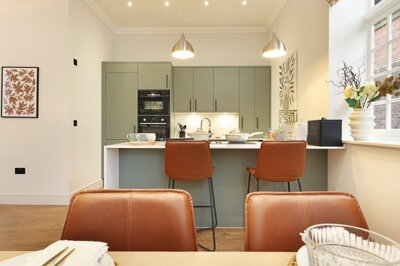
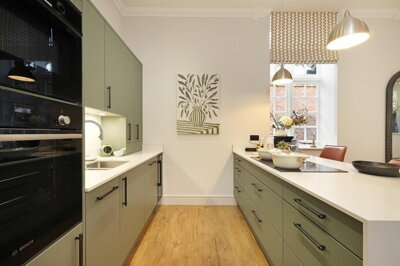
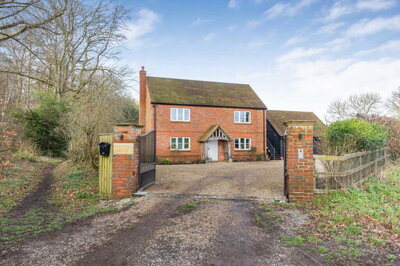
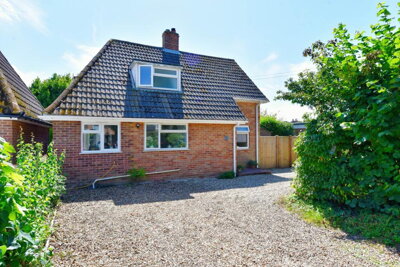
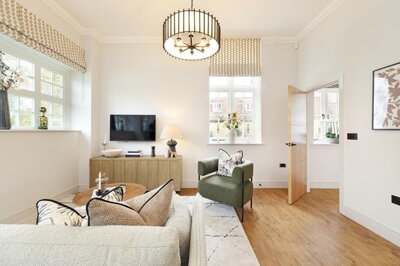
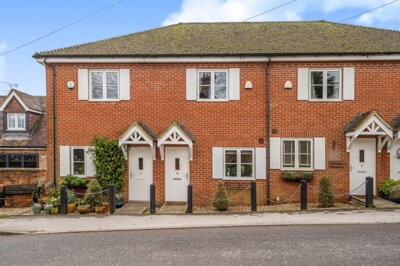
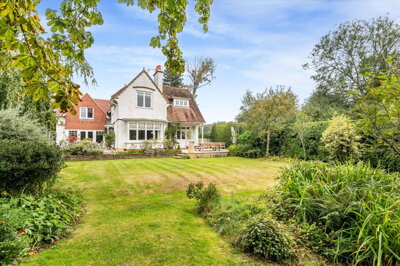
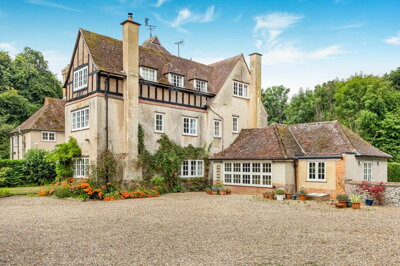
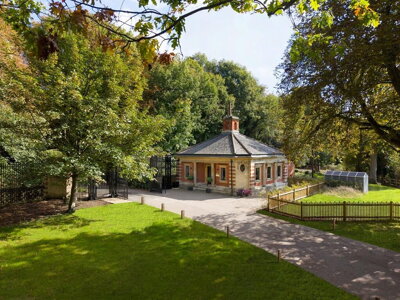
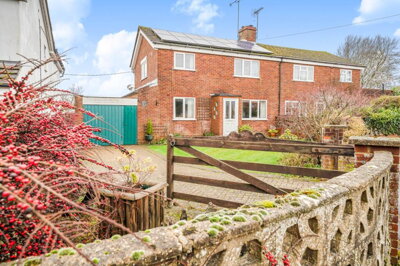
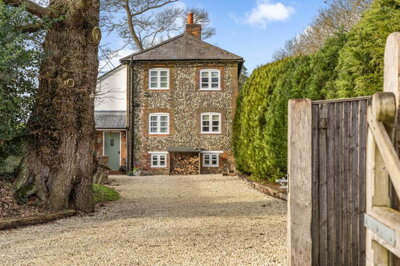
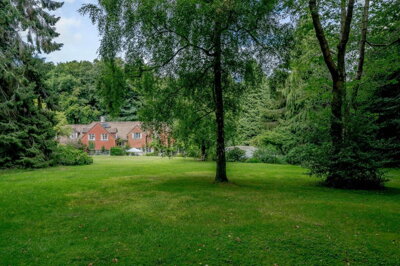
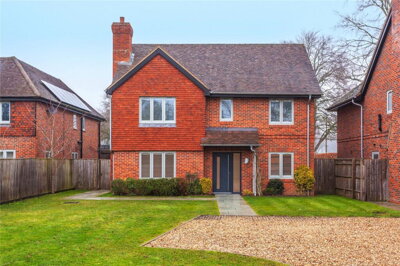
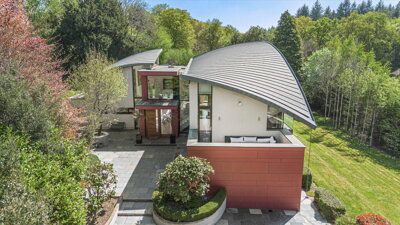
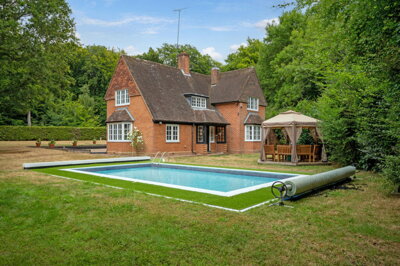
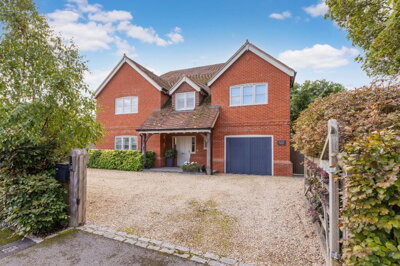
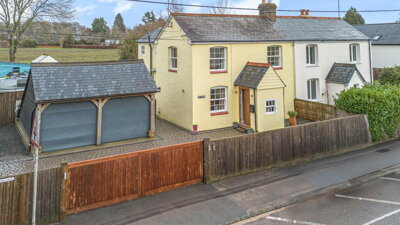
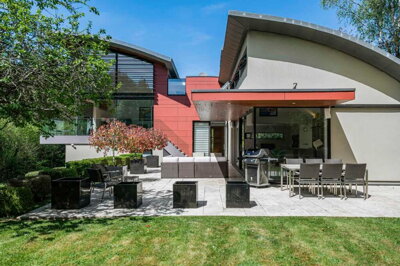
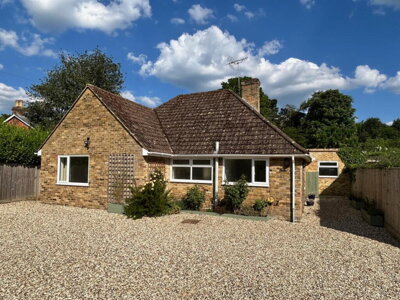
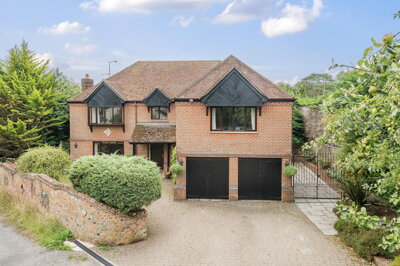
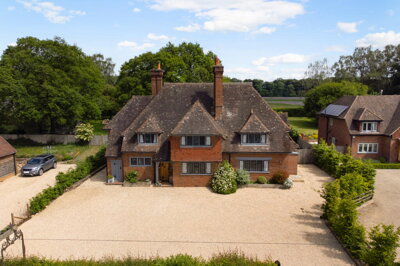
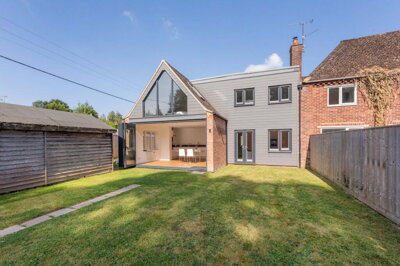
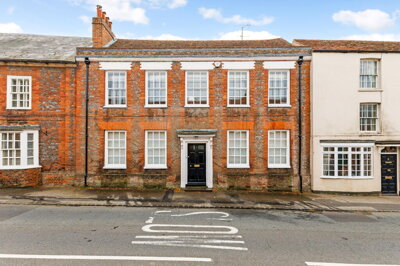
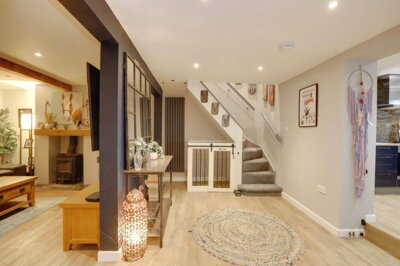
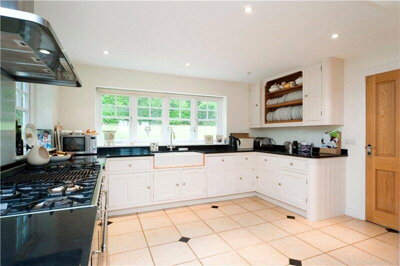
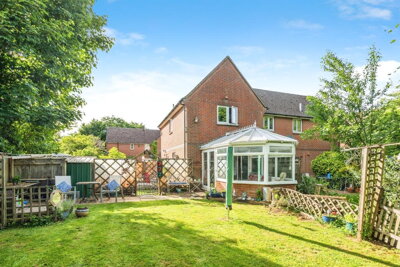
Browse 32 homes for sale in Nettlebed, South Oxfordshire from local estate agents.
£925k
11
0
60
Source: home.co.uk
Source: home.co.uk
Cottage
5 listings
Avg £942,000
Detached
3 listings
Avg £1.22M
House
1 listings
Avg £1.25M
Semi-Detached
1 listings
Avg £550,000
Terraced
1 listings
Avg £425,000
Source: home.co.uk
Source: home.co.uk
£212,000
Average Property Price
+4.3%
12-Month Price Change
100+
Properties Listed
£171,000
Terraced Average
£218,000
Semi-Detached Average
£313,000
Detached Average
The Conwy property market presents a diverse range of opportunities for buyers across all budgets and preferences. Detached properties command the highest prices, averaging £313,000 in the area, with premium examples along the waterfront and near the golf course reaching significantly higher figures. Semi-detached homes offer strong value at around £218,000, providing excellent family accommodation within walking distance of the town centre and local schools. These properties often feature the traditional Welsh stone construction that gives Conwy its distinctive character, with original fireplaces, high ceilings, and generous gardens that have been cherished by generations of homeowners.
Terraced properties remain the most common transaction type in Conwy town itself, with average prices around £171,000 according to recent data. These characterful homes line the narrow streets leading down to the harbour, many dating back centuries with features such as exposed beams, flagstone floors, and inglenook fireplaces that cannot be replicated in modern construction. Flats and maisonettes represent the most affordable entry point at approximately £125,000, making them ideal for first-time buyers or investors seeking to capitalise on Conwy's strong holiday let market. The tourism economy supports a healthy rental demand, with properties near the castle and waterfront commanding premium rental incomes throughout the summer season and many festive weekends throughout the year.
Recent market activity shows 193 residential sales over the year to March 2024, though this represents a decrease of 42 transactions compared to the previous year. Rightmove data indicates that prices in Conwy town were 13% down on the previous year and 8% below the 2022 peak, suggesting a cooling market that may present buying opportunities for those with longer-term investment horizons. The wider Conwy County Borough saw more modest price adjustments, with a 2% decrease year-on-year but remaining 1% above the 2023 peak. Semi-detached properties proved particularly resilient, posting a 5.6% annual increase, while flat prices remained relatively stable over the same period.

Conwy occupies a privileged position on the North Wales coast, where the River Conwy flows into the Irish Sea and the mountains of Snowdonia rise dramatically to the east. The town centre is defined by its medieval town walls, the finest surviving example in Britain, which enclose a maze of narrow streets and listed buildings that transport visitors back to the 13th century. The estuary provides a constantly changing backdrop, with fishing boats and sailing vessels adding colour to the water while swans and seabirds complete the picture. Local amenities include convenience stores, family butchers, traditional bakers, and weekly markets where regional producers showcase Welsh cheese, meat, and crafts that reflect the area's agricultural heritage.
The wider Conwy area encompasses several villages and residential neighbourhoods, each offering distinct characteristics for residents. Deganwy sits across the estuary with excellent primary schools and convenient rail connections, while Llandudno Junction provides larger supermarkets and easy access to the A55 Expressway. The annual events calendar brings considerable vibrancy to the town, with the Conwy Feast food festival, the Winterfest celebration, and regular outdoor concerts at Deganwy Marina drawing crowds from across the region. Outdoor pursuits remain central to local life, with walking routes ranging from gentle estuary strolls to challenging mountain scrambles in the Glyderau and Carneddau ranges, while the coast offers sailing, kayaking, and paddleboarding opportunities for all abilities.
The local economy revolves heavily around tourism, with visitors drawn to Conwy Castle's UNESCO World Heritage status and the well-preserved medieval architecture that makes the town unlike anywhere else in Britain. Plas Mawr, the magnificent Elizabethan house on High Street, provides a window into 16th-century aristocratic life with its ornate plasterwork and hidden courtyards. Aberconwy House, recognised as the oldest townhouse in Wales, demonstrates the craftsmanship of medieval builders using local stone and timber that continues to define the town's character today. This heritage infrastructure ensures ongoing investment in the area's attractions and supports the visitor economy that benefits local businesses throughout the year.
Education provision in Conwy serves families across all stages of schooling, with several primary schools within the town and surrounding villages rated Good or Outstanding by education inspectors. Ysgol Aberconwy serves as the local primary school for many town centre families, while Ysgol Llanddoged and Ysgol Caerhun provide excellent alternatives for residents in neighbouring communities. The schools benefit from dedicated teaching staff who understand the unique character of their pupils and the value of outdoor learning, with regular trips to Snowdonia and the coastline enhancing classroom studies. Smaller class sizes than many English schools mean teachers can provide individual attention that helps children flourish academically and personally during their formative years.
Secondary education is available at Ysgol John Bright, a well-established secondary school in the town that offers a broad curriculum and strong pastoral care for students aged 11-18. The school has developed particular strengths in STEM subjects and creative arts, with students regularly progressing to universities across Wales and England. Sixth form provision allows older students to remain in Conwy for their A-level studies rather than commuting to larger towns, with subjects including Welsh language courses that reflect the bilingual nature of the region. For families seeking private education, the independent school sector in the wider area includes St. Gerard's School in Llandudno and several preparatory schools serving younger children within a reasonable daily commute from Conwy.
The bilingual nature of Welsh education offers particular advantages for children growing up in Conwy, where opportunities to develop fluency in both English and Welsh are valued highly by local communities and employers alike. Estyn inspection reports for both primary and secondary schools are publicly available and provide detailed assessments of teaching quality, pupil outcomes, and leadership effectiveness that prospective parents can consult when making schooling decisions. The curriculum in Welsh schools emphasises local heritage and environmental awareness, with students gaining practical knowledge of Conwy's medieval history, coastal ecosystems, and mountain landscapes that enrich their educational experience beyond examination results.
Conwy benefits from excellent rail connections that make it surprisingly accessible for commuters and visitors alike. The railway station sits beside the estuary with direct services to Holyhead for ferry connections to Ireland, north to Chester and beyond into England, and west along the coast through the scenic junction at Llandudno Junction. Journey times from Conwy to Chester take approximately one hour, opening up access to the broader UK rail network including regular services to London Euston from the major interchange stations. The nearby Llandudno Junction station provides additional capacity and faster services to certain destinations, with the Bangor and Anglesey line accessible for those seeking employment or leisure opportunities further west along the North Wales coast.
Road transport centres on the A55 Expressway, which runs just south of Conwy and provides a high-quality dual carriageway connection across North Wales to the tunnel crossing to Anglesey in the west and the M53 motorway to Liverpool and Manchester in the east. The journey to Manchester takes approximately two hours under normal traffic conditions, making Conwy feasible for occasional office attendance for remote workers whose employers are based in the North West of England. Local bus services connect Conwy with Llandudno, Bangor, and the surrounding villages, while the Conwy tunnel provides a dedicated pedestrian and cycle route beneath the estuary, encouraging sustainable travel for short local journeys. Parking in the town centre can be challenging during peak tourist season, though several public car parks serve visitors and residents conducting business in the historic core.
For international travel, Liverpool John Lennon Airport lies approximately 90 minutes away by car and offers a range of European destinations, while Manchester Airport provides broader international coverage including transatlantic routes. The ferry port at Holyhead, accessible via the A55 in under an hour, connects to Dublin and Rosslare in Ireland for those travelling further afield. The geography of the Conwy valley does create some natural transport constraints, with the mountain roads leading into Snowdonia suitable only for confident drivers in suitable vehicles, while the coastal route to Llandudno provides a scenic alternative to the faster A55 for leisure journeys.
Spend time exploring different neighbourhoods in Conwy, from the historic town centre with its castle views to the residential areas around Deganwy and Llandudno Junction. Consider factors such as commute times, school catchment areas, flood risk proximity to the estuary, and the level of ongoing maintenance required for older period properties versus modern alternatives.
Obtain a mortgage agreement in principle before viewing properties, as this demonstrates your seriousness to sellers and estate agents while clarifying your true budget. Conwy's average property prices mean many buyers will fall within standard residential mortgage bands, though flats and older properties may require additional specialist survey work due to their construction type and condition.
Arrange viewings through Homemove to access the complete range of properties available in Conwy, from estate agent listings to private sales. Once you find your ideal home, submit a competitive offer that accounts for local market conditions, the property's condition, and any renovation costs that may be necessary for older properties.
Commission a RICS Level 2 Survey for most properties, or a Level 3 Building Survey for older, listed, or non-standard construction homes. Given Conwy's prevalence of pre-1919 properties with stone walls and slate roofs, a thorough survey is essential to identify issues such as damp, roof condition, timber defects, and any structural concerns before you commit to purchase.
Choose a solicitor with experience handling transactions in Wales, as different regulations and forms apply compared to England. Your solicitor will conduct local searches including flood risk and planning history, handle contracts, liaise with your mortgage lender, and guide you through the transaction through to completion and registration at HM Land Registry.
Properties in Conwy require careful evaluation of several factors specific to the area's geography and building heritage. Flood risk represents the most significant environmental consideration, given the town's position on the River Conwy estuary and its exposure to coastal conditions. Ask vendors about any historical flooding, check the Environment Agency flood maps for the specific location, and consider the elevation of the property relative to surrounding areas. Properties near the harbour or along low-lying sections of the estuary may require specialist insurance or flood resilience measures that add to ongoing ownership costs. Your survey report should assess drainage, damp penetration risks, and any existing flood damage that may not be immediately apparent.
The age and construction of Conwy properties demand particular attention during the buying process. Most homes in the conservation area and surrounding streets were built before 1919 using solid wall construction, local stone, and Welsh slate roofing. These traditional building methods require different maintenance approaches than modern properties, with regular repointing, roof inspections, and awareness of rising damp being essential for new owners. Electrical and plumbing systems in older properties often require updating to meet current standards, so budget accordingly for any necessary works identified in your survey. Listed buildings face additional restrictions on alterations and may require Listed Building Consent for changes that would not need planning permission for non-listed properties, making specialist advice essential before purchase.
Common defects in Conwy's older housing stock include penetrating damp through solid walls that lack cavity insulation, slipped or broken Welsh slate tiles requiring specialist repair contractors, and timber defects such as wet rot in window frames and structural elements exposed to the damp coastal climate. The alluvial deposits near the river estuary can create ground conditions where subsidence may occur, particularly where trees or shrubs have been planted too close to foundations. A thorough RICS Level 2 Survey will identify these issues before you commit, while a Level 3 Building Survey provides the more detailed assessment needed for listed buildings or properties where the surveyor has identified significant concerns during initial inspection.
Leasehold arrangements and service charges deserve scrutiny for any flat or maisonette purchase in Conwy. Verify the remaining lease term, the level of service charges, and what maintenance responsibilities fall to the leaseholder versus the freeholder. Many older leasehold properties in the town have short leases or unclear arrangements that could affect mortgageability and future saleability. Freehold properties, while potentially offering more straightforward ownership, still require understanding of shared responsibilities for boundary walls, drainage, and access arrangements that are common in terraced properties throughout the town.
Understanding the predominant construction types in Conwy helps buyers appreciate both the character and the maintenance requirements of properties they may consider purchasing. The historic core of the town features buildings constructed from local limestone and gritstone, quarried from the surrounding hillsides and laid in traditional lime mortar that allows the structures to breathe. Welsh slate, sourced from the Blaenau Ffestiniog quarries that once supplied roofing materials throughout the region, features on virtually every pre-war property in the area and remains the preferred replacement material for repairs due to its durability and visual consistency with original construction.
The solid wall construction method used throughout Conwy's older properties provides excellent thermal mass, helping regulate indoor temperatures throughout the year as the stone absorbs heat during summer days and releases it during cooler evenings. However, this construction type also means properties are more susceptible to penetrating damp than cavity-wall insulated modern homes, requiring attention to gutters, downpipes, and external pointing that may have deteriorated over decades of exposure to coastal weather. Many Victorian and Edwardian additions to the town's housing stock feature bay windows, larger rooms, and more ornate architectural details than the medieval predecessors, with decorative cornices, deep skirting boards, and fireplaces that serve as focal points in reception rooms.
Properties built since the 1980s in the surrounding areas, particularly around Llandudno Junction and the newer residential developments on the town's periphery, typically feature cavity wall construction with brick or render finishes and concrete tile roofs. These modern properties offer the advantage of better insulation and fewer maintenance concerns than their historic counterparts, though they lack the character and solidity that many buyers find appealing in the older town centre properties. The mix of construction types across the Conwy area means that buyers should approach each property individually rather than assuming all local homes share the same characteristics or maintenance requirements.
The average house price in Conwy was £212,000 according to ONS provisional data for December 2025, with an annual price growth of 4.3% demonstrating continued market strength. Detached properties average £313,000, semi-detached homes around £218,000, terraced properties approximately £171,000, and flats around £125,000 according to the same data. Properties in Conwy town itself command a premium over the wider county average, with Rightmove recording an average of £286,108 for Conwy Town over the past year, reflecting the desirability of living within the historic town walls and close to the castle. Zoopla reports slightly higher averages, with Conwy town averaging £260,652 and the wider county borough at £246,422.
Properties in Conwy fall under Conwy County Borough Council's council tax bands, which range from Band A for the lowest value properties to Band H for the most expensive homes. Most terraced properties and smaller flats typically fall into Bands A to C, while larger detached homes with estuary or castle views often occupy the higher bands. You can check the specific band for any property through the Welsh Government valuation list or the Valuation Office Agency website, as bands affect both your annual council tax liability and your eligibility for certain mortgage products. Council tax rates in Conwy County Borough are set annually and reflect the local authority budget required to maintain services across the region.
Conwy offers strong educational provision across all levels, with Ysgol Aberconwy serving the local primary community and Ysgol John Bright providing secondary education through to A-levels. Both schools have established reputations for academic achievement and community involvement, with inspection reports available through Estyn, the Welsh education inspectorate. The bilingual nature of education in Wales means children have opportunities to develop fluency in both English and Welsh, which is valued by many families moving to the area. Several nearby primary schools in Deganwy, Llanddoged, and Caerhun also serve the wider Conwy area and receive positive reports from education inspectors.
Conwy railway station provides direct services along the North Wales coast, with connections to Holyhead, Bangor, Llandudno, and the Chester line that continues into England. The nearest major interchange is at Llandudno Junction, where you can access faster services to destinations including Manchester and London. Bus services operated by Arriva and local operators connect Conwy with Llandudno, Colwyn Bay, and surrounding villages, while the A55 Expressway provides straightforward road access to North Wales towns and the motorway network leading to Liverpool and Manchester. The nearest airport is Liverpool John Lennon, approximately 90 minutes away by car, with Manchester Airport also accessible within two hours for broader international destinations.
Conwy presents several investment opportunities driven by its tourism economy and unique position on the North Wales coast. Properties near the castle and waterfront benefit from consistent visitor demand, making holiday lets a viable income source throughout the summer season and festive weekends when accommodation in the area fills quickly. The 4.3% price growth over the past year demonstrates sustained demand, while the UNESCO World Heritage status of Conwy Castle and the town walls ensures ongoing investment in the area's heritage and tourism infrastructure. However, investors should consider flood risk in certain locations, the maintenance demands of older properties constructed from solid stone walls, and potential changes to holiday let regulations when calculating their expected returns. The 193 property sales recorded over the year suggest reasonable liquidity in the market for those looking to sell in future.
Beyond the purchase price, budget for solicitor fees typically between £500 and £1,500, local authority searches around £200 to £300, mortgage arrangement fees that vary widely between products, and survey costs starting from £350 for a RICS Level 2 Survey on smaller properties. SDLT applies at standard UK rates, though the £250,000 nil-rate band means no stamp duty on a property at Conwy's average price of £212,000, and first-time buyers benefit from a £425,000 nil-rate band. Factor in removal costs, building insurance from completion date, and any immediate renovation works identified during survey. The maintenance requirements of older properties in Conwy, particularly those with Welsh slate roofs or solid stone walls, should be considered when setting aside funds for the first year of ownership.
Properties in Conwy require careful consideration of flood risk due to the town's position on the River Conwy estuary and its exposure to the Irish Sea. The Environment Agency flood maps show varying risk levels across the town, with low-lying areas near the harbour and estuary edge facing higher risk than properties on elevated ground within the town walls. Surface water flooding can also occur during periods of heavy rainfall, particularly in areas with older drainage systems. Your solicitor will include appropriate drainage and water searches in the conveyancing process, and buildings insurance should be arranged from the point of completion. Properties with a history of flooding should be investigated carefully, with particular attention to any flood resilience measures that may have been installed.
The historic town centre of Conwy falls entirely within a conservation area, meaning any external alterations to properties require consideration of their impact on the area's character. Listed buildings, which include many properties along the main streets and around the harbour, are protected under the Planning (Listed Buildings and Conservation Areas) Act 1990 and require Listed Building Consent for works that would otherwise be permitted development. Your solicitor should confirm the listed status of any property during conveyancing, as this affects what alterations are possible and may require applications to Conwy County Borough Council's planning department. Interior alterations to listed buildings also require consent in some cases, particularly where original features such as fireplaces, staircases, or plasterwork are concerned.
Competitive mortgage rates for Conwy property purchases
From 4.5% APR
Solicitors experienced in Welsh property transactions
From £499
Comprehensive inspection for most Conwy properties
From £350
Detailed survey for older, listed, or unusual properties
From £600
Understanding the full costs of buying property in Conwy extends beyond the purchase price to encompass stamp duty, solicitor fees, survey costs, and various other expenses that together can add several thousand pounds to your budget. The SDLT nil-rate band for residential purchases stands at £250,000, meaning a property at Conwy's average price of £212,000 would incur no stamp duty for a standard buyer. This represents significant savings compared to the period before the nil-rate band was increased, and first-time buyers enjoy an even more generous allowance of £425,000 before the 5% rate applies. For a first-time buyer purchasing a typical terraced property in Conwy at £171,000, the entire purchase would fall within the nil-rate band, leaving more funds available for the deposit and moving costs.
Solicitors handling your Conwy property purchase will typically charge between £500 and £1,500 for their services, depending on the complexity of the transaction and whether the property is leasehold or freehold. Additional costs include local authority searches, which in Conwy County Borough typically total around £200 to £300, plus bankruptcy checks, Land Registry fees, and SDLT filing costs. Your mortgage arrangement fee, if applicable, can range from nothing for basic deals to £1,500 or more for products with lower interest rates, so factor this into your comparison of different mortgage offers. Survey costs for a RICS Level 2 Survey typically start from £350 for smaller properties, rising to £600 or more for larger detached homes with more complex construction that requires additional inspection time.
When budgeting for your Conwy purchase, remember that properties in the town often require additional expenditure on maintenance and repairs that may not be visible during viewings. Welsh slate roofs, while extremely durable, eventually require replacement slates and attention to lead flashings around chimneys and valleys. Solid stone walls may need repointing every few decades, and the lime mortar used in historic properties requires specialist knowledge to maintain correctly. Budget for an initial maintenance reserve of at least £2,000 to £5,000 for older properties, increasing this figure for listed buildings where specialist contractors and materials may be required. Buildings insurance should be arranged from the day of completion, with premiums for properties near the estuary or with older construction potentially higher than for modern equivalents.
Properties for Sale In London

Properties for Sale In Plymouth

Properties for Sale In Liverpool

Properties for Sale In Glasgow

Properties for Sale In Sheffield

Properties for Sale In Edinburgh

Properties for Sale In Coventry

Properties for Sale In Bradford

Properties for Sale In Manchester

Properties for Sale In Birmingham

Properties for Sale In Bristol

Properties for Sale In Oxford

Properties for Sale In Leicester

Properties for Sale In Newcastle

Properties for Sale In Leeds

Properties for Sale In Southampton

Properties for Sale In Cardiff

Properties for Sale In Nottingham

Properties for Sale In Norwich

Properties for Sale In Brighton

Properties for Sale In Derby

Properties for Sale In Portsmouth

Properties for Sale In Northampton

Properties for Sale In Milton Keynes

Properties for Sale In Bournemouth

Properties for Sale In Bolton

Properties for Sale In Swansea

Properties for Sale In Swindon

Properties for Sale In Peterborough

Properties for Sale In Wolverhampton

Enter your details to see if this property is within your budget.
Loans, cards, car finance
Estimated property budget
Borrowing + deposit
You could borrow between
Typical borrowing
Monthly repayment
Est. at 4.5%
Loan-to-value
This is an estimate only. Your actual budget may vary depending on interest rates, credit history, and personal circumstances. For an accurate affordability assessment, speak to one of our free mortgage advisors.
This calculator provides estimates for illustrative purposes only and does not constitute financial advice. Your home may be repossessed if you do not keep up repayments on your mortgage. Estimates based on 4.5% interest rate, repayment mortgage. Actual rates depend on your circumstances.
Homemove is a trading name of HM Haus Group Ltd (Company No. 13873779, registered in England & Wales). Homemove Mortgages Ltd (Company No. 15947693) is an Appointed Representative of TMG Direct Limited, trading as TMG Mortgage Network, which is authorised and regulated by the Financial Conduct Authority (FRN 786245). Homemove Mortgages Ltd is entered on the FCA Register as an Appointed Representative (FRN 1022429). You can check registrations at NewRegister or by calling 0800 111 6768.

We use cookies to show you personalised content and improve your experience of our website. Find out more in our Privacy policy and Cookie policy.