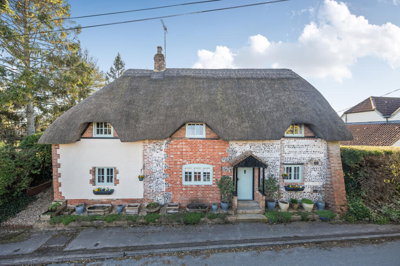
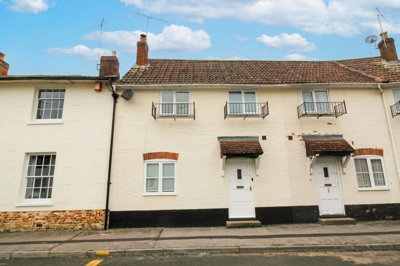
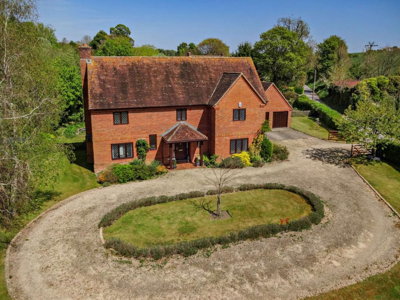
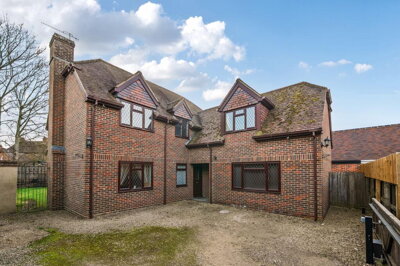
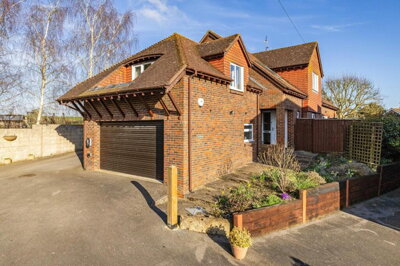
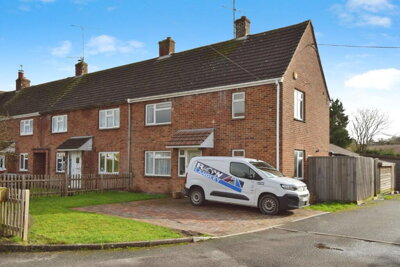
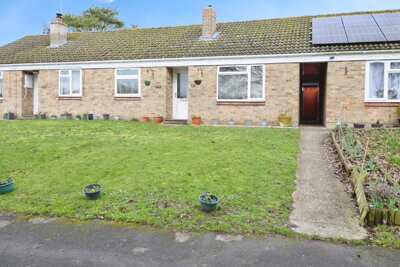
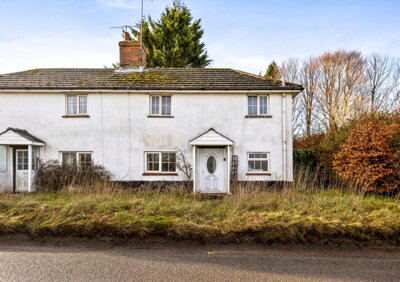
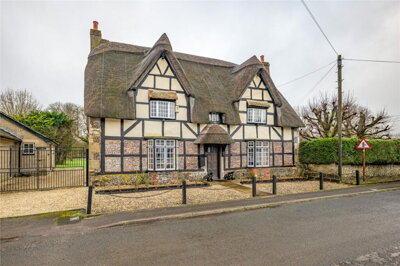
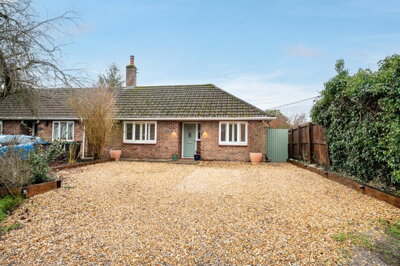
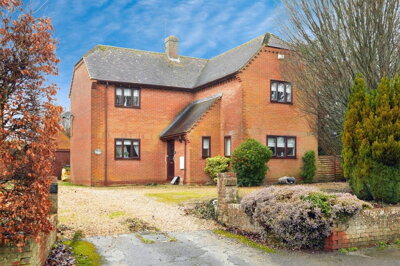
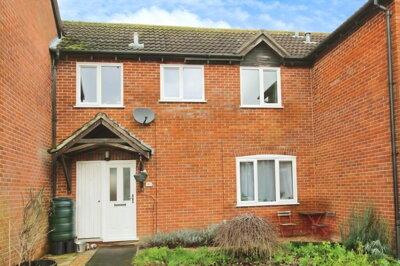
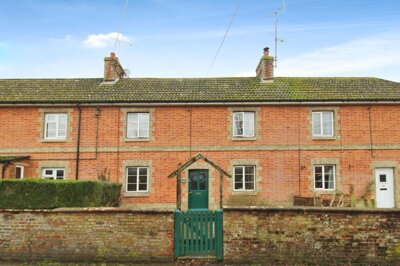
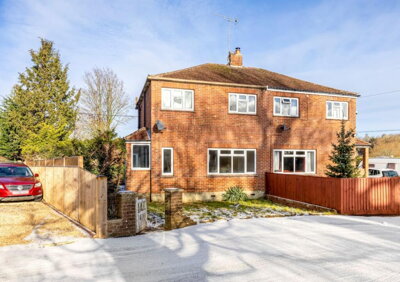
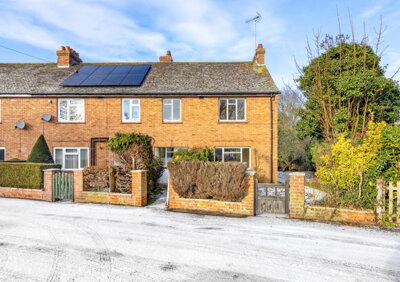
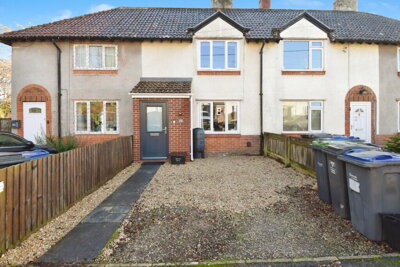
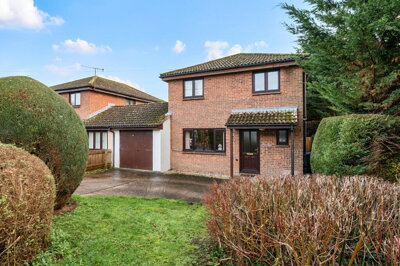
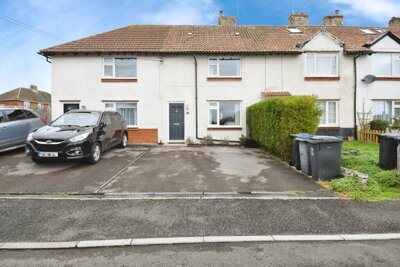
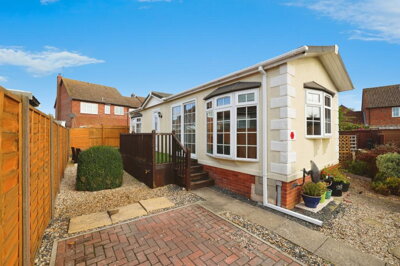
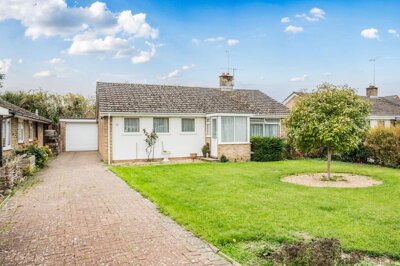
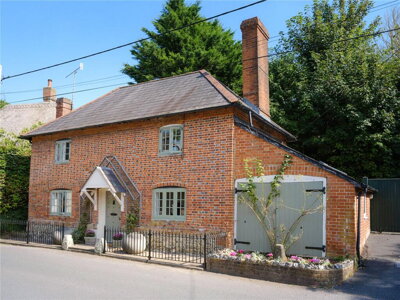
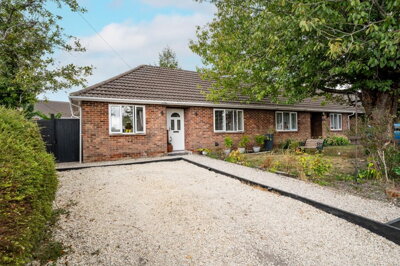
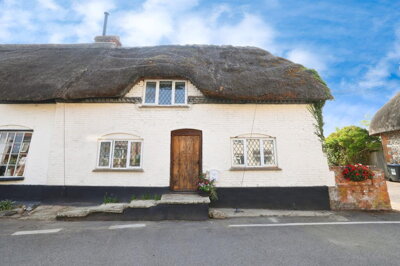
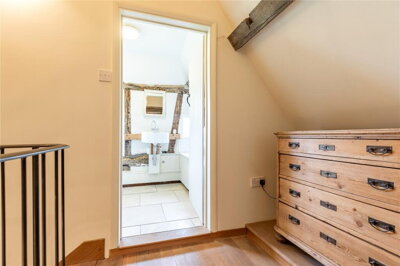
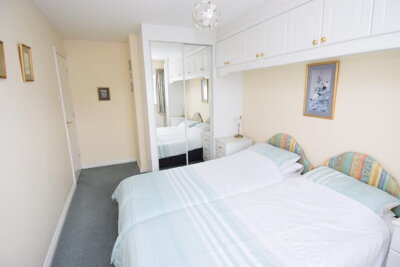
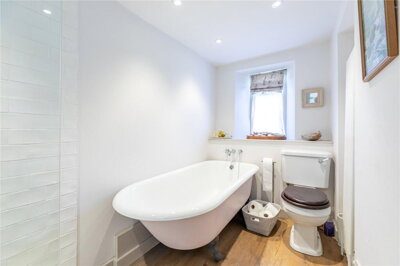
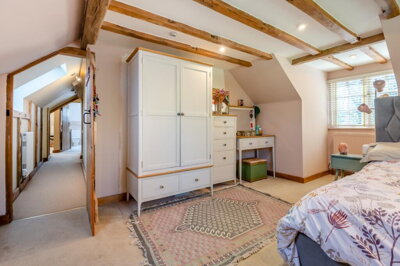
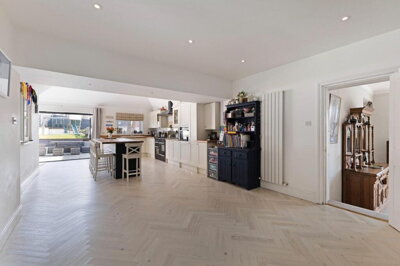
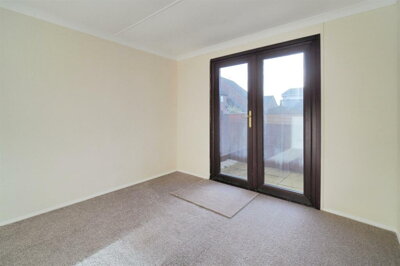
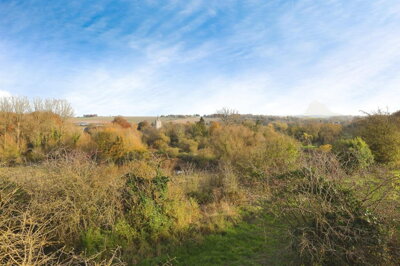
Browse 30 homes for sale in Netheravon, Wiltshire from local estate agents.
£308k
10
1
160
Source: home.co.uk
Source: home.co.uk
Terraced
3 listings
Avg £258,333
Detached
2 listings
Avg £550,000
Park Home
2 listings
Avg £112,500
Detached Bungalow
1 listings
Avg £575,000
Link Detached House
1 listings
Avg £400,000
Semi-Detached
1 listings
Avg £270,000
Source: home.co.uk
Source: home.co.uk
The Little Snoring property market reflects the broader trends affecting rural Norfolk villages, with the area offering good value compared to coastal hotspots further east. Recent data shows an overall average house price of £278,167, though this figure encompasses a range of property types and sale values. Detached homes in the village have sold at an average of £341,333, with a median price of £430,000 recorded in 2025 based on four sales transactions. These larger properties appeal to families and those seeking generous outdoor space, which is plentiful in this part of Norfolk.
Semi-detached properties in Little Snoring have achieved a median sale price of £240,000 in 2025, with an average of £215,000 across recent transactions. This segment of the market has shown relative resilience, with prices decreasing by only 3.5% compared to 2024, suggesting sustained demand for this property type among families and those seeking more manageable garden sizes than detached properties offer. Terraced homes have recorded lower values at around £181,500, though the volume of sales in this category has been limited, with just two sales recorded in 2024.
The 12-month price trend data indicates a decrease of approximately 31% compared to the previous year, though PropertyResearch.uk reports a slightly more modest 22.6% fall based on Land Registry sales data. This discrepancy highlights the challenge of interpreting data in small villages where limited transaction volumes can cause significant percentage swings. For the postcode area NR21 0RY, which covers part of Little Snoring, 17 property sales have been recorded over the past 24 years, with the most recent transaction in December 2024. Prospective buyers should focus on the specific property type they are considering rather than overall market averages when assessing value.
No active new build developments have been identified within the Little Snoring postcode area, meaning buyers seeking brand new properties may need to broaden their search to nearby market towns such as Fakenham or Holt. The existing housing stock primarily consists of traditional brick-built properties typical of rural Norfolk, with varying ages reflecting the village's historical development. For buyers, the current market conditions may present opportunities to secure property in a desirable rural location at more accessible price points than seen in previous years.
Life in Little Snoring offers the quintessential English village experience, with the community centred around its church, local pub, and essential village amenities. The village lies within easy reach of Fakenham, which provides supermarkets, independent shops, a weekly market, and essential services including medical facilities and a pharmacy. For everyday shopping, residents often travel to the nearby market town, while Norwich offers a comprehensive retail and cultural experience approximately 30 miles to the south.
North Norfolk is celebrated for its outstanding natural beauty, and Little Snoring sits at the gateway to this remarkable landscape. The area encompasses rolling farmland, nature reserves, and the distinctive Norfolk coastline with its sandy beaches and traditional seaside towns like Cromer and Sheringham. The North Norfolk Coastal Path provides excellent walking opportunities, while the Norfolk Broads lie to the south-east, offering waterways and wildlife habitats of international importance. Residents of Little Snoring enjoy easy access to outdoor pursuits including walking, cycling, birdwatching, and coastal activities.
The village benefits from its position in the North Norfolk district, an area characterised by low crime rates, good schools, and strong community spirit. Local events, farmers markets in nearby towns, and village activities provide opportunities for social engagement. The area attracts retirees, families, and those working remotely who value the combination of rural tranquility and access to essential services. Demographically, North Norfolk has an aging population reflecting national trends, though families are drawn by the quality of life and educational opportunities available in the area.
Employment in the Little Snoring area is diverse, with agriculture historically playing an important role in the local economy alongside local services and retail in nearby market towns. Many residents commute to Fakenham, Holt, or further afield to Norwich for work, taking advantage of the road connections provided by the A148 and A47. The growth of remote working has made rural Norfolk increasingly attractive to professionals who can conduct their work from home while enjoying the lifestyle benefits of village living.

Properties in Little Snoring and the surrounding North Norfolk area reflect the traditional construction methods used throughout East Anglia for centuries. Traditional brick construction is prevalent, with locally sourced bricks often featuring in period properties throughout the village and wider region. Norfolk brick, characterised by its distinctive orangey-red colouring and relatively soft composition, was widely produced in the area and can be found in many older properties built before the mid-twentieth century.
Flint is another characteristic building material found in properties across North Norfolk, particularly in older structures and church buildings. Properties featuring flint construction or flint detailing require specialist knowledge when assessing condition, as the material can be susceptible to frost damage and mortar deterioration over time. Render is also encountered on some properties, particularly those originally built with unfired brick or where owners have sought to improve weather resistance. Our team understands these local construction methods and can guide you on the specific maintenance considerations associated with traditional Norfolk building techniques.
The underlying geology of Norfolk includes chalk, glacial tills commonly known as boulder clay, and deposits of sands and gravels. Areas with significant clay content can present shrink-swell risk to properties, where clay soils contract during dry periods and expand when wet, potentially affecting foundations and causing subsidence. While no specific subsidence issues have been documented in Little Snoring, buyers considering properties in areas with clay soils should factor this into their survey requirements, particularly for older properties with potentially shallow foundations.
Property age distribution in rural North Norfolk villages typically includes a significant proportion of homes built before 1919, alongside properties constructed during the interwar period and post-war expansion phases. The village's older housing stock means that many properties predate modern building regulations, which can affect electrical wiring, insulation standards, and structural modifications. A thorough RICS Level 2 Survey is particularly valuable for these older properties, identifying issues such as outdated electrics, damp penetration, and roof condition that may not be apparent during a standard viewing.
Families considering a move to Little Snoring will find a selection of educational options within reasonable travelling distance. The village falls within the catchment area for primary schools in the surrounding villages and market towns, with several primary schools rated Good or Outstanding by Ofsted serving the local community. For younger children, the nearest primary education is available in nearby villages and towns including Fakenham, where several first and primary schools cater to Reception through to Year 6.
Primary schools in the surrounding area include those in the village communities surrounding Little Snoring, with most serving catchment areas spanning several square miles of the rural landscape. Fakenham Primary School and St Henry's Catholic Primary School are among the options available in the nearby town, with the latter providing faith-based education for Catholic families in the wider area. Parents should verify current catchment boundaries with Norfolk County Council, as these can affect admissions decisions and may change over time as school capacities and local population shift.
Secondary education in the area is well-served by schools in nearby towns. Fakenham Academy provides secondary education and sixth form provision, serving students from across the wider area including those from Little Snoring and surrounding villages. The school offers a range of GCSE and A-Level subjects, with transport arrangements available for students living outside the immediate town. Parents should verify current catchment areas and admissions policies, as these can change annually and may affect placement eligibility.
For families seeking faith-based education or specialist settings, additional options exist within reasonable commuting distance in towns such as Holt and King's Lynn. St Mary's Catholic Academy in King's Lynn and Gresham's School in Holt (a co-educational independent school) represent examples of alternative educational pathways within the region. Higher education facilities are concentrated in Norwich, approximately 30 miles south of Little Snoring, where the University of East Anglia and Norwich University of the Arts provide undergraduate and postgraduate programmes alongside Norwich College for vocational qualifications.

Transport connectivity from Little Snoring relies primarily on road networks, with the village situated off the A148 that runs between King's Lynn and Cromer. This strategic road provides access to the wider Norfolk road network, connecting residents to market towns and coastal destinations throughout North Norfolk. The market town of Fakenham is approximately five miles away, offering local services and serving as a hub for bus services that connect to larger towns and Norwich.
The A47 trunk road passes nearby to the south, providing a faster route toward Norwich and connections to the A11 toward Cambridge and London beyond. For residents commuting to Norwich for work, the journey by car typically takes 35-45 minutes off-peak, though peak-time traffic on the A47 can extend journey times significantly, particularly during school holiday periods when tourist traffic increases substantially. The journey to Cambridge takes approximately 90 minutes via the A11, making day trips to that university city feasible for those working or studying there.
Rail services from Little Snoring require travel to larger stations, with Norwich being the nearest major railway station offering connections to London Liverpool Street, Cambridge, and Birmingham. The Bittern Line provides rail services from Norwich to Sheringham and Cromer on the coast, offering an attractive option for coastal travel without the need for a car. For residents commuting to London, the fastest services from Norwich Liverpool Street take approximately one hour 50 minutes, making Norwich accessible as a commuter base for those working in the capital but living in rural Norfolk.
For air travel, Norwich International Airport provides domestic flights and limited European destinations, situated approximately 30 miles south of Little Snoring near the city itself. London Stansted Airport is approximately 90 miles away, offering a broader range of international flights and direct rail connections from Norwich. Local bus services are limited, making car ownership essential for most residents. Cycling is popular for shorter journeys, with quiet country lanes providing scenic routes to nearby villages and towns for those who prefer two wheels.
Before viewing properties, obtain a mortgage agreement in principle from a lender. This strengthens your position when making offers and demonstrates your financial readiness to estate agents and sellers. Given the price points in Little Snoring, with most properties falling below £350,000, many buyers will find mortgage products readily available, though seeking specialist advice is always recommended.
Review current listings in Little Snoring and compare prices against recent sales data. With detached properties averaging £341,333 and the overall average at £278,167, understanding these benchmarks helps you identify fair value. Our platform provides access to both current asking prices and recent transaction data, enabling informed decision-making.
Contact local estate agents to arrange viewings of properties matching your criteria. Take notes during viewings and ask about property condition, potential maintenance issues, and any planning permissions granted in the area. For older properties common in rural Norfolk villages, paying attention to roof condition, damp evidence, and window frame condition is particularly important.
Once your offer is accepted, instruct a RICS Level 2 Survey (HomeBuyer Report) to assess the property condition. This is particularly important for older properties common in rural Norfolk villages, where traditional construction methods may present issues not visible during standard viewings. A Level 2 Survey typically costs from £400 depending on property value and size, and identifies structural concerns, damp issues, or roof problems before you commit.
Appoint a solicitor to handle the legal aspects of your purchase, including searches, contracts, and registration. Your solicitor will conduct local authority searches through North Norfolk District Council, environmental searches, and water and drainage enquiries. Given the rural nature of the area, drainage and water supply searches are particularly important as some properties may use private systems.
Once all searches are satisfactory and finances are arranged, you will exchange contracts and agree a completion date. On completion day, the remaining funds are transferred and you receive the keys to your new home in Little Snoring. Your solicitor will notify Land Registry and arrange for the transfer of ownership to be registered in your name.
Property buyers considering Little Snoring should be aware of several local factors that can affect ownership and lifestyle. Properties in rural Norfolk villages often feature traditional construction methods, including brick-built homes with potential flint or render elements. These older properties may require more maintenance than modern builds, so a thorough survey is advisable. The prevalence of older housing stock means that issues such as damp, roof condition, and outdated electrical wiring should be carefully assessed before purchase.
Drainage and private water supplies may be relevant for some properties in the village, particularly those in more isolated locations. Buyers should verify that properties connect to mains water and sewage systems or understand the maintenance responsibilities associated with private alternatives. In rural Norfolk, some properties use private boreholes or septic tanks, which carry ongoing maintenance requirements and potential regulatory compliance obligations under current environmental legislation.
Planning restrictions in North Norfolk can be strict given the Area of Outstanding Natural Beauty designation affecting parts of the region. Any plans for property modifications, extensions, or outbuilding construction should be discussed with North Norfolk District Council planning department before purchase. The AONB designation is designed to protect the distinctive landscape character of the area, which buyers often cite as a key reason for choosing Little Snoring, but it does impose constraints on development that may affect future property improvements.
Flood risk in Little Snoring should be assessed on a property-by-property basis, with buyers advised to request drainage surveys and review Environment Agency data. While no significant flood risk areas have been specifically documented for the village, properties near watercourses or in low-lying areas warrant additional investigation. Surface water flooding during heavy rainfall events can affect rural properties, particularly those with aging drainage systems or located near natural water channels.
Energy efficiency varies considerably across older properties in Little Snoring, and an EPC assessment can identify potential upgrade costs that may affect your budget. Properties with solid walls rather than cavity wall insulation, single-glazed windows, or outdated heating systems may require investment to bring them up to modern standards. For properties with large gardens or rural land, maintenance costs and any agricultural or environmental restrictions should be clarified before completing your purchase.
The average house price in Little Snoring over the past year was £278,167, according to Rightmove and Zoopla data. Detached properties averaged £341,333, while semi-detached homes achieved around £215,000. Terraced properties in the village have sold at approximately £181,500. The 12-month price trend shows a decrease compared to the previous year, though this should be interpreted carefully given the small number of transactions typical in village markets where limited sales can cause significant percentage swings.
Properties in Little Snoring fall under North Norfolk District Council's council tax banding system. Bands range from A through to H, with the specific band determined by property value as assessed at the 1991 valuation. Most residential properties in the village typically fall within Bands A through D, reflecting the generally modest values of rural Norfolk housing. First-time buyers and those on lower incomes may qualify for council tax support through North Norfolk District Council's discount and exemption schemes.
Little Snoring does not have its own primary or secondary school, but falls within catchment areas for schools in nearby villages and towns. Primary schools in surrounding communities serve younger children, with several Good or Outstanding rated options within a short drive, including schools in Fakenham and surrounding villages. Secondary education is provided by Fakenham Academy and schools in surrounding market towns, with transport arrangements available for students from the wider catchment area.
Public transport options from Little Snoring are limited, with the village primarily served by local bus routes connecting to Fakenham and surrounding villages. The nearest railway station is in Norwich, approximately 30 miles away, providing services to London Liverpool Street and other major destinations. For daily commuting and accessing services, car ownership is considered essential for most residents of this rural village, though the A148 provides reasonable road connections to surrounding towns.
Little Snoring and the wider North Norfolk area offer different investment considerations compared to urban markets. Property values have shown adjustment in recent periods, with detached homes down 16.9% in 2025 and terraced properties showing larger fluctuations. The Area of Outstanding Natural Beauty designation supports property values in the longer term, while proximity to the coast and Norwich makes the area attractive for second-home buyers and holiday lets. Rental demand in the village is likely modest given its rural nature, and any plans for holiday letting should consider local planning rules affecting such uses.
Stamp Duty Land Tax (SDLT) rates for 2024-25 apply as follows: no SDLT on purchases up to £250,000, 5% on the portion from £250,001 to £925,000, 10% from £925,001 to £1.5 million, and 12% above £1.5 million. First-time buyers may qualify for relief on the first £425,000 of a purchase, with 5% due between £425,001 and £625,000. Given most Little Snoring properties fall below £625,000, with the average around £278,167, many buyers will benefit from reduced or no SDLT.
From 4.5%
Expert mortgage advice and competitive rates for Norfolk property buyers
From £499
Professional legal services for your Little Snoring property purchase
From £400
Comprehensive property surveys for homes in Little Snoring
From £85
Energy performance certificates for Norfolk properties
Understanding the full costs of buying property in Little Snoring helps you budget accurately and avoid surprises during the transaction. Stamp Duty Land Tax represents a significant upfront cost, though the current thresholds work favourably for many buyers considering village properties. The zero-rate threshold extends to £250,000 for standard buyers, meaning properties at or below this value incur no SDLT. Given the average house price in Little Snoring of £278,167, most buyers would only pay SDLT on the portion above £250,000, which at the current 5% rate would amount to approximately £1,408.
First-time buyers purchasing properties up to £425,000 can benefit from relief that eliminates SDLT entirely, potentially saving over £14,000 compared to standard rates. Between £425,001 and £625,000, the first-time buyer rate is 5% on the portion above £425,000. For properties above £625,000, first-time buyer relief does not apply. Most properties in Little Snoring fall comfortably within these thresholds, with detached homes averaging £341,333, making the area accessible for buyers taking their first step onto the property ladder or relocating from higher-cost areas.
Beyond SDLT, buyers should budget for solicitor fees (conveyancing typically costs from £499 for a standard transaction), survey costs (a RICS Level 2 Survey starts from around £400), and mortgage arrangement fees which vary by lender but typically range from zero to £2,000 depending on the product selected. Search fees from North Norfolk District Council, Land Registry fees, and electronic money transfer charges add several hundred pounds to the total. Removal costs, potential decoration and renovation work, and connection fees for utilities should also be factored into your moving budget.
Seeking a mortgage agreement in principle before searching helps clarify your realistic budget and demonstrates seriousness to sellers when making offers on properties in competitive village markets. For buyers purchasing with a mortgage, the survey requirement is often built into the mortgage offer process, though it is worth instructing your own independent RICS Level 2 Survey to ensure your interests are fully protected. First-time buyers should also factor in the costs of buildings insurance, which is required from the point of exchange, and potentially life insurance and income protection products that financial advisers often recommend for mortgage holders.
Properties for Sale In London

Properties for Sale In Plymouth

Properties for Sale In Liverpool

Properties for Sale In Glasgow

Properties for Sale In Sheffield

Properties for Sale In Edinburgh

Properties for Sale In Coventry

Properties for Sale In Bradford

Properties for Sale In Manchester

Properties for Sale In Birmingham

Properties for Sale In Bristol

Properties for Sale In Oxford

Properties for Sale In Leicester

Properties for Sale In Newcastle

Properties for Sale In Leeds

Properties for Sale In Southampton

Properties for Sale In Cardiff

Properties for Sale In Nottingham

Properties for Sale In Norwich

Properties for Sale In Brighton

Properties for Sale In Derby

Properties for Sale In Portsmouth

Properties for Sale In Northampton

Properties for Sale In Milton Keynes

Properties for Sale In Bournemouth

Properties for Sale In Bolton

Properties for Sale In Swansea

Properties for Sale In Swindon

Properties for Sale In Peterborough

Properties for Sale In Wolverhampton

Enter your details to see if this property is within your budget.
Loans, cards, car finance
Estimated property budget
Borrowing + deposit
You could borrow between
Typical borrowing
Monthly repayment
Est. at 4.5%
Loan-to-value
This is an estimate only. Your actual budget may vary depending on interest rates, credit history, and personal circumstances. For an accurate affordability assessment, speak to one of our free mortgage advisors.
This calculator provides estimates for illustrative purposes only and does not constitute financial advice. Your home may be repossessed if you do not keep up repayments on your mortgage. Estimates based on 4.5% interest rate, repayment mortgage. Actual rates depend on your circumstances.
Homemove is a trading name of HM Haus Group Ltd (Company No. 13873779, registered in England & Wales). Homemove Mortgages Ltd (Company No. 15947693) is an Appointed Representative of TMG Direct Limited, trading as TMG Mortgage Network, which is authorised and regulated by the Financial Conduct Authority (FRN 786245). Homemove Mortgages Ltd is entered on the FCA Register as an Appointed Representative (FRN 1022429). You can check registrations at NewRegister or by calling 0800 111 6768.

We use cookies to show you personalised content and improve your experience of our website. Find out more in our Privacy policy and Cookie policy.