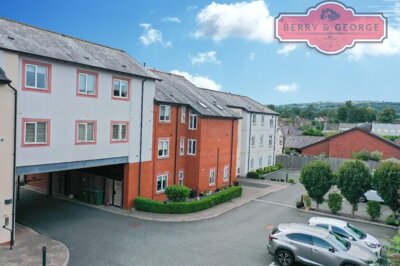
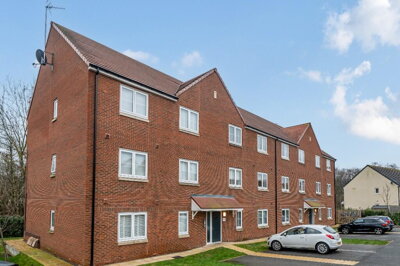
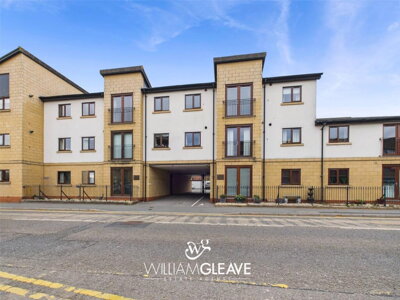
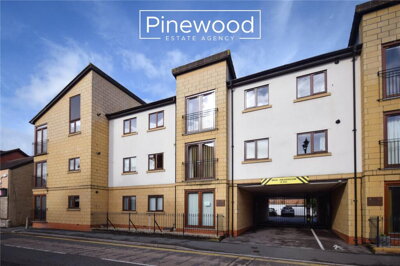
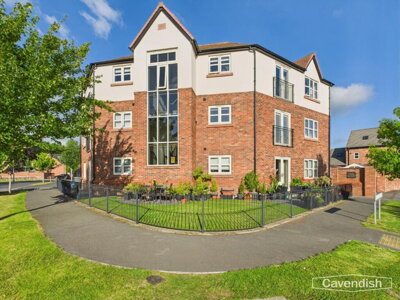
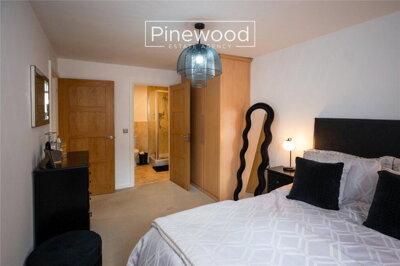
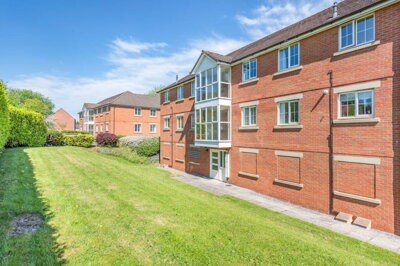
Browse 7 homes for sale in Nercwys, Flintshire from local estate agents.
The 2 bed flat sector typically includes two separate bedrooms, dedicated living areas, and bathroom facilities. Properties in Nercwys span purpose-built blocks, converted period houses, and modern apartment complexes on various floors.
£0k
0
0
0
Source: home.co.uk
Showing 0 results for 2 Bedroom Flats for sale in Nercwys, Flintshire.
The Winterborne St. Martin property market reflects the broader appeal of rural Dorset villages that combine heritage character with practical connectivity. Our current listings feature detached properties commanding an average price of £679,000, representing the majority of available housing stock in this village of approximately 300 to 350 households. Semi-detached homes offer more accessible entry points at around £385,000, while terraced properties typically start from £350,000. The market has experienced a modest correction over the past twelve months, with average prices declining by approximately 1.5 percent, creating potential opportunities for buyers who act decisively in this quieter market phase.
One notable characteristic of the Winterborne St. Martin housing market is the limited volume of transactions combined with high proportion of period properties. The village has no active new-build developments within its boundaries, meaning buyers acquire homes that are predominantly pre-1919 or pre-1945 construction. Properties constructed from local Purbeck stone or traditional brick with render finishes dominate the streetscape, often featuring thatch or slate roofs that require specialist knowledge to assess and maintain. Flats are exceptionally rare in this village setting, making Winterborne St. Martin particularly suitable for those seeking the space and privacy that only houses and bungalows can provide.
Winterborne St. Martin exemplifies the quintessential English village experience that draws buyers seeking refuge from urban intensity. The village takes its name from St. Martin's Church, a Grade I listed building that anchors the historic core and serves as both a spiritual centre and architectural landmark. The surrounding Conservation Area encompasses much of the village, ensuring that new development respects the traditional scale and character that makes this location distinctive. Residents enjoy a close-knit community where village events, local businesses, and shared spaces foster connections between neighbours of all ages. The village pub, local church activities, and community associations provide numerous opportunities for social engagement without requiring travel to larger centres.
The local economy of Winterborne St. Martin retains strong agricultural roots alongside influences from tourism generated by Dorset's visitor economy. The village sits comfortably within the Dorset AONB, placing residents within minutes of some of England's most spectacular coastline and countryside. Walking routes, bridleways, and cycling paths crisscross the surrounding farmland, providing immediate access to outdoor recreation from doorstep. The Winterborne stream flows through the village, adding to its pastoral charm while also serving as a natural feature that buyers should understand in terms of local flood considerations. Daily necessities are available through the village shop, with comprehensive services found in nearby towns including Dorchester, which lies approximately four miles away and offers supermarkets, medical facilities, and a full range of professional services.
Demographically, Winterborne St. Martin attracts a mix of families, retirees, and professionals who value the rural lifestyle without accepting complete isolation from urban amenities. The village's proximity to major employment centres in Poole and Bournemouth makes it viable for commuters who arrange flexible or hybrid working patterns. Property types reflect this resident profile, with a housing stock comprising 60 to 70 percent detached homes, 20 to 30 percent semi-detached properties, and the remainder in terraced and other forms. The village maintains its historic character through strict adherence to conservation principles, meaning that planning restrictions are likely to affect any significant alterations to properties within the designated area.

Families considering Winterborne St. Martin will find educational options available within reasonable travelling distance, though the village itself does not contain its own primary or secondary school. Primary-aged children typically attend schools in nearby villages such as Winterbourne Steepleton or Dorchester, with several Ofsted-rated Good or Outstanding primary schools accessible within a few miles. The village's position within Dorset means that catchment areas and school allocations are determined by Dorset Council, and parents should verify current arrangements with the local authority before committing to a purchase based on school placement.
Secondary education is provided at schools in Dorchester and the surrounding towns, with notable options including The Prince of Wales School and Thomas Hardye School, both of which serve as significant draws for family buyers in the wider area. These schools offer comprehensive curricula, sixth form provision, and various extracurricular activities that support well-rounded educational development. For families prioritising academic achievement, grammar school options exist in Dorset, though admission is based on selective testing and catchment areas that may require careful planning. Transport arrangements for secondary school pupils typically involve school buses or family transport, with journey times to Dorchester schools generally falling within 15 to 25 minutes by car.

Connectivity from Winterborne St. Martin benefits from the village's position on the A354 road, which provides direct access to Dorchester approximately four miles away and continues south to Poole and Bournemouth. This main road serves as the primary artery for daily commuting, shopping trips, and accessing the broader transport network. For those who travel by rail, Dorchester South and Dorchester West stations offer services to London Waterloo, with journey times of approximately two and a half hours. The nearby town of Poole provides additional rail options and ferry connections to the continent, while Bournemouth airport offers flights to UK and European destinations within reasonable driving distance.
Public transport options serving Winterborne St. Martin include bus services connecting the village to Dorchester and surrounding villages, though frequency is limited compared to urban routes. Residents without cars should verify current bus timetables carefully, as services may operate on a reduced schedule that affects practical mobility for those dependent on public transport. Cycling is popular among residents for local journeys, with the relatively flat terrain of the Dorset chalklands making cycling accessible for most fitness levels. The village's position also places it on various scenic routes popular with recreational cyclists exploring the county. For commuters to London, the rail journey from Dorchester combined with appropriate arrival times makes regular working commutes challenging but feasible for those with flexible employment arrangements.
Properties in Winterborne St. Martin reflect the traditional building methods that have shaped Dorset's rural villages over centuries. Our inspectors frequently encounter Purbeck stone construction throughout the village, particularly in the older properties within the Conservation Area. This local limestone, quarried from the nearby Purbeck hills, provides excellent durability but requires specialist knowledge to assess properly. We check for signs of stone erosion, mortar deterioration, and any previous repairs that may have used incompatible materials that accelerate decay over time.
Traditional brick construction with lime-based mortar features prominently in many period properties throughout Winterborne St. Martin. Lime mortar differs significantly from modern cement in that it allows the walls to breathe, which is essential for preventing moisture buildup in solid wall constructions. When we survey properties here, we pay close attention to whether previous owners have applied cement pointing or renders, as these can trap moisture and cause serious damp problems. Render finishes, whether lime-based traditional or modern cement, also require careful inspection for cracking and separation from the substrate beneath.
Roofing materials in Winterborne St. Martin include a notable proportion of thatched properties alongside slate and clay tile coverings. Thatch roofs, while exceptionally attractive, demand specialist assessment from surveyors with experience of traditional building crafts. Our team checks for signs of moisture penetration, deterioration of ridge work, and the condition of any modern underlayers that may have been installed beneath the thatch. Slate roofs, typically found on Victorian and Edwardian additions to the village housing stock, require inspection for slipped or broken tiles and deterioration of the supporting battens. Clay tiles, common on both older and more recent construction, may show signs of frost damage in severe winters or biological growth in shaded positions.
Begin by exploring current listings in Winterborne St. Martin through Homemove, noting property types, prices, and the limited availability that characterises this village market. Understanding that approximately 10 properties sell here annually helps set realistic expectations about timeline and competition. We recommend setting up instant alerts for new listings, as properties in this village can attract swift interest from buyers seeking rural Dorset lifestyles.
Once you have identified properties of interest, schedule viewings through estate agents active in the Dorset village market. Properties in the Conservation Area may require additional time to appreciate their character and condition, so viewings during different seasons and times of day can reveal valuable information. We suggest viewing properties at least twice before making offers, paying particular attention to how the property feels during different weather conditions.
Before making offers, obtain a mortgage agreement in principle from a lender to demonstrate your financial credibility to sellers. This step is particularly important in villages like Winterborne St. Martin where sellers may receive multiple offers and need confidence in buyer capability. Having your mortgage decision in place before bidding strengthens your position considerably in competitive situations.
Given that most properties in Winterborne St. Martin are over 50 years old and likely to be constructed from traditional materials, a RICS Level 2 Survey is essential for identifying defects. Our inspectors understand the specific construction methods used locally and can spot issues that generic surveyors might miss. Survey costs in the area typically range from £450 to £900 depending on property size and complexity, with thatched and listed properties at the higher end of this range.
A solicitor with experience in Dorset property transactions, particularly those involving Conservation Areas or Listed Buildings, will navigate local requirements effectively. They will conduct searches specific to the area including flood risk and drainage assessments. We can recommend conveyancing firms with proven track records in handling village property transactions throughout Dorset.
Once surveys are satisfactory, searches complete, and financing confirmed, your solicitor will coordinate the exchange of contracts and final completion. On the day of completion, you will receive keys and become the official owner of your Winterborne St. Martin home. We recommend arranging building insurance to commence before completion day, as properties in this area may require specialist cover.
Properties in Winterborne St. Martin require careful inspection due to their predominantly age and construction methods. The village's geology includes areas of Upper Chalk, which generally provides stable foundations, though sections built on Reading Beds or London Clay in the southern and eastern parts of the village may experience shrink-swell movement affecting foundations. Our inspectors assess foundation conditions and identify any signs of subsidence or heave that might require remediation. Properties with large trees nearby warrant particularly careful evaluation, as moisture-seeking roots can compromise foundations over time, especially in clay areas where root-induced shrink-swell movement poses ongoing risks.
The flood risk profile of Winterborne St. Martin merits specific attention before purchase. While the village has no coastal flood risk, the Winterborne stream creates a generally low but present fluvial flood risk for properties immediately adjacent to its course. Surface water flooding represents an additional consideration across parts of the village, particularly during periods of heavy rainfall when drainage systems may become overwhelmed. Your survey should assess drainage arrangements and any historical evidence of water ingress. Properties in low-lying areas or those with cellars require extra vigilance regarding moisture management and appropriate insurance coverage.
Buying a Listed Building or property within the Conservation Area introduces additional considerations beyond standard property transactions. Grade I, Grade II*, and Grade II listed properties require Listed Building Consent for many alterations, restricting permitted development rights and adding complexity to any renovation plans. Conservation Area restrictions may affect exterior changes including extensions, porches, dormer windows, and fencing. Prospective buyers should consult with Dorset Council planning department before committing to a purchase if they anticipate making changes. Insurance costs for Listed Buildings may be higher, and standard mortgage conditions sometimes include requirements for maintenance obligations that buyers should understand fully.
Common defects our surveyors identify in Winterborne St. Martin properties include damp issues stemming from the age of construction and potential failures of damp-proof courses. Roof defects affecting thatch, slate, and tile coverings appear frequently given the prevalence of older roofing materials. Timber defects including woodworm and both wet and dry rot affect many period properties, particularly where ventilation has been reduced by modern improvements. Chimney stacks often show deterioration of mortar joints and flashings that require ongoing maintenance. Electrical and plumbing systems in older properties frequently fall below current standards and may require complete rewiring or repiping before or shortly after purchase.
The average house price in Winterborne St. Martin stands at £591,000 according to recent market data. Detached properties average £679,000, semi-detached homes around £385,000, and terraced properties from £350,000. The market has seen a modest 1.5 percent decline over the past twelve months, creating potential opportunities for buyers in this traditionally stable village market where approximately 10 properties sell annually. This limited transaction volume means buyers should act decisively when suitable properties become available.
Properties in Winterborne St. Martin fall under Dorset Council jurisdiction for council tax purposes. Council tax bands range from A to H based on property valuation, with the majority of period properties in this village likely falling within bands C to E. Exact banding depends on the specific property valuation, and prospective buyers should verify current banding with Dorset Council as bands affect ongoing running costs. You can check council tax bands and estimated costs through the Dorset Council website using the property address.
Winterborne St. Martin does not have its own primary or secondary school, with children typically attending schools in nearby villages and Dorchester. Primary options include schools in Winterbourne Steepleton and other surrounding villages, several of which hold Ofsted Good or Outstanding ratings. Secondary education is available at Thomas Hardye School and The Prince of Wales School in Dorchester, both offering comprehensive education through sixth form. Parents should confirm catchment areas and admission arrangements with Dorset Council, as these can change and may affect placement eligibility.
Public transport connectivity from Winterborne St. Martin is limited compared to urban areas. Bus services operate routes connecting the village to Dorchester and surrounding communities, though frequencies are reduced compared to town services. The nearest railway stations are in Dorchester, providing services to London Waterloo with journey times of approximately two and a half hours. Most residents rely on car ownership for daily mobility, with the A354 providing road access to larger towns including Poole and Bournemouth for those working in these employment centres.
Winterborne St. Martin offers solid fundamentals for property investment, combining restricted supply of village homes with consistent demand from buyers seeking rural Dorset lifestyles. The lack of new-build development within the village boundary helps protect the value of existing stock. However, investment returns may be modest compared to higher-growth areas, and rental demand is likely concentrated among professionals seeking commutes to nearby employment centres. Properties in the Conservation Area or Listed Buildings may appeal to specialist buyer segments who value the character and prestige of traditional Dorset village homes.
Stamp duty rates for 2024-25 apply zero percent on the first £250,000 of residential property purchases, five percent on the portion from £250,001 to £925,000, ten percent from £925,001 to £1.5 million, and twelve percent above £1.5 million. First-time buyers receive relief on the first £425,000 with five percent applying between £425,001 and £625,000. Given the village average price of £591,000, a typical buyer would expect to pay approximately £17,050 in stamp duty under standard rates, while qualifying first-time buyers would pay around £8,300. Use our stamp duty calculator for a precise figure based on your specific purchase price and circumstances.
The majority of properties in Winterborne St. Martin are period homes requiring careful assessment before purchase. Common issues include damp in older constructions, roof defects affecting slate, tile, or thatch coverings, timber decay from woodworm or rot, and outdated electrical and plumbing systems. Properties in the Conservation Area face planning restrictions affecting alterations, while Listed Buildings require specialist surveys and consent for many works. Foundation conditions should be evaluated by a RICS Level 2 Survey given local geology variations between chalk and clay areas. We strongly recommend commissioning a thorough survey before committing to purchase, as remedial costs for period properties can be substantial if defects are discovered after completion.
Secure your Winterborne St. Martin property purchase with competitive mortgage rates
From 4.5%
Expert solicitors handling Dorset village property transactions
From £499
Thorough inspection of Winterborne St. Martin period properties
From £450
Energy performance certificate for your new home
From £85
Purchasing a property in Winterborne St. Martin involves several costs beyond the purchase price itself. Stamp Duty Land Tax represents the most significant additional expense, with standard rates applying zero percent on the first £250,000, five percent on amounts between £250,001 and £925,000, ten percent from £925,001 to £1.5 million, and twelve percent on any amount exceeding £1.5 million. For a typical Winterborne St. Martin property at the village average of £591,000, a buyer without first-time buyer relief would pay approximately £17,050 in stamp duty. First-time buyers benefit from increased thresholds, paying zero percent on the first £425,000 and five percent between £425,001 and £625,000, reducing costs significantly for qualifying purchasers.
Additional buying costs include solicitor fees for conveyancing, which typically range from £500 to £1,500 depending on complexity and whether the property involves a Conservation Area or Listed Building. Search fees charged by local authorities for drainage, environmental, and planning history checks generally total £250 to £400. Survey costs merit particular attention in Winterborne St. Martin where most properties are older constructions requiring thorough assessment. RICS Level 2 Surveys in the area range from £450 to £900 depending on property size and complexity, with larger detached homes commanding higher fees than terraced properties. A mortgage arrangement fee of typically 0.5 to 1.5 percent of the loan amount may apply depending on your chosen lender and product.
Ongoing costs after purchase include council tax, typically bands C to E for period properties in this village under Dorset Council, and buildings insurance which may cost more for Listed Buildings or properties with unusual construction. Energy performance certificates are required for any sale, with assessments available from certified domestic energy assessors operating in the Dorset area. Budgeting for these costs alongside the purchase price ensures a complete understanding of the financial commitment involved in acquiring your Winterborne St. Martin home. We recommend setting aside a contingency fund of at least 1.5 percent of the purchase price to cover any unexpected issues discovered during surveys or the early months of ownership.
Properties for Sale In London

Properties for Sale In Plymouth

Properties for Sale In Liverpool

Properties for Sale In Glasgow

Properties for Sale In Sheffield

Properties for Sale In Edinburgh

Properties for Sale In Coventry

Properties for Sale In Bradford

Properties for Sale In Manchester

Properties for Sale In Birmingham

Properties for Sale In Bristol

Properties for Sale In Oxford

Properties for Sale In Leicester

Properties for Sale In Newcastle

Properties for Sale In Leeds

Properties for Sale In Southampton

Properties for Sale In Cardiff

Properties for Sale In Nottingham

Properties for Sale In Norwich

Properties for Sale In Brighton

Properties for Sale In Derby

Properties for Sale In Portsmouth

Properties for Sale In Northampton

Properties for Sale In Milton Keynes

Properties for Sale In Bournemouth

Properties for Sale In Bolton

Properties for Sale In Swansea

Properties for Sale In Swindon

Properties for Sale In Peterborough

Properties for Sale In Wolverhampton

Enter your details to see if this property is within your budget.
Loans, cards, car finance
Estimated property budget
Borrowing + deposit
You could borrow between
Typical borrowing
Monthly repayment
Est. at 4.5%
Loan-to-value
This is an estimate only. Your actual budget may vary depending on interest rates, credit history, and personal circumstances. For an accurate affordability assessment, speak to one of our free mortgage advisors.
This calculator provides estimates for illustrative purposes only and does not constitute financial advice. Your home may be repossessed if you do not keep up repayments on your mortgage. Estimates based on 4.5% interest rate, repayment mortgage. Actual rates depend on your circumstances.
Homemove is a trading name of HM Haus Group Ltd (Company No. 13873779, registered in England & Wales). Homemove Mortgages Ltd (Company No. 15947693) is an Appointed Representative of TMG Direct Limited, trading as TMG Mortgage Network, which is authorised and regulated by the Financial Conduct Authority (FRN 786245). Homemove Mortgages Ltd is entered on the FCA Register as an Appointed Representative (FRN 1022429). You can check registrations at NewRegister or by calling 0800 111 6768.

We use cookies to show you personalised content and improve your experience of our website. Find out more in our Privacy policy and Cookie policy.