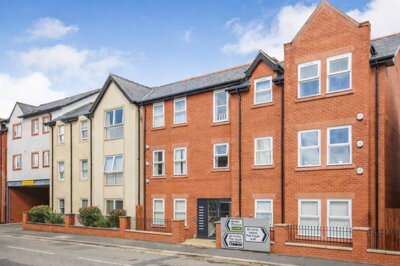
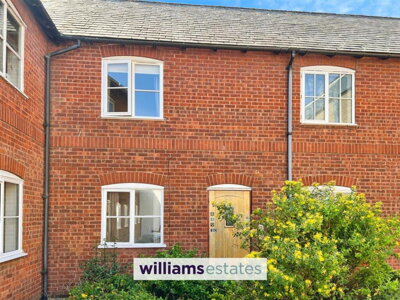
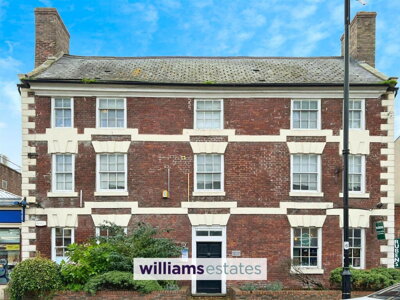
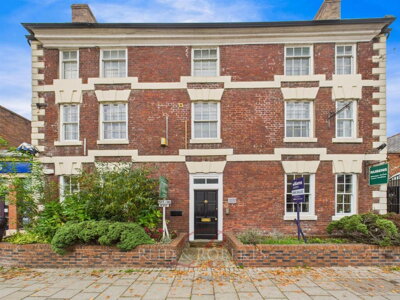
Browse 5 homes for sale in Nercwys, Flintshire from local estate agents.
One bed apartments provide a separate bedroom alongside distinct living space, bathroom, and kitchen areas. Properties in Nercwys are available in various building types including mansion blocks, contemporary developments, and house conversions.
£0k
0
0
0
Source: home.co.uk
Showing 0 results for 1 Bedroom Flats for sale in Nercwys, Flintshire.
The Winterborne St. Martin property market reflects its status as an exclusive rural village, with detached properties commanding the highest prices at an average of £679,000. Semi-detached homes offer more accessible entry points at around £385,000, while terraced properties average approximately £350,000. The market has shown subtle contraction over the past 12 months, with overall prices declining by 1.5%, suggesting a period of stabilisation following previous years of growth in the Dorset property market. Given the limited supply of properties coming to market, with only around 10 sales in the past year, competition for available homes can remain fierce when desirable properties do appear.
Property types available in the village span from historic thatched cottages and stone farmhouses to more modern detached family homes built during the latter half of the twentieth century. The housing stock is predominantly detached, comprising roughly 60-70% of available properties, with semi-detached homes making up a further 20-30%. Flats are exceptionally rare in Winterborne St. Martin, accounting for less than 5% of the housing stock, as the village has maintained its low-density residential character throughout its history. This scarcity of flat accommodation means the village is best suited to those seeking houses rather than apartment living.
No active new-build developments exist specifically within Winterborne St. Martin itself, with development activity concentrated instead in nearby towns. This scarcity of new supply means buyers seeking modern amenities often look to character properties that have been thoughtfully updated while retaining their original features. Properties within the Conservation Area frequently require careful consideration of planning restrictions, which can affect renovation possibilities but also contribute to the village's enduring charm and value retention. The majority of properties in Winterborne St. Martin predate 1919, with many historic cottages and farmhouses dating back to the 18th century or earlier, constructed using traditional building methods that differ significantly from modern construction.

Winterborne St. Martin is home to approximately 700-800 residents across 300-350 households, creating an intimate community where neighbours often know one another by name. The village maintains a strong agricultural heritage that remains visible in the surrounding farmland and historic farmsteads. Local employment opportunities are limited within the village itself, with most residents commuting to larger employment centres in Dorchester, Poole, and Bournemouth, making Winterborne St. Martin a classic commuter village with excellent road connections to these destinations. The village pub serves as a focal point for community life, offering local food and the opportunity to meet fellow residents in a traditional setting.
The village benefits from its proximity to the Dorset AONB and the world-famous Jurassic Coast, a UNESCO World Heritage Site stretching from Studland to Exmouth. Residents enjoy easy access to spectacular walking trails across chalk downland, with opportunities for cycling, horse riding, and countryside exploration right on the doorstep. The local economy receives significant contribution from tourism, with visitors drawn to the area's natural beauty, historic churches, and traditional pub at the village heart. The surrounding countryside offers exceptional opportunities for outdoor activities, with numerous public footpaths crossing farmland and chalk downland.
Key amenities include a welcoming village pub serving local food and ales, while the nearby village of Winterborne Monkton offers additional local services. Comprehensive shopping, healthcare, and leisure facilities are readily accessible in the county town of Dorchester, located just a few miles to the north. The combination of rural tranquility, strong community spirit, and accessibility to urban amenities makes Winterborne St. Martin an exceptionally desirable place to call home for those seeking a balanced lifestyle. The village also benefits from regular bus services connecting residents to Dorchester, where mainline railway stations provide access to London Waterloo and the wider rail network.
Families considering a move to Winterborne St. Martin will find a selection of well-regarded schools within easy reach. Primary education is available at schools in the surrounding villages and in nearby Dorchester, with many young families drawn to the area specifically for the quality of rural primary schooling. Schools in the wider area consistently achieve favourable Ofsted ratings, supporting strong educational outcomes for children of all ages. The journey to primary schools typically involves transport arrangements, either via school buses provided by Dorset County Council or private transport from parents.
Secondary education options include comprehensive schools in Dorchester and the surrounding towns, with several schools offering a broad curriculum and strong examination results. The nearby grammar schools in Dorchester attract students from across the wider area, with selective admission based on academic ability. For families prioritising educational excellence, the presence of these established schools within reasonable commuting distance adds significant appeal to the Winterborne St. Martin property market. Dorchester School and The Gryphon School in nearby towns are among the options available to secondary-aged students from the village.
Parents should research specific catchment areas and admission policies carefully, as these can influence which schools children are eligible to attend. School transport arrangements are generally well-established for students living in rural villages, though prospective buyers should confirm current arrangements with Dorset County Council. The availability of sixth form education varies, with many students progressing to sixth form colleges or schools in Dorchester following GCSE completion. For families with children at different educational stages, the spread of available schools across the wider area means that planning ahead for educational transitions is advisable when relocating to a rural village like Winterborne St. Martin.
Winterborne St. Martin benefits from strategic road connections that make commuting to larger employment centres straightforward despite its rural setting. The village lies close to the A35 trunk road, providing direct access to Dorchester to the north and Poole/Bournemouth to the east. Journey times to central Bournemouth typically take around 30-40 minutes by car, while Dorchester is reachable in approximately 15 minutes, making this village particularly attractive to commuters who work in these larger towns. The A35 also provides access to the ferry port at Poole, connecting to the continent for those who travel internationally for business or leisure.
Public transport options include bus services connecting Winterborne St. Martin with Dorchester and the surrounding villages, though frequencies are limited compared to urban routes. The mainline railway station in Dorchester provides connections to London Waterloo, with journey times of approximately 2.5 hours, making occasional commuting to the capital entirely feasible. Bournemouth railway station offers additional options with similar journey times to London, providing flexibility for those working further afield. The relatively quick access to mainline rail services makes Winterborne St. Martin viable for those who need to travel to London periodically while enjoying the benefits of rural village living.
For those who cycle, the Dorset countryside offers scenic routes though hilly terrain, and many residents incorporate cycling into their daily routines where distances allow. The village provides a peaceful environment for car-free living for those working locally, with essential services in Dorchester reachable by bus or bicycle on quieter roads. Parking within the village is generally straightforward given the low-density development, avoiding the congestion challenges faced by residents of more urban locations. The combination of road, rail, and cycle connections makes Winterborne St. Martin well-connected for a rural village, supporting residents who need to balance countryside living with employment requirements.
Properties in Winterborne St. Martin showcase traditional building techniques that reflect the village's long history and the local materials available in Dorset. The predominant construction material is Purbeck stone, quarried from the nearby Isle of Purbeck and used extensively in the construction of historic cottages, farmhouses, and farm buildings throughout the village. This hard Portland stone has proven incredibly durable over centuries, though properties constructed from it often require specific maintenance approaches, particularly regarding mortar pointing where lime mortar rather than cement should be used to allow the structure to breathe and prevent moisture retention.
Many historic properties in Winterborne St. Martin feature brick construction, often with red brick headers creating decorative patterns in the walls. Render finishes are common, particularly on south-facing elevations where they help protect the underlying masonry from weather exposure. Traditional roofs were typically constructed using local slate, clay tiles, or thatch, with thatch being particularly associated with the most historic cottages in the village. Thatched properties require specialist maintenance from experienced craftsmen, and this should be factored into the ongoing costs of owning such a property. The timber roof structures in older properties are generally sound but may show signs of deterioration at connection points and where water penetration has occurred over the years.
The foundations of properties in Winterborne St. Martin typically consist of shallow strip foundations appropriate for the underlying geology. The village sits on Upper Chalk in most areas, which generally provides excellent foundation conditions with low shrink-swell risk, though some southern and eastern areas of the village sit on Reading Beds or London Clay where foundation conditions require more careful consideration. Properties with large nearby trees on clay soils may be at risk of subsidence or heave as trees extract moisture from the clay, causing seasonal ground movement. When purchasing any older property in the village, understanding the specific ground conditions and any historical foundation issues is essential.

Before beginning your property search in Winterborne St. Martin, approach a lender to obtain an Agreement in Principle. This document confirms how much you can borrow and demonstrates to sellers that you are a serious, financially prepared buyer. Having this in place before viewing properties gives you a competitive edge in what can be a sought-after village market where desirable properties may attract multiple interested buyers. Speak to our recommended mortgage brokers who understand the Dorset property market and can guide you through the lending process efficiently.
Spend time exploring Winterborne St. Martin and the surrounding area before committing to a purchase. Visit at different times of day and week, check local amenities, speak to residents about their experience living in the village, and research travel times to your workplace. Understanding the local community and practical logistics will help ensure the village suits your lifestyle needs. Take time to walk the footpaths, visit the local pub, and explore the surrounding countryside to get a genuine feel for what daily life would be like.
Once you identify properties of interest, arrange viewings through Homemove or directly with estate agents. For older properties in the Conservation Area, consider bringing a torch and notebook to note any potential concerns. A RICS Level 2 Survey is strongly recommended for all properties, and particularly important for historic stone buildings where issues like damp, timber defects, or structural movement may be present. We can arrange surveys from qualified local surveyors who understand the specific construction methods used in Dorset period properties.
When you find your ideal property, submit an offer through the selling agent with your Agreement in Principle attached. In the Winterborne St. Martin market, sellers may expect some negotiation on price, especially for properties requiring modernisation or those with known issues identified in the survey. Be prepared to move quickly, as desirable homes in this village can attract competitive interest from multiple buyers given the limited supply of properties coming to market each year.
Once your offer is accepted, instruct a conveyancing solicitor to handle the legal aspects of your purchase. They will conduct searches, handle contracts, and manage the transfer of ownership. For properties in the Conservation Area or Listed Buildings, additional searches regarding planning permissions and listed building consents may be required, extending the timeline slightly. Our recommended conveyancing partners understand the specific considerations for historic Dorset properties and can advise on any planning issues that affect the property.
After satisfactory searches and mortgage offer, you will exchange contracts and pay your deposit, legally committing to the purchase. Completion typically follows within a few weeks, after which you will receive the keys to your new home in Winterborne St. Martin. Register your ownership with the Land Registry and notify utility companies of your new address. Arrange buildings insurance from the point of completion, ensuring the policy covers the full rebuilding cost of your period property.
Properties in Winterborne St. Martin present unique considerations for buyers, particularly those constructed from local Purbeck stone and traditional methods. The village's underlying geology includes areas of Upper Chalk, which generally offers good foundation stability, but portions of the village sit on Reading Beds or London Clay where shrink-swell risk is elevated. Properties with nearby trees or those built during periods of inadequate drainage may show signs of subsidence or heave, making a thorough structural survey essential. Our inspectors regularly assess properties across the Dorset Downs and understand how local geology affects building stability.
The Winterborne stream runs through the village, and properties immediately adjacent may face increased flood risk during periods of heavy rainfall. Surface water flooding can affect low-lying areas throughout the village, so prospective buyers should review Environment Agency flood maps and consider flood risk in their purchasing decision. Buildings insurance costs may be higher for properties in known flood risk zones, an additional cost to factor into your budget. Checking the flood risk for any specific property should form part of your due diligence before committing to a purchase.
Properties within the Conservation Area or those that are Listed Buildings require careful consideration before purchase. Alterations, extensions, and even some repairs may require planning permission or Listed Building Consent from Dorset Council, adding complexity and cost to renovation projects. If considering a Listed property, budget for potentially higher survey costs as specialist assessment of historic building elements may be necessary. A RICS Level 3 Survey is often recommended for older Listed properties given the complexity of their construction and the specialist knowledge required to assess their condition accurately. St. Martin's Church (Grade I listed) and several surrounding cottages and farmhouses demonstrate the village's rich architectural heritage.
Many homes in Winterborne St. Martin predate 1919 and feature traditional construction techniques including solid stone walls, lime mortar pointing, and timber roof structures. These properties commonly exhibit issues including rising damp, penetrating damp, timber decay from woodworm or fungal attack, and outdated electrical and plumbing systems. When viewing older properties, look for signs of damp staining, condensation, and any cracks in walls or ceilings that might indicate structural movement. A comprehensive RICS Level 2 Survey will identify these issues and help you negotiate appropriate remediation or price adjustments with the seller. Our team has extensive experience surveying historic Dorset properties and can provide detailed assessments of the construction and condition of any property you are considering purchasing.
The current average house price in Winterborne St. Martin stands at approximately £591,000 based on recent transaction data from Rightmove, Zoopla, and Land Registry records. Detached properties command the highest prices averaging £679,000, while semi-detached homes are available from around £385,000 and terraced properties from £350,000. The market has shown modest contraction over the past 12 months with prices declining by 1.5%, suggesting stabilising conditions following previous growth periods in the Dorset market. With only approximately 10 property sales in the past year, the market remains relatively inactive, which means properties that do come to market can attract strong interest from buyers seeking this desirable rural village location.
Properties in Winterborne St. Martin fall under Dorset Council (formerly North Dorset and Purbeck district councils, now unified following local government reorganisation). Council tax bands vary by property based on valuation, with most historic stone cottages and smaller properties typically falling into bands A through D, while larger detached family homes may be in bands E through G. Prospective buyers should check specific band information for any property through the Valuation Office Agency website, where bands are listed based on the 1991 property valuation. Given the age and character of many properties in Winterborne St. Martin, band assignments reflect the property values at that time.
Winterborne St. Martin itself does not have a school within the village boundaries, but primary-aged children can attend schools in surrounding villages such as Winterborne Kingston and in nearby Dorchester. The wider area includes several primary schools with good Ofsted ratings, with many families choosing schools based on catchment areas and specific preferences. Secondary education is available at schools in Dorchester, including grammar schools for academically selective students, with transport arrangements typically provided by Dorset County Council for eligible pupils living beyond walking distance from their nearest school.
Public transport options are limited compared to urban areas, with bus services connecting the village to Dorchester and surrounding villages but with frequencies that reflect the rural nature of the settlement. The mainline railway station in Dorchester provides direct services to London Waterloo in approximately 2.5 hours, with additional services available from Bournemouth station. For daily commuting, a car is generally essential for residents of Winterborne St. Martin, though the village's proximity to the A35 makes road connections to major employment centres in Dorchester, Poole, and Bournemouth straightforward.
Winterborne St. Martin offers strong appeal for property investment given its combination of rural character, Conservation Area status, and proximity to the Dorset coast and AONB. The village's limited housing supply, predominantly older properties requiring maintenance, and consistent demand from buyers seeking the Dorset countryside lifestyle support long-term value retention. Properties requiring modernisation may offer renovation potential subject to planning constraints imposed by Dorset Council, though investors should factor in the additional complexity and costs associated with historic building renovation, particularly for Listed Buildings where specialist contractors and materials may be required.
Stamp duty (SDLT) rates from April 2025 are 0% on the first £250,000 of residential property purchases, 5% on the portion from £250,001 to £925,000, 10% on the portion from £925,001 to £1,500,000, and 12% on any amount above £1,500,000. First-time buyers benefit from increased thresholds, paying 0% on the first £425,000 and 5% on the portion from £425,001 to £625,000, provided this is their first home and the property price is below £625,000. At current average prices around £591,000, most buyers purchasing at average price would pay SDLT of approximately £17,050, with first-time buyers likely paying nothing if purchasing below the threshold.
Properties adjacent to the Winterborne stream that runs through the village may face elevated flood risk during periods of heavy rainfall, and surface water flooding can affect low-lying areas throughout the village. The Environment Agency flood maps show areas of varying risk, and we strongly recommend checking the specific flood risk for any property you are considering purchasing. Buildings insurance premiums may be higher for properties in known flood risk zones, and you may need to use specialist insurers. Properties on higher ground away from the stream corridor generally face lower flood risk, though all buyers should conduct appropriate due diligence before committing to a purchase.
Given that the majority of properties in Winterborne St. Martin predate 1919, buyers should pay particular attention to signs of damp in solid stone walls, condition of timber roof structures and any evidence of woodworm or fungal decay, the condition of original windows and whether they have been sympathetically replaced, and the state of plumbing and electrical systems which may require updating to meet current standards. Properties constructed from Purbeck stone should be assessed for the condition of lime mortar pointing, and properties on clay soils near trees should be checked for any signs of subsidence or ground movement. We recommend arranging a comprehensive RICS Level 2 Survey before purchasing any older property in the village.
From £450
A detailed inspection of accessible areas to identify defects before you buy
From £800
Comprehensive structural survey recommended for older, historic, or complex properties
From £499
Expert legal services for your property purchase
From 4.5% APR
Competitive rates from our recommended lenders
When purchasing a property in Winterborne St. Martin, buyers should budget for Stamp Duty Land Tax alongside the purchase price and various other costs. For a property at the current average price of £591,000, standard rate buyers would pay approximately £17,050 in SDLT. First-time buyers purchasing properties under £625,000 would qualify for first-time buyer relief, potentially reducing this to zero if the property price falls within the relief threshold. The calculation involves applying different percentages to each portion of the purchase price above the relevant thresholds, so our team can provide a precise calculation based on your specific circumstances.
Additional purchase costs include solicitor conveyancing fees, which typically range from £500 to £1,500 depending on complexity and whether the property is Leasehold or Freehold (most properties in Winterborne St. Martin will be Freehold). Survey costs for a RICS Level 2 Survey range from £450 to £900 depending on property size and complexity, with larger detached homes at the higher end. For Listed Buildings or properties with complex issues, a RICS Level 3 Building Survey may be recommended, costing from £800 upwards, reflecting the additional specialist assessment required for historic construction.
Other costs to factor in include lender arrangement fees if applicable (typically 0-2% of the loan amount), valuation fees arranged by your mortgage lender, Land Registry registration fees of approximately £200-500, and search fees from your solicitor of around £300-500 for standard local authority searches. Buildings insurance should be in place from the point of completion, and for properties in flood risk areas, specialist insurers may be required. Budgeting for furniture, appliances, and any renovation works on older properties is also sensible, as period homes in Winterborne St. Martin frequently require updating of systems and finishes to meet modern living standards while preserving their historic character.
Properties for Sale In London

Properties for Sale In Plymouth

Properties for Sale In Liverpool

Properties for Sale In Glasgow

Properties for Sale In Sheffield

Properties for Sale In Edinburgh

Properties for Sale In Coventry

Properties for Sale In Bradford

Properties for Sale In Manchester

Properties for Sale In Birmingham

Properties for Sale In Bristol

Properties for Sale In Oxford

Properties for Sale In Leicester

Properties for Sale In Newcastle

Properties for Sale In Leeds

Properties for Sale In Southampton

Properties for Sale In Cardiff

Properties for Sale In Nottingham

Properties for Sale In Norwich

Properties for Sale In Brighton

Properties for Sale In Derby

Properties for Sale In Portsmouth

Properties for Sale In Northampton

Properties for Sale In Milton Keynes

Properties for Sale In Bournemouth

Properties for Sale In Bolton

Properties for Sale In Swansea

Properties for Sale In Swindon

Properties for Sale In Peterborough

Properties for Sale In Wolverhampton

Enter your details to see if this property is within your budget.
Loans, cards, car finance
Estimated property budget
Borrowing + deposit
You could borrow between
Typical borrowing
Monthly repayment
Est. at 4.5%
Loan-to-value
This is an estimate only. Your actual budget may vary depending on interest rates, credit history, and personal circumstances. For an accurate affordability assessment, speak to one of our free mortgage advisors.
This calculator provides estimates for illustrative purposes only and does not constitute financial advice. Your home may be repossessed if you do not keep up repayments on your mortgage. Estimates based on 4.5% interest rate, repayment mortgage. Actual rates depend on your circumstances.
Homemove is a trading name of HM Haus Group Ltd (Company No. 13873779, registered in England & Wales). Homemove Mortgages Ltd (Company No. 15947693) is an Appointed Representative of TMG Direct Limited, trading as TMG Mortgage Network, which is authorised and regulated by the Financial Conduct Authority (FRN 786245). Homemove Mortgages Ltd is entered on the FCA Register as an Appointed Representative (FRN 1022429). You can check registrations at NewRegister or by calling 0800 111 6768.

We use cookies to show you personalised content and improve your experience of our website. Find out more in our Privacy policy and Cookie policy.