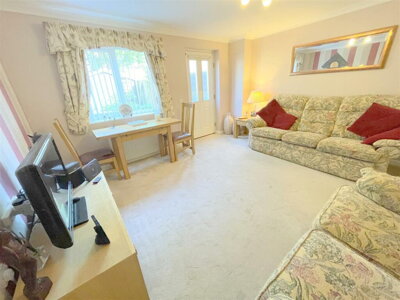
Browse 1 home for sale in Nedging-with-Naughton from local estate agents.
Studio apartments feature open-plan living spaces without separate bedrooms, incorporating sleeping, living, kitchen, and bathroom facilities. The Nedging With Naughton studio market includes properties in modern apartment complexes, converted Victorian and Georgian buildings, and purpose-built developments.
£213,000
Average House Price
-3.5%
12-Month Change
£328,879
Detached Average
£209,424
Semi-Detached Average
The Pembrokeshire property market presents a compelling opportunity for buyers in 2025 and 2026, with prices having settled after the significant growth seen during the pandemic years. According to the most recent data from the Office for National Statistics, the average house price in Pembrokeshire was £213,000 in December 2025, though more recent figures from property portals suggest the average sold price over the last twelve months sits between £243,000 and £249,000 depending on the source. Rightmove data shows an overall average of £248,891 over the last year, which is 1% down on the previous year and 4% down on the 2022 peak of £259,148. This modest correction offers buyers the chance to secure properties at more accessible price points while the market stabilises.
Property types across Pembrokeshire vary considerably depending on location, with detached homes dominating the sales market in rural and coastal areas. Rightmove data shows detached properties averaging £328,879, while semi-detached homes typically sell for around £209,424 and terraced properties for approximately £180,300. Flats and maisonettes in the county average around £113,000 according to ONS data, though Zoopla records slightly higher averages for apartments at £176,322, reflecting the premium commanded by coastal locations with sea views in popular areas like Tenby and Saundersfoot. The market has seen price reductions across most property types over the past year, with flats experiencing the largest decline at approximately 6.9% according to ONS data.
The new build sector remains relatively limited in Pembrokeshire compared to larger UK cities, which helps preserve much of the county's characterful older housing stock. Lovell Homes currently offers new build properties in Haverfordwest, though opportunities for new construction are more limited than in more urbanised regions. This scarcity of new development means buyers seeking modern specifications may need to consider recently constructed properties or be prepared to renovate older homes to meet contemporary standards. The limited new supply also helps support values in the existing housing stock, particularly for period properties with original features in desirable locations.
Life in Pembrokeshire unfolds at a gentler pace than in major UK cities, offering residents the opportunity to trade long commutes and crowded transport for morning walks along dramatic cliff paths and evenings watching spectacular sunsets over the Irish Sea. The county prides itself on its strong sense of community, with market towns like Haverfordwest serving as practical hubs while retaining their medieval charm. Haverfordwest, the county town, sits within the heart of Pembrokeshire and offers good access to supermarkets, healthcare facilities, schools, and the regional hospital. The town features beautiful medieval architecture, including Haverfordwest Castle and St Mary's Church, creating a distinctive urban landscape that contrasts beautifully with the natural beauty of the surrounding countryside.
The presence of Pembrokeshire Coast National Park dominates much of the county's western edge, providing residents with unparalleled access to outdoor activities including walking, surfing, kayaking, and coastal climbing. The park encompasses over 300 square miles of stunning landscape, including the famous Pembrokeshire Coast Path that stretches for 186 miles around the county's coastline. Tenby draws visitors and residents alike with its colourful harbour, medieval town walls, and award-winning beaches including Castle Beach and North Beach, both regularly awarded Blue Flag status. The villages of Manorbier, Bosherston, and St Govans offer quieter alternatives for those seeking a more peaceful existence, while the fishing port of Milford Haven provides maritime heritage and practical amenities including a large supermarket and retail park.
The affordable cost of living in Pembrokeshire compared to other UK coastal regions makes it particularly attractive for families and retirees looking to maximise their quality of life without compromising on property size or location. Property prices in the county remain significantly below the Wales average of approximately £225,000 and well below the UK average of £270,000, meaning buyers can often afford larger properties or more desirable locations than they might manage in more expensive regions. Local amenities throughout the county include major supermarkets in larger towns, weekly markets in market towns, and a good selection of independent shops and restaurants that give the county its distinctive character. The tourism sector plays a significant role in the local economy, supporting businesses throughout the county and creating seasonal employment opportunities in hospitality and retail.

Families considering a move to Pembrokeshire will find a range of educational options across the county, from small rural primary schools serving village communities to larger secondary institutions preparing students for further and higher education. The county hosts approximately 60 primary schools serving communities across both coastal and inland areas, with many small schools in villages providing intimate learning environments for younger children. Estyn, the Welsh education inspectorate, regularly publishes reports on school performance across Pembrokeshire, with schools in towns like Haverfordwest, Pembroke, and Tenby typically serving larger populations and offering broader curricula. Primary schools in coastal areas often incorporate the unique natural environment into their teaching, with outdoor learning and environmental studies forming part of the curriculum in many settings.
Secondary education is centred around towns including Haverfordwest, Pembroke, Tenby, Milford Haven, and Fishguard, with schools offering a range of academic and vocational pathways. Ysgol Harri Tudur (Henry Tudor School) in Pembroke and Tasker Milward V.C. School in Haverfordwest are among the larger secondary institutions serving the county. Pupils from Pembrokeshire can also access Welsh-language secondary education at schools including Ysgol Gyfun Bro Gwaun in Fishguard, which follows the Welsh-medium education tradition important to the region. Parents should research specific catchment areas when considering properties, as school admissions in Pembrokeshire are coordinated by the local education authority and catchment boundaries can significantly influence placement.
Pembrokeshire College provides further education opportunities in Haverfordwest, offering vocational and academic courses for students completing their secondary education alongside apprenticeships and adult learning programmes. The college works with local employers to provide relevant vocational training in sectors including hospitality, construction, and marine industries, supporting the local economy and providing career pathways for young people. For families seeking specialist education provision, including support for additional learning needs or gifted and talented programmes, direct consultation with Pembrokeshire County Council's education department is recommended. When searching for property in Pembrokeshire, verifying current school performance data, admission policies, and transport arrangements for properties in more rural locations is essential, as journey times to schools can be longer than in more urbanised areas.
Transport connections from Pembrokeshire reflect its position at the western edge of Wales, requiring some consideration for those who need to commute regularly to larger employment centres. The main rail line from London Paddington terminates at Pembroke Dock, with Haverfordwest station offering connections eastwards to Cardiff Central and onwards to the rest of the UK rail network. Journey times to Cardiff typically take around three to three and a half hours by train, while London can be reached in approximately four to five hours depending on connection times. The A40 trunk road provides the primary road route connecting Pembrokeshire to the M4 motorway and the Severn Bridge crossings into England, though journey times to major English cities including Bristol (approximately three hours) and Birmingham (approximately four hours) remain longer than from more centrally located regions.
Daily commuting from Pembrokeshire to cities like Bristol or London is not practical for most workers, making the county most suitable for those who work locally, commute infrequently, or can work remotely for at least part of the working week. The rise of remote and hybrid working arrangements has made Pembrokeshire an increasingly viable option for professionals who can maintain careers without daily office attendance. Local employment opportunities exist in sectors including tourism, healthcare, agriculture, and public services, with Haverfordwest, Milford Haven, and Pembroke Dock serving as employment centres for the county. The port of Milford Haven also supports energy-related industries, including the biomass power station and associated supply chain businesses.
The local bus network serves main towns and villages, though services in rural areas can be infrequent, with some routes operating only on specific days of the week. Haverfordwest offers the most comprehensive public transport links within the county, with regular bus services connecting to surrounding towns and villages. Car ownership is practically essential for most residents, though the peaceful lifestyle and stunning scenery encountered during everyday journeys offset the necessity of vehicle ownership. Haverfordwest airport offers limited regional flights, while Bristol Airport and Cardiff Airport provide broader international connections within approximately three to four hours' drive, making overseas travel accessible for those willing to travel to their nearest major airport.
Purchasing property in Pembrokeshire requires careful attention to several factors specific to this coastal county. Flood risk is an important consideration, particularly for properties near the many rivers that flow through the county including the Pembroke River, Daugleddau estuary, and in low-lying coastal areas. While the spectacular coastline is part of Pembrokeshire's appeal, properties directly on the seafront, in areas prone to tidal surge, or with poor drainage may face elevated flood risk. Properties in Tenby, Saundersfoot, and other coastal locations should be checked against the Welsh Government's natural resources flood risk mapping, and buyers should review any historical flood records available through local searches. Surface water flooding can also affect properties on lower ground or in valleys, particularly during periods of heavy rainfall.
The significant number of listed buildings throughout Pembrokeshire means that buyers should investigate whether their potential new home falls within a conservation area or is subject to listed building status. Notable historic structures in the county include Pembroke Castle, a magnificent medieval fortress overlooking the water, Haverfordwest Castle, and the ruins of Monkton Priory near Pembroke. Throughout towns and villages, numerous Grade II listed properties reflect the county's long history, and these designations can restrict permitted development rights, affect planning permission for alterations, and impose specific maintenance requirements. Properties in conservation areas, such as those within Tenby's historic town centre, may face additional planning constraints designed to preserve their character.
Older properties throughout the county may have been constructed using traditional methods and local materials, including local stone and timber, which require different maintenance approaches than modern brick construction. Many properties in Haverfordwest and other historic towns feature traditional Welsh construction techniques that predate modern building regulations, meaning features such as solid walls without cavity insulation, original timber-framed windows, and historic roofing materials may be present. A thorough building survey is particularly valuable for older properties, as issues with damp penetration, roof condition, timber decay, and structural movement can be more prevalent in period homes. Properties on slopes or in areas with variable ground conditions may warrant specific investigation of foundations and ground stability.
Spend time exploring different towns and villages within Pembrokeshire to find the location that best suits your lifestyle needs. Consider factors including distance from work, school catchment areas, access to amenities, and proximity to the coastline or national park. The county offers diverse living environments, from busy market towns like Haverfordwest to peaceful coastal villages like Bosherston or St Govans, so visiting different areas at various times of day will help you understand the character of each location.
Before viewing properties, obtain a mortgage agreement in principle from a lender. This strengthens your position when making offers and demonstrates to sellers that you have financing in place. Given the variety of lenders operating in Wales, including high street banks and building societies, comparing mortgage products and speaking to a whole-of-market broker can help you secure the most competitive rates available for your circumstances.
Use Homemove to browse current listings and arrange viewings with estate agents. Pay particular attention to property condition in older homes, flood risk indicators, and any signs of structural movement or damp. When viewing properties in coastal areas, consider the proximity to the sea, exposure to weather, and any visible signs of coastal erosion or property maintenance issues that may require attention.
Once your offer is accepted, arrange a RICS Level 2 survey for standard properties or a Level 3 Building Survey for older, listed, or unusual properties. Given Pembrokeshire's historic housing stock with many period properties predating modern construction standards, a thorough survey is particularly valuable for identifying issues that may not be apparent during a standard viewing. Properties in conservation areas or those with unusual construction may benefit from a specialist survey.
Choose a solicitor experienced in Welsh property transactions to handle the legal aspects of your purchase, including local searches, title checks, and coordination with your mortgage lender. Solicitors familiar with Pembrokeshire will understand local issues including conservation area restrictions, flood risk designations, and any county-specific planning matters that may affect your purchase.
Once all searches are satisfactory and your mortgage offer is received, your solicitor will coordinate the exchange of contracts and final completion. On completion day, you will receive your keys and can move into your new Pembrokeshire home. Factor in time for setting up utilities, redirecting mail, and familiarising yourself with your new local community.
The average house price in Pembrokeshire was £213,000 according to December 2025 ONS data, representing a 3.5% fall from December 2024. More recent portal data shows average sold prices ranging from £243,000 to £249,000 depending on the source, with Rightmove reporting £248,891 and Zoopla £243,522 over the last twelve months. Detached properties average around £320,000-£329,000, semi-detached homes around £200,000-£209,000, terraced properties approximately £175,000-£180,000, and flats around £113,000-£176,000. The market has seen a modest correction from the 2022 peak of approximately £259,000, offering buyers improved purchasing power in what remains an attractive coastal location.
Council tax bands in Pembrokeshire are set by Pembrokeshire County Council and follow the standard Wales council tax banding system from Band A through to Band I. Specific bands depend on the property's assessed value under the Welsh valuation system, and buyers can verify the council tax band for any specific property through the Welsh Government valuation listing at gov.wales or by requesting this information during the conveyancing process. Annual council tax charges vary by band, with Band A properties paying the lowest rates and Band I properties paying the highest, with charges also varying depending on whether the property is in a town or more rural area of the county.
Pembrokeshire offers a range of primary and secondary schools across the county, with specific school quality varying by location and recent Estyn inspection reports providing the most reliable guide to performance. Schools in towns like Haverfordwest, Pembroke, and Tenby serve larger populations and often offer broader curricula, while rural primary schools provide education for smaller communities throughout the county. Families should research individual school performance data from Estyn (the Welsh education inspectorate), as well as admission catchment areas, before purchasing property, as school places are allocated based on catchment boundaries.
Public transport in Pembrokeshire is more limited than in urban areas, with the rail network providing connections from Pembroke Dock through Haverfordwest to the rest of the UK via changes at Cardiff. Bus services operate between major towns but can be infrequent in rural areas, with some village services operating only on specific days of the week. Haverfordwest offers the most comprehensive transport links within the county, with regular bus connections and the mainline railway station. Most residents find car ownership essential for daily life, though the peaceful lifestyle and beautiful scenery encountered during everyday journeys offset the lack of extensive public transport options.
Pembrokeshire offers good value compared to other UK coastal areas, with prices significantly below the national UK average of £270,000 and attractive to both owner-occupiers and investors. The county's stunning natural environment, strong tourism sector, and Pembrokeshire Coast National Park help maintain property values and attract buyers seeking coastal living. Rental demand exists from holidaymakers seeking self-catering accommodation in popular areas like Tenby and Saundersfoot, seasonal workers in the tourism and agricultural sectors, and those relocating to the area for work. However, investors should consider the seasonal nature of tourism-related income and the importance of property condition given the coastal environment, where maintenance costs for older properties can be higher.
Land Transaction Tax (LTT), the Welsh equivalent of stamp duty, applies to residential property purchases in Pembrokeshire at zero percent on the first £225,000, then 5% on the portion from £225,001 to £400,000, 7.5% from £400,001 to £750,000, 10% from £750,001 to £1,500,000, and 12% above that. First-time buyers in Wales benefit from relief on the first £300,000 of properties up to £500,000, meaning many first-time buyers in Pembrokeshire will pay significantly less LTT than in England. Your solicitor will calculate the exact amount due based on your purchase price and circumstances, including whether you qualify for any reliefs or exemptions.
Pembrokeshire has a significant heritage of listed buildings, reflecting its long history and the many historic structures throughout the county. Properties may be listed at Grade II, Grade II*, or Grade I, with Grade II being the most common designation for private residences. Notable listed structures include Pembroke Castle, Haverfordwest Castle, and Monkton Priory, while throughout towns and villages, Georgian and Victorian properties contribute to the built heritage. Buying a listed property brings additional responsibilities and potential costs, as owners must obtain listed building consent for alterations and must use appropriate materials and methods for any repairs or renovations.
Flood risk in Pembrokeshire varies significantly depending on location, with coastal areas, river valleys, and low-lying land facing the highest potential risk from tidal flooding and river flooding. The rivers flowing through the county including the Daugleddau estuary system and the Pembroke River can experience tidal surge during severe weather conditions. Properties in Tenby, particularly those near the harbour and lower-lying areas, as well as properties along the River Cleddau near Haverfordwest, should be researched carefully using the Welsh Government's flood risk mapping tools before purchase. Surface water flooding can also affect properties in valleys and areas with poor drainage, particularly during heavy rainfall events that have become more frequent in recent years.
Understanding the additional costs of buying property in Pembrokeshire is essential for budgeting effectively. Beyond the purchase price, buyers should budget for Land Transaction Tax (LTT), the Welsh equivalent of stamp duty, which applies at different thresholds and rates to properties in Wales. As of the current tax year, there is no LTT on the first £225,000 of residential purchases, with rates rising to a maximum of 12% on portions above £1.5 million. First-time buyers purchasing properties up to £300,000 can claim relief, paying no tax on the first £225,000 and reduced rates on the remainder, though this relief is not available for purchases above £500,000. Your solicitor will calculate the exact LTT liability based on your purchase price and circumstances.
Additional buying costs include solicitor conveyancing fees, which typically start from around £499 for a standard transaction but can be higher for more complex purchases, properties with title issues, or those involving leasehold elements. Survey costs vary depending on property type and the level of inspection required, with RICS Level 2 surveys starting from approximately £350 for apartments and increasing for larger properties. A RICS Level 3 Building Survey, formerly known as a Full Structural Survey, may be recommended for older properties, listed buildings, or unusual construction, and typically costs more due to the greater level of detail involved. Lenders typically charge arrangement fees for mortgages, ranging from zero to around £2,000 depending on the product chosen, and borrowers should also budget for valuation fees, though these are sometimes included in the mortgage product.
Removal costs, potential renovation or repair expenses, and buildings insurance should also be factored into your overall moving budget when purchasing in Pembrokeshire. Properties in coastal areas may have higher insurance premiums due to flood risk considerations, and buildings insurance should be arranged from the point of exchange of contracts when you become legally responsible for the property. For leasehold properties, ground rent and service charge contributions should be verified before purchase, and any upcoming major works or reserve fund deficiencies should be investigated as these can result in unexpected costs for leaseholders.

From 4.5%
Compare mortgage rates from leading UK lenders to find the best deal for your Pembrokeshire purchase
From £499
Expert solicitors handling your property transaction from offer to completion
From £350
Comprehensive inspection of standard properties by qualified surveyors
From £500
Detailed structural survey recommended for older and unusual properties
From £80
Energy performance certificate required for all property sales
Properties for Sale In London

Properties for Sale In Plymouth

Properties for Sale In Liverpool

Properties for Sale In Glasgow

Properties for Sale In Sheffield

Properties for Sale In Edinburgh

Properties for Sale In Coventry

Properties for Sale In Bradford

Properties for Sale In Manchester

Properties for Sale In Birmingham

Properties for Sale In Bristol

Properties for Sale In Oxford

Properties for Sale In Leicester

Properties for Sale In Newcastle

Properties for Sale In Leeds

Properties for Sale In Southampton

Properties for Sale In Cardiff

Properties for Sale In Nottingham

Properties for Sale In Norwich

Properties for Sale In Brighton

Properties for Sale In Derby

Properties for Sale In Portsmouth

Properties for Sale In Northampton

Properties for Sale In Milton Keynes

Properties for Sale In Bournemouth

Properties for Sale In Bolton

Properties for Sale In Swansea

Properties for Sale In Swindon

Properties for Sale In Peterborough

Properties for Sale In Wolverhampton

Enter your details to see if this property is within your budget.
Loans, cards, car finance
Estimated property budget
Borrowing + deposit
You could borrow between
Typical borrowing
Monthly repayment
Est. at 4.5%
Loan-to-value
This is an estimate only. Your actual budget may vary depending on interest rates, credit history, and personal circumstances. For an accurate affordability assessment, speak to one of our free mortgage advisors.
This calculator provides estimates for illustrative purposes only and does not constitute financial advice. Your home may be repossessed if you do not keep up repayments on your mortgage. Estimates based on 4.5% interest rate, repayment mortgage. Actual rates depend on your circumstances.
Homemove is a trading name of HM Haus Group Ltd (Company No. 13873779, registered in England & Wales). Homemove Mortgages Ltd (Company No. 15947693) is an Appointed Representative of TMG Direct Limited, trading as TMG Mortgage Network, which is authorised and regulated by the Financial Conduct Authority (FRN 786245). Homemove Mortgages Ltd is entered on the FCA Register as an Appointed Representative (FRN 1022429). You can check registrations at NewRegister or by calling 0800 111 6768.

We use cookies to show you personalised content and improve your experience of our website. Find out more in our Privacy policy and Cookie policy.