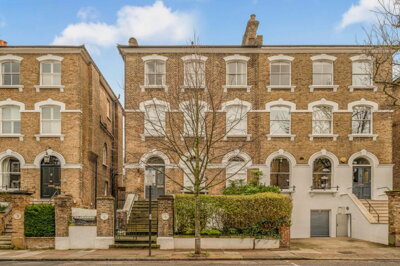
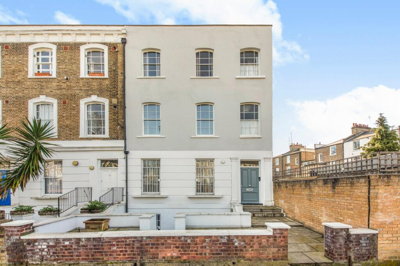
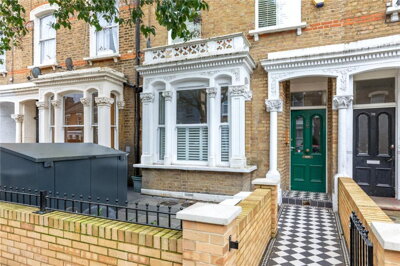
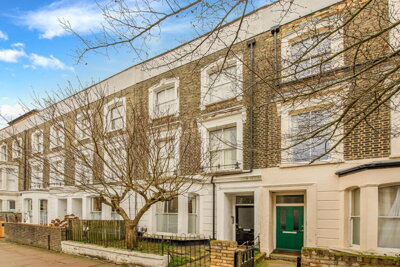
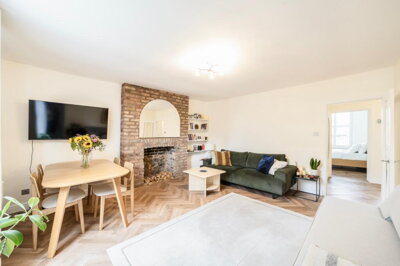
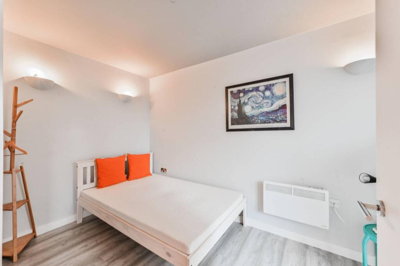
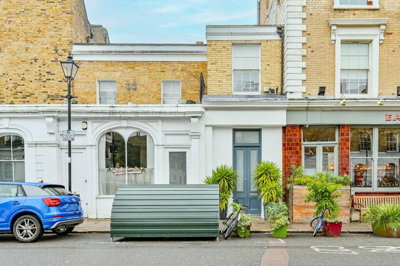
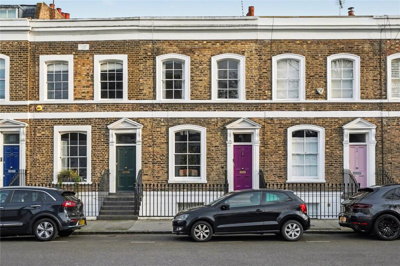
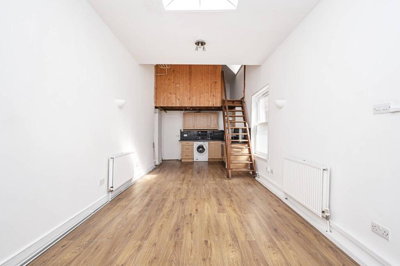
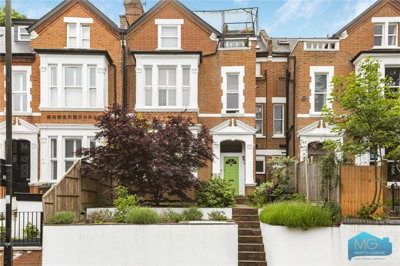
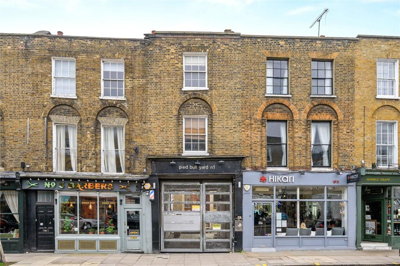
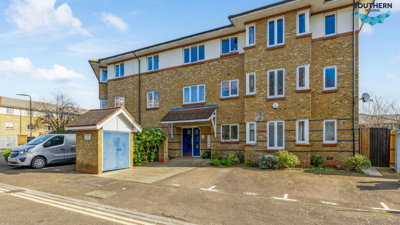
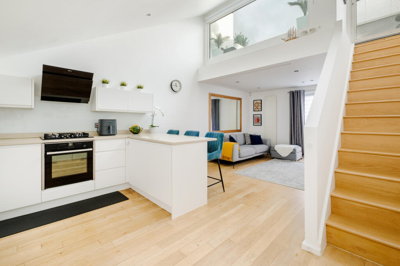
Browse 95 homes for sale in N7 from local estate agents.
The 2 bed house market features detached, semi-detached, and terraced properties with two separate bedrooms plus living spaces. Properties in N7 range from Victorian and Edwardian period homes to modern new builds, with pricing varying across different neighbourhoods.
£795k
1
1
7
Source: home.co.uk
Showing 1 results for 2 Bedroom Houses for sale in N7. 1 new listing added this week. The median asking price is £795,000.
Source: home.co.uk
Terraced
1 listings
Avg £795,000
Source: home.co.uk
Source: home.co.uk
The N7 property market has demonstrated remarkable resilience over the past year, with Rightmove reporting a 5% increase in sold prices compared to the previous year, and values now sitting 6% above the 2022 peak of £653,212. Property Solvers recorded 265 residential sales in the last twelve months, though this represents a decrease of 95 transactions relative to the prior year, reflecting the broader national slowdown in transaction volumes. Despite fewer sales, the market remains active with motivated buyers recognising N7's enduring appeal and proximity to central London employment hubs. In October 2025 alone, 28 properties changed hands at an average price of £641,215, demonstrating continued market engagement.
Property types in N7 cater to a wide spectrum of buyers. Flats dominate the sales activity, with Rightmove recording an average price of £569,491 for apartments, while Zoopla reports a slightly lower average of £511,403. Terraced properties command significantly higher prices averaging £1.27 million to £1.33 million, with semi-detached houses reaching £1.38 million to £1.85 million, reflecting the scarcity of larger family homes in this densely populated urban environment. Detached properties remain rare in N7 due to the Victorian and Edwardian street patterns, with those that do exist averaging around £821,000 according to Zoopla data.
The market has experienced some price correction following the post-pandemic surge, with Property Solvers noting a slight decrease of £1,574 or 0.24% over the last twelve months. Compare Estate Agents reports an average listing price change of -2.6%, suggesting sellers are adjusting expectations in response to changed market conditions. However, these modest corrections should be viewed in context: prices remain firmly above previous peaks, and the fundamental drivers of N7's appeal - transport connectivity, schools, and character properties - continue to support values. First-time buyers may find improved negotiating positions in the current climate, particularly on flats where sellers have had longer marketing periods.

While N7 is predominantly characterised by Victorian and Edwardian housing stock, several new build opportunities have emerged in recent years, offering buyers alternatives to period conversions. One of the most significant projects in the area is Holloway Park, a substantial urban regeneration covering over 10 acres in the heart of Holloway. This development, delivered through a partnership between Peabody New Homes and London Square, will offer a collection of 1, 2, and 3-bedroom apartments designed to meet modern living standards while respecting the area's architectural heritage. Residents can expect a 1.4-acre park, a residents' fitness studio, lounge, dining area, rooftop terrace, and 24-hour concierge service.
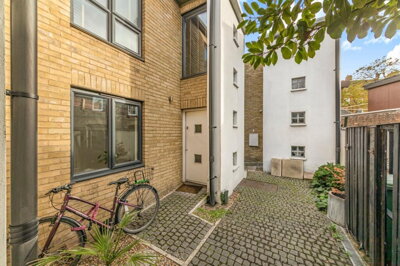
Parkhurst Mews presents a different proposition, offering seven newly built two and three-bedroom mews houses that deliberately echo Victorian architecture through contemporary construction methods. Prices range from £695,000 to £1,000,000, positioning these properties between flats and larger terraced houses in terms of cost. The development appeals to buyers seeking the aesthetic of period properties without the maintenance demands that come with older construction. Each mews house includes private outdoor space and parking provisions, amenities that are exceptionally rare in N7's densely-built environment.
Looking ahead, Hornsey Road in N7 7NN will see Chase New Homes deliver 29 new homes on a half-acre site, representing a meaningful contribution to housing supply in the area. Planning approvals have also been granted for smaller conversions and extensions throughout N7, including the conversion and extension of semi-detached properties on Tollington Road to create additional flats. These incremental additions to the housing stock, combined with the larger Holloway Park development, suggest that new build options in N7 will remain relevant to buyers throughout 2026 and beyond.
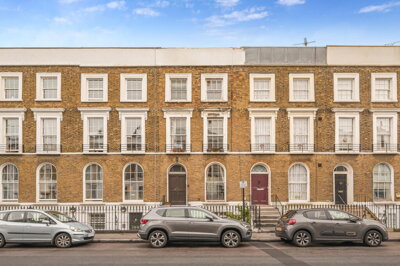
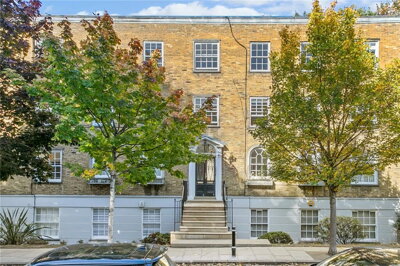
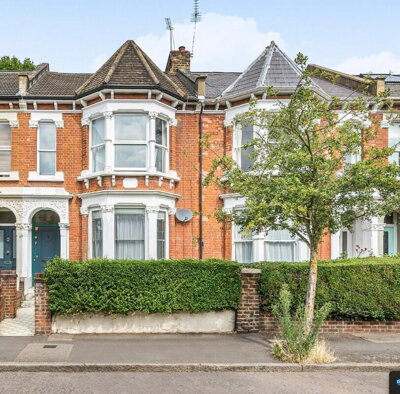
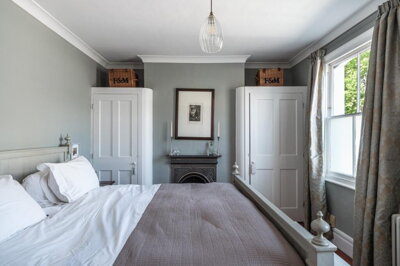
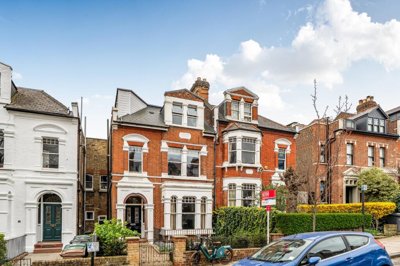
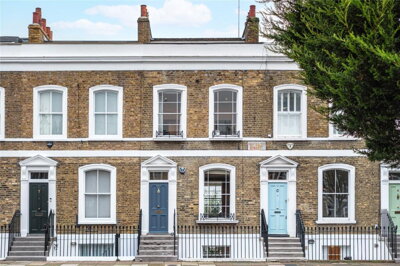
N7 is characterised by its distinctive Victorian and Edwardian architecture, featuring the iconic London stock brick construction with yellow or greyish-yellow hues, decorative stucco render, and elegant slate roofs that line the residential streets. Holloway developed rapidly during the late 19th century as part of London's suburban expansion, leaving a rich legacy of period properties including large semi-detached family homes on tree-lined avenues such as Whitehall Park and Gladsmuir Road, terraced cottages in quieter cul-de-sacs, and impressive mansion blocks designed for the emerging middle class. Streets like Harberton Road showcase the architectural quality that attracts buyers to the area, with many properties retaining original features such as ornate cornicing, cast iron fireplaces, and sash windows that appeal to those seeking character and authenticity.
The neighbourhood pulses with local life through its diverse array of independent cafes, restaurants, and shops concentrated along Holloway Road, Camden Road, and the surrounding streets. Residents benefit from excellent everyday amenities including weekly markets, specialist food shops stocking international ingredients, and popular pubs that serve as community gathering points. The area attracts a mix of young professionals, families, and established residents, creating a balanced demographic that supports thriving local schools, community organisations, and cultural events throughout the year. Former theatre venues and live music spaces add an arts dimension that distinguishes Holloway from purely residential neighbours.
Green space is readily accessible despite N7's urban setting, with several parks and open spaces providing recreational opportunities for residents. The area sits above London Clay geology, which while posing some considerations for property foundations and potential shrink-swell movement, has not historically presented significant issues for the established housing stock. Parts of N7 fall within the Hillmarton Conservation Area, where additional planning controls preserve the architectural character and restrict certain alterations, helping to maintain property values in these designated zones. The conservation area designation covers parts of Lower Holloway, where extra controls apply to demolition, minor developments, and tree protection.

Families considering a move to N7 will find a reasonable selection of educational options across all phases, though competition for places at popular schools can be intense given the densely populated nature of the area. Primary schools within or near the N7 postcode include several that have achieved good or outstanding Ofsted ratings, with schools such as St. John's Upper Holloway CofE Primary School and Ashmount Primary School serving the local community. Parents should note that catchment areas can be restrictive in this part of Islington, and early registration is strongly recommended for families with school-age children. The borough's primary school application process operates on a ranked preference system, making it essential to research catchment boundaries thoroughly before committing to a property purchase.
Secondary education in the vicinity includes schools such as Highbury Fields School, a popular girls' school located on Knightsdale Road, and ARCH Academy offering specialist arts education. Central foundation schools like Central School for Dance and Central School of Art and Design provide alternative pathways for students pursuing creative careers. The proximity to Islington's broader educational offerings, including the established grammar school options accessible via Kentish Town and surrounding areas, provides families with choices when considering secondary education. Places at oversubscribed schools are allocated according to proximity, with priority given to siblings of existing pupils.
For older students, sixth form colleges and further education institutions in neighbouring postcodes offer diverse vocational and academic pathways. A-level students can access post-16 provision at colleges across North London, with transport links making reasonable journey times achievable. Higher education institutions in Central London are readily accessible from N7 via the Piccadilly line and bus routes, with University College London, the London School of Economics, and City University all within reasonable commuting distance. This accessibility makes N7 particularly attractive to students and young professionals planning their educational and career development, adding to the area's enduring appeal as a place to establish roots and progress through life stages.
Transport connectivity ranks among N7's strongest attributes, with multiple options available for commuting into Central London and beyond. Holloway Road underground station on the Piccadilly line provides direct access to King's Cross in approximately 12 minutes, connecting passengers to the London Underground network, National Rail services, and the Eurostar at St Pancras International. Caledonian Road station on the same line offers additional access points, while the nearby Overground services at Canonbury and Highbury & Islington extend travel options to destinations across North and East London, including Stratford for the Queen Elizabeth line and Canary Wharf via interchange.
Bus services throughout N7 are extensive, with multiple routes serving Holloway Road and surrounding streets to destinations including Oxford Street, the West End, and London Bridge without requiring a tube journey. The area's road connections benefit from proximity to the A1 for northbound travel and straightforward access to the North Circular Road, while the congestion charge zone boundary lies south of the area, providing some relief from daily charges for residents choosing to drive. However, parking permits in Islington can be competitive, and residents should verify availability before purchasing a property where car ownership is planned.
For those working in Canary Wharf or the Docklands area, the journey from N7 via tube and DLR connections typically takes around 35 to 45 minutes, while City workers can reach Bank in approximately 25 minutes via the Northern line interchange at Euston or Archway. The excellent transport links contribute significantly to property values in N7, making the area particularly desirable for professionals who require convenient access to London's major employment centres without the premium associated with living in central zones. Cycle infrastructure continues to improve, with dedicated lanes and the Cycle Superhighway providing options for environmentally conscious commuters, and Santander Cycles docking stations located throughout the area.
Spend time exploring different neighbourhoods within N7, from the quieter residential streets near Barnsbury to the busier Holloway Road corridor. Consider factors like proximity to stations, local schools, and noise levels when identifying your preferred area. Use property portals to understand current pricing and availability, noting that flats typically dominate listings while houses command significant premiums.
Before scheduling viewings, obtain an agreement in principle from a lender. This demonstrates your financial credibility to estate agents and sellers, strengthening your position in a competitive market where flats and terraced houses attract multiple buyers. Current mortgage rates for buyers with substantial deposits range from around 4.5% to 5.5% depending on credit history and loan-to-value ratio.
Work with local estate agents to arrange viewings of properties matching your criteria. Take notes on property condition, noting that many N7 homes are Victorian or Edwardian construction where features like original sash windows and period fireplaces add character but may require maintenance. Pay particular attention to signs of damp, roof condition, and the state of any communal areas for flats.
Given N7's prevalence of older properties, a Level 2 Survey is strongly recommended to identify any structural issues, damp problems, or roof defects common in Victorian and Edwardian construction. Survey costs for a typical flat start from around £400 while larger terraced houses may cost £550 to £800. For listed buildings or properties in the Hillmarton Conservation Area, a more detailed Level 3 Survey may be advisable.
Choose a conveyancing specialist familiar with Islington properties to handle the legal aspects of your purchase. They will conduct searches, review the title deeds, and manage the exchange and completion process on your behalf. For leasehold properties, ensure your solicitor examines the lease terms, ground rent provisions, and any planned service charge works.
Once all searches are satisfactory and finances are confirmed, your solicitor will exchange contracts and set a completion date. On completion day, the remaining funds are transferred and you receive the keys to your new N7 home. Allow time for utility transfers and council tax registration in the new property.
Purchasing a property in N7 requires careful attention to several area-specific factors that can significantly impact your investment and living experience. Properties in the Hillmarton Conservation Area and surrounding streets fall under additional planning controls administered by Islington Council, meaning that alterations to windows, doors, rooflines, and even external painting may require Listed Building or Conservation Area consent. Buyers should verify the property's conservation status before proceeding and factor any restrictions into renovation plans. Properties along Whitehall Park, Gladsmuir Road, and Harberton Road may have locally listed status, requiring even more careful consideration of permitted works.
The underlying London Clay geology across N7 means that properties may be susceptible to subsidence or ground movement, particularly those with mature trees positioned close to foundations or properties that have experienced leaking drains. Clay soils shrink during prolonged dry periods and swell when moisture returns, creating cyclical pressure that can affect foundations over time. A thorough building survey should specifically address foundation condition and look for signs of cracking or movement that might indicate structural concerns. Properties with original foundations on shrinkable clay soil may have been subject to previous underpinning works, and documentation of any such works should be requested from the seller.
For buyers considering flats, the proportion of leasehold versus freehold ownership in N7 is particularly relevant. Many Victorian conversion flats in the area operate on long leases, but ground rent clauses and service charge arrangements vary considerably between properties and management companies. Understanding the remaining lease term, annual ground rent escalation, and any planned major works or service charge disputes is essential before committing to a purchase. Freehold houses, while commanding premium prices, offer freedom from these ongoing leasehold considerations. Properties built before the 1980s may contain asbestos in insulation, Artex coatings, or fire door cores, and lead-based paint may be present on older woodwork.
Victorian and Edwardian properties in N7 commonly exhibit specific defect patterns that a thorough survey should address. Damp issues frequently manifest as rising damp in solid brick walls without cavity ventilation, or penetrating damp where pointing has deteriorated or copings have failed. Roof condition requires close inspection, as original slate tiles can become brittle over more than a century of service, and lead flashings may have been replaced with less durable alternatives. Electrical wiring in properties that have not been rewired since construction will likely still use fabric-covered cables or early PVC that may not meet current standards. Timber floors, whilst adding character, can suffer from woodworm or dry rot if ventilation has been compromised by damp conditions or solid wall insulation installations.
The average house price in N7 varies between approximately £617,000 and £696,000 depending on the data source consulted, with Rightmove reporting £692,091 and Zoopla showing £696,276 over the last year. Flats in the area average around £511,000 to £569,000, while terraced properties command significantly higher prices of approximately £1.27 million to £1.33 million. Semi-detached houses average £1.39 million to £1.85 million, though these larger properties remain scarce in the market. Rightmove data shows prices have increased 5% over the past year, with the market performing 6% above the previous 2022 peak of £653,212. Property Solvers recorded 265 sales in the last twelve months, though this represents a decrease of 95 transactions from the prior year.
Properties in N7 fall under Islington Council's jurisdiction. Council tax bands range from A through to H, with the majority of Victorian and Edwardian flats typically falling into bands B to D, while larger terraced houses may be rated in bands E or F. Prospective buyers should check the specific property's council tax band on the Valuation Office Agency website, as this affects ongoing annual costs alongside other charges like service charges and ground rent for leasehold properties. The council's current band D charge for a property occupied by two adults is approximately £1,800 to £2,000 annually, though this varies according to band and any applicable discounts for single occupancy.
N7 offers several well-regarded primary schools, including St. John's Upper Holloway CofE Primary School and Ashmount Primary School, both serving the local community with good Ofsted ratings. Secondary options include Highbury Fields School, a popular girls' school located on Knightsdale Road, and ARCH Academy offering specialist arts education. Families should verify current Ofsted ratings and admission criteria, as catchment areas in this densely populated part of Islington can be competitive and oversubscribed schools apply proximity criteria to prioritize admissions. Early registration for school places is strongly recommended when moving to the area, and buyers without school-age children may wish to research future school place projections in their preferred neighbourhood.
N7 enjoys excellent transport connectivity through Holloway Road and Caledonian Road underground stations on the Piccadilly line, providing direct access to King's Cross in 12 minutes and the West End within 20 minutes. Overground services at nearby Canonbury and Highbury & Islington stations extend travel options across North and East London, connecting to the London Overground network serving destinations including Stratford, Richmond, and Clapham Junction. Multiple bus routes serve Holloway Road and Camden Road, connecting residents to Oxford Street, the City, and other major destinations without requiring a tube journey. The area's proximity to the A1 and North Circular Road provides road access for those travelling north, while avoiding the central congestion charge zone.
N7 represents a solid investment opportunity given its proximity to Central London, excellent transport links, and the enduring demand for property in Islington. The area's strong rental market, driven by young professionals seeking convenient commutes, supports landlord investments, while capital values have demonstrated resilience with Rightmove reporting 5% year-on-year growth. The Hillmarton Conservation Area designation helps preserve property values by maintaining the architectural character of certain streets, and the mix of period properties, new builds like Parkhurst Mews, and larger regeneration projects such as Holloway Park ensures continued market interest. However, buyers should factor in stamp duty costs, potential maintenance requirements for older Victorian properties, and leasehold considerations for flats before committing to a purchase.
For properties purchased at the current N7 average price of approximately £636,000 to £696,000, standard stamp duty rates apply: 0% on the first £250,000, then 5% on the portion between £250,001 and £500,000, and 10% on the amount above £500,000. A property at £636,000 would attract SDLT of approximately £19,300. First-time buyers may benefit from relief on properties up to £625,000, paying 0% on the first £425,000 and 5% on the remainder, potentially reducing liability to £10,550. At the upper end, a £1.3 million terraced property would incur stamp duty of approximately £66,250 for standard buyers, rising to around £105,500 for second properties or buy-to-let investments due to the additional 3% surcharge.
N7 is not typically associated with significant river or coastal flood risk as it sits well away from the Thames and its tributaries. However, like many urban areas with extensive hard surfacing and constrained drainage systems, N7 can be susceptible to surface water flooding during periods of heavy rainfall. Water pooling on roads and low-lying areas during exceptional rainfall events has been reported in some parts of the postcode. For most standard property purchases, a flood risk search should provide reassurance, though buyers with specific concerns about individual plots should request more detailed local drainage information from Islington Council's planning department.
The most significant new build opportunity in N7 is Holloway Park, a 10-acre urban regeneration project offering 1, 2, and 3-bedroom apartments through Peabody New Homes and London Square, with completion expected in 2027. Parkhurst Mews offers seven newly built two and three-bedroom mews houses with prices ranging from £695,000 to £1,000,000, designed in a Victorian-inspired style. Future developments include Hornsey Road, where Chase New Homes will deliver 29 new homes on a half-acre site. These new build options provide alternatives to the area's predominant period property stock, though availability changes regularly and interested buyers should check current listings.
Understanding the full cost of purchasing property in N7 extends beyond the advertised asking price to include stamp duty, solicitor fees, survey costs, and ongoing financial commitments. For a typical flat in N7 priced around £511,000, a standard buyer would pay no stamp duty on the first £250,000, then 5% on the remaining £261,000, totalling £13,050 in SDLT. First-time buyers purchasing similar properties could benefit from relief, reducing their SDLT liability to zero on the first £425,000 plus 5% on the remaining £86,000, equalling £4,300 in savings. These calculations underline the significant advantage available to first-time purchasers in accessing the N7 property market.
The average terraced property in N7 commanding around £1.27 million to £1.33 million attracts higher stamp duty charges. A standard buyer purchasing at £1.3 million would calculate SDLT as 0% on £250,000, 5% on £250,000, 10% on £425,000, and 12.5% on the remaining £375,000, resulting in total SDLT of approximately £79,375. For second properties or buy-to-let purchases, the additional 3% surcharge applies, increasing costs to around £118,375. These figures underline the importance of budgeting comprehensively and factoring SDLT into your financial planning alongside mortgage deposits and moving costs, particularly for investors calculating yield requirements.
Additional purchase costs include solicitor conveyancing fees typically ranging from £500 to £1,500 depending on complexity, with leasehold transactions generally requiring more work than freehold house purchases. Search fees amount to approximately £250 to £400, covering local authority searches, drainage and water searches, and environmental reports. RICS Level 2 Survey costs start from £400 for flats and range to £800 or more for larger terraced houses, with prices varying according to property value as well as size. Mortgage arrangement fees, typically 0.5% to 1.5% of the loan amount, may also apply, though many lenders offer fee-free deals that compensate through slightly higher rates. For leasehold properties, lease extension costs, ground rent reviews, and service charge provisions should be carefully examined by your solicitor, as these ongoing costs can significantly affect the long-term affordability of your N7 home.
Properties for Sale In London

Properties for Sale In Plymouth

Properties for Sale In Liverpool

Properties for Sale In Glasgow

Properties for Sale In Sheffield

Properties for Sale In Edinburgh

Properties for Sale In Coventry

Properties for Sale In Bradford

Properties for Sale In Manchester

Properties for Sale In Birmingham

Properties for Sale In Bristol

Properties for Sale In Oxford

Properties for Sale In Leicester

Properties for Sale In Newcastle

Properties for Sale In Leeds

Properties for Sale In Southampton

Properties for Sale In Cardiff

Properties for Sale In Nottingham

Properties for Sale In Norwich

Properties for Sale In Brighton

Properties for Sale In Derby

Properties for Sale In Portsmouth

Properties for Sale In Northampton

Properties for Sale In Milton Keynes

Properties for Sale In Bournemouth

Properties for Sale In Bolton

Properties for Sale In Swansea

Properties for Sale In Swindon

Properties for Sale In Peterborough

Properties for Sale In Wolverhampton

Enter your details to see if this property is within your budget.
Loans, cards, car finance
Estimated property budget
Borrowing + deposit
You could borrow between
Typical borrowing
Monthly repayment
Est. at 4.5%
Loan-to-value
This is an estimate only. Your actual budget may vary depending on interest rates, credit history, and personal circumstances. For an accurate affordability assessment, speak to one of our free mortgage advisors.
This calculator provides estimates for illustrative purposes only and does not constitute financial advice. Your home may be repossessed if you do not keep up repayments on your mortgage. Estimates based on 4.5% interest rate, repayment mortgage. Actual rates depend on your circumstances.
Homemove is a trading name of HM Haus Group Ltd (Company No. 13873779, registered in England & Wales). Homemove Mortgages Ltd (Company No. 15947693) is an Appointed Representative of TMG Direct Limited, trading as TMG Mortgage Network, which is authorised and regulated by the Financial Conduct Authority (FRN 786245). Homemove Mortgages Ltd is entered on the FCA Register as an Appointed Representative (FRN 1022429). You can check registrations at NewRegister or by calling 0800 111 6768.

We use cookies to show you personalised content and improve your experience of our website. Find out more in our Privacy policy and Cookie policy.