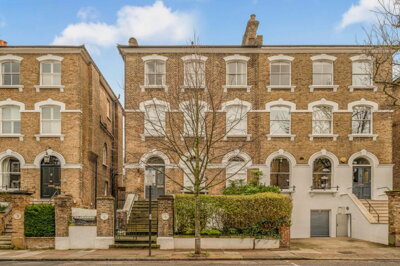
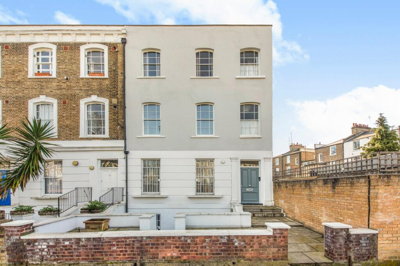
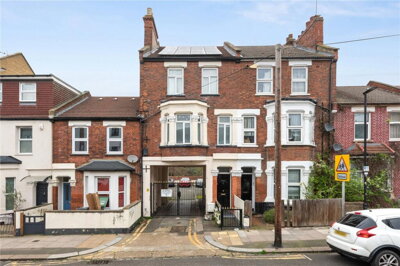
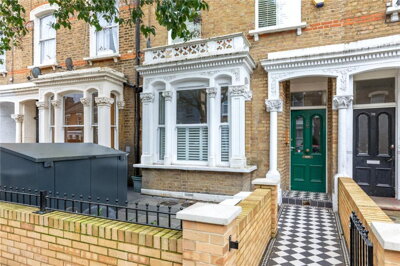
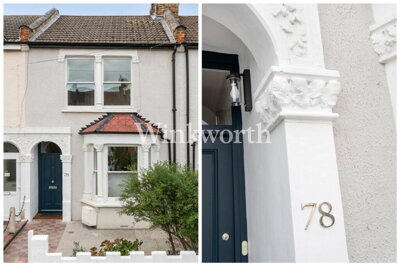
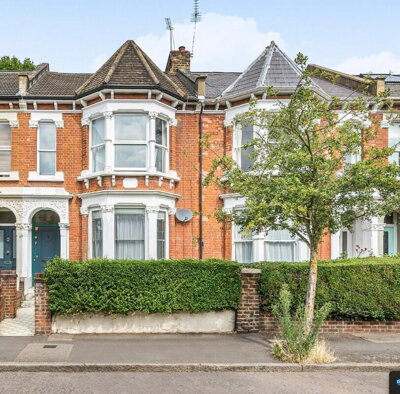
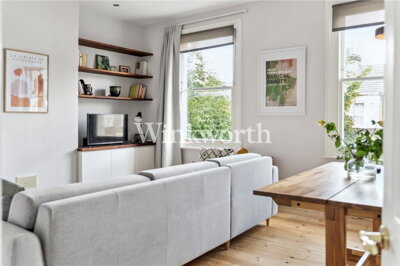
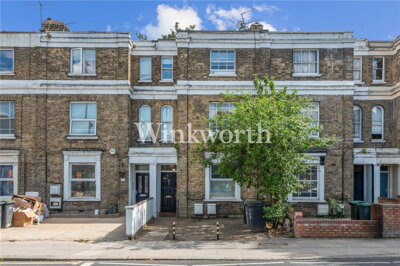
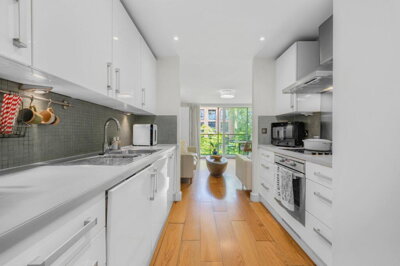
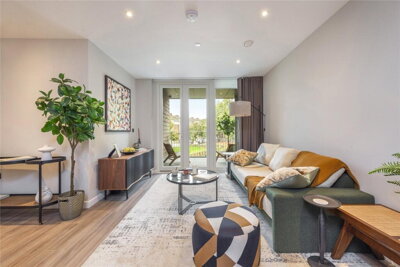
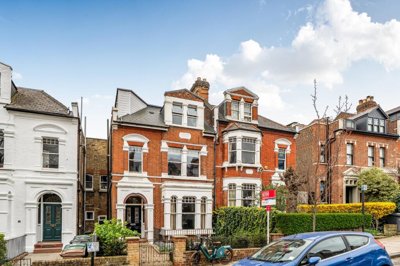
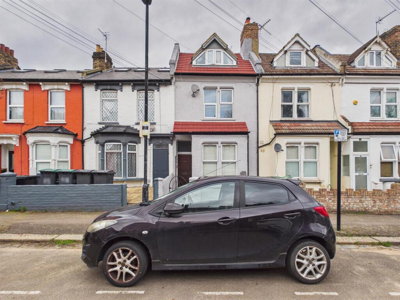
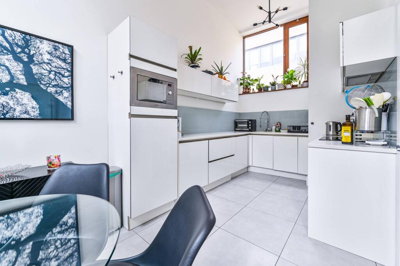
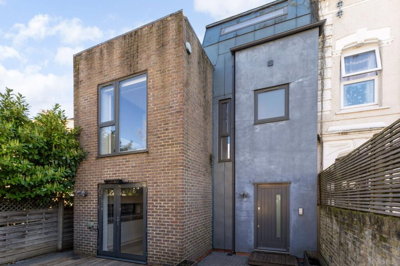
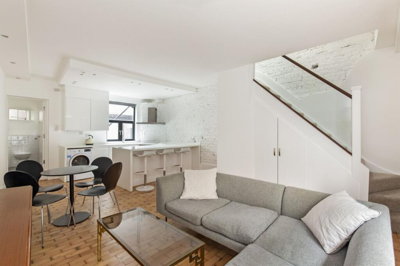
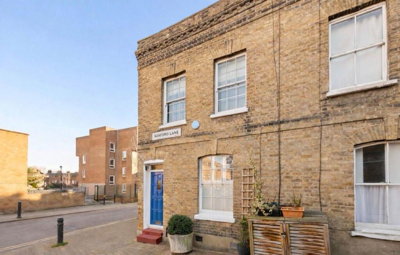
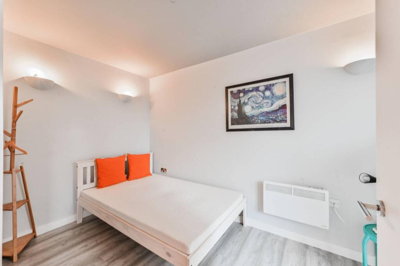
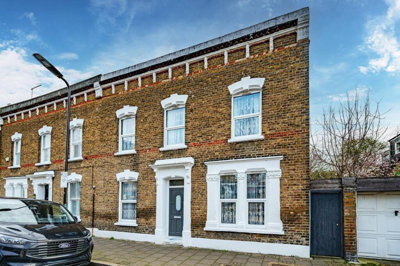
Browse 100 homes for sale in N16 from local estate agents.
The 2 bed house market features detached, semi-detached, and terraced properties with two separate bedrooms plus living spaces. Properties in N16 range from Victorian and Edwardian period homes to modern new builds, with pricing varying across different neighbourhoods.
£800k
9
2
87
Source: home.co.uk
Showing 9 results for 2 Bedroom Houses for sale in N16. 2 new listings added this week. The median asking price is £800,000.
Source: home.co.uk
Terraced
5 listings
Avg £930,000
Semi-Detached
3 listings
Avg £816,667
Detached
1 listings
Avg £475,000
Source: home.co.uk
Source: home.co.uk
The N16 postcode encompasses a diverse property landscape where Victorian and Edwardian architecture dominates the residential streets. Our data shows 398 property sales completed in the area over the past twelve months, reflecting a market that has seen modest price adjustments of 1.62% year-on-year. The overall average stands at £738,061, with significant variation between property types that buyers should understand when budgeting for their move to this part of north London. Recent market activity has shown resilient demand despite broader economic uncertainty, with well-presented properties in Stoke Newington achieving strong prices within weeks of listing.
For those seeking family homes, semi-detached properties command an average of £1,237,300, while terraced houses average £976,500 across the area's characteristic bay-fronted streets. Flat buyers will find more accessible entry points at an average of £528,683, making N16 achievable for first-time buyers and investors looking to capitalise on strong rental demand. Detached properties remain the premium segment, averaging £1,691,818, typically found along the broader avenues near Clissold Park and the streets surrounding St Mary's Church on Church Street.
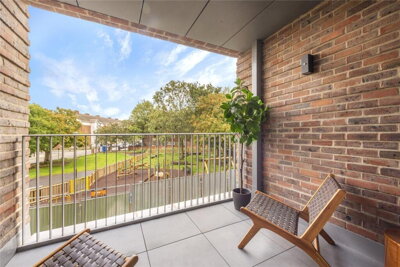
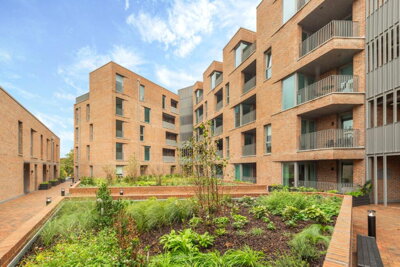
New build activity in N16 remains limited compared to some neighbouring postcodes, though The Otto development on N16 8BA offers contemporary apartments by Anthology ranging from £465,000 to £675,000 for one, two, and three-bedroom units. These new homes provide an alternative to the period stock that dominates the area, though many buyers prefer the character and solid construction of Victorian and Edwardian properties that make up the majority of the housing market. The proportion of flats in N16 stands at 60.2% according to recent census data, with terraced houses accounting for 31.7% of the stock.
Price trends over the past year show modest declines across all property types, with detached properties experiencing the largest drop at 1.88%, followed by semi-detached at 1.77%, terraced at 1.73%, and flats at 1.51%. These figures suggest a market offering potential opportunities for buyers who have been waiting for more favourable conditions, particularly those looking to enter the property ladder in Stoke Newington or investors seeking property at more realistic valuations than the peaks seen in recent years.
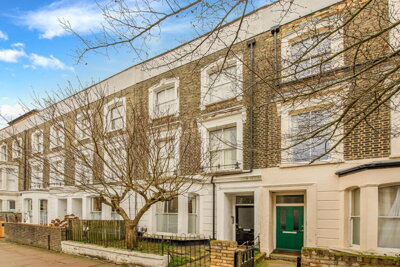
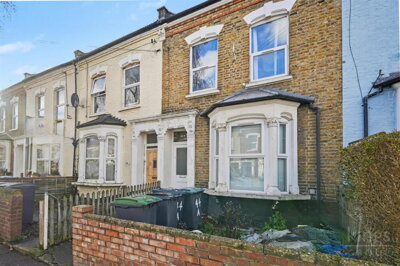
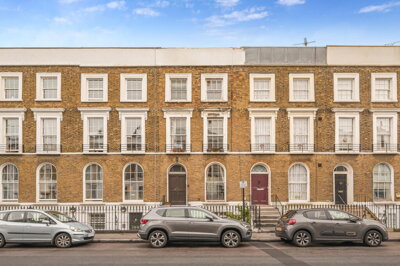
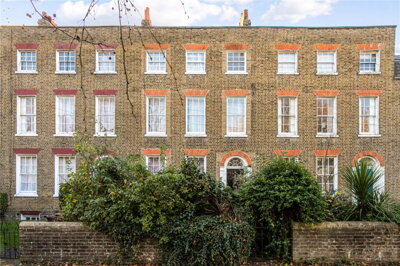
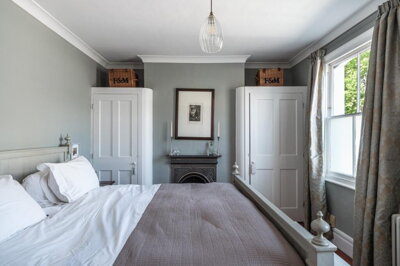
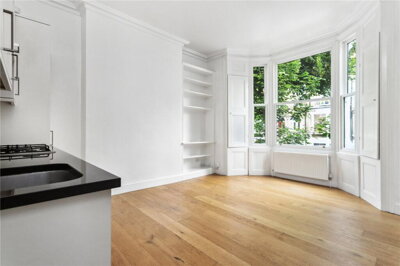
N16 serves approximately 60,000 residents across around 24,000 households, creating a dense yet welcoming community atmosphere. The area draws its distinctive character from the Victorian and Edwardian housing stock that lines most residential streets, featuring the iconic London stock brick construction with its warm yellow-brown tones and decorative stucco detailing. Generous bay windows, original fireplaces, and high ceilings define many properties here, reflecting the prosperity of north London when these homes were built in the late nineteenth and early twentieth centuries. The architectural consistency of the period housing creates the cohesive streetscape that makes Stoke Newington and Stamford Hill so appealing to buyers seeking character properties.
Stoke Newington village centre along Church Street remains the social heart of the neighbourhood, where independent bookshops sit alongside artisan bakeries, vintage boutiques, and acclaimed restaurants. The area pulses with creative energy while maintaining its village-square intimacy, particularly around the market stalls and community events that regularly animate the high street. Recent years have seen new independent cafes and restaurants open, catering to the diverse community that includes young professionals, established families, and the significant Orthodox Jewish population in neighbouring Stamford Hill. The weekly farmers market on Saturdays brings local producers to the heart of the community, reinforcing Stoke Newington's reputation for quality independent retail.
Stamford Hill offers a quieter residential feel, with long avenues of terraced houses leading toward open spaces and excellent local schools. The area is characterised by its strong community bonds and religious institutions serving the Orthodox Jewish community, alongside traditional terraces and conversions popular with families seeking more affordable routes onto the N16 property ladder. Transport links via Stamford Hill station ensure that residents remain well connected to the City and Liverpool Street, while the quieter streets offer a respite from the busier parts of Stoke Newington.
Green space abounds throughout N16, with Clissold Park providing 110 acres of public parkland featuring a lake, wildlife garden, paddling pools, and a cafe. The park's Victorian heritage features including the ornamental lake and Grade II listed features make it a treasured local amenity that directly influences property values in surrounding streets. Abney Park offers woodland walks and historical interest as a former cemetery and nature reserve, providing a unique natural escape within the urban environment. These green spaces are among the most frequently cited reasons that buyers choose N16 over neighbouring postcodes.

Education provision in N16 ranks among the key drivers of the area's desirability for families, with several primary schools earning outstanding Ofsted ratings. The surrounding streets fall within catchment areas for highly regarded institutions, and parents moving to N16 often cite school access as a primary motivation. Stoke Newington School for Girls has built a strong reputation in the secondary phase, while the broader Hackney and Haringey catchments serving parts of N16 include grammar schools and faith schools that attract applications from across north London. Primary schools within easy reach include those on Church Street and the surrounding residential roads, with many occupying handsome Victorian school buildings that form part of the area's architectural heritage.
For younger children, the area offers numerous nursery and primary options, from the Victorian school buildings on Church Street to modern faith primaries serving the Stamford Hill community. The concentration of families with children creates excellent support networks and extracurricular activities throughout the neighbourhood. Parents should verify current catchment boundaries and admission criteria with Hackney and Haringey councils, as these can influence which schools serve specific streets within the N16 postcode. School admission policies can change annually, making it essential to check current arrangements rather than relying on previous years' allocations.
Sixth form provision within easy reach includes schools with strong academic records, supplemented by nearby colleges offering vocational and A-level pathways. The diversity of educational options in N16 and surrounding postcodes means that families rarely need to compromise on their children's education regardless of which part of the postcode they choose to live in. For those seeking faith-based education, the Stamford Hill area offers options serving the Orthodox Jewish community, while secular and non-denominational schools remain well represented across the broader N16 area.
N16 benefits from excellent transport connections that make central London highly accessible for commuters. Stoke Newington railway station provides direct services to Liverpool Street in approximately 15 minutes, while nearby Stamford Hill station offers even faster journey times on the same line. The area also sits within easy reach of the London Overground network, with connections from Rectory Road and Stoke Newington stations linking to the wider north London rail network and facilitating travel without changing at Liverpool Street. These rail connections place Canary Wharf, the City, and the West End within comfortable commuting distance, explaining much of the premium that N16 commands over outer London postcodes.
Bus services through N16 are frequent and comprehensive, with routes connecting to Hackney, Islington, the City, and the West End. Night buses serve key routes for those working late or enjoying the area's nightlife without car dependency. The 67 bus route provides a particularly useful service connecting Stoke Newington to Upper Street in Islington, while routes to Dalston and Hackney offer access to further transport options and amenities. Residents without cars find that the comprehensive bus network more than compensates for the limitations of parking in resident-priority zones.
Drivers appreciate the proximity to major roads including the A10 and A503, though parking permits are competitive in resident-priority zones. Cycling infrastructure has improved significantly, with dedicated lanes on main routes and the flat terrain making electric bikes a practical option for commuters seeking to avoid public transport crowds. The canal paths to the north provide scenic cycling routes to Islington and beyond, while the area's low elevation makes it accessible for cyclists of all abilities. Many residents find that a combination of cycling for short journeys and rail for longer commutes offers the most practical daily routine.

Before viewing any properties, obtain a mortgage agreement in principle from a lender. This strengthens your position when making offers and demonstrates to sellers that you are a serious buyer. N16's competitive market means properties can sell quickly, so having your finances confirmed in advance gives you a crucial advantage over other bidders. Factor in additional costs including stamp duty, solicitor fees, survey costs, and removal expenses to avoid shortfalls during your transaction.
Spend time exploring N16's different streets and character areas before committing. Consider proximity to your workplace, schools if applicable, green spaces like Clissold Park, and the amenities on Church Street. Understanding which part of N16 suits your lifestyle will help you focus your search and make a confident decision when the right property appears. Visit at different times of day and week to gauge noise levels, parking conditions, and the character of the neighbourhood.
Visit multiple properties to compare the varied housing stock, from bay-fronted Victorian terraces to modern apartments in converted buildings. Take photographs and notes during viewings, paying attention to the condition of shared areas in flats and any signs of damp or structural movement that might require further investigation before proceeding. Ask about the length of the current ownership, any recent renovations, and outstanding maintenance issues that might affect your purchase decision.
Once your offer is accepted, arrange a RICS Level 2 Survey to assess the property condition thoroughly. Given that over 70-80% of N16 properties are Victorian or Edwardian construction, a professional survey is essential. The survey will check for common issues including damp, roof condition, subsidence risk from London Clay, and outdated electrics. Survey costs typically range from £450-£650 for flats and £600-£900 for terraced houses in this area.
Your solicitor will conduct local authority, drainage, and environmental searches specific to the N16 area, checking for any planning constraints, conservation area requirements, or flood risk notices that might affect the property. They will also verify lease terms if purchasing a flat and raise enquiries on your behalf before exchanging contracts, typically 4-6 weeks after instruction. Conservation area restrictions around Church Street and Clissold Park may affect plans for extensions or alterations.
On completion day, your solicitor transfers the remaining funds and you receive the keys to your new N16 home. Arrange your mail redirect, notify utility suppliers, and register with local services. Take time to explore your new neighbourhood's independent shops, cafes, and the wonderful Clissold Park on your doorstep. Introduce yourself to neighbours and discover the community events that make Stoke Newington and Stamford Hill such desirable places to live.
Understanding the construction of properties in N16 helps buyers appreciate both the character and the potential maintenance requirements of their new home. The vast majority of properties in Stoke Newington and Stamford Hill were built during the Victorian and Edwardian periods, with construction methods reflecting the building practices of the late nineteenth and early twentieth centuries. London stock brick forms the primary construction material, characterised by its warm yellow-brown colour and distinctive weathered appearance that gives many N16 streets their cohesive appearance. These solid brick walls were typically constructed with lime-based mortars rather than modern cement, which affects breathability and requires specific repair techniques.
Traditional Victorian and Edwardian properties in N16 feature suspended timber floors at ground level, with solid construction at first floor and above. These timber floors can be susceptible to rot if exposed to persistent damp, a particular concern given the area's London Clay geology and the mature trees that line many residential streets. We check the condition of these floors carefully during surveys, as replacement costs can be substantial. Roof construction typically uses traditional cut timber roof trusses with slate or plain tile coverings, both of which can develop issues with age including slipped tiles, damaged flashing, and deterioration of the underlying felt.
Original features remain intact in many N16 properties, including cast iron fireplaces, decorative plasterwork, sash windows with single glazing, and ornate skirting boards. While these features contribute significantly to the character and value of period properties, they also represent potential maintenance liabilities. Single-glazed sash windows are a common source of heat loss and can suffer from decay in the timber frames and cords. Original cast iron fireplaces may remain functional but often require professional inspection before use. The combination of period features and older construction systems means that buyers should budget for ongoing maintenance rather than assuming modern systems throughout.
Properties in N16 present specific considerations that buyers should understand before committing to a purchase. The London Clay geology underlying the entire postcode creates shrink-swell subsidence risk, particularly for older properties with large trees planted close to foundations. Cracks in walls, especially around door and window frames, should be investigated thoroughly by a RICS Level 2 Survey before purchase. The extensive tree canopy throughout Stoke Newington and Stamford Hill adds beauty to the streets but requires careful monitoring of foundation conditions. Properties near the edges of Clissold Park and along streets with mature London planes require particular attention to foundation movement indicators.
Damp affects many period properties in N16, manifesting as rising damp where solid floors lack proper damp-proof courses, penetrating damp through cracked render or defective leadwork, and condensation issues resulting from inadequate ventilation in heavily insulated properties. Our inspectors frequently find evidence of damp in properties that appear well-maintained at first glance, particularly in north-facing walls and ground floor rooms with limited airflow. Original lime-based mortars and plasters were designed to breathe with solid brick walls, so modern impervious coatings can trap moisture and create problems where none previously existed.
Conservation area restrictions apply to significant portions of N16, particularly around Stoke Newington Church Street and the Clissold Park conservation areas. These designations protect the historic character of the neighbourhood but impose planning requirements on alterations, extensions, and exterior changes. Buyers purchasing listed buildings will need specialist heritage advice and should budget for potentially higher maintenance costs to preserve original features. Always verify conservation area status and listed building status with your solicitor during the conveyancing process. Properties on Church Street itself and the surrounding streets contain numerous Grade II listed buildings including churches, public houses, and private residences.
Electrical and plumbing systems in period properties often require updating to meet current standards and accommodate modern usage patterns. Original wiring and lead pipes that remain in older N16 properties can present safety concerns and insurance implications. Asbestos-containing materials may be present in properties built or renovated before 2000, particularly in Artex coatings, bitumen floor tiles, and insulation materials. A thorough survey will identify these hazards and allow buyers to budget for safe removal or management before moving in.
Beyond the general condition of a property, buyers in N16 should pay particular attention to signs of previous structural movement and the proximity of trees to foundations. The shrink-swell behaviour of London Clay means that properties with large trees, particularly those with shallow root systems like sycamores and poplars, may have experienced foundation movement over time. Look for diagonal cracks extending from corners of doors and windows, uneven floors, and doors that stick or fail to close properly. Our inspectors check crack patterns carefully to determine whether movement is historic and stable or active and potentially progressive.
The quality of shared maintenance in conversion properties deserves careful investigation, especially in blocks where multiple flats share responsibility for roof and structure maintenance. Service charge disputes, outstanding major works, and poorly maintained communal areas can indicate future financial liabilities for leaseholders. Request copies of recent service charge bills, maintenance schedules, and any notices of planned works from the vendor. Buildings insurance should be in place with appropriate cover for the rebuild cost, and leaseholders should verify that their share of this cost is reasonable.
Flood risk in N16 primarily relates to surface water rather than river flooding, with low-lying areas and those near main roads more susceptible to water accumulation during heavy rainfall. While significant flooding events are uncommon, climate change has increased the frequency of intense rainfall episodes that can overwhelm drainage systems. Check the property's history for any flood-related insurance claims and consider the drainage arrangements for any basement or lower ground floor accommodation. Properties with underground parking or basement flats should be inspected particularly carefully for signs of water ingress.
The current average property price in N16 stands at £738,061 according to recent transaction data. However, prices vary considerably by property type, with flats averaging £528,683, terraced houses at £976,500, semi-detached properties at £1,237,300, and detached homes reaching £1,691,818. Prices have decreased by approximately 1.62% over the past twelve months, creating potential opportunities for buyers in this traditionally competitive north London market. The modest price correction has brought some properties within reach of buyers who previously found the market challenging to enter.
Properties in N16 fall under Hackney Council or Haringey Council depending on the specific street, with bands ranging from A through H reflecting property values. Most Victorian terraced houses in Stoke Newington and Stamford Hill fall into bands C to E, while larger detached properties or those recently renovated may be in higher bands. Council tax charges vary year on year, so buyers should check current rates with the relevant local authority. The split between the two boroughs affects which council provides services and sets the annual council tax for your property.
N16 offers strong primary education options with several schools achieving good or outstanding Ofsted ratings within the Hackney and Haringey catchments. Stoke Newington School for Girls provides secondary education with a strong reputation, while primary schools serving the area include both Victorian buildings on Church Street and modern facilities serving the Stamford Hill community. Parents should verify current admission boundaries as they can change annually, and consider both primary and secondary requirements when choosing a property location. The area also serves Stamford Hill's notable Orthodox Jewish community with associated educational provision, including schools with specialist religious curricula alongside secular options.
N16 enjoys excellent transport links with Stoke Newington and Stamford Hill stations providing direct trains to Liverpool Street in approximately 15 minutes. The London Overground network serves nearby stations with connections across north and east London, while the Overground extension has improved access to destinations including Canary Wharf and Stratford. Multiple bus routes traverse the postcode connecting to Hackney, Islington, and the City, while night services ensure late-night travel options for commuters and social visitors alike. The combination of rail and bus services makes car ownership optional for most residents.
N16 attracts consistent investor interest due to strong rental demand from professionals drawn to the area's lifestyle amenities and central London connectivity. The high proportion of flats in the housing stock at 60.2% creates a solid foundation for buy-to-let portfolios, while property values have demonstrated relative stability with modest recent adjustments. However, investors should factor in conservation area restrictions and leasehold considerations when evaluating potential returns. The average flat price of £528,683 and strong rental yields in the area make entry-level investment achievable, though understanding lease terms and service charge implications remains essential before committing to purchase.
Standard stamp duty rates apply to N16 purchases, with no additional levies for this postcode. Current thresholds mean buyers pay nothing on the first £250,000, then 5% on the portion up to £925,000. First-time buyers benefit from relief on the first £425,000, paying 5% only on the amount between £425,000 and £625,000. Properties above £925,000 attract higher rates of 10% and 12% on the value above that threshold. For a typical terraced house in N16 at £976,500, a standard buyer would pay approximately £36,325 in stamp duty, making this a significant element of the overall purchase cost.
Given the predominantly Victorian and Edwardian construction throughout N16, buyers should watch for signs of damp including rising, penetrating, and condensation-related varieties, roof condition issues including slipped tiles and damaged flashing, and evidence of structural movement linked to the underlying London Clay geology. Many properties retain original electrical and plumbing systems requiring updating, while timber defects such as rot and woodworm affect floorboards and structural elements. A thorough RICS Level 2 Survey will identify these issues before you commit to purchase, with survey costs ranging from £450-£650 for flats and £600-£900 for terraced houses in this area. Properties with mature trees nearby require particular attention to foundation conditions.
Yes, N16 contains several significant conservation areas that impose planning controls on alterations and extensions. The Stoke Newington Church Street Conservation Area covers the historic village centre and surrounding streets, protecting the architectural character of Victorian and Edwardian buildings. The Clissold Park Conservation Area extends around the park and influences properties on nearby streets. Planning permission from Hackney or Haringey councils may be required for works that would normally be permitted development outside conservation areas, including some roof alterations, extensions, and changes to exterior appearance. Listed buildings carry additional requirements and restrictions on alterations to original features.
Calculating your total purchase costs requires careful budgeting beyond the property price itself. Stamp duty land tax forms a significant element, with rates calculated on a tiered basis from April 2024. For a typical flat in N16 at the average price of £528,683, a standard buyer would pay nothing on the first £250,000, then 5% on the remaining £278,683, totalling approximately £13,934. First-time buyers could reduce this bill substantially if the property meets eligibility criteria, potentially paying nothing at all on purchases up to £425,000 or a reduced amount on slightly higher values.
Additional purchase costs include mortgage arrangement fees typically ranging from £1,000-£2,000 depending on the lender and product chosen, surveyor fees for a RICS Level 2 Survey at £450-£900 depending on property type and size, and solicitor fees averaging £1,000-£1,500 for standard conveyancing. Searches specific to N16 properties include local authority checks with Hackney or Haringey councils depending on the property location, drainage and water searches, and environmental searches that investigate ground conditions including the London Clay shrink-swell risk that affects much of the postcode area.
Budget around 3-5% of the property price for these additional costs to avoid shortfalls during your transaction. For a terraced house at the N16 average of £976,500, this means setting aside approximately £29,000-£49,000 beyond the purchase price. First-time buyers should note that while stamp duty relief may reduce their immediate costs, they should still budget for survey, legal, and mortgage fees that apply regardless of buyer status. Using a specialist conveyancing solicitor familiar with N16 properties can help identify any area-specific issues during the legal process.
From 4.5%
Specialist mortgage advice for N16 properties with competitive rates from trusted lenders
From £499
Property solicitors experienced in N16 transactions including conservation area and listed building purchases
From £450
Professional property surveys for Victorian and Edwardian homes in Stoke Newington and Stamford Hill
From £80
Energy performance certificates required for all property sales in N16
Properties for Sale In London

Properties for Sale In Plymouth

Properties for Sale In Liverpool

Properties for Sale In Glasgow

Properties for Sale In Sheffield

Properties for Sale In Edinburgh

Properties for Sale In Coventry

Properties for Sale In Bradford

Properties for Sale In Manchester

Properties for Sale In Birmingham

Properties for Sale In Bristol

Properties for Sale In Oxford

Properties for Sale In Leicester

Properties for Sale In Newcastle

Properties for Sale In Leeds

Properties for Sale In Southampton

Properties for Sale In Cardiff

Properties for Sale In Nottingham

Properties for Sale In Norwich

Properties for Sale In Brighton

Properties for Sale In Derby

Properties for Sale In Portsmouth

Properties for Sale In Northampton

Properties for Sale In Milton Keynes

Properties for Sale In Bournemouth

Properties for Sale In Bolton

Properties for Sale In Swansea

Properties for Sale In Swindon

Properties for Sale In Peterborough

Properties for Sale In Wolverhampton

Enter your details to see if this property is within your budget.
Loans, cards, car finance
Estimated property budget
Borrowing + deposit
You could borrow between
Typical borrowing
Monthly repayment
Est. at 4.5%
Loan-to-value
This is an estimate only. Your actual budget may vary depending on interest rates, credit history, and personal circumstances. For an accurate affordability assessment, speak to one of our free mortgage advisors.
This calculator provides estimates for illustrative purposes only and does not constitute financial advice. Your home may be repossessed if you do not keep up repayments on your mortgage. Estimates based on 4.5% interest rate, repayment mortgage. Actual rates depend on your circumstances.
Homemove is a trading name of HM Haus Group Ltd (Company No. 13873779, registered in England & Wales). Homemove Mortgages Ltd (Company No. 15947693) is an Appointed Representative of TMG Direct Limited, trading as TMG Mortgage Network, which is authorised and regulated by the Financial Conduct Authority (FRN 786245). Homemove Mortgages Ltd is entered on the FCA Register as an Appointed Representative (FRN 1022429). You can check registrations at NewRegister or by calling 0800 111 6768.

We use cookies to show you personalised content and improve your experience of our website. Find out more in our Privacy policy and Cookie policy.