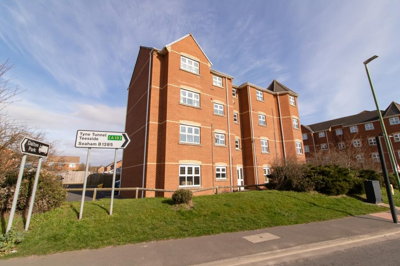
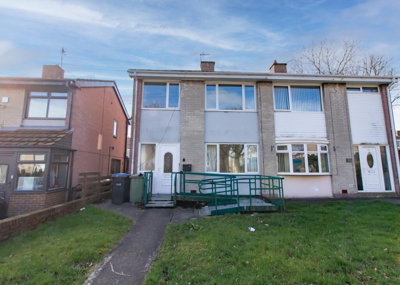
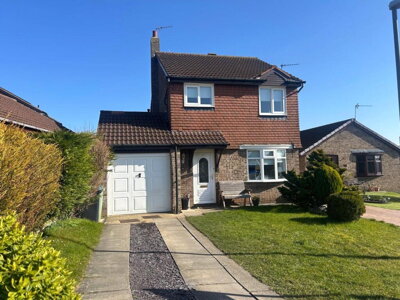
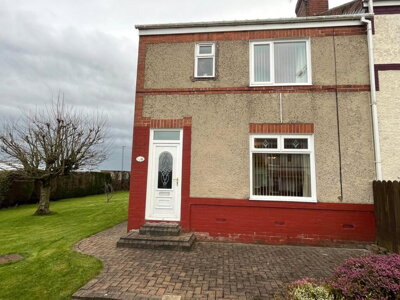
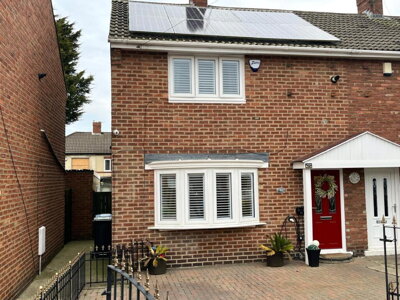
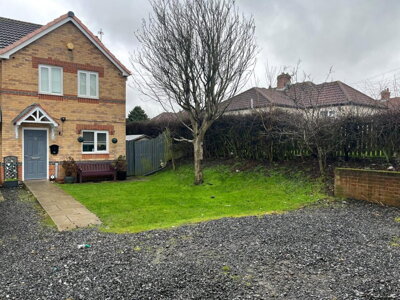
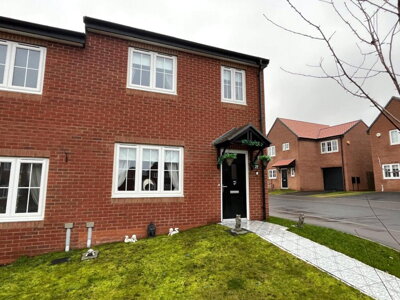
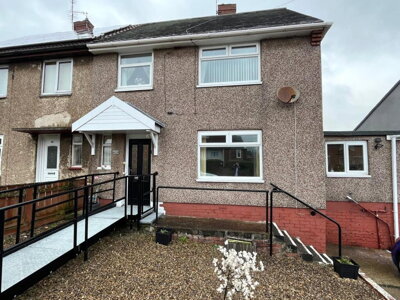
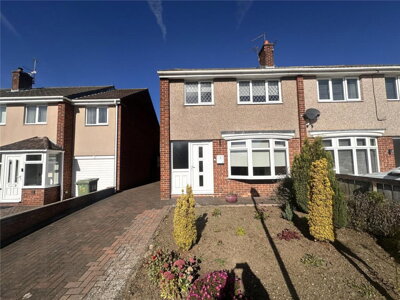
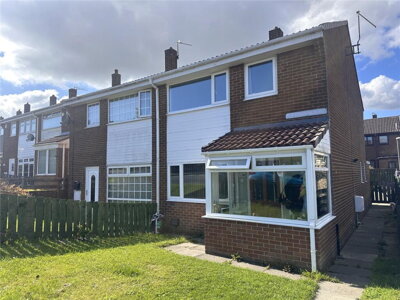
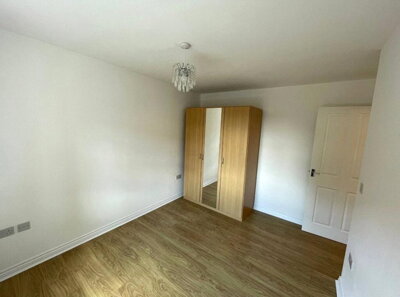
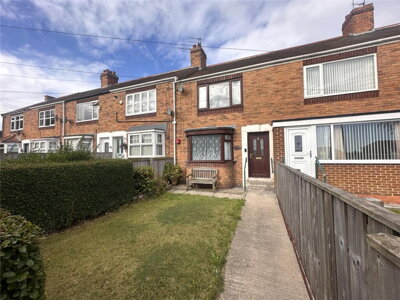
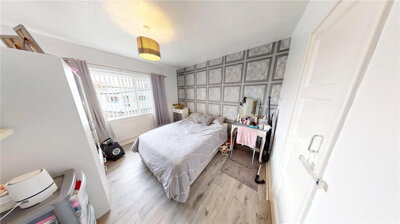
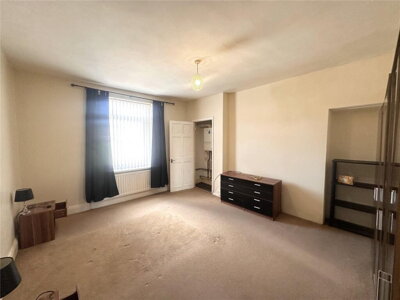
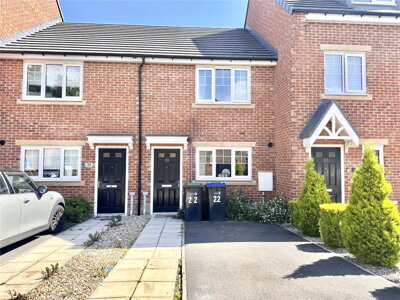
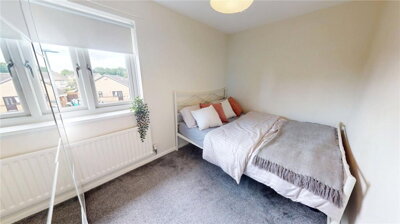
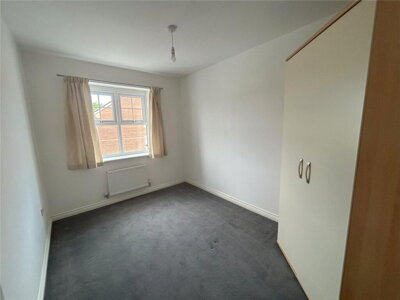
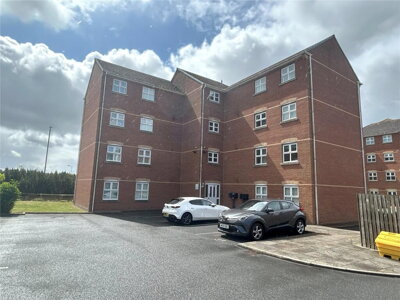
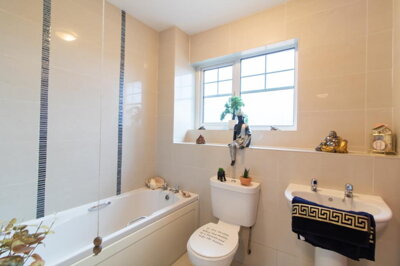
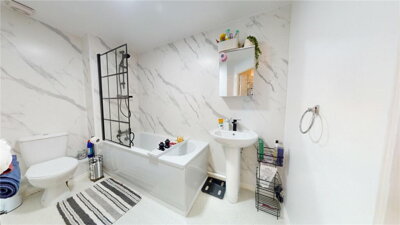
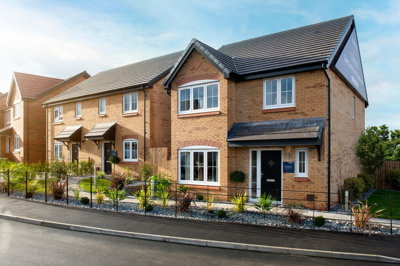
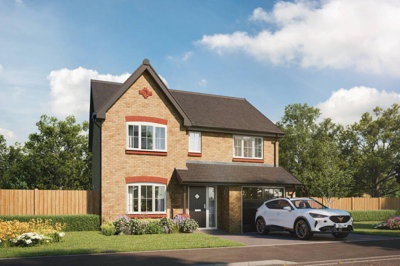
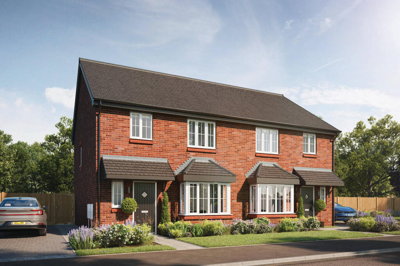
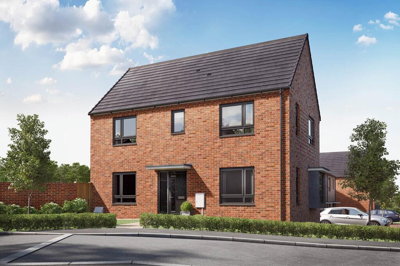
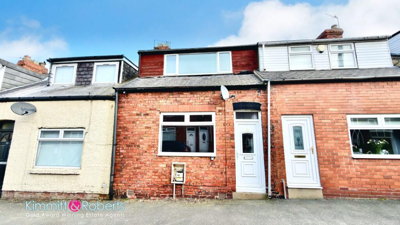
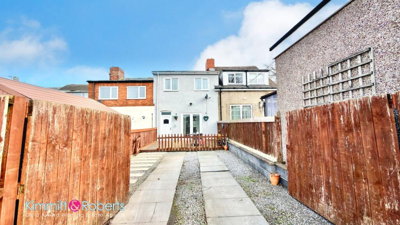
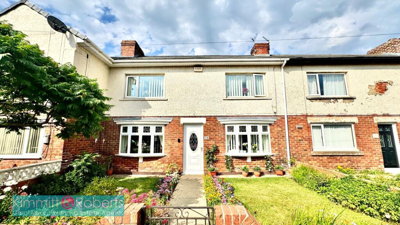
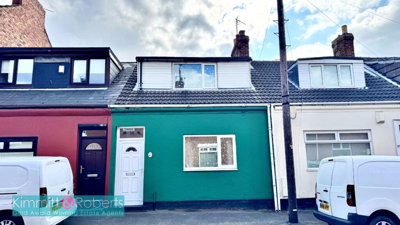
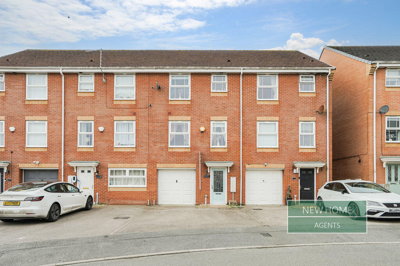
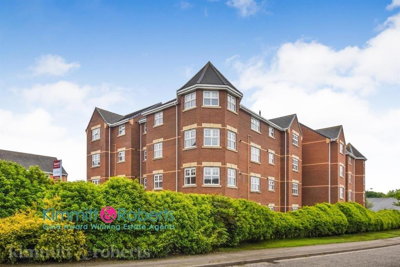
Browse 242 homes for sale in Murton from local estate agents.
The Norton St Philip property market reflects the village's desirability as a location that combines heritage charm with modern living. According to recent data from property portals, average sold prices in the village stand at approximately £527,000 to £740,000 depending on the postcode area and data source consulted. Zoopla reports an average sold price of £740,000 for the Bath BA2 postcode area covering Norton St Philip, while OnTheMarket shows £532,000 for the village specifically as of January 2026. Detached properties, which are relatively scarce in this compact village, command the highest prices with averages around £795,000, while semi-detached homes offer more accessible entry points from approximately £415,000.
Terraced properties, many of which are charming stone cottages dating from the 17th century, average around £612,500, though individual prices vary significantly based on condition, location within the village, and whether the property is listed. Price trends across the village show considerable variation depending on location and property type. For example, the BA2 7PE postcode area has seen rises of up to 47% compared to the previous year, while the BA2 7LH postcode has experienced corrections of around 44% from its 2023 peak of £865,000. The BA2 7NR postcode shows more stable growth at 15% above the previous year and 15% above its 2021 peak.
This variation reflects the village's position within the Bath commuter belt, where buyers pay premiums for proximity to the city while also benefiting from more competitive pricing than central Bath. The market remains active with new listings appearing regularly, and the village's high owner-occupation rate of 92% indicates strong community stability that appeals to families and professionals alike. Recent development activity includes the original Fortescue Fields development of 51 homes, with Phase II proposing an additional 27 dwellings pending planning approval.

Life in Norton St Philip revolves around the village's historic core, where the Parish Church of St Philip and St James stands as a focal point for community life. The village grew from medieval origins as a market town serving the surrounding agricultural area, with a flourishing cloth trade that declined after the Industrial Revolution. Today, Norton St Philip retains much of its historic character, with 85 listed buildings creating an architectural heritage that includes the remarkable 14th-century George Inn, one of England's oldest pubs, as well as numerous 17th-century stone structures that line the High Street and surrounding lanes. The George Inn itself features roughly coursed rubble Doulting Stone on its ground floor with a remarkable 16th-century oversailing timber-framed frontage on the upper floors.
The village supports a surprising range of amenities for its size, including two welcoming pubs, a convenience store incorporating a post office, a popular farm shop and cafe, and a vibrant village hall that hosts community events throughout the year. Haven Timber, a timber building construction company located on Farleigh Road, represents one of the village's notable local businesses, while the headquarters of Bath Rugby maintains a presence in the area. Families are drawn to Norton St Philip for its strong sense of community, with the local first school and pre-school providing education for younger children, while older students travel to nearby Frome or Bath for secondary education.
The village's higher-than-average proportion of residents working from home, around 14% according to the 2011 Census, reflects the modern reality of rural village life where fast broadband enables commuters and remote workers to enjoy village living without sacrificing career opportunities. The population has grown from 1,004 residents recorded in the 2021 Census to an estimated 1,087 in 2024, demonstrating the village's ongoing appeal to buyers seeking a quieter lifestyle within commuting distance of Bath and the surrounding employment centres.

Families considering Norton St Philip will find a selection of educational options within the village and surrounding area. The village hosts a first school providing education for children from reception through to Year 6, serving the local population with a focus on primary education in a small village setting. For younger children, a preschool operates alongside the first school, offering early years care and education that prepares children for the transition into formal schooling. The intimate class sizes and strong community connections at these local establishments make them popular with Norton St Philip families who value the personal attention children receive in smaller school environments.
Secondary education options require travel beyond the village, with local choices including schools in Frome, which offers a range of secondary schools including academy's and grammar schools, and the wider Bath area with its highly regarded secondary schools. Parents should research specific catchment areas and admission policies, as these can vary significantly depending on the precise location within the village and the schools selected. School bus services operate to some nearby secondary schools, though parents should verify current arrangements as these can change. For families considering Norton St Philip, arranging visits to both the village first school and potential secondary schools is advisable to understand the full education landscape and travel arrangements required.
Norton St Philip benefits from a strategic position at the intersection of the B3110 and A366, providing direct road connections to Bath and the surrounding Somerset countryside. The village lies approximately eight miles south of Bath city centre, making car commutes of around 25 to 35 minutes possible during typical traffic conditions, though rush hour travel can extend this journey time considerably. The A36 trunk road passes nearby, providing a faster route to Bath and connecting onwards to Southampton and the south coast, while the A303 gives access to the wider motorway network via the M3 corridor for journeys toward London.
Public transport options serving Norton St Philip include bus services connecting the village to Bath, Frome, and other nearby towns, though frequencies are limited compared to urban routes and schedules should be checked carefully for accuracy. The nearest railway station is located in Bath Spa, offering direct services to Bristol Temple Meads, London Paddington via Reading, Southampton Central, and other major destinations. Many Norton St Philip residents choose to drive to Bath Spa station or other nearby stations for rail travel, particularly given the village's rural nature where car ownership remains high. Cyclists benefit from quiet country lanes for recreational rides, though serious commuting by bicycle requires careful route planning given the hilly terrain characteristic of this part of Somerset.
Start by exploring current listings in the village to understand what is available at your budget. Norton St Philip offers diverse property types from historic stone cottages to modern family homes, with prices ranging from around £415,000 for semi-detached properties to £795,000 for detached houses. Consider engaging a local estate agent familiar with the village's unique market dynamics and the nuances of its Conservation Area status.
Before viewing properties, obtain a mortgage agreement in principle from a lender to confirm your budget and demonstrate your seriousness to sellers. With average prices above £500,000, most buyers in Norton St Philip require substantial mortgages. Contact our mortgage partners to compare rates and find the best deal for your circumstances, as rates vary significantly between lenders for properties in this price range.
Schedule viewings of properties that match your requirements, taking time to assess not only the property condition but also the neighbourhood character and proximity to amenities. Many properties in Norton St Philip are period buildings that may require survey work beyond a basic valuation, so attend viewings with a critical eye toward potential maintenance issues.
Given the prevalence of 17th-century stone buildings in Norton St Philip, a thorough RICS Level 2 Home Survey is essential. This will identify any structural issues, damp problems, or maintenance needs common in older properties constructed from Doulting Stone. Properties in the Conservation Area or those that are listed may require the more detailed Level 3 survey to properly assess their condition and any heritage-related considerations.
Once your offer is accepted, instruct a conveyancing solicitor to handle the legal aspects of your purchase. Your solicitor will conduct searches, handle contracts, and coordinate with your mortgage lender to ensure a smooth transaction through to completion. Given the village's history and the presence of listed buildings, local searches will be particularly important to identify any historic planning constraints or environmental considerations.
Purchasing property in Norton St Philip requires attention to specific local factors that buyers may not encounter in more urban settings. The village's Conservation Area status, designated in 1969 and extended in 1996, means that exterior alterations to many properties require planning permission from Mendip District Council, and owners must adhere to guidelines protecting the village's historic character. If you are considering renovations or extensions, consult the Conservation Area appraisal and seek pre-application advice to understand what is permissible. The presence of 85 listed buildings within the village also means that some properties carry additional restrictions under listed building consent requirements.
Flood risk and drainage require careful consideration for Norton St Philip buyers. The village overlooks the valley of Norton Brook, and planning applications have been rejected due to surface water flooding concerns, with Victorian sewers already at capacity during heavy rainfall. A sewage discharge monitoring station on a tributary of the brook has recorded significant discharge events in recent years. Prospective buyers should review drainage assessments, consider the history of any flooding affecting the property, and ensure that buildings insurance covers flood risk appropriately. The village's location on Forest Marble oolitic limestone means buyers should be aware of potential ground movement issues, particularly in properties with large trees near shallow foundations where clay soils may cause shrink-swell movement.
The mining history of the Somerset Coalfield, with peak activity between 1900 and 1920 and the last local mine closing in 1957, suggests a need for thorough surveys on some properties to investigate potential ground stability issues. While specific local subsidence data is limited, the presence of historic mining activity warrants investigation for properties in certain areas of the parish. A comprehensive RICS Level 3 Survey may be advisable for older properties where mining-related subsidence could be a concern, particularly where property records indicate proximity to former mine workings or where signs of movement are visible.
Average house prices in Norton St Philip currently range from approximately £527,000 to £651,000 depending on the data source, with Zoopla reporting an average sold price of £740,000 for the Bath BA2 postcode area and OnTheMarket showing £532,000 for the village specifically as of January 2026. Detached properties average around £795,000, semi-detached homes around £415,000, and terraced properties approximately £612,500. Price trends vary significantly by postcode, with some areas showing rises of up to 47% year-on-year while others have corrected by around 44% from recent peaks, reflecting the nuanced nature of this compact village market.
Norton St Philip falls within the Mendip District Council area for council tax purposes. Specific bandings depend on the property's assessed value, with most period stone cottages in the village likely to fall within bands C to E given their typical market values. Prospective buyers should check the exact band for any specific property through the Valuation Office Agency website or request this information during the conveyancing process, as council tax bands can affect ongoing running costs significantly and may influence mortgage affordability calculations.
Norton St Philip has a popular first school serving primary-aged children and a preschool for early years, both located within the village itself and valued for their intimate class sizes and community focus. For secondary education, families typically look to schools in nearby Frome or Bath, with options including academy schools and grammar schools depending on catchment areas and admission criteria. The closest secondary schools are generally accessible by school bus services, though parents should research specific school admissions carefully as catchment boundaries can be complex and subject to change.
Public transport connections from Norton St Philip are limited compared to urban areas. Bus services connect the village to Bath and Frome, but frequencies are low and schedules should be verified before relying on public transport for daily commuting. The nearest railway station is Bath Spa, providing direct services to Bristol Temple Meads, London Paddington, Southampton, and other major cities. Most residents own cars, and the village is well positioned for road connections to Bath via the A36 and to the wider motorway network via the A303.
Norton St Philip offers strong investment potential due to its desirable location within easy reach of Bath, limited property supply given the village's Conservation Area status, and consistently high demand from buyers seeking village character and community spirit. The village's 92% owner-occupation rate indicates stability, while ongoing developments including Bell Hill with 9 new homes and Fortescue Fields Phase II with 27 dwellings show continued interest from developers and housebuilders. Properties in Conservation Areas with quality local amenities and good transport links typically hold their value well, though buyers should note that listed building restrictions and planning controls can limit certain types of development.
Stamp Duty Land Tax rates for residential properties purchased in England from April 2025 are 0% on the first £250,000 of purchase price, 5% on £250,001 to £925,000, 10% on £925,001 to £1.5 million, and 12% on any amount above £1.5 million. First-time buyers benefit from relief on the first £425,000, with 5% charged between £425,001 and £625,000. Given average Norton St Philip prices around £527,000, a typical purchase would attract SDLT on the portion above £250,000 at the 5% rate, resulting in approximately £13,850 in stamp duty for non-first-time buyers.
From 4.5% APR
Compare mortgage deals from trusted lenders
From £499
Expert conveyancing solicitors to handle your purchase
From £350
Thorough survey ideal for most properties including older stone buildings
From £80
Energy performance certificate for your new home
The distinctive character of Norton St Philip owes much to its traditional building materials, with Doulting Stone serving as the predominant construction material throughout the village. This coarse-grained pale grey limestone, quarried locally near the village of Doulting, has been used in the area for centuries due to its excellent weathering properties and availability. Many buildings in the village, particularly along the High Street, The Plain, Church Street, and North Street, are 17th-century stone structures, some of which may represent rebuilds of medieval properties on original plots. The George Inn, one of England's oldest pubs, features roughly coursed rubble Doulting Stone on its ground floor with a remarkable 16th-century oversailing timber-framed frontage on the upper floors, exemplifying the vernacular construction techniques that define the village.
Newer construction in Norton St Philip, including recent developments like the original Fortescue Fields of 51 homes, has generally sought to respect local building traditions by using natural stone and locally sourced materials. Roofs throughout the village typically feature natural slate or clay double Roman tiles, maintaining the traditional appearance that contributes to Norton St Philip's Conservation Area character. The local geology, situated within outcrops of Forest Marble and other Somerset limestones, means that building foundations in the village generally perform well on the oolitic limestone substrate, though the shrink-swell potential of clay soils in some areas should be considered during site investigations for new development or extension projects.
Common defects in older stone properties throughout Norton St Philip include dampness resulting from inadequate waterproofing or lack of modern damp-proof courses, deterioration of traditional roof coverings, and structural issues related to natural ground movement or inadequate drainage. Electrical systems in period properties often require updating to meet modern safety standards, and plumbing systems may feature galvanized or lead pipes that need replacement. A thorough survey is particularly valuable for stone-built properties given the unique construction methods and potential for hidden defects that may not be apparent during a standard valuation.
Norton St Philip carries a rich historical legacy that stretches back to at least the medieval period when the village developed as an important market town serving the surrounding agricultural region. The cloth trade brought prosperity to the village during medieval times, though this economic activity declined significantly after the Industrial Revolution shifted manufacturing to urban centres. The village continued largely undisturbed through the 18th and 19th centuries, preserving its medieval street pattern and many individual dwellings that remain today. The Parish Church of St Philip and St James, dating from the 15th century and designated Grade II*, stands as the village's most significant ecclesiastical building, while the George Inn claims origins dating to the 14th or 15th century, earning its Grade I listed status as one of Britain's oldest surviving inns.
The 19th century brought additional institutional buildings including a school in 1827, the Baptist Chapel in 1814, and later a Wesleyan Methodist Chapel, Police Station, and Jubilee Hall. The village's position near the Somerset Coalfield brought mining activity to the area, with extensive coal extraction during the 16th and 17th centuries followed by deeper pit mining from the 1790s onwards, peaking between 1900 and 1920 before the last local mine closed in 1957. This mining heritage has left its mark on the local landscape and remains relevant for property surveys today. The 20th century saw gradual development including bungalows in Springfield and Fairclose during the 1960s, with significant expansion occurring more recently, though the pace of development remains constrained by the village's Conservation Area status and rural location.
Properties for Sale In London

Properties for Sale In Plymouth

Properties for Sale In Liverpool

Properties for Sale In Glasgow

Properties for Sale In Sheffield

Properties for Sale In Edinburgh

Properties for Sale In Coventry

Properties for Sale In Bradford

Properties for Sale In Manchester

Properties for Sale In Birmingham

Properties for Sale In Bristol

Properties for Sale In Oxford

Properties for Sale In Leicester

Properties for Sale In Newcastle

Properties for Sale In Leeds

Properties for Sale In Southampton

Properties for Sale In Cardiff

Properties for Sale In Nottingham

Properties for Sale In Norwich

Properties for Sale In Brighton

Properties for Sale In Derby

Properties for Sale In Portsmouth

Properties for Sale In Northampton

Properties for Sale In Milton Keynes

Properties for Sale In Bournemouth

Properties for Sale In Bolton

Properties for Sale In Swansea

Properties for Sale In Swindon

Properties for Sale In Peterborough

Properties for Sale In Wolverhampton

Enter your details to see if this property is within your budget.
Loans, cards, car finance
Estimated property budget
Borrowing + deposit
You could borrow between
Typical borrowing
Monthly repayment
Est. at 4.5%
Loan-to-value
This is an estimate only. Your actual budget may vary depending on interest rates, credit history, and personal circumstances. For an accurate affordability assessment, speak to one of our free mortgage advisors.
This calculator provides estimates for illustrative purposes only and does not constitute financial advice. Your home may be repossessed if you do not keep up repayments on your mortgage. Estimates based on 4.5% interest rate, repayment mortgage. Actual rates depend on your circumstances.
Homemove is a trading name of HM Haus Group Ltd (Company No. 13873779, registered in England & Wales). Homemove Mortgages Ltd (Company No. 15947693) is an Appointed Representative of TMG Direct Limited, trading as TMG Mortgage Network, which is authorised and regulated by the Financial Conduct Authority (FRN 786245). Homemove Mortgages Ltd is entered on the FCA Register as an Appointed Representative (FRN 1022429). You can check registrations at NewRegister or by calling 0800 111 6768.

We use cookies to show you personalised content and improve your experience of our website. Find out more in our Privacy policy and Cookie policy.