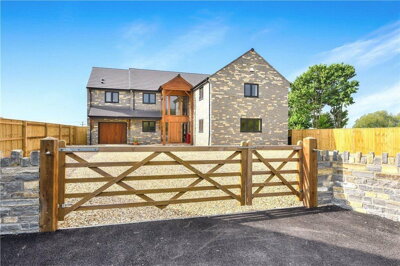
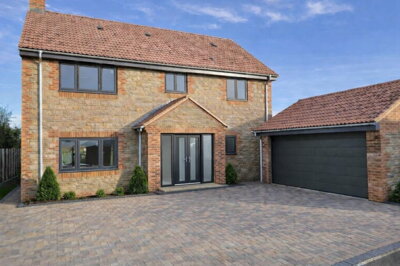
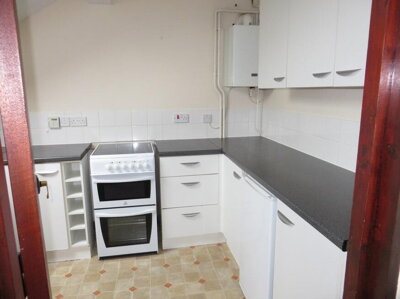
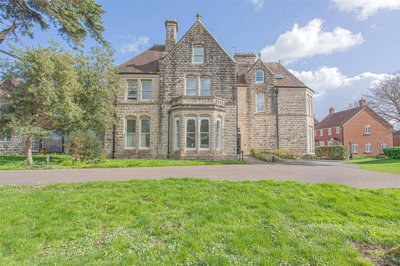
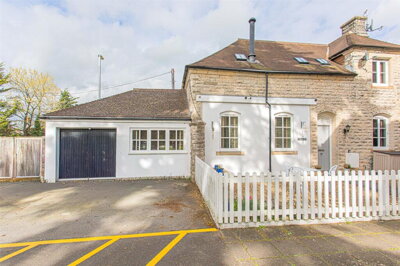
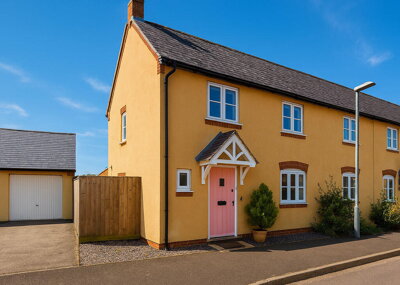
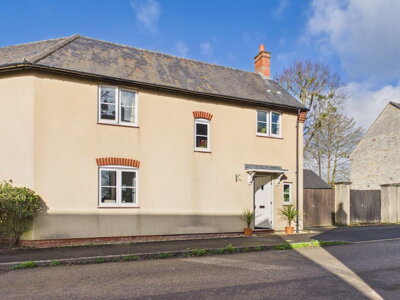
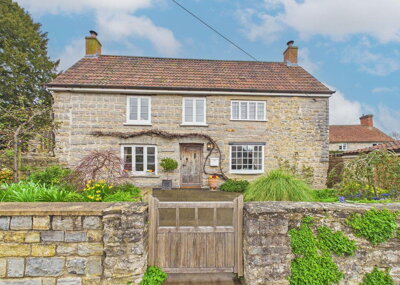
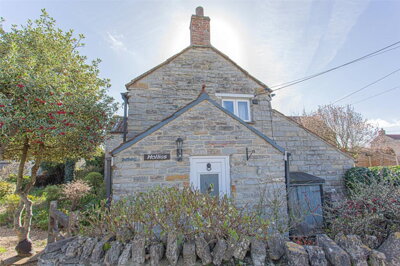
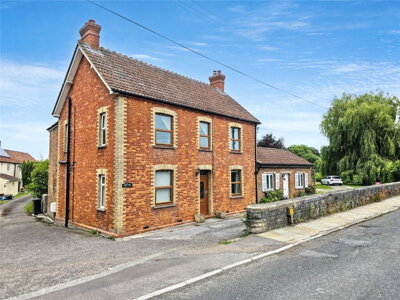
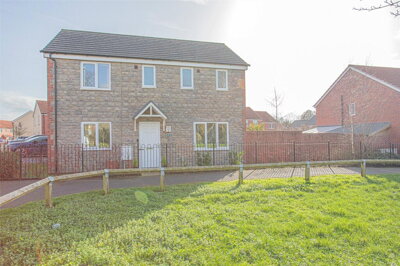
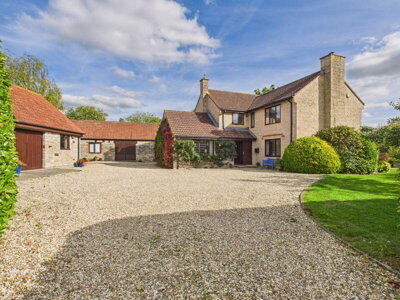
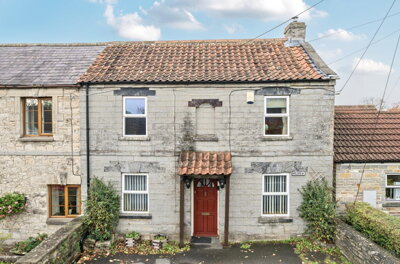
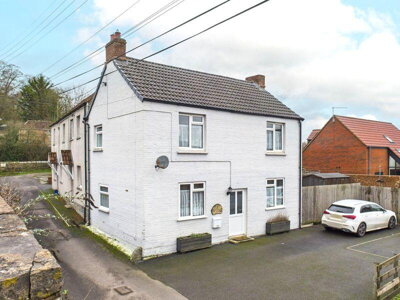
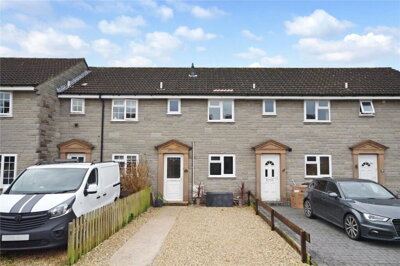
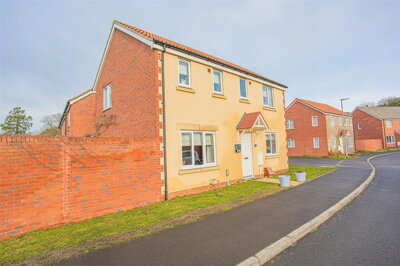
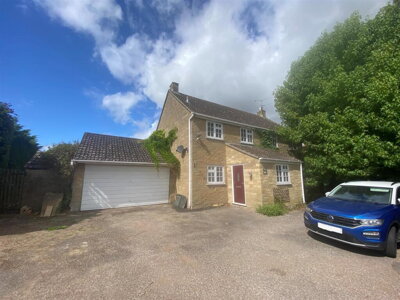
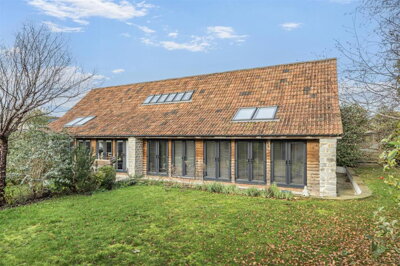
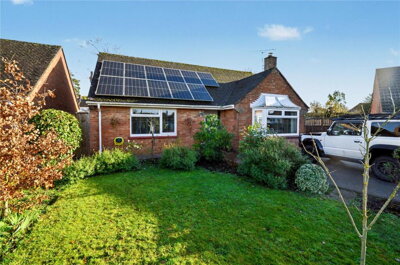
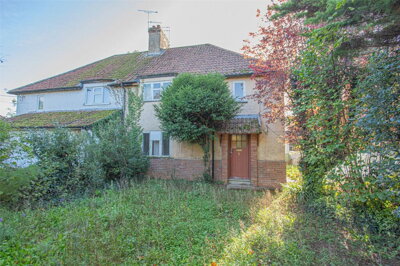
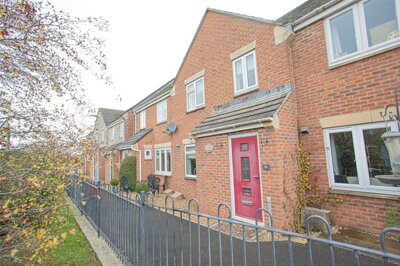
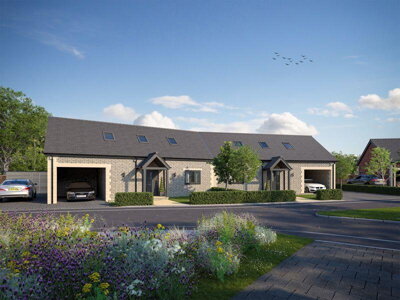
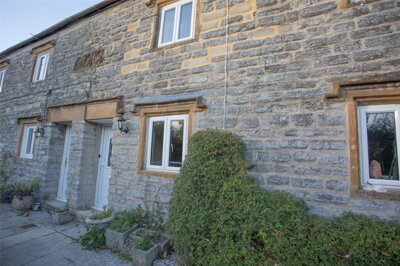
Browse 55 homes for sale in Muchelney, Somerset from local estate agents.
£230k
1
0
146
Source: home.co.uk
Source: home.co.uk
Terraced
1 listings
Avg £230,000
Source: home.co.uk
Source: home.co.uk
364 residents
Population
156 households
Households
£292,441
Average Price
£434,836
Detached Average
The Little Waldingfield property market reflects its status as a small but desirable Suffolk village, with recent sales data from the broader CO10 postcode area showing 83 property transactions over a twelve-month period. Detached homes dominate the market, accounting for 29 of those sales with an average price of £434,836, demonstrating strong demand for generous rural properties with land and privacy. Semi-detached properties fetched an average of £274,596 across 26 sales, while terraced homes averaged £227,560 with 25 transactions recorded. Flats remain relatively scarce in the village, with only 7 sales at an average of £154,128, reflecting the predominantly houses-and-cottages character of the settlement.
New build activity in Little Waldingfield is limited but guided by the Neighbourhood Plan adopted in March 2022, which sets a minimum housing requirement of 16 homes over the plan period through to 2036. A Housing Needs Assessment from March 2019 identified demand for a mix of property sizes, with 45% ideally being one or two bedrooms, 50% three bedrooms, and just 5% four bedrooms or larger. One illustrative masterplan assessed a potential six-unit cluster of two, three, and four-bedroom houses in the south-west of the village, though this remains subject to planning decisions. For buyers, this means the existing character of the village is protected while occasional new homes may come to market, offering opportunities for those seeking brand-new rural properties without compromising the village's heritage.
The wider Suffolk housing market shows homeownership at 65.4%, higher than the England average of 61.3%, and detached properties comprise 35.2% of the housing stock compared to just 22.9% nationally. These figures align closely with what we see in Little Waldingfield itself, where period detached houses and cottages represent the majority of available properties. Property turnover in such a small village tends to be slower than in urban areas, so buyers should be prepared for a measured pace of transaction. Our estate agent partners active in the CO10 area can provide up-to-date listings and market intelligence specific to Little Waldingfield and surrounding villages.
For investors and buyers considering property in Little Waldingfield, the conservation area status and Neighbourhood Plan protections suggest that property values will remain relatively stable given the limited supply pipeline. The village's heritage assets, including St. Lawrence's Church and multiple Grade II listed buildings, contribute to the area's desirability. However, the limited rental market in such a small community and the potential for renovation costs on older properties should factor into any investment decision. Most transactions here involve freehold houses rather than leasehold arrangements, which simplifies ownership structures for buyers.
Little Waldingfield embodies the essence of rural Suffolk, with a population of 364 residents enjoying an intimate village atmosphere that has changed little over generations. The village economy historically relied on agriculture, supplemented by hop grounds, gravel pits, and brick kilns, with the local cloth industry playing a small but notable role from the 15th to 17th centuries. Today, employment in the broader Sudbury East and Waldingfield division is dominated by manufacturing at over 40% of jobs, followed by wholesale, retail, and motor trades at over 15%, with construction, transport, storage, and health also providing significant local employment. Despite its small size, the village retains essential community facilities including a village hall and the historic Parish Church of St. Lawrence.
The architectural character of Little Waldingfield reflects Suffolk's building heritage, with timber-framed properties often hidden beneath brick or rendered fronts but displaying steep plain-tiled roofs that are immediately recognisable as local. Some historic timber-framed houses feature thatched roofs and large brick chimneys, while black weather-boarded barns, some now converted to dwellings, add to the village's rural aesthetic. Red and white brick cottages cluster around the T-junction in the village centre, and the parish is home to two sources of the River Box, adding to the scenic waterways character of the area. The Swan Inn, a beloved Grade II listed public house, is currently closed for renovation but represents the kind of heritage asset that defines the village's sense of place.
The village sits within a geological pocket where the usual boulder clay covering of 'High' Suffolk is absent, exposing the underlying glacial sands and gravels. This geological feature gives the village distinctive soil conditions that affect foundation design and can influence subsidence risk assessments for property surveys. Unlike the surrounding countryside where boulder clay predominates, the sands and gravels beneath Little Waldingfield offer better drainage but may still be susceptible to ground movement from leaking drainage or pipes. Our surveyors familiar with Suffolk's varied geology understand how these local conditions affect property condition assessments.

Families considering a move to Little Waldingfield will find educational options within reasonable reach in the surrounding Babergh district of Suffolk. The village's small population means that primary education is typically accessed at schools in nearby villages and towns, with the broader Sudbury area providing several primary school options for younger children. Primary schools in the Sudbury area include St. Joseph's Catholic Primary School, which offers faith-based education, and Victoria Infant School and Woods Loke Primary School for non-selective options. Parents should verify current catchment areas and admission arrangements with Suffolk County Council, as these can vary and change over time, particularly in rural areas.
Secondary education is available at schools in Sudbury, including King Edward VI School, a selective grammar school, and Thomas Gainsborough School, a comprehensive serving the wider area. For families relocating from larger towns or cities, the opportunity for children to attend smaller, more intimate schools can be a significant advantage, with closer teacher-pupil relationships and strong community connections. Suffolk generally has a positive educational reputation, and the county's approach to schooling reflects both its rural character and commitment to quality provision. The older housing stock throughout Suffolk, with over one in four properties built before 1945, often places schools within historic buildings that form part of the local community fabric.
For families specifically seeking properties near good schools in the Little Waldingfield area, our search tool allows you to explore listings and research nearby educational provision. Properties within cycling distance or a short drive of Sudbury's schools may command a premium given the importance of educational choices for families. Private schooling options in Suffolk include St. Mary's School in Bury St. Edmunds and Framlingham College, which offer independent education for those seeking alternatives to the state system. Our estate agent partners can advise on school catchments for specific properties they are marketing.
Transport connections from Little Waldingfield reflect its rural Suffolk location, with residents typically relying on private vehicles as the primary means of transport for daily commuting and essential journeys. The village sits within comfortable reach of the A134 and A12, providing routes to larger towns including Sudbury, Colchester, and Bury St. Edmunds, though travel times to major employment centres are longer than in urban areas. The A134 provides a direct route north to Bury St. Edmunds, approximately 20 miles away, while the A12 runs roughly 15 miles to the east, connecting to Colchester and the wider Essex coast.
For those working in cities such as London, Cambridge, or Ipswich, a car is generally necessary to reach railway stations, with Sudbury having railway connections to Marks Tey where interchange with mainline services is possible. Sudbury railway station operates the Gainsborough Line to Marks Tey, with connections to Chelmsford and London Liverpool Street. Alternatively, Colchester stations offer direct services to London Liverpool Street with journey times around 50 minutes. Bury St. Edmunds does not currently have a railway station, though there have been discussions about potential reopening.
Bus services provide some public transport options connecting Little Waldingfield to neighbouring villages and market towns, though frequencies are limited compared to urban areas and are likely to be most useful for shopping trips and occasional journeys rather than daily commuting. The nearest mainline railway stations are typically found in larger towns, with Colchester offering direct services to London Liverpool Street and Norwich providing connections to the East Anglia region. For cyclists, the quiet country lanes of Suffolk can make for pleasant local travel, though longer distances require consideration of safe route planning. Parking in the village itself is generally straightforward given the low traffic volumes, a significant advantage over town and city living.
Before viewing any properties in Little Waldingfield, obtain a mortgage agreement in principle from a lender. This strengthens your position when making offers and demonstrates to sellers that you are a serious buyer with funding already assessed. Getting your finances sorted early also gives you a clear budget for your property search, which is particularly useful in a rural market where properties may be priced individually rather than in development contexts.
Study the Little Waldingfield property market using Homemove, looking at comparable properties, recent sale prices in the CO10 area, and the character of different neighbourhoods within the village and surrounding parishes. Understanding the mix of period cottages, converted barns, and modernised homes will help you identify what represents value in the current market. Our tool provides access to local listings from estate agents active in the village.
Visit properties that match your requirements, paying attention to the age and construction of buildings given the prevalence of timber-framed properties, thatched roofs, and listed buildings in the conservation area. Take time to walk the village and assess the neighbourhood, nearby facilities, and the condition of neighbouring properties. A second viewing at a different time of day can reveal aspects you might miss on an initial visit, such as traffic, noise, or lighting conditions.
Once you have an offer accepted, arrange a Level 2 Homebuyer Report to assess the condition of the property. Given the age of much local housing stock and potential issues with subsidence, damp, or timber-framed structures, a thorough survey is essential. We offer RICS Level 2 Surveys in Little Waldingfield starting from £350, conducted by qualified surveyors who understand local construction methods and common defects.
Appoint a conveyancing solicitor to handle the legal aspects of your purchase, including searches on flood risk, planning history, and any mineral consultation areas that may affect the property. Given Little Waldingfield's location within a Minerals Consultation Area and the presence of Flood Zone 3 land, appropriate searches are particularly important. Our conveyancing partners offer services from £499.
Finalise your mortgage, pay your deposit, and complete your purchase on the agreed date. Your solicitor will transfer funds and register the property in your name with the Land Registry. On completion day, you will receive the keys to your new home in Little Waldingfield, ready to begin your life in this historic Suffolk village.
Properties in Little Waldingfield require careful inspection due to the age and construction methods of much of the local housing stock. Timber-framed buildings, while characteristic of the area, may have hidden structural issues that require specialist assessment, particularly where original frames are concealed behind later brick or render finishes. We check the condition of these hidden structures as part of our RICS Level 2 Surveys, looking for signs of movement, insect activity, or deterioration that could affect the building's integrity. The thatched roofs found on some historic properties require specialist maintenance and insurance considerations that differ from standard tiled roofs, and buyers should factor in the higher costs of specialist thatch surveys and ongoing maintenance.
Our inspectors pay particular attention to the steep plain-tiled roofs common throughout the village, checking for slipped or broken tiles, moss growth, and the condition of lead flashings around chimneys and valleys. Given the age of many properties, original lead flashings may have been replaced with modern materials of varying quality, and the condition of these critical waterproofing elements can indicate how well the roof has been maintained. We also assess the condition of large brick chimneys, which are a notable feature of period properties here and may show signs of weathering or structural movement over time.
Flood risk is a genuine consideration for parts of Little Waldingfield Parish, with areas falling within Flood Zone 3, indicating a 1% or greater annual probability of river flooding. The village is home to two sources of the River Box, and properties near watercourses or in lower-lying areas should be assessed carefully. Our surveyors include flood risk considerations in their assessments and can advise on appropriate investigations if concerns are identified. Unlike properties on clay soils where shrink-swell subsidence is a primary concern, the sands and gravels underlying the village generally offer better ground stability, though leaking drainage or pipes can still cause ground movement issues.
Properties in the conservation area may be subject to planning restrictions and Listed Building consent requirements for alterations, adding complexity and potential costs to renovation projects. Little Waldingfield has approximately half the village within a conservation area established in 1973, and numerous Grade I and II listed buildings including St. Lawrence's Church, The Swan Public House, Enniskillen House, and The Priory. Buyers purchasing listed buildings or properties within the conservation area should budget for potential specialist survey costs and should be aware that any external alterations or extensions will require consent from Babergh District Council.
The CO10 postcode area, which includes Little Waldingfield, shows an overall average property price of £292,441 based on 2018 Rightmove data. Detached properties average £434,836, semi-detached homes £274,596, terraced houses £227,560, and flats around £154,128 across 83 recorded sales in the twelve-month period. Property prices in this rural Suffolk village have likely changed since this data was collected, so current listings on Homemove will provide the most up-to-date picture of market values. The prevalence of detached properties and period houses in Little Waldingfield specifically means most transactions are likely to be priced above the terraced and flat averages for the wider CO10 area.
Properties in Little Waldingfield fall under Babergh District Council for council tax purposes, with payments processed through Suffolk County Council for the county services portion. Specific band allocations vary by property depending on the valuation banding system used by the Valuation Office Agency, with Band A being the lowest council tax charge and Band H representing the highest. Most rural Suffolk properties fall in the middle bands, though the village's larger detached houses and period properties may be in higher bands. Prospective buyers should check the specific banding for any property they are considering through the Valuation Office Agency website or by contacting Babergh District Council directly.
Little Waldingfield itself is a small village without its own primary or secondary schools, so families typically access education at schools in nearby villages and towns such as Sudbury. Primary schools in Sudbury include St. Joseph's Catholic Primary School, while secondary options include Thomas Gainsborough School as a comprehensive and King Edward VI School as a selective grammar. Suffolk has a generally positive educational reputation, and parents should research individual school Ofsted ratings, admission arrangements, and catchment areas directly with Suffolk County Council, as these can vary and change over time, particularly in rural areas where school sizes are smaller and catchment boundaries may be drawn widely.
Public transport options from Little Waldingfield are limited, reflecting its rural village location. Bus services connect the village to neighbouring settlements and market towns, though frequencies are low and services are most suitable for occasional trips rather than daily commuting. The nearest railway station is Sudbury, which connects via the Gainsborough Line to Marks Tey for mainline services to London Liverpool Street. For Greater London commuting, Colchester offers faster services with journey times around 50 minutes to Liverpool Street. Most residents rely on private vehicles as their primary means of transport, taking advantage of the village's connections to the A134 and A12 roads for access to Sudbury, Bury St. Edmunds, Colchester, and Cambridge.
Little Waldingfield offers potential for property investment given its conservation area status, limited new build supply, and the protection afforded by the Neighbourhood Plan adopted in 2022 which caps development at just 16 homes over the plan period to 2036. The village's character, heritage assets including Grade I and II listed buildings such as St. Lawrence's Church, and rural Suffolk location appeal to buyers seeking a peaceful lifestyle. However, investors should consider the limited rental market in such a small community, slower property turnover compared to urban areas, and the potential for renovation costs on older properties with timber-framed construction or thatched roofs. Properties requiring renovation may offer opportunities for added value, though buyers should budget for potential specialist survey costs and consent requirements.
For standard purchases, stamp duty land tax in England applies at 0% on the first £250,000 of property value, 5% on £250,001 to £925,000, 10% on £925,001 to £1.5 million, and 12% on any amount above £1.5 million. First-time buyers benefit from relief on the first £425,000, with 5% charged between £425,001 and £625,000. Given the average property price in the CO10 area around £292,441, many purchases may attract no stamp duty or only a minimal charge, though higher-value detached properties averaging £434,836 could trigger higher rate bands. Our calculator tool can help you estimate the stamp duty costs for your specific purchase.
Several environmental factors are relevant to property buyers in Little Waldingfield. Parts of the parish fall within Flood Zone 3, indicating significant river flood risk that should be verified for any specific property. The village sits on sands and gravels, reducing clay shrink-swell subsidence risk compared to surrounding boulder clay areas, though sandy soils can still be affected by drainage issues. Historical land uses including gravel pits and brick kilns mean buyers should commission appropriate searches. The Suffolk Minerals Core Strategy includes a portion of Little Waldingfield within a Minerals Consultation Area, suggesting potential for mineral extraction that could affect ground stability. Properties within the conservation area or those that are listed buildings may have additional requirements and restrictions. Our surveyors include environmental risk assessments as standard in their condition reports.
From £350
A detailed inspection of the property condition, ideal for period homes and listed buildings common in Little Waldingfield
From £499
Legal services to handle your property purchase, including searches on flood risk and minerals consultation areas
From 4.5%
Expert mortgage advice tailored to your circumstances and the local property market
From £80
Energy Performance Certificate required for all property sales
Understanding the full costs of buying a property in Little Waldingfield goes beyond the purchase price and includes stamp duty land tax, which applies to all property purchases in England. The standard SDLT rates charge nothing on the first £250,000 of property value, 5% on the portion between £250,001 and £925,000, 10% on amounts from £925,001 to £1.5 million, and 12% on anything above £1.5 million. Given that the average property price in the CO10 area sits around £292,441, many buyers purchasing at or below average price levels would pay no stamp duty at all, making Little Waldingfield an accessible option for first-time buyers and those trading up from smaller properties.
First-time buyers enjoy enhanced SDLT relief, paying nothing on the first £425,000 and 5% only on the slice between £425,001 and £625,000, with no relief available above £625,000. This represents significant savings for those purchasing their first home in Little Waldingfield, where most properties fall comfortably within these thresholds. Beyond stamp duty, buyers should budget for survey costs, with a RICS Level 2 Homebuyer Report typically starting from around £350, conveyancing fees from approximately £499, and land registry fees for registering the title transfer. An Energy Performance Certificate is also mandatory and generally costs from £80.
For those purchasing older properties in the conservation area or listed buildings, additional specialist surveys may be advisable. These might include a structural engineer assessment for timber-framed buildings, a thatch survey for properties with thatched roofs, or a heritage survey for listed buildings. While these costs add to the upfront purchase expenses, they provide valuable protection against unexpected defects and can be used to renegotiate the purchase price if significant issues are identified. Our team can recommend specialist surveyors experienced with historic Suffolk properties. The character and heritage of Little Waldingfield's distinctive homes should be weighed against these additional survey costs, as the value of owning a period property in a conservation village often outweighs the expense of thorough pre-purchase investigation.

Properties for Sale In London

Properties for Sale In Plymouth

Properties for Sale In Liverpool

Properties for Sale In Glasgow

Properties for Sale In Sheffield

Properties for Sale In Edinburgh

Properties for Sale In Coventry

Properties for Sale In Bradford

Properties for Sale In Manchester

Properties for Sale In Birmingham

Properties for Sale In Bristol

Properties for Sale In Oxford

Properties for Sale In Leicester

Properties for Sale In Newcastle

Properties for Sale In Leeds

Properties for Sale In Southampton

Properties for Sale In Cardiff

Properties for Sale In Nottingham

Properties for Sale In Norwich

Properties for Sale In Brighton

Properties for Sale In Derby

Properties for Sale In Portsmouth

Properties for Sale In Northampton

Properties for Sale In Milton Keynes

Properties for Sale In Bournemouth

Properties for Sale In Bolton

Properties for Sale In Swansea

Properties for Sale In Swindon

Properties for Sale In Peterborough

Properties for Sale In Wolverhampton

Enter your details to see if this property is within your budget.
Loans, cards, car finance
Estimated property budget
Borrowing + deposit
You could borrow between
Typical borrowing
Monthly repayment
Est. at 4.5%
Loan-to-value
This is an estimate only. Your actual budget may vary depending on interest rates, credit history, and personal circumstances. For an accurate affordability assessment, speak to one of our free mortgage advisors.
This calculator provides estimates for illustrative purposes only and does not constitute financial advice. Your home may be repossessed if you do not keep up repayments on your mortgage. Estimates based on 4.5% interest rate, repayment mortgage. Actual rates depend on your circumstances.
Homemove is a trading name of HM Haus Group Ltd (Company No. 13873779, registered in England & Wales). Homemove Mortgages Ltd (Company No. 15947693) is an Appointed Representative of TMG Direct Limited, trading as TMG Mortgage Network, which is authorised and regulated by the Financial Conduct Authority (FRN 786245). Homemove Mortgages Ltd is entered on the FCA Register as an Appointed Representative (FRN 1022429). You can check registrations at NewRegister or by calling 0800 111 6768.

We use cookies to show you personalised content and improve your experience of our website. Find out more in our Privacy policy and Cookie policy.