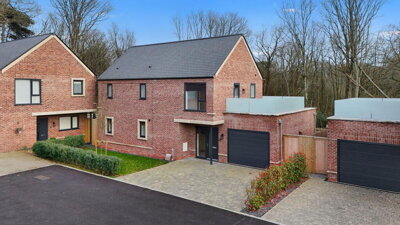
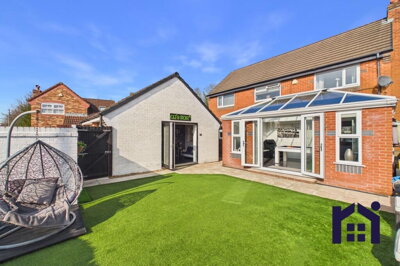
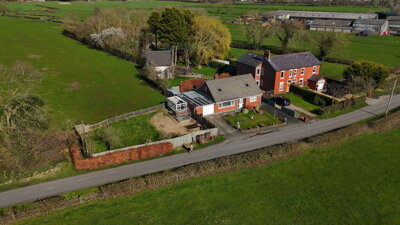
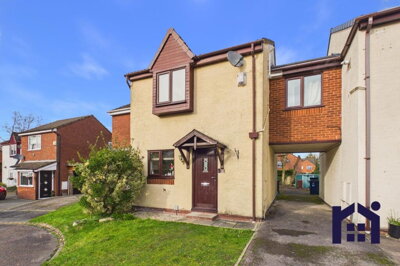
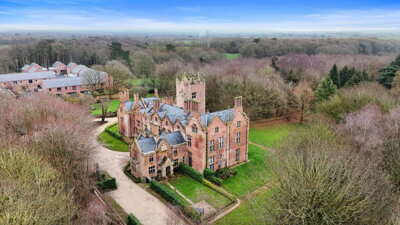
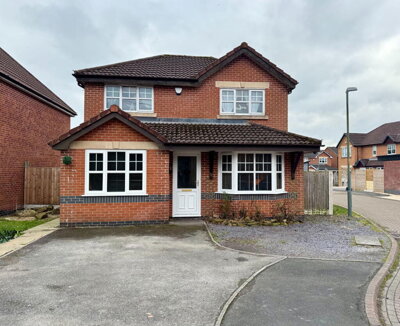
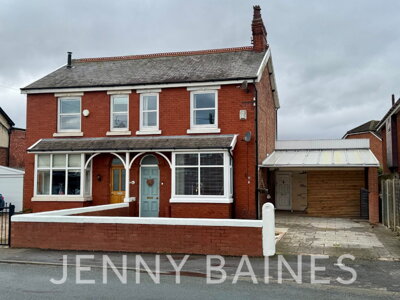
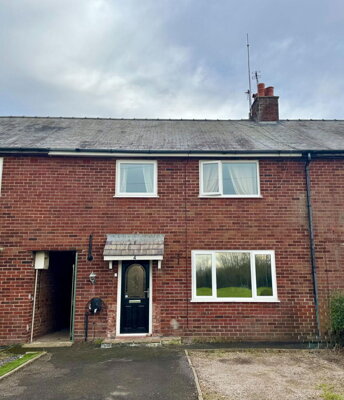
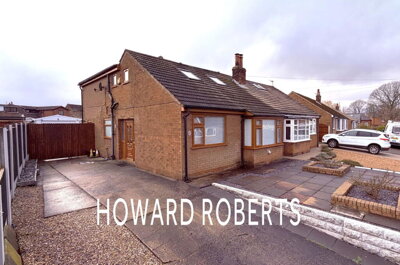
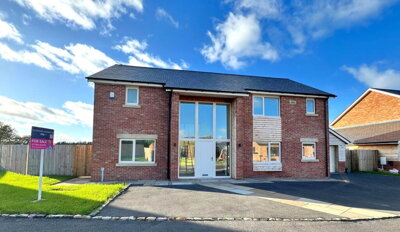
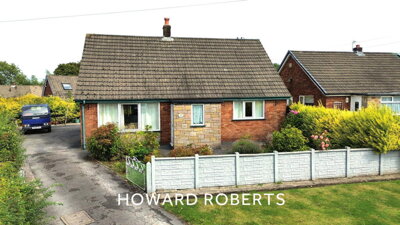
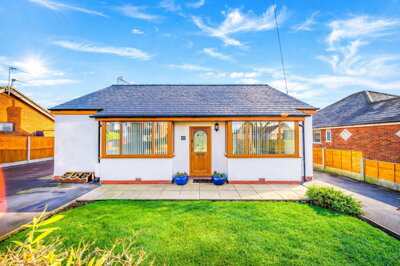
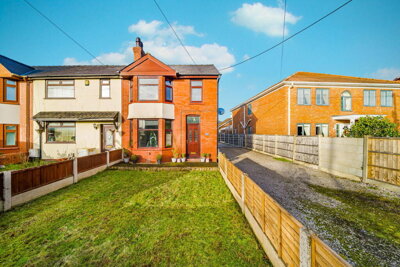
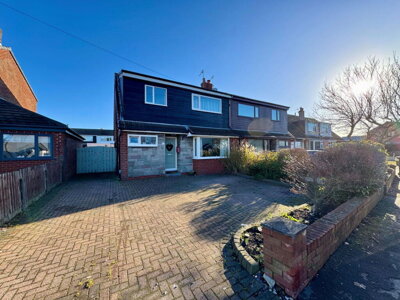
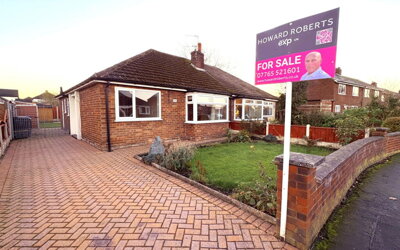
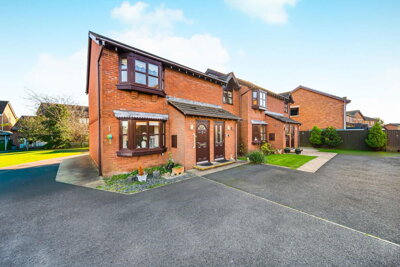
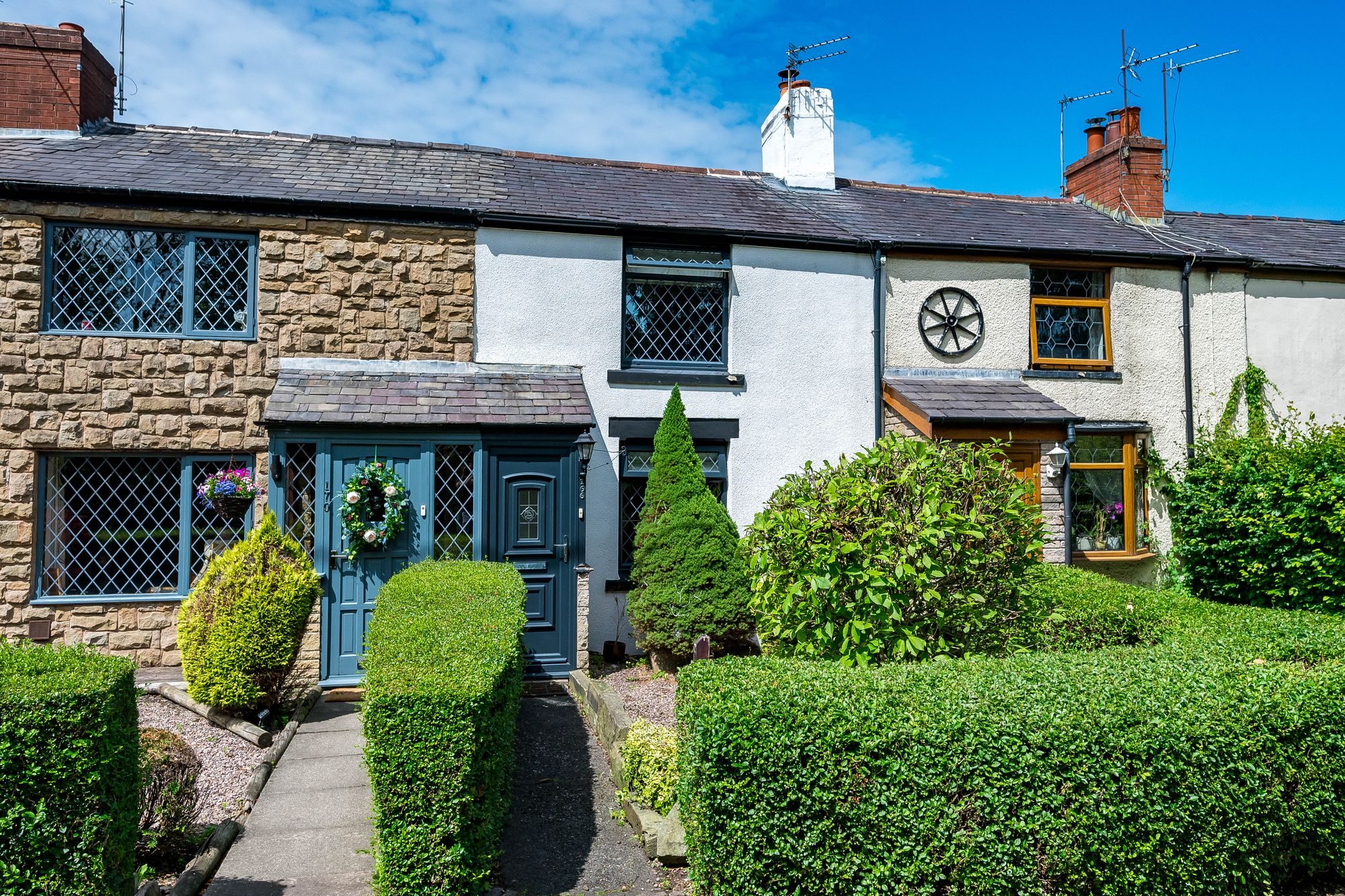
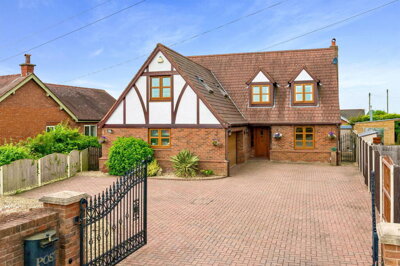
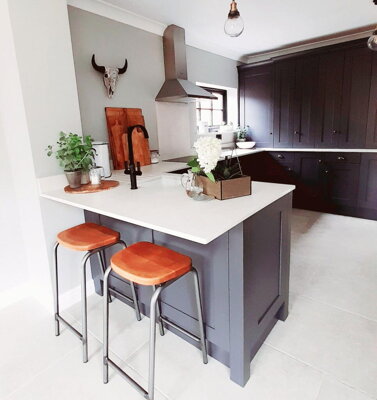
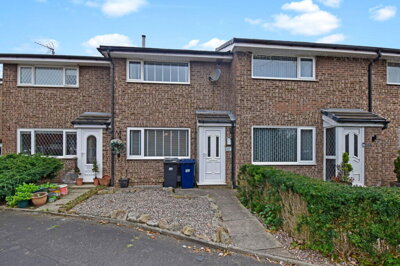
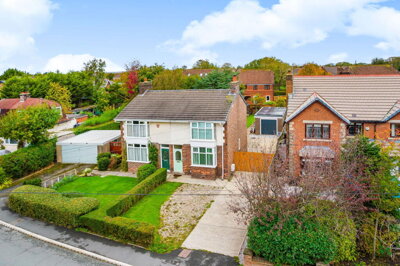
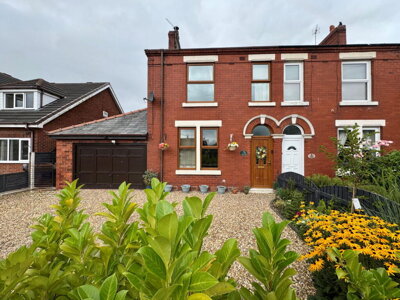
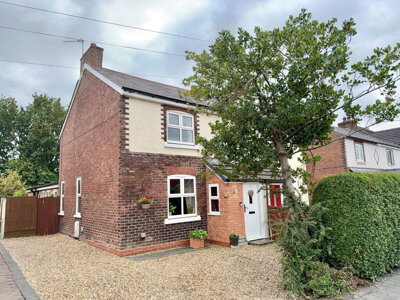
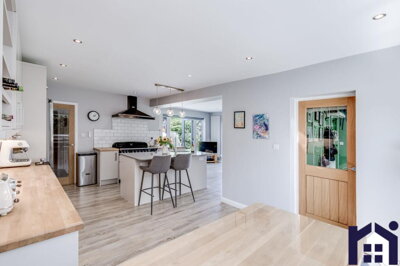
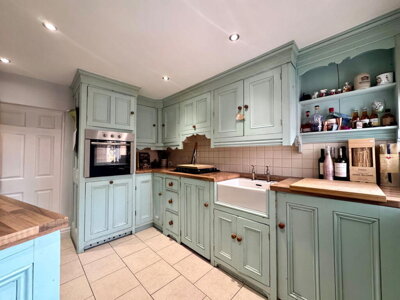
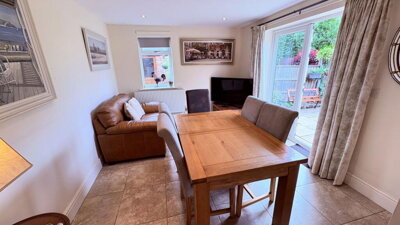
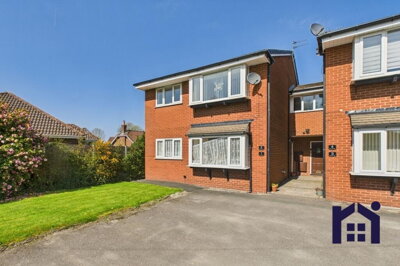
Browse 215 homes for sale in Much Hoole from local estate agents.
The Little Bytham property market offers a select but varied range of homes to suit different buyer requirements. Detached properties command the highest average prices at approximately £431,250, reflecting the desirability of standalone homes with generous gardens in a rural setting. These family homes typically offer substantial living spaces and the privacy that comes with not sharing walls with neighbours, making them particularly popular among families and those working from home who need dedicated office space. The village's predominantly rural character means that detached homes with land availability represent a significant proportion of available properties.
Semi-detached properties in the village average around £280,000, providing a more accessible entry point to village life while still offering the space and character that defines Little Bytham living. These homes often feature the same traditional construction as their detached counterparts, with local limestone or solid brick external walls and period features such as original fireplaces and exposed beams. Terraced properties, averaging £240,000, represent the most affordable option within the village boundary and frequently include charming period features such as exposed stone walls and original fireplaces that appeal to buyers seeking character without the premium attached to larger properties.
Over the past twelve months, property prices across all segments have remained stable with a modest increase of approximately 1%, indicating a steady market with no dramatic fluctuations. Given the limited supply of properties in this small village and the consistent demand from buyers seeking rural Lincolnshire living, prices are likely to remain steady. The housing stock skews heavily towards older properties, with a significant proportion built before 1919 using traditional solid-wall construction methods. Many homes feature local limestone or solid brick external walls, timber roof structures, and the kind of craftsmanship that is difficult to replicate in modern builds.
New build activity in the PE9 postcode area is extremely limited, with no active developments specifically within Little Bytham itself. Any new housing stock tends to be infill development or conversions that respect the Conservation Area character. This scarcity of new build options means buyers seeking modern specifications may need to look to nearby towns like Stamford or Bourne, or consider properties that have been sensitively updated while retaining their original character. Our listings include a range of property ages and styles, allowing you to find a home that matches your preferences and budget.

Life in Little Bytham offers a pace of life that feels increasingly rare in modern Britain. The village sits within the Lincolnshire limestone belt, a geological formation that has shaped both the landscape and the built environment for centuries. The underlying Jurassic limestone provides the characteristic golden-grey stone used in many local buildings, while the surrounding farmland creates the rolling, pastoral scenery that defines this corner of South Kesteven. The village's Conservation Area designation ensures that new developments respect the traditional character, maintaining the visual coherence that makes Little Bytham so appealing to prospective residents.
The local economy is predominantly agricultural, with residents often working in farming or related industries. However, the village's strategic position means that many households have members who commute to nearby towns for employment. Stamford, approximately 8 miles away, offers a range of professional services and boutique shopping, while Peterborough provides major employers and comprehensive retail and leisure facilities. Bourne, the nearest market town, supplies everyday amenities including supermarkets, medical practices, and secondary schooling. This balance of rural tranquility and urban accessibility makes Little Bytham particularly attractive to buyers who work in these larger centres but value coming home to a peaceful village environment.
Community life in Little Bytham revolves around traditional village institutions. The parish church, dedicated to St. Medardus and St. Gildardus, serves as both a place of worship and a focal point for community gatherings. Local events, seasonal celebrations, and the informal networks that develop in close-knit villages create a genuine sense of belonging that many buyers find difficult to achieve in larger towns or cities. For families, the village offers a safe environment where children can explore outdoors and neighbours look out for one another, while retirees appreciate the low-stress lifestyle and strong community connections. The village hall hosts regular activities and provides a venue for everything from fitness classes to craft groups, ensuring there are always opportunities to get involved.
The village's housing stock reflects its agricultural heritage, with many properties dating from the 18th and 19th centuries when farming was the primary occupation. Farmhouses, agricultural workers' cottages, and estate properties make up a substantial portion of available homes, often featuring generous outbuildings that have been sympathetically converted to garaging, workshops, or additional accommodation. This heritage creates a distinctive streetscape where even modest properties carry the character of centuries of continuous occupation.

Education provision for families moving to Little Bytham requires consideration of both local primary options and the secondary schools serving the wider area. The village itself has limited schooling facilities, so parents should research provision in neighbouring villages and towns. Primary-aged children may attend schools in nearby settlements such as Corby Glen, Folkingham, or Bourne, all of which offer primary education within reasonable commuting distance. These village primary schools typically serve small catchments and often receive positive feedback from parents regarding class sizes and individual attention.
Secondary education in the area is centred on market towns where larger schools can offer a broader curriculum and excellent facilities. Bourne Grammar School, located in Bourne approximately 6 miles from Little Bytham, is a selective grammar school that regularly achieves strong academic results. For families seeking comprehensive education, schools in Stamford provide non-selective secondary options with good reputations, including The Stamford School, a well-established independent school offering education from age 7 through to sixth form. Parents should verify current admission arrangements and catchments, as these can change and may influence which schools your child would be eligible to attend based on your specific property location.
For families considering private education, Stamford School and other independent schools in the region offer alternatives to the state system. Sixth form and further education provision is available at colleges in Peterborough, Grantham, and Stamford, providing clear progression routes for older students. When purchasing property in Little Bytham, understanding the educational landscape and planning school transport arrangements is important, particularly given the rural location and the likelihood that secondary-aged children will need transportation to schools in nearby towns. The availability of school bus services should be checked with Lincolnshire County Council, as these can vary depending on distance from the school and available funding.
Early years provision in the village may be limited, with families often relying on childminders or travelling to neighbouring villages for nursery facilities. Parents should register interest with local providers well in advance of any move, as places can fill quickly in rural areas where options are more scarce than in larger towns. Flexibility with transport arrangements becomes essential for families with young children, as multiple trips to different settings may be required before formal schooling age.
Transport connectivity from Little Bytham reflects its rural village character, with private vehicle travel being the most practical option for most daily needs. The village sits near the A15, a major road connecting Lincolnshire to Peterborough and beyond, providing access to the wider road network. For commuters working in Peterborough, the journey takes approximately 30-40 minutes by car, making day-to-day commuting feasible for those whose employers offer flexible or hybrid working arrangements. The A1 motorway is accessible via the A15, connecting the area to London, Newcastle, and the full extent of the east coast corridor.
Public transport options are limited, as is typical for villages of Little Bytham's size. Bus services connecting to Bourne, Stamford, and surrounding villages operate on reduced frequencies compared to urban areas, so residents without private vehicles should carefully consider timetable constraints when evaluating daily travel needs. The nearest railway stations are located in Peterborough, which offers direct services to London King's Cross with journey times of around 50 minutes, and Grantham, which provides access to the East Coast Main Line. For professionals working in London or other major cities, living in Little Bytham means accepting longer journey times but gaining significant lifestyle benefits.
Cycling infrastructure in the area has improved in recent years, with National Cycle Route 63 passing through the region and providing opportunities for leisure cycling and occasional commuting. The flat Lincolnshire countryside is generally cycle-friendly, though road cycling requires awareness of agricultural vehicles and narrower rural lanes. For commuters, combining cycling with train travel via Peterborough station offers an environmentally friendly option for those able to work partly from home and partly in the office. Parking provision in the village is generally adequate for residents, with properties typically offering off-street parking or garaging.
For those working in Peterborough, the city's station offers significant commuting advantages with regular services throughout the day. The journey from Peterborough to London King's Cross takes approximately 50 minutes, placing the capital within realistic daily commuting range for those with flexible working arrangements. Grantham station, while further by road, provides an alternative for accessing East Coast Main Line services, with regular connections to Edinburgh, Newcastle, Leeds, and London. Many Little Bytham residents find that the combination of a peaceful home environment and manageable access to these major transport hubs strikes an excellent balance for their professional and personal lives.
Before beginning your property search in Little Bytham, take time to understand the local market dynamics, visit the village at different times of day, and speak to residents about their experience of living there. Check planning applications at South Kesteven District Council to understand any proposed developments that might affect property values or the character of the area. Understanding the Conservation Area boundaries and listed building designations will help you assess the potential for any future modifications to properties you view.
Speak to a mortgage broker or lender to obtain an Agreement in Principle before viewing properties. This demonstrates your financial readiness to sellers and estate agents, strengthening your position when making offers. For properties in the PE9 postcode area, typical mortgage products include standard residential, self-build, and rural mortgage options depending on your circumstances. Given the prevalence of older properties and non-standard construction in Little Bytham, some specialist lenders may offer better terms than high street banks.
View multiple properties in Little Bytham to compare the varying construction types, conditions, and character features. Pay particular attention to the age of properties, their construction materials, and any signs of the common issues affecting older rural properties such as damp, timber defects, or subsidence. Consider viewing properties with a friend or family member who can offer a second opinion, or with a surveyor who can identify structural concerns from the outset.
Given that most properties in Little Bytham are likely to be over 50 years old, we strongly recommend booking a RICS Level 2 Survey before proceeding. Survey costs for properties in this area typically range from £450 to £750 depending on size and complexity. The survey will identify any structural issues, defects, or urgent repairs needed, allowing you to negotiate on price or request remedials before completion. For listed buildings or properties with complex heritage issues, a more detailed RICS Level 3 Building Survey may be appropriate.
Once your offer is accepted, instruct a conveyancing solicitor to handle the legal aspects of your purchase. They will conduct searches with South Kesteven District Council, check for planning restrictions affecting the property, and manage the transfer of ownership. For properties in the Conservation Area, additional searches regarding listed building status and permitted development rights may be required, and your solicitor should flag any implications for future renovation plans.
Your solicitor will coordinate with the seller's legal team to exchange contracts, at which point the sale becomes legally binding. A typical completion period from offer acceptance to keys handover is 8-12 weeks, though this can vary depending on chain complexity. On completion day, your solicitor will transfer the remaining funds and you can collect your keys from the estate agent, ready to begin your new life in Little Bytham.
Purchasing property in Little Bytham requires careful attention to several area-specific factors that may not be immediately apparent to buyers unfamiliar with rural Lincolnshire. The geological conditions in the area warrant particular consideration. Little Bytham sits on Jurassic limestone overlain in places by glacial boulder clay, which presents a moderate to high shrink-swell risk for property foundations. Properties showing signs of subsidence, such as cracking to walls, doors that stick, or uneven floors, should be investigated thoroughly before purchase. A RICS Level 2 Survey will help identify these issues, but understanding the potential for ground movement is essential for making an informed decision about any property in this geological setting.
Flood risk is another important consideration for this village. The East Glen River flows through the area, and properties located near watercourses or in low-lying areas may fall within Flood Zone 2 or 3. When viewing properties, ask about any historical flooding and check the Environment Agency flood maps for the specific location. Insurance premiums may be higher for properties with significant flood risk, and mortgage lenders will require appropriate surveys and flood risk assessments before approving finance. Properties in higher flood risk zones may require additional precautions such as flood resilient construction or suitable insurance cover.
The village's Conservation Area status brings both benefits and obligations. Properties within the designated area are subject to restrictions on external alterations, requiring planning permission or Listed Building Consent for works that might otherwise be permitted under Permitted Development rights. If you plan to extend, alter, or significantly renovate a property in Little Bytham, consult South Kesteven District Council before committing to purchase. These restrictions help preserve the village's character but mean that renovation projects require careful planning and potentially longer timescales than in non-designated areas.
Older properties in Little Bytham frequently exhibit defects associated with traditional solid-wall construction. Common issues include rising damp where original damp-proof courses have failed, penetrating damp caused by degraded pointing or damaged gutters, and timber defects such as wet rot or woodworm affecting roof structures and floor joists. Properties may also have outdated electrical systems that do not meet current safety standards, particularly those built before the 1980s. A thorough survey before purchase will identify these issues and allow you to budget for necessary remedial works.
The average house price in Little Bytham is currently around £345,000 based on recent sales data. Detached properties average approximately £431,250, semi-detached homes around £280,000, and terraced properties near £240,000. The market has remained stable with prices increasing by approximately 1% over the past twelve months, and 8 properties have sold in the village during this period. Given the limited supply of properties in this small village and the consistent demand from buyers seeking rural Lincolnshire living, prices are likely to remain steady for the foreseeable future.
Properties in Little Bytham fall under South Kesteven District Council for council tax purposes. Most village properties are likely to fall within Bands B through E, with older stone and brick properties typically placed in mid-range bands reflecting their historical value and character. Exact bands vary property by property, so prospective buyers should check specific properties on the Valuation Office Agency website or request the band from the seller or estate agent during the buying process. Council tax charges for Band D properties in South Kesteven currently amount to around £1,900 per year.
Little Bytham itself has limited formal schooling provision, so families should look to surrounding villages and towns for primary education. Corby Glen Primary School and schools in nearby settlements serve the local area, while Bourne Grammar School is a highly regarded selective secondary school located approximately 6 miles away in Bourne. Stamford offers additional secondary school options including The Stamford School, a well-established independent school, and parents should verify current admission arrangements and catchments given that transport to schools in nearby towns will be required for most families in Little Bytham.
Public transport connectivity from Little Bytham is limited, reflecting its status as a small rural village. Bus services connect to Bourne and surrounding villages but operate at reduced frequencies that make commuting impractical for most workers. The nearest railway stations are in Peterborough and Grantham, both providing access to the East Coast Main Line with direct services to London. For commuters working in major cities, a combination of driving to the station and rail travel is typically necessary, with Peterborough to London taking approximately 50 minutes. Most residents rely on private vehicles for daily transportation needs, and this should be factored into any decision to purchase in the village.
Little Bytham offers several characteristics that make it attractive for property investment, including its Conservation Area status and limited development potential, which help protect property values by maintaining the character that makes the area desirable. Properties are predominantly older construction that appeals to buyers seeking period features and traditional building methods, and the village attracts buyers seeking rural lifestyles while remaining within commuting distance of major employment centres. However, the small size of the market, with typically fewer than 10 sales per year, means liquidity is limited and investors should plan for longer holding periods. Capital growth is likely to be modest but steady, aligned with the overall 1% annual price increases seen in recent years.
Stamp Duty Land Tax rates for residential properties purchased in England from April 2025 are 0% on the first £250,000, 5% on £250,001 to £925,000, 10% on £925,001 to £1,500,000, and 12% above £1,500,000. First-time buyers benefit from relief on the first £425,000, with 5% charged between £425,001 and £625,000. Most properties in Little Bytham, with average prices around £345,000, would attract minimal stamp duty for non-first-time buyers and potentially no stamp duty for qualifying first-time buyers purchasing at or below the £425,000 threshold.
Little Bytham has designated Conservation Area status, which means properties within this area are subject to additional planning controls that require Listed Building Consent for alterations to historic features. External alterations, extensions, and some works that would normally fall under Permitted Development rights require planning permission from South Kesteven District Council. Any works affecting the character of the area or potentially harmful to historic structures may be resisted by the planning authority, so consulting with the council before committing to purchase is advisable if renovation is intended. These restrictions help preserve the village's historic character but mean that renovation projects require careful planning and consultation with the local planning authority before commencing work.
Understanding the full costs of purchasing property in Little Bytham is essential for budgeting effectively. Beyond the property price, buyers should account for Stamp Duty Land Tax, solicitor fees, survey costs, and various other expenses that can add significantly to the overall spend. For a typical detached property priced around £431,250, non-first-time buyers would pay Stamp Duty on the amount above £250,000, resulting in a tax liability of approximately £9,063. First-time buyers purchasing at this price point would benefit from relief on the first £425,000, meaning no stamp duty would be payable on the first £425,000 and only on the balance above this threshold.
Legal costs for conveyancing in the Little Bytham area typically start from around £499 for straightforward transactions, though more complex purchases involving leasehold properties, listed buildings, or properties within the Conservation Area may incur higher fees. Additional disbursements include local authority searches with South Kesteven District Council, Land Registry fees, and Land Registry search fees, which together typically amount to £200-400. If the property is leasehold, there may also be notice fees and costs associated with service charge queries. Buyers should request a detailed cost estimate from their solicitor before instruction to avoid surprises during the transaction.
Survey costs represent another important budget item, particularly given the age of most properties in Little Bytham. RICS Level 2 Survey fees for properties in the PE9 postcode area typically range from £450 to £750 depending on property size and complexity. For larger detached properties or those of particular age or character, a more comprehensive RICS Level 3 Building Survey may be appropriate, costing £800 or more but providing detailed analysis of construction and defects. While survey costs may seem unnecessary when mortgage lenders will arrange their own valuation, an independent survey provides valuable protection and negotiating power, identifying defects before you commit to purchase.
Removal costs, reconnection fees for utilities, and potential renovation or repair costs should also be factored into your overall budget. Properties in Little Bytham may require updating of systems such as electrical wiring, plumbing, or heating that have not been modernised for decades. A thorough building survey will identify these issues and allow you to make an informed decision about the true cost of your purchase. Setting aside a contingency fund of at least 10-15% of the property price for unexpected works is prudent when buying older properties in rural areas.
Properties for Sale In London

Properties for Sale In Plymouth

Properties for Sale In Liverpool

Properties for Sale In Glasgow

Properties for Sale In Sheffield

Properties for Sale In Edinburgh

Properties for Sale In Coventry

Properties for Sale In Bradford

Properties for Sale In Manchester

Properties for Sale In Birmingham

Properties for Sale In Bristol

Properties for Sale In Oxford

Properties for Sale In Leicester

Properties for Sale In Newcastle

Properties for Sale In Leeds

Properties for Sale In Southampton

Properties for Sale In Cardiff

Properties for Sale In Nottingham

Properties for Sale In Norwich

Properties for Sale In Brighton

Properties for Sale In Derby

Properties for Sale In Portsmouth

Properties for Sale In Northampton

Properties for Sale In Milton Keynes

Properties for Sale In Bournemouth

Properties for Sale In Bolton

Properties for Sale In Swansea

Properties for Sale In Swindon

Properties for Sale In Peterborough

Properties for Sale In Wolverhampton

Enter your details to see if this property is within your budget.
Loans, cards, car finance
Estimated property budget
Borrowing + deposit
You could borrow between
Typical borrowing
Monthly repayment
Est. at 4.5%
Loan-to-value
This is an estimate only. Your actual budget may vary depending on interest rates, credit history, and personal circumstances. For an accurate affordability assessment, speak to one of our free mortgage advisors.
This calculator provides estimates for illustrative purposes only and does not constitute financial advice. Your home may be repossessed if you do not keep up repayments on your mortgage. Estimates based on 4.5% interest rate, repayment mortgage. Actual rates depend on your circumstances.
Homemove is a trading name of HM Haus Group Ltd (Company No. 13873779, registered in England & Wales). Homemove Mortgages Ltd (Company No. 15947693) is an Appointed Representative of TMG Direct Limited, trading as TMG Mortgage Network, which is authorised and regulated by the Financial Conduct Authority (FRN 786245). Homemove Mortgages Ltd is entered on the FCA Register as an Appointed Representative (FRN 1022429). You can check registrations at NewRegister or by calling 0800 111 6768.

We use cookies to show you personalised content and improve your experience of our website. Find out more in our Privacy policy and Cookie policy.