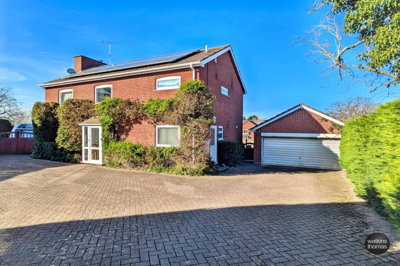
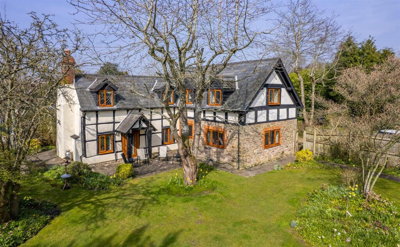
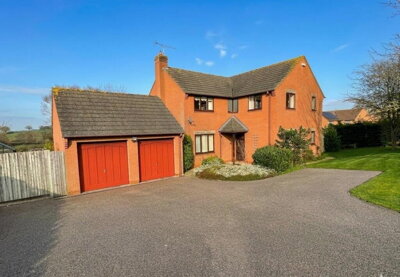
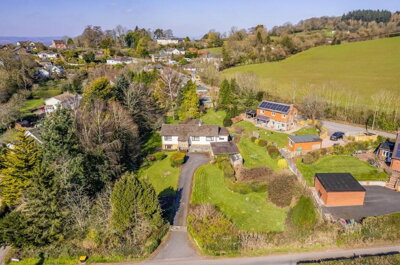
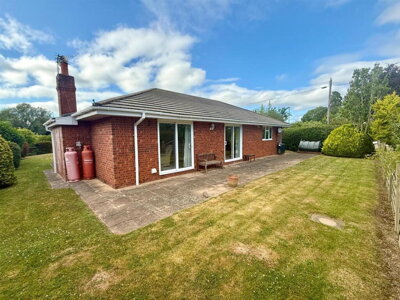
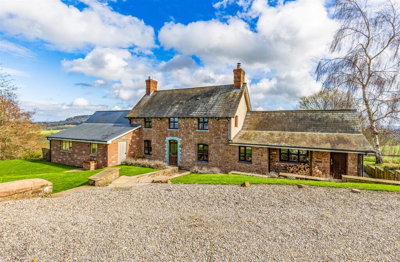
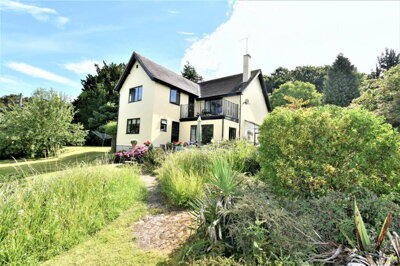
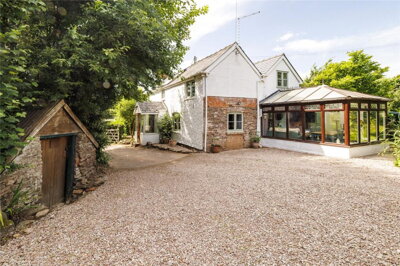
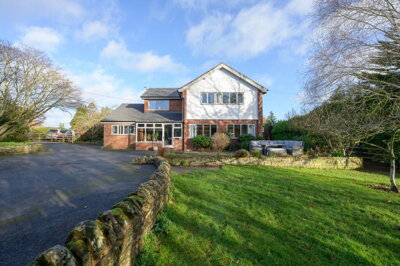
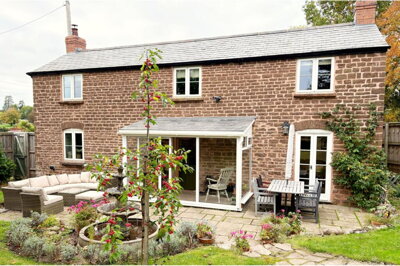
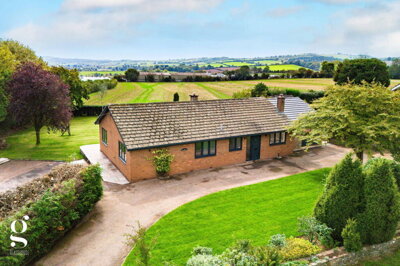
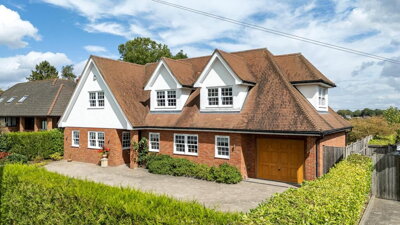
Browse 12 homes for sale in Much Dewchurch from local estate agents.
The larger property sector typically features multiple bathrooms, substantial reception space, and private gardens or off-street parking. Four bedroom houses in Much Dewchurch span detached, semi-detached, and occasionally terraced configurations, with styles ranging from period properties to modern executive homes.
The Much Dewchurch property market has demonstrated consistent resilience, with the average sold price reaching £473,750 over the past year. Detached properties dominate the local market, commanding prices around £473,750, while flats in the area have sold for approximately £245,000. The HR2 8DJ postcode specifically has seen property prices rise by 1.6% over the past year, indicating sustained demand for homes in this part of Herefordshire. Semi-detached properties remain less common in the immediate village, though a notable sale at Church View achieved £217,500 in March 2023, suggesting entry-level options exist for budget-conscious buyers.
Price trends in Much Dewchurch reveal an interesting pattern. While the village has experienced a 13% increase in house prices over the last year compared to previous periods, values currently sit approximately 9% below the 2020 peak of £519,375. This correction presents opportunities for buyers who may have found the market overheated during the pandemic-era rural migration boom. The local market remains competitive, with buyers drawn to Much Dewchurch for its village character, excellent schools, and manageable commute to Hereford.
Across Herefordshire as a whole, 42% of the housing stock comprises detached dwellings, which is notably higher than the England and Wales average of 23%. This dominance of detached properties is even more pronounced in villages like Much Dewchurch, where period homes and manor houses contribute to a predominantly low-density character. The HR2 8DQ postcode area, containing the Church View development built between 1936 and 1979, represents the mid-century housing stock that supplements the older historic properties throughout the parish.

Much Dewchurch presents itself as a prosperous rural community where traditional English village life remains vibrantly intact. The population of approximately 758 residents enjoys a close-knit atmosphere, with the local economy historically tied to agriculture and estate management. The village centre features several historic structures that define its character, including The Old Vicarage from the 17th century, Bryngwyn Manor with its Victorian Gothic architecture from 1868, and the magnificent Church of St David with its 12th-century origins and Victorian extensions.
The surrounding Herefordshire countryside offers residents exceptional natural beauty, with rolling farmland, orchards, and woodland creating a landscape that has inspired artists and writers for generations. The nearby River Wye Special Area of Conservation provides opportunities for walking, fishing, and wildlife observation, though the area faces ongoing challenges with pollution that the local community continues to address. Community facilities in Much Dewchurch include the village hall, local pub, and parish church, serving as focal points for social activities. The village falls within the Herefordshire local authority area, which has 64 designated conservation areas, and Much Dewchurch almost certainly qualifies given its listed building density and historic character.
Much Dewchurch is described as a prosperous rural community with its economy historically tied to agriculture and local estates. For Herefordshire as a whole, the economy is heavily influenced by its rurality, with a higher than average number of jobs and businesses in the agriculture and manufacturing sectors. Rates of self-employment are higher than regionally and nationally, reflecting the entrepreneurial spirit that characterises many Herefordshire communities. Broadband connectivity has historically been an issue in some rural areas, though improvements continue to be made, which may attract remote workers considering relocation to the village.

Education provision in Much Dewchurch includes the Steiner Academy Hereford, which operates within the village itself and offers an alternative educational approach based on the Waldorf pedagogy. This establishment provides elementary and secondary education and draws families from across Herefordshire who seek a different educational philosophy for their children. The presence of a Steiner academy within the village itself is a significant draw for families considering relocation to Much Dewchurch, differentiating it from many other rural Herefordshire villages.
For primary education, Much Dewchurch Primary School serves the immediate village community, while secondary-age pupils typically travel to schools in Hereford or the surrounding market towns. Parents seeking detailed information about school performance should consult the Ofsted website for current ratings and inspection outcomes. Catchment areas for secondary schools in Herefordshire can be competitive, particularly for popular establishments in Hereford city. Schools in Hereford include several with strong Ofsted ratings, and parents should consult current inspection reports to identify the best options for their children's specific needs.
The broader HR2 postcode area includes several primary schools serving surrounding villages and hamlets within the Much Dewchurch parish, including Kingsthorne. For families requiring sixth form or further education provision, Hereford offers several options including the Hereford Sixth Form College and Hereford College of Arts, providing pathways to higher education and vocational training. Herefordshire also has a lower than average proportion of the workforce with higher-level qualifications compared to national averages, though this is balanced by the quality of life offered by rural living.
Much Dewchurch enjoys practical connectivity despite its rural setting, with the village positioned along the B4348 providing access to Hereford and the surrounding Herefordshire countryside. The journey to Hereford city centre takes approximately 20-25 minutes by car, where residents can access the full range of urban amenities including shopping, healthcare, and cultural attractions. For commuters, Hereford railway station offers regular services to major destinations including Birmingham New Street, Manchester Piccadilly, and London Paddington via the West Midlands. The train journey from Hereford to Birmingham takes around one hour, making day commuting feasible for those working in larger regional centres.
Bus services operate routes connecting Much Dewchurch with Hereford and nearby villages, though frequency may be limited compared to urban areas. For residents who drive, the A49 trunk road passes nearby, providing north-south connectivity through Herefordshire with links to the M5 motorway at Worcester for broader national access. Cycling is popular in the area, with country lanes and designated routes offering scenic journeys through the Herefordshire countryside. Bristol can be reached in approximately 90 minutes by car, while Cardiff is accessible in around two hours, positioning Much Dewchurch within reasonable reach of these major cities for occasional business or leisure travel.
Properties in Much Dewchurch reflect the traditional building methods that have shaped Herefordshire's villages over centuries. Historic buildings typically feature timber-framed construction using oak or elm, with infill panels of wattle and daub or stone rubble. Local sandstone has been extensively used throughout the village, particularly in properties like the Grade II listed Stone House, which combines sandstone rubble with brick construction. As timber became scarcer from the 15th century onwards, brick became more common, initially for chimneys and later for complete structures, with local Herefordshire clays providing the raw material.
The combination of traditional materials presents specific challenges for property buyers. Timber-framed buildings require ongoing maintenance to prevent rot and pest infestation, while sandstone structures may suffer from weathering and erosion over time. Roofs in older properties were historically thatched, though slate became the dominant roofing material as rural areas developed. Many properties in Much Dewchurch will have undergone partial modernisation over the years, which can create complications where traditional and contemporary building methods meet. We always recommend commissioning a thorough survey before purchasing any period property in the village, as these construction types can harbour hidden defects that only experienced surveyors will identify.
The presence of clay-rich soils in parts of Herefordshire creates potential shrink-swell risk, where ground movement occurs due to changes in moisture content. Trees planted too close to properties or leaking underground drains can exacerbate these issues, leading to subsidence or structural movement. Older properties are particularly susceptible to these problems, and signs of movement such as cracking or sticking doors and windows should be investigated thoroughly. The British Geological Survey's GeoSure product indicates areas where shrink-swell may be a concern, and we recommend checking this alongside any professional survey report.
New build properties within Much Dewchurch itself remain scarce, reflecting the village's commitment to preserving its historic character. However, several developments in the surrounding Herefordshire area may appeal to buyers seeking modern accommodation. Athelstan Meadow in nearby Little Dewchurch, approximately two to three miles from Much Dewchurch, is launching in late Spring 2026 with 15 two, three, and four-bedroom homes. This development offers the opportunity to purchase a brand-new property while remaining within easy reach of Much Dewchurch's community facilities and village character.
For buyers willing to travel slightly further, Old Barn Close in Fownhope, approximately five to six miles from Much Dewchurch, offers low-carbon properties featuring PV solar panels, air source heat pumps, and EV charging points. These environmentally conscious homes represent the latest in sustainable construction and may appeal to buyers prioritising energy efficiency. The Orchards by David Wilson Homes in Ross-on-Wye, approximately ten miles away, provides two, three, and four-bedroom options for those seeking larger family homes within a new development context.
Within Hereford city itself, larger developments include Hereford Point by Bloor Homes offering properties from £345,000 to £450,000, and Elgar Place by Taylor Wimpey with 92 new three and four-bedroom homes. These urban developments may suit buyers who work in Hereford or require more frequent access to urban amenities while still considering the wider Much Dewchurch area. Planning applications also indicate potential future development at Land off Birch View Road in Much Dewchurch, where a residential development of six dwellings is currently pending appeal.
Before viewing properties in Much Dewchurch, obtain a mortgage agreement in principle from a lender. This confirms your borrowing capacity and strengthens your position when making offers. Average property prices in the village sit around £473,750, so factor in stamp duty, solicitor fees, and survey costs when setting your budget.
Use Homemove to browse all available properties in Much Dewchurch and the surrounding HR2 postcode area. Once you identify suitable homes, contact the listing estate agent to arrange viewings. Given the limited stock in small villages, be prepared to act quickly on properties that meet your requirements.
When you find your ideal home, submit a formal offer through the estate agent. In a village like Much Dewchurch with its historic properties and loyal buyer base, negotiation may involve discussing fixtures and fittings or completion timeframes. Your offer should be conditional subject to survey and mortgage approval.
Commission a RICS Level 2 Home Survey before proceeding, particularly given Much Dewchurch's prevalence of older and listed properties. Survey costs in Herefordshire typically range from £400-550 depending on property size and value. This inspection identifies any structural issues, damp, or defects requiring attention.
Your conveyancing solicitor handles all legal aspects of the purchase, including local searches, title verification, and contract preparation. Search results for Much Dewchurch will include drainage and water searches given the village's documented flood risk concerns near the Welsh Water Pumping Station.
Once all legal checks are satisfactory and your mortgage is fully approved, you will exchange contracts with the seller and pay a deposit. Completion typically follows within days or weeks, depending on your agreed timeframe, after which you receive the keys to your new Much Dewchurch home.
Properties in Much Dewchurch require careful consideration given the village's significant heritage and rural setting. The concentration of listed buildings means many homes will be subject to planning restrictions that limit alterations and renovations. Before purchasing a Grade II listed property, prospective buyers should understand that Listed Building Consent may be required for structural changes, window replacements, or even internal modifications. Properties like Stone House, constructed from sandstone rubble and brick, or the timber-framed buildings throughout the village represent traditional construction that requires ongoing maintenance and specialist understanding.
Flood risk warrants specific investigation in Much Dewchurch. The Parish Council has documented concerns about severe local flooding, particularly near the Welsh Water Pumping Station, which occupies land that regularly floods. Surface water and fluvial flooding represent genuine risks that buyers should assess via the GOV.UK flood risk checker for the specific property location. Subsidence risk also exists due to Herefordshire's clay-rich soils, which are susceptible to shrink-swell movement. Trees planted too close to properties or leaking underground drains can exacerbate these issues, so a thorough survey is essential for any older property. Properties in conservation areas may have additional restrictions on extensions, outbuildings, or even garden alterations.
Older properties frequently exhibit defects that buyers should be prepared to address. Common issues include damp problems, where rising damp occurs in properties lacking modern damp-proof courses, penetrating damp results from defective gutters or roofs, and condensation arises from poor ventilation. Structural movement, particularly subsidence on clay soils, can manifest as cracking or uneven floors. Timber decay including dry rot and wet rot can affect structural elements, while outdated electrical systems and plumbing may require complete rewiring or pipe replacement to meet modern safety standards.
The average sold house price in Much Dewchurch over the past year is £473,750, with detached properties commanding around this figure. Flats in the village have sold for approximately £245,000. The market has seen a 13% increase over the last year, though values remain 9% below the 2020 peak of £519,375, presenting potential opportunities for buyers entering the market now.
Much Dewchurch falls under Herefordshire Council administration, and properties are assigned council tax bands A through H depending on value. The village's mix of historic cottages and modern homes means council tax bands vary significantly across the property stock. Prospective buyers should check the specific property's council tax band via the Herefordshire Council website or the listing details.
Much Dewchurch benefits from the Steiner Academy Hereford, which operates within the village and offers an alternative educational approach drawing families from across Herefordshire. The village primary school serves local families, while secondary pupils typically attend schools in Hereford city. Parents should consult current Ofsted inspection reports to identify the best options for their children's specific needs and circumstances.
Much Dewchurch has limited public transport, with bus services connecting the village to Hereford and surrounding villages. Hereford railway station, approximately seven miles away, provides regular services to Birmingham, Manchester, and London Paddington. Most residents rely on private vehicles for daily commuting, though car sharing schemes operate within the Herefordshire community.
Much Dewchurch offers strong appeal for buyers seeking rural lifestyle properties, with consistent demand driven by the village's character, schools, and proximity to Hereford. Property values have demonstrated resilience with a 13% annual increase, and the village's limited new-build supply supports long-term value. However, the small market size means transaction volumes are low, and properties may take longer to sell during market downturns.
Stamp duty Land Tax for properties in Much Dewchurch follows standard UK thresholds. First-time buyers pay nothing on properties up to £425,000, then 5% on the portion between £425,000 and £625,000. Standard buyers pay 0% up to £250,000, 5% between £250,000 and £925,000, and 10% on the portion between £925,000 and £1.5 million. A property at the village average of £473,750 would incur approximately £11,187 in stamp duty for a standard buyer.
Much Dewchurch has a high concentration of listed buildings including Grade I structures like The Mynde and the Church of St David, plus numerous Grade II listed cottages, barns, and farmhouses. Buyers should understand that listed status restricts alterations and requires Listed Building Consent for many works including structural changes, window replacements, and even internal modifications. Specialist surveys and consultation with Herefordshire Council's conservation team are advisable before purchasing any listed property.
The Parish Council has documented concerns about severe local flooding in Much Dewchurch, particularly near the Welsh Water Pumping Station which occupies land that regularly floods. Surface water and fluvial flooding represent genuine risks that buyers should investigate via the GOV.UK flood risk checker for the specific property location. Herefordshire Council acts as the Lead Local Flood Authority, managing flood risk from surface water, groundwater, and ordinary watercourses, with flooding from rivers and surface water noted as increasing in frequency and severity due to climate change.
Purchasing a property in Much Dewchurch involves several costs beyond the purchase price. For a typical home at the village average of £473,750, a standard buyer would pay stamp duty Land Tax of approximately £11,187. First-time buyers benefit from relief on properties up to £625,000, reducing their stamp duty on a £473,750 property to £2,437. These figures highlight the significant savings available to first-time buyers, making rural village properties more accessible despite higher average prices compared to urban flats.
Additional costs include solicitor fees for conveyancing, typically ranging from £500 to £1,500 depending on complexity. Given Much Dewchurch's prevalence of older properties and listed buildings, conveyancing may require additional searches and specialist advice. A RICS Level 2 Home Survey costs between £400 and £550 for properties in the village's typical size range, rising to £600 or more for larger detached homes. An Energy Performance Certificate is mandatory and costs from £85. Mortgage arrangement fees typically range from 0% to 2% of the loan amount, and buyers should factor in survey and valuation costs arranged by their lender.
Budgeting for removal costs, potential renovations to period properties, and immediate purchases like appliances ensures a smooth move to your new Much Dewchurch home. Properties in the village often require ongoing maintenance and occasional specialist repairs, particularly those with traditional construction methods or listed status. Setting aside a contingency fund equivalent to around 10-15% of the purchase price is advisable for older properties where unexpected issues frequently arise following purchase.
From 4.5%
Compare mortgage deals for your Much Dewchurch purchase
From £499
Expert solicitors for your property purchase
From £400
Professional property survey for Much Dewchurch homes
From £550
Detailed building survey for older properties
From £85
Energy Performance Certificate for your property
Properties for Sale In London

Properties for Sale In Plymouth

Properties for Sale In Liverpool

Properties for Sale In Glasgow

Properties for Sale In Sheffield

Properties for Sale In Edinburgh

Properties for Sale In Coventry

Properties for Sale In Bradford

Properties for Sale In Manchester

Properties for Sale In Birmingham

Properties for Sale In Bristol

Properties for Sale In Oxford

Properties for Sale In Leicester

Properties for Sale In Newcastle

Properties for Sale In Leeds

Properties for Sale In Southampton

Properties for Sale In Cardiff

Properties for Sale In Nottingham

Properties for Sale In Norwich

Properties for Sale In Brighton

Properties for Sale In Derby

Properties for Sale In Portsmouth

Properties for Sale In Northampton

Properties for Sale In Milton Keynes

Properties for Sale In Bournemouth

Properties for Sale In Bolton

Properties for Sale In Swansea

Properties for Sale In Swindon

Properties for Sale In Peterborough

Properties for Sale In Wolverhampton

Enter your details to see if this property is within your budget.
Loans, cards, car finance
Estimated property budget
Borrowing + deposit
You could borrow between
Typical borrowing
Monthly repayment
Est. at 4.5%
Loan-to-value
This is an estimate only. Your actual budget may vary depending on interest rates, credit history, and personal circumstances. For an accurate affordability assessment, speak to one of our free mortgage advisors.
This calculator provides estimates for illustrative purposes only and does not constitute financial advice. Your home may be repossessed if you do not keep up repayments on your mortgage. Estimates based on 4.5% interest rate, repayment mortgage. Actual rates depend on your circumstances.
Homemove is a trading name of HM Haus Group Ltd (Company No. 13873779, registered in England & Wales). Homemove Mortgages Ltd (Company No. 15947693) is an Appointed Representative of TMG Direct Limited, trading as TMG Mortgage Network, which is authorised and regulated by the Financial Conduct Authority (FRN 786245). Homemove Mortgages Ltd is entered on the FCA Register as an Appointed Representative (FRN 1022429). You can check registrations at NewRegister or by calling 0800 111 6768.

We use cookies to show you personalised content and improve your experience of our website. Find out more in our Privacy policy and Cookie policy.