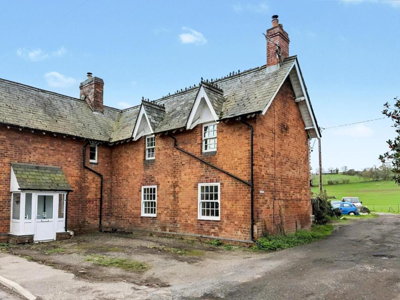
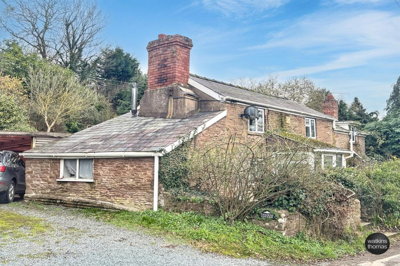
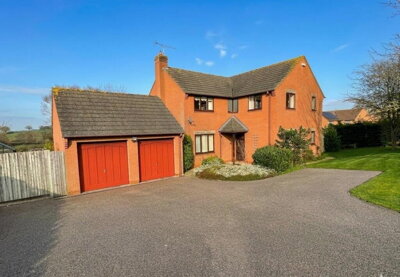
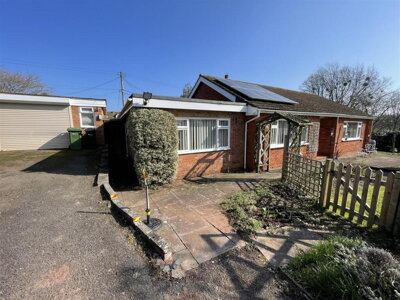
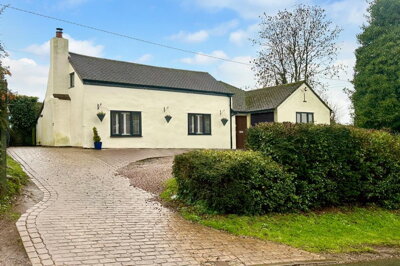
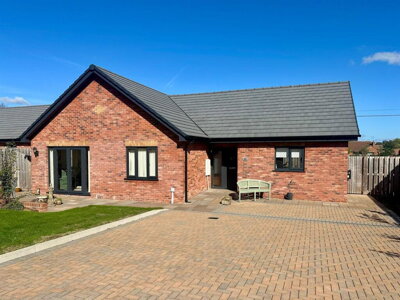
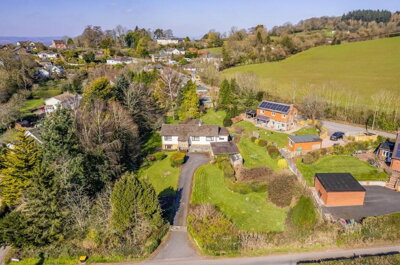
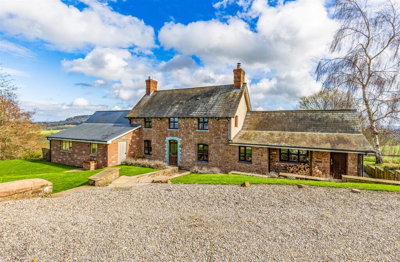
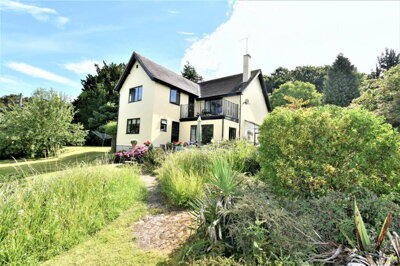
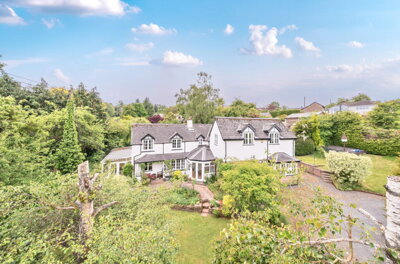
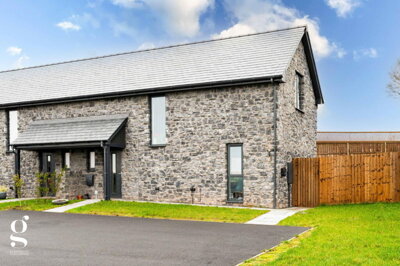
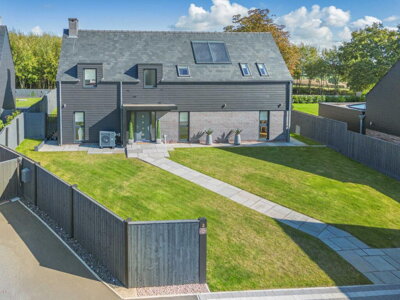
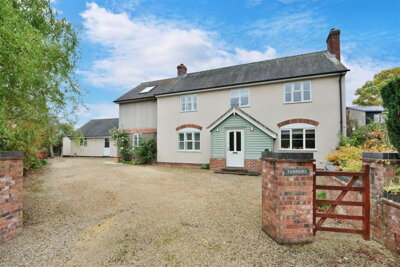
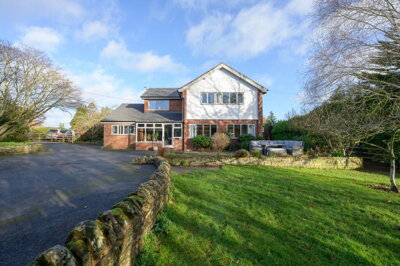
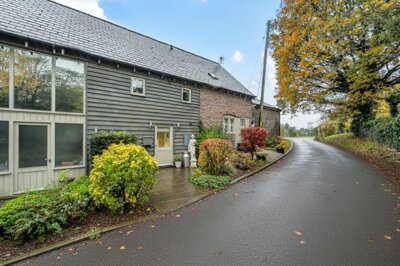
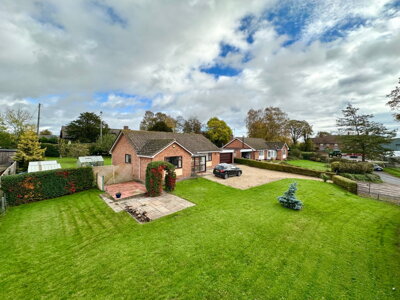
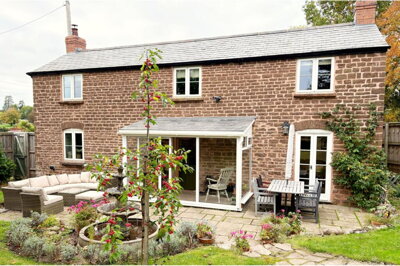
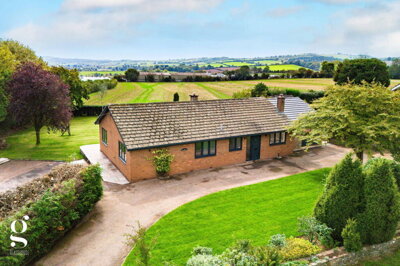
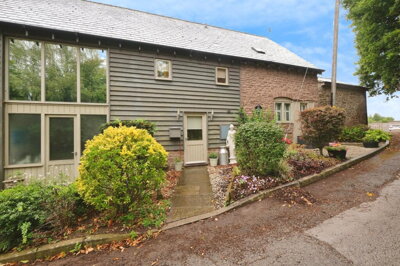
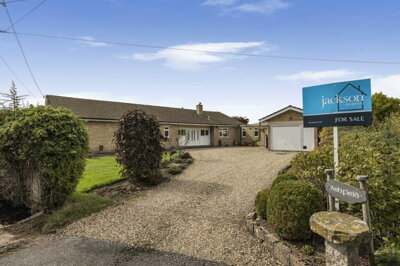
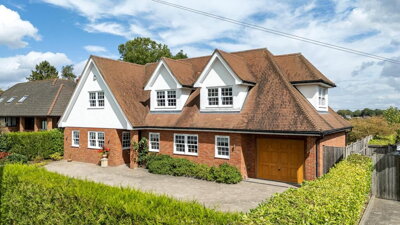
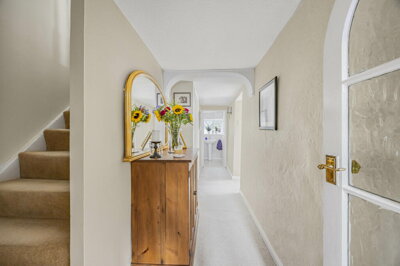
Browse 28 homes for sale in Much Birch from local estate agents.
The Much Birch property market offers detached, semi-detached, and terraced houses spanning various price ranges and neighbourhoods. Each listing includes detailed property information, photographs, and direct contact with the marketing agent.
The Little Paxton property market offers something for every buyer, with average house prices ranging from approximately £349,000 to £354,000 depending on the data source. Our listings include detached family homes commanding prices around £530,000 to £568,000, semi-detached properties typically priced between £315,000 and £325,000, and terraced homes offering more accessible entry points at around £325,000 to £348,000. Flats remain the most affordable option in the village, with average prices of approximately £173,000, making them ideal for first-time buyers or those seeking a low-maintenance lifestyle. Property type availability reflects the village's housing stock composition, with detached properties comprising 46% of homes, semi-detached at 29%, and terraced properties at 17%.
Property prices in Little Paxton have shown mixed trends recently, with annual increases of between 3.77% and 8.9% recorded by various property portals, though Rightmove data indicates prices are currently around 1% down on the previous year and 3% down from the 2023 peak of £363,500. The village saw between 57 and 71 residential sales in recent periods, with new build homes accounting for 8.5% of transactions, reflecting ongoing development activity. The housing stock is predominantly detached properties, with many constructed during the significant 1960s and 1970s expansion that transformed Little Paxton from a small village into the thriving community it is today.
Buyers should note that the PE19 6 postcode sector, which includes Little Paxton and the neighbouring Eynesbury area, has experienced more significant price corrections, with some data suggesting drops of 6.5% to 10% after inflation. However, the village's desirable location, good transport links, and ongoing development proposals continue to attract buyers seeking village life with urban accessibility. We recommend booking a RICS Level 2 Survey before completing any purchase, particularly given the underlying Oxford Clay geology that can affect properties throughout the area.

Life in Little Paxton revolves around its strong sense of community and beautiful natural surroundings. The village centre centres around St James' Church, a Grade II* listed building dating from the medieval period, and the historic High Street where several listed buildings including Little Paxton Hall (also Grade II*), Dial House, and Grove Farm provide architectural character. The historic centre around the church and High Street represents the oldest part of the village, with many properties dating from the 17th and 18th centuries featuring traditional red brick construction with limestone dressings and plain tile roofs.
The village has grown significantly from its historic core, with major residential expansion during the 1960s and 1970s followed by more recent developments including the conversion of the former Samuel Jones paper mill site into modern housing. This mid-20th century expansion saw properties constructed predominantly in brown brick, white painted bricks, and red and buff brick varieties, reflecting building materials commonly available in the Cambridgeshire region at the time. Many of these properties were built as detached houses or bungalows on generous plots, contributing to the village's spacious character that remains a defining feature today.
Residents enjoy access to excellent outdoor spaces, with Paxton Pits Nature Reserve created from disused gravel quarries offering wildlife watching opportunities and countryside walks. Gravel quarrying has been an important local industry since the 19th century, with large-scale operations beginning in the 1940s, and Holcim UK continues to operate an aggregate plant in Little Paxton, providing construction materials for projects across the region. The River Great Ouse forms the parish boundary and provides scenic walks along its banks, though buyers should be aware of flood risk areas affecting properties near Skipper Way, Red Admiral Court, Marbled White Court, Hayling Walk, and Gordon Road. Local amenities include a village shop, public houses, and recreational facilities, with more comprehensive shopping and services available in the nearby town of St Neots just across the river.

Education provision in Little Paxton centres on Little Paxton Primary School, which opened in its current location in 1972 and serves the local community with primary education for children aged 5 to 11. The school has established itself as a key community facility over the past five decades, providing education for families choosing to put down roots in the village. Parents researching the Little Paxton property market will find that the village's family-friendly character makes it particularly attractive for those with children, with good proportions of detached and semi-detached properties offering gardens and space for families to grow.
For secondary education, children typically travel to nearby St Neots, where several secondary schools serve the wider area including schools in Eynesbury and the town centre. The three major industry areas for residents of Little Paxton in 2011 census data were Wholesale and Retail at 16.9%, Manufacturing at 12.3%, and Human Health and Social Work at 11.5%, indicating that families choosing Little Paxton often work in these sectors or commute to larger employment centres. Catchment area boundaries should be verified with Cambridgeshire County Council before purchasing property, as school admission policies can significantly impact property values and family logistics.
Sixth form and further education options are available at colleges in St Neots and Cambridge, with Cambridge's renowned universities within commuting distance for older students. The village's proximity to Cambridge makes it feasible for university students to commute from the family home, potentially saving significantly on accommodation costs. Private education options are available in the wider area, with Cambridge offering a range of independent schools for families seeking alternatives to the state system. When budgeting for a move to Little Paxton with school-age children, we recommend visiting potential schools and understanding current admission arrangements before committing to a purchase.
Transport connections from Little Paxton make it an excellent choice for commuters and those who need to travel regularly for work. The village sits near the B1041 road which crosses the River Great Ouse connecting Little Paxton to St Neots, providing easy access to the town's railway station with services to London King's Cross in approximately 40 minutes. This quick connection to London makes Little Paxton particularly attractive for professionals working in the capital who want to escape city living while maintaining a manageable commute.
The A1 trunk road is accessible via St Neots, offering road connections north to Peterborough and south toward London and the M25 motorway network. For air travel, Stansted Airport is approximately 45 minutes away by car, while Luton and Cambridge airports offer additional options for domestic and international flights. Local bus services operate between Little Paxton and St Neots, providing public transport options for those without cars or who prefer not to drive, though passengers should note that bus frequency may require planning around specific timetables for those entirely dependent on public transport.
The proximity to Cambridge, approximately 20 miles away, opens up additional employment and cultural opportunities, with Cambridge railway station providing fast services to London, Birmingham, and the north. Many residents of Little Paxton work in Cambridge, either commuting by car to the science parks and business districts or driving to Cambridge station for rail connections. For cyclists, the local countryside offers scenic routes along the River Great Ouse and toward St Neots, though the B1041 crossing should be approached with caution during busy periods. When viewing properties in Little Paxton, we recommend timing your visit to understand the commute patterns to your likely workplace.
Start by exploring our listings to understand what Little Paxton properties offer at your budget. Consider proximity to the River Great Ouse for flood risk areas around Skipper Way, Gordon Road, and Red Admiral Court. Verify local school catchment arrangements if you have children, and understand the distinction between period properties near the historic High Street featuring traditional brick construction and newer developments on former industrial sites such as the Samuel Jones paper mill conversion.
Once you have identified properties of interest, contact the listing estate agent to arrange viewings. We recommend viewing several properties to compare condition, character, and value. Pay particular attention to signs of cracking to walls, doors that stick or do not close properly, and any history of foundation work or underpinning, as these could indicate issues related to the underlying Oxford Clay geology. Properties built during the 1960s and 1970s expansion may show different maintenance needs compared to newer builds or historic period properties.
Before making an offer, approach a mortgage lender to obtain an agreement in principle. This strengthens your position as a serious buyer and helps you understand your true budget. Little Paxton's median price of around £354,000 means most buyers will be looking at mortgage borrowing of £280,000 to £300,000 for a typical residential property. First-time buyers purchasing at or below the average price may qualify for stamp duty relief on properties up to £425,000.
We strongly recommend booking a RICS Level 2 Survey before completing your purchase. Given Little Paxton's Oxford Clay geology with its shrink-swell potential, a professional survey can identify potential subsidence or heave issues. Survey costs typically range from £400 to £800 depending on property value and size, with larger detached homes commanding higher fees. For listed buildings such as those along the High Street, a more detailed RICS Level 3 Survey may be more appropriate.
Your conveyancing solicitor will handle the legal aspects of your purchase, including local searches, flood risk checks given the River Great Ouse proximity, and coordination with HM Land Registry. Budget for legal fees from approximately £500 to £1,500 depending on complexity. Your solicitor will also investigate any planning permissions relevant to the property and check for environmental issues related to the former gravel quarrying operations in the area.
Once all searches are satisfactory and your mortgage offer is confirmed, you will exchange contracts and pay your deposit. Completion typically follows within two weeks, and you will receive the keys to your new Little Paxton home. We recommend arranging buildings insurance from the point of exchange, and buyers in flood-risk areas of Little Paxton should obtain insurance quotes before completing as some properties may carry higher premiums.
Properties in Little Paxton present some unique considerations for buyers to evaluate before committing to a purchase. The underlying Oxford Clay geology means that foundations and structural condition should receive careful attention, particularly for older properties built before modern building regulations. Look for signs of cracking to walls, doors that stick or do not close properly, and any history of foundation work or underpinning. Properties with large trees nearby may be at particular risk from root growth causing soil shrinkage in dry periods. A thorough RICS Level 2 Survey can identify these issues before you commit, and we recommend not skimping on survey quality given the geological conditions.
Flood risk from the River Great Ouse affects specific areas of Little Paxton, particularly properties on Skipper Way, Gordon Road, Red Admiral Court, Marbled White Court, and Hayling Walk. The Environment Agency issues flood warnings and alerts for these areas when water levels rise. Check the government flood risk maps and verify whether the property has been affected by flooding historically. Buildings insurance costs may be higher in flood-risk areas, and you should factor this into your ongoing costs alongside mortgage repayments and council tax. Properties in the historic centre near St James' Church may be listed buildings including St James' Cottage, Dial House, and Grove Farm, requiring specialist surveys and maintenance considerations.
Several major developments are proposed for Little Paxton that could impact the local area. De Merke Estates is consulting on a proposal for up to 440 new homes, comprising a mix of houses, apartments, and bungalows with 40% affordable housing and a new local centre. This development is in early stages but could affect village character and infrastructure. Additionally, Land North of St James Road and Land West of Little Paxton have been identified as potential development sites in Huntingdonshire District Council's Land Availability Assessments, though these have received public objections regarding infrastructure strain and environmental impact. Existing residents should consider how this development might affect property values and quality of life.
Average house prices in Little Paxton currently range from approximately £349,000 to £354,000 depending on the data source, with the most recent figures showing a median price of around £354,000. Detached properties command higher prices averaging £530,000 to £568,000, while semi-detached homes typically sell for £315,000 to £325,000. Terraced properties average around £325,000 to £348,000, and flats remain the most affordable option at approximately £173,000. The market has seen mixed price trends recently, with some sources reporting increases of 3.77% to 8.9% over 12 months, though Rightmove data indicates prices are approximately 1% down on the previous year and 3% down from the 2023 peak of £363,500.
Properties in Little Paxton fall under Huntingdonshire District Council's jurisdiction for council tax purposes, with the village forming part of this local authority area in Cambridgeshire. Band charges follow the standard Cambridgeshire schedule, with Band A properties paying the lowest rates and Band H properties paying the highest. You can verify the specific council tax band for any property by checking the Valuation Office Agency website or the listing details. The village benefits from local services funded by these contributions, including waste collection, street cleaning, and local authority facilities, with council tax helping to fund Little Paxton Primary School and other local services.
Little Paxton Primary School serves the village's younger children and has been providing education since opening in its current location in 1972, reflecting the significant residential expansion of that era. For secondary education, children typically attend schools in nearby St Neots, including options in Eynesbury and the town centre. Parents should verify current admission boundaries with Cambridgeshire County Council, as these can change annually and may affect which school your child would attend based on your new address. The village's family-friendly character, with 46% detached housing and generous plot sizes, makes it particularly attractive for families with children of all ages.
Public transport options from Little Paxton include local bus services connecting the village to St Neots, where mainline railway services run to London King's Cross in approximately 40 minutes. The nearest railway station is in St Neots, making Little Paxton suitable for commuters who can travel to the station by car, bus, or bicycle. For those dependent entirely on public transport, the bus frequency may require planning around specific timetables. Cambridge is accessible via bus or by driving to Cambridge station, with its wider range of rail connections including services to London, Birmingham, and the north.
Little Paxton offers several factors that make it attractive for property investment. The village's population has grown from around 3,244 in 2011 to an estimated 4,212 in 2024, indicating ongoing demand for housing in the area. Good transport links to St Neots and Cambridge support commuting professionals, while the proposed development of up to 440 homes by De Merke Estates could increase demand for rental properties as the area expands. However, buyers should consider the flood risk near the River Great Ouse affecting areas like Skipper Way and Gordon Road, and the proposed development's potential impact on existing property values and infrastructure.
Stamp duty Land Tax for residential purchases follows standard UK thresholds. For properties purchased at the current average price of around £354,000, a buyer who is not a first-time purchaser would pay nothing on the first £250,000 and 5% on the remaining £104,000, totalling approximately £5,200. First-time buyers purchasing properties up to £425,000 would pay no stamp duty on the first £425,000, making Little Paxton an accessible market for first-time buyers purchasing at or below the average price. Properties above £625,000 do not qualify for first-time buyer relief.
Understanding the full costs of purchasing property in Little Paxton helps you budget accurately and avoid surprises during the transaction. Beyond the purchase price, buyers should budget for stamp duty Land Tax, solicitor fees, survey costs, and mortgage arrangement fees. For a typical Little Paxton property at the current median price of £354,000, a standard buyer would incur approximately £5,200 in stamp duty, while first-time buyers purchasing qualifying properties would pay nothing in stamp duty. We recommend obtaining a detailed breakdown from your solicitor and mortgage broker before proceeding with your purchase.
Survey costs represent an important investment in protecting your purchase. A RICS Level 2 Survey typically costs between £400 and £800 depending on the property's value and size, with national averages around £455 and larger detached homes commanding higher fees. Given Little Paxton's Oxford Clay geology and flood risk areas near the River Great Ouse, we strongly recommend not skimping on survey quality. For listed buildings along the High Street including St James' Cottage, Dial House, and Grove Farm, a more detailed RICS Level 3 Building Survey may be required, which would cost more but provide greater detail on historic construction methods and specific maintenance issues.
Conveyancing fees generally range from £500 to £1,500, with the complexity of the transaction and property type influencing the final cost. Your solicitor will conduct local authority searches, water and drainage checks, and flood risk searches specific to Little Paxton's River Great Ouse location. Mortgage arrangement fees typically range from £0 to £2,000 depending on the lender and product chosen, though many deals offer fee-free mortgages. Buildings insurance should be arranged from the point of exchange, and buyers in flood-risk areas of Little Paxton should obtain insurance quotes before completing as some properties may carry higher premiums. Factor in moving costs, potential renovation expenses if purchasing a property that requires work, and ongoing costs such as council tax, utility bills, and service charges if purchasing a leasehold property.
From 4.5% APR
Compare mortgage deals and get expert advice on financing your Little Paxton home purchase
From £499
Expert conveyancing solicitors to handle your Little Paxton property purchase
From £400
Professional survey to identify defects before you buy in Little Paxton
From £80
Energy performance certificate for your Little Paxton property
Properties for Sale In London

Properties for Sale In Plymouth

Properties for Sale In Liverpool

Properties for Sale In Glasgow

Properties for Sale In Sheffield

Properties for Sale In Edinburgh

Properties for Sale In Coventry

Properties for Sale In Bradford

Properties for Sale In Manchester

Properties for Sale In Birmingham

Properties for Sale In Bristol

Properties for Sale In Oxford

Properties for Sale In Leicester

Properties for Sale In Newcastle

Properties for Sale In Leeds

Properties for Sale In Southampton

Properties for Sale In Cardiff

Properties for Sale In Nottingham

Properties for Sale In Norwich

Properties for Sale In Brighton

Properties for Sale In Derby

Properties for Sale In Portsmouth

Properties for Sale In Northampton

Properties for Sale In Milton Keynes

Properties for Sale In Bournemouth

Properties for Sale In Bolton

Properties for Sale In Swansea

Properties for Sale In Swindon

Properties for Sale In Peterborough

Properties for Sale In Wolverhampton

Enter your details to see if this property is within your budget.
Loans, cards, car finance
Estimated property budget
Borrowing + deposit
You could borrow between
Typical borrowing
Monthly repayment
Est. at 4.5%
Loan-to-value
This is an estimate only. Your actual budget may vary depending on interest rates, credit history, and personal circumstances. For an accurate affordability assessment, speak to one of our free mortgage advisors.
This calculator provides estimates for illustrative purposes only and does not constitute financial advice. Your home may be repossessed if you do not keep up repayments on your mortgage. Estimates based on 4.5% interest rate, repayment mortgage. Actual rates depend on your circumstances.
Homemove is a trading name of HM Haus Group Ltd (Company No. 13873779, registered in England & Wales). Homemove Mortgages Ltd (Company No. 15947693) is an Appointed Representative of TMG Direct Limited, trading as TMG Mortgage Network, which is authorised and regulated by the Financial Conduct Authority (FRN 786245). Homemove Mortgages Ltd is entered on the FCA Register as an Appointed Representative (FRN 1022429). You can check registrations at NewRegister or by calling 0800 111 6768.

We use cookies to show you personalised content and improve your experience of our website. Find out more in our Privacy policy and Cookie policy.