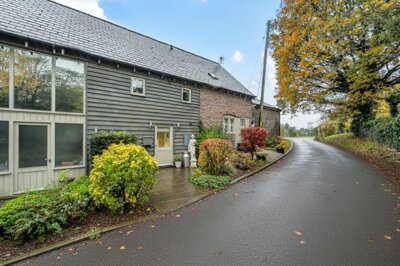
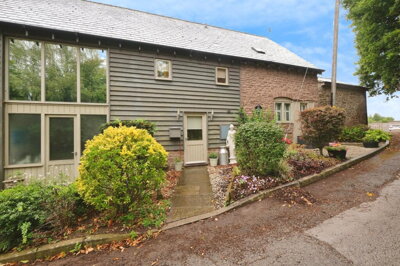
Browse 6 homes for sale in Much Birch from local estate agents.
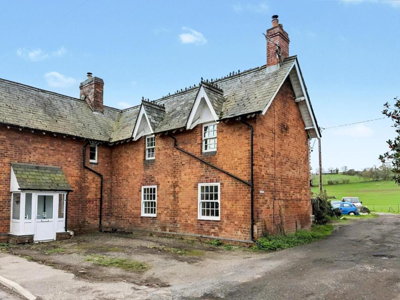
The 2 bed house market features detached, semi-detached, and terraced properties with two separate bedrooms plus living spaces. Properties in Much Birch range from Victorian and Edwardian period homes to modern new builds, with pricing varying across different neighbourhoods.
The Much Birch property market reflects the character of this rural Herefordshire parish, offering a diverse mix of housing types that cater to different buyer requirements and budgets. Detached homes command the highest prices in the area, with a median sale price of £485,000 across 10 sales recorded in 2024, according to PropertyResearch.uk data. These properties typically sit on generous plots and offer the space and privacy that families and those working from home increasingly seek. The premium for detached accommodation in Much Birch reflects both the scarcity of such properties and the desirable semirural setting they occupy. Many detached properties in the parish border farmland, offering panoramic views across the rolling Herefordshire countryside that draws many buyers to the area in the first place.
Semi-detached properties represent a significant portion of the local housing stock and have accounted for approximately 50% of recent sales in the parish. The median sale price for semi-detached homes in Much Birch reached £270,000 based on 2025 transaction data, making them an accessible entry point for buyers seeking family accommodation at a more moderate price point. Rightmove data for Tump Lane, Much Birch, confirms the average semi-detached property price at £270,000 over the past year. Terraced properties in the village have achieved prices around the £339,000 mark historically, while flats in the area have transacted at an average of £215,000. This range of prices across property types ensures that buyers with varying budgets can find suitable options within the parish boundaries.
The market has experienced notable price adjustments over the past year, with overall house prices falling by approximately 48.9% according to Land Registry sales data. For the postcode HR2 8HT specifically, prices are down an average of 1.6% since November 2024. In Tump Lane, historical sold prices over the last year were 26% down on the 2007 peak, reflecting broader national trends and local market dynamics. Properties in Much Birch benefit from the parish's location between Hereford and Ross-on-Wye, with excellent access to the M50 and A40 road networks. The Much Birch Neighbourhood Development Plan indicates that housing development requirements have been met through several notable sites providing a mix of dwelling types and affordable housing options, suggesting controlled future growth in the parish.
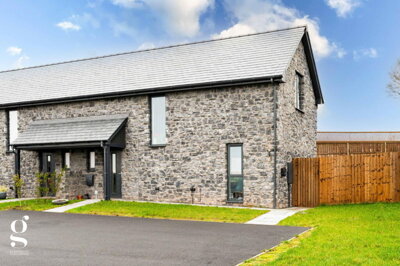
A notable addition to the local housing stock includes a modern house built in 2016 on an exclusive development in Much Birch, featuring contemporary construction with an air source heat pump providing underfloor heating. This demonstrates that the parish continues to attract new development while maintaining its character. The Neighbourhood Development Plan confirms that the minimum requirement of 57 new houses over 2011-2031 has already been exceeded by a notable amount, spread across three significant sites throughout the parish. For buyers seeking character properties, barn conversions are also available locally, offering features such as exposed beams and original stone walls, though these typically come with their own maintenance considerations and potential restrictions.

Much Birch embodies the essence of rural Herefordshire living, offering residents a peaceful village atmosphere while maintaining practical connections to larger towns and cities. The parish sits in a scenic landscape characterised by rolling farmland, hedgerow-lined lanes, and the gentle topography typical of the English countryside. With approximately 400 dwellings spread across the parish, Much Birch maintains an intimate community feel where neighbours know one another and local events bring residents together at the village hall and parish church. This tight-knit atmosphere appeals particularly to families with children and those seeking a slower pace of life away from urban congestion. The parish is not designated as a Conservation Area, though individual period properties throughout Much Birch may carry listed building status, adding to the architectural diversity of the area.
The local economy in Much Birch shows a distinctive entrepreneurial character, with nearly 20% of economically active residents self-employed according to the Neighbourhood Development Plan. This high proportion of self-employed individuals reflects both the flexibility of rural living and the ability to work remotely thanks to modern technology. Many residents run small businesses from home, contributing to a diverse and resilient local economy that does not rely heavily on a single industry or employer. The proximity to Hereford and Ross-on-Wye provides additional employment opportunities in healthcare, education, retail, and professional services for those who prefer or require office-based work. The strategic position between two established market towns makes Much Birch particularly attractive to commuters who need access to a wider range of employment while enjoying semirural living.
Daily life in Much Birch is well-served by local amenities that meet most everyday needs without requiring lengthy journeys. The village hosts a traditional public house offering food and community gatherings, while the nearby hotel and restaurant provides dining options for special occasions and visiting guests. A doctors' surgery ensures that healthcare is accessible to residents, and the parish church offers spiritual community and historical interest. The village hall serves as a hub for activities, events, and clubs that cater to various interests and age groups. This combination of essential services and community facilities makes Much Birch a practical choice for those seeking a self-sufficient village lifestyle within easy reach of city conveniences. The Steiner Academy located approximately 3 miles from the village centre adds an additional dimension to the local community, attracting families who value alternative educational philosophies.
The Much Birch community calendar reflects the traditional rhythms of rural English village life, with seasonal events bringing residents together throughout the year. The village hall hosts everything from quiz nights and art exhibitions to jumble sales and theatrical performances, providing entertainment that does not require travelling to Hereford or Ross-on-Wye. The parish church serves as both a spiritual centre and a historical landmark, with regular services and occasional concerts that showcase the building's heritage. For families with children, the primary school provides not just education but also a focal point for parent involvement in village activities. This rich of community life is one of the main reasons why people choose to relocate to Much Birch rather than other semirural locations with similar property prices.

Education provision in and around Much Birch offers families a choice of schooling options that cater to different educational philosophies and requirements. The parish maintains its own primary school, providing local education for younger children and minimising travel distances for families living within the village. Primary education in the local area follows the national curriculum, preparing children for transition to secondary school with a solid foundation in core subjects. Class sizes in rural primary schools often remain smaller than in urban settings, allowing teachers to provide more individual attention and support to each pupil. The close relationship between teachers, pupils, and parents creates an environment where children can develop confidence and a genuine love of learning.
Beyond traditional state education, Much Birch benefits from the presence of a Steiner Academy located approximately 3 miles from the village centre. The Steiner educational approach emphasises creative play, imagination, and holistic development, attracting families who seek an alternative to mainstream schooling methods. This nearby option provides valuable diversity in educational provision for the parish and surrounding villages, allowing parents to choose an approach that best suits their children's learning styles and family values. The Steiner Academy serves as a draw for families relocating to the area specifically for its educational offerings, contributing to the diverse community that makes Much Birch distinctive. The school also provides opportunities for local children to mix with peers from neighbouring villages, broadening their social horizons while still attending a school close to home.
Secondary education opportunities for Much Birch residents are available in the nearby towns of Hereford and Ross-on-Wye, both accessible by bus or car. These towns offer a range of secondary schools including grammar schools, comprehensives, and academies with specialisms in areas such as technology, arts, and sports. School transport links ensure that children can reach these schools without parents needing to provide daily lifts, though catchment areas and admissions criteria should be carefully reviewed as part of the property search process. Sixth form and further education provision in Hereford includes college facilities offering A-levels, vocational courses, and apprenticeships, ensuring that young people can continue their education locally without necessarily relocating to a larger city. For families prioritising secondary school options, the travel times from Much Birch to various schools should be factored into the overall decision about where to purchase property.
For families considering property purchase in Much Birch, understanding the educational landscape is essential for making an informed decision. The Steiner Academy's proximity makes the village particularly attractive to parents who want their children to benefit from an alternative approach without the long journey times that such schools often require. The availability of school transport to secondary schools in both Hereford and Ross-on-Wye means that families do not need to live within a specific catchment area of those towns, opening up the full range of Much Birch properties as viable options. Primary school provision within the village itself eliminates the need for young families to drive children to school each morning, a practical benefit that becomes increasingly valuable as children grow and become involved in after-school activities that rely on walking or cycling home.
Much Birch enjoys a strategic position that combines rural tranquility with excellent road connectivity to the wider region. The village sits between Hereford and Ross-on-Wye, providing residents with easy access to the comprehensive services, shopping facilities, and employment opportunities available in both market towns. The M50 motorway, connecting to the A40, provides a direct route to the Midlands and South Wales, making Much Birch particularly attractive to commuters who work in Tewkesbury, Gloucester, or beyond. This road connectivity transforms what might appear to be a remote village into a practical base for professionals who need to travel regularly for work. The A449 provides an alternative route toward Wolverhampton and the Black Country for those whose employment takes them in that direction.
For rail travel, Hereford railway station offers connections to major destinations including services on the Welsh Marches Line. Direct services from Hereford provide regular trains to Birmingham, Manchester, and London via the West Coast Main Line through Crewe or via Worcester and the Chiltern Main Line. The journey time to London Paddington from Hereford is approximately three hours, positioning Much Birch within reasonable commuting distance for those who work in the capital occasionally or who can work from home most days. For daily commuters, the drive from Much Birch to Hereford station takes approximately 20-30 minutes depending on the route and time of day, making it feasible for regular rail travel without requiring an early morning start. The station also provides connections to Cardiff and other Welsh destinations, useful for those with employment or family ties across the border.
Local bus services connect Much Birch with surrounding villages and towns, providing essential transport for those without access to a car. Schools buses ensure that children can reach secondary education facilities in Hereford and Ross-on-Wye without parents needing to provide lifts. For daily errands, the bus services allow residents to access supermarkets, medical appointments, and other services in the nearby towns. Cycling infrastructure in the area has improved in recent years, with quieter country lanes providing pleasant routes for recreational cycling and occasional commuting. The combination of these transport options means that car ownership, while convenient, is not absolutely essential for living successfully in Much Birch, though most residents do find a car valuable for accessing the full range of local amenities and employment opportunities.
The road network around Much Birch has been developed with the parish's needs in mind, though prospective residents should be aware that country lanes can be narrow in places and may require careful navigation during peak times or adverse weather conditions. The M50 provides convenient access to the national motorway network, linking to the M5 near Worcester and the M4 corridor via other major routes. For those working in Birmingham, the drive via the M5 and M6 is straightforward and typically takes around 90 minutes outside of peak hours. The proximity to Ross-on-Wye, approximately 15 minutes by car, provides an alternative for accessing additional rail services and local facilities that complement those available in Hereford.
Before viewing properties, spend time exploring Much Birch at different times of day and on different days of the week. Visit the local pub, attend a village hall event, and speak with residents to understand what daily life is really like. Check local planning applications on the Herefordshire Council website to identify any proposed developments that might affect your chosen street. The Much Birch Neighbourhood Development Plan is available to view online and provides valuable insight into future housing development plans for the parish.
Speak with a mortgage broker or lender to obtain an Agreement in Principle before you start viewing properties. This document demonstrates to sellers that you are a serious buyer with financing already arranged. Given the rural nature of Much Birch properties, some lenders may require specific valuations so ensure your broker understands properties in this area. With median prices around £264,250, most buyers will find mortgage products readily available, though rural and character properties may attract different lending criteria.
Work with local estate agents who know Much Birch intimately to arrange viewings of suitable properties. Take a notepad to record your impressions and photograph properties to help you compare later. Pay particular attention to property condition, garden sizes, and proximity to neighbouring properties when viewing in a village setting. Note the HR2 8HT postcode covers specific areas where mid-century properties dominate, while other parts of the parish may feature more varied housing stock.
Once your offer is accepted, instruct a RICS Level 2 Survey to assess the property condition comprehensively. Many properties in Much Birch are mid-century homes built between 1936 and 1979, and a thorough survey can identify common issues such as roof condition, damp penetration, and the condition of older plumbing and electrical systems. The survey provides negotiating leverage if issues are identified and typically costs from £350 depending on property size. Given the prevalence of this property type in the area, surveyors familiar with Much Birch housing stock will know what to look for.
Choose a solicitor experienced in rural property transactions to handle the legal aspects of your purchase. They will conduct local authority searches with Herefordshire Council, check for planning restrictions, and manage the transfer of funds. Given that Much Birch properties may include septic tanks, private drainage systems, or shared access arrangements, an experienced solicitor is essential. Legal fees generally range from £500 to £1,500 depending on complexity, with rural properties sometimes requiring additional searches.
Your solicitor will arrange for contracts to be signed and will coordinate with your mortgage lender to ensure funds are transferred correctly. On completion day, you will receive the keys to your new Much Birch home and can begin settling into this attractive rural parish. Register with the local doctors' surgery and update your address with relevant organisations promptly. The village's welcoming community means that new residents are often invited to local events shortly after moving in.
Properties in Much Birch encompass a variety of construction styles and ages that buyers should carefully evaluate before committing to a purchase. The dominant property type in the HR2 8HT postcode area consists of mid-century houses built between 1936 and 1979, representing a significant proportion of the local housing stock. These properties may exhibit typical issues associated with their era, including original windows requiring replacement, potential damp penetration in solid-wall construction, and electrical systems that may need updating to meet current standards. A thorough RICS Level 2 Survey will identify such issues and provide cost estimates for necessary repairs or upgrades, giving buyers confidence in their purchase decision.
Drainage arrangements deserve particular attention when purchasing in rural Herefordshire, as properties may utilise private septic tanks or treatment systems rather than connecting to mains sewerage. These systems require regular maintenance and may need upgrading to meet current environmental regulations. Buyers should establish the location of any private drainage systems, confirm their condition, and clarify responsibility for maintenance costs. Water supply in some rural properties may also come from private boreholes or springs rather than the mains network, introducing additional considerations for maintenance and water quality testing. Your conveyancing solicitor should include specific drainage and water supply enquiries in their standard searches for Much Birch properties.
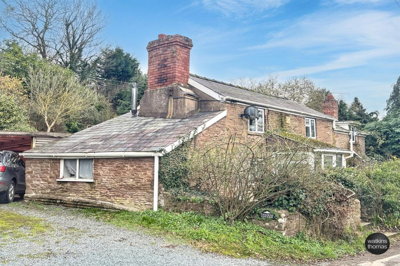
Building materials in Much Birch properties vary from traditional brick and stone construction to more modern methods including properties built in 2016 that feature air source heat pumps and underfloor heating. Some properties in the parish may be barn conversions offering character features such as exposed beams and original stone walls, though these may present challenges including less effective insulation and potential for structural movement. Understanding the construction materials and any associated maintenance implications helps buyers budget accurately for the true cost of ownership beyond the purchase price. Listed building status, where applicable, may impose restrictions on alterations and improvements, so buyers should confirm whether any property they are considering carries such designations before making any purchase decisions.
Broadband connectivity and mobile phone signal strength are practical considerations that deserve attention when viewing properties in Much Birch. While the village is well-connected by road, rural broadband speeds can vary significantly between properties, particularly those on the edges of the parish or in areas with limited infrastructure. Prospective buyers should test broadband speeds at the property and investigate whether any improvements are planned under the national broadband rollout programme. Similarly, mobile phone coverage can be patchy in some rural locations, so testing signal strength across all major networks is advisable. These factors are particularly relevant given the high proportion of self-employed residents who rely on reliable connectivity for their work.
The median house price in Much Birch stands at approximately £264,250 according to PropertyResearch.uk data, though Zoopla reports average sold prices of £248,333 over the last 12 months. Detached properties command the highest prices with a median of £485,000 based on 2024 sales, while semi-detached homes have achieved around £270,000 in recent transactions. Flat prices average around £215,000 in the Tump Lane area. The market has experienced significant price adjustments recently, with overall prices falling by approximately 48.9% over the past year according to Land Registry data, which may present opportunities for buyers entering the market at this time.
Properties in Much Birch fall under Herefordshire Council's jurisdiction for council tax purposes. Bands range from A through H based on property valuation, with most rural properties typically falling in bands B through E depending on their assessed value. Mid-century detached homes in the parish often fall into higher bands due to their generous size and plot areas, while smaller terraced properties and flats typically occupy the lower bands. You can verify the specific band for any property through the Herefordshire Council website or by requesting the information from the seller or estate agent during the conveyancing process.
Much Birch has its own primary school serving the local community, providing education for children in the early years and Key Stage 1 with the benefit of small class sizes typical of rural schools. A Steiner Academy located approximately 3 miles from the village offers an alternative educational approach for families interested in that philosophy, attracting buyers specifically to the Much Birch area. Secondary education options are available in nearby Hereford and Ross-on-Wye, with various comprehensives, academies, and grammar schools accessible by school transport. The Steiner Academy represents a notable local draw that distinguishes the Much Birch area from other rural parishes in Herefordshire, providing educational diversity that appeals to families with different values and preferences.
Local bus services connect Much Birch with surrounding villages and the towns of Hereford and Ross-on-Wye, providing essential public transport options for residents without cars. Hereford railway station offers rail connections on the Welsh Marches Line, with services to Birmingham, Manchester, and London with journey times of approximately three hours to the capital. The village sits conveniently between Hereford and Ross-on-Wye, both of which provide additional bus routes and transport facilities. For commuting by car, the M50 and A40 provide straightforward access to the Midlands and South Wales, while the A449 offers a route toward Wolverhampton and the Black Country. Hereford station is approximately 20-30 minutes drive from Much Birch village centre.
Much Birch offers several factors that may appeal to property investors, including its semirural location between two established market towns and its strong community character. Nearly 20% of economically active residents are self-employed, indicating a population with entrepreneurial spirit and potential for property rental demand from professionals working from home. The parish has exceeded its housing development requirements according to the Neighbourhood Development Plan, suggesting controlled future growth that maintains property values. However, the recent significant price adjustments and relatively low transaction volumes mean that any investment decision should be based on careful analysis of individual circumstances and long-term local market trends. The HR2 8HT postcode has seen only 5 sales in the last three years, indicating a thin market where prices can be more volatile.
Stamp Duty Land Tax applies to all property purchases in England, including those in Much Birch. For residential purchases, the standard thresholds are 0% on the first £250,000, 5% on £250,001 to £925,000, 10% on £925,001 to £1.5 million, and 12% on any amount above £1.5 million. First-time buyers benefit from relief on the first £425,000 at 0%, with 5% applying between £425,001 and £625,000. Given that most properties in Much Birch fall below £500,000, many buyers will pay minimal or no stamp duty. A first-time buyer purchasing a typical semi-detached property at £270,000 would pay zero SDLT, while a non-first-time buyer would pay 5% on the £20,000 above the threshold, resulting in a £1,000 charge.
When viewing properties in Much Birch, pay particular attention to the condition of mid-century properties built between 1936 and 1979, which form a significant portion of the local stock in the HR2 8HT postcode area. Check the condition of roofs, windows, and any original features that may require maintenance or replacement. Investigate drainage arrangements thoroughly, as rural properties often use private septic systems that require ongoing maintenance and may need upgrading to meet current regulations. Verify broadband speeds and mobile phone signal strength, as these can vary significantly in rural areas and are important for the many self-employed residents working from home. Consider garden boundaries and access arrangements, particularly for properties bordering farmland where livestock may be present nearby.
The Much Birch Neighbourhood Development Plan confirms that housing development requirements have been met through several notable sites spread across the parish, with the minimum requirement of 57 new houses over 2011-2031 already exceeded. A modern house built in 2016 is mentioned as being in an exclusive development between Hereford and Ross-on-Wye, featuring contemporary construction with an air source heat pump and underfloor heating. Rightmove and Zoopla list properties for sale described as new build or modern homes in the Much Birch area, though specific development names are not widely publicised. For buyers seeking brand new properties, viewing current listings and contacting local estate agents directly will provide the most up-to-date information on availability.
From 4.5%
Expert mortgage advice for Much Birch buyers
From £499
Specialist solicitors for rural property transactions
From £350
Comprehensive property condition report
From £80
Energy performance certificate
Understanding the full costs of purchasing property in Much Birch helps buyers budget accurately and avoid financial surprises during what can be a complex transaction. The purchase price of the property represents the largest cost, but additional expenses including Stamp Duty Land Tax, legal fees, survey costs, and moving expenses can add several thousand pounds to the total outlay. For a typical semi-detached property in Much Birch priced around £270,000, these additional costs typically range from £3,000 to £5,000 depending on individual circumstances and the services selected. First-time buyers purchasing properties under £425,000 will pay no SDLT, making the overall cost of purchasing in Much Birch more accessible.
Stamp Duty Land Tax rates for residential properties purchased in England have been temporarily adjusted, with the current thresholds allowing first-time buyers to pay zero duty on properties up to £425,000. For a property priced at £270,000 purchased by a first-time buyer, the duty would be calculated at 5% on the amount between £425,000 and the purchase price, resulting in zero SDLT liability. Non-first-time buyers purchasing the same property would pay zero duty on the first £250,000 and 5% on the remaining £20,000, resulting in a £1,000 SDLT charge. Properties priced above £925,000 attract higher rates, though such prices are uncommon in the Much Birch market where detached homes average £485,000.
Survey costs represent an important investment in protecting your purchase, particularly given that many properties in Much Birch are mid-century homes that may have maintenance requirements. A RICS Level 2 Survey, previously known as a Homebuyer Report, typically costs from £350 depending on property size and the surveyor instructed. This report identifies structural issues, defects, and maintenance concerns that may not be apparent during a standard viewing, giving buyers negotiating leverage or the opportunity to withdraw from a purchase if serious issues are discovered. Legal fees for conveyancing generally range from £500 to £1,500 depending on complexity, with rural properties sometimes requiring additional searches related to drainage, rights of way, or agricultural matters. Mortgage arrangement fees vary by lender but can range from zero to around £2,000, though many buyers choose to add these to their mortgage rather than pay upfront.
Moving costs should also be factored into your overall budget when purchasing in Much Birch. Removal companies in the Herefordshire area typically charge between £500 and £2,000 depending on the volume of belongings and distance moved. If you are moving from further afield, costs will be higher. Building insurance must be in place from the day of completion, and you may wish to consider life insurance and contents cover as part of your overall financial planning. Setting aside a contingency fund of around 5% of the purchase price is advisable to cover any unexpected costs that arise during the purchase process or shortly after moving in. This financial preparation ensures that your transition to life in Much Birch begins smoothly without money worries dampening the excitement of your new home.
Properties for Sale In London

Properties for Sale In Plymouth

Properties for Sale In Liverpool

Properties for Sale In Glasgow

Properties for Sale In Sheffield

Properties for Sale In Edinburgh

Properties for Sale In Coventry

Properties for Sale In Bradford

Properties for Sale In Manchester

Properties for Sale In Birmingham

Properties for Sale In Bristol

Properties for Sale In Oxford

Properties for Sale In Leicester

Properties for Sale In Newcastle

Properties for Sale In Leeds

Properties for Sale In Southampton

Properties for Sale In Cardiff

Properties for Sale In Nottingham

Properties for Sale In Norwich

Properties for Sale In Brighton

Properties for Sale In Derby

Properties for Sale In Portsmouth

Properties for Sale In Northampton

Properties for Sale In Milton Keynes

Properties for Sale In Bournemouth

Properties for Sale In Bolton

Properties for Sale In Swansea

Properties for Sale In Swindon

Properties for Sale In Peterborough

Properties for Sale In Wolverhampton

Enter your details to see if this property is within your budget.
Loans, cards, car finance
Estimated property budget
Borrowing + deposit
You could borrow between
Typical borrowing
Monthly repayment
Est. at 4.5%
Loan-to-value
This is an estimate only. Your actual budget may vary depending on interest rates, credit history, and personal circumstances. For an accurate affordability assessment, speak to one of our free mortgage advisors.
This calculator provides estimates for illustrative purposes only and does not constitute financial advice. Your home may be repossessed if you do not keep up repayments on your mortgage. Estimates based on 4.5% interest rate, repayment mortgage. Actual rates depend on your circumstances.
Homemove is a trading name of HM Haus Group Ltd (Company No. 13873779, registered in England & Wales). Homemove Mortgages Ltd (Company No. 15947693) is an Appointed Representative of TMG Direct Limited, trading as TMG Mortgage Network, which is authorised and regulated by the Financial Conduct Authority (FRN 786245). Homemove Mortgages Ltd is entered on the FCA Register as an Appointed Representative (FRN 1022429). You can check registrations at NewRegister or by calling 0800 111 6768.

We use cookies to show you personalised content and improve your experience of our website. Find out more in our Privacy policy and Cookie policy.