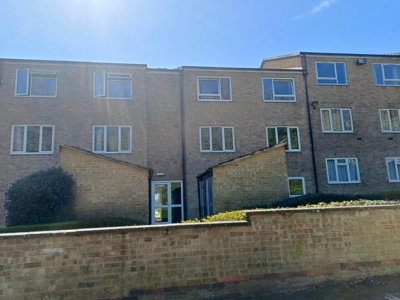
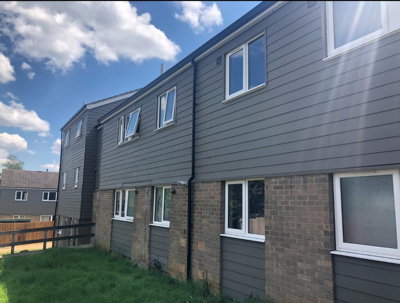
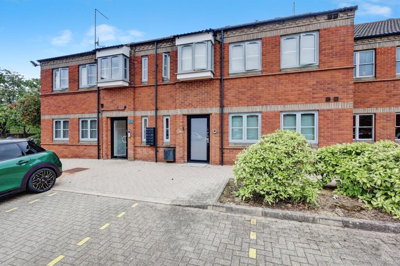
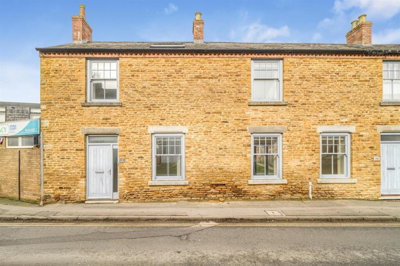
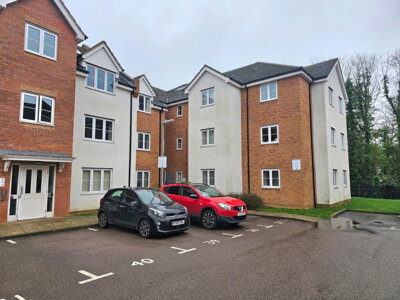
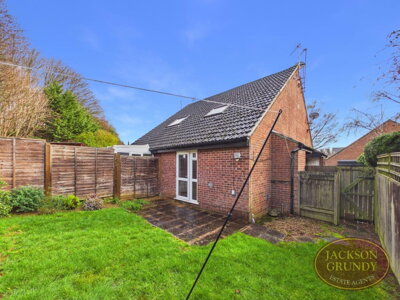
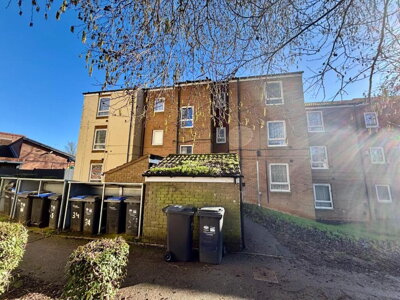
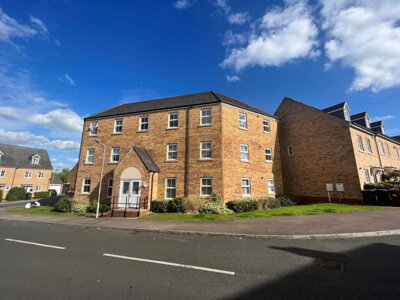
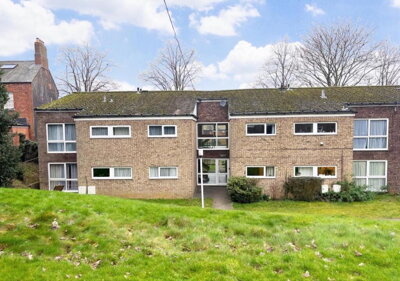
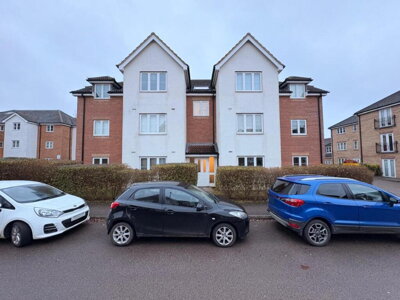
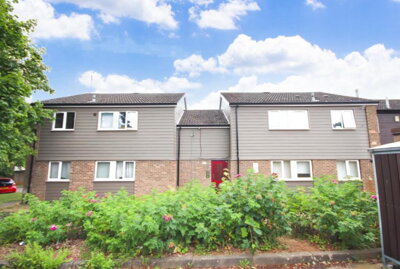
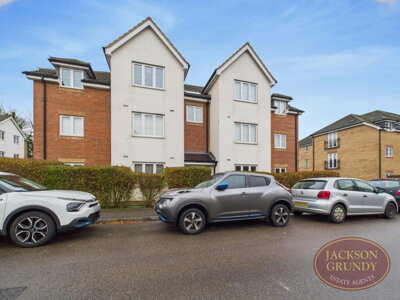
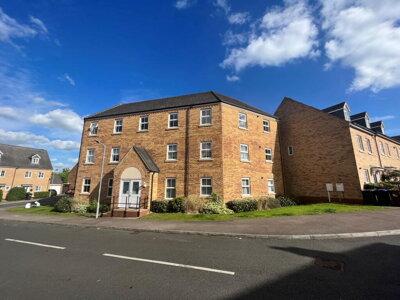
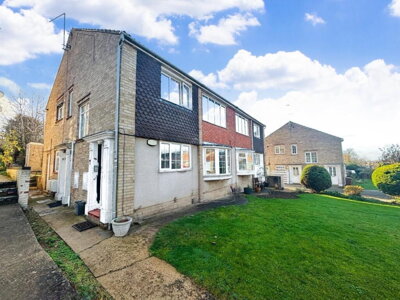
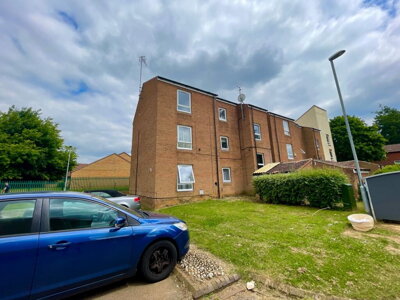
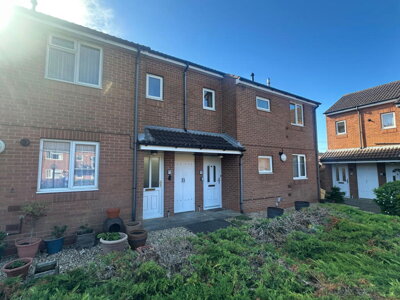
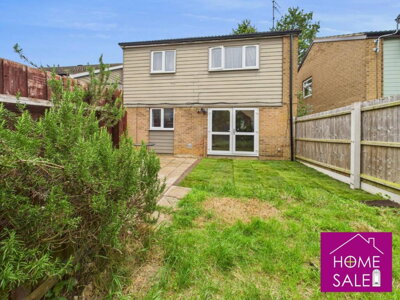
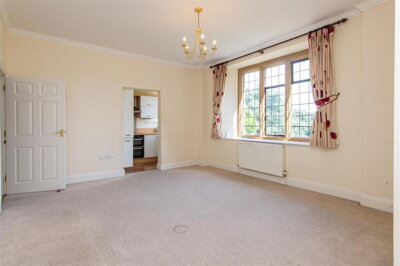
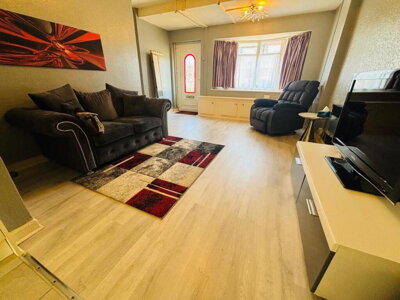
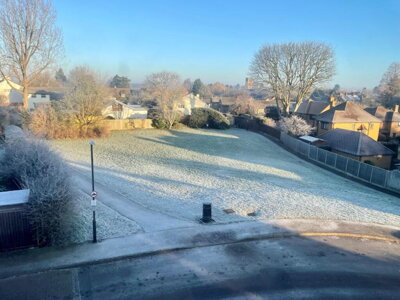
Browse 26 homes for sale in Moulton from local estate agents.
Studio apartments feature open-plan living spaces without separate bedrooms, incorporating sleeping, living, kitchen, and bathroom facilities. The Moulton studio market includes properties in modern apartment complexes, converted Victorian and Georgian buildings, and purpose-built developments.
The Moulton property market presents healthy options across all property types, with detached homes averaging £458,372 and semi-detached properties around £290,849. Terraced properties offer more accessible entry points at approximately £254,712, making the village attractive to first-time buyers seeking character homes without the premium associated with nearby Northampton or Milton Keynes. Recent data from Property Solvers records 104 residential property sales in the past year, representing a modest 1.92% decrease compared to the previous year, suggesting relative market stability despite broader national fluctuations.
New build activity remains a feature of the local market, with Taylor Wimpey offering 3, 4, and 5-bedroom homes ranging from around £295,000 for a 3-bedroom mid-terrace to £417,500 for a 4-bedroom detached property. For those seeking premium finishes, Whistlefields Close features larger 4-bedroom detached homes priced around £585,000 to £600,000. Looking at longer-term trends, Rightmove data shows prices are approximately 13% below the 2022 peak of £397,189, presenting potential opportunities for buyers who were priced out during the previous high.
The broader West Northamptonshire housing landscape reflects national patterns while maintaining local character. Census 2021 data shows that almost 8 in 10 households in the wider area lived in houses or bungalows, with semi-detached properties comprising 31.5% of stock and terraced homes at 23.2%. This mix of property types translates to Moulton, where the village offers everything from centuries-old stone cottages to modern executive homes, providing genuine choice for buyers across different budget levels and lifestyle preferences.
Looking ahead, planning applications for future developments indicate continued growth in the Moulton area. An outline planning application for land south of Boughton Road proposes approximately 50 new homes complemented by public open spaces and recreational facilities, while permission has been secured for up to 85 dwellings at Marsh Spinney alongside a new healthcare facility. These developments suggest the village will continue to attract buyers seeking a balance between established character and modern amenities.

Moulton civil parish is home to approximately 5,491 residents according to the 2021 Census, with estimates suggesting around 5,399 residents by 2024 and a population density of roughly 1,875 people per square kilometre. The community maintains a warm, village character that has attracted families and professionals seeking respite from larger urban centres while retaining access to comprehensive amenities. In 2011, there were approximately 1,460 households in the built-up area, and that number continues to grow as new developments add to the village housing stock.
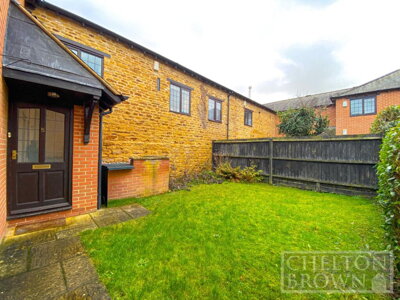
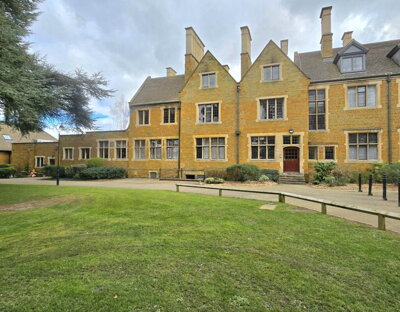
The village centre showcases the area's rich architectural heritage, with many of the oldest cottages dating back hundreds of years and constructed from the distinctive "rich dark honey coloured local stone" unique to this part of Northamptonshire. The Moulton Conservation Area, established in April 1979 and with its boundary revised in May 1997, encompasses the historic core and protects the character of stone-built cottages and thatched properties that define the village's aesthetic appeal. Local building materials including Ironstone, Moulton "Pendle" Stone, and the light-coloured "Boughton Stone" create a cohesive visual identity throughout the village, reflecting the underlying geology of the Northampton Sand Formation.
Beyond its historic centre, Moulton offers practical amenities including local shops, pubs, and community facilities that serve daily needs. The surrounding countryside provides excellent walking opportunities, with the village sitting at elevations between 400 and 600 feet above sea level, offering panoramic views across the Northamptonshire landscape. The West Northamptonshire area contributes to the local economy through diverse sectors including advanced manufacturing, logistics, and technology, with the county's central location placing Moulton within the "logistics golden triangle" served by major motorways including the M1, A14, and M6.
Northampton's continued growth as a major regional centre reinforces Moulton's appeal as a residential destination. The town is expanding faster than new housing supply can keep pace, and its proximity to Milton Keynes, London, and the emerging Oxford-Cambridge Arc boosts its commuter appeal significantly. Employers in logistics, manufacturing, healthcare, and technology contribute to steady job growth in the region, while the West Northamptonshire Council's Economic Growth strategy focuses on attracting investment in Advanced Manufacturing, Life Sciences, Clean Energy, and Creative and Digital sectors. This economic trajectory suggests strong fundamentals for the local property market and continued demand for quality housing in Moulton.

Education provision in Moulton serves families with children at all stages, making the village particularly attractive to parents seeking quality schooling within a village setting. The presence of good primary and secondary schools within easy walking distance removes the need for lengthy school runs that characterise life in larger towns. West Northamptonshire has invested in educational infrastructure to keep pace with population growth, and the village's reputation for strong educational outcomes continues to attract families to the area.
For secondary education, pupils in Moulton typically access schools in the surrounding area, with various options available depending on catchment boundaries and selective admission policies. The broader West Northamptonshire region benefits from a mix of academy schools and local authority provision, with several schools achieving above-average Progress 8 scores and strong GCSE outcomes. Parents are advised to check current catchment areas and admission arrangements, as these can change and may significantly impact school placement decisions.
Further education options are readily accessible, with colleges and sixth forms in nearby Northampton offering diverse academic and vocational pathways. The county's commitment to skills development is reflected in the West Northamptonshire Council Economic Growth strategy, which focuses on increasing productivity and attracting investment in advanced manufacturing, life sciences, and clean energy sectors. This economic direction suggests continued investment in educational provision to support future workforce needs, benefiting families considering long-term residence in the area.
Moulton enjoys strategic positioning that makes commuting to major employment centres practical and straightforward. The village sits within easy reach of the M1 motorway, providing direct access to London, Milton Keynes, Leicester, and Sheffield. The A43 passes nearby, offering connections to Northampton and the wider A14 corridor that serves Cambridge, Felixstowe, and the East Coast ports. This excellent road network places Moulton residents within comfortable driving distance of multiple major employment hubs.
For those preferring public transport, Northampton railway station offers regular services to London Euston with journey times of approximately one hour. The station also provides connections to Birmingham, Birmingham International, and the wider West Midlands rail network. Bus services link Moulton with Northampton town centre, enabling residents to access retail, healthcare, and cultural amenities without reliance on private vehicles. The village's position within the central UK transport corridor makes it particularly attractive to commuters who split their working week between office and home.
Local cycling infrastructure has improved in recent years, with cycle routes connecting Moulton to surrounding villages and Northampton. The relatively flat terrain of Northamptonshire makes cycling a viable option for shorter journeys, reducing dependence on cars for daily travel. Parking provision within the village accommodates residents with vehicles, while the excellent motorway connections make longer-distance travel straightforward for those who need to travel further afield for work or leisure.
Properties in Moulton reflect centuries of construction tradition, with local building materials shaping the village's distinctive character. The underlying geology of the area has directly influenced how homes have been built over generations, from medieval stone cottages to contemporary new builds. Understanding these construction methods helps buyers appreciate what to expect from different property types and anticipate maintenance requirements specific to the local area.
The most distinctive building material in Moulton is the local ironstone, extracted from the Northampton Sands Formation that underlies the village. This rich dark honey coloured stone has been used for centuries, creating the warm-toned cottages that define the Conservation Area. Moulton "Pendle" Stone and the lighter "Boughton Stone" offer variations on this local tradition, while the broader Northamptonshire geology includes Cornbrash, Inferior Oolite, and Great Oolite sedimentary rocks that have all contributed to local building practices. Northamptonshire also has a long history of clay pottery and brick making, meaning traditional brick properties also appear throughout the village alongside stone construction.
The combination of local geology and traditional building methods creates specific considerations for property buyers. Older stone properties were built using breathable lime-based mortars and renders that allow moisture to evaporate naturally from walls. When modern cement-based products have been applied to these properties, they can trap moisture within the stonework, leading to deterioration and damp issues. A RICS Level 2 Survey will identify signs of inappropriate modern materials being used on period properties, which is particularly relevant in a Conservation Area where sympathetic maintenance is essential for preserving the village's character.
Properties in Moulton require careful assessment due to the village's varied housing stock spanning centuries of construction. For homes within the Conservation Area, be aware that planning restrictions apply to preserve the historic character. Any external alterations, extensions, or significant renovations may require consent from West Northamptonshire Council. These restrictions protect the character of stone-built cottages and thatched properties but may limit your ability to make changes to the property.
The geological conditions in Moulton warrant particular attention during property surveys. The presence of clay-rich soils indicates potential for shrink-swell behaviour, which can cause subsidence in properties with shallow foundations. Tree roots drawing moisture from clay soils compound this risk, particularly during prolonged dry periods. The British Geological Survey's Property Subsidence Assessment dataset provides tools to understand this risk at property and postcode levels, and a thorough RICS Level 2 Survey will assess these risks and flag any signs of structural movement, cracking, or foundation issues that require further investigation.
Surface water flooding has been identified as a concern in Moulton, with Flood Risk and Mitigation Reports developed by West Northamptonshire Council as part of a Community Resilience Pathfinder project (2019-2021). When viewing properties, check the flood risk status and consider the position of the property relative to local watercourses and drainage channels. Insurance costs may be higher for properties in flood-risk areas, and this should be factored into your overall budget. Ask the seller about any previous flooding incidents and what mitigation measures are in place.
For leasehold properties, typically flats within modern developments, review the remaining lease term, ground rent obligations, and service charge provisions carefully. Freehold properties are generally preferred in this area, but always verify the tenure before proceeding. Properties built from local stone may require more specialised maintenance using appropriate breathable materials rather than modern alternatives, which can affect long-term maintenance costs and planning considerations.
Electrical systems in older properties often require assessment and updating. Properties with wiring over 25 years old should be tested by a qualified electrician, and full rewriring may be necessary in period homes. Similarly, plumbing systems in older cottages may include outdated materials such as lead or galvanized steel pipes that should be replaced. These potential renovation costs should be factored into your budget when considering older properties in Moulton's Conservation Area.
Spend time exploring Moulton before committing to a purchase. Visit at different times of day, check local amenities, and speak to residents to understand what daily life is like. Pay particular attention to the Conservation Area boundaries and any planning restrictions that might affect your intended property use.
Before viewing properties, obtain a mortgage agreement in principle from a lender. This demonstrates your buying capacity to sellers and estate agents, strengthening your position when making offers. Include all sources of deposit funding and be clear about your maximum borrowing limit.
Work with local estate agents to arrange viewings of suitable properties. In Moulton's market, well-presented homes in the Conservation Area attract strong interest. When you find the right property, submit a competitive offer that reflects current market conditions and any factors specific to the property's condition or location.
For properties in Moulton, particularly older stone-built homes, commissioning a RICS Level 2 Survey before proceeding is strongly recommended. Local surveys start from approximately £480. The survey will identify any structural issues, assess the condition of roofs and walls, and highlight concerns related to the clay soils and potential shrink-swell behaviour common in the area.
Choose a conveyancing solicitor to handle the legal aspects of your purchase. They will conduct searches with West Northamptonshire Council, check property boundaries, verify ownership, and manage the transfer of funds on completion. Choose a solicitor with experience in Northamptonshire property transactions.
Once all searches are satisfactory and both parties agree on terms, your solicitor will exchange contracts and confirm a completion date. On completion day, the remaining funds are transferred, and you receive the keys to your new Moulton home.
Understanding the total costs involved in purchasing property in Moulton helps you budget accurately and avoid surprises during the transaction. The current Stamp Duty Land Tax thresholds for 2024-25 apply the zero rate band to purchases up to £250,000, with 5% charged on the portion between £250,001 and £925,000. For properties above £925,000, the rates increase to 10% on the next portion and 12% on any value exceeding £1.5 million.
First-time buyers benefit from increased thresholds, paying no SDLT on properties up to £425,000, with 5% on the portion between £425,001 and £625,000. This relief is available to all buyers who do not own any other residential property worldwide, subject to completion of the required declaration. For a typical Moulton property at the average price of around £344,279, a first-time buyer would pay no stamp duty at all, making the village an attractive option for those taking their first step onto the property ladder.
Beyond stamp duty, budget for additional costs including conveyancing fees from approximately £499, mortgage arrangement fees which vary by lender, and a RICS Level 2 Survey from around £480 for properties in this area. Local search fees with West Northamptonshire Council typically range from £200 to £300, while Land Registry fees for registration total approximately £150 to £500 depending on property value. Buildings insurance should be arranged from the point of exchange, and you may need to budget for removals, new furniture, and any immediate repairs or decorations once you take ownership.
The average house price in Moulton sits around £344,279 according to recent Rightmove data, though this varies by property type. Detached homes average approximately £458,372, semi-detached properties around £290,849, and terraced homes about £254,712. Alternative sources report slightly different averages, with HM Land Registry data showing £385,000 and OnTheMarket recording £338,000 as of January 2026. The market has shown relative stability, with prices approximately 13% below the 2022 peak of £397,189, suggesting potential opportunities for buyers who entered the market later.
Council tax bands in Moulton are set by West Northamptonshire Council across bands A through H. Specific property bands depend on the property's assessed value, with band A applying to properties valued up to £40,000 and band H applying to those over £320,000. You can check the specific band for any property through the Valuation Office Agency website or by contacting West Northamptonshire Council directly. Properties in the Conservation Area with historic stone construction may have been assessed using different criteria.
Moulton offers strong primary education provision within the village, with schools serving families at the early years and Key Stage 1 and 2 levels. The village attracts families specifically for the quality of local schooling, and OFSTED ratings should be checked for current performance data. For secondary education, pupils typically attend schools in the surrounding area, with catchment areas determining placement. Parents are advised to verify current school performance data and admission arrangements as these can change annually.
Moulton is well connected by road via the nearby M1 motorway and A43, providing direct access to Northampton, Milton Keynes, and London. Public transport options include bus services to Northampton town centre and railway stations offering connections to London, Birmingham, and the wider rail network. Northampton station provides regular services to London Euston in approximately one hour. The village's position within the central UK transport corridor makes it practical for commuters who need access to major employment centres.
Moulton offers several factors that make it attractive for property investment. The village's proximity to growing Northampton and excellent transport links support tenant demand for rental properties. Average prices around £344,000 represent relatively accessible entry points compared to nearby Milton Keynes or Cambridge. The presence of new developments including Taylor Wimpey homes indicates continued local investment, while the Conservation Area designation suggests properties will retain their character and desirability. West Northamptonshire's diverse economy including advanced manufacturing and logistics sectors provides stable employment that supports rental demand. However, investors should research rental yields, void periods, and local demand factors before committing.
For properties up to £250,000, no stamp duty applies under standard rates. On a typical Moulton property priced around £344,279, stamp duty would be calculated at 5% on the portion between £250,000 and £344,279, totalling approximately £4,714. First-time buyers pay nothing on properties up to £425,000, meaning a typical Moulton home would incur no stamp duty liability. Properties above £925,000 attract higher rates of 10% and 12% on portions exceeding that threshold.
Surface water flooding has been identified as a risk in Moulton, and West Northamptonshire Council has developed Flood Risk and Mitigation Reports for the community as part of a Community Resilience Pathfinder project. Properties near watercourses or in lower-lying areas of the village may face higher flood risk. Northamptonshire generally experiences high flood risk from rivers and surface water, with projections indicating an increase in flood events in the East Midlands due to climate change. A RICS Level 2 Survey will assess drainage and any signs of water damage or damp. Insurance premiums may be higher for properties in flood-risk areas. Always check the specific flood risk status of any property you are considering purchasing.
Older properties in Moulton, particularly those within the Conservation Area, present specific risks that require careful assessment. The clay-rich soils in the area create potential for shrink-swell behaviour affecting foundations, with trees on or near the property exacerbating this risk by drawing moisture from the ground. Stone-built properties may have been treated with inappropriate modern materials such as silicone-based paint or cement render that disrupt natural moisture regulation, leading to damp issues. Electrical systems in older homes may require updating, and plumbing could include outdated lead or galvanized steel pipes. Roofs on period properties often require more frequent maintenance. A comprehensive RICS Level 2 Survey is essential before purchasing any period property in the village, and listed buildings may require specialist conservation surveys.
From 4.5% APR
Compare mortgage deals and get expert advice for your Moulton purchase
From £499
Solicitors experienced in West Northamptonshire property transactions
From £480
Recommended for all property purchases in Moulton, especially period homes
From £80
Energy performance certificates required for property sales
Properties for Sale In London

Properties for Sale In Plymouth

Properties for Sale In Liverpool

Properties for Sale In Glasgow

Properties for Sale In Sheffield

Properties for Sale In Edinburgh

Properties for Sale In Coventry

Properties for Sale In Bradford

Properties for Sale In Manchester

Properties for Sale In Birmingham

Properties for Sale In Bristol

Properties for Sale In Oxford

Properties for Sale In Leicester

Properties for Sale In Newcastle

Properties for Sale In Leeds

Properties for Sale In Southampton

Properties for Sale In Cardiff

Properties for Sale In Nottingham

Properties for Sale In Norwich

Properties for Sale In Brighton

Properties for Sale In Derby

Properties for Sale In Portsmouth

Properties for Sale In Northampton

Properties for Sale In Milton Keynes

Properties for Sale In Bournemouth

Properties for Sale In Bolton

Properties for Sale In Swansea

Properties for Sale In Swindon

Properties for Sale In Peterborough

Properties for Sale In Wolverhampton

Enter your details to see if this property is within your budget.
Loans, cards, car finance
Estimated property budget
Borrowing + deposit
You could borrow between
Typical borrowing
Monthly repayment
Est. at 4.5%
Loan-to-value
This is an estimate only. Your actual budget may vary depending on interest rates, credit history, and personal circumstances. For an accurate affordability assessment, speak to one of our free mortgage advisors.
This calculator provides estimates for illustrative purposes only and does not constitute financial advice. Your home may be repossessed if you do not keep up repayments on your mortgage. Estimates based on 4.5% interest rate, repayment mortgage. Actual rates depend on your circumstances.
Homemove is a trading name of HM Haus Group Ltd (Company No. 13873779, registered in England & Wales). Homemove Mortgages Ltd (Company No. 15947693) is an Appointed Representative of TMG Direct Limited, trading as TMG Mortgage Network, which is authorised and regulated by the Financial Conduct Authority (FRN 786245). Homemove Mortgages Ltd is entered on the FCA Register as an Appointed Representative (FRN 1022429). You can check registrations at NewRegister or by calling 0800 111 6768.

We use cookies to show you personalised content and improve your experience of our website. Find out more in our Privacy policy and Cookie policy.