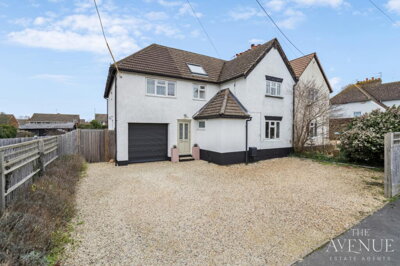
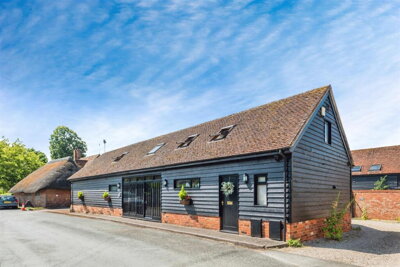
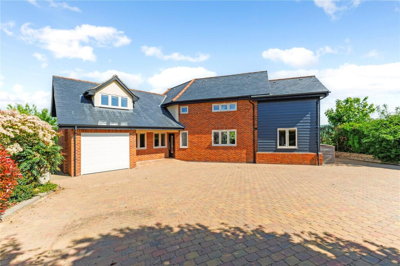
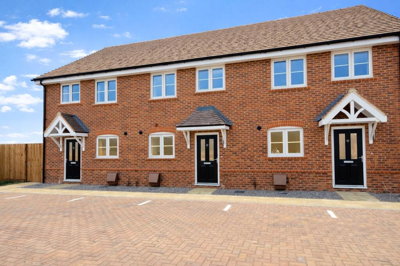
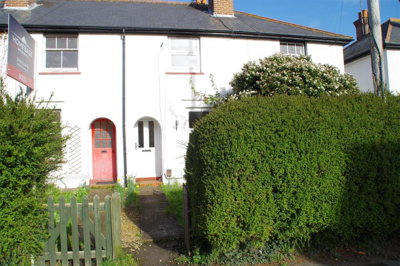
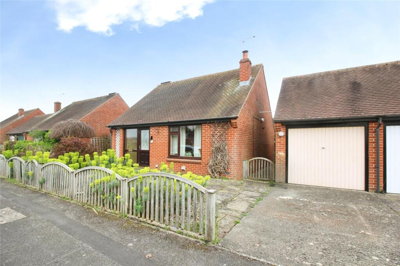
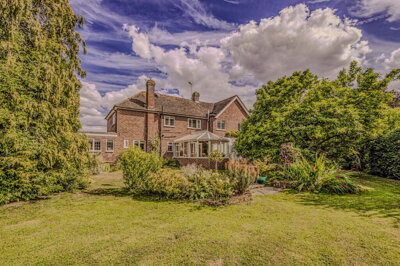
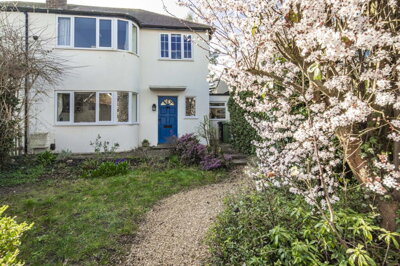
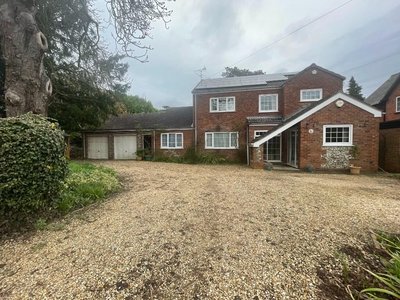
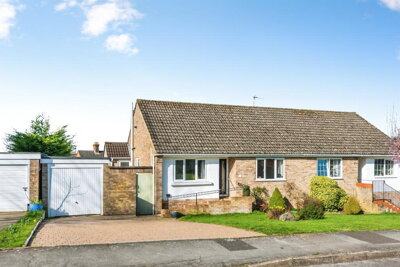
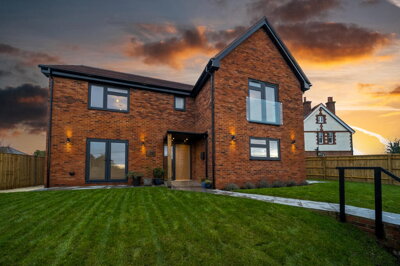
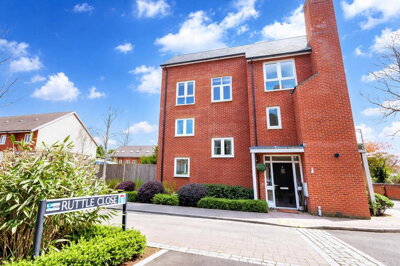
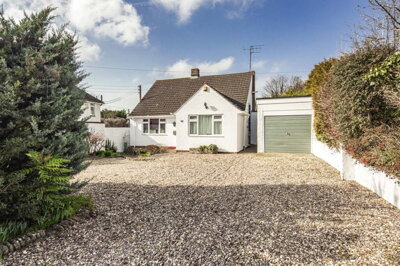
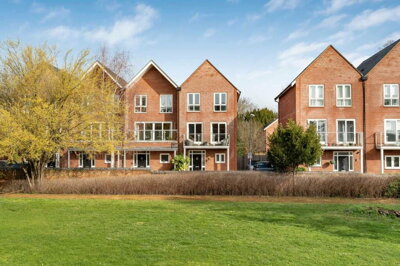
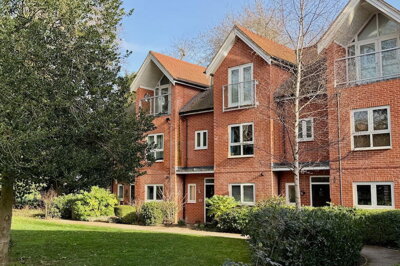
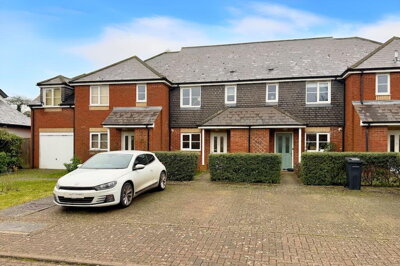
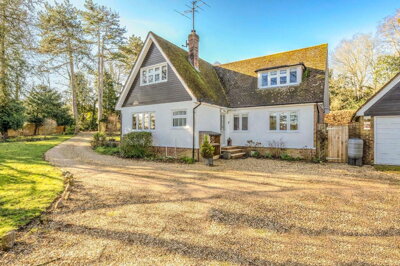
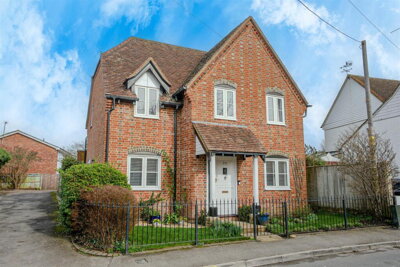
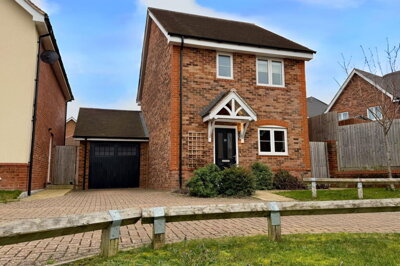
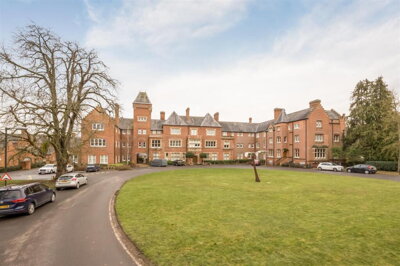
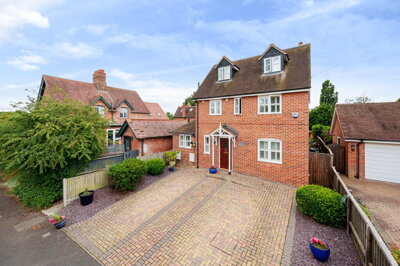
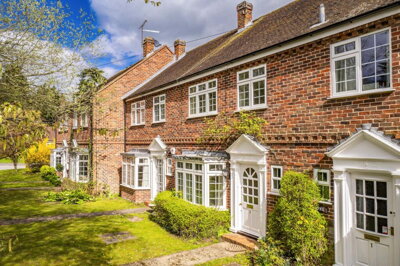
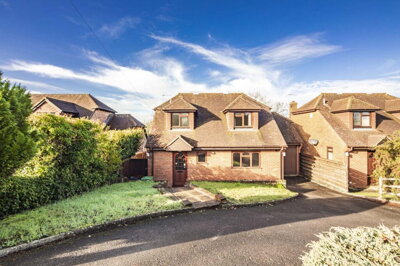
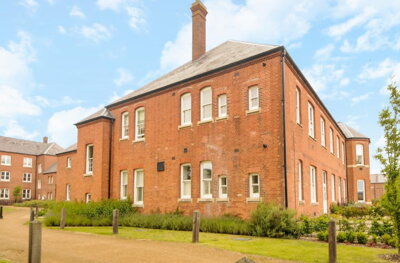
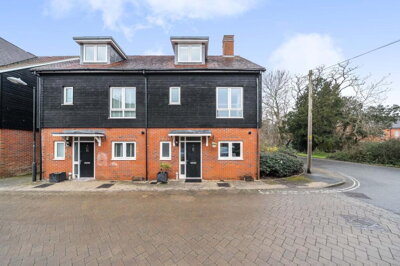
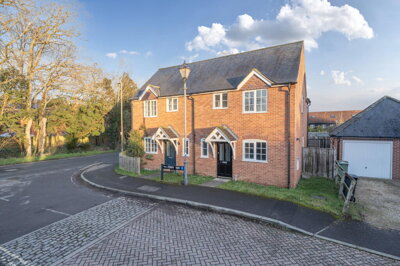
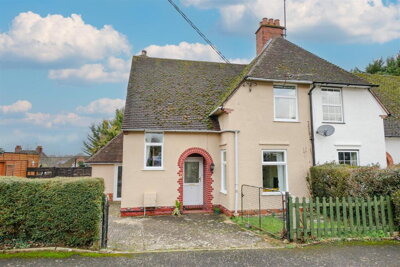
Browse 69 homes for sale in Moulsford, South Oxfordshire from local estate agents.
£900k
2
0
59
Source: home.co.uk
Source: home.co.uk
Detached
2 listings
Avg £900,000
Source: home.co.uk
Source: home.co.uk
The property market in Littleton, Winchester, Hampshire, has demonstrated remarkable resilience with prices just 2% down on their 2022 peak of £887,366, while showing a 2% increase on the previous year. Properties on Main Road in Littleton have performed particularly strongly, with prices rising 44% compared to the previous year, averaging £865,375 across all property types sold. Detached homes on Main Road command premium prices averaging £1,109,250, reflecting strong demand from buyers seeking the village's larger family homes with substantial plot sizes. The market attracts buyers willing to pay a significant premium for rural character, generous garden sizes, and the village atmosphere that Littleton provides, while maintaining excellent commuting links to Winchester and beyond.
The housing stock in Littleton and Harestock encompasses around 450 homes in the older village of Littleton with its heritage properties, alongside over 1,000 homes in the more recent development of Harestock that expanded during the nineteenth and twentieth centuries. Property types available include traditional detached and semi-detached family homes, period cottages with original features, and modern constructions that blend contemporary design with the village's rural character. The mix of very old properties dating from the fifteenth and sixteenth centuries, Victorian and Edwardian houses, and more recent builds means buyers can choose between character properties requiring renovation and modern homes ready for immediate occupation. This diversity in housing stock, combined with the village's desirable location, continues to support strong demand and relatively stable property values in the Littleton area.

Littleton, Winchester, embodies the classic English village lifestyle within one of England's most attractive counties, situated along the chalk geology of the Hampshire Downs at elevations between 60 and 100 metres above sea level. Residents enjoy an active community spirit, with local events, traditional pubs, and village amenities contributing to a strong sense of belonging that distinguishes village life from urban living. The civil parish combines the historic core of Littleton with the residential development of Harestock, creating a community that balances heritage with modern convenience. The surrounding area offers excellent walking routes across the chalk downland, country lanes for cycling, and access to the county's renowned gardens, historic sites, and attractions that draw visitors throughout the year.
The village sits approximately 3 miles north of Winchester city centre, providing residents with easy access to comprehensive shopping, dining, cultural amenities, and the area's famous cathedral city atmosphere. For families considering relocation, the demographic profile includes a good mix of ages with families drawn by the quality of local schools, professionals attracted to the commuting advantages, and retirees appreciating the peaceful setting and community spirit. The village maintains its agricultural heritage with farmland and woodland surrounding the settlement, while modern conveniences including local shops, village halls, and recreational facilities ensure everyday needs are well served. The demographic profile and steady population growth reflect the enduring appeal of rural Hampshire living within easy reach of Winchester's employment opportunities and cultural offerings.

Families considering a move to Littleton will find a range of educational options within the surrounding area of Winchester district, with primary schools serving the village and surrounding parishes providing solid foundations for younger children. The local education authority maintains rigorous standards for schools across the area, with regular Ofsted inspection regimes ensuring quality provision for children of all ages and abilities. Parents should research specific catchment areas and admission arrangements, as these can vary across the Winchester local authority and significantly affect which schools serve particular addresses in the Littleton and Harestock area. School performance data, recent Ofsted reports, and proximity from your potential new home are all factors worth considering when evaluating the local educational landscape for your family.
Secondary education in the Winchester area includes several well-regarded schools serving the Littleton community, with options available across both the state and private sectors. For families seeking independent education, Hampshire offers a selection of private schools at both primary and secondary levels, with several notable options within reasonable driving distance. Sixth form provision and further education opportunities are available in Winchester city centre, with the renowned Winchester College and other institutions providing clear progression routes for older students. The quality and availability of schooling in the Winchester area represents a significant factor in the sustained demand for properties in Littleton, with families often prioritising educational access when choosing between villages in this part of Hampshire.
Transport connections from Littleton provide excellent access to the regional road network, connecting residents efficiently to Winchester city centre and the wider South of England. The A34 trunk road passes nearby, offering a direct route to Winchester city centre and continuing south to Southampton, Portsmouth, and the South Coast motorway network. For commuters working in Winchester, the journey of approximately 3 miles provides a convenient daily option, while those travelling to Southampton, Oxford, or London benefit from the strategic position of the village relative to major employment centres. The M3 motorway is accessible via the A34, providing connections to London and the national motorway network.
Public transport options in rural Hampshire include bus services connecting Littleton to Winchester city centre and surrounding villages, with the X64 service providing a regular link between Winchester and Andover. Winchester railway station offers mainline services to London Waterloo with journey times of approximately one hour, while also providing connections to Southampton, Portsmouth, Basingstoke, and the South West. For those travelling further afield, Southampton Airport and Bournemouth Airport provide domestic and international flight options within reasonable driving distance of the village. For residents working from home or pursuing hybrid arrangements, the rural setting provides an attractive base with space for home office requirements while maintaining excellent connectivity when needed.
Explore property listings on Homemove and familiarise yourself with current prices, property types, and the character of different neighbourhoods within Littleton and Harestock. The average property price in the area is around £907,300, with significant variation between detached family homes averaging £973,125 and semi-detached properties at approximately £644,000, so understanding these price differentials will help you identify properties that match your budget and requirements.
Schedule visits to properties that match your requirements, taking time to assess the village atmosphere, nearby amenities, and the condition of individual properties. When viewing period properties in Littleton, pay particular attention to the condition of original features, roof coverings, and any signs of damp or structural movement that may require attention or negotiation on price.
Contact lenders or use Homemove's mortgage comparison tools to secure an agreement in principle before making a formal offer on a property. With the average property price in Littleton approaching £1 million for detached homes, most buyers will require mortgage financing, and having your financial position confirmed strengthens your negotiating position with sellers.
Once you find your ideal home, submit an offer through the estate agent and instruct a conveyancing solicitor to handle the legal aspects of your purchase. Properties in Littleton may include listed buildings or homes within the conservation area, which can add complexity to the conveyancing process and require specialist knowledge from your solicitor.
A RICS Level 2 survey will assess the property's condition, identifying defects common in the area's older properties including timber decay, damp penetration, and roof deterioration. Local authority searches will reveal any planning factors, conservation area restrictions, or environmental considerations affecting the home, including flood risk assessments given the groundwater flooding risk in parts of Littleton.
Finalise the transaction with your solicitor, pay stamp duty, and receive the keys to your new home in Littleton. Your solicitor will calculate the exact SDLT liability based on your purchase price and circumstances, with most properties in Littleton likely attracting SDLT at the 5% rate given average prices exceed the £250,000 threshold.
Property buyers in Littleton should consider several area-specific factors when evaluating homes in this historic Hampshire village. The age of local properties varies considerably, with some dating from the fifteenth and sixteenth centuries, meaning construction methods and building materials may differ significantly from modern standards. Many older properties feature timber-frame construction with plaster and flint infill, sometimes encased in brick and stuccoed, with plain tile or slate roofs that require specific maintenance knowledge. Properties may also be constructed with rendered brick and slate roofs typical of the early nineteenth century, or more recent brick and tile construction from the twentieth century expansions. Older properties may require more maintenance and could present issues such as timber decay, damp penetration, or outdated electrical systems that a professional survey would identify.
Flood risk assessment is an important consideration for properties in Littleton, given the documented risk of groundwater flooding and flash flooding affecting the village. Parts of Littleton are at risk from periods of groundwater flooding, with elevated groundwater levels occasionally leading to cellar flooding, particularly during periods of heavy rainfall. Flash flooding can occur throughout the year due to intense rainfall or snowmelt, overwhelming the village's drainage systems which in some areas rely on soakaways rather than mains drainage. Properties in Harestock benefit from mains drainage systems with less groundwater flooding risk. Buyers should request information about any history of flooding, check insurance arrangements and premium costs, and ensure a comprehensive building survey addresses moisture-related issues, particularly for properties with basements or cellars.
Conservation area status applies to the old village of Littleton, designated by Winchester City Council due to its special architectural and historic interest, which could affect permitted development rights and renovation options for properties in the historic core. Numerous listed buildings including Grade II* properties such as the Church of St Catherine and Littleton Manor, and Grade II listed buildings including Littleton Lodge, Monks Rest, and Slade Cottage require special consent for any alterations and higher maintenance standards. Properties of historical interest may require more detailed surveys such as a RICS Level 3 Building Survey rather than a standard Level 2, given their unique construction, age, and the specialist knowledge required to assess historic building materials and regulations appropriately.
Understanding local building construction methods is essential when purchasing property in Littleton, as the village's heritage means many homes were built using traditional techniques that differ substantially from modern construction. The oldest properties in Littleton, dating from the fifteenth and sixteenth centuries, were originally constructed as Hampshire Hall houses with timber-frame structures, plaster infill, and flint panels that provided both structural support and weather resistance. Over subsequent centuries, many of these timber-framed properties were encased in brick and stuccoed, combining traditional aesthetics with improved durability. Roof coverings on these historic properties typically feature plain clay tiles or, in some cases, slate imported from Wales or Cornwall.
The early nineteenth century brought changes in construction fashion, with properties like Littleton Lodge constructed using rendered brick walls with slate roofs that characterised the Georgian and Regency periods. Later Victorian and Edwardian properties built during the early twentieth century expansion of the village typically feature solid brick construction with cavity wall insulation, tiled roofs, and more modern building standards. The twentieth century development of Harestock brought further variety, with semi-detached and detached houses built using standard brick and tile methods of their respective eras. When commissioning a survey on any property in Littleton, buyers should ensure the surveyor has experience with the specific construction type, as timber-framed properties require particular attention to structural connections, ventilation, and signs of movement or decay that may not be apparent in newer constructions.
Property prices in Littleton, Winchester, reflect the strength of the rural Hampshire market, with an overall average sold price of £907,300 over the last year according to Zoopla data. Detached family homes command premium prices averaging £973,125, while semi-detached properties average around £644,000. Properties on Main Road in Littleton have averaged £865,375 over the last 12 months, with detached homes on this road averaging £1,109,250, demonstrating the significant price premium that larger detached properties command in this sought-after village location.
Properties in Littleton fall under the council tax jurisdiction of Winchester City Council. Council tax bands range from A through H and are based on the assessed value of the property as of April 1991. Specific bands vary by individual property, and buyers can check current banding through the Winchester City Council website or request this information from the seller or estate agent during the conveyancing process. Band D is typically considered the median council tax band for properties in this part of Hampshire, though larger detached family homes may fall into higher bands.
The area surrounding Littleton offers access to several well-regarded primary and secondary schools operated by Hampshire County Council. Parents should research specific school catchment areas, as admissions policies can significantly affect which schools serve particular addresses in the Littleton and Harestock area. School performance data, Ofsted inspection reports, and proximity from your potential new home are all factors worth considering when evaluating the local educational landscape. Secondary options in the wider Winchester area include both comprehensive and selective grammar school provision, with additional independent school choices available including the renowned Winchester College.
Public transport options in Littleton include local bus services connecting the village to Winchester city centre, with the X64 route providing regular services between Winchester and Andover. Winchester railway station offers mainline services to London Waterloo in approximately one hour, along with connections to Southampton, Portsmouth, and the South West. The village's position near the A34 provides straightforward access by car to regional destinations including Southampton Airport and the M3 motorway. For daily commuting, car ownership remains common in rural Hampshire, though the excellent rail connections make Winchester a viable commute option for those working in the city.
Littleton benefits from its position within the desirable Winchester district, which has historically shown resilient property values and consistent demand from buyers seeking rural Hampshire living with city access. The village appeals to buyers seeking a peaceful rural lifestyle with excellent connectivity to Winchester and the regional transport network. Historical price data shows Littleton properties have performed well, with prices 2% above the 2022 peak of £887,366, demonstrating market strength. Properties with character features, generous gardens, and proximity to Winchester's employment opportunities tend to maintain their value well. As with any property purchase, individual circumstances, budget, and long-term plans should guide the decision, and local market conditions should be researched thoroughly before committing.
Stamp Duty Land Tax rates for residential properties purchased from 14 October 2021 are: zero rate up to £250,000, 5% on the portion from £250,001 to £925,000, 10% from £925,001 to £1.5 million, and 12% above £1.5 million. Given the average property price in Littleton exceeds £900,000, most purchases will attract SDLT at the 5% rate on the portion above £250,000. First-time buyers may benefit from relief on properties up to £625,000, paying zero SDLT on the first £425,000 and 5% on the portion between £425,001 and £625,000. Your solicitor will calculate the exact SDLT liability based on your purchase price and circumstances.
Properties in Littleton face several flood risks that buyers should understand before purchasing. Groundwater flooding represents a significant risk in parts of the village, with elevated chalk aquifer levels occasionally leading to flooding of cellars and lower ground floors. A flood alert for groundwater flooding was issued in February 2026 for Littleton and surrounding villages, demonstrating that this risk is current and monitored. Flash flooding from intense rainfall can overwhelm drainage systems throughout the year, particularly in areas relying on soakaways. Harestock benefits from mains drainage systems with reduced groundwater flooding risk compared to the older village. Buyers should request information about any history of flooding, check insurance arrangements, and ensure surveys address moisture-related issues.
From 3.84%
Compare mortgage rates from leading lenders to finance your Littleton property purchase
From £499
Expert solicitors handling property transactions in the Winchester area
From £400
Professional condition survey ideal for most properties including older homes and listed buildings
From £600
Detailed building survey recommended for older, timber-framed, or listed properties in Littleton
From £60
Energy Performance Certificate required for all property sales
Purchasing a property in Littleton involves several costs beyond the purchase price, with stamp duty representing a significant element for many buyers given the premium nature of the local market. The current SDLT thresholds mean that a property priced at £500,000 would attract stamp duty of £12,500, calculated at 5% on the portion above £250,000. For a typical detached home in Littleton averaging around £973,000, SDLT would be approximately £36,150 at the 5% rate on the portion between £250,000 and £925,000. First-time buyers purchasing properties up to £625,000 could pay significantly less, with relief applying to the first £425,000 of the purchase price. It is essential to factor these costs into your overall budget when planning a property purchase.
Additional buying costs include solicitor fees for conveyancing, typically ranging from £500 to £1,500 depending on the complexity of the transaction and the property value. Given that Littleton includes listed buildings and conservation area properties, some transactions may require additional legal work regarding planning permissions or listed building consents, potentially increasing costs. A RICS Level 2 survey will cost between £400 and £800 depending on the property size and value, though properties over £500,000 typically average around £586 and pre-1900 properties may incur premiums of 20-40% due to their construction complexity. An Energy Performance Certificate is mandatory and costs around £60 to £120. Listed building status can add £150-400 to survey costs due to the specialist assessment required. Mortgage arrangement fees, valuation fees, and broker costs should also be considered when calculating the total cost of purchasing your new home in Littleton.
Budgeting for moving costs, potential repairs or renovations, and the initial period of household setup will help ensure a smooth transition to your new property. Many buyers underestimate the total costs involved, so working with a financial advisor or using Homemove's cost calculators can provide a clearer picture of the full financial commitment required. For period properties in Littleton, additional budget should be set aside for maintenance and potential upgrades to heating systems, electrical wiring, and insulation that may not meet modern standards in older properties. Careful planning allows you to enjoy your new home in Littleton without financial stress from unexpected costs.
Properties for Sale In London

Properties for Sale In Plymouth

Properties for Sale In Liverpool

Properties for Sale In Glasgow

Properties for Sale In Sheffield

Properties for Sale In Edinburgh

Properties for Sale In Coventry

Properties for Sale In Bradford

Properties for Sale In Manchester

Properties for Sale In Birmingham

Properties for Sale In Bristol

Properties for Sale In Oxford

Properties for Sale In Leicester

Properties for Sale In Newcastle

Properties for Sale In Leeds

Properties for Sale In Southampton

Properties for Sale In Cardiff

Properties for Sale In Nottingham

Properties for Sale In Norwich

Properties for Sale In Brighton

Properties for Sale In Derby

Properties for Sale In Portsmouth

Properties for Sale In Northampton

Properties for Sale In Milton Keynes

Properties for Sale In Bournemouth

Properties for Sale In Bolton

Properties for Sale In Swansea

Properties for Sale In Swindon

Properties for Sale In Peterborough

Properties for Sale In Wolverhampton

Enter your details to see if this property is within your budget.
Loans, cards, car finance
Estimated property budget
Borrowing + deposit
You could borrow between
Typical borrowing
Monthly repayment
Est. at 4.5%
Loan-to-value
This is an estimate only. Your actual budget may vary depending on interest rates, credit history, and personal circumstances. For an accurate affordability assessment, speak to one of our free mortgage advisors.
This calculator provides estimates for illustrative purposes only and does not constitute financial advice. Your home may be repossessed if you do not keep up repayments on your mortgage. Estimates based on 4.5% interest rate, repayment mortgage. Actual rates depend on your circumstances.
Homemove is a trading name of HM Haus Group Ltd (Company No. 13873779, registered in England & Wales). Homemove Mortgages Ltd (Company No. 15947693) is an Appointed Representative of TMG Direct Limited, trading as TMG Mortgage Network, which is authorised and regulated by the Financial Conduct Authority (FRN 786245). Homemove Mortgages Ltd is entered on the FCA Register as an Appointed Representative (FRN 1022429). You can check registrations at NewRegister or by calling 0800 111 6768.

We use cookies to show you personalised content and improve your experience of our website. Find out more in our Privacy policy and Cookie policy.