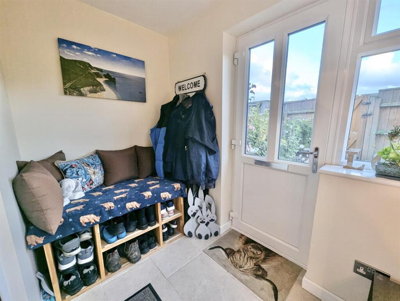
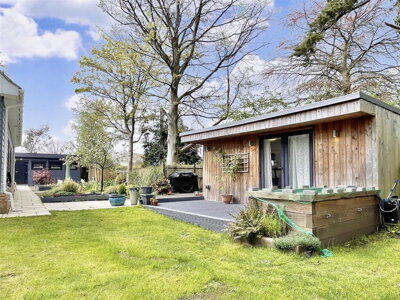
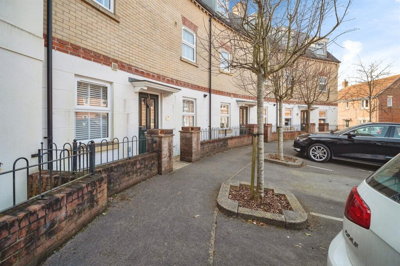
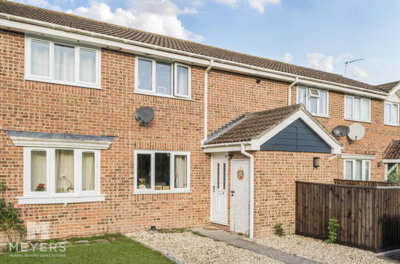
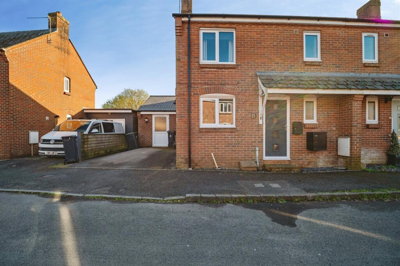
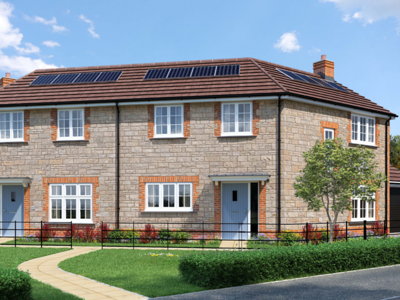
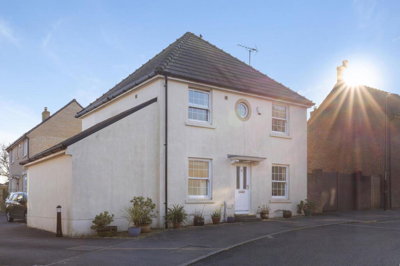
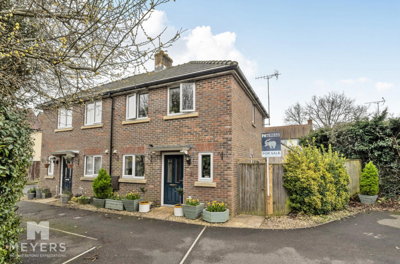
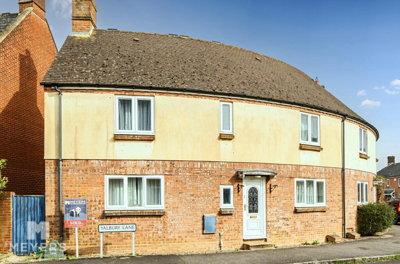
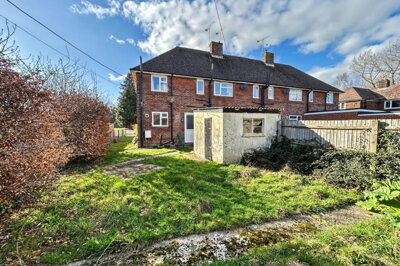
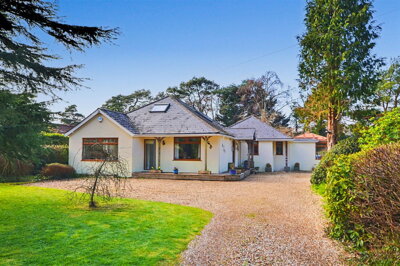
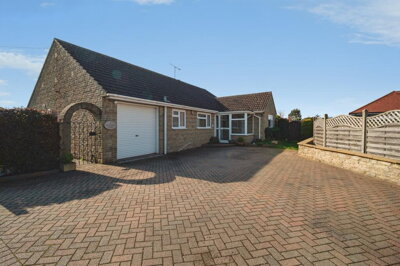
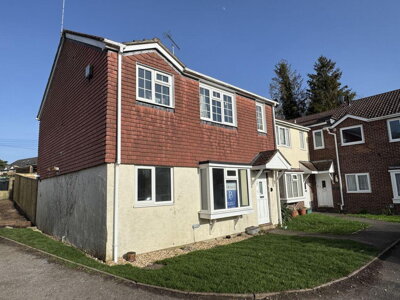
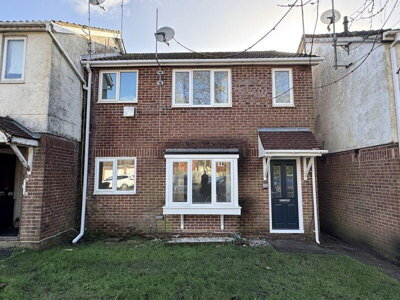
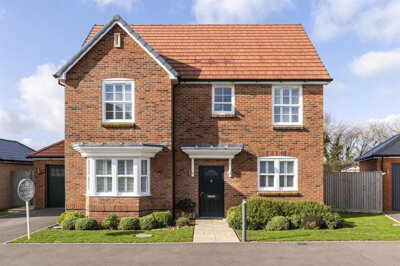
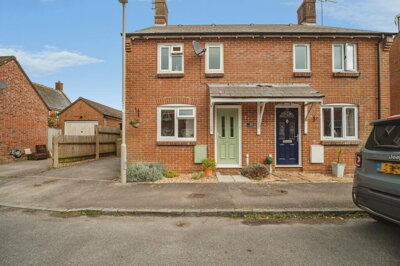
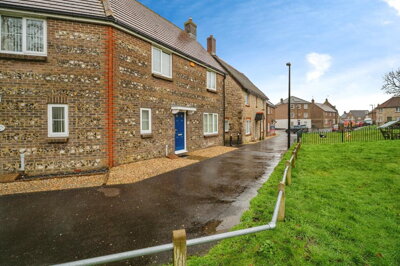
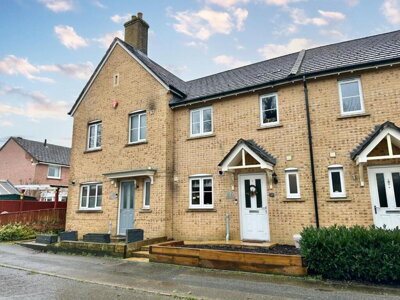
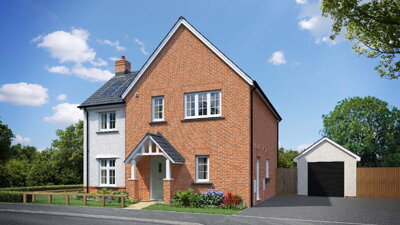
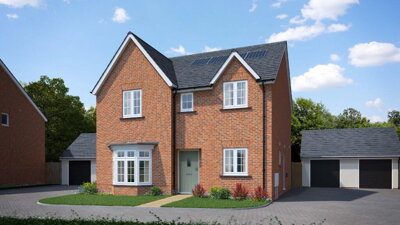
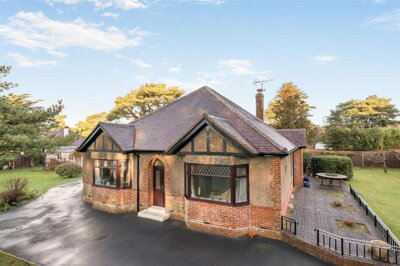
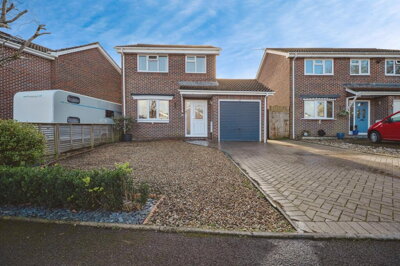
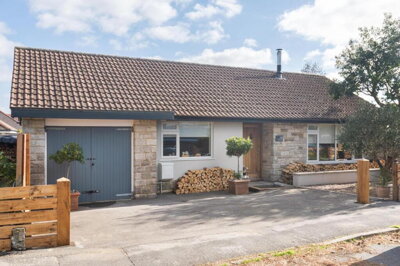
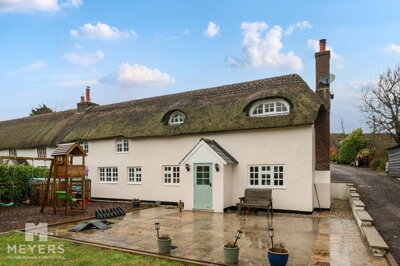
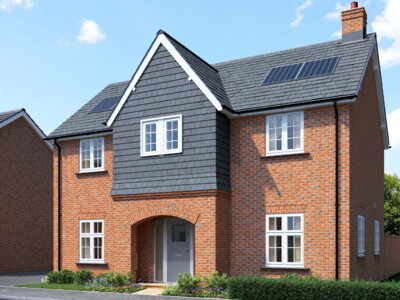
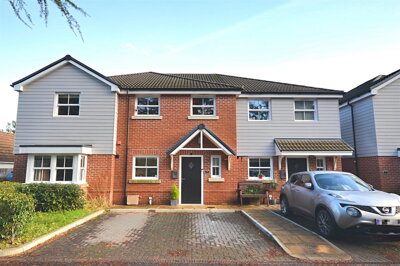
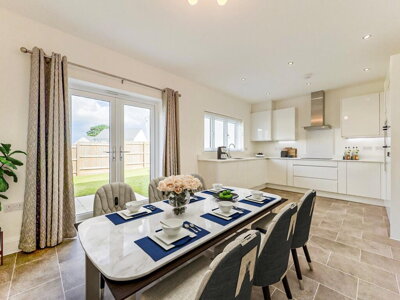
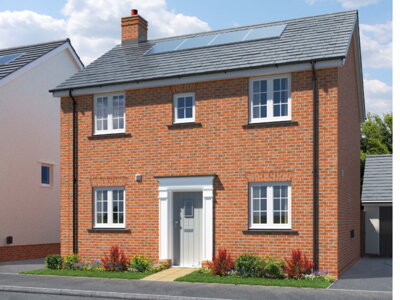
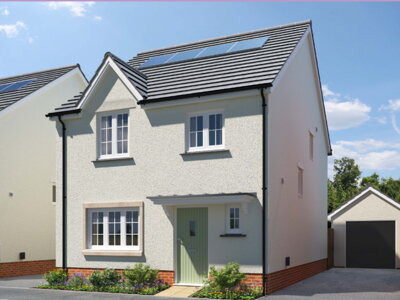
Browse 66 homes for sale in Moreton from local estate agents.
The Moreton property market offers detached, semi-detached, and terraced houses spanning various price ranges and neighbourhoods. Each listing includes detailed property information, photographs, and direct contact with the marketing agent.
The Moreton property market reflects the characteristics of a small, sought-after rural village where demand consistently outstrips supply. Detached properties command the highest prices, with the average currently sitting at £625,000, making them ideal for families seeking generous living space and land. Semi-detached homes average £385,000, offering an accessible entry point to village life, while terraced properties average £335,000 and often include charming period features that appeal to buyers seeking restoration projects.
Price trends over the past twelve months show a modest decline of 1.5% overall, a pattern consistent with quieter rural markets responding to broader economic conditions. Detached properties have seen slightly steeper declines of 1.6%, while semi-detached homes proved more resilient at 1.3%. This slight softening presents motivated buyers with a window of opportunity, particularly for properties that have been on the market for some time.
No new build developments exist within the DT2 7 postcode area, meaning buyers purchasing here acquire homes with genuine character and established gardens rather than purpose-built units. This absence of new supply helps maintain the village's exclusivity but also means buyers face limited choice when properties become available. We recommend registering with multiple local estate agents and setting up property alerts to avoid missing opportunities in this competitive market.

Moreton is a small civil parish with a population of approximately 370 residents, creating an intimate community atmosphere where neighbours know one another and local events bring people together throughout the year. The village centre centres around the Church of St Nicholas, a historic landmark that anchors the community and reflects Moreton's significance dating back centuries. The parish encompasses traditional cottages, farmhouses, and larger country houses, many of which fall within the designated Conservation Area, ensuring the village's historic character remains protected for future generations.
The local economy revolves around agriculture, tourism, and services catering to both residents and visitors exploring the wider Dorset area. Moreton House and its associated estate contribute to local employment and community life, while the village benefits from its position within the Piddle Valley, an area renowned for outstanding natural beauty. Walking routes crisscross the surrounding countryside, connecting residents with neighbouring villages and providing easy access to the Jurassic Coast, located within a short drive.
The presence of numerous listed buildings throughout Moreton, including Moreton House, various farmhouses, and traditional cottages, underscores the village's architectural heritage. These properties feature construction using local stone, particularly Portland and Purbeck stone, along with brick and render, materials that define the aesthetic of rural Dorset. Many homes retain original features such as flagstone floors, inglenook fireplaces, and exposed timber beams, characteristics that attract buyers seeking authentic period properties.
Properties in Moreton predominantly feature traditional solid wall construction using local stone and handmade bricks bonded with lime mortar. This construction method differs significantly from modern cavity wall techniques, and understanding these differences proves essential when assessing property condition. Our inspectors frequently encounter properties where the original lime mortar has been inappropriately replaced with cement, a modification that can trap moisture within the walls and accelerate stone deterioration.
The underlying geology around Moreton includes areas of chalk, particularly the Upper Chalk formation, along with patches of clay including London Clay and Gault Clay. Properties built on clay soils face potential shrink-swell movement during periods of extreme wet or dry weather, which can affect foundation performance. Our surveyors pay particular attention to crack patterns, door and window operation, and external ground movement when assessing properties in these geological conditions.
Timber construction features prominently in older Moreton properties, from structural roof frames to floor joists and window casements. The combination of traditional materials and age means timber defects represent a common finding during surveys in the village. Woodworm activity, wet rot, and dry rot can all affect structural timbers, particularly where moisture has been allowed to accumulate through poor ventilation or plumbing leaks.
Our inspectors have identified several recurring issues when surveying properties in Moreton that prospective buyers should understand before committing to a purchase. Rising damp affects numerous older stone and brick properties where original damp-proof courses have failed or were never installed. This moisture movement can deteriorate internal finishes, damage timbers, and create unhealthy living conditions if left unaddressed.
Roof condition represents another frequent concern, with many Moreton properties featuring original slate or stone tile coverings now approaching or past their expected lifespan. Defective flashings, deteriorated ridge tiles, and moss accumulation can all allow water penetration into the roof structure. Our surveyors inspect roof spaces during every assessment, documenting the condition of coverings, timbers, and insulation levels.
Outdated electrical installations commonly require attention in period properties, with many homes still operating with fuse boards and wiring installed decades ago. Properties may lack adequate socket outlets for modern needs or have wiring that does not meet current safety standards. Similarly, plumbing systems in older homes often feature galvanised steel or lead pipes that are nearing the end of their serviceable life and may require complete replacement.
Families considering a move to Moreton will find educational facilities available in nearby villages and towns, with primary schooling accessible within a reasonable distance. The village's small scale means that younger children typically travel to schools in surrounding communities, with several primary schools serving the wider area and receiving pupils from Moreton. These settings offer small class sizes and strong community connections, advantages often cited by parents choosing rural locations for family life.
Secondary education is available in Dorchester, approximately six miles from Moreton, where students access a broader range of GCSE and A-Level subjects along with specialist facilities. Secondary schools in the county town serve as the main option for Moreton families, with school transport arrangements making daily commuting feasible for older students. The proximity to Dorchester also provides access to further education colleges and vocational training opportunities for young adults completing their secondary education.
Several independent schools operate in Dorset, providing alternatives for families seeking private education, with some offering boarding facilities for students travelling from further afield. Parents should research specific school catchment areas and admission policies, as these can vary significantly depending on the exact location of a property within the Moreton parish boundary. Visiting schools directly and speaking with headteachers provides valuable insight into each institution's ethos and academic performance, helping families make informed decisions about their children's education.
Moreton occupies a central position within Dorset, offering reasonable access to the county's road network while retaining its peaceful village setting. The A35 trunk road passes nearby, connecting Moreton to Dorchester to the west and Poole, Bournemouth, and the South Coast to the east. This primary route provides the main artery for commuters and visitors alike, with journey times to Dorchester taking approximately fifteen minutes by car under normal traffic conditions.
Public transport options reflect the rural nature of the village, with bus services connecting Moreton to surrounding villages and towns on a limited timetable. Residents typically rely on private vehicles for daily commuting needs, though the village position means that essential amenities in nearby Puddletown or Dorchester remain accessible. Train services are available from Dorchester, with direct connections to London Waterloo via Southampton, providing a practical option for commuters working in the capital on a hybrid basis.
For those travelling to work in Bournemouth or Poole, the journey by car takes approximately thirty to forty minutes outside peak hours, making these coastal towns feasible daily destinations. Cycling infrastructure in the surrounding area continues to improve, with quiet country lanes popular among recreational cyclists and commuters comfortable with mixed-mode travel. Parking in Moreton itself is generally straightforward given the low volume of traffic, a marked contrast to the parking challenges found in larger towns and cities.
Contact lenders or brokers to secure an agreement in principle before beginning your property search. Having your finances in place demonstrates seriousness to sellers and speeds up the purchasing process once you find your ideal Moreton property. Consider speaking with a mortgage broker who understands the rural property market and can advise on appropriate lending criteria for period properties.
Explore available listings, understand price trends in the DT2 7 area, and visit Moreton to experience village life firsthand. Attend open viewings and speak with local estate agents to gain insight into the market and identify properties matching your requirements. Understanding the local market dynamics helps you identify fairly priced properties and recognise when a genuine opportunity arises.
Once you identify a suitable property, submit an offer through the selling agent, ideally accompanied by proof of funds or a mortgage agreement in principle. In Moreton's competitive market, prompt action and realistic offers improve your chances of securing a property. Be prepared to negotiate on price based on survey findings or property condition.
Commission a RICS Level 2 Survey to assess the condition of the property, identifying any structural issues or defects that may require attention. Given Moreton's stock of older properties and Conservation Area restrictions, a thorough survey is particularly valuable before committing to purchase. For listed buildings, consider whether a more detailed RICS Level 3 Building Survey would be more appropriate.
Appoint a conveyancing solicitor to handle the legal aspects of your purchase, including searches, contracts, and registration with HM Land Registry. Your solicitor will liaise with the seller's representative and manage the transfer of funds through to completion. Ensure your solicitor understands historic properties and Conservation Area requirements.
Once all legal work is satisfactory and both parties agree on terms, contracts are exchanged and a completion date is set. On completion day, your solicitor transfers the remaining funds and you receive the keys to your new Moreton home. Arrange buildings insurance from exchange of contracts onwards.
Properties in Moreton frequently feature traditional construction methods and materials that require specific knowledge when assessing condition. The presence of local stone, lime mortar, and solid walls means that standard modern building standards do not always apply, and buyers should understand the maintenance requirements of older construction. A RICS Level 2 Survey provides detailed assessment of these traditional features, highlighting areas requiring immediate attention or future investment.
Flood risk requires careful consideration for properties situated near the River Frome, particularly those in low-lying positions within the village. While Moreton itself sits inland without coastal exposure, fluvial flooding from the river and surface water accumulation during heavy rainfall can affect certain properties. Flood risk reports should be requested as part of the conveyancing process, and insurance arrangements should be confirmed before completing a purchase.
Conservation Area designation imposes restrictions on alterations, extensions, and external changes to properties within the village boundary. Prospective buyers should familiarise themselves with these requirements, understanding that Planning Permission may be needed for works that would not require consent in non-designated areas. Listed Building status applies to numerous properties in Moreton, requiring Listed Building Consent for any works affecting the building's character or structure. These designations protect property values and village character but require careful planning for any future modifications.
Our surveyors have experience assessing properties throughout Moreton and understand the specific construction methods and defect patterns found in this area. We recommend commissioning a thorough survey before committing to purchase, particularly given the age of much of the housing stock and the potential for hidden defects in traditional buildings.

Given that Moreton has no new build properties and a significant proportion of pre-1919 buildings, a professional RICS survey is essential before purchasing. Our inspectors have extensive experience assessing traditional Dorset properties and understand the specific defect patterns found in stone walls, lime mortar construction, and historic roof structures. A thorough survey can save you thousands in unexpected repair costs and provides valuable negotiating leverage.
Properties near the River Frome face potential fluvial flood risk, particularly those in lower-lying positions within the village. Our surveyors assess flood risk indicators during every inspection, including ground level, nearby water features, and historical evidence of water penetration. While Moreton sits safely inland away from coastal erosion concerns, the combination of river proximity and local topography can create surface water accumulation during periods of heavy rainfall.
The clay soils present in parts of the Moreton area carry moderate to high shrink-swell potential, which can affect foundations during extended periods of wet or dry weather. Properties with large trees nearby face particular risk, as root systems extract moisture from the subsoil and create conditions for ground movement. Our inspectors examine foundation visible elements, crack patterns, and external ground evidence to assess whether shrink-swell movement has occurred.
Historical local quarrying for building stone means certain areas may have localised ground stability considerations. While deep mining is not a significant concern in this part of Dorset, understanding the history of ground disturbance can be relevant when assessing older properties. Your solicitor should include appropriate searches as part of the conveyancing process.
Beyond the property purchase price, buyers should budget for additional costs including Stamp Duty Land Tax, solicitor fees, survey costs, and moving expenses. For a property priced at the village average of £492,444, a standard buyer would incur SDLT of £9,872, calculated at 0% on the first £250,000 and 5% on the remaining £242,444. First-time buyers on qualifying purchases would benefit from relief, reducing their SDLT liability significantly.
Solicitor fees for conveyancing typically range from £500 to £1,500 depending on complexity and whether the property is freehold or leasehold. A RICS Level 2 Survey for a standard family home in Moreton would cost approximately £500 to £700, with larger or more complex properties attracting higher fees. Given the age of many properties in the village and the prevalence of traditional construction, this investment in professional survey provides valuable protection and negotiating leverage.
Additional costs include Land Registry fees for registration, local authority searches specific to Dorset Council, and potentially mortgage arrangement fees if borrowing. Buildings insurance must be in place from exchange of contracts, and buyers should also consider the cost of removals, new furnishings, and any immediate repairs or improvements identified during survey. Setting aside a contingency equivalent to 10% of the purchase price for these additional costs ensures a smooth path to completion without unexpected financial pressure.
The average house price in Moreton (DT2 7) stands at £492,444, with detached properties averaging £625,000, semi-detached homes at £385,000, and terraced properties at £335,000. These figures reflect the premium associated with rural Dorset property and the village's desirable position within an Area of Outstanding Natural Beauty. Over the past twelve months, prices have shown a modest decline of 1.5%, creating potential opportunities for buyers in this traditionally tight-knit village market.
Properties in Moreton fall under Dorset Council administration, with council tax bands ranging from A through to H depending on property value and type. Most traditional cottages and smaller homes typically fall into bands A to C, while larger detached properties and period houses may occupy higher bands. Prospective buyers should obtain specific band information for any property they are considering, as council tax forms part of the ongoing cost of ownership.
Moreton itself has limited schooling facilities due to its small size, with primary education available in surrounding villages and secondary education in nearby Dorchester. The nearest primary schools serve families from Moreton and neighbouring communities, while secondary schools in Dorchester provide GCSE and A-Level courses along with specialist subjects. Several independent schools operate throughout Dorset, offering alternative educational pathways for families seeking private education.
Public transport options in Moreton reflect its rural village status, with limited bus services connecting the village to surrounding towns and villages. Most residents rely on private vehicles for daily commuting, though the village position provides reasonable access to the A35 road network. Dorchester railway station, approximately six miles away, offers direct services to London Waterloo, making periodic commuting feasible for those working in the capital on a hybrid schedule.
Moreton appeals to buyers seeking a combination of rural lifestyle, historical character, and proximity to Dorset's amenities and coastline. Property values have shown relative stability, with the recent modest decline presenting entry opportunities. The village's Conservation Area status and limited development potential help protect property character, while the broader Dorset property market continues to attract buyers from London and the South East seeking escape from urban conditions. Rental demand in the wider area remains steady, though Moreton's small size means opportunities for landlords may be limited.
Standard Stamp Duty Land Tax rates apply to properties in Moreton, with 0% charged on the first £250,000 of purchase price, 5% on the portion from £250,001 to £925,000, and 10% on the portion from £925,001 to £1.5 million. First-time buyers benefit from relief on the first £425,000, paying 5% between £425,001 and £625,000. For a typical terraced property averaging £335,000, a standard buyer would pay £4,250 in stamp duty, while first-time buyers would pay nothing on qualifying properties.
If you are purchasing a listed building in Moreton, we strongly recommend considering a RICS Level 3 Building Survey rather than a standard Level 2 assessment. Listed properties often have complex construction histories, original features that require specialist knowledge to assess, and materials that respond differently to inspection techniques. A Level 3 survey provides more detailed analysis and specific advice on maintenance and repair requirements for historic buildings.
Given Moreton's housing stock predominantly consists of older traditional buildings, common defects include rising damp from failed or absent damp-proof courses, deteriorated roof coverings, timber defects such as woodworm and rot, and outdated electrical and plumbing systems. The local clay soils can also cause foundation movement in susceptible properties. A thorough RICS Level 2 Survey will identify these issues and provide guidance on appropriate remediation.
From £500
A detailed inspection of property condition, ideal for standard homes in Moreton's village setting. Covers construction, damp, roofing, electrics, plumbing, and more.
From £800
A comprehensive building survey recommended for larger properties, period homes, and listed buildings. Provides detailed analysis of defects with repair cost guidance.
From £85
Energy Performance Certificate required for all property sales. Shows energy efficiency rating and provides recommendations for improvements.
From £499
Legal services for your property purchase, including local searches, contracts, and registration. Experienced with Conservation Area and listed building requirements.
Properties for Sale In London

Properties for Sale In Plymouth

Properties for Sale In Liverpool

Properties for Sale In Glasgow

Properties for Sale In Sheffield

Properties for Sale In Edinburgh

Properties for Sale In Coventry

Properties for Sale In Bradford

Properties for Sale In Manchester

Properties for Sale In Birmingham

Properties for Sale In Bristol

Properties for Sale In Oxford

Properties for Sale In Leicester

Properties for Sale In Newcastle

Properties for Sale In Leeds

Properties for Sale In Southampton

Properties for Sale In Cardiff

Properties for Sale In Nottingham

Properties for Sale In Norwich

Properties for Sale In Brighton

Properties for Sale In Derby

Properties for Sale In Portsmouth

Properties for Sale In Northampton

Properties for Sale In Milton Keynes

Properties for Sale In Bournemouth

Properties for Sale In Bolton

Properties for Sale In Swansea

Properties for Sale In Swindon

Properties for Sale In Peterborough

Properties for Sale In Wolverhampton

Enter your details to see if this property is within your budget.
Loans, cards, car finance
Estimated property budget
Borrowing + deposit
You could borrow between
Typical borrowing
Monthly repayment
Est. at 4.5%
Loan-to-value
This is an estimate only. Your actual budget may vary depending on interest rates, credit history, and personal circumstances. For an accurate affordability assessment, speak to one of our free mortgage advisors.
This calculator provides estimates for illustrative purposes only and does not constitute financial advice. Your home may be repossessed if you do not keep up repayments on your mortgage. Estimates based on 4.5% interest rate, repayment mortgage. Actual rates depend on your circumstances.
Homemove is a trading name of HM Haus Group Ltd (Company No. 13873779, registered in England & Wales). Homemove Mortgages Ltd (Company No. 15947693) is an Appointed Representative of TMG Direct Limited, trading as TMG Mortgage Network, which is authorised and regulated by the Financial Conduct Authority (FRN 786245). Homemove Mortgages Ltd is entered on the FCA Register as an Appointed Representative (FRN 1022429). You can check registrations at NewRegister or by calling 0800 111 6768.

We use cookies to show you personalised content and improve your experience of our website. Find out more in our Privacy policy and Cookie policy.