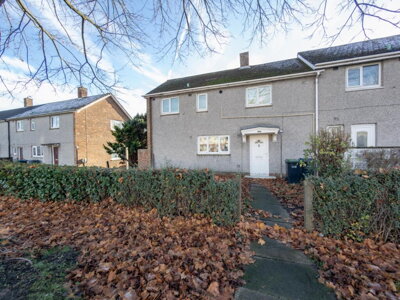
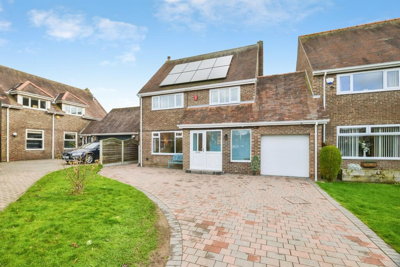
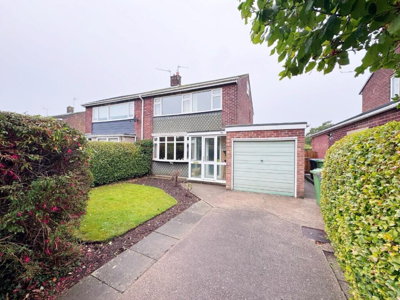
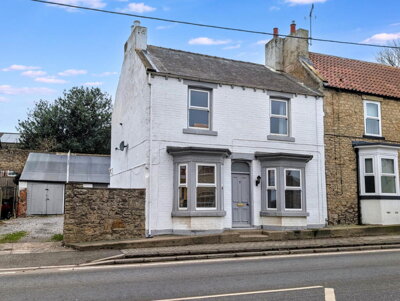
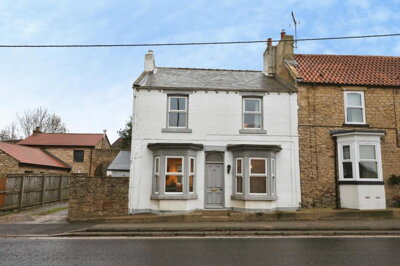
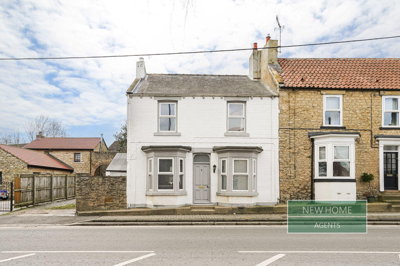
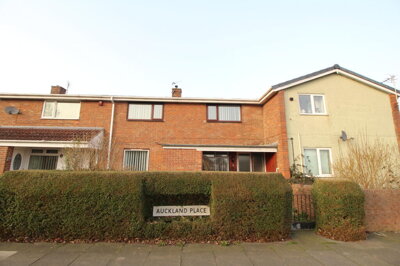
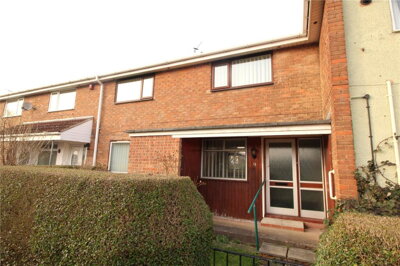
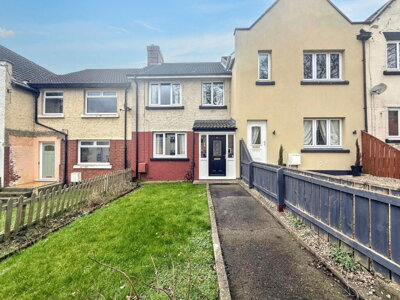
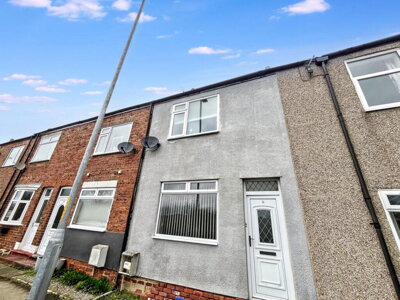
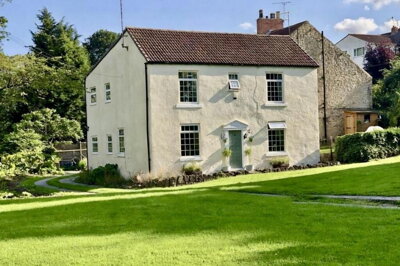
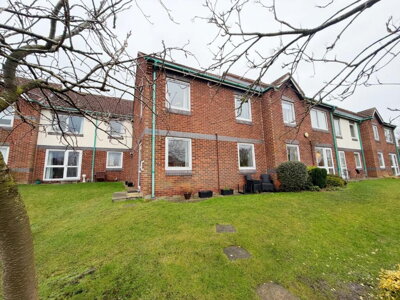
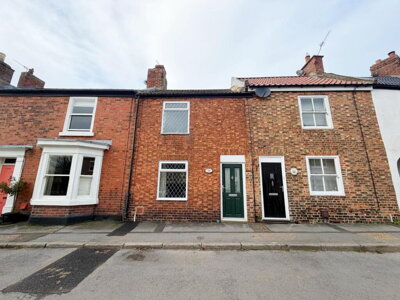
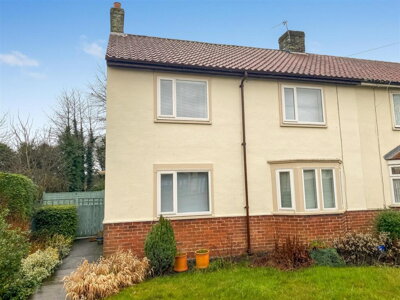
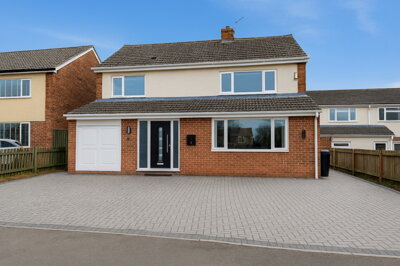
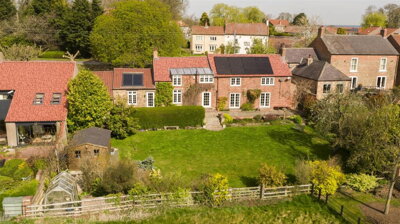
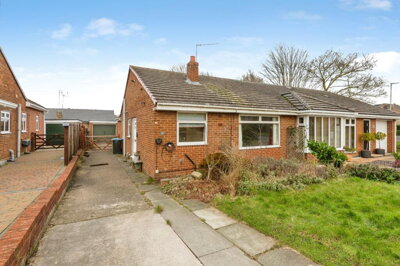
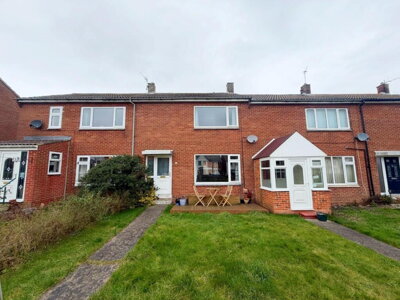
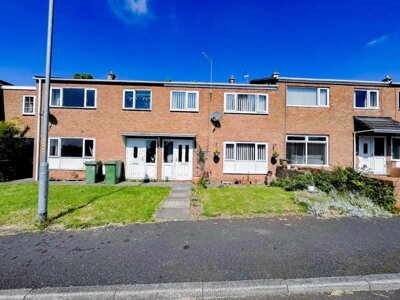
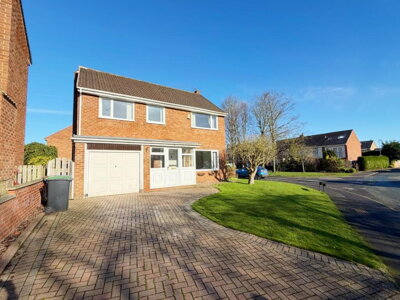
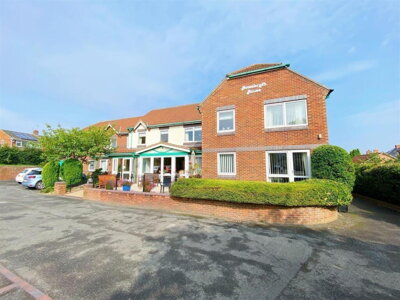
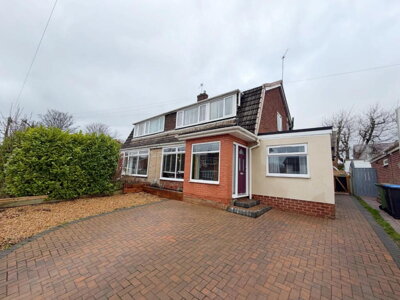
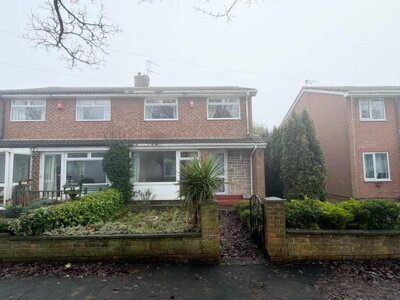
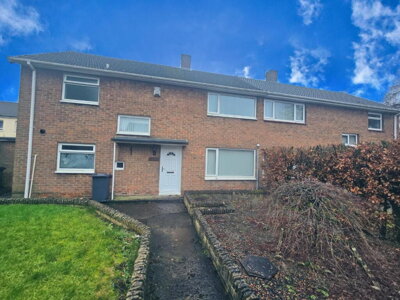
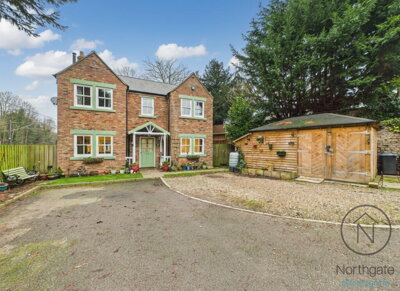
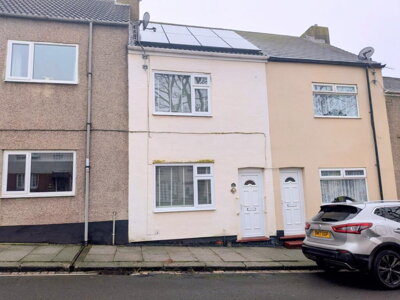
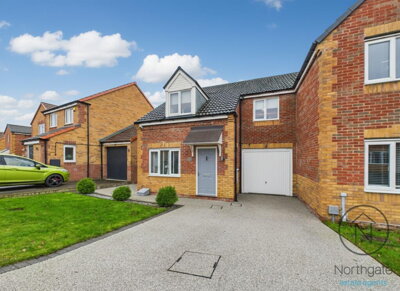
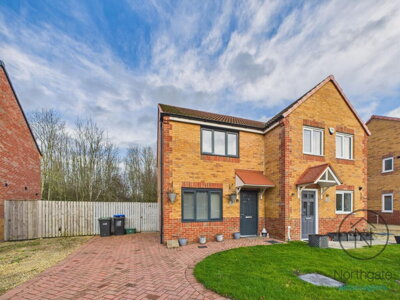
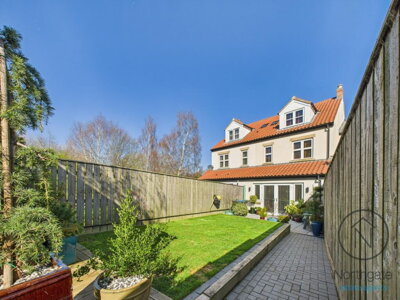
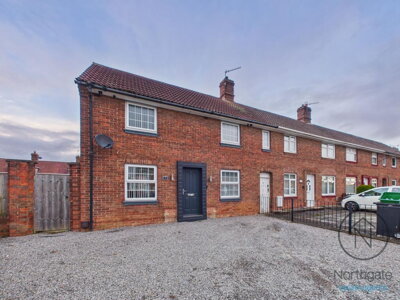
Browse 78 homes for sale in Mordon, County Durham from local estate agents.
£813k
4
0
326
Source: home.co.uk
Source: home.co.uk
Detached
3 listings
Avg £783,333
barn-conversion
1 listings
Avg £725,000
Source: home.co.uk
Source: home.co.uk
The North Molton property market reflects the broader trends affecting North Devon, with detached properties commanding an average price of £303,333 over the past year according to Zoopla data. This figure positions the village competitively against nearby towns, offering buyers substantial homes with generous plots at prices significantly below the regional average. Terraced properties in the village have sold for an average of £225,000, providing more affordable options for those seeking period character without the premium attached to detached homes. Rightmove data indicates that the average house price in North Molton over the last year stands at £292,143.
Market activity in the wider South Molton area shows 79 residential property sales over the past twelve months, representing a decrease of 35.44% relative to the previous year. This reduction in transaction volume has created a tighter supply of available properties, which is helping to support prices despite broader market headwinds. OnTheMarket reports a fall of 25.5% over the last 12 months for sold prices in North Molton specifically, creating potential opportunities for buyers who can act decisively in a market where properties may sell quickly when correctly priced. For the broader South Molton area, property prices increased by 2.41% over the last 12 months, suggesting that the local market may be stabilizing after the price corrections of recent years.
Rightmove data indicates that sold prices in North Molton are currently around 26% below the 2023 peak of £392,636, creating potential opportunities for buyers who can act decisively in a market where properties may sell quickly when correctly priced. First-time buyers and those moving within the area should note that the village's rural location means that property supply is naturally limited, making early engagement with new listings particularly important for those serious about securing a property. The village's proximity to Exmoor National Park continues to attract buyers from urban areas seeking a change of lifestyle, which helps maintain demand even during periods of broader market uncertainty.

North Molton embodies the appeal of rural North Devon living, with the village sitting in a valley formed by the River Mole and its tributaries, surrounded by rolling farmland and patchwork fields that change character with the seasons. The local economy of North Molton and its surrounding area is driven by agriculture, tourism linked to Exmoor National Park, and small businesses serving the rural community. Many residents commute to nearby South Molton, approximately five miles away, for additional shopping, healthcare facilities, and employment opportunities.
Residents enjoy access to an excellent local pub, a village hall that hosts community events throughout the year, and miles of footpaths that connect the village to the wider countryside. The surrounding countryside offers excellent opportunities for outdoor activities, with numerous public rights of way providing access to the rolling hills and woodland that characterize this part of North Devon. Cyclists also frequent the area, with challenging but rewarding routes available for experienced riders who appreciate the scenic but demanding terrain of the region.
The village attracts a mix of long-term residents, newcomers seeking to escape larger towns, and those who work remotely and value the quality of life that rural North Devon provides. As a historic village, North Molton is highly likely to contain a number of listed buildings, particularly around its historic core such as the church and older properties along main streets. Those interested in older properties should verify whether any specific property falls within a conservation area or has listed status, as this can affect what alterations or extensions are permitted under planning regulations.

Families considering a move to North Molton will find a selection of educational options within reasonable driving distance. The village itself has access to primary schooling through local primary schools in the surrounding area, which typically serve small catchments and provide children with a solid foundation in a nurturing environment. Primary schools in rural North Devon are known for their dedicated teaching staff and strong relationships between teachers and pupils, factors that consistently produce good results despite smaller class sizes. Parents should research current Ofsted ratings and admission arrangements through the Devon County Council website, as school performance and catchments can change over time and directly impact property values in specific areas.
Secondary education is available at schools in nearby towns, with families typically travelling to South Molton or Barnstaple for Year 7 onwards provision. South Molton Community College serves as a key secondary option for local families, offering a range of GCSE and A-level courses within reasonable commuting distance. The surrounding area includes schools with sixth-form facilities for older students, and parents should research specific Ofsted ratings and performance data for current standards.
For families who prioritise educational choice, the commute to independent schools in Exeter or Taunton may be feasible for those willing to factor travel time into their daily routine. Transport options to these schools include school bus services in some areas, though private transport arrangements are often necessary for families living in more rural locations. Prospective buyers with school-age children should contact the local education authority to confirm current catchment arrangements and any transport provisions available, as these can vary depending on the specific property location within the village.
Transport connections from North Molton centre primarily on road networks, with the A361 providing access to Barnstaple to the west and Exeter to the east. This main road connects the village to the regional road network, making it practical for residents who need to commute to larger towns for work. Journey times to Barnstaple take approximately 30 minutes by car, while Exeter can be reached in around 50 minutes under normal traffic conditions. The village sits approximately 25 miles from the M5 motorway at Tiverton, providing connections to Bristol, the Midlands, and beyond for those who travel further afield.
Public transport options are limited, as is typical for small rural villages, with local bus services providing connections to nearby towns on specific routes and timetables. The Stagecoach bus network serves the wider South Molton area, providing links to key destinations including Barnstaple and Exeter, though service frequency may be reduced compared to urban routes. Residents without cars may find daily commuting challenging, making North Molton more suitable for those who work from home, are retired, or have flexible working arrangements. Cycling is popular among residents for local journeys, with the surrounding countryside offering challenging but rewarding routes for experienced cyclists.
The nearest railway stations are at Crediton and Tiverton Parkway, both requiring onward transport connections, though these provide access to mainline services to London Paddington and the wider national rail network. Tiverton Parkway station offers regular services to London Paddington with journey times of approximately two hours, making it viable for commuters who only need to travel to the capital occasionally. Those relying on public transport should verify current timetables and routes before committing to a purchase, as rural transport links can be subject to change and may not suit daily commuting needs.
Spend time exploring North Molton and the surrounding villages to understand the local property market, lifestyle, and community before committing to a purchase. Visit at different times of day and week, speak to residents, and get a feel for whether the village suits your needs and expectations. Pay particular attention to the proximity of any property to the River Mole and its flood risk implications, and check mobile signal strength and broadband availability which can vary across the village.
Contact lenders or brokers to obtain a mortgage Agreement in Principle before starting your property search. Having this in place strengthens your position when making offers and demonstrates to sellers that you are a serious, financed buyer ready to proceed quickly. For properties in North Molton, lenders will consider the local property values and saleability when assessing mortgage applications, so having broker support can help navigate any unique aspects of lending against rural properties.
Use Homemove to browse all available properties in North Molton and schedule viewings with listed estate agents. Take notes during each viewing, ask about the property's history, any recent renovations, and what is included in the sale. For older properties, inquire specifically about the construction materials, any previous damp or timber treatments, and whether the property is connected to mains drainage or relies on a private system.
Once your offer is accepted, instruct a qualified surveyor to conduct a Level 2 Homebuyer Report. This is particularly important for older properties in North Molton, where traditional construction methods including cob, stone, and render require different assessment approaches compared to modern brick-built homes. A thorough survey will identify potential defects in roofs, timbers, and structural elements that may not be visible during a standard viewing. Survey costs typically range from £400 for smaller properties to over £1,000 for larger detached homes with more complex construction.
Appoint a solicitor with experience in rural property transactions to handle the legal aspects of your purchase. They will conduct searches, check titles, and manage the conveyancing process through to completion. For properties in North Molton, searches should include drainage and water authority enquiries to verify the status of any private water supplies or septic tank systems, which are common in rural properties and may require compliance works.
Once all searches are satisfactory and both parties are ready, your solicitor will exchange contracts and agree a completion date. On completion day, the remaining funds are transferred and you receive the keys to your new North Molton home. Buildings insurance must be in place from the point of exchange, so ensure your insurer is briefed on the property details including its construction type and any outbuildings.
Properties in North Molton span several architectural periods, with many homes built using traditional methods that reflect the village's long history as a settlement in North Devon. As a rural Devon village, properties are highly likely to feature traditional local materials such as local stone, render over cob or stone, and slate for roofing. Traditional Devon cob construction, which uses a mix of subsoil, straw, and water, is common in older properties and requires different maintenance approaches compared to modern brick-built homes. Prospective buyers should look for signs of cracking in rendered walls, which can indicate movement issues, and check the condition of any original timber windows and doors which may require restoration rather than replacement.
The condition of slate or tile roofs requires particular attention, as older roofing materials will naturally deteriorate over time and may require ongoing maintenance or eventual replacement. Lead flashing around chimneys and roof intersections is a common source of water ingress in period properties, and evidence of previous repairs should prompt further investigation. Gutters and downpipes should be checked for blockages, damage, or inadequate fall, as poor drainage from the roof can lead to penetrating damp in external walls. Our inspectors frequently find that inadequate maintenance of rainwater goods in older rural properties leads to avoidable damp issues that could be prevented with regular attention.
Timber defects are among the most common issues identified in older North Devon properties, with woodworm and both wet and dry rot affecting structural timbers, floorboards, and roof structures. A thorough survey will include assessment of accessible timbers for signs of beetle activity and fungal decay, which can compromise structural integrity if left unaddressed. We always recommend obtaining specialist timber treatment quotes if any evidence of woodworm or rot is identified, as treatment costs can vary significantly depending on the extent of any infestation. Outdated electrical wiring and plumbing are also frequently encountered in properties built before the 1980s, and buyers should budget for potential upgrades to meet current safety standards.
The rural setting of North Molton means that some properties may be affected by agricultural activities, countryside noise, and limited mobile signal strength in certain areas. Flood risk should be considered for properties near the River Mole or its tributaries, as fluvial flooding from the river and its streams can affect properties in the valley. Surface water flooding during periods of heavy rainfall can also occur in areas with poor drainage or near natural watercourses. Buyers should verify broadband speeds and availability, as rural connectivity remains variable across North Devon and can affect both quality of life and property values. Properties that are listed or potentially within any conservation area will require special consideration when planning any alterations or extensions, and specialist surveys may be recommended to assess the implications of these designations.
Given North Molton's history as a rural North Devon village, the majority of its housing stock is likely to be over 50 years old, with a significant proportion constructed before 1919. This age profile means that RICS Level 2 Surveys are particularly valuable for understanding the condition of properties in the village, as older construction methods often present challenges that differ from those found in modern homes. Traditional construction using local stone, cob, and render is highly likely for properties in the village's historic core, with brick construction becoming more common from the Victorian era onwards.
Devon's geology includes areas of clay-rich soil that can pose shrink-swell risks to property foundations, and this should be considered when assessing properties in North Molton. Clay soils expand when wet and contract during dry periods, which can cause movement in foundations and lead to cracking in walls, particularly in older properties with shallower foundations than modern standards require. Our team has experience identifying signs of subsidence and heave in properties built on reactive clay soils, and we pay particular attention to crack patterns and door and window operation when assessing potential structural movement.
Damp is among the most frequently identified defects in older North Devon properties, manifesting as rising damp, penetrating damp, or condensation depending on the property's construction and condition. Solid-wall properties without modern damp-proof courses are particularly susceptible to rising damp, where moisture travels up through the walls by capillary action. Penetrating damp can occur where external render has cracked or deteriorated, allowing water ingress into the wall structure. We check all accessible walls for signs of damp using calibrated moisture meters, and any evidence of damp will be reported with recommendations for investigation and repair.
Electrical systems in properties built before modern regulations should be assessed by a qualified electrician, as rewiring to current standards may be required before occupation. Similarly, plumbing systems in older properties may use materials that are no longer considered best practice, such as lead pipes or early plastic fittings that may be prone to failure. Heating systems in older rural properties may be inadequate by contemporary standards, and buyers should verify the condition and efficiency of any existing boiler or heating installation. These utility upgrades can represent significant costs that should be factored into any purchase budget.
The average house price in North Molton stands at approximately £292,143 according to Rightmove, with Zoopla reporting a similar figure of £303,333. OnTheMarket reports an average price paid of £292,000 as of February 2026. Detached properties have sold for an average of £303,333, while terraced properties have achieved around £225,000. Prices have adjusted from the 2023 peak of £392,636, representing a decrease of approximately 26%, which may present opportunities for buyers who act in the current market conditions. For context, the broader South Molton area saw prices increase by 2.41% over the last 12 months, suggesting that the local market may be finding its level after the price corrections of recent years.
Properties in North Molton fall under North Devon District Council for council tax purposes. Most properties in the village will fall within Bands A through D, which are among the lower council tax bands in England, reflecting the more modest property values typical of rural North Devon. Exact banding depends on the property's valuation, and buyers should check the specific banding for any property they are considering through the Valuation Office Agency website or their solicitor during conveyancing. Council tax bands can be verified using the property address on the government's council tax valuation portal, and any discrepancies should be raised with the selling agent before purchase.
North Molton has access to primary schools in the surrounding rural area, with families typically choosing based on catchment arrangements and individual school performance. Primary schools in the local area serve small catchments and are known for their dedicated teaching staff and strong pupil-teacher relationships. For secondary education, schools in South Molton and Barnstaple serve the local area, with South Molton Community College being a key option for families in the wider area. Parents should research current Ofsted ratings and admission arrangements through the Devon County Council website, as school performance and catchments can change over time and directly impact property values in specific areas.
Public transport connections from North Molton are limited, reflecting its status as a small rural village. Local bus services operate on specific routes connecting to nearby towns, with the Stagecoach network providing links to key destinations including Barnstaple and Exeter, though service frequency may be reduced compared to urban areas. The village is best suited to residents with access to a car, though rail connections are available at Crediton and Tiverton Parkway stations for longer-distance travel, with Tiverton Parkway offering services to London Paddington in approximately two hours. Those relying on public transport should verify current timetables and routes before committing to a purchase, as rural transport links can be subject to change.
North Molton offers potential for property investment, particularly given the current market conditions with prices below their 2023 peak and representing good value for the area. The village benefits from its proximity to Exmoor National Park, which attracts tourists and those seeking holiday homes in a beautiful rural setting, supporting demand for rental properties during peak seasons. Rental demand in the wider South Molton area exists for quality family homes, though the limited local employment base and transport connections may restrict tenant pool size. Any investment decision should consider ongoing maintenance costs for older properties and potential voids during tenant transitions, as rural properties may require more frequent maintenance than modern equivalents.
Stamp Duty Land Tax rates for standard buyers start at 0% on the first £250,000 of property value, rising to 5% on the portion between £250,001 and £925,000. For a property priced at the North Molton average of £292,143, a standard buyer would pay approximately £2,107 in stamp duty. First-time buyers may qualify for relief on the first £425,000, reducing or eliminating stamp duty costs on qualifying properties up to that threshold, which would result in zero stamp duty for most first-time buyers purchasing at the average price point. Additional SDLT surcharges apply for non-UK residents and for second properties, which buyers should factor into their overall purchase cost calculations.
Properties in North Molton near the River Mole or its tributaries should be assessed for potential flood risk, as fluvial flooding from the river and its streams can affect properties in the valley floor. Surface water flooding during periods of heavy rainfall can also occur in areas with poor drainage or near natural watercourses, particularly where ground conditions reduce permeability. A thorough survey should include review of any available flood risk data, and buyers should obtain copies of any flood history or insurance claims from the seller. Properties with private drainage or septic systems should also be assessed for their drainage field condition, as failures can lead to contamination and require significant remediation costs.
When viewing older properties in North Molton, pay particular attention to the condition of the roof structure, checking for slipped or missing slates and any signs of sagging that might indicate structural issues. Examine external walls for cracks, especially those that appear diagonal or wider at the top, which can suggest foundation movement. Inside the property, look for signs of damp on walls and ceilings, and check that windows and doors open and close properly, as movement in the structure can cause frames to distort. Ask the seller about the age and condition of any damp-proof treatments, electrical rewiring, or plumbing upgrades that have been carried out, and request documentation where available. We recommend commissioning a RICS Level 2 Survey on any period property before purchase, as our inspectors have the expertise to identify defects that may not be apparent during a standard viewing.
Understanding the full costs of buying a property in North Molton extends beyond the purchase price and stamp duty. Buyers should budget for solicitor fees, which typically range from £500 to £1,500 depending on the complexity of the transaction and whether the property is freehold or leasehold. Rural properties may involve additional legal work, including verification of rights of way, drainage arrangements, and any shared responsibilities with neighboring landowners. For properties with septic tanks or private water supplies, additional searches and potential compliance works should be budgeted for.
Survey costs for a RICS Level 2 Homebuyer Report range from approximately £400 for smaller properties to over £1,000 for larger homes, with specialist surveys for listed buildings potentially costing more due to their complexity and the expertise required. Given that many properties in North Molton are likely to be over 50 years old with traditional construction methods, the investment in a thorough survey is particularly worthwhile to identify any defects before purchase. Additional costs to factor into your budget include Land Registry fees for registering the change of ownership, bank transfer charges, and search fees charged by the local authority for drainage and environmental searches.
Buildings insurance must be in place from the point of exchange, and removals costs vary depending on the distance moved and volume of belongings. For properties in North Molton with septic tanks or private water supplies, buyers should budget for any necessary surveys or compliance works identified during the conveyancing process. The Environment Agency has specific requirements for septic tanks and small sewage treatment plants, and upgrades may be required to meet current regulations. Factor in potential costs for electrical rewiring, plumbing upgrades, or heating system replacement if the survey identifies these as necessary, as these can represent significant expenditure in older properties.
From £400
A detailed inspection of the property condition, ideal for modern homes and apartments
From £600
Our most comprehensive survey, recommended for older properties and those of non-standard construction
From £85
Energy Performance Certificate required for all property sales
From £499
Expert legal services for your property purchase
Properties for Sale In London

Properties for Sale In Plymouth

Properties for Sale In Liverpool

Properties for Sale In Glasgow

Properties for Sale In Sheffield

Properties for Sale In Edinburgh

Properties for Sale In Coventry

Properties for Sale In Bradford

Properties for Sale In Manchester

Properties for Sale In Birmingham

Properties for Sale In Bristol

Properties for Sale In Oxford

Properties for Sale In Leicester

Properties for Sale In Newcastle

Properties for Sale In Leeds

Properties for Sale In Southampton

Properties for Sale In Cardiff

Properties for Sale In Nottingham

Properties for Sale In Norwich

Properties for Sale In Brighton

Properties for Sale In Derby

Properties for Sale In Portsmouth

Properties for Sale In Northampton

Properties for Sale In Milton Keynes

Properties for Sale In Bournemouth

Properties for Sale In Bolton

Properties for Sale In Swansea

Properties for Sale In Swindon

Properties for Sale In Peterborough

Properties for Sale In Wolverhampton

Enter your details to see if this property is within your budget.
Loans, cards, car finance
Estimated property budget
Borrowing + deposit
You could borrow between
Typical borrowing
Monthly repayment
Est. at 4.5%
Loan-to-value
This is an estimate only. Your actual budget may vary depending on interest rates, credit history, and personal circumstances. For an accurate affordability assessment, speak to one of our free mortgage advisors.
This calculator provides estimates for illustrative purposes only and does not constitute financial advice. Your home may be repossessed if you do not keep up repayments on your mortgage. Estimates based on 4.5% interest rate, repayment mortgage. Actual rates depend on your circumstances.
Homemove is a trading name of HM Haus Group Ltd (Company No. 13873779, registered in England & Wales). Homemove Mortgages Ltd (Company No. 15947693) is an Appointed Representative of TMG Direct Limited, trading as TMG Mortgage Network, which is authorised and regulated by the Financial Conduct Authority (FRN 786245). Homemove Mortgages Ltd is entered on the FCA Register as an Appointed Representative (FRN 1022429). You can check registrations at NewRegister or by calling 0800 111 6768.

We use cookies to show you personalised content and improve your experience of our website. Find out more in our Privacy policy and Cookie policy.