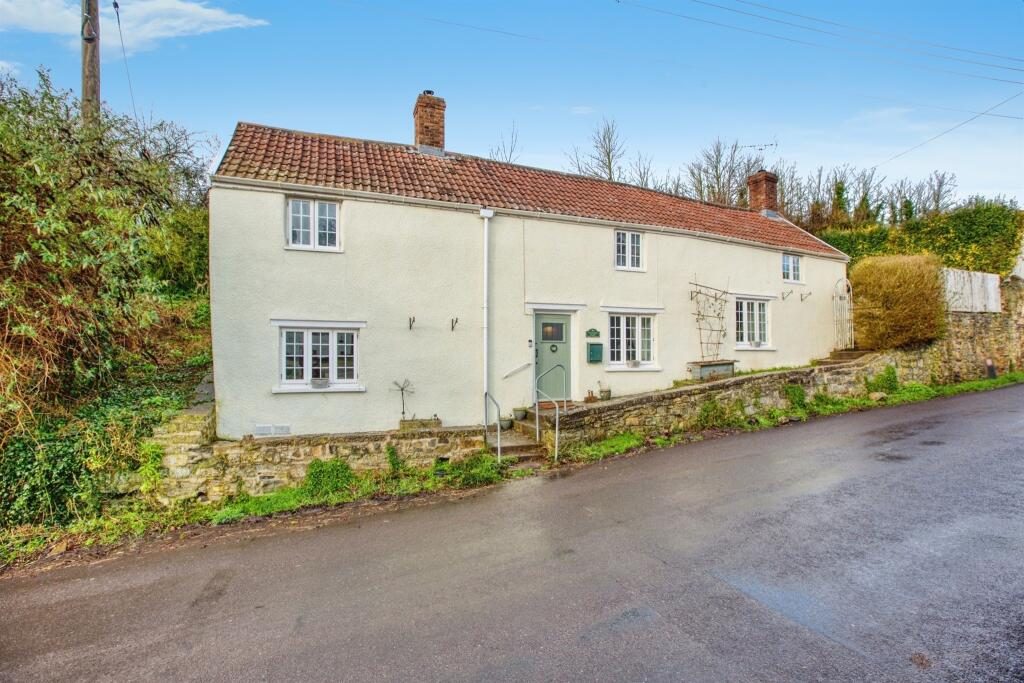
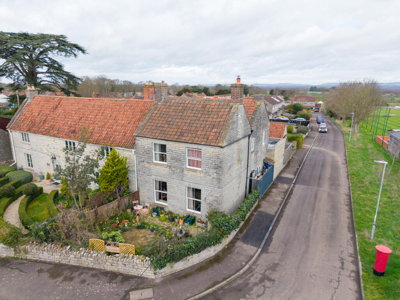
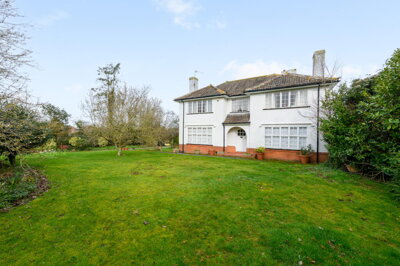
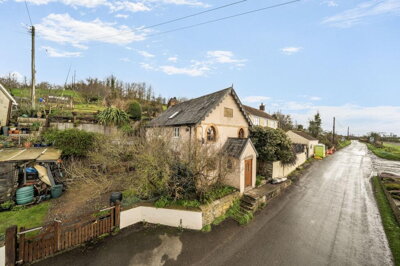
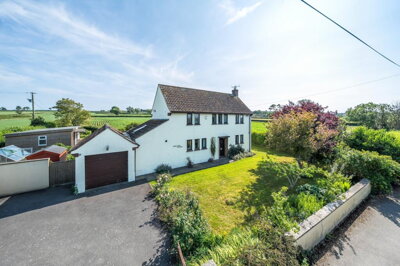
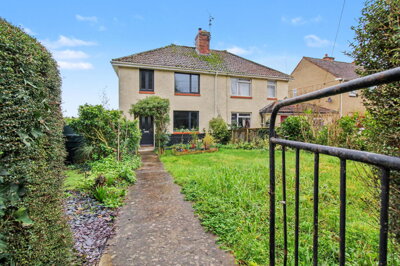
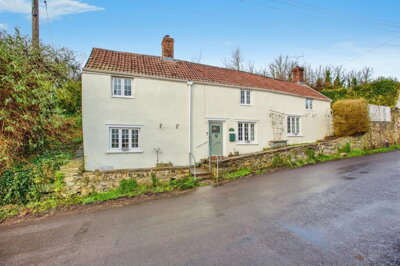
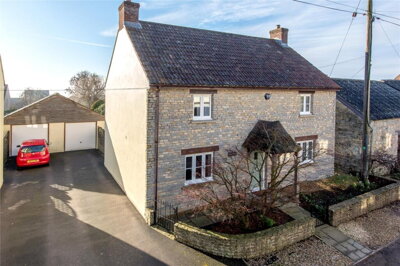
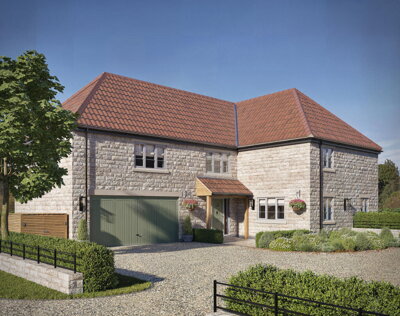
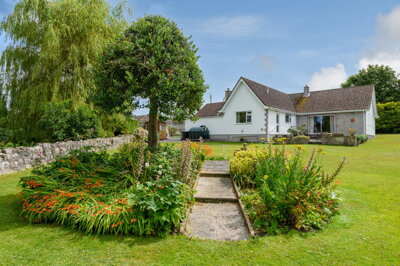
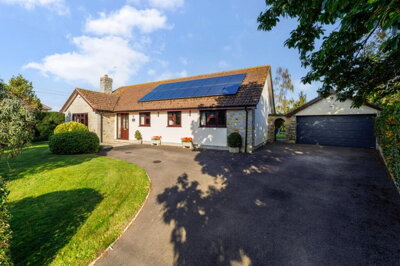
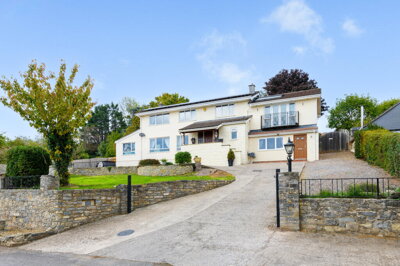
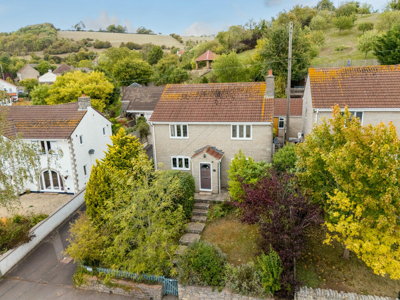
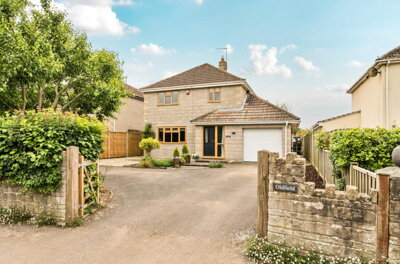
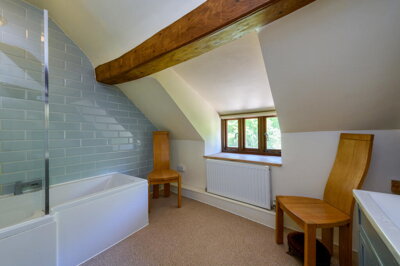
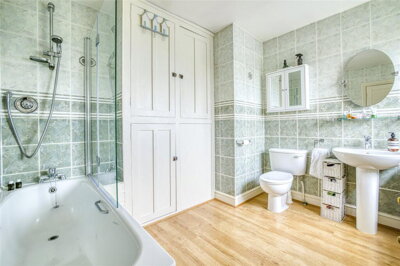
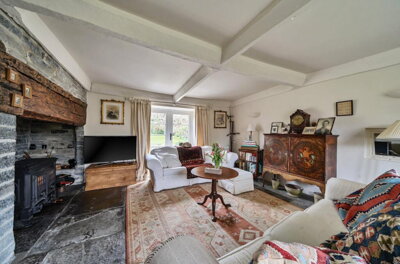
Browse 24 homes for sale in Moorlinch, Somerset from local estate agents.
£405k
8
0
149
Source: home.co.uk
Source: home.co.uk
Detached
4 listings
Avg £508,750
Character Property
2 listings
Avg £485,000
Semi-Detached
1 listings
Avg £320,000
detached
1 listings
Avg £385,000
Source: home.co.uk
Source: home.co.uk
The Little Glemham property market reflects the character of the village itself: select, desirable, and rooted in tradition. Detached properties dominate the available housing stock, with average prices around £540,000, a figure that has remained stable with modest growth of 1.9% over the past year. This price point positions the village within the middle tier of East Suffolk's rural property market, offering significant space and character compared to coastal hotspots while remaining more affordable than villages closer to London. The limited number of sales activity highlights how tightly held properties can be in established villages like Little Glemham, where homes rarely come to market and when they do, they attract serious buyers.
Property types in Little Glemham skew heavily towards detached and semi-detached homes, consistent with its rural character and the era of construction typical of Suffolk villages. The village features a number of historic properties, including several listed buildings concentrated around the village centre and along Main Road, with Glemham House standing out as a notable Grade I listed residence. Most properties are likely to date from the pre-1919 or interwar periods, featuring traditional Suffolk brickwork, timber framing, and clay tile roofing that define the architectural heritage of this part of East Anglia. New build development within the village postcode is virtually non-existent, meaning buyers purchasing here are acquiring established homes with genuine period character rather than modern new-build convenience.
For buyers considering investment potential, Little Glemham's property market has demonstrated steady resilience. The 1.9% annual price increase reflects consistent demand for rural Suffolk properties, particularly from buyers seeking larger homes with garden space following the shift toward hybrid working. While transaction volumes are low, this scarcity factor tends to support values over time, and properties in villages with good transport links like Little Glemham have historically maintained their appeal to both owner-occupiers and tenants seeking quality rural accommodation.

Life in Little Glemham centres on the unhurried pace of rural Suffolk, where village life revolves around community, countryside, and a deep sense of history. The village is small enough to feel genuinely intimate but large enough to maintain a sense of vitality through its parish community and local events. Residents enjoy walking routes through the surrounding farmland, with the nearby River Alde providing scenic walks and connection to the broader Suffolk Coast and Heaths Area of Outstanding Natural Beauty. The village's location midway between Saxmundham and Woodbridge means that weekly shopping, farmers' markets, and dining options are just a short drive away, offering the perfect balance between seclusion and accessibility.
The local economy around Little Glemham draws from a mix of agriculture, local services, and tourism generated by Suffolk's renowned coastal attractions. The village sits within easy reach of attractions including Snape Maltings, the Suffolk Heritage Coast, and several National Trust properties, making it a desirable base for those who enjoy cultural outings and seaside excursions without the busier atmosphere of coastal towns. Commuters find Little Glemham practical for reaching larger employment centres, with the A12 providing direct access to Ipswich and beyond, while the growing trend toward flexible and remote working has made village living viable for professionals who previously would have needed to live closer to their offices.
The village's architectural heritage contributes significantly to its character, with listed buildings including several period farmhouses and cottages that line the traditional Main Road. The geology of the wider Suffolk area comprises Crag deposits and Boulder Clay, giving the surrounding landscape its distinctive rolling farmland and productive agricultural soils. Properties in the village benefit from generous plot sizes compared to urban alternatives, with mature gardens, outbuildings, and countryside views that define the rural Suffolk lifestyle. The combination of historic architecture, expansive outdoor space, and a supportive village community makes Little Glemham particularly appealing to families and those seeking a slower pace of life.

Families considering a move to Little Glemham will find a range of educational options within reasonable driving distance, reflecting the village's position within the Saxmundham and Woodbridge catchment areas. Primary education is available at nearby village schools, with the nearest options typically serving surrounding communities and offering the small class sizes and individual attention that rural schools are known for. For primary-aged children, settings such as those in nearby Saxmundham provide a strong foundation in a community environment, with several schools in the wider area rated Good by Ofsted, giving parents confidence in local standards.
Secondary education from Little Glemham typically draws students to Saxmundham Free School and Resource Base or the Farlingaye High School in Woodbridge, both of which serve the wider East Suffolk area with established reputations for academic achievement and extracurricular programmes. Parents should research specific catchment areas and admission policies, as entry to popular schools can be competitive depending on proximity and sibling connections. For those seeking grammar school provision, the nearby town of Woodbridge offers the Woodbridge School grammar stream, with the entrance examination taken during Year 6 for places at age 11.
Post-16 education opportunities include sixth forms at Farlingaye High School and other nearby secondary schools, while the East Coast College in Lowestoft and Suffolk One in Ipswich provide further education and vocational pathways for older students. The proximity of the University of Suffolk in Ipswich extends higher education options to residents who wish to study locally while living in the village environment. With a range of educational settings accessible within a thirty-minute drive, Little Glemham families can access quality schooling at all levels without requiring a daily commute.
Connectivity from Little Glemham is anchored by the A12, which runs through nearby Saxmundham and provides the main arterial route connecting East Suffolk to Ipswich and the M25 beyond. For commuters working in Ipswich, the journey by car takes approximately 35 to 40 minutes under normal traffic conditions, while Norwich is accessible in around an hour via the A140 and A14. The A12 also connects residents to the Suffolk Heritage Coast, with Aldeburgh and Southwold reachable within 20 to 30 minutes, making weekend trips to the beach a practical possibility rather than a special occasion.
Rail services from Saxmundham railway station offer access to the East Suffolk Line, with direct trains to Ipswich and connections onward to London Liverpool Street. Journey times from Saxmundham to Ipswich average around 20 minutes, with the London service taking approximately 75 minutes from Ipswich, positioning the village as viable for commuters who need to travel to the capital two or three days per week. The introduction of improved rolling stock and the potential for service enhancements on the East Suffolk Line have strengthened the case for rural commuting from villages like Little Glemham in recent years.
For local travel, the village is best served by car, with most households requiring at least one vehicle for everyday errands and school runs. Bus services connect Little Glemham to surrounding villages and market towns, though frequencies are limited compared to urban routes, making private transport the primary option for most residents. Cycling is popular for shorter distances, with quiet country lanes offering scenic routes for leisure and occasional commuting, while the flat Suffolk landscape is particularly suited to cyclists of all abilities. Parking in the village is generally straightforward, with properties typically offering off-street parking and driveways that reflect the rural character of the housing stock.
Begin by exploring current listings in Little Glemham through Homemove, noting the average price of £540,000 and understanding that detached properties dominate the market. Visit the village at different times of day and week to get a feel for the community, traffic levels, and local amenities before committing to viewings. This research phase also includes understanding the planning history of specific properties through the East Suffolk Council planning portal.
Before arranging viewings, contact a mortgage broker to obtain an Agreement in Principle. This demonstrates to sellers that you are a serious buyer with financing in place, which is particularly important in a village market where competition for limited properties can be strong. With the average property price at £540,000, securing a mortgage in principle will help you understand your borrowing capacity and budget accordingly.
View multiple properties in and around Little Glemham to compare character, condition, and value. Given the age of many village properties, pay particular attention to the condition of roofs, damp-proofing, and electrical systems, and consider requesting a RICS Level 2 Survey before proceeding with any purchase. Take notes and photographs during viewings to help compare properties after the excitement of initial visits subsides.
For most properties in Little Glemham, a RICS Level 2 Survey (HomeBuyer Report) is recommended. Given the prevalence of older properties with potential issues including damp, timber defects, and subsidence risks from clay soils, this survey provides essential insight into the property condition and any repair costs you should factor into your offer. Survey costs typically range from £400 to £1,000 depending on property value and size.
Once your offer is accepted, instruct a solicitor with experience in rural Suffolk property transactions to handle the legal work. They will conduct searches, review the title, and manage the exchange and completion process, including checking for any planning restrictions related to listed buildings or conservation areas. Budget approximately £800 to £1,500 for conveyancing fees on a standard transaction.
Your solicitor will handle the exchange of contracts once all conditions are satisfied, typically requiring a 10% deposit. Completion dates are agreed between buyer and seller, after which you will receive the keys to your new home in Little Glemham. Factor in removals costs and utility setup time when planning your move date.
Purchasing a property in Little Glemham requires careful attention to the specific characteristics of rural Suffolk homes. The village's geology includes clay deposits that can cause shrink-swell movement, particularly during periods of drought or heavy rainfall, which may affect properties with older or shallow foundations. Buyers should look for signs of subsidence such as cracking to walls, doors and windows that stick, and uneven floors, and should ask vendors about any history of structural issues or underpinning work. A thorough survey is essential for identifying potential problems before completion.
Flood risk is another consideration for properties in Little Glemham, particularly those near the River Alde. While specific flood risk data for individual properties was not found, areas adjacent to the river may be susceptible to fluvial flooding during periods of high rainfall or tidal surge. Surface water flooding can also affect low-lying areas or properties with inadequate drainage, so buyers should review Environment Agency flood maps and consider the drainage history of any property they are purchasing. Buildings insurance availability and cost should be factored into ongoing ownership costs.
The presence of listed buildings in Little Glemham means that buyers purchasing period properties may encounter additional considerations including consent requirements for alterations, restrictions on permitted development rights, and obligations to maintain historic features. Glemham House and other Grade I and II listed properties in the village represent significant heritage commitments, and specialist surveys may be required alongside standard property reports. For listed properties, engaging a surveyor experienced in historic buildings is advisable, and buyers should budget for potentially higher maintenance costs compared to modern equivalents.
Common defects in the older properties typical of Little Glemham include damp (rising, penetrating, and condensation), roof deterioration with slipped tiles or failing leadwork, timber defects such as wet rot and woodworm, and outdated electrical and plumbing systems. Traditional Suffolk construction methods using timber framing (often concealed within walls), solid brick walls, and clay tile or slate roofs require experienced surveyors who understand how these materials perform over time. A RICS Level 2 Survey provides detailed assessment of these elements, while a RICS Level 3 Building Survey may be more appropriate for listed buildings or properties with complex structural arrangements.
The average property price in Little Glemham is currently £540,000 as of February 2026, based on detached property sales in the village. Property values have increased by 1.9% over the past twelve months, reflecting steady demand for rural Suffolk homes with good transport connections. Given the limited number of sales and the village's exclusive character, individual properties may vary significantly from this average depending on condition, size, and period features. The single recorded sale in the past year demonstrates how infrequently homes become available in this tightly held market.
Properties in Little Glemham fall under East Suffolk Council, which manages council tax for the area. Band valuations vary by individual property based on its value at 1991 banding. Most detached period homes in rural Suffolk villages like Little Glemham typically fall into Bands D through G, though specific bands should be verified on the East Suffolk Council website or through the Land Registry records for any specific property you are considering. Properties with higher rateable values or those recently revalued may fall into higher bands.
Little Glemham is served by primary schools in surrounding villages and the Saxmundham area, with several settings rated Good by Ofsted. Secondary options include Farlingaye High School in Woodbridge and Saxmundham Free School, both accessible by school transport from the village. Parents should check current catchment areas and admission policies, as entry to popular schools can be competitive depending on the number of applicants and proximity to the school. The village's location between Saxmundham and Woodbridge provides access to a broader range of educational settings than might be available in more isolated rural locations.
Little Glemham is primarily car-dependent for daily travel, with Saxmundham railway station providing rail services to Ipswich (20 minutes) and onward to London Liverpool Street (75 minutes). The A12 runs through Saxmundham, connecting the village to Ipswich and the Suffolk coast by road. Bus services link Little Glemham to surrounding villages and towns, though frequencies are limited, making private transport the main option for most residents. The flat Suffolk terrain does make cycling a viable option for local journeys, with quiet country lanes providing pleasant routes to nearby Saxmundham.
Little Glemham offers several factors that make it attractive for property investment. The village's limited supply of homes, combined with consistent demand for rural Suffolk properties, tends to support values over time, as evidenced by the 1.9% annual price growth. Properties with good access to the A12 and rail services at Saxmundham are particularly sought after, and the growth in flexible working has expanded the pool of buyers able to consider village locations for primary residence or rental income. The village's proximity to the Suffolk Heritage Coast and attractions such as Snape Maltings also supports rental demand from tourists seeking self-catering accommodation.
Stamp Duty Land Tax rates for standard buyers start at 0% on the first £250,000 of property value, then 5% on the portion from £250,001 to £925,000. For a property priced at the village average of £540,000, this would result in SDLT of £14,500 on the portion above £250,000. First-time buyers benefit from relief on the first £425,000, with 5% applied between £425,001 and £625,000, meaning a first-time buyer purchasing a £540,000 property would pay £5,750 in SDLT. Properties above £625,000 do not qualify for first-time buyer relief, so higher-value homes in the village attract SDLT at standard rates.
Properties in Little Glemham are likely to be predominantly pre-1919 or interwar construction, which brings risks including damp (rising, penetrating, and condensation), roof deterioration, timber defects such as rot and woodworm, and outdated electrical and plumbing systems. The clay geology in Suffolk also creates potential subsidence and heave risks, particularly for properties with trees nearby or shallow foundations. Commissioning a RICS Level 2 Survey before purchase is strongly recommended to identify any issues requiring attention or negotiation with the seller. Properties near the River Alde may also have elevated flood risk that should be investigated through Environment Agency records and appropriate surveys.
From 4.5% APR
Compare mortgage deals from leading lenders
From £499
Expert solicitors handling your legal work
From £400
Detailed inspection of property condition
From £500
Comprehensive structural survey for older properties
From £80
Energy performance certificate
Budgeting for a property purchase in Little Glemham requires careful consideration of all costs beyond the purchase price. Stamp Duty Land Tax represents the most significant additional cost for buyers, with standard rates of 0% up to £250,000, 5% from £250,001 to £925,000, 10% from £925,001 to £1.5 million, and 12% above £1.5 million. For a typical Little Glemham property priced at £540,000, a standard buyer would pay £14,500 in SDLT, calculated as 5% of £290,000 (the amount above the £250,000 threshold).
First-time buyers benefit from enhanced SDLT relief, paying 0% on the first £425,000 and 5% on the portion from £425,001 to £625,000, with no relief available above £625,000. This means a first-time buyer purchasing a £540,000 property in Little Glemham would pay £5,750 in SDLT, saving £8,750 compared to a standard buyer. Properties above £625,000 do not qualify for first-time buyer relief, so higher-value homes in the village would attract SDLT at standard rates regardless of buyer status.
Beyond SDLT, buyers should budget for solicitor fees (typically £800 to £1,500 for conveyancing on a standard transaction), a RICS Level 2 Survey (from £400 depending on property size and value), an EPC Assessment (from £80), and mortgage arrangement fees (which vary by lender but can range from £0 to £2,000 or more). Land Registry fees for registering the title are generally modest, and removals costs should be factored in for those moving from further afield. Ensuring you have approximately 5 to 10 percent of the purchase price available beyond the mortgage deposit will cover these additional costs comfortably.
Properties for Sale In London

Properties for Sale In Plymouth

Properties for Sale In Liverpool

Properties for Sale In Glasgow

Properties for Sale In Sheffield

Properties for Sale In Edinburgh

Properties for Sale In Coventry

Properties for Sale In Bradford

Properties for Sale In Manchester

Properties for Sale In Birmingham

Properties for Sale In Bristol

Properties for Sale In Oxford

Properties for Sale In Leicester

Properties for Sale In Newcastle

Properties for Sale In Leeds

Properties for Sale In Southampton

Properties for Sale In Cardiff

Properties for Sale In Nottingham

Properties for Sale In Norwich

Properties for Sale In Brighton

Properties for Sale In Derby

Properties for Sale In Portsmouth

Properties for Sale In Northampton

Properties for Sale In Milton Keynes

Properties for Sale In Bournemouth

Properties for Sale In Bolton

Properties for Sale In Swansea

Properties for Sale In Swindon

Properties for Sale In Peterborough

Properties for Sale In Wolverhampton

Enter your details to see if this property is within your budget.
Loans, cards, car finance
Estimated property budget
Borrowing + deposit
You could borrow between
Typical borrowing
Monthly repayment
Est. at 4.5%
Loan-to-value
This is an estimate only. Your actual budget may vary depending on interest rates, credit history, and personal circumstances. For an accurate affordability assessment, speak to one of our free mortgage advisors.
This calculator provides estimates for illustrative purposes only and does not constitute financial advice. Your home may be repossessed if you do not keep up repayments on your mortgage. Estimates based on 4.5% interest rate, repayment mortgage. Actual rates depend on your circumstances.
Homemove is a trading name of HM Haus Group Ltd (Company No. 13873779, registered in England & Wales). Homemove Mortgages Ltd (Company No. 15947693) is an Appointed Representative of TMG Direct Limited, trading as TMG Mortgage Network, which is authorised and regulated by the Financial Conduct Authority (FRN 786245). Homemove Mortgages Ltd is entered on the FCA Register as an Appointed Representative (FRN 1022429). You can check registrations at NewRegister or by calling 0800 111 6768.

We use cookies to show you personalised content and improve your experience of our website. Find out more in our Privacy policy and Cookie policy.