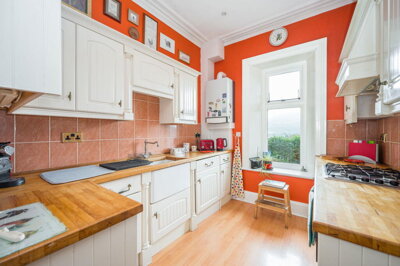
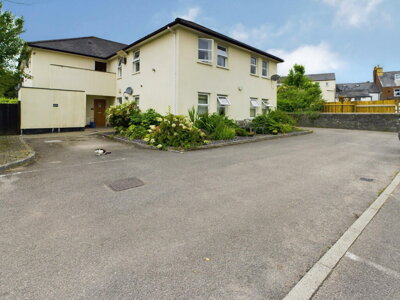
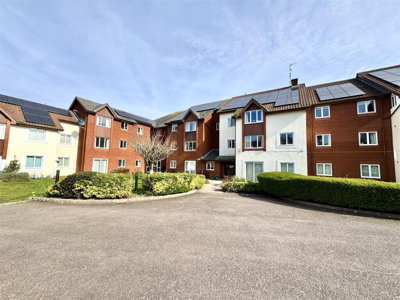
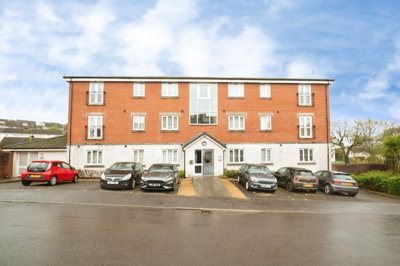
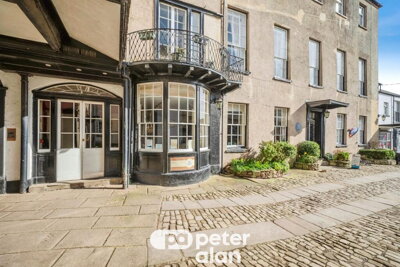
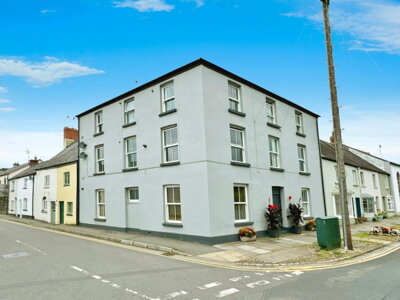
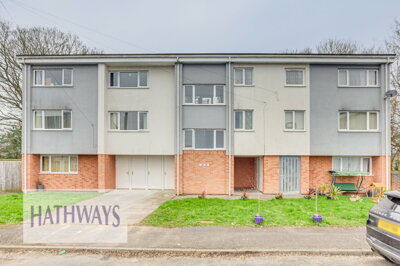
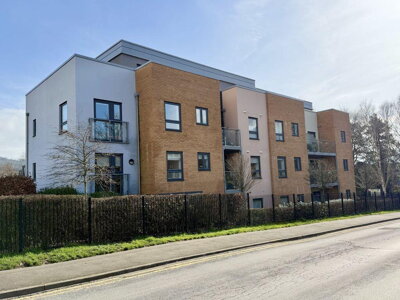
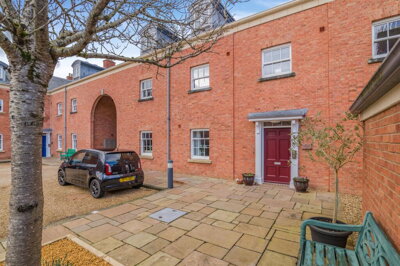
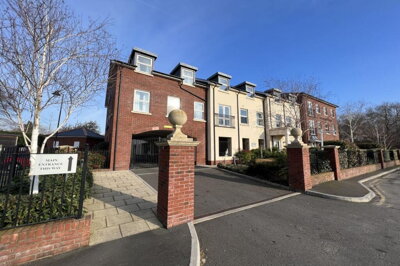
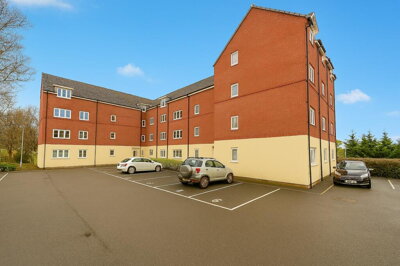
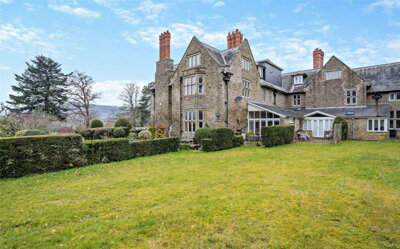
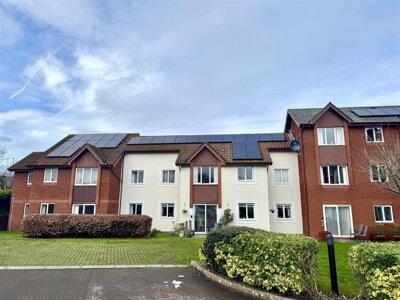
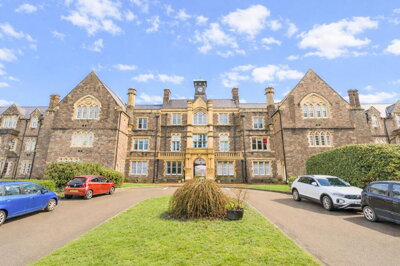
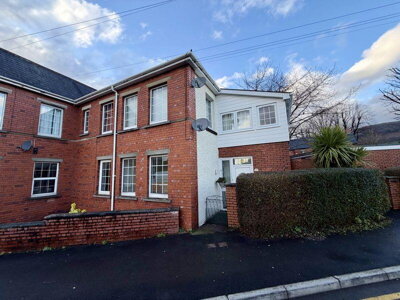
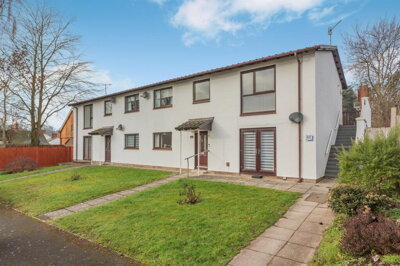
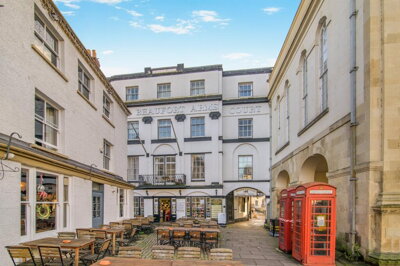
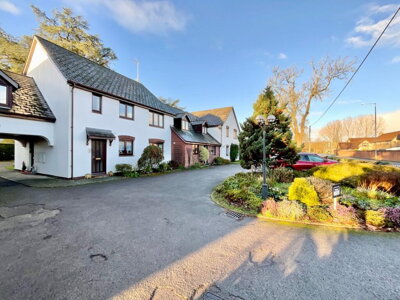
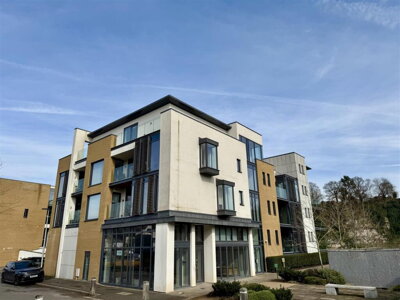
Browse 126 homes for sale in Monmouthshire, Cymru / Wales from local estate agents.
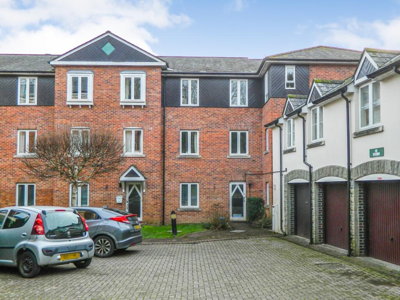
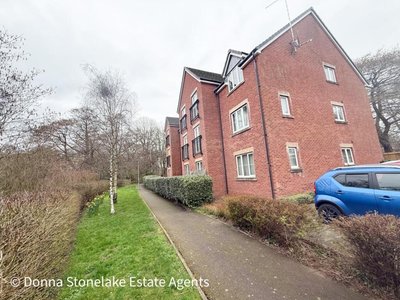
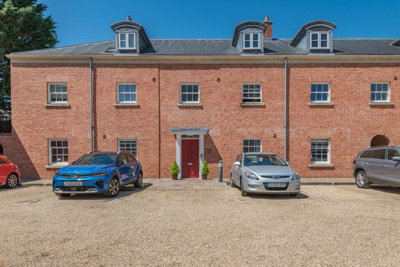
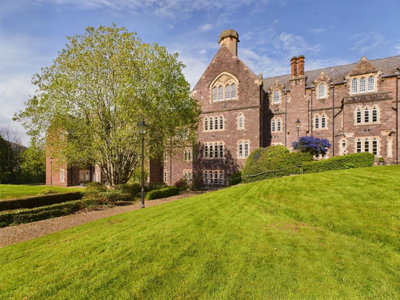
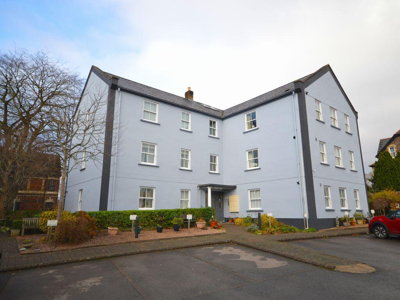
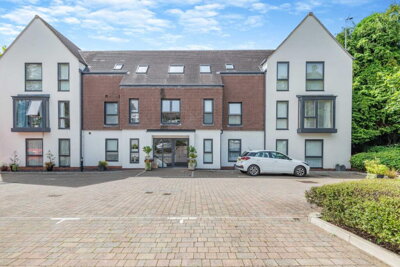
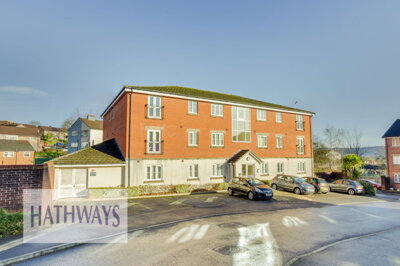
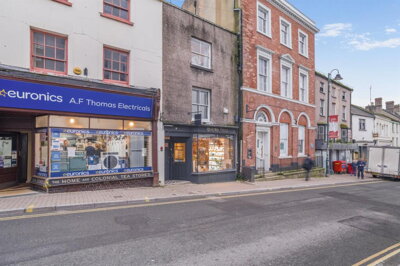
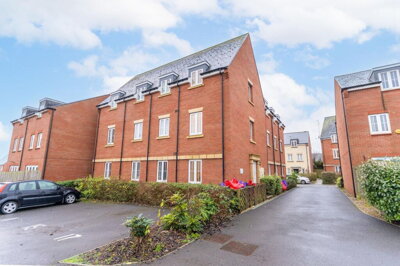
Studio apartments feature open-plan living spaces without separate bedrooms, incorporating sleeping, living, kitchen, and bathroom facilities. The Monmouthshire studio market includes properties in modern apartment complexes, converted Victorian and Georgian buildings, and purpose-built developments.
£173k
36
2
182
Source: home.co.uk
Showing 36 results for Studio Flats for sale in Monmouthshire, Cymru / Wales. 2 new listings added this week. The median asking price is £172,500.
Source: home.co.uk
Flat
36 listings
Avg £187,719
Source: home.co.uk
Source: home.co.uk
The Monmouthshire housing market presents a diverse range of property types to suit various needs and budgets. Detached properties dominate the local housing stock at approximately 38.6% of all homes, reflecting the county's predominantly rural character and the preference for spacious family accommodation. Semi-detached homes account for around 30.2% of the housing stock, offering an excellent balance of space and affordability at an average price of £280,071. Terraced properties, averaging £234,310, represent approximately 19.3% of homes and are particularly concentrated in historic market towns where they often feature attractive stone facades and traditional architectural details.
The past twelve months have seen a modest correction in Monmouthshire property values, with the overall average price declining by 2.39% to £329,661. This follows a period of significant growth and reflects broader national market conditions, though the county remains an attractive location for buyers seeking value compared to neighbouring Bristol and Cardiff. Flat prices have experienced the largest decrease at 3.01%, bringing average prices to £147,208, making apartment living more accessible for first-time buyers and investors. Despite these adjustments, demand remains steady, particularly for family homes with gardens in well-connected villages and for period properties with character in conservation areas.
The price variations across property types reveal important patterns for buyers. Detached homes, averaging £465,603, command a premium for their generous proportions and private gardens, while the semi-detached sector at £280,071 represents particularly good value for growing families needing extra bedrooms without the higher costs associated with fully detached properties. These price differences reflect the county's mix of rural estates, suburban developments, and compact town centre homes, giving buyers genuine flexibility in their choices.

Several new housing developments are currently under construction across Monmouthshire, offering buyers the opportunity to purchase brand-new homes with modern specifications and energy-efficient designs. At Monmouth Gate in Monmouth, Barratt Homes is constructing two, three, and four-bedroom homes from £249,995, providing an accessible entry point to the historic county town. The Wheatfields in Portskewett near Caldicot, developed by Persimmon Homes, offers similar two to four-bedroom properties starting from £249,995, ideal for families seeking contemporary accommodation close to excellent local schools and amenities.
For buyers seeking larger family homes, Parc Hendre in Usk features three, four, and five-bedroom properties from £329,995 under the Charles Church brand, combining generous room sizes with high-quality finishes in a desirable market town setting. Willow Court in Crick, Caldicot, offers three and four-bedroom homes from £359,995 from Edenstone Homes, while The Grange in Raglan represents the premium end of the new-build market with three, four, and five-bedroom homes from £379,995. All new-build properties benefit from modern construction methods, NHBC warranty protection, and contemporary heating systems that significantly reduce ongoing energy costs compared to older period properties.
New-build properties typically command a premium over equivalent older homes in the same area, reflecting the inherent appeal of a brand-new home with no hidden defects. The energy efficiency of modern construction can translate into lower utility bills, while the NHBC warranty provides valuable protection against structural issues. However, buyers should also consider that new-build gardens are often smaller than those found with older properties, and the surrounding landscaping may take several years to mature.

Monmouthshire offers an exceptional quality of life that attracts buyers seeking to escape the pressures of larger cities while maintaining convenient access to urban employment centres. The county has a population of approximately 93,600 residents across 39,200 households, creating communities that retain a friendly, village-like atmosphere even in larger towns. The landscape varies dramatically from the low-lying Severn Estuary marshes in the south to the wooded valleys and rolling hills of the north, with the River Wye, River Usk, and River Monnow shaping the geography and providing stunning natural scenery throughout the county.
The towns of Monmouthshire each possess their own distinct character and amenities. Monmouth serves as the county town, boasting an impressive Norman castle, historic bridge, and a thriving main street with independent shops, cafes, and the famous Rolls Royce visitor experience. Chepstow, situated on the border with England, is famous for its medieval castle and hosts regular race meetings at its nearby racecourse. Usk is renowned for its floral displays and peaceful riverside setting, while Caldicot offers excellent local services and easy access to the M48 motorway. The county's strong agricultural heritage is reflected in its regular farmers markets, farm shops, and the presence of numerous traditional pubs serving locally sourced food and Welsh ales.
The local economy benefits from diverse employment sectors including public services through Aneurin Bevan University Health Board, education, and local government. The tourism sector, supported by the Wye Valley AONB and historic sites including Raglan Castle and Chepstow Castle, creates additional employment in hospitality and retail. Manufacturing and light industrial estates around Chepstow and Caldicot provide further job opportunities, while excellent transport links enable many residents to commute to Bristol, Cardiff, or Newport for work.
Education provision in Monmouthshire is a significant draw for families considering relocation to the county, with a range of primary and secondary schools serving communities across the area. Primary schools in the county include numerous settings rated Good or Outstanding by Estyn, the Welsh education inspectorate, with class sizes often smaller than those found in major cities. Many primary schools benefit from strong community connections and offer enriching extracurricular activities including music, sport, and environmental education that take advantage of the county's outstanding natural surroundings.
Secondary education is well-served by schools including Monmouth School for Boys and Girls, which has established an excellent reputation for academic achievement and extracurricular provision, as well as settings in Chepstow, Caldicot, and other towns. Sixth-form provision is available at several secondary schools and through Coleg Gwent in the nearby town of Pontypool, offering A-level and vocational courses. For families considering private education, the county and surrounding area offer a selection of independent schools at primary and secondary level. Parents should research specific school catchments and admission arrangements, as these can significantly impact property values and availability in popular areas, particularly in villages with single-school provision.
The quality of local schools directly influences property prices in Monmouthshire, with homes in sought-after catchment areas commanding premiums over equivalent properties in neighbouring villages. Properties within walking distance of highly-rated primary schools are particularly popular with families, and competition for homes near Monmouth School for Boys and Girls can be intense during peak buying seasons. Planning your property search around school catchments early in the process can help avoid disappointment and ensure your family secures a place at your preferred setting.
Monmouthshire benefits from excellent transport connections that make commuting to major employment centres feasible while enjoying the lifestyle benefits of rural living. The M4 motorway runs along the southern boundary of the county, providing direct access to Cardiff approximately 45 minutes to the west and Bristol in around 30 minutes to the east. The M48 Severn Bridge crossing connects the county directly to South Gloucestershire and the M5 motorway network, opening up further employment opportunities in the West Midlands and beyond. For rail travel, the West Wales Main Line serves Chepstow and Caldicot stations with regular services to Cardiff Central, Bristol Temple Meads, and London Paddington via the Great Western Railway network.
Local bus services operated by Stagecoach South Wales and other providers connect towns and villages throughout Monmouthshire, though frequencies on rural routes can be limited outside peak hours. Many residents find that a car is essential for daily life in more rural areas, though cycling is increasingly popular on quieter country lanes and the county is developing its network of designated cycle routes. For air travel, Bristol Airport is approximately 45 minutes away by car, offering domestic and European flights, while Cardiff Airport provides additional international connections. The combination of motorway access and rail connections makes Monmouthshire particularly attractive to commuters who work in Bristol, Cardiff, or Newport but prefer the space, character, and community spirit that the county provides.
Properties with convenient access to the M4 or M48 motorways typically command higher prices, particularly those in villages like Rogiet, Undy, and Magor that offer straightforward connections to the major road network. Train services from Chepstow to Bristol Temple Meads take approximately 25 minutes, making regular commuting feasible for those working in the city while enjoying the benefits of Monmouthshire living. Cardiff Central is around 40 minutes away by train from Chepstow, while the faster Great Western Railway service reaches London Paddington in under two hours.
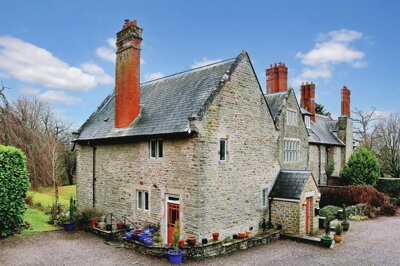
The housing stock in Monmouthshire reflects the county's long history and architectural heritage, with a significant proportion of properties built before 1919 using traditional construction methods and local materials. Many homes in historic towns and villages are constructed from the distinctive warm red sandstone or grey limestone found locally, often featuring solid wall construction, lime mortar pointing, and original timber windows and doors. These period properties offer tremendous character and craftsmanship rarely found in modern construction, though they require understanding owners who appreciate the need for ongoing maintenance and period-appropriate repairs.
The construction materials used throughout Monmouthshire include brick, which became more common during the Victorian and Edwardian periods, and rendered finishes frequently seen on older cottages and farmhouses. Roofing predominantly uses natural slate and clay tiles, reflecting the historic availability of these materials in South Wales. Modern developments from the post-war period onwards typically feature brick cavity wall construction with concrete tiles, while recent new-build properties incorporate contemporary insulation standards and building regulations. Buyers should be aware that older properties throughout the county commonly require electrical rewiring, plumbing upgrades, and improvements to thermal performance, with costs that should be factored into overall purchase budgets.
Understanding local construction methods is essential when evaluating older properties. Solid wall construction, common in pre-1919 properties, lacks the cavity insulation found in modern homes, resulting in different thermal performance characteristics. Properties constructed from local sandstone or limestone may exhibit specific issues related to the permeability of natural stone, particularly regarding moisture management. The county's geology, including areas with significant clay content in superficial deposits, can affect foundations, especially where mature trees are present that may cause shrink-swell movement in clay soils during dry periods.
Flood risk is a significant consideration when purchasing property in parts of Monmouthshire, particularly in areas close to the River Wye, River Usk, and River Monnow, and in coastal locations along the Severn Estuary including Caldicot and Chepstow. Properties in these areas may have experienced flooding historically and could face elevated insurance costs or mortgage lending restrictions. Surface water flooding is also a concern across the county, especially following heavy rainfall that overwhelms drainage systems. A thorough survey will identify any signs of previous flooding and assess the property's vulnerability, while local knowledge from neighbours and the estate agent can provide valuable context about specific areas.
The extensive network of conservation areas in Monmouthshire, covering towns such as Monmouth, Usk, Chepstow, and Raglan, imposes planning restrictions that affect permitted development rights and renovation options. Listed buildings throughout the county, from medieval castles and historic churches to Georgian townhouses and traditional farmhouses, are subject to even stricter controls requiring Listed Building Consent for most alterations. Buyers considering properties in these designations should investigate potential future plans with the local planning authority and budget for specialist surveys and potentially longer project timelines for any proposed works.
Common defects found in Monmouthshire's older properties include damp issues affecting solid wall construction, timber defects such as woodworm and wet or dry rot, and deterioration of slate or tile roofing including lead flashing problems. Many period properties require electrical rewiring and plumbing upgrades to meet current standards, while outdated insulation results in heat loss that increases energy costs. For older properties, those with unusual construction, or listed buildings, a RICS Level 3 Building Survey provides more comprehensive analysis than a standard assessment. A professional survey identifies these issues before purchase, allowing you to negotiate on price or factor remediation costs into your budget.
Before beginning your property search, research specific villages and towns within Monmouthshire to find areas that match your lifestyle needs and daily commute requirements. Consider factors including school catchment areas, local amenities, and transport connections when narrowing your search. Obtain a mortgage agreement in principle from a lender to understand your borrowing capacity and demonstrate your seriousness to sellers when making offers.
Use Homemove to browse all available properties in Monmouthshire, including homes from major estate agents and smaller independent firms. Shortlist properties that meet your criteria and arrange viewings, ideally at different times of day and in various weather conditions to assess lighting, access, and local atmosphere. Pay attention to the condition of neighbouring properties and the general maintenance of the area when visiting.
Once you find your ideal home, submit a formal offer through the estate agent with proof of your mortgage agreement in principle and any relevant chain information. Negotiate on price and terms, being prepared to compromise on non-essential matters to secure the property you want in this competitive market. For properties in conservation areas or those requiring significant work, lower offers may be appropriate to reflect the additional costs or restrictions involved.
Instruct a RICS Level 2 Survey to assess the condition of the property, particularly important for older homes in Monmouthshire where common issues include damp, timber defects, and potential subsidence related to local clay soils. For listed buildings, properties over 100 years old, or those with unusual construction, consider a RICS Level 3 Building Survey for more detailed analysis. Survey costs in Monmouthshire typically range from £400 to £700 for standard properties, rising to £1,000 or more for larger detached homes.
Appoint a conveyancing solicitor to handle the legal transfer of ownership, including local searches with Monmouthshire County Council, title verification, and contract preparation. Your solicitor will coordinate with the seller's representatives and manage the complex process of exchanging contracts and completing your purchase. Budget for additional costs including Land Transaction Tax, search fees, and stamp duty where applicable.
Understanding the full costs of purchasing property in Monmouthshire is essential for budgeting effectively and avoiding unexpected expenses during the transaction. Beyond the property purchase price, buyers should budget for Land Transaction Tax, which applies to property purchases in Wales rather than Stamp Duty Land Tax. The current starting threshold is £225,000, with rates of 6% on the portion between £225,000 and £400,000, 7.5% between £400,000 and £750,000, 10% between £750,000 and £1.5 million, and 12% above £1.5 million. First-time buyers in Wales benefit from relief on purchases up to £300,000, which can significantly reduce costs for those taking their first step onto the property ladder.
Additional buying costs include solicitor conveyancing fees, which typically range from £500 to £1,500 depending on the complexity of the transaction and property value. Local searches with Monmouthshire County Council, environmental searches, and drainage and water enquiries usually cost between £200 and £400. A mortgage arrangement fee, often ranging from £0 to £2,000, may be charged by your lender, though many offer fee-free mortgages. Survey costs vary based on property size and type, with RICS Level 2 Surveys in Monmouthshire typically ranging from £400 to £700 for standard properties and up to £1,200 or more for large detached homes. Removal costs, mortgage valuation fees, and potential renovation or repair costs should also be factored into your overall budget when calculating what you can afford to spend on your new Monmouthshire home.
For a typical semi-detached home in Monmouthshire at around £280,000, Land Transaction Tax would be approximately £3,300 after the first £225,000 threshold. Combined with solicitor fees, survey costs, and other associated expenses, buyers should expect to pay around £5,000 to £7,000 in addition to their deposit and mortgage. Properties at the upper end of the market, such as substantial detached homes averaging £465,603, attract significantly higher Land Transaction Tax charges that should be factored into your financial planning from the outset.
The average house price in Monmouthshire is currently £329,661 according to the most recent data. Property prices vary significantly by type, with detached homes averaging £465,603, semi-detached properties at £280,071, terraced homes at £234,310, and flats at £147,208. The market has experienced a modest correction of 2.39% over the past twelve months, though Monmouthshire remains an attractive option compared to nearby Bristol and Cardiff, where average prices are considerably higher. Recent sales data shows 1,446 transactions completed in the county over the past twelve months, indicating healthy market activity despite broader economic uncertainty.
Monmouthshire County Council sets council tax rates based on property valuation bands assigned by the Valuation Office Agency, ranging from Band A for the lowest-valued properties to Band H for the most expensive homes. Most family homes in the county fall within bands C to E, with terraced properties typically in lower bands and larger detached homes in higher bands. The specific band affects your annual council tax liability and is worth checking with the local authority before completing a purchase, as bands can vary between neighbouring properties depending on recent alterations or improvements. Band D properties in Monmouthshire pay around £1,900 to £2,000 annually, though this varies slightly between the county council and town community council charges.
Monmouthshire offers excellent educational provision across all levels, with primary and secondary schools regularly achieving Good or Outstanding ratings from Estyn, the Welsh education inspectorate. Monmouth School for Boys and Girls is particularly well-regarded for secondary education, with strong academic results and extensive extracurricular programmes, while numerous primary schools throughout the county provide strong foundations for younger children. Parents should research specific school catchments, as admission areas can significantly influence property availability and prices in desirable villages. Smaller class sizes compared to major cities are a consistent advantage of education in Monmouthshire, with many schools able to offer more individual attention to pupils.
Monmouthshire benefits from good transport connections despite its rural character, with the M4 and M48 motorways providing road access to Cardiff, Bristol, and the wider motorway network. Rail services at Chepstow and Caldicot stations offer regular trains to Cardiff and Bristol, with connections to London Paddington available via the Great Western Railway. The journey from Chepstow to Bristol Temple Meads takes approximately 25 minutes, making regular commuting feasible, while Cardiff Central is around 40 minutes away. Local bus services connect major towns and villages, though frequencies on rural routes are limited outside peak hours, making car ownership a practical necessity for many residents in more remote areas.
Monmouthshire offers strong investment potential due to its proximity to Bristol and Cardiff, excellent quality of life, and constrained supply of new housing that maintains property values. The county's popularity with commuters, retirees, and those seeking rural lifestyles supports consistent demand across the market. Rental yields vary by property type and location, with flats in towns offering attractive returns while family homes command premium prices in well-connected villages. The tourism sector, supported by the Wye Valley AONB and historic sites, also creates demand for holiday let properties, particularly in scenic areas near Monmouth, Chepstow, and the River Wye. Properties in conservation areas or with character features tend to hold their value well, though buyers should consider the additional costs and restrictions associated with listed buildings.
Wales uses Land Transaction Tax rather than Stamp Duty Land Tax, with rates set by the Welsh Government. As of 2024-25, the starting threshold is £225,000 for residential purchases, with rates of 6% on the portion from £225,000 to £400,000, 7.5% from £400,000 to £750,000, and 10% above £750,000, rising to 12% above £1.5 million. First-time buyers in Wales benefit from Land Transaction Tax relief on purchases up to £300,000, effectively reducing costs for those taking their first step onto the property ladder. You should verify current rates with HMRC or a financial adviser as thresholds and rates can change annually.
We strongly recommend arranging a professional survey before completing any property purchase in Monmouthshire, regardless of the property's age or condition. Older properties in the county, which form a significant portion of the housing stock, commonly have defects including damp affecting solid walls, timber deterioration, roof problems, and outdated electrical and plumbing systems. A RICS Level 2 Survey typically costs between £400 and £700 for standard properties in the area, while larger detached homes may cost £1,000 or more. For listed buildings or properties over 100 years old, a more comprehensive RICS Level 3 Building Survey is advisable. The cost of a survey is small relative to the property value and can reveal issues that justify negotiating a lower price or identify problems requiring immediate attention after purchase.
Properties for Sale In London

Properties for Sale In Plymouth

Properties for Sale In Liverpool

Properties for Sale In Glasgow

Properties for Sale In Sheffield

Properties for Sale In Edinburgh

Properties for Sale In Coventry

Properties for Sale In Bradford

Properties for Sale In Manchester

Properties for Sale In Birmingham

Properties for Sale In Bristol

Properties for Sale In Oxford

Properties for Sale In Leicester

Properties for Sale In Newcastle

Properties for Sale In Leeds

Properties for Sale In Southampton

Properties for Sale In Cardiff

Properties for Sale In Nottingham

Properties for Sale In Norwich

Properties for Sale In Brighton

Properties for Sale In Derby

Properties for Sale In Portsmouth

Properties for Sale In Northampton

Properties for Sale In Milton Keynes

Properties for Sale In Bournemouth

Properties for Sale In Bolton

Properties for Sale In Swansea

Properties for Sale In Swindon

Properties for Sale In Peterborough

Properties for Sale In Wolverhampton

Enter your details to see if this property is within your budget.
Loans, cards, car finance
Estimated property budget
Borrowing + deposit
You could borrow between
Typical borrowing
Monthly repayment
Est. at 4.5%
Loan-to-value
This is an estimate only. Your actual budget may vary depending on interest rates, credit history, and personal circumstances. For an accurate affordability assessment, speak to one of our free mortgage advisors.
This calculator provides estimates for illustrative purposes only and does not constitute financial advice. Your home may be repossessed if you do not keep up repayments on your mortgage. Estimates based on 4.5% interest rate, repayment mortgage. Actual rates depend on your circumstances.
Homemove is a trading name of HM Haus Group Ltd (Company No. 13873779, registered in England & Wales). Homemove Mortgages Ltd (Company No. 15947693) is an Appointed Representative of TMG Direct Limited, trading as TMG Mortgage Network, which is authorised and regulated by the Financial Conduct Authority (FRN 786245). Homemove Mortgages Ltd is entered on the FCA Register as an Appointed Representative (FRN 1022429). You can check registrations at NewRegister or by calling 0800 111 6768.

We use cookies to show you personalised content and improve your experience of our website. Find out more in our Privacy policy and Cookie policy.