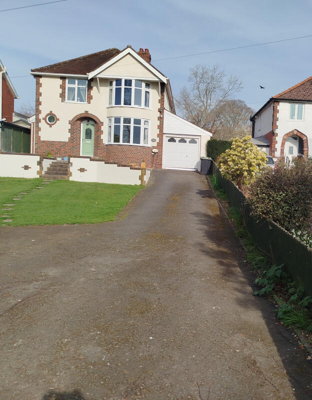
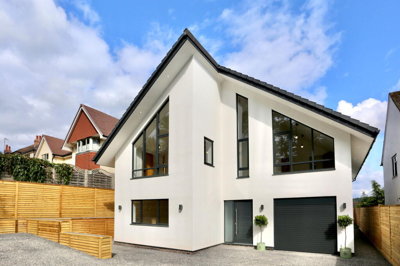
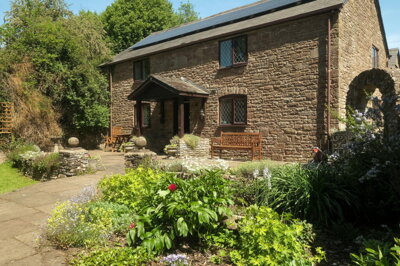
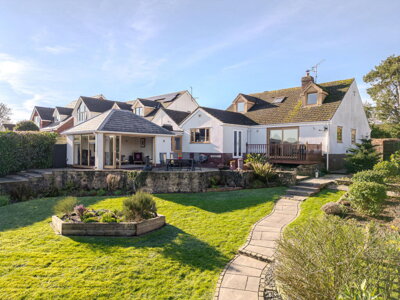
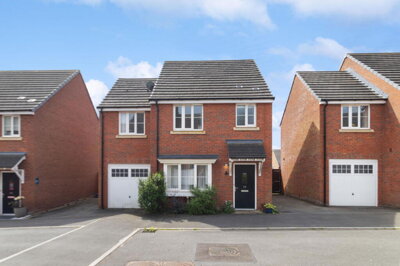
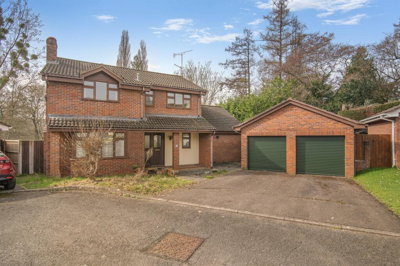
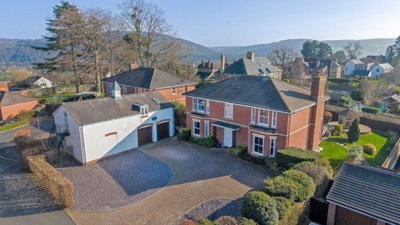
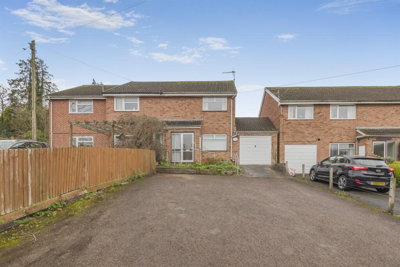
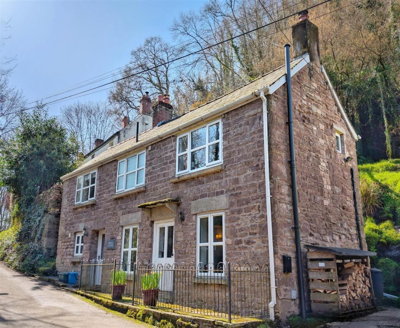
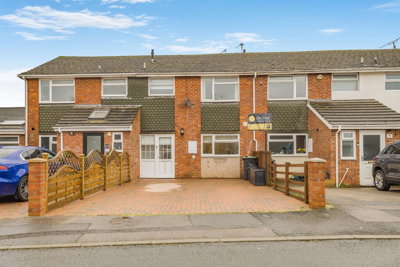
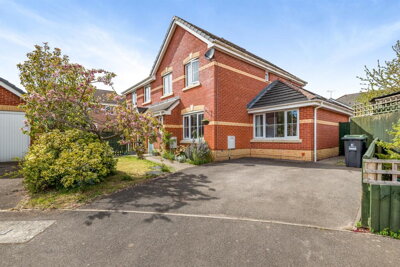
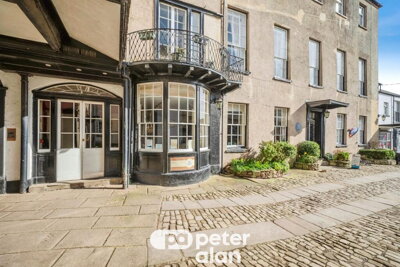
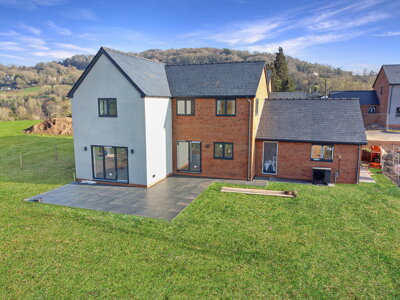
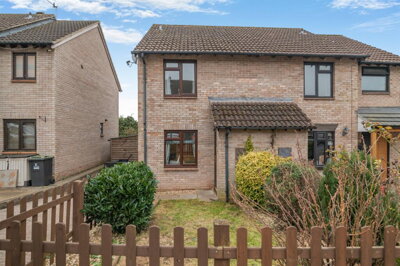
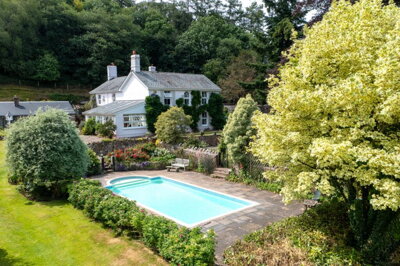
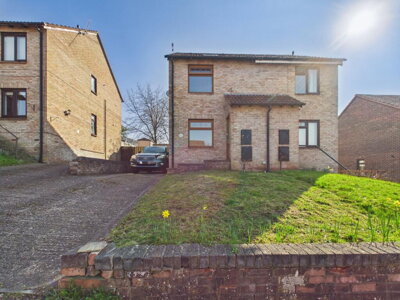
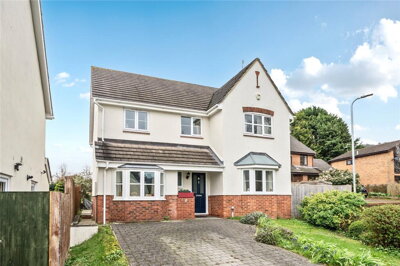
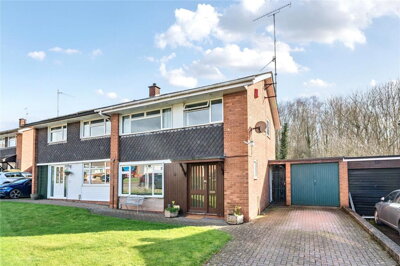
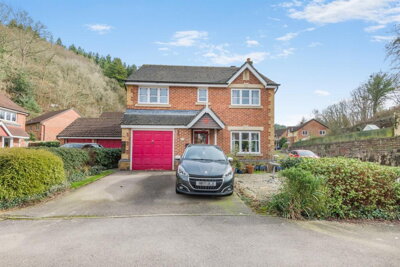
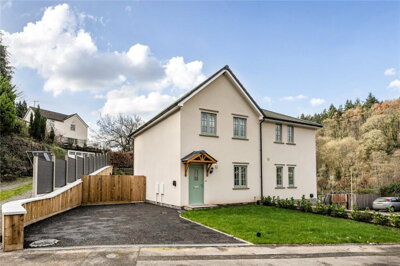
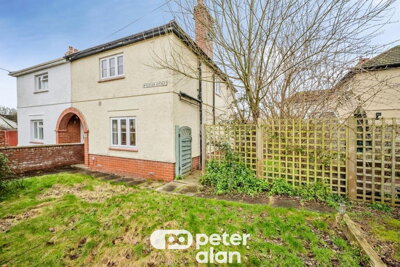
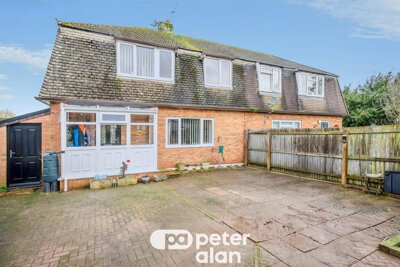
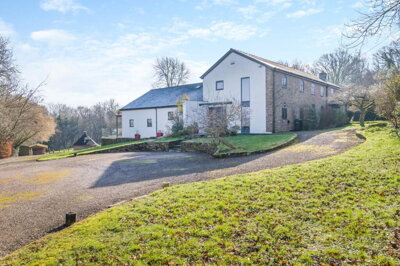
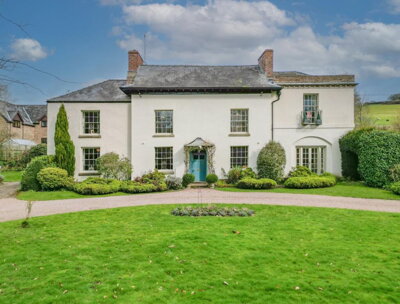
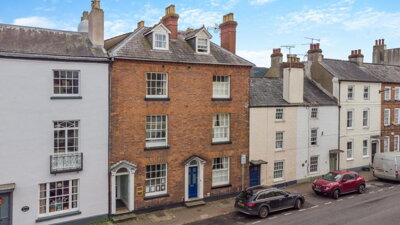
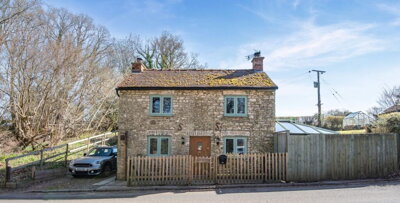
Browse 199 homes for sale in Monmouth, Monmouthshire from local estate agents.
£328k
110
6
173
Source: home.co.uk
Source: home.co.uk
Detached
36 listings
Avg £485,222
Semi-Detached
21 listings
Avg £333,690
Apartment
15 listings
Avg £180,000
Terraced
12 listings
Avg £353,667
Flat
10 listings
Avg £186,000
Town House
5 listings
Avg £477,800
House
2 listings
Avg £742,500
Bungalow
1 listings
Avg £280,000
Chalet
1 listings
Avg £275,000
Character Property
1 listings
Avg £200,000
Source: home.co.uk
Source: home.co.uk
The property market in Maelor South reflects the character of this rural community, offering a mix of traditional detached homes, farmhouses, and terraced cottages that date back to the early 19th century and earlier. The area forms part of the Maelor Saesneg historic landscape, and many properties showcase traditional construction methods including hand-moulded Flemish-bond brickwork and Welsh slate roofing. These period properties form the backbone of the local housing stock, with listed buildings such as Bettisfield Hall, Bettisfield Bridge on the Llangollen Canal, and various farmhouses scattered throughout the villages. The presence of 21 Grade II listed buildings in the community underscores the heritage-rich character that makes this area distinctive for buyers seeking properties with history and character.
House prices in Maelor South and the surrounding Wrexham area have shown resilience and modest growth. Within Clwyd county, the average property price stands at approximately £231,000 with a median of £200,000, reflecting a 2% increase equivalent to £3,900 over the past twelve months. While specific sales data for the Maelor South community itself is not separately tracked, the wider Wrexham County Borough recorded around 5,800 property transactions in the previous twelve months. The market in this rural community typically attracts buyers looking for space, character, and access to beautiful countryside rather than urban conveniences, which influences the types of properties available and the buyer demographic.
New build activity within the Maelor South community itself remains limited, with planning applications typically relating to extensions and renovations rather than large-scale developments. A recent application at 4 Oak Avenue in Penley illustrates the type of local development activity occurring, with proposals for a single-storey side and rear extension. The broader Wrexham area has seen larger housing developments proposed at locations like Erlas Park to the east of Cefn Road, though these fall outside the Maelor South community boundary. For buyers specifically seeking new build properties, options within Maelor South itself remain sparse, making the existing period housing stock the primary focus of the local market.

Life in Maelor South revolves around the rhythms of rural Wales, with agriculture forming a significant part of the local economy and landscape. The area features fertile soils suited to both pastoral and arable farming, with red loams and clayey soils derived from glacial till deposits shaping the agricultural character of the region. The population of approximately 1,546 residents enjoys a close-knit community atmosphere where local events, village halls, and traditional pubs serve as social hubs. The villages of Bettisfield and Penley form the main settlements, with the historic Llangollen Canal passing through the area, providing scenic walking routes and a tangible connection to the industrial heritage of the Welsh Marches.
The underlying geology of Maelor South consists of Triassic New Red Sandstone, a relatively soft rock formation that underlies much of the Maelor Saesneg area. Much of the surface is covered by glacial till deposited during the last ice age, creating the gently undulating terrain that rises from around 15 metres to 80 metres above sea level. This landscape, while beautiful, does present some considerations for property buyers. The clayey soils can be prone to seasonal wetness and waterlogging, and properties near the flat floodplain of the River Dee to the north of nearby Worthenbury may be subject to periodic flooding. Anyone purchasing a property in the area should consider these environmental factors carefully, particularly for properties in lower-lying positions.
Community life in Maelor South benefits from several local amenities and facilities within the surrounding Wrexham area. The villages host regular events, and the proximity to Wrexham town provides access to larger supermarkets, healthcare facilities, and recreational centres. For families, the balance between rural living and access to urban services represents a key appeal of the area. The Llangollen Canal offers excellent opportunities for boating, fishing, and towpath walks, while the surrounding countryside provides numerous public footpaths and bridleways for outdoor recreation. The agricultural nature of the area means that fresh local produce is often available directly from farms, adding to the rural charm that defines daily life in Maelor South.

Families considering a move to Maelor South will find educational provision within the community and the wider Wrexham area. The local primary schools serve the villages directly, with pupils typically progressing to secondary education in the nearby town of Wrexham or surrounding towns. Wrexham itself offers a range of secondary schools including both comprehensive and faith schools, catering to different educational approaches and specialisms. For families prioritising academic excellence, researching specific school performance data, catchment areas, and admission policies is essential before committing to a property purchase, as school catchment boundaries can significantly impact which schools children can access locally.
For sixth form and further education, the excellent facilities at Glyndwr University in Wrexham and the wider Further Education colleges in the region provide comprehensive options for older students. The proximity to Chester and Shrewsbury also expands educational choices for families willing to travel slightly further for specific academic programmes or vocational courses. When buying property in Maelor South, parents should note that school transport arrangements, bus routes, and journey times to educational establishments are practical considerations given the rural nature of the area. Properties near the main villages may have easier access to school bus services than more isolated farmsteads or rural cottages.
The availability of primary school places within the immediate Maelor South area is worth investigating before purchase, as rural schools can have limited capacity and catchment areas that extend across multiple villages. Parents should also consider the implications of the Welsh-medium education system present in parts of Wrexham County Borough, which may offer valuable language opportunities for children. School Ofsted reports and Estyn inspection results for both primary and secondary schools should be reviewed as part of the property buying research process, ensuring that educational expectations align with the provision available within reasonable travelling distance.
Transport connectivity in Maelor South reflects its rural character, with private vehicles serving as the primary means of transport for most residents. The area sits within reasonable reach of the A5 trunk road, which provides connections to Chester and the North Wales coast to the north, and Shrewsbury and the West Midlands to the south. The A483 runs through Wrexham, connecting the town to Chester to the north and Oswestry to the south. For commuters working in larger urban centres, the proximity of these major roads is important, though journey times can be significantly longer than they might appear on paper due to rural road conditions and limited passing places on narrower lanes.
Public transport options are more limited in the rural Maelor South community, with local bus services providing infrequent connections to Wrexham and surrounding villages. The nearest railway stations are located in Wrexham itself, offering services on the Wales and Borders rail network with connections to Chester, Liverpool, and the wider rail network. The lack of a direct rail station within the community means that residents rely heavily on car ownership for daily commutes and essential journeys. Cycling infrastructure is limited, and the nature of rural Welsh roads, while scenic, requires careful navigation. For buyers considering Maelor South as a base for commuting to major cities, factoring in these transport realities is essential before making a purchasing decision.
Those planning to commute to major employment centres should be aware that journey times from Maelor South to cities like Chester, Liverpool, and Manchester involve significant distances and may be affected by peak-hour traffic on major routes. The A5 and A483 can experience congestion during busy periods, particularly around Wrexham and when approaching the English border crossings. For those working from home, the area offers peaceful surroundings conducive to remote work, though broadband speeds in some rural locations may require verification before purchase. Factor in these transport considerations carefully when assessing whether Maelor South suits your daily commute requirements.
Spend time exploring the Maelor South area, attending viewings in different villages such as Bettisfield and Penley, and getting a feel for the community atmosphere. Understand the price ranges for different property types, from traditional farmhouses to modern detached homes, and monitor listings to identify when suitable properties come to market. The rural nature of the area means properties can move quickly when listed, so staying alert to new listings is advisable.
Before making offers, arrange a mortgage agreement in principle with a lender. This strengthens your position as a serious buyer and helps you understand your budget. Given the rural nature of some properties and potential complexities with older or listed buildings, some mortgage lenders may require additional surveys or valuations, so factor this into your timeline.
Work with local estate agents active in the Wrexham and Maelor South area to arrange viewings of suitable properties. Pay attention to the condition of traditional features, roof conditions, and any signs of damp or structural issues common in older properties with solid-wall construction. Viewing properties at different times of year can reveal different characteristics, such as how well-drained the grounds remain during wet winter months.
Once you have a property under offer, arrange a comprehensive RICS Level 2 Homebuyers Survey. In the Maelor South area, where many properties are older with heritage features, a thorough survey is particularly valuable for identifying defects such as structural movement, damp penetration, outdated electrical systems, and timber defects. Local survey costs typically range from £450 to £700 depending on property value, with higher costs applying to larger homes or those requiring assessment of additional features.
Choose an experienced property solicitor to handle the legal aspects of your purchase. They will conduct searches with Wrexham County Borough Council, check for planning restrictions, and ensure all necessary permissions are in place, particularly for listed buildings where consent may be required for alterations. Given the agricultural nature of parts of the area, solicitors should also investigate any rights of way, common land interests, or drainage arrangements that may affect the property.
Once all searches are satisfactory and finances are confirmed, you will exchange contracts and pay your deposit. Completion typically follows shortly after, at which point you will receive the keys to your new home in Maelor South. Allow time for final utility transfers and for familiarising yourself with the property management requirements, particularly for properties with land, outbuildings, or listed status.
Wrexham has a documented history of coal mining that extends across the county borough, and this historical activity has implications for property buyers in the surrounding area including Maelor South. The presence of former mine workings means that some properties may be located in areas with potential ground movement risks, and subsidence checks should form part of the due diligence process when purchasing property. Wrexham County Borough Council provides information on mine water heat opportunities, which confirms the ongoing relevance of historical mining activity to the local geology.
The underlying Triassic New Red Sandstone geology of Maelor South, combined with the extensive glacial till deposits covering much of the surface, creates conditions where shrink-swell movement in clay soils can affect property foundations over time. The clayey soils derived from glacial till are particularly susceptible to moisture changes, expanding when wet and contracting during dry periods. Properties with traditional strip foundations in these conditions may show signs of movement, and our surveyors frequently identify foundation issues, cracking, and subsidence-related defects during inspections of older properties in similar geological settings across North East Wales.
Flood risk assessments are particularly important for properties in certain locations within the Maelor South area. The flat floodplain of the River Dee to the north of Worthenbury experiences periodic flooding, and the gleyed alluvial soils in these low-lying areas confirm the waterlogging risk. Seasonally waterlogged clayey soils throughout the wider Maelor area can present drainage challenges during wet months. Properties positioned in valleys, near watercourses, or on lower-lying ground should be checked against current Environment Agency flood maps, and buyers should understand the implications for insurance premiums and future saleability.
Buying a property in Maelor South requires careful attention to several area-specific factors that distinguish this rural community from urban housing markets. The presence of 21 Grade II listed buildings in the community means that heritage considerations are particularly important. If you are purchasing a listed property, be aware that any alterations, extensions, or significant works will require listed building consent from Wrexham County Borough Council. This can affect future renovation plans and should be factored into your purchasing decision and budget. Specialist surveys may also be advisable for heritage properties to assess the condition of historic features and any previous alterations.
The construction of properties in Maelor South typically follows traditional methods seen throughout the Welsh Marches, with solid brick walls, Welsh slate roofs, and original timber work common in older homes. These features contribute to the character of the area but also require maintenance considerations. Outdated plumbing and electrical systems are frequently encountered in period properties, and buyers should budget for potential rewiring or plumbing upgrades. Lead pipework and old fuse boards are not uncommon in properties that have not been modernised. Given the agricultural nature of the area, outbuildings such as barns and stores are also common, and their condition, maintenance responsibilities, and planning status should be clarified before purchase.
When viewing properties in Maelor South, pay particular attention to the condition of roofs, which often feature Welsh slate that may be original to older properties. Our inspectors frequently find that period properties in rural Welsh locations suffer from deteriorated flashings, damaged tiles, and inadequate insulation that falls below modern standards. The solid-wall construction common in traditional properties means that insulation upgrades can be challenging, and buyers should consider the energy efficiency implications of older properties when assessing heating costs. Look for signs of damp in walls, particularly at ground floor level where rising damp may have affected properties lacking modern damp-proof courses.
Specific average house price data for the Maelor South community itself is not separately tracked by Land Registry, but using the wider Clwyd county as a proxy, the average property price is approximately £231,000 with a median of £200,000. Property prices in the Maelor South area have shown steady growth, with prices increasing by around 2% or £3,900 over the past twelve months. The actual price you might pay will depend significantly on the property type, condition, location within the community, and whether it is a period farmhouse, cottage, or modern detached home. Properties with heritage features or in protected locations may command premium prices.
Properties in Maelor South fall under Wrexham County Borough Council's jurisdiction for council tax purposes. The council operates eight tax bands from Band A through to Band H, with valuations based on property values as of April 2003. Rural properties with agricultural elements or larger land holdings may have different council tax arrangements, and some properties may qualify for agricultural exemptions or discounts. You should verify the specific council tax band for any property you are considering through the Wrexham County Borough Council website or by requesting this information during the conveyancing process.
Maelor South has access to local primary schools serving the immediate community, with pupils typically progressing to secondary schools in Wrexham or surrounding towns. Specific school performance varies year by year, and parents should research current Ofsted ratings and examination results for schools including Ysgol Clywedog, St. Joseph's Catholic Primary, and other schools in the Wrexham area. Catchment areas can be competitive, so parents should confirm which schools serve specific addresses. For sixth form education, Glyndwr University in Wrexham and further education colleges in the region offer comprehensive options.
Public transport connectivity in Maelor South is limited, reflecting its rural character. Local bus services run infrequently, primarily connecting villages to Wrexham town centre. The nearest railway stations are in Wrexham, offering rail services to Chester, Liverpool, and the wider network. Residents generally require private vehicle ownership for daily commuting and essential services. The A5 trunk road and A483 provide road connections to Chester, Shrewsbury, and North Wales, but journey times can be lengthy compared to more urban areas.
Wrexham has a documented history of coal mining, and properties in the wider county borough including those in the Maelor South area may be affected by historical mining activity. Ground movement and subsidence risks associated with former mine workings should be investigated during the conveyancing process through mining searches. The Triassic New Red Sandstone geology and glacial till deposits also create potential for shrink-swell movement in clay soils, which can affect property foundations over time. A thorough building survey can identify any signs of movement or structural concerns related to ground conditions.
The flat floodplain of the River Dee to the north of Worthenbury experiences periodic flooding and waterlogging, which may affect properties in lower-lying positions within the broader Maelor South area. The seasonally wet clayey soils throughout the region can also create drainage challenges during wet months. Buyers should check properties against current Environment Agency flood maps and factor in potential insurance implications for properties in identified flood risk zones. A flood risk assessment can provide detailed information about the specific risk profile of any property you are considering purchasing.
Stamp Duty Land Tax applies to all property purchases in England and Wales including Maelor South. For standard purchases, the rates are 0% on the first £250,000, 5% on £250,001 to £925,000, 10% on £925,001 to £1.5 million, and 12% on any amount above £1.5 million. First-time buyers benefit from relief on properties up to £625,000, paying 0% on the first £425,000 and 5% on the portion between £425,000 and £625,000. Given that the median price in the area is around £200,000, many purchases may fall entirely within the zero-rate threshold or require only minimal stamp duty.
Maelor South appeals to buyers prioritising rural lifestyle, heritage character, and community atmosphere over urban convenience. Property values in the wider Wrexham area have shown steady growth with a 2% increase over the past year, and the limited supply of properties in this specific rural community may support prices over time. However, the rural location means that capital growth may be more modest compared to properties near major commuter hubs or urban regeneration areas. Properties with heritage features or significant land may hold their value well, particularly as supply of such properties in the Maelor Saesneg landscape is finite.
From 4.5%
Expert mortgage advice tailored to your purchase
From £499
Expert conveyancing solicitors for your property purchase
From £450
Comprehensive homebuyers survey for your Maelor South property
From £80
Energy performance certificate for your property
Understanding the full costs of buying a property in Maelor South extends beyond the purchase price itself. Stamp Duty Land Tax rates for standard purchases in Wales are tiered, with 0% applying to the first £250,000 of property value, 5% on amounts between £250,001 and £925,000, 10% on £925,001 to £1.5 million, and 12% on anything above £1.5 million. Given that the median property price in the wider Clwyd area sits around £200,000, many buyers in Maelor South may find their purchase falls below the Stamp Duty threshold entirely. However, for higher-value period properties, farmhouses, or homes with significant land, stamp duty costs will increase accordingly. First-time buyers can benefit from relief on properties up to £625,000, which may further reduce costs.
Beyond Stamp Duty, buyers should budget for solicitor conveyancing fees which typically start from around £499 for straightforward transactions but can increase for properties with complications such as listed building status, agricultural land, or complex title issues. Survey costs are another important consideration, particularly in Maelor South where many properties are older. A RICS Level 2 Homebuyers Survey costs approximately £450 to £700 depending on property value, while more comprehensive Level 3 Building Surveys for listed or complex properties may cost additional amounts. Search fees with Wrexham County Borough Council, land registry fees, and mortgage arrangement fees complete the typical cost breakdown. Buyers purchasing homes with agricultural land or rights over common land should allow additional budget for specialist legal advice.
Properties for Sale In London

Properties for Sale In Plymouth

Properties for Sale In Liverpool

Properties for Sale In Glasgow

Properties for Sale In Sheffield

Properties for Sale In Edinburgh

Properties for Sale In Coventry

Properties for Sale In Bradford

Properties for Sale In Manchester

Properties for Sale In Birmingham

Properties for Sale In Bristol

Properties for Sale In Oxford

Properties for Sale In Leicester

Properties for Sale In Newcastle

Properties for Sale In Leeds

Properties for Sale In Southampton

Properties for Sale In Cardiff

Properties for Sale In Nottingham

Properties for Sale In Norwich

Properties for Sale In Brighton

Properties for Sale In Derby

Properties for Sale In Portsmouth

Properties for Sale In Northampton

Properties for Sale In Milton Keynes

Properties for Sale In Bournemouth

Properties for Sale In Bolton

Properties for Sale In Swansea

Properties for Sale In Swindon

Properties for Sale In Peterborough

Properties for Sale In Wolverhampton

Enter your details to see if this property is within your budget.
Loans, cards, car finance
Estimated property budget
Borrowing + deposit
You could borrow between
Typical borrowing
Monthly repayment
Est. at 4.5%
Loan-to-value
This is an estimate only. Your actual budget may vary depending on interest rates, credit history, and personal circumstances. For an accurate affordability assessment, speak to one of our free mortgage advisors.
This calculator provides estimates for illustrative purposes only and does not constitute financial advice. Your home may be repossessed if you do not keep up repayments on your mortgage. Estimates based on 4.5% interest rate, repayment mortgage. Actual rates depend on your circumstances.
Homemove is a trading name of HM Haus Group Ltd (Company No. 13873779, registered in England & Wales). Homemove Mortgages Ltd (Company No. 15947693) is an Appointed Representative of TMG Direct Limited, trading as TMG Mortgage Network, which is authorised and regulated by the Financial Conduct Authority (FRN 786245). Homemove Mortgages Ltd is entered on the FCA Register as an Appointed Representative (FRN 1022429). You can check registrations at NewRegister or by calling 0800 111 6768.

We use cookies to show you personalised content and improve your experience of our website. Find out more in our Privacy policy and Cookie policy.