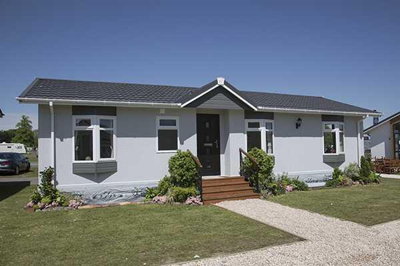
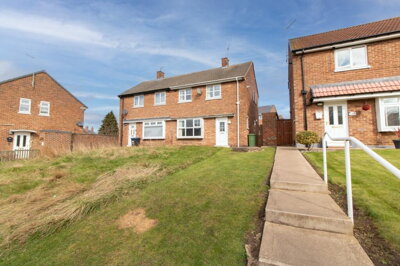
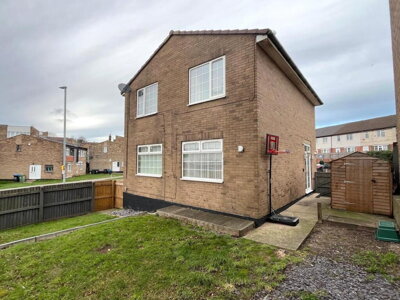
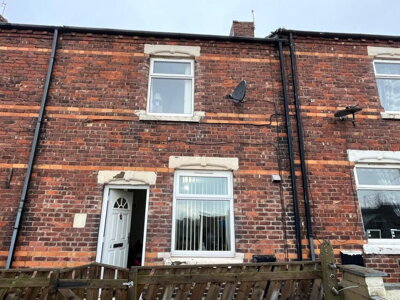
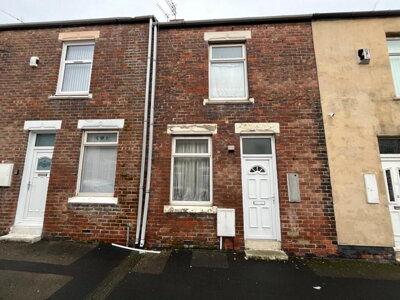
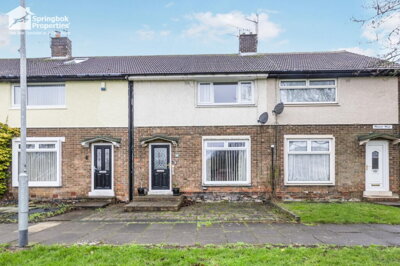
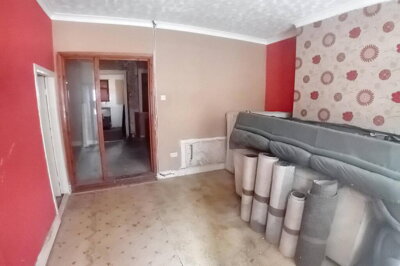
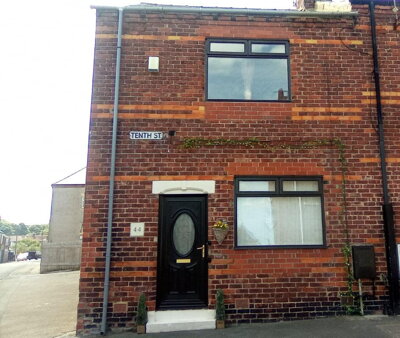
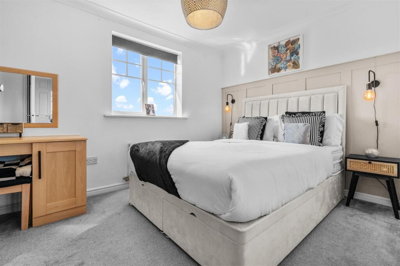
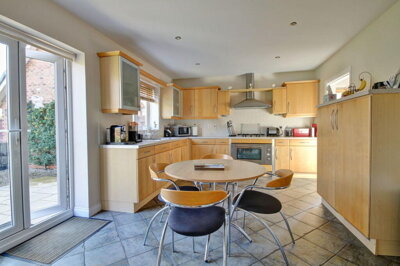
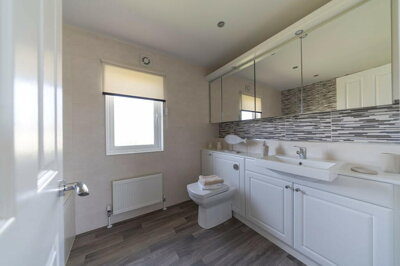
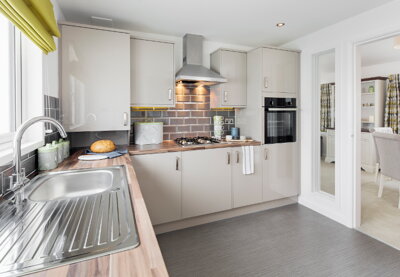
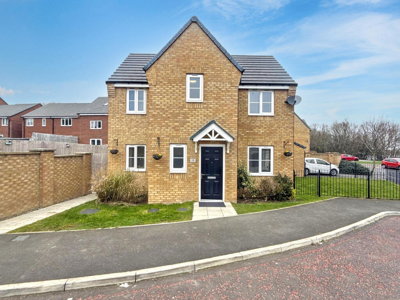
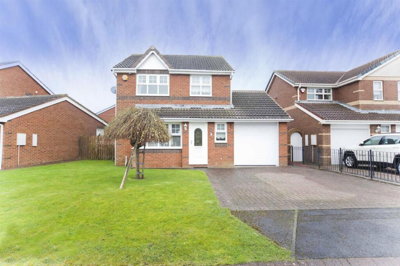
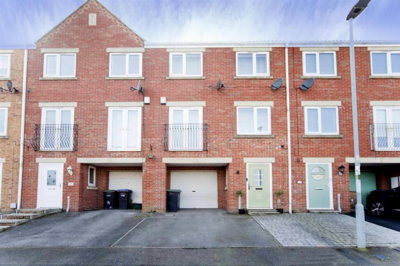
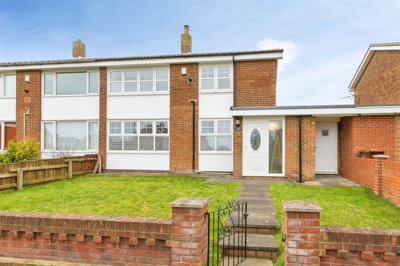
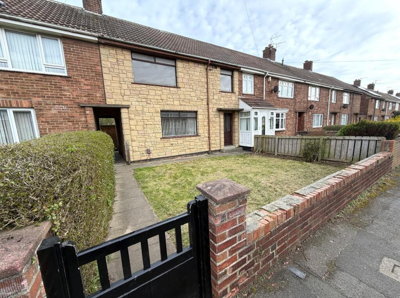
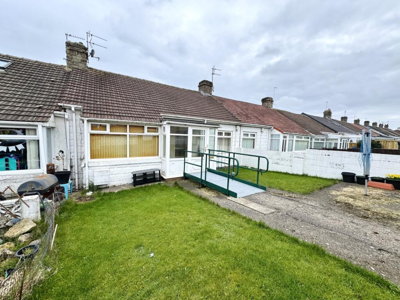
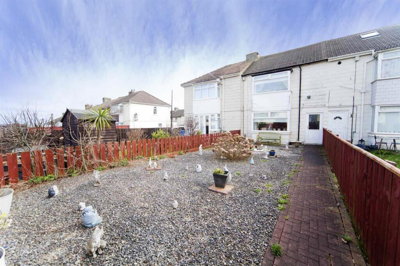
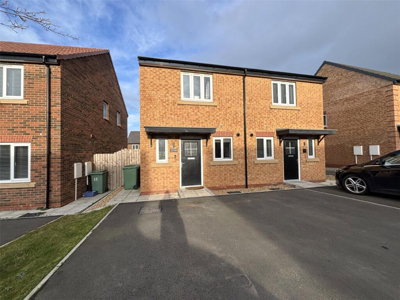
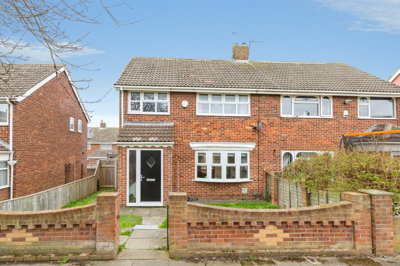
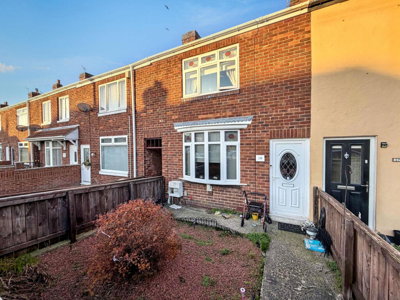
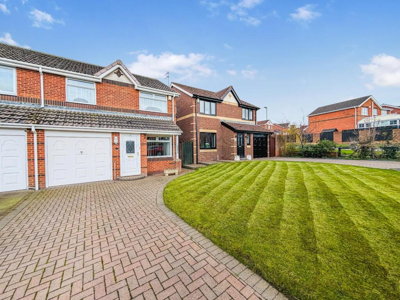
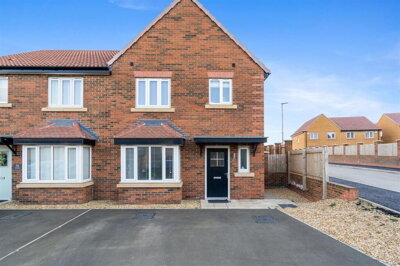
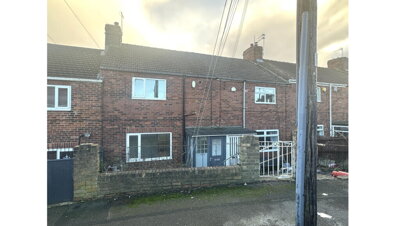
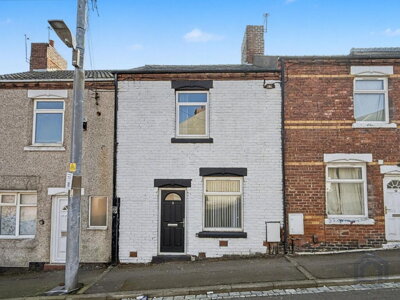
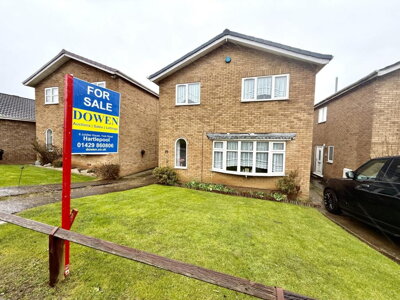
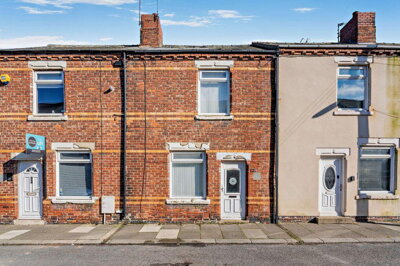
Browse 282 homes for sale in Monk Hesleden from local estate agents.
Norfolk property prices have shown resilience despite broader national market fluctuations, with the average home currently valued at approximately £302,922 according to recent Rightmove data. The county experienced a modest 2% decline over the past twelve months, following a 5% fall from the 2022 peak of £320,179. This cooling period has created opportunities for buyers seeking better value, particularly in towns where prices have adjusted to reflect local wages and demand. The market remains active with over 11,000 sales completing in the past year, indicating sustained buyer interest in the county.
Property types in Norfolk reflect the county's diverse housing stock, from traditional flint and brick cottages to spacious modern developments. Detached properties command the highest prices, averaging around £397,000 to £402,000, making them popular with families seeking space and privacy. Semi-detached homes at approximately £268,000 offer excellent value for first-time buyers or growing families, while terraced properties averaging £224,000 provide accessible entry points to the Norfolk property market. Flats remain the most affordable option at roughly £158,000, appealing to investors and those seeking low-maintenance living in towns with good transport connections.
New build activity across Norfolk remains healthy with prices averaging £349,000 for newly constructed properties. Major developers including Barratt Homes, Persimmon, Taylor Wimpey, Orbit Homes and David Wilson Homes maintain active developments throughout the county. Locations like Wymondham, Sprowston, Old Catton and Horsford feature multiple new-build sites offering two to five bedroom homes. Most new properties sell in the £300,000 to £400,000 range, with buyers drawn to modern energy efficiency standards and the warranties that come with new construction.

Norfolk presents a remarkable variety of landscapes within a single county, from the rolling farmland of the Breckland to the dramatic coastline of North Norfolk and the unique wetland scenery of the Broads. The county's geology shapes both its character and its property landscape, with superficial deposits overlying chalk bedrock across much of the area. Central and eastern Norfolk contains significant clay deposits including glacial tills and marine clays, which can affect building foundations and require consideration during property surveys. Sand and gravel deposits in river valleys and coastal areas contribute to Norfolk's diverse topography and influence local building traditions.
The predominant building materials across Norfolk reflect centuries of local construction practice, with flint, red brick and render featuring prominently on period properties throughout the county. Clay pantile roofs remain a distinctive feature of Norfolk architecture, particularly in coastal villages and market towns where these materials have been used for generations. This traditional building style creates the characteristic appearance that makes Norfolk villages so visually appealing to buyers seeking character properties. Understanding local construction materials helps buyers appreciate why certain properties require specific maintenance approaches.
Norfolk's population encompasses a balanced mix of families, professionals, retirees and those seeking a better quality of life away from larger cities. The county's market towns each developed their own distinct character over centuries, from the medieval architecture of King's Lynn to the Georgian elegance of Holt. Villages throughout the Broads and along the coast maintain strong communities where local events, farmers markets and traditional pubs form the social fabric. The county attracts buyers from London and other major cities seeking affordable property with access to countryside and coastline.

Norfolk offers a comprehensive range of educational options for families considering a move to the county, from primary schools in rural villages to sixth forms and further education colleges serving the wider area. Norwich alone contains numerous primary and secondary schools, with institutions like Norwich School (independent) and the City of Norwich School providing education at secondary level. The wider county includes outstanding primary schools in towns such as Wymondham, Aylsham and Holt, where small class sizes and strong community involvement characterise the educational experience.
Grammar schools in Norfolk serve families seeking selective education, with the dissection test determining entry to these popular institutions. Norfolk also hosts several academy trusts that operate schools across multiple sites, bringing consistent educational standards and resources to communities throughout the county. Further education is well served by institutions including East Norfolk Sixth Form College in Gorleston and Norwich City College, providing vocational and academic pathways for students completing their secondary education.
Parents researching schools should note that catchment areas significantly influence access to popular primaries and secondaries, making property location crucial for families prioritising educational options. The school landscape continues to evolve as academies open and Ofsted ratings change, so consulting current Ofsted reports and speaking with local education departments provides essential context before committing to a purchase. New housing developments frequently include provisions for new school places, reflecting the growth occurring in towns like Wymondham, Sprowston and Broadland.

Norfolk benefits from improving transport connections that make commuting and regional travel increasingly practical for residents. Norwich railway station provides regular services to London Liverpool Street, with journey times of approximately one hour fifty minutes to two hours making day commuting feasible for those working in the capital. The Bittern Line connects coastal communities including Sheringham, Cromer and Great Ryburgh to Norwich, supporting both commuters and tourists exploring the county. King's Lynn offers direct services to London King's Cross via Cambridge, providing an alternative route to the capital.
Road connections across Norfolk have improved significantly in recent years, with the A11 providing efficient access to Cambridge and onward connections to London. The A47 runs east-west through the county, connecting Norwich to Great Yarmouth and King's Lynn, while the A140 provides a direct route to Ipswich. The recently duelled sections of the A11 have reduced journey times to Cambridge to under an hour, expanding employment options for Norfolk residents. Bus services operate throughout the county, though frequencies in rural areas may require planning.
Norwich International Airport serves domestic and European destinations, with regular flights to Amsterdam Schiphol providing connections to worldwide destinations via KLM. For those considering a move to Norfolk while maintaining employment elsewhere, the combination of rail services, improving road infrastructure and international airport access makes the county increasingly connected. Cyclists benefit from quiet country lanes and designated routes connecting many Norfolk towns, while Norwich park and ride schemes reduce city centre congestion.

Norfolk's housing stock spans centuries of construction, with building methods and materials varying significantly based on location, age and local resources. Traditional properties across North Norfolk and the Broads commonly feature flint walls, often combined with red brick for quoins and doorways. We frequently see these historic structures during property surveys, and the porous nature of flint requires specific attention to mortar condition and weathering. Understanding these traditional building techniques helps buyers appreciate maintenance requirements and potential repair costs.
Victorian and Edwardian properties in towns like Norwich, King's Lynn and Great Yarmouth typically feature red brick construction with sash windows and slate or clay tile roofs. These period properties often retain original features that appeal to buyers seeking character, though our surveyors regularly identify issues with outdated electrical systems, single-glazed windows and solid walls lacking insulation. Properties built before the 1920s may contain hidden timber framing or plaster lath construction that requires specialist assessment.
Modern developments across Norfolk utilise contemporary building methods including timber-frame and concrete block construction with cavity wall insulation. New properties from developers like Barratt Homes, Persimmon and Taylor Wimpey typically incorporate uPVC windows, composite doors and modern roofing systems. These homes benefit from current building regulations but may still present defects that a thorough survey can identify. We recommend a Level 2 Survey for any property under ten years old, with Level 3 Surveys reserved for older or more complex properties requiring detailed structural assessment.

Explore different areas of Norfolk to find the location that best suits your lifestyle and budget. Consider proximity to schools, transport links, coastline or countryside, and local amenities. Towns like Wymondham, Holt and Aylsham offer different characters despite similar property prices. Use our property search to compare available homes across multiple locations and filter by price, type and features.
Before viewing properties, obtain a mortgage agreement in principle from a lender. This strengthens your position when making offers and demonstrates to sellers that you have financing secured. Norfolk properties attract competitive interest, making financial preparation essential. Contact our mortgage partners to compare rates and find the best deal for your circumstances.
Use Homemove to browse available properties and schedule viewings through our estate agent partners. View properties in different conditions to understand what your budget buys across different locations and property types in the county. We recommend viewing several properties before making an offer to ensure you find the best value.
Before completing your purchase, arrange a RICS Level 2 Survey to assess the property condition. Given Norfolk's varying geology including clay soils in some areas, a professional survey identifies potential issues with foundations, drainage and construction that may not be visible during viewings. Our team can arrange this survey as part of your purchase process.
Appoint a conveyancing solicitor to handle the legal aspects of your purchase. They will conduct searches including local authority, drainage and environmental searches relevant to your Norfolk property, and manage the transfer of ownership. Our conveyancing partners offer competitive rates for Norfolk transactions.
Once all searches are satisfactory and both parties agree, you will exchange contracts and pay your deposit. Completion typically follows within days or weeks, after which you will receive your keys and can move into your new Norfolk home.
Flood risk requires careful consideration when purchasing property in Norfolk due to the county's extensive river network, low-lying topography and exposed coastline. Properties near the Rivers Wensum, Yare, Bure and their tributaries face potential fluvial flooding, while coastal areas including Great Yarmouth and sections of the North Norfolk coast remain vulnerable to tidal flooding and storm surges. Surface water flooding can affect urban areas during heavy rainfall, so reviewing Environment Agency flood maps and discussing flood history with current owners provides essential context before purchasing.
Norfolk's concentration of listed buildings and conservation areas creates additional considerations for buyers. Properties in areas like Norwich city centre, market towns including Holt and Aylsham, and coastal villages often fall within conservation designations that restrict alterations and renovations. These restrictions preserve property values and character but may limit plans for extension or modification. Properties carrying listed building status offer exceptional character while requiring commitment to maintenance standards and heritage preservation requirements.
The varying geology across Norfolk affects property foundations and maintenance requirements in ways that warrant professional assessment. Properties built on clay soils experience shrink-swell movement with moisture changes, potentially affecting foundations over time. A thorough building survey identifies any existing issues and provides recommendations for management. Newer properties on recent developments typically benefit from modern foundations designed for current ground conditions, while older properties may require more careful evaluation.

The average house price in Norfolk currently sits at approximately £302,922 according to recent Rightmove data. Property prices in the county declined by around 2% over the past twelve months, following a 5% decrease from the 2022 peak of £320,179. Detached properties average £397,000 to £402,000, semi-detached homes around £268,000, terraced properties approximately £224,000, and flats start from roughly £158,000. This relatively stable market makes Norfolk an attractive option for buyers seeking consistent value.
Council tax bands in Norfolk vary by property value and location, ranging from Band A for lower-value properties through to Band H for the most expensive homes. The applicable council tax depends on which Norfolk district you reside in, including Broadland, South Norfolk, North Norfolk, Breckland, King's Lynn and West Norfolk, Great Yarmouth, and Norwich city council areas. You can check specific bands using the Valuation Office Agency website using the property address.
Norfolk offers strong educational options across all levels, with outstanding primary schools in towns like Wymondham, Holt and Aylsham, and well-regarded secondary schools including grammar schools for selective education. Norwich contains several notable secondary institutions, while the county benefits from further education colleges serving vocational and academic pathways. School performance varies and catchment areas determine access, so parents should research current Ofsted ratings and geographic boundaries relevant to their preferred property location.
Norfolk benefits from regular rail services from Norwich to London Liverpool Street taking around two hours, with King's Lynn providing an alternative route to London King's Cross. The Bittern Line connects coastal communities including Sheringham and Cromer to Norwich, while bus services operate throughout the county though frequencies vary in rural areas. Norwich International Airport offers flights to Amsterdam and domestic destinations. Road connections include the A11 to Cambridge and London, and the A47 east-west through the county connecting Norwich to Great Yarmouth and King's Lynn.
Norfolk property offers several investment considerations, with relatively affordable average prices compared to southern England and consistent demand from buyers seeking coastal and rural lifestyles. New build activity remains strong with major developers active throughout the county. Rental demand exists in university towns and coastal areas popular with tourists, though yield calculations should account for property condition, management costs and void periods. The modest 2% price decline over twelve months indicates relative market stability compared to some regions.
Stamp Duty Land Tax rates from April 2025 onwards apply 0% tax on residential purchases up to £250,000, 5% between £250,000 and £925,000, 10% between £925,000 and £1.5 million, and 12% above £1.5 million. First-time buyers benefit from relief on the first £425,000 of properties up to £625,000. For a typical Norfolk property at £302,000, a standard buyer would pay approximately £2,600 in stamp duty after the nil-rate threshold.
Norfolk has significant flood risk due to its extensive river network including the Broads National Park, low-lying topography and long coastline. Fluvial flooding affects areas near the Rivers Wensum, Yare and Bure, while coastal flooding threatens Great Yarmouth and North Norfolk villages. Environment Agency flood maps indicate risk levels for specific properties, and buildings insurance costs may reflect flood exposure. Properties in protected zones may still face surface water flooding during extreme weather events.
A RICS Level 2 Survey provides essential information about property condition that viewings cannot reveal. Our inspectors frequently identify issues with Norfolk properties including cracking from clay soil movement, flint wall deterioration, drainage problems common in low-lying areas, and defects in traditional construction. The survey cost is modest compared to the property price and can reveal issues that justify price negotiation or alert you to expensive repairs before you commit to purchase.
Understanding the full costs of purchasing property in Norfolk helps buyers budget accurately and avoid surprises during the transaction process. Beyond the property purchase price, buyers must account for Stamp Duty Land Tax, solicitor fees, survey costs, mortgage arrangement fees and removals expenses. First-time buyers and those purchasing additional properties face different tax implications, making it worth calculating costs before making an offer. Norfolk properties at the current average price of £302,000 attract relatively modest stamp duty compared to properties in more expensive regions.
For standard residential purchases, the current SDLT thresholds from April 2025 apply zero percent tax on the first £250,000 of property value, five percent on the portion between £250,000 and £925,000, ten percent on values between £925,000 and £1.5 million, and twelve percent on amounts exceeding £1.5 million. On a typical Norfolk home at £302,000, this means approximately £2,600 in stamp duty after the nil-rate threshold. First-time buyer relief raises the nil-rate threshold to £425,000 and applies five percent between £425,000 and £625,000, potentially eliminating stamp duty for qualifying first-time buyers purchasing at average Norfolk prices.
Additional buying costs include mortgage arrangement fees typically ranging from £500 to £2,000 depending on lender and deal type, valuation fees from £150 to £1,500 based on property value, and survey costs starting from £350 for a basic condition report. Conveyancing fees for Norfolk property typically start from £499 for standard transactions, though leasehold properties or those with complexities may cost more. Local searches including drainage and environmental checks specific to the Norfolk district add several hundred pounds to legal costs. Removals, furniture and potential renovation work complete the picture of total moving costs to budget for when purchasing your Norfolk home.

From £350
Professional condition survey identifying defects in Norfolk properties
From £500
Detailed structural survey for complex or older properties
From 3.89%
Compare mortgage rates for Norfolk properties
From £499
Solicitors for Norfolk property transactions
Properties for Sale In London

Properties for Sale In Plymouth

Properties for Sale In Liverpool

Properties for Sale In Glasgow

Properties for Sale In Sheffield

Properties for Sale In Edinburgh

Properties for Sale In Coventry

Properties for Sale In Bradford

Properties for Sale In Manchester

Properties for Sale In Birmingham

Properties for Sale In Bristol

Properties for Sale In Oxford

Properties for Sale In Leicester

Properties for Sale In Newcastle

Properties for Sale In Leeds

Properties for Sale In Southampton

Properties for Sale In Cardiff

Properties for Sale In Nottingham

Properties for Sale In Norwich

Properties for Sale In Brighton

Properties for Sale In Derby

Properties for Sale In Portsmouth

Properties for Sale In Northampton

Properties for Sale In Milton Keynes

Properties for Sale In Bournemouth

Properties for Sale In Bolton

Properties for Sale In Swansea

Properties for Sale In Swindon

Properties for Sale In Peterborough

Properties for Sale In Wolverhampton

Enter your details to see if this property is within your budget.
Loans, cards, car finance
Estimated property budget
Borrowing + deposit
You could borrow between
Typical borrowing
Monthly repayment
Est. at 4.5%
Loan-to-value
This is an estimate only. Your actual budget may vary depending on interest rates, credit history, and personal circumstances. For an accurate affordability assessment, speak to one of our free mortgage advisors.
This calculator provides estimates for illustrative purposes only and does not constitute financial advice. Your home may be repossessed if you do not keep up repayments on your mortgage. Estimates based on 4.5% interest rate, repayment mortgage. Actual rates depend on your circumstances.
Homemove is a trading name of HM Haus Group Ltd (Company No. 13873779, registered in England & Wales). Homemove Mortgages Ltd (Company No. 15947693) is an Appointed Representative of TMG Direct Limited, trading as TMG Mortgage Network, which is authorised and regulated by the Financial Conduct Authority (FRN 786245). Homemove Mortgages Ltd is entered on the FCA Register as an Appointed Representative (FRN 1022429). You can check registrations at NewRegister or by calling 0800 111 6768.

We use cookies to show you personalised content and improve your experience of our website. Find out more in our Privacy policy and Cookie policy.