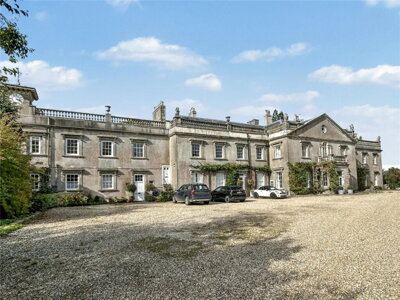
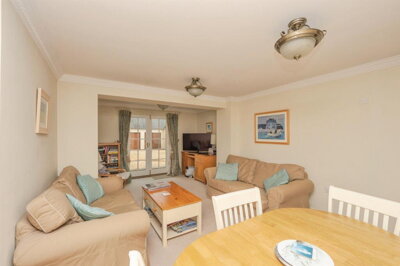
Browse 2 homes for sale in Minterne Magna from local estate agents.
Studio apartments feature open-plan living spaces without separate bedrooms, incorporating sleeping, living, kitchen, and bathroom facilities. The Minterne Magna studio market includes properties in modern apartment complexes, converted Victorian and Georgian buildings, and purpose-built developments.
The Dursley property market presents a varied landscape of property types to suit different budgets and lifestyles. Detached properties command the highest prices at an average of £465,562, reflecting the demand for spacious family homes with gardens in this desirable location. Semi-detached homes average £302,308, representing excellent value for buyers seeking generous living space without the premium associated with detached properties. These family-friendly homes are particularly popular among growing families drawn to Dursley's excellent schooling options and safe residential neighbourhoods.
Terraced properties average £251,553, making them an accessible entry point to the Dursley housing market for first-time buyers and investors alike. These character properties often feature the traditional Cotswold stone construction that gives the town its distinctive appearance. Flats average around £145,000, offering an affordable alternative for those seeking low-maintenance living or a buy-to-let investment opportunity. The current market correction, with prices having fallen by approximately 1-3% across all property types over the past year, means buyers may find favourable conditions for negotiating on their preferred property.
Two notable new build developments are currently adding modern housing stock to the Dursley area. The Quarry, developed by Newland Homes off Woodmancote, offers 2, 3, 4, and 5 bedroom homes priced from £315,000 to £610,000. Littlecombe, developed by St. Modwen Homes on the southern edge of town, provides 2, 3, and 4 bedroom properties ranging from £299,995 to £499,995. Both developments represent attractive options for buyers who prioritise modern construction methods, energy efficiency, and developer warranties when purchasing their new home.
Price trends over the past year show modest declines across most property types, with detached homes experiencing the largest drop at 3% and semi-detached properties showing more resilience with just a 1% decrease. This varied market behaviour reflects the different buyer segments active in Dursley, with families competing for larger homes maintaining relative price stability while the flat market has softened more noticeably. For buyers with flexible timelines, this period of modest price adjustment may present opportunities to secure properties that might have been slightly out of reach during the higher price peaks of previous years.

Dursley is a historic market town whose character is defined by its beautiful Cotswold stone architecture, with many properties constructed from the warm, honey-coloured limestone that gives the region its distinctive appearance. The town centre features a designated Conservation Area encompassing Parsonage Street, Silver Street, and Long Street, preserving the historic character that makes Dursley so visually appealing. St. James the Great Church, a Grade I listed building, stands as the town's rich heritage and provides a focal point for the community. The blend of medieval, Victorian, and Edwardian architecture creates a streetscape of considerable charm that continues to attract buyers seeking period properties with genuine character.
The local economy has evolved from its industrial roots, with Lister Petter engines historically providing significant employment in the area. Today, healthcare, education, retail, and local services form the backbone of the local economy, while the proximity to major employment centres extends opportunities for commuters. The town's location within the Cotswolds Area of Outstanding Natural Beauty attracts tourists and outdoor enthusiasts, supporting local businesses including cafes, pubs, and artisan shops. The Tuesday and Saturday markets continue a centuries-old tradition, providing residents with access to local produce and crafts while fostering community connections.
The demographic profile of Dursley reflects a balanced community with families, professionals, and retirees all finding their place in this attractive Gloucestershire town. Housing stock comprises 28.1% detached properties, 31.5% semi-detached homes, 27.2% terraced properties, and 13.2% flats and apartments, providing housing options across all tenures and price points. Green spaces including parks and the surrounding countryside provide recreational opportunities, while the River Cam adds to the town's natural beauty though buyers should be aware of flood risk in low-lying areas near the watercourse. The surrounding National Landscape offers exceptional walking and cycling opportunities, with the Cotswold Way National Trail passing nearby and providing access to some of England's most beautiful countryside.
Education provision in Dursley serves families well, with primary and secondary schools within the town catering to children of all ages. The local primary schools provide a strong foundation for young learners, with many families specifically choosing Dursley properties to access these popular schools. Secondary education is available through local secondary schools, with sixth form options allowing students to continue their education locally before pursuing higher education or apprenticeships. Parents researching the area will want to verify current catchment areas and admission policies, as these can influence property values in specific neighbourhoods.
The presence of good schools significantly influences the Dursley property market, with families often prioritising properties within walking distance of their preferred educational establishments. School performance data, including recent Ofsted inspection outcomes, should be reviewed by buyers with children, though it is worth noting that school performance can change over time. Independent schooling options in the wider Stroud area provide additional choices for families seeking alternatives to the state system. Transport arrangements for secondary school pupils typically involve school bus services for those living further from campus.
Further and higher education opportunities are accessible through colleges in nearby Stroud, Gloucester, and Cheltenham, providing vocational and academic courses for older students and adults seeking career advancement. The University of Gloucestershire in Cheltenham and the University of the West of England in Bristol offer broader higher education options within commuting distance for older children or parents continuing their studies while working. Families should factor education requirements into their property search, considering both current school-age children and future family plans when selecting their new home in Dursley.
The local school calendar aligns with Gloucestershire County Council's term dates, and many parents appreciate the manageable school run distances in Dursley compared to larger towns. Several primary schools offer breakfast clubs and after-school care, supporting working parents who need flexible childcare arrangements. Secondary school options in the town provide good academic and vocational pathways, with students regularly progressing to A-levels at sixth form colleges in Stroud or pursuing apprenticeships with local employers in the engineering, healthcare, and service sectors.
Transport connectivity ranks among Dursley's strongest attributes, with the town offering excellent road and public transport links to major employment centres. The A38 dual carriageway passes nearby, providing direct access to Gloucester to the north and Bristol to the west, with Bristol accessible in approximately 35-40 minutes by car. The M5 motorway junction is located just a short drive away, connecting Dursley to the broader national motorway network for those travelling further afield. Commuters to Bristol, Gloucester, Cheltenham, and Swindon frequently choose Dursley as their base, benefiting from more affordable housing compared to these larger cities while maintaining manageable journey times.
Rail services from nearby Cam and Dursley station provide direct access to Gloucester and Bristol Temple Meads, with Bristol's main railway station reachable in around 40 minutes. The station is located a short drive or bus ride from the town centre, and additional rail services from Gloucester connect to the national network including direct routes to London Paddington. Bus services operated by Stagecoach and local operators provide public transport alternatives for those not wishing to drive, with routes connecting Dursley to surrounding villages and towns in the Stroud valleys. Park and ride schemes in nearby cities provide convenient options for commuters heading to major employment sites.
For those who prefer cycling, Dursley and the surrounding Cotswolds offer scenic routes for both leisure and commuting purposes. The local topography can be challenging in places due to the hilly nature of the Stroud Valleys, but dedicated cycling clubs and routes make cycling accessible for those who enjoy outdoor activity. Parking provision in the town centre is adequate for visitors and workers, though like many historic market towns, town centre parking can be competitive during market days and peak periods. Those considering a daily commute should factor journey times and parking costs into their overall assessment of relocation costs.
Bus services connect Dursley to Stroud approximately every 30 minutes during peak hours, providing a viable option for those working locally or accessing train services. The nearby Cam and Dursley railway station offers free parking for rail passengers, making multi-modal commuting practical for residents who combine driving with train travel. For cyclists, the Sustrans National Cycle Network Route 45 passes through the area, connecting to broader cycling routes across Gloucestershire and beyond.
Spend time browsing listings, understanding price trends, and familiarising yourself with different neighbourhoods in Dursley. Our platform provides comprehensive data on 107 properties currently available, with average prices ranging from £145,000 for flats to £465,562 for detached homes. Take time to explore different areas, from the historic Conservation Area around Parsonage Street to the newer developments at Littlecombe and The Quarry, to understand what each neighbourhood offers.
Before arranging viewings, obtain a mortgage agreement in principle to understand your budget. This strengthens your position when making offers and demonstrates you're a serious buyer. Contact our mortgage partners to compare rates and find the best deal for your circumstances. Given Dursley's average property prices of around £321,979, most buyers will require mortgage borrowing of between £100,000 and £350,000, making it worth shopping around for competitive rates.
Visit multiple properties across different price ranges to compare what Dursley offers. Consider new builds at The Quarry or Littlecombe for modern specifications, or explore period properties in the Conservation Area for traditional Cotswold stone charm. Take notes during viewings and revisit promising properties before making an offer, as first impressions can sometimes miss important details.
Once your offer is accepted, arrange a property survey. For Dursley's older housing stock, including Victorian terraces and Cotswold stone cottages, a Level 2 Survey typically costs £400-700 for a 3-bedroom property and can reveal issues such as damp, roof defects, or subsidence risk. We work with local surveyors who understand the common issues found in Dursley properties and can provide detailed, area-specific advice.
Appoint a solicitor to handle the legal aspects of your purchase. They will conduct searches, check planning permissions, and manage contracts. Our conveyancing partners offer competitive rates for buyers in the Dursley area and have experience dealing with Conservation Area properties and listed buildings where relevant.
Your solicitor will coordinate the final steps, including local authority searches, mortgage arrangements, and contract exchange. On completion day, you will receive your keys and can begin your new life in Dursley. Be prepared for the process to take around 8-12 weeks from accepted offer to completion, though faster timelines are possible for chain-free transactions.
Properties in Dursley present several area-specific considerations that buyers should investigate before committing to a purchase. The local geology includes Jurassic limestone which is generally stable, though areas with clay deposits may experience shrink-swell movement, particularly in properties with nearby trees or those constructed on superficial clay deposits. A thorough survey can identify potential subsidence issues, with ground movement representing a particular concern for older properties built on clay subsoils. Understanding the property's proximity to trees and its foundation type will help assess the risk of movement-related damage.
Flood risk requires careful evaluation in Dursley, with the River Cam flowing through the town and low-lying areas vulnerable to both surface water and fluvial flooding. Properties immediately adjacent to the river or in low-lying parts of the town carry elevated flood risk, which can affect insurance premiums and future saleability. Local authority flood records and the property's flood history should be checked before proceeding. If the property has previously flooded, ensure appropriate mitigation measures are in place and factor potential insurance costs into your budget.
The extensive Conservation Area covering the historic town centre means properties here are subject to planning restrictions that protect the area's character. External alterations, extensions, and even some interior works may require Listed Building Consent or Conservation Area approval, adding complexity and cost to renovation projects. Buyers considering properties within the Conservation Area should research these requirements carefully and budget for potentially longer planning timescales. A RICS Level 3 Survey may be more appropriate for listed buildings or significant period properties, providing more detailed assessment of construction methods and repair requirements.
Building materials in Dursley reflect the local Cotswold tradition, with many properties featuring solid stone walls, lime mortar pointing, and traditional construction methods. These materials require specific maintenance approaches that differ from modern brick or block construction, and buyers should understand the implications for ongoing maintenance costs and potential repair requirements. Properties constructed from Cotswold stone may require re-pointing every few decades, while older timber-framed elements may show signs of rot or woodworm that need professional treatment. Our surveyors frequently identify damp issues in traditional stone properties, particularly where original lime mortar has been replaced with cement, which can trap moisture and cause penetrating damp problems.
When viewing period properties in Dursley, pay particular attention to the condition of Cotswold stone walls, checking for signs of spalling, biological growth, or previous inappropriate repairs. Roof condition on older properties requires close inspection, as slipped tiles and deteriorated leadwork are common findings in Victorian and Edwardian homes. Electrical and plumbing systems in properties built before the 1970s will likely require updating to meet current standards, and this should be factored into renovation budgets.
The average house price in Dursley is currently £321,979 according to recent market data. Property prices vary significantly by type, with detached homes averaging £465,562, semi-detached properties at £302,308, terraced houses at £251,553, and flats around £145,000. Prices have decreased by approximately 2% over the past twelve months, creating potential opportunities for buyers in this Cotswold market town. The price correction has been most pronounced in the detached and flat sectors, both showing 3% declines, while terraced properties have proved more resilient with just 1% movement.
Council tax bands in Dursley are set by Stroud District Council, with bands ranging from A through to H depending on the property's assessed value. Most standard 2-3 bedroom terraced and semi-detached properties in Dursley fall into bands B through D, with smaller flats typically in band A or B. Larger detached family homes and period properties in the Conservation Area often occupy higher bands D through F. Prospective buyers should check the specific band with Stroud District Council as part of their pre-purchase research, as council tax forms part of the ongoing cost of homeownership and varies based on property value.
Dursley offers good educational provision with several primary schools serving the local community and secondary schools providing education up to GCSE level. Primary schools in the town are popular with families and some have received strong Ofsted ratings in recent inspections. For secondary education, local schools provide good options with sixth form provision available for students continuing their studies beyond GCSE. The surrounding Stroud area offers additional choices, including independent schools for families seeking alternatives to the state education system, with several options within reasonable daily commute distance.
Dursley enjoys excellent transport connections for a town of its size, with Cam and Dursley railway station providing direct services to Gloucester and Bristol Temple Meads. Bristol Temple Meads is reachable in approximately 40 minutes by train, making daily commuting practical for those working in the city. Bus services operated by Stagecoach connect Dursley to Stroud and surrounding villages at regular intervals throughout the day. The nearby A38 and M5 motorway provide direct road access to Bristol, Gloucester, Cheltenham, and beyond, typically with Bristol reachable by car in 35-40 minutes depending on traffic conditions.
Dursley offers several attractions for property investors, with the town's proximity to Bristol combined with more affordable house prices compared to the city making it popular with commuters. This commuter demand suggests continued rental demand, while the Cotswolds location and quality of life appeal ensures long-term desirability for both renters and buyers. New build developments like Littlecombe and The Quarry demonstrate ongoing investment in the area, and properties requiring renovation in the Conservation Area can offer value-add opportunities for investors willing to navigate planning requirements. However, as with any property investment, thorough research into rental yields, void periods, tenant demand, and local market conditions is essential before committing.
Stamp Duty Land Tax applies to all property purchases in England, including Dursley in Gloucestershire, with standard rates charging no SDLT on the first £250,000, 5% on the portion between £250,001 and £925,000, 10% on the amount from £925,001 to £1.5 million, and 12% on any amount exceeding £1.5 million. First-time buyers purchasing properties up to £625,000 benefit from relief that increases the nil-rate threshold to £425,000, with 5% then charged on the portion between £425,001 and £625,000. Given that Dursley's average property price of £321,979 falls below the standard nil-rate threshold, many buyers purchasing at average price levels will pay no stamp duty at all, though this threshold should be verified with HMRC as rates can change.
Given Dursley's significant older housing stock constructed from Cotswold stone, several property defects are commonly encountered during surveys. Damp issues are prevalent in traditional stone properties, particularly rising damp and penetrating damp due to age, failed damp-proof courses, or inappropriate modern cement repairs that trap moisture within solid walls. Roof condition requires careful inspection on properties over 50 years old, with slipped tiles, deteriorated leadwork, and failing pointing frequently identified during survey work. Properties built on clay soils, which exist in parts of Dursley, may be susceptible to subsidence or heave due to shrink-swell ground movement, especially where trees are present near foundations. Outdated electrical wiring and plumbing systems are common in period properties and will likely require upgrading to meet current electrical safety standards and provide adequate water pressure. Our surveyors can provide detailed assessments of these common issues and recommend appropriate remedial works where needed.
From £400
A detailed inspection ideal for most properties, identifying defects common in Dursley homes including damp and structural issues.
From £600
Comprehensive survey recommended for older properties, listed buildings, and Conservation Area properties in Dursley.
From £85
Energy performance certificate required for all property sales, showing efficiency ratings for Dursley homes.
From £499
Legal services for your property purchase, including searches specific to Dursley and Stroud District.
From 4.5%
Competitive mortgage rates for Dursley property purchases from £145k flats to £465k detached homes.
Understanding the full costs of purchasing property in Dursley extends beyond the advertised sale price, with several additional expenses that buyers should budget for in advance. Stamp Duty Land Tax represents one of the most significant additional costs, with standard rates applying no SDLT on the first £250,000 of the purchase price, 5% on the portion from £250,001 to £925,000, 10% on the amount from £925,001 to £1.5 million, and 12% on any amount exceeding £1.5 million. First-time buyers purchasing properties up to £625,000 benefit from relief that increases the nil-rate threshold to £425,000, with 5% then charged on the portion between £425,001 and £625,000. For most Dursley purchases, which typically fall in the £250,000 to £400,000 range, stamp duty costs will be relatively modest.
Survey costs warrant particular attention given Dursley's mix of older properties, with a RICS Level 2 Survey typically costing between £400 and £700 for an average 3-bedroom property in the Dursley area. Larger or more complex properties may incur higher fees, and our surveyors always provide transparent pricing before inspection. For period properties, Cotswold stone cottages, or homes within the Conservation Area, a RICS Level 3 Building Survey may be more appropriate at additional cost but providing more detailed assessment of construction methods, materials, and repair requirements. The investment in a thorough survey can reveal defects such as structural movement, damp issues, or roof problems that might not be visible during viewings, potentially saving thousands in unexpected repair costs after purchase.
Conveyancing fees for property purchases in Dursley typically range from £499 to £1,500 depending on the complexity of the transaction and whether the property is freehold or leasehold. Search fees, Land Registry fees, and Telegraphic Transfer charges add to the legal costs, which can total £1,500 to £2,500 including disbursements. For properties in the Conservation Area or listed buildings, additional specialist searches may be required, adding to both cost and timeline. Mortgage arrangement fees vary by lender and deal, ranging from free products to fees of £1,500 or more, though these are often added to the mortgage rather than paid upfront. Buildings insurance must be in place from exchange of contracts, and removals costs should also be factored into your moving budget when calculating the total cost of buying in Dursley.

Properties for Sale In London

Properties for Sale In Plymouth

Properties for Sale In Liverpool

Properties for Sale In Glasgow

Properties for Sale In Sheffield

Properties for Sale In Edinburgh

Properties for Sale In Coventry

Properties for Sale In Bradford

Properties for Sale In Manchester

Properties for Sale In Birmingham

Properties for Sale In Bristol

Properties for Sale In Oxford

Properties for Sale In Leicester

Properties for Sale In Newcastle

Properties for Sale In Leeds

Properties for Sale In Southampton

Properties for Sale In Cardiff

Properties for Sale In Nottingham

Properties for Sale In Norwich

Properties for Sale In Brighton

Properties for Sale In Derby

Properties for Sale In Portsmouth

Properties for Sale In Northampton

Properties for Sale In Milton Keynes

Properties for Sale In Bournemouth

Properties for Sale In Bolton

Properties for Sale In Swansea

Properties for Sale In Swindon

Properties for Sale In Peterborough

Properties for Sale In Wolverhampton

Enter your details to see if this property is within your budget.
Loans, cards, car finance
Estimated property budget
Borrowing + deposit
You could borrow between
Typical borrowing
Monthly repayment
Est. at 4.5%
Loan-to-value
This is an estimate only. Your actual budget may vary depending on interest rates, credit history, and personal circumstances. For an accurate affordability assessment, speak to one of our free mortgage advisors.
This calculator provides estimates for illustrative purposes only and does not constitute financial advice. Your home may be repossessed if you do not keep up repayments on your mortgage. Estimates based on 4.5% interest rate, repayment mortgage. Actual rates depend on your circumstances.
Homemove is a trading name of HM Haus Group Ltd (Company No. 13873779, registered in England & Wales). Homemove Mortgages Ltd (Company No. 15947693) is an Appointed Representative of TMG Direct Limited, trading as TMG Mortgage Network, which is authorised and regulated by the Financial Conduct Authority (FRN 786245). Homemove Mortgages Ltd is entered on the FCA Register as an Appointed Representative (FRN 1022429). You can check registrations at NewRegister or by calling 0800 111 6768.

We use cookies to show you personalised content and improve your experience of our website. Find out more in our Privacy policy and Cookie policy.