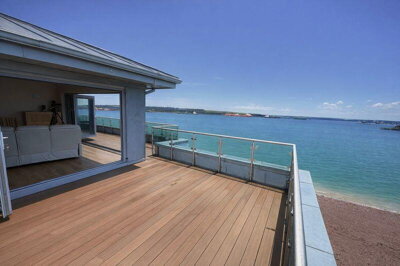
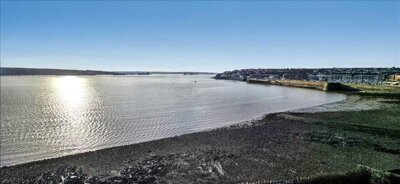
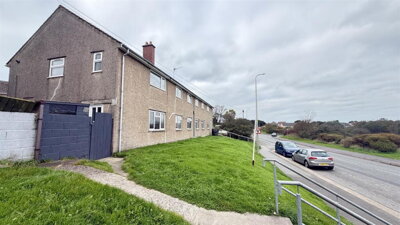
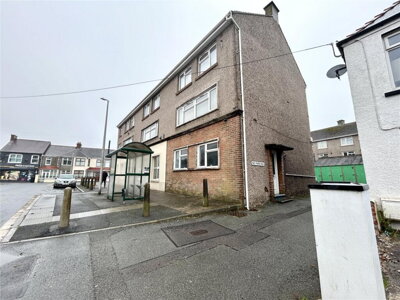
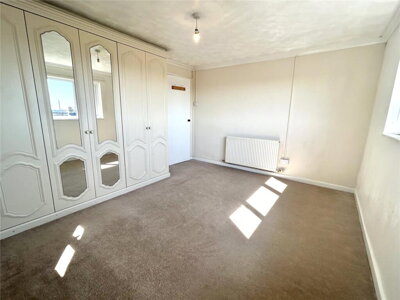
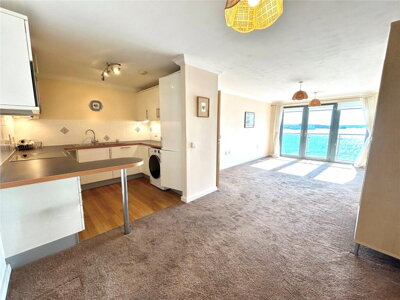
Browse 6 homes for sale in Milford Haven from local estate agents.
Studio apartments feature open-plan living spaces without separate bedrooms, incorporating sleeping, living, kitchen, and bathroom facilities. The Milford Haven studio market includes properties in modern apartment complexes, converted Victorian and Georgian buildings, and purpose-built developments.
The Cardigan property market presents a diverse range of options across different property types and price brackets. Detached properties command the highest average prices at £331,192, reflecting the premium placed on space and privacy that many buyers seek in this coastal location. Semi-detached homes average £222,083, while terraced properties offer the most accessible entry point at around £190,462, making them particularly popular among first-time buyers and those looking to downsize from larger properties. The predominance of detached properties in recent sales reflects buyer preferences for the generous plot sizes available with this property type, particularly valued in a town where garden space and off-street parking can significantly enhance livability.
Analysis of recent sales data reveals that the majority of transactions in Cardigan fall within the £140,000 to £204,000 range, accounting for 35 sales over the past year, with a further 31 properties selling between £204,000 and £268,000. This distribution suggests a healthy market with options across multiple price points, though the total volume of 128 sales represents a decrease of 17% compared to the previous year, which may reflect broader economic conditions affecting buyer confidence in rural areas. House prices in Cardigan currently sit approximately 4% below the 2023 peak of £263,141, potentially creating a window of opportunity for buyers who act before the market tightens again.
New build options within Cardigan town itself remain limited according to our current listings, with most new development activity occurring in surrounding villages within the SA43 postcode area. One notable development at Longshore in nearby Aberporth offers 4-bedroom semi-detached houses at £495,000, though this village sits outside the main Cardigan town boundary. For buyers specifically seeking new build properties within Cardigan itself, early engagement with local estate agents and monitoring of planning approvals through Ceredigion County Council would be advisable, as opportunities arise infrequently given the town's conservation area status and limited development sites.

Cardigan town centre retains the intimate scale and architectural character of a historic Welsh market town, with 103 listed buildings creating an environment where Georgian facades and Victorian warehouse conversions sit comfortably alongside contemporary amenities. The population of approximately 4,216 residents (2021 census) supports a range of independent shops, cafes, and restaurants clustered around the Market Hall and Guildhall, both opened in 1860 and representing the Victorian era of civic investment in the town. The restored castle precinct has become a focal point for cultural events and community gatherings that attract visitors from across the region, while historic inns like the Black Lion (established in the 12th century and enlarged in the 17th) and the Red Lion (dating from the 1630s) provide tangible connections to the town's long history.
The Welsh language remains a significant cultural force in Cardigan, with 45.3% of the Ceredigion population able to speak Welsh according to the 2021 census, giving the town a distinctly bilingual character that enriches daily life. This linguistic heritage shapes the local community in practical ways, from bilingual signage throughout the town to the availability of Welsh-language services and events. For newcomers, embracing this aspect of Cardigan's identity can significantly enhance the integration experience, though day-to-day life operates comfortably in English as well. The bilingual character is particularly reflected in local schools, where Welsh-medium education streams are widely available and popular with families.
The natural environment surrounding Cardigan offers exceptional opportunities for outdoor recreation and wildlife observation. Cardigan Bay forms part of Special Areas of Conservation protecting its rich marine ecosystems, home to resident populations of bottlenose dolphins and Atlantic grey seals that can be observed from the shore or on boat trips departing from the harbour. The Teifi Estuary provides kayaking, paddleboarding, and coarse fishing opportunities, while the nearby Preseli Hills offer more challenging terrain for experienced walkers. Local infrastructure includes a hospital, secondary school, variety of primary schools, and regular bus services connecting Cardigan to surrounding towns including Aberystwyth and Carmarthen.
Economically, Cardigan has evolved from its historic reliance on port functions and agriculture to embrace tourism and service provision as key drivers. The town's role as a commercial centre for surrounding rural communities sustains retail and hospitality businesses, while local government and healthcare provide employment for significant numbers of residents. The average salary in Ceredigion stands at approximately £27,500, which creates affordability challenges for local residents seeking to purchase property at current prices but also indicates potential demand for rental properties targeting key workers and service employees seeking affordable housing options in the area.

Education provision in Cardigan serves families at all levels, from nursery through to further education opportunities within the town itself. Primary education is available through several schools serving different areas of Cardigan and its surrounding villages, with Ysgol Gyfun Aberteifi (Cardigan Secondary School) providing secondary education for the town and wider area. The presence of Welsh-medium education options reflects the strong Welsh-language culture of Ceredigion, with both English and Welsh-language streams available at various stages to accommodate different family preferences and language goals for their children. Parents should research specific school catchment areas as these can significantly impact which institutions children can access.
For families considering higher education or specialised training, the nearby town of Aberystwyth offers university facilities including courses at Aberystwyth University, approximately an hour's drive north along the A487 coast road. Within Cardigan itself, further education provision is available through Coleg Ceredigion, offering vocational qualifications and adult learning opportunities that serve both school-leavers and those seeking to retrain or upskill. The town's relatively small scale means that properties across different price ranges can offer good access to educational facilities, with families particularly valuing the short commutes from properties in areas like Pendre, Mwldan, and the villages of Aberporth and St Dogmaels that fall within the Cardigan secondary school catchment.
When searching for family homes in Cardigan, buyers should verify current catchment area boundaries with Ceredigion County Council as these can influence which schools children can access. Properties in areas like Castell Tringryn, Gwydr, and the outskirts of town toward Cenarth may fall into different catchment arrangements that affect school placements. The proximity of Cardigan to the border with Pembrokeshire also means that some families may wish to explore schooling options across the county boundary, though this typically requires specific arrangements with Pembrokeshire County Council.
Transport connections from Cardigan reflect its position as a market town serving rural west Wales rather than a major commuter hub. The A487 coast road provides the primary route north to Aberystwyth and south towards Haverfordwest and the M4 motorway for access to South Wales, with journey times to Cardiff typically requiring around three hours by car. The road can be challenging during winter months and periods of adverse weather, particularly the sections through the Preseli Hills where visibility can be reduced and surfaces may be affected by ice and snow. Planning for these seasonal variations is advisable when considering commuting arrangements or regular travel requirements.
Bus services operated by Arriva Trains Wales and local operators connect Cardigan to surrounding towns including Aberaeron, Lampeter, and Carmarthen, though frequencies on less popular routes can be limited, making car ownership effectively essential for residents who need regular access to facilities beyond the town centre. The T5/T5C service provides connections to Aberystwyth, while routes toward Carmarthen offer links to the rail network and larger retail centres. For those requiring rail connections, the nearest mainline station is at Carmarthen, offering direct services to Cardiff Central, Swansea, and London Paddington via the Great Western Railway network, with journey times to London typically around four and a half hours.
The coastal location of Cardigan means that ferry connections to Ireland from ports like Fishguard, approximately 40 minutes drive south along the A487, provide an alternative route for international travel or visits to family abroad. Stena Line operates services from Fishguard to Rosslare, with crossing times of approximately three and a half hours, making this a practical option for those with family, business, or cultural connections to Ireland. Within the town itself, most amenities are accessible on foot given the compact centre, though the lack of dedicated cycling infrastructure on some roads limits cycling as a practical option for less confident riders, particularly during winter months when daylight hours are short.
Explore current listings and recent sales data to understand pricing across different property types. Cardigan's market offers detached homes from around £331,000 down to terraced properties under £200,000, with most activity in the £140,000-£268,000 range. Understanding local market conditions helps you identify realistic expectations before beginning your search. Pay particular attention to the distinction between Cardigan town centre properties and those in surrounding villages, as catchment areas, flood risk profiles, and character can vary significantly across the SA43 postcode area.
Before arranging viewings, secure a mortgage agreement in principle from a lender to confirm your budget and demonstrate your credibility to sellers. Local mortgage brokers familiar with Ceredigion can help navigate options for rural properties, including those with non-standard construction that may require specialist lending criteria. Properties with unusual construction, those in flood risk areas, or listed buildings may require additional documentation or specialist lenders, so early clarification of your borrowing capacity is particularly important in Cardigan's market.
Visit properties that match your criteria, paying particular attention to the condition of older properties given Cardigan's significant stock of Georgian and Victorian buildings. Consider factors like flood risk areas near the Teifi estuary, conservation area restrictions, and the potential need for updates to electrical systems and insulation in period properties. Properties along The Strand, St Mary Street, and Mwldan warrant particularly careful evaluation regarding flood resilience and any history of flooding incidents.
Once you have identified your preferred property, arrange a Level 2 HomeBuyer Report to assess the condition of the building and identify any defects requiring attention or negotiation. Given that many Cardigan properties predate modern building standards, surveys are particularly valuable for identifying issues with damp, roof condition, or potential ground movement. For properties on hillsides or near coastal cliffs where landslips have been mapped, a more detailed structural survey may be advisable alongside the standard Level 2 assessment.
Appoint a solicitor experienced in Ceredigion property transactions to handle the legal aspects of your purchase, including searches for flood risk, planning permissions, and any restrictions affecting listed buildings or conservation areas. Your solicitor will liaise with the seller's representatives to progress the transaction through to exchange and completion. Given the number of listed buildings in Cardigan and the town's conservation area status, specialist knowledge of these designations is particularly valuable in local transactions.
Properties in Cardigan require careful evaluation of flood risk given the town's location on the tidal Teifi estuary and its history of flooding events affecting areas including The Strand, St Mary Street, Gloster Row, Pwllhai, and Quay Street car park. Significant tidal flood events have occurred in 2007, 2008, 2012, and 2014, and the Environment Agency has identified ongoing risks from tidal flooding, fluvial flooding from the Afon Mwldan, and surface water run-off. Natural Resources Wales is currently developing a flood risk reduction scheme for The Strand area that aims to protect approximately 90 homes and businesses from tidal flooding, though this scheme is still in development and buyers should not rely on its completion as a near-term mitigation.
The geological conditions around Cardigan introduce additional considerations for property buyers. Bedrock geology consists of Ordovician and Silurian marine sediments including mudstone and sandstone, deposited in a deep ocean basin approximately 450 million years ago. The solid rocks are covered by Quaternary glacial and post-glacial sediments, including widespread glacial till and valley floor alluvium, with boulder clay containing clasts from the Irish Sea, North Wales, and Southern Scotland. Landslips are mapped in coastal cliff areas with unconsolidated sediments, suggesting potential for ground movement that could affect certain properties, particularly those on hillsides or near the coast. Properties in these areas may benefit from a more detailed structural survey alongside the standard Level 2 assessment.
The traditional building materials used in Cardigan's older properties reflect the local geology and historical construction practices. Georgian buildings throughout the town were constructed using locally produced brick where the underlying mudstone geology facilitated clay extraction, with many abandoned pits previously worked for brick clay still evident in the landscape. Traditional construction methods include solid masonry walls, timber floors and roofs, and lime mortars and renders that require different maintenance approaches compared to modern cavity wall construction. Understanding these construction methods is valuable when evaluating renovation costs and maintenance responsibilities, as period properties with solid walls and lime-based finishes can be more expensive to maintain but offer breathability and longevity when properly cared for.
For buyers considering listed properties, Cardigan's conservation area (designated in September 1989) and 103 listed buildings offer character properties with considerable charm but require understanding of the responsibilities involved. Any modifications to listed buildings require consent from Ceredigion County Council in consultation with Cadw, the Welsh historic environment service, and standard renovation approaches may not be permitted. Maintenance costs for older properties with traditional construction methods can exceed those for modern buildings, though the distinctive character of these homes often justifies the additional investment for the right buyer. Specialist surveys for listed properties, including RICS Level 3 Building Surveys, may be advisable given the unique construction and historical significance of these buildings.
The average house price in Cardigan stands at approximately £253,562, based on recent sales data for the SA43 postcode area. This represents a 7% increase year-on-year and sits approximately 17.5% below the national average of £284,464. Detached properties average £331,192, semi-detached homes around £222,083, and terraced properties approximately £190,462, offering options across multiple price brackets. The SA43 postcode area specifically shows an average of £234,541, indicating some variation between different parts of the postcode district.
Properties in Cardigan fall under Ceredigion County Council's tax bands, which range from Band A for the lowest-value properties through to Band H for the most expensive homes. As a general guide, Band A properties in Ceredigion typically pay around £1,200-£1,400 annually, while higher bands increase proportionately. The specific band for any property can be checked through the Valuation Office Agency website using the property address, and this information is usually included in property listings or can be requested from the seller's solicitor during conveyancing.
Primary education in Cardigan is served by several schools including Ysgol Y Drenewydd and St Mary's Catholic Primary School, with secondary education provided by Ysgol Gyfun Aberteifi (Cardigan Secondary School). Welsh-medium education streams are available reflecting Ceredigion's strong Welsh-language culture, with approximately 45.3% of the local population able to speak Welsh. For specific current Estyn inspection reports and admission arrangements, parents should consult Ceredigion County Council's school admissions pages, and visiting schools directly can provide valuable insight into their current provision and ethos.
Cardigan's public transport connections are limited compared to larger towns, with bus services providing the primary public option and the nearest mainline railway station located in Carmarthen. Bus routes connect Cardigan to Aberystwyth, Carmarthen, Aberaeron, and surrounding villages, though service frequencies vary and car ownership is effectively essential for most residents requiring regular access to facilities beyond the town centre. The A487 coast road provides the main route for car travel, with connections to the M4 motorway via Haverfordwest or Carmarthen, and ferry services to Ireland are available from Fishguard approximately 40 minutes drive south.
Cardigan's property market benefits from relatively affordable prices compared to the national average, steady price growth of around 7% annually, and strong rental demand driven by the town's role as a service centre for surrounding rural communities. The average salary in Ceredigion is approximately £27,500, which creates affordability challenges for local residents but may indicate potential for rental investment targeting key workers and service employees. Properties in flood-risk areas require careful evaluation of insurance costs and future risk trends related to climate change, and buyers should obtain insurance quotes before completing purchase in areas like The Strand, St Mary Street, or Mwldan.
Beyond the purchase price, buyers should budget for Land Transaction Tax (the Welsh equivalent of stamp duty), which applies at standard rates with no duty on properties up to £250,000, 5% on the portion from £250,001 to £925,000, 10% up to £1.5 million, and 12% above that. First-time buyers purchasing properties up to £625,000 can claim relief. Additional costs include a RICS Level 2 survey at approximately £350-£450 for a typical property, conveyancing fees typically starting from £499, and potential mortgage arrangement fees. For older Cardigan properties, additional investigation costs may arise from listed building consent requirements, specialist structural surveys for buildings on potentially unstable ground, and quotes for buildings insurance given the flood risk profile of certain areas.
Cardigan faces significant flood risks from multiple sources including tidal flooding up the Teifi estuary, fluvial flooding from the Afon Mwldan, and surface water runoff during heavy rainfall. Areas particularly affected include The Strand, St Mary Street, Gloster Row, Pwllhai, Quay Street car park, Mwldan, and the Cattle Market area. Significant tidal flood events occurred in 2007, 2008, 2012, and 2014, and Natural Resources Wales has identified approximately 90 homes and businesses at risk of tidal flooding, with a scheme being developed to reduce this risk in The Strand area. Buyers should review Natural Resources Wales flood maps and obtain buildings insurance quotes before completing a purchase, particularly for properties in identified flood zones.
Many Cardigan properties are Georgian or Victorian in origin, built using traditional methods that reflect the local geology and historical building practices. Georgian buildings commonly feature locally produced brick (given the underlying mudstone geology), solid masonry walls, timber floors and roofs, and lime mortars and renders rather than modern cement-based products. The surrounding geology includes Ordovician and Silurian marine sediments with mudstone and sandstone, with superficial deposits of glacial till and alluvium in valley areas. Properties on hillsides or coastal cliffs may be affected by landslip risks mapped in these locations, and understanding traditional construction methods is valuable when evaluating maintenance costs and renovation potential for period properties.
Understanding the full costs of purchasing property in Cardigan requires consideration of Land Transaction Tax (LTT), the Welsh devolved equivalent of stamp duty, alongside legal fees, survey costs, and moving expenses. At current LTT rates for residential purchases, buyers pay nothing on properties up to £250,000, then 5% on the portion between £250,001 and £925,000. For a typical Cardigan property at the town average of £253,562, this would result in LTT of approximately £178, while a higher-value detached property at £331,192 would attract around £4,060 in stamp duty. First-time buyers purchasing under £625,000 benefit from increased thresholds, potentially reducing or eliminating LTT costs entirely.
Beyond Land Transaction Tax, buyers should budget for a RICS Level 2 survey at approximately £350-£450 depending on property size and type, with costs increasing by 20-40% for pre-1900 properties due to the additional inspection requirements for period construction. Conveyancing fees typically start from £499 for standard transactions but may be higher for properties with complications such as listed building status, flood risk, or unusual tenure arrangements. Mortgage arrangement fees can range from zero to 1.5% of the loan amount depending on the deal selected, and borrowers should carefully compare the total cost of different mortgage products including arrangement fees versus those offered fee-free.
For older Cardigan properties, additional costs may arise from investigation of listed building consent requirements, specialist structural surveys for buildings on potentially unstable ground, and quotes for buildings insurance given the flood risk profile of certain areas. Insurance costs in flood-risk areas can be significantly higher than standard premiums, and some insurers may decline cover or impose conditions for properties with a history of flooding. Factor in removals costs and potential renovation budget if purchasing a property requiring updates to electrical systems, insulation, or other aspects of older construction that may fall below modern standards. A detailed survey report will help identify these potential costs before you commit to purchase.
Secure your financing before searching for your Cardigan home
From 4.5%
Local conveyancing solicitors familiar with Ceredigion property transactions
From £499
Comprehensive condition survey for your Cardigan property
From £350
Energy performance certificate for your Cardigan property
From £60
Properties for Sale In London

Properties for Sale In Plymouth

Properties for Sale In Liverpool

Properties for Sale In Glasgow

Properties for Sale In Sheffield

Properties for Sale In Edinburgh

Properties for Sale In Coventry

Properties for Sale In Bradford

Properties for Sale In Manchester

Properties for Sale In Birmingham

Properties for Sale In Bristol

Properties for Sale In Oxford

Properties for Sale In Leicester

Properties for Sale In Newcastle

Properties for Sale In Leeds

Properties for Sale In Southampton

Properties for Sale In Cardiff

Properties for Sale In Nottingham

Properties for Sale In Norwich

Properties for Sale In Brighton

Properties for Sale In Derby

Properties for Sale In Portsmouth

Properties for Sale In Northampton

Properties for Sale In Milton Keynes

Properties for Sale In Bournemouth

Properties for Sale In Bolton

Properties for Sale In Swansea

Properties for Sale In Swindon

Properties for Sale In Peterborough

Properties for Sale In Wolverhampton

Enter your details to see if this property is within your budget.
Loans, cards, car finance
Estimated property budget
Borrowing + deposit
You could borrow between
Typical borrowing
Monthly repayment
Est. at 4.5%
Loan-to-value
This is an estimate only. Your actual budget may vary depending on interest rates, credit history, and personal circumstances. For an accurate affordability assessment, speak to one of our free mortgage advisors.
This calculator provides estimates for illustrative purposes only and does not constitute financial advice. Your home may be repossessed if you do not keep up repayments on your mortgage. Estimates based on 4.5% interest rate, repayment mortgage. Actual rates depend on your circumstances.
Homemove is a trading name of HM Haus Group Ltd (Company No. 13873779, registered in England & Wales). Homemove Mortgages Ltd (Company No. 15947693) is an Appointed Representative of TMG Direct Limited, trading as TMG Mortgage Network, which is authorised and regulated by the Financial Conduct Authority (FRN 786245). Homemove Mortgages Ltd is entered on the FCA Register as an Appointed Representative (FRN 1022429). You can check registrations at NewRegister or by calling 0800 111 6768.

We use cookies to show you personalised content and improve your experience of our website. Find out more in our Privacy policy and Cookie policy.