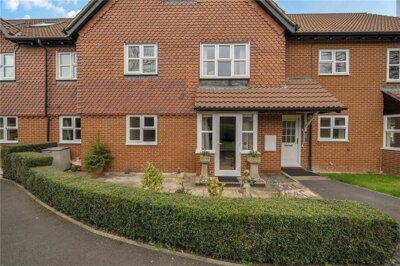
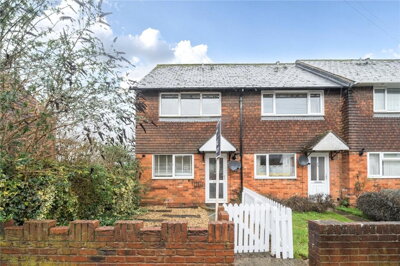
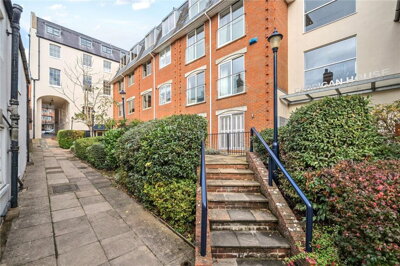
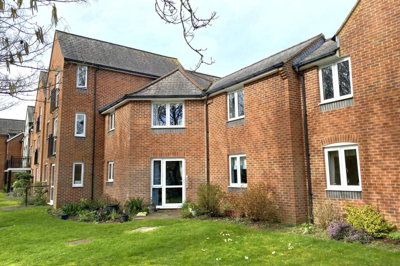
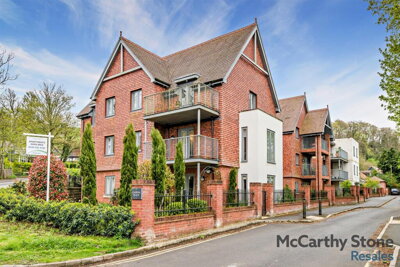
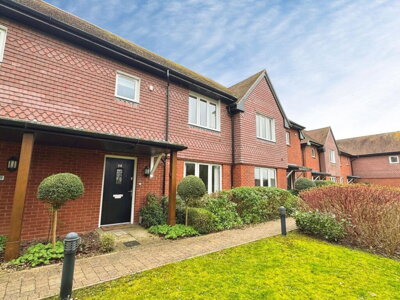
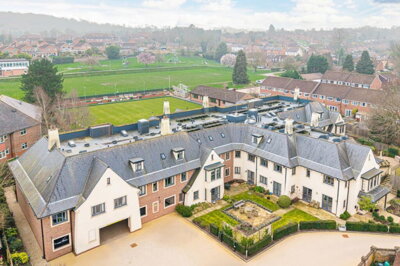
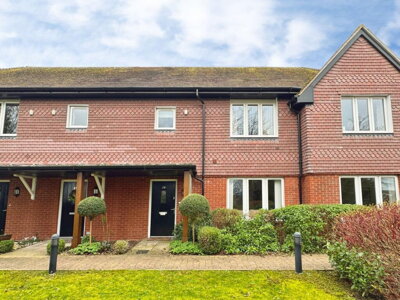
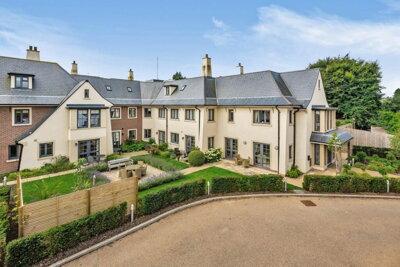
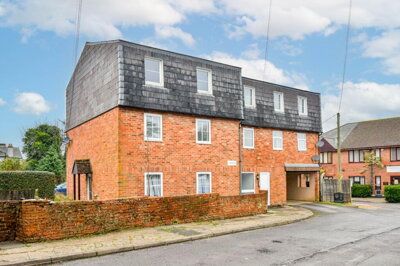
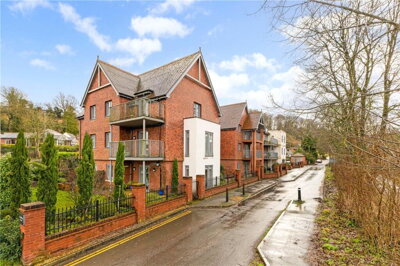
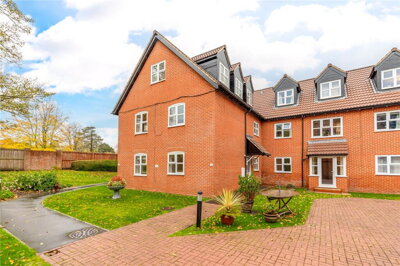
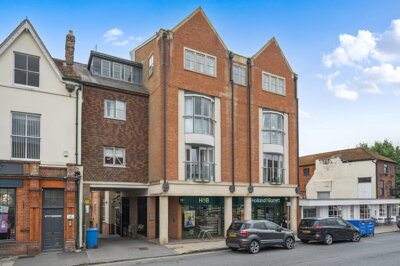
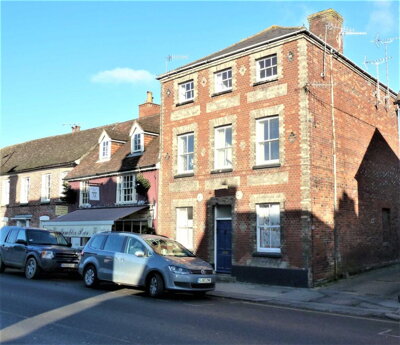
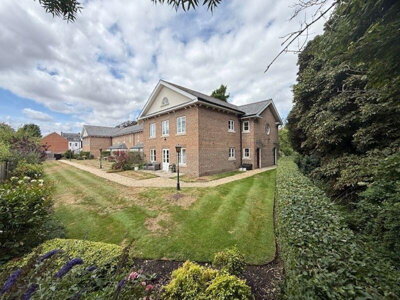
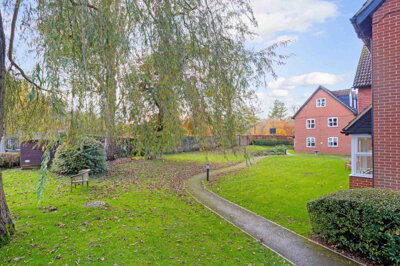
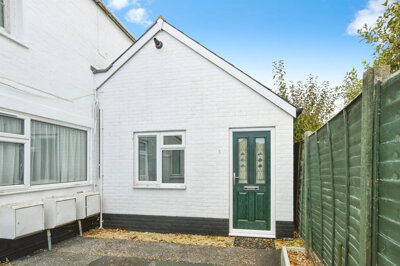
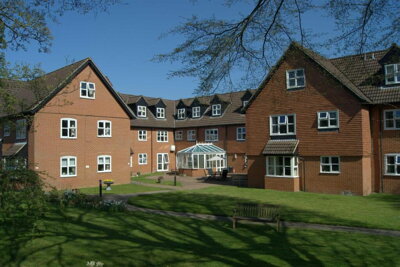
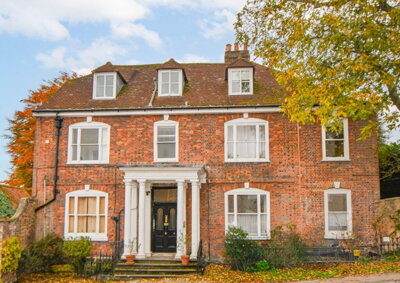
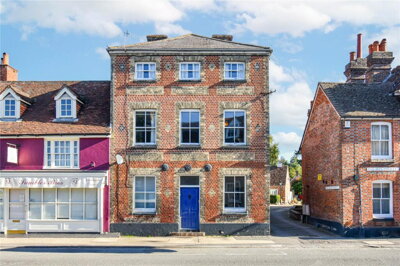
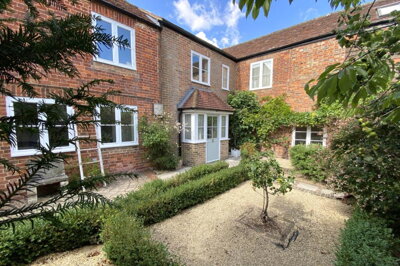
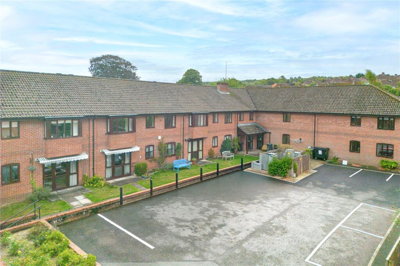
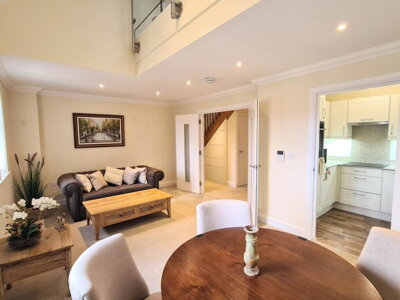
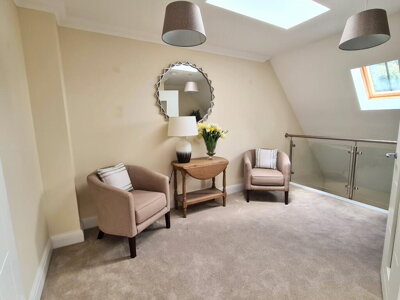
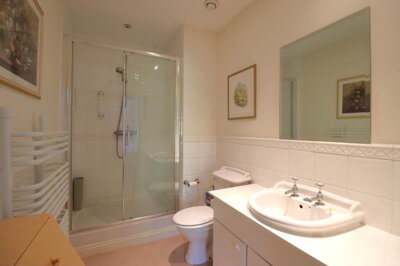
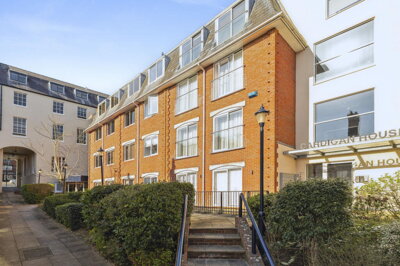
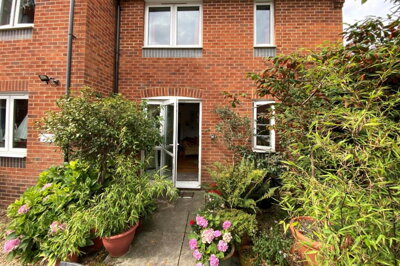
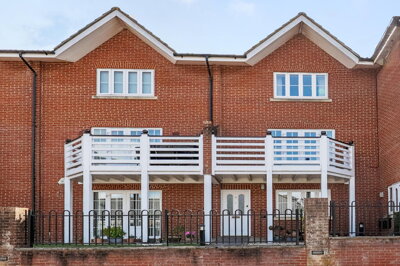
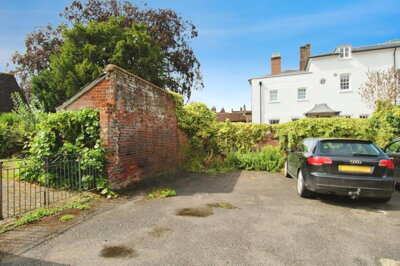
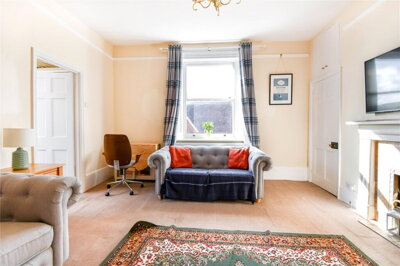
Browse 42 homes for sale in Mildenhall, Wiltshire from local estate agents.
Studio apartments feature open-plan living spaces without separate bedrooms, incorporating sleeping, living, kitchen, and bathroom facilities. The Mildenhall studio market includes properties in modern apartment complexes, converted Victorian and Georgian buildings, and purpose-built developments.
£0k
0
0
0
Source: home.co.uk
Showing 0 results for Studio Flats for sale in Mildenhall, Wiltshire.
The Pitton and Farley property market operates as a tight-knit community of buyers and sellers, with limited turnover reflecting the area's appeal as a long-term family home destination rather than a transient housing market. Our current data indicates that average property prices in Pitton stand at £567,500, while properties in the neighbouring hamlet of Farley command an average of £634,500. The market has shown interesting dynamics over the past twelve months, with Pitton experiencing a modest 0.9% decline bringing the 2025 median sale price to £565,000, while Farley has seen stronger activity with prices rising 14% year-on-year despite remaining 13% below the 2021 peak of £725,833.
Detached properties represent the dominant segment of the local market, with Pitton's larger homes averaging around £580,000 and Farley's premium detached stock reaching £786,500 on average. Semi-detached homes provide more accessible entry points at approximately £530,000 in Pitton and £482,500 in Farley, making them attractive options for families upgrading from smaller properties in surrounding towns. Terraced properties remain relatively scarce in the parish, with limited sales data suggesting values around £278,000 for this property type where they become available. The overall scarcity of new-build development within the parish boundaries means that buyers seeking modern specifications typically look to nearby larger villages or new developments in surrounding areas.
Price trends in the wider Wiltshire market have influenced local values, with Pitton currently sitting 8% below its 2022 peak of £614,643 while maintaining relative stability over recent months. Farley has demonstrated stronger recovery momentum, climbing 14% year-on-year as buyer interest in the hamlet continues to grow. For buyers timing their purchase, this data suggests that while Pitton may offer better value relative to recent history, Farley's upward trajectory indicates continued demand for properties in that settlement. Both markets benefit from consistent demand driven by the parish's desirable location and limited supply of suitable properties.

Pitton and Farley embody the essence of traditional English village life, where the rhythm of the seasons shapes daily activities and neighbours know one another by name. The parish encompasses two distinct settlements connected by country lanes that wind through farmland and woodland, creating a sense of separation that paradoxically strengthens community cohesion. Local amenities include a well-regarded primary school serving young families, while the village pub provides an essential social hub where residents gather for Sunday lunches and seasonal celebrations. The surrounding Wiltshire countryside offers extensive walking routes, bridleways threading through agricultural land, and access to the rolling chalk downland that characterises this portion of southern England.
The area's geographic position between the New Forest National Park to the south and the Wiltshire Downs to the north provides residents with exceptional access to protected landscapes and outdoor recreational opportunities. The chalk geology underlying much of Wiltshire creates the characteristic rolling downland, dry valleys, and ancient tracks such as the Clarendon Way that have connected settlements for centuries. Community life in Pitton and Farley centres around traditional events including harvest suppers, village fetes, and seasonal concerts organised through the village hall, fostering the kind of social fabric that larger towns simply cannot replicate. For buyers seeking a property that offers genuine countryside tranquility while remaining connected to regional infrastructure, this parish delivers an increasingly rare combination of authenticity and accessibility.
Agricultural heritage shapes the local landscape significantly, with farming operations surrounding both settlements and contributing to the rural character that defines village life here. Seasonal activities including harvest operations, livestock movements, and typical farming practices generate activity levels that differ substantially from urban ambient soundscapes. Residents generally appreciate this connection to working countryside, though new buyers should understand that farm activities follow agricultural calendars rather than urban schedules. The combination of productive farmland, historic lanes, and traditional architecture creates a living environment that attracts buyers specifically seeking an authentic rural lifestyle rather than a suburban location with a countryside postcode.

Education provision in Pitton and Farley centres on the village primary school, which serves families with children from Reception through to Year 6 and maintains strong links with the local community. Parents in the parish benefit from the school's intimate class sizes and individual attention, attributes that distinguish village education from larger urban primary schools where class sizes frequently exceed thirty pupils. The close relationship between school staff and families creates an environment where children's progress is carefully monitored and nurtured, with many families specifically choosing Pitton and Farley residence precisely because of the educational foundations provided at this formative stage. Village school communities also provide natural connections between families, creating social networks that extend beyond the classroom and contribute significantly to the overall village experience.
Secondary education options for Pitton and Farley residents include schools in the surrounding market towns, with many families considering establishments in Salisbury and the surrounding area where selective and non-selective options are available. The presence of Wilton Grammar School and other nearby secondary options provides families with meaningful choices as children approach the 11-plus transition point, though catchment area boundaries and admissions criteria require careful research during property search. For families with older children, sixth form provision in Salisbury offers comprehensive further education facilities, while vocational pathways are accessible through colleges in the wider region. The proximity to Clarendon School and other established educational institutions within reasonable daily travel distance ensures that parents have viable options regardless of their preferred educational philosophy.
Beyond formal education, the Pitton and Farley area offers enrichment opportunities through village hall activities, sports clubs, and community organisations that provide children with social activities outside school hours. Youth groups, music lessons, and sports teams associated with nearby towns supplement village provision, while the safe village environment allows children independence that would be inappropriate in larger settlements. Families moving from urban areas frequently report that the educational and social environment in village communities exceeds their expectations, with community involvement and individual attention combining to create favourable conditions for child development.
Transport connectivity from Pitton and Farley balances rural tranquility with practical access to major employment centres and transport hubs. The A30 corridor provides the primary road connection, linking the parish directly to Salisbury approximately eight miles north and eventually connecting to the M27 motorway network serving Southampton, Portsmouth, and the South Coast. Daily commuters to Salisbury find the journey entirely manageable, with the city offering substantial employment in the public sector, healthcare, education, and retail industries. The journey to Southampton typically requires approximately forty-five minutes by car under normal traffic conditions, positioning the area within reasonable commuting range for professionals working in the city's growing technology, financial services, and port-related sectors.
Public transport options reflect the village setting, with local bus services connecting Pitton and Farley to surrounding settlements including the busier service centre in Amesbury and onward connections to Salisbury. Rail access requires travel to Salisbury or Southampton, with direct train services from Salisbury to London Waterloo taking approximately ninety minutes and providing the main commuting option for London-based workers. The nearby A303 trunk road offers additional routing flexibility for longer-distance journeys, connecting the area to the West Country, Bristol, and the motorway network serving the rest of England. For buyers considering commuting requirements, we recommend visiting the area at different times of day to assess journey times personally, as traffic patterns can significantly affect practical travel options from rural village locations.
The A303 serves as a valuable alternative route for longer journeys, bypassing Salisbury and connecting the Wiltshire countryside directly to the A34 and M3 corridor towards London. This trunk road provides particularly useful access for those working in Hampshire or travelling to airports including Southampton Airport and Bournemouth Airport. However, the A303 can experience congestion during peak holiday periods when traffic increases significantly. Understanding these patterns helps prospective residents plan their travel arrangements effectively and choose property locations within the parish that minimise any inconvenience from seasonal traffic variations.
Begin by exploring current listings in Pitton and Farley through Homemove, noting property types, prices, and availability. Given the limited number of annual sales in this parish, patience is essential and early registration with local estate agents is advisable. The tight-knit nature of the village property market means that relationships with local agents often prove valuable when suitable properties become available before public marketing.
Before arranging viewings, obtain a mortgage agreement in principle from a lender to demonstrate your buying capacity. This financial pre-qualification strengthens your position when making offers on village properties where multiple interest is common. Local brokers familiar with Wiltshire property values can provide tailored advice on borrowing capacity for properties in this price range.
Schedule viewings of properties matching your criteria, visiting at different times of day to assess the neighbourhood, light, and practical considerations such as road noise. Take photographs and notes to compare properties after viewing several options. In village markets where opportunities are infrequent, being prepared to move quickly on suitable properties gives buyers a competitive advantage.
Once your offer is accepted, instruct a RICS Level 2 Survey (Homebuyer Report) to assess the property's condition thoroughly. This survey identifies defects that may not be visible during viewings, providing essential information for negotiation or planning necessary repairs. Given the age of many village properties, a professional survey is particularly valuable for identifying issues common to period construction.
Choose a solicitor experienced in rural property transactions to handle the legal work. Conveyancing for village properties may involve additional searches regarding flooding, drainage, and rights of way that require specialist attention. Private drainage systems, uncommon boreholes, and shared access arrangements all require careful verification during the legal process.
Work with your solicitor and mortgage provider to satisfy all conditions, pay stamp duty, and complete your purchase. On completion day, keys are transferred and you become the proud owner of a home in Pitton and Farley. Register your ownership with the Land Registry and notify Wiltshire Council of your change of address to ensure council tax and electoral registration remain current.
Purchasing property in Pitton and Farley requires careful attention to factors specific to rural Wiltshire that may not appear in standard property listings. Agricultural proximity deserves consideration, as farming operations neighbouring residential properties may generate seasonal noise from machinery, livestock, and crop activities that differ substantially from urban ambient sound levels. Drainage arrangements in village properties frequently involve private systems including septic tanks or private treatment plants rather than mains sewage, with associated maintenance responsibilities and costs that buyers should understand before completing a purchase.
The age and construction of village properties warrant thorough investigation through a professional RICS Level 2 Survey, as many homes in the parish predate modern building regulations and may exhibit characteristics typical of older construction including solid walls, older electrical systems, and period features requiring ongoing maintenance. Older Wiltshire properties often feature traditional construction methods including solid brick walls, lime mortar pointing, and thatched or slate roofing that differ significantly from modern cavity wall construction. These features require appropriate maintenance approaches, and buyers should budget for conservation-sensitive repairs where original materials and techniques may be required to preserve listed status or maintain character.
Boundaries in rural properties can be complex, with hedgerows, streams, and field edges potentially involving shared responsibilities with neighbouring landowners that require clarification during conveyancing. Access arrangements to properties along unadopted lanes may involve maintenance contributions with other users, while some properties may rely on private water supplies that require regular testing and treatment to ensure potability. Rights of way affecting land or property access, while generally infrequent in village settings, should be verified through local authority searches and Land Registry records during the purchase process.
Listed building status affects many period properties throughout Wiltshire, with grade II listed homes requiring listed building consent for certain alterations and maintenance work. If your target property carries listed status, factor this into your renovation plans and budget, as specialist contractors and materials may increase project costs. Our team can arrange appropriate surveys including listed building assessments when required, ensuring you understand the implications before completing your purchase.
Current data shows average prices of £567,500 in Pitton and £634,500 in Farley, with detached properties averaging £580,000 to £786,500 depending on the settlement. Semi-detached homes in the parish typically range from £482,500 to £530,000. The market has remained relatively stable with modest price adjustments over the past year, making this a steady rather than volatile local property market. Farley has shown stronger price recovery with 14% year-on-year growth, while Pitton prices have stabilised following an 8% correction from the 2022 peak.
Properties in Pitton and Farley fall under Wiltshire Council's jurisdiction. Most village homes, including period cottages and detached family houses, typically fall within council tax bands C through F, depending on their assessed value. Exact bands vary by individual property and can be verified through the Wiltshire Council tax band lookup or your solicitor during conveyancing searches. Council tax contributions fund local services including education, waste collection, and road maintenance throughout the parish.
The village primary school serves local families through primary education, while secondary options in the surrounding area include schools in Salisbury and nearby towns. Parents should verify current admissions arrangements and catchment area boundaries with Wiltshire Council, as these can change and may influence school placement for families with younger children. Selective grammar schools in the wider area including Wilton Grammar School attract families from across the region, with selection based on 11-plus examination performance rather than geographic proximity.
Local bus services connect the parish to surrounding villages and towns including Amesbury and onward routes to Salisbury. The nearest major rail stations are in Salisbury and Southampton, with direct services to London and regional destinations. For daily commuting, the A30 provides road access to Salisbury, while the A303 offers routing to the wider motorway network. Journey times to London from Salisbury take approximately ninety minutes by direct train, making periodic commuting feasible for those unable to work from home full-time.
Village properties in Pitton and Farley tend to hold their value well due to consistently strong demand from families seeking rural lifestyles with commuting access. The limited supply of properties coming to market each year supports prices, while the enduring appeal of traditional English village communities ensures ongoing buyer interest. However, investment returns depend on individual circumstances, property condition, and wider market conditions. Capital growth in the parish has tracked the broader Wiltshire market, with Farley demonstrating stronger recent appreciation as buyer interest in the hamlet increases.
Standard SDLT rates apply to purchases in Pitton and Farley as Wiltshire is not a devolved tax jurisdiction. First-time buyers may qualify for relief on properties up to £625,000, paying 0% on the first £425,000 and 5% on the remainder up to £625,000. Standard rates start at 0% for the first £250,000, rising to 5% on £250,001 to £925,000 for other purchasers. On a typical village home priced at £580,000, standard rate purchasers would pay approximately £16,500 in stamp duty after the initial threshold.
Village living in Pitton and Farley offers exceptional quality of life but requires adjustment to certain practicalities. Local amenities, while adequate for daily needs, require short journeys for larger shopping trips to Salisbury or surrounding towns. Broadband speeds may vary from urban areas, though many properties now have access to faster fibre connections. Community involvement through village organisations provides social connection, while agricultural neighbours are generally considerate but farm activities follow seasonal patterns that differ from urban schedules. Those accustomed to immediate access to retail, entertainment, and medical facilities should factor these considerations into their property search, though the compensatory benefits of village life are substantial for those seeking a quieter lifestyle.
From 4.5%
Expert mortgage advice tailored to your purchase
From £499
Specialist solicitors for your property transaction
From £350
Professional property survey by qualified inspectors
From £60
Energy performance certificate for your new home
Purchasing property in Pitton and Farley involves several costs beyond the purchase price that buyers should factor into their financial planning. Stamp Duty Land Tax (SDLT) for standard residential purchases applies at 0% on the first £250,000 of property value, rising to 5% on the portion between £250,001 and £925,000. This means a typical village home priced at £580,000 would attract SDLT of £16,500 on the amount above the threshold, with the first £250,000 remaining free of tax. First-time buyers benefit from increased thresholds, paying 0% on the first £425,000 and 5% on amounts between £425,001 and £625,000, providing meaningful savings for qualifying purchasers.
Additional buying costs include solicitor conveyancing fees typically ranging from £500 to £1,500 depending on complexity and property value, search fees covering local authority, drainage, and environmental searches at approximately £200 to £400, and mortgage arrangement fees that vary by lender but often range from £500 to £2,000. Rural property transactions may incur additional search costs related to agricultural land, rights of way, and private drainage systems that require specialist investigation. A RICS Level 2 Survey costs approximately £350 to £800 depending on property size and value, while an Energy Performance Certificate (EPC) costs from £60 to £120.
Survey and assessment costs represent worthwhile investments that identify property condition issues before completion, potentially saving thousands in unexpected repair costs and providing valuable negotiating leverage. Given that many properties in Pitton and Farley are older period homes, a professional survey is particularly valuable for identifying defects common to traditional construction. Budgeting for potential repairs identified during survey, including those affecting roofing, drainage, electrical systems, and structural elements, ensures you enter ownership with realistic expectations and adequate reserves for maintenance and improvement projects.
Properties for Sale In London

Properties for Sale In Plymouth

Properties for Sale In Liverpool

Properties for Sale In Glasgow

Properties for Sale In Sheffield

Properties for Sale In Edinburgh

Properties for Sale In Coventry

Properties for Sale In Bradford

Properties for Sale In Manchester

Properties for Sale In Birmingham

Properties for Sale In Bristol

Properties for Sale In Oxford

Properties for Sale In Leicester

Properties for Sale In Newcastle

Properties for Sale In Leeds

Properties for Sale In Southampton

Properties for Sale In Cardiff

Properties for Sale In Nottingham

Properties for Sale In Norwich

Properties for Sale In Brighton

Properties for Sale In Derby

Properties for Sale In Portsmouth

Properties for Sale In Northampton

Properties for Sale In Milton Keynes

Properties for Sale In Bournemouth

Properties for Sale In Bolton

Properties for Sale In Swansea

Properties for Sale In Swindon

Properties for Sale In Peterborough

Properties for Sale In Wolverhampton

Enter your details to see if this property is within your budget.
Loans, cards, car finance
Estimated property budget
Borrowing + deposit
You could borrow between
Typical borrowing
Monthly repayment
Est. at 4.5%
Loan-to-value
This is an estimate only. Your actual budget may vary depending on interest rates, credit history, and personal circumstances. For an accurate affordability assessment, speak to one of our free mortgage advisors.
This calculator provides estimates for illustrative purposes only and does not constitute financial advice. Your home may be repossessed if you do not keep up repayments on your mortgage. Estimates based on 4.5% interest rate, repayment mortgage. Actual rates depend on your circumstances.
Homemove is a trading name of HM Haus Group Ltd (Company No. 13873779, registered in England & Wales). Homemove Mortgages Ltd (Company No. 15947693) is an Appointed Representative of TMG Direct Limited, trading as TMG Mortgage Network, which is authorised and regulated by the Financial Conduct Authority (FRN 786245). Homemove Mortgages Ltd is entered on the FCA Register as an Appointed Representative (FRN 1022429). You can check registrations at NewRegister or by calling 0800 111 6768.

We use cookies to show you personalised content and improve your experience of our website. Find out more in our Privacy policy and Cookie policy.