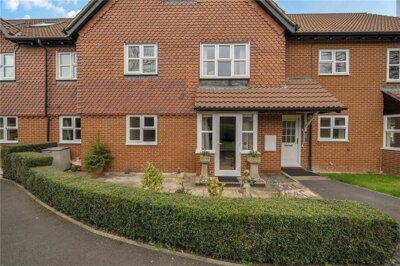
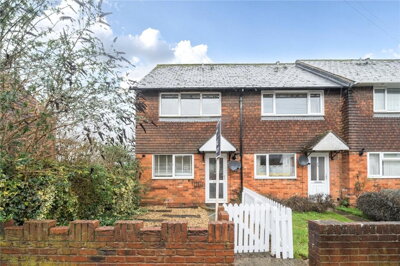
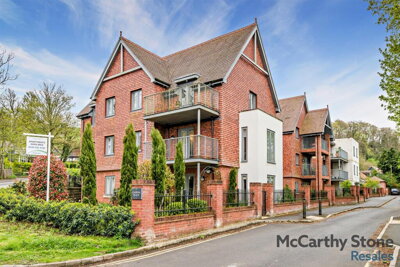
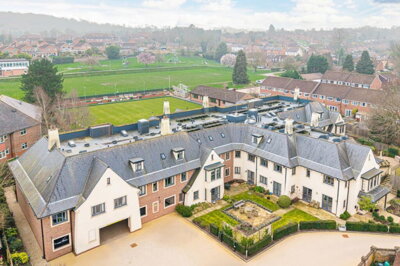
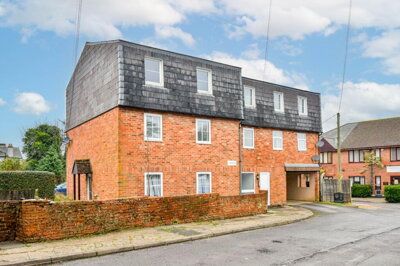
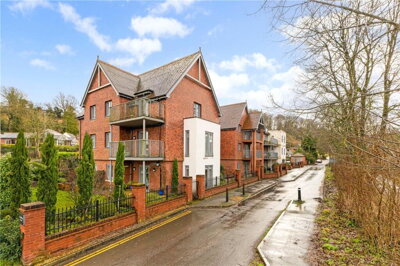
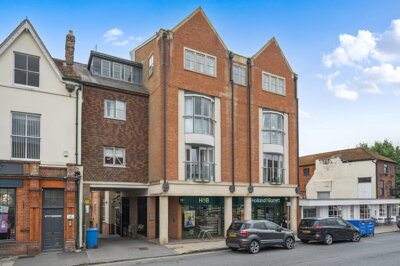
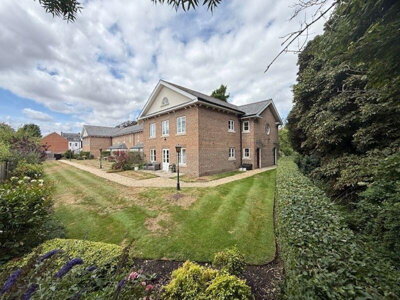
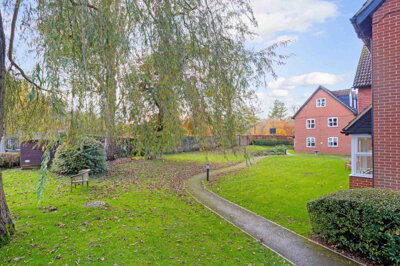
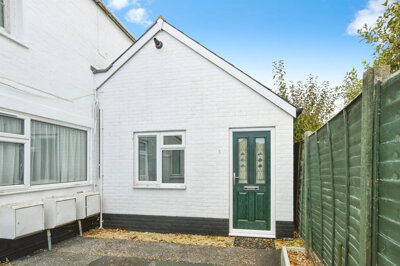
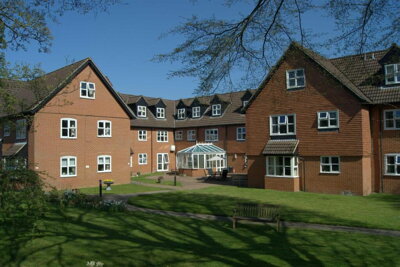
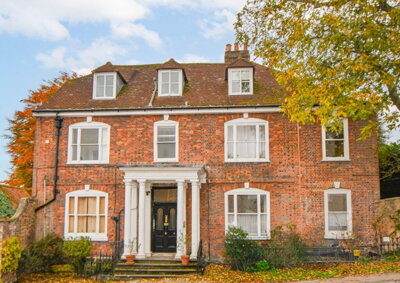
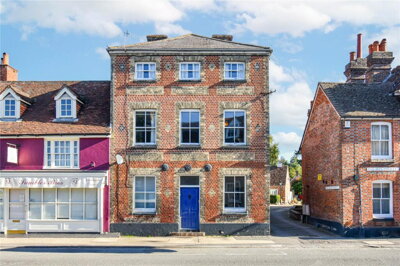
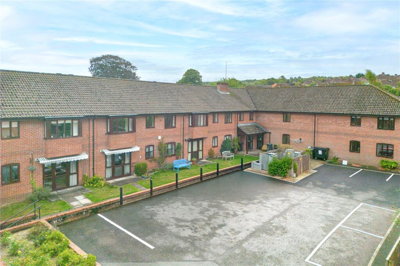
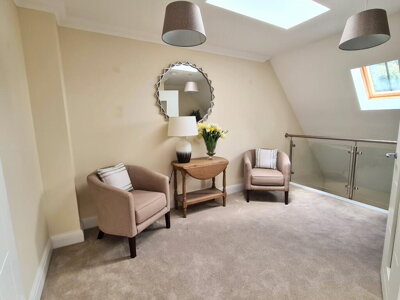
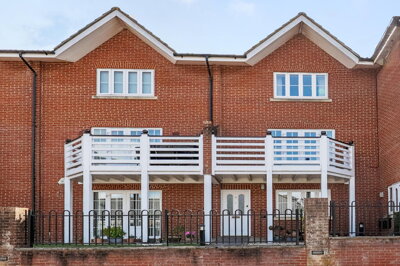
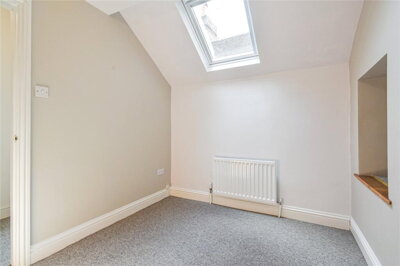
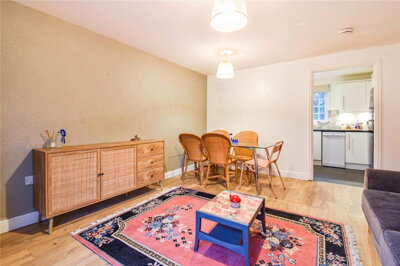
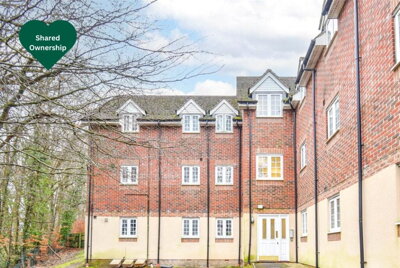
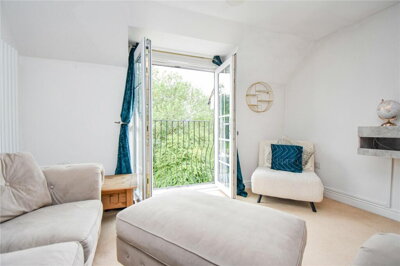
Browse 20 homes for sale in Mildenhall, Wiltshire from local estate agents.
The 2 bed flat sector typically includes two separate bedrooms, dedicated living areas, and bathroom facilities. Properties in Mildenhall span purpose-built blocks, converted period houses, and modern apartment complexes on various floors.
£0k
0
0
0
Source: home.co.uk
Showing 0 results for 2 Bedroom Flats for sale in Mildenhall, Wiltshire.
The property market in Pitton and Farley reflects the exclusivity of this rural Wiltshire location, with limited availability creating strong demand among buyers seeking village living. Detached properties command the highest prices, averaging £580,000 in Pitton and reaching £786,500 in Farley, representing the premium placed on space, privacy, and countryside views that characterise the area. Semi-detached homes provide more accessible entry points at £530,000 in Pitton and £482,500 in Farley, offering excellent value for families seeking the village lifestyle without the higher costs associated with larger detached dwellings.
Recent market activity shows the Pitton and Farley housing market has experienced some price adjustment following the peaks of recent years. Pitton property values have settled 12% below their previous year's levels and stand 8% below the 2022 peak of £614,643, creating potential opportunities for buyers who missed the previous market high. Farley has shown more resilience, with prices rising 14% year-on-year despite sitting 13% below the 2021 peak. The median sale price in Pitton for 2025 currently sits at £565,000, representing a modest 0.9% decline compared to 2024 figures, suggesting market stability in this sought-after location.
Transaction volumes in Pitton remain low, with only 6 property sales recorded in 2025, underscoring the limited availability that characterises this village market. This scarcity of supply contrasts with persistent demand from buyers attracted to the area's rural character, excellent schooling options, and convenient access to Salisbury. Properties in both villages tend to attract interest from families seeking space for growing children, professionals who commute to Salisbury or beyond, and retirees looking to downsize from larger properties while remaining in the Wiltshire countryside. The combination of limited stock and steady buyer interest means that well-presented properties in good condition can command strong prices and often attract multiple enquiries.
Investment potential in Pitton and Farley benefits from the enduring appeal of Wiltshire villages to the wider south of England buyer market. Properties in these villages have historically demonstrated resilience during broader market fluctuations, with the scarcity of available homes supporting values even during periods of economic uncertainty. The proximity to Salisbury, good road connections to the M4 corridor, and regular train services to London from Salisbury station all contribute to the long-term attractiveness of these villages to a broad range of buyers.

Life in Pitton and Farley revolves around the rhythms of the English countryside, where village life unfolds against a backdrop of ancient chalk downland and winding country lanes. The area forms part of the historic Salisbury Plain, characterised by its distinctive rolling hills, chalk grasslands, and scattered woodlands that have remained largely unchanged for centuries. Residents enjoy direct access to an extensive network of public footpaths and bridalways, perfect for morning walks through wildflower meadows or longer hikes across the Wiltshire countryside with panoramic views stretching to the horizon.
The villages maintain their traditional character through a careful mix of historic properties, including Listed buildings that reflect the agricultural heritage of this part of Wiltshire. Community facilities include a well-regarded village pub serving local food and ales, providing an important social hub for residents. The nearby city of Salisbury lies approximately eight miles to the south, offering comprehensive shopping, dining, and cultural amenities while allowing village residents to enjoy the best of both urban and rural living.
The annual village events and fetes continue to foster the strong sense of community that makes Pitton and Farley particularly attractive to families and those seeking a slower pace of life. Village life here centres on the traditional institutions that define rural England, from the historic parish church where community gatherings take place to the village hall hosting everything from quiz nights to children's activities. The close-knit nature of village communities means that new residents are quickly welcomed into local social networks, with neighbours known to one another by name and a genuine spirit of mutual support characterising day-to-day interactions. This community cohesion represents one of the most frequently cited reasons why buyers choose to relocate to villages like Pitton and Farley, providing a quality of life that simply cannot be replicated in more urban settings.
Local amenities within the villages themselves remain modest, reflecting their small-scale rural character. A traditional village pub provides the focal point for social life, serving hearty meals made with locally sourced ingredients alongside a selection of local ales and ciders. The historic parish church, dating in parts to medieval times, offers regular services and community events throughout the year. For everyday shopping and services, residents typically travel to nearby towns including Salisbury, where comprehensive retail, banking, and healthcare facilities are available. The balance between village tranquility and urban convenience represents a significant part of the appeal that draws buyers to Pitton and Farley, offering the best elements of both lifestyles within easy reach of one another.

Families considering a move to Pitton and Farley will find a selection of educational options within reasonable travelling distance, reflecting the rural nature of the area. Local primary education is served by village schools in the surrounding area, with several well-regarded primary schools located in nearby towns offering small class sizes and strong academic foundations. The close-knit nature of village schools often provides an excellent start for young children, with dedicated teachers who know each pupil individually and create supportive learning environments that many parents prefer for early education.
Secondary education options include highly regarded schools in the wider Wiltshire area, with several grammar schools operating in Salisbury and the surrounding towns for families seeking selective education pathways. Secondary schools in the region consistently achieve strong examination results, with comprehensive schools offering diverse curricula and extracurricular activities including sports, arts, and music programmes. Families should note that school catchment areas can significantly affect property values and availability, making it advisable to confirm school placements before committing to a property purchase in the area.
Private schooling options in Salisbury and nearby towns provide additional choices for families seeking independent education, with several established schools offering both day and boarding facilities. The proximity of Pitton and Farley to these schooling options represents a significant factor in the area's attractiveness to families, with many buyers specifically seeking properties within catchments of their preferred schools. Transport arrangements for school-age children typically involve private car travel or school bus services operated by individual schools, with journey times to educational establishments varying based on specific locations and routes. Parents considering properties in either village should research current school admission arrangements carefully, as catchment boundaries can change and competition for places at popular schools in the area can be intense, particularly for families seeking to move into the area from further afield.
Transport connectivity from Pitton and Farley centres primarily on road networks, with the A30 providing direct access through the village and connecting residents to Salisbury approximately eight miles to the south. The A360 offers an alternative route towards Devizes and the western parts of Wiltshire, while the A345 connects the area to Marlborough and the M4 motorway corridor to the north. Journey times by car to Salisbury city centre typically take around 20-25 minutes, making day trips and regular commutes highly manageable for those working in the city.
Public transport options reflect the rural nature of the area, with local bus services connecting Pitton and Farley to surrounding villages and towns on limited schedules. Salisbury railway station provides excellent intercity connections, offering direct services to London Waterloo with journey times of approximately 90 minutes, making the capital accessible for regular commuters. The station also provides connections to Bristol, Southampton, and the south coast, opening up regional travel options for residents. For those travelling further afield, Southampton Airport and Bournemouth Airport both offer international flights within approximately an hour's drive, providing convenient access to European destinations and beyond.
Commuting patterns from Pitton and Farley typically include journeys to Salisbury for daily work, shopping, and services, with larger employers in the city including the NHS Trust operating from Salisbury District Hospital, various professional services firms, and public sector organisations. The A30 provides reliable access to the city outside of peak hours, though morning and evening rush hours can extend journey times on this single-carriageway route. Residents working in London or other major centres benefit from the proximity of Salisbury station, with regular train services making periodic commuting feasible without the stress of daily car travel. The combination of village living with excellent transport connections makes Pitton and Farley particularly attractive to professionals seeking a countryside base while maintaining career opportunities in larger urban areas.
Begin by exploring current property listings in Pitton and Farley through Homemove, reviewing prices across different property types to understand the market landscape. Given the limited number of properties available, working with local estate agents who know the area intimately can provide access to properties before they reach wider market visibility.
Arrange a mortgage agreement in principle before beginning property viewings, as this strengthens your position when making offers in what can be a competitive market. Contact mortgage brokers to compare rates and find the best deal for your circumstances, considering both fixed-rate and variable options based on your long-term plans.
Visit multiple properties in both Pitton and Farley to compare the village locations, property conditions, and proximity to amenities. Take time to explore the surrounding area at different times of day to understand traffic patterns, noise levels, and community atmosphere before committing to a purchase.
Once you have an offer accepted, arrange a RICS Level 2 Survey to assess the property condition thoroughly. Given the age of many village properties, this detailed inspection will identify any structural issues, maintenance concerns, or potential problems that may require attention or negotiation with the seller.
Appoint a solicitor experienced in rural property transactions to handle the legal aspects of your purchase, including local searches, title checks, and coordination with the seller's legal team. Your solicitor will manage the exchange of contracts and guide you through the completion process to ensure a smooth transaction.
Finalise your mortgage, pay stamp duty (if applicable), and coordinate with your solicitor to complete the purchase on the agreed date. Arrange building insurance to begin from the completion date and prepare for your move into your new home in Pitton and Farley.
Properties in Pitton and Farley typically include a significant proportion of older construction, including Listed buildings and period properties that require careful inspection before purchase. Traditional building methods common in Wiltshire villages include solid brick walls, thatched or slate roofing, and timber-framed structures that may show their age through normal wear and tear. A comprehensive Level 2 Survey provides essential information about the condition of these character properties, identifying issues such as damp, structural movement, or outdated electrical and plumbing systems that may not be apparent during casual viewings.
The age of properties in these villages means that many will have undergone various degrees of renovation and modernisation over the decades. Original features such as flagstone floors, exposed beam ceilings, and open fireplaces represent attractive character elements that buyers frequently seek, though these features may require specialist maintenance to preserve them properly. Understanding which original features have been retained and which have been replaced helps buyers assess both the character and condition of a property, with period details often commanding premium prices in the local market.
Flood risk in this part of Wiltshire is generally low, with the elevated position of many village properties providing natural protection against flooding from the chalk streams and rivers that characterise the local landscape. However, potential buyers should review local flood risk assessments and consider the proximity of any water courses when evaluating individual properties. Planning restrictions in rural villages can affect what modifications or extensions are possible, so reviewing any relevant planning history with your solicitor helps ensure your long-term plans for the property are achievable.
Energy efficiency represents an important consideration when purchasing period properties in Pitton and Farley, as older buildings may have higher heating costs than modern construction. Many traditional cottages and farmhouses have been upgraded with modern insulation and efficient heating systems, but this is not always the case, and buyers should factor potential improvement costs into their budget. Listed buildings may have restrictions on the type of improvements that can be made to preserve their historic character, making specialist advice valuable before committing to a purchase of any listed property in the area.
The average house price in Pitton currently sits at £567,500, with detached properties averaging £580,000 and semi-detached homes around £530,000. Farley shows slightly higher averages at £634,500, with detached properties reaching £786,500 and semi-detached properties averaging £482,500. The market has experienced some correction from recent peaks, with Pitton prices sitting 8% below the 2022 peak, creating potential buying opportunities in this sought-after village location. Only 6 property sales were recorded in Pitton during 2025, reflecting the limited supply that characterises this village market and underscores the importance of acting quickly when suitable properties become available.
Properties in Pitton and Farley fall under Wiltshire Council's jurisdiction, with most residential properties in the village falling within council tax bands A through D, depending on property size and value. Band A properties carry the lowest annual charges, while larger detached homes may fall into bands C or D. Prospective buyers should verify the specific council tax band for any property they are considering, as this forms part of the ongoing costs of home ownership in the area. Current Wiltshire Council rates for Band A properties start from approximately £1,400 per year, with higher bands increasing proportionally, and these charges should be factored into overall affordability assessments alongside mortgage payments and maintenance costs.
Primary education is available through village schools in the surrounding area, with several well-regarded primaries located in nearby towns. Secondary options include highly-rated comprehensive schools in Salisbury and selective grammar schools for families meeting academic entry requirements. Private schooling options in Salisbury and Marlborough provide additional choices, with several established independent schools offering education from primary through sixth form level. School catchment areas should be verified before purchase, as they can significantly affect both school placement availability and property values. Properties in certain locations may command premiums due to their proximity to sought-after schools, making school catchments an important factor in both lifestyle planning and investment considerations for families buying in the area.
Public transport options in this rural location are limited, with local bus services providing connections to surrounding villages and towns on reduced schedules. The nearest railway station is Salisbury, approximately eight miles away, offering direct services to London Waterloo in around 90 minutes. Road access via the A30 provides straightforward connections to Salisbury and the wider road network, with journey times to the city centre taking approximately 20-25 minutes by car. Residents travelling further afield benefit from good motorway access via the A345 to Marlborough and the M4 corridor, with Southampton Airport accessible within approximately one hour for international travel requirements.
Pitton and Farley represent a stable investment opportunity within the Wiltshire property market, despite recent price corrections from market peaks. The limited supply of properties in this desirable village location, combined with strong demand from buyers seeking rural lifestyles, suggests long-term value retention. Properties in good condition with traditional features appeal to a wide buyer pool, from families to retirees seeking countryside living. The proximity to Salisbury and good transport links to London enhance the investment appeal for those who may need to commute periodically. Historical data shows that Pitton property values have demonstrated resilience through various market conditions, with prices recovering steadily following the global financial crisis and maintaining values through subsequent periods of economic uncertainty, suggesting a robust underlying market for quality village properties.
Stamp duty rates for England from April 2024 start at 0% on the first £250,000 of property value, rising to 5% on amounts between £250,001 and £925,000, 10% on the portion up to £1.5 million, and 12% on any value above that threshold. First-time buyers may qualify for relief on the first £425,000, paying 5% on values between £425,001 and £625,000, with no relief available above £625,000. Given the average property prices in Pitton and Farley, most purchases will incur stamp duty charges, making budget planning essential for buyers. For a typical detached home priced at £580,000, standard buyers would pay approximately £16,500 in stamp duty, while first-time buyers might save significantly if purchasing below the £625,000 threshold where the higher relief rates apply.
From £350
A detailed survey for buyers in Pitton and Farley
From £450
Comprehensive structural survey for older properties
From £60
Energy performance certificate for your property
From £499
Solicitor services for your property purchase
Understanding the full costs of purchasing property in Pitton and Farley requires careful budgeting beyond the advertised purchase price. Stamp duty land tax represents a significant additional cost for most buyers, with current thresholds of 0% on the first £250,000 meaning buyers of properties priced above this will need to budget accordingly. For a typical detached home in Pitton or Farley priced around £580,000, stamp duty would be calculated at 5% on amounts between £250,001 and £500,000, plus 10% on any amount above £500,000, resulting in total charges of approximately £16,500 for standard buyers.
First-time buyers purchasing properties in Pitton and Farley may benefit from enhanced stamp duty relief, with thresholds increased to 0% on the first £425,000 and 5% on amounts between £425,001 and £625,000. This relief provides meaningful savings for those purchasing properties below the £625,000 threshold, potentially saving several thousand pounds compared to standard rates. Beyond stamp duty, buyers should budget for solicitor fees typically ranging from £500 to £1,500, mortgage arrangement fees of 0-2% of the loan amount, survey costs of £350-600 for a Level 2 survey, and removal expenses that can vary significantly based on distance and volume of belongings. Building insurance should be arranged before completion, while land registry fees and local authority search fees add further modest costs to the transaction.
Additional costs specific to older properties in Pitton and Farley may include specialist surveys for Listed buildings, where additional considerations around planning permissions and building regulations apply to any works. Properties with thatched roofs may require specialist insurance coverage and regular maintenance from experienced thatchers, adding to ongoing costs that buyers should factor into their assessments. Energy performance certificates are required for all sales, with older properties frequently receiving lower ratings that may affect mortgage lender requirements or future resale value. Budgeting for potential improvements to insulation, heating systems, or window replacement may be appropriate for buyers purchasing properties in original condition, ensuring that the overall cost of purchase and renovation remains within affordable limits.
Properties for Sale In London

Properties for Sale In Plymouth

Properties for Sale In Liverpool

Properties for Sale In Glasgow

Properties for Sale In Sheffield

Properties for Sale In Edinburgh

Properties for Sale In Coventry

Properties for Sale In Bradford

Properties for Sale In Manchester

Properties for Sale In Birmingham

Properties for Sale In Bristol

Properties for Sale In Oxford

Properties for Sale In Leicester

Properties for Sale In Newcastle

Properties for Sale In Leeds

Properties for Sale In Southampton

Properties for Sale In Cardiff

Properties for Sale In Nottingham

Properties for Sale In Norwich

Properties for Sale In Brighton

Properties for Sale In Derby

Properties for Sale In Portsmouth

Properties for Sale In Northampton

Properties for Sale In Milton Keynes

Properties for Sale In Bournemouth

Properties for Sale In Bolton

Properties for Sale In Swansea

Properties for Sale In Swindon

Properties for Sale In Peterborough

Properties for Sale In Wolverhampton

Enter your details to see if this property is within your budget.
Loans, cards, car finance
Estimated property budget
Borrowing + deposit
You could borrow between
Typical borrowing
Monthly repayment
Est. at 4.5%
Loan-to-value
This is an estimate only. Your actual budget may vary depending on interest rates, credit history, and personal circumstances. For an accurate affordability assessment, speak to one of our free mortgage advisors.
This calculator provides estimates for illustrative purposes only and does not constitute financial advice. Your home may be repossessed if you do not keep up repayments on your mortgage. Estimates based on 4.5% interest rate, repayment mortgage. Actual rates depend on your circumstances.
Homemove is a trading name of HM Haus Group Ltd (Company No. 13873779, registered in England & Wales). Homemove Mortgages Ltd (Company No. 15947693) is an Appointed Representative of TMG Direct Limited, trading as TMG Mortgage Network, which is authorised and regulated by the Financial Conduct Authority (FRN 786245). Homemove Mortgages Ltd is entered on the FCA Register as an Appointed Representative (FRN 1022429). You can check registrations at NewRegister or by calling 0800 111 6768.

We use cookies to show you personalised content and improve your experience of our website. Find out more in our Privacy policy and Cookie policy.