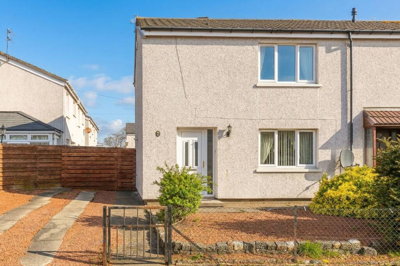
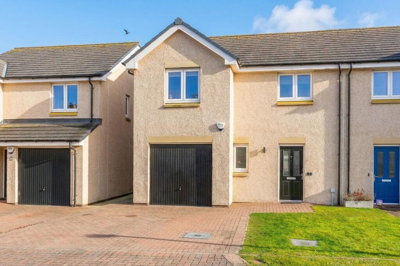
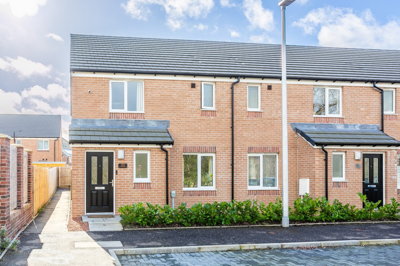
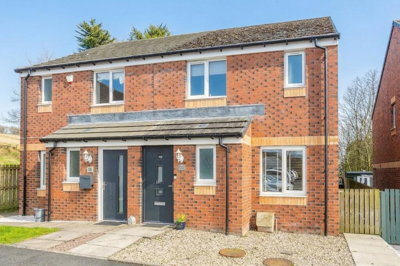
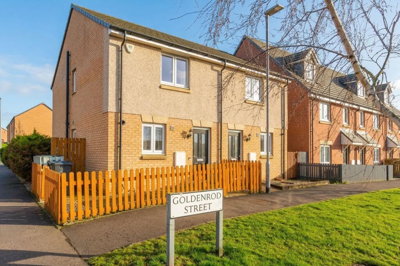
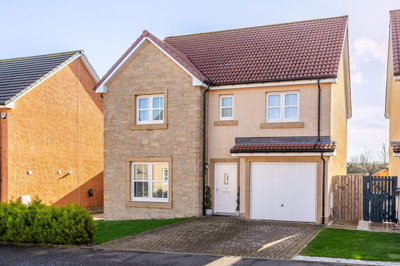
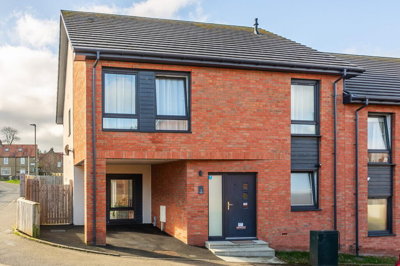
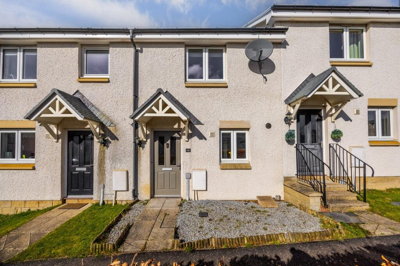
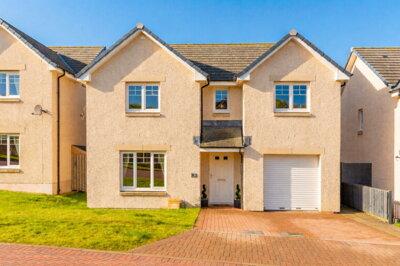
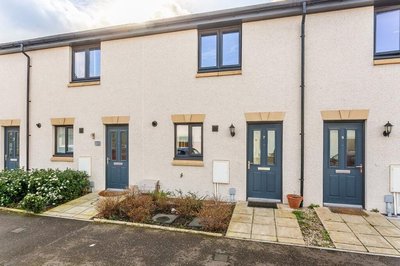
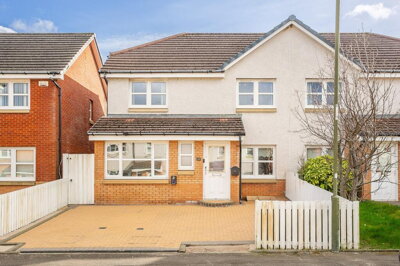
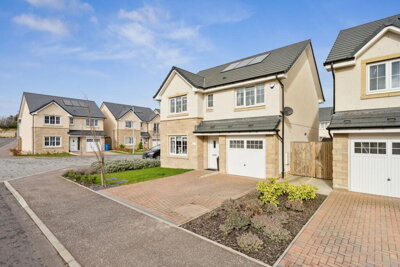
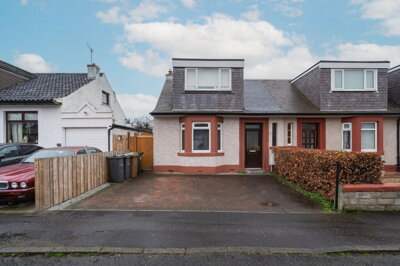
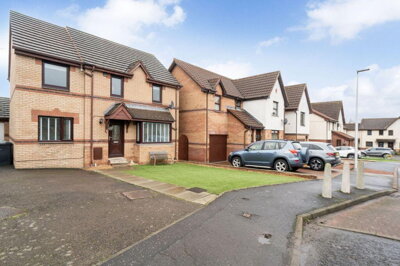
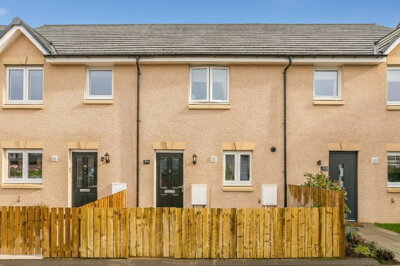
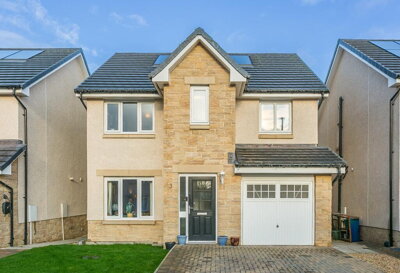
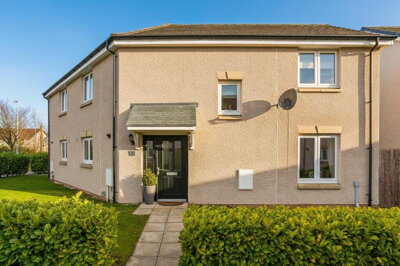
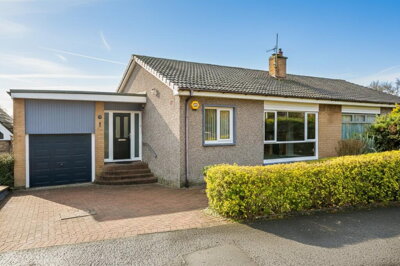
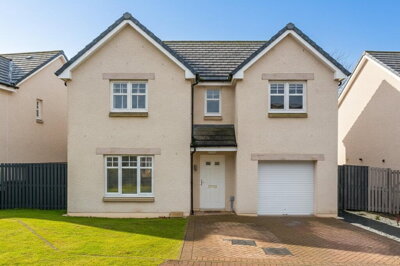
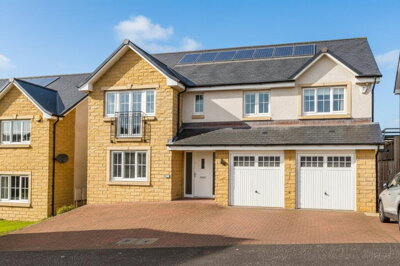
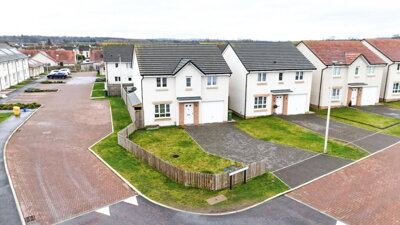
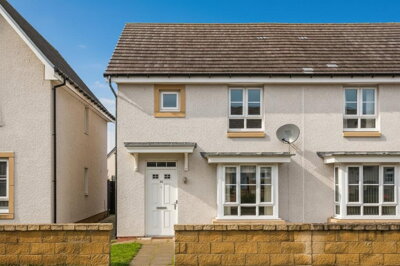
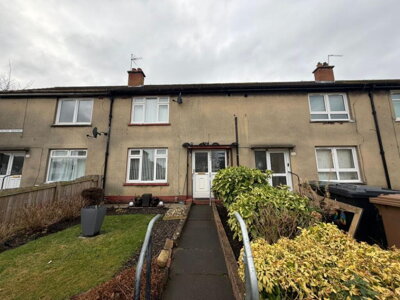
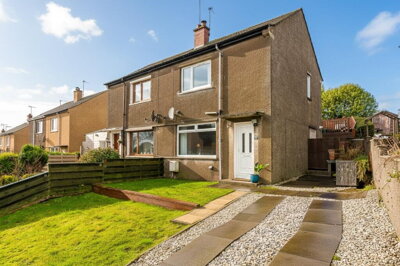
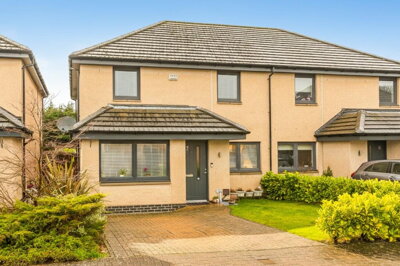
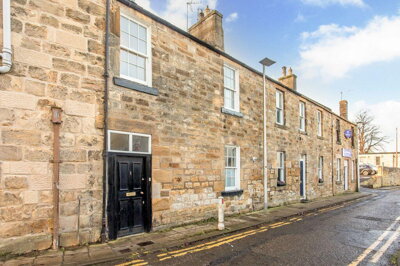
Browse 791 homes for sale in Midlothian, Scotland from local estate agents.
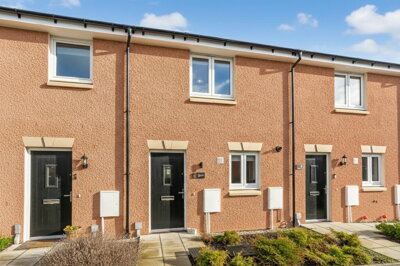
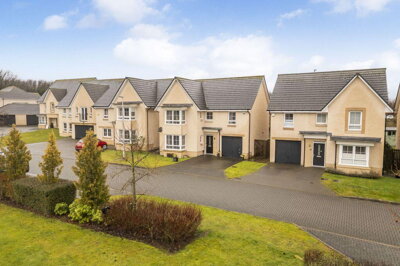
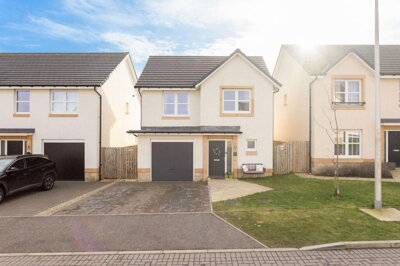
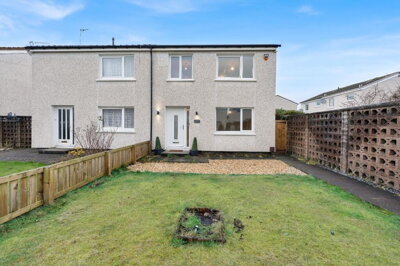
The Midlothian property market offers detached, semi-detached, and terraced houses spanning various price ranges and neighbourhoods. Each listing includes detailed property information, photographs, and direct contact with the marketing agent.
£420k
258
36
84
Source: home.co.uk
Showing 258 results for Houses for sale in Midlothian, Scotland. 36 new listings added this week. The median asking price is £420,495.
Source: home.co.uk
Detached
190 listings
Avg £465,740
Semi-Detached
34 listings
Avg £273,852
Terraced
34 listings
Avg £242,059
Source: home.co.uk
Source: home.co.uk
Midlothian's property market has demonstrated consistent resilience, with house prices increasing by 0.73% over the past 12 months and an impressive 19.33% growth over five years. These figures reflect strong buyer demand driven by the area's excellent connectivity to Edinburgh and its reputation for quality family living. Detached properties command the highest average price at £425,739, offering generous space and privacy that appeals to growing families and those seeking room to work from home. The semi-detached sector, averaging £276,432, represents excellent value for buyers seeking three or four bedrooms without Edinburgh city centre premiums.
The terraced housing stock, with an average price of £222,043, provides an accessible entry point to Midlothian's property market and remains particularly popular with first-time buyers. These properties often feature the traditional sandstone construction common throughout the area's historic towns and villages. Flats average £155,595, offering an affordable route onto the property ladder or a convenient base for commuters. Our platform updates continuously to reflect new listings, price changes, and completed sales, ensuring you have the most current picture of Midlothian's dynamic housing market.
New-build activity continues to shape Midlothian's property landscape significantly. The Shawfair development near Dalkeith hosts multiple major housebuilders including Barratt Homes, Miller Homes, and CALA Homes, offering three to five bedroom homes priced from £299,995 to £555,000. Taylor Wimpey's Hopefield Grange development in Bonnyrigg provides further options with three to five bedroom properties ranging from £299,000 to £440,000. These developments benefit from modern construction standards, energy efficiency, and often include community facilities, making them attractive options for buyers seeking new homes with builder warranties.
Looking at the broader housing stock, the ONS Census 2021 data reveals Midlothian's property composition: 31% semi-detached homes form the largest segment, followed by terraced properties at 27.5%. Detached houses account for 17.5% of the housing stock, while flats, maisonettes, and apartments represent 23.6%. This mix reflects the area's evolution from historic mining communities with traditional terraced housing to modern expansion areas featuring contemporary semi-detached and detached family homes.

Midlothian encompasses a varied landscape of historic towns, rural villages, and expanding communities, with a population of approximately 94,690 residents across nearly 40,000 households. The area's character reflects its rich heritage as one of Scotland's traditional mining and agricultural heartlands, while modern developments have transformed parts of the region into thriving commuter communities. Towns like Dalkeith serve as the main service centres, offering comprehensive shopping, healthcare, and leisure facilities, while smaller settlements like Penicuik, Lasswade, and Bonnyrigg provide their own distinct local identities and community amenities.
The local geology of Midlothian, characterised by sedimentary rocks including Carboniferous sandstones, shales, and coal seams, has shaped both the built environment and the landscape. Traditional properties in towns such as Dalkeith, Penicuik, and Lasswade frequently feature local sandstone construction, giving many streets an attractive warm appearance with period charm. Victorian and Edwardian properties throughout the area showcase quality craftsmanship with traditional brick or stone walls and slate roofing. The glacial deposits of boulder clay, sand, and gravel that overlay much of the area create fertile agricultural land and influence local gardening conditions, though buyers should be aware of potential shrink-swell risks in clay-heavy areas.
Midlothian residents enjoy access to an excellent network of parks, green spaces, and cultural attractions. The area includes several conservation areas, particularly in parts of Dalkeith, Penicuik, Lasswade, Roslin, and Newbattle, where planning controls preserve the historic character. Rosslyn Chapel, a UNESCO-associated site of international renown, draws visitors from around the world and enhances the area's cultural prestige. The River Esk and its tributaries flow through Midlothian, providing scenic walking routes and recreational opportunities, though proximity to river areas requires careful consideration of flood risk for prospective buyers.
Key employers in Midlothian include the Roslin Institute, part of the University of Edinburgh, which contributes to a skilled workforce and supports demand for quality housing. Edinburgh Technopole provides additional research and employment opportunities, while NHS Lothian operates local health facilities. The ongoing construction sector from major developments like Shawfair supports local employment, and traditional retail and hospitality sectors serve town centre economies. Strong commuter links to Edinburgh's broader job market remain a significant economic driver for the area.
Education provision in Midlothian serves families well across all stages, with primary and secondary schools distributed throughout the council area. The region operates under Midlothian Council's education authority, which maintains a network of primary schools serving local catchment areas alongside secondary schools that draw from defined geographic zones. Parents researching properties should verify specific school catchments, as catchment areas can influence property values and school admission priorities. Many schools in the area have achieved positive inspection outcomes, reflecting the council's commitment to educational standards and continuous improvement.
For families requiring childcare and early years education, Midlothian offers a range of nursery options including council-run facilities and partnership providers. Primary education across the area focuses on building strong foundations in literacy, numeracy, and core skills, with schools often emphasising outdoor learning given the region's accessible countryside and green spaces. Secondary schools in larger towns provide comprehensive curriculum coverage through to sixth year, with many offering a broad range of subjects and extracurricular activities including sports, music, and drama programmes.
Midlothian's proximity to Edinburgh provides access to additional educational opportunities for older students, including the city's renowned universities and further education colleges. The presence of research institutions such as the Roslin Institute contributes to the area's academic character and supports a skilled workforce. For families considering higher education pathways, Edinburgh's institutions remain within commutable distance from most parts of Midlothian, making the area attractive for those planning ahead for their children's educational journey beyond secondary school.
Transport connectivity ranks among Midlothian's strongest selling points, with excellent rail, road, and bus services linking the area to Edinburgh and beyond. The Borders Railway, operating from Tweedbank through various Midlothian stations including Newtongrange, Gorebridge, and others, provides regular services into Edinburgh Waverley with journey times typically around 30-40 minutes depending on the departure station. This rail connection has transformed commuting options for residents, making city centre employment accessible without the costs and constraints of city-centre living.
Road infrastructure supports car travel effectively, with the A1 trunk road providing direct access to Edinburgh and connections northwards. The City Bypass, accessible from various points across Midlothian, connects to the wider motorway network for travel to Glasgow, the Borders, and beyond. Local bus services operated by various providers offer comprehensive coverage across towns and villages, with routes connecting communities to town centres and rail stations. For those working in Edinburgh, park and ride facilities at locations such as Straiton provide convenient options for combining driving and public transport.
Active travel infrastructure continues to develop across Midlothian, with cycling routes and footpaths making local journeys practical without motorised transport. The National Cycle Network passes through parts of Midlothian, connecting to Edinburgh's cycling infrastructure for commuters willing to brave all weather conditions. Walking access to local amenities varies by neighbourhood, with newer developments often designed to include walking routes to schools, shops, and public transport stops. Parking provision generally meets local needs, though town centre areas may have limited short-stay parking during peak periods.
Before committing to a purchase, spend time exploring Midlothian's different towns and villages. Visit at different times of day, check local amenities, review school catchments, and understand your commute options. Check flood risk maps for properties near rivers and verify any planning constraints in conservation areas such as Dalkeith, Penicuik, or Lasswade.
Contact a mortgage broker or lender to obtain an Agreement in Principle before viewing properties. This demonstrates your financial readiness to estate agents and gives you a clear budget. Midlothian offers various mortgage products suited to different buyer circumstances, from first-time buyer schemes to family assistance arrangements.
Use Homemove to browse all available properties across Midlothian and arrange viewings through listed estate agents. View multiple properties to compare neighbourhoods, construction quality, and value. Take notes and photographs to help differentiate between options.
Before purchasing, particularly for properties over 50 years old or built with traditional construction methods, commission a RICS Level 2 Survey. These home buyer reports identify defects including damp, roof issues, timber defects, and structural concerns. Given Midlothian's mining heritage and older housing stock, professional surveys are particularly valuable.
Choose a conveyancing solicitor to handle the legal aspects of your purchase. They will conduct searches including local authority checks, mining records, and environmental searches specific to Midlothian. Our platform connects you to conveyancing services with transparent pricing.
Once all searches are satisfactory and finances are confirmed, your solicitor will exchange contracts and agree a completion date. On completion day, you receive the keys and can move into your new Midlothian home.
Buying property in Midlothian requires attention to several area-specific factors that reflect local construction practices, geography, and planning considerations. Properties built before 1919 typically feature traditional solid sandstone or brick walls with lime mortar, slate roofs, and sash and case windows. While these properties offer significant character and solid construction, they may require ongoing maintenance including repointing, roof repairs, and window restoration. Understanding the maintenance implications and costs associated with older properties helps buyers make informed decisions about their purchase budget.
Midlothian's mining heritage presents specific considerations for property buyers, particularly in areas with former coal mining activity. Properties in these locations may be subject to subsidence risk from old mine workings, and a mining search is typically required during the conveyancing process. Structural surveys in mining areas should specifically assess foundation conditions and any signs of movement. While many former mining areas have been remediated, understanding the history of your chosen location helps you assess potential risks and insurance implications.
Flood risk awareness is essential when searching for properties in Midlothian, particularly those near the River Esk, North Esk, or South Esk tributaries. Towns including Dalkeith and Penicuik have historical flooding records, and surface water flooding can occur during heavy rainfall when drainage systems are overwhelmed. Properties in flood risk zones may face higher insurance premiums and may require flood resilience measures. Our platform provides guidance on identifying properties near water courses and understanding local flood history through property-specific searches.
Conservation areas in Midlothian, including those in Dalkeith, Penicuik, Lasswade, Roslin, and Newbattle, impose planning restrictions that affect what buyers can do with their properties. Listed buildings within these areas require consent for alterations, extensions, and even some repairs. If you are considering a listed property or a property within a conservation area, factor in the additional planning considerations and potential costs of specialist surveys and Listed Building Consent applications. These constraints also help preserve property values by maintaining neighbourhood character.
The current average house price in Midlothian stands at £279,845, based on recent market data from Rightmove. Property prices vary significantly by type, with detached houses averaging £425,739, semi-detached properties at £276,432, terraced homes at £222,043, and flats at £155,595. Midlothian has experienced consistent price growth of 19.33% over five years and 0.73% in the past twelve months, reflecting strong demand from buyers seeking quality homes with Edinburgh access at more accessible price points.
Council tax bands in Midlothian range from Band A for lower-value properties up to Band H for the highest-value homes, with Midlothian Council setting the annual charges. The specific band depends on your property's valuation as assessed by the Scottish Assessors. Most family homes in the area fall within Bands B to E, while new-build properties and larger detached houses may be in higher bands. Prospective buyers can check the Scottish Assessors website for specific property bands before purchasing.
Midlothian offers a comprehensive network of primary and secondary schools across its towns and villages, with schools distributed to serve local catchment areas throughout the council area. Schools in the area have generally achieved positive inspection outcomes under Education Scotland frameworks, and parents should review current inspection reports when choosing a property location. The proximity to Edinburgh also provides access to independent schools and additional educational options for older students. School catchments directly influence local property demand, so verifying your intended school's catchment before purchasing is essential.
Midlothian benefits from excellent public transport connections, primarily through the Borders Railway which provides regular services to Edinburgh Waverley from stations including Newtongrange and Gorebridge. Journey times to Edinburgh typically range from 30 to 40 minutes depending on your departure station. Local bus services operated by various providers offer comprehensive coverage across towns and villages. The A1 trunk road and connections to the Edinburgh City Bypass provide additional transport options for car users, making Midlothian particularly attractive for commuters working in Edinburgh.
Midlothian presents several factors that make it attractive for property investment, including proximity to Edinburgh, ongoing new-build developments, and strong rental demand from commuters. With 1,023 property sales in the past twelve months and 19.33% price growth over five years, the market demonstrates healthy activity and value appreciation. Developments like Shawfair, Hopefield Grange, and Heritage Grange continue to attract buyers and maintain market activity. Rental demand remains strong given local employment opportunities at the Roslin Institute, Edinburgh Technopole, and NHS Lothian facilities, making both capital growth and rental yield achievable investment outcomes.
As a Scottish property purchase, buyers pay Land and Buildings Transaction Tax (LBTT) rather than UK Stamp Duty. LBTT thresholds for residential purchases include 0% on the first £145,000, 2% on £145,001 to £250,000, 5% on £250,001 to £325,000, 10% on £325,001 to £750,000, and 12% on amounts above £750,000. First-time buyers may qualify for relief increasing the nil-rate band to £175,000. At the Midlothian average price of £279,845, a typical buyer would pay approximately £2,697 in LBTT, though this varies based on purchase price and buyer circumstances.
Midlothian has a significant history of coal mining from the Carboniferous period, and properties in former mining areas require careful consideration during the conveyancing process. A mining search is typically conducted to identify any past mining activity and potential risks from old mine workings. Properties built on former mining land without proper remediation may be at risk of subsidence from collapsed workings below ground level. Lenders often require mining reports for properties in affected areas, and insurance costs may be higher. Structural surveys should specifically assess foundation conditions, and buyers should factor in potential costs for any remediation measures identified.
Midlothian has numerous listed buildings concentrated in conservation areas across towns including Dalkeith, Penicuik, Lasswade, Roslin, and Newbattle, reflecting the area's rich historical heritage. Notable listed structures include Dalkeith Palace and Rosslyn Chapel, alongside various historic mills and estate buildings throughout the region. Listed buildings carry planning restrictions that require consent for alterations, extensions, and some repairs under Scottish planning law. Properties in conservation areas face similar constraints to preserve neighbourhood character. These designations generally support property values but require buyer commitment to maintaining the property's historic character and adhering to planning requirements.
From 3.84%
Compare mortgage rates and find the best deal for your Midlothian home purchase
From £499
Expert solicitors to handle your Midlothian property purchase
From £450
Professional home buyer report for your Midlothian property
From £80
Energy performance certificate for your Midlothian home
Understanding the full costs of purchasing property in Midlothian helps buyers budget accurately and avoid surprises during the transaction process. Land and Buildings Transaction Tax represents the most significant purchase cost after the property price itself, replacing UK Stamp Duty for Scottish transactions. At the current LBTT nil-rate threshold of £145,000 for residential purchases, buyers of average-priced Midlothian homes at £279,845 would pay approximately £2,697 in LBTT. Higher-value purchases attract progressively higher rates, with a £425,000 detached property attracting LBTT of around £10,473.
First-time buyers in Scotland benefit from enhanced LBTT relief that increases the nil-rate band to £175,000, providing meaningful savings on purchase costs. A first-time buyer purchasing at the Midlothian average price of £279,845 would pay approximately £1,697 in LBTT after first-time buyer relief, saving around £1,000 compared to non-first-time buyer purchasers. Properties priced above £625,000 do not qualify for first-time buyer relief, so those purchasing higher-value properties should budget accordingly. Our conveyancing partners can provide accurate LBTT calculations based on your specific purchase price and circumstances.
Beyond LBTT, buyers should budget for solicitor conveyancing costs, which typically range from £500 to £1,500 depending on the complexity of the transaction and property value. Searches specific to Midlothian, including local authority searches, mining searches, and environmental searches, generally cost between £200 and £400. A RICS Level 2 Survey for a typical three-bedroom property ranges from £450 to £700, while larger or more complex properties such as four-bedroom detached houses may cost from £550 to £850 or more. Mortgage arrangement fees, if applicable, vary by lender and deal. Moving costs, furniture purchases, and potential renovation or repair works should also be factored into your overall budget when planning your Midlothian property purchase.

Properties for Sale In London

Properties for Sale In Plymouth

Properties for Sale In Liverpool

Properties for Sale In Glasgow

Properties for Sale In Sheffield

Properties for Sale In Edinburgh

Properties for Sale In Coventry

Properties for Sale In Bradford

Properties for Sale In Manchester

Properties for Sale In Birmingham

Properties for Sale In Bristol

Properties for Sale In Oxford

Properties for Sale In Leicester

Properties for Sale In Newcastle

Properties for Sale In Leeds

Properties for Sale In Southampton

Properties for Sale In Cardiff

Properties for Sale In Nottingham

Properties for Sale In Norwich

Properties for Sale In Brighton

Properties for Sale In Derby

Properties for Sale In Portsmouth

Properties for Sale In Northampton

Properties for Sale In Milton Keynes

Properties for Sale In Bournemouth

Properties for Sale In Bolton

Properties for Sale In Swansea

Properties for Sale In Swindon

Properties for Sale In Peterborough

Properties for Sale In Wolverhampton

Enter your details to see if this property is within your budget.
Loans, cards, car finance
Estimated property budget
Borrowing + deposit
You could borrow between
Typical borrowing
Monthly repayment
Est. at 4.5%
Loan-to-value
This is an estimate only. Your actual budget may vary depending on interest rates, credit history, and personal circumstances. For an accurate affordability assessment, speak to one of our free mortgage advisors.
This calculator provides estimates for illustrative purposes only and does not constitute financial advice. Your home may be repossessed if you do not keep up repayments on your mortgage. Estimates based on 4.5% interest rate, repayment mortgage. Actual rates depend on your circumstances.
Homemove is a trading name of HM Haus Group Ltd (Company No. 13873779, registered in England & Wales). Homemove Mortgages Ltd (Company No. 15947693) is an Appointed Representative of TMG Direct Limited, trading as TMG Mortgage Network, which is authorised and regulated by the Financial Conduct Authority (FRN 786245). Homemove Mortgages Ltd is entered on the FCA Register as an Appointed Representative (FRN 1022429). You can check registrations at NewRegister or by calling 0800 111 6768.

We use cookies to show you personalised content and improve your experience of our website. Find out more in our Privacy policy and Cookie policy.