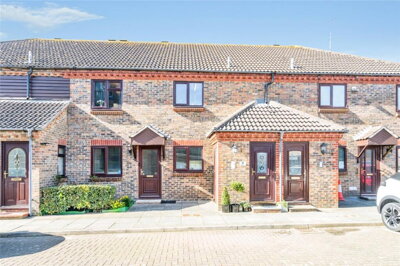
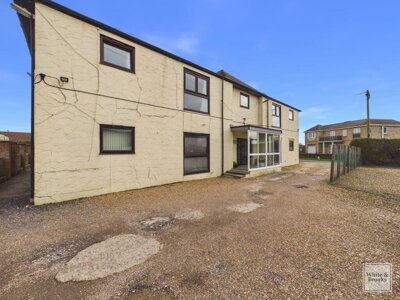
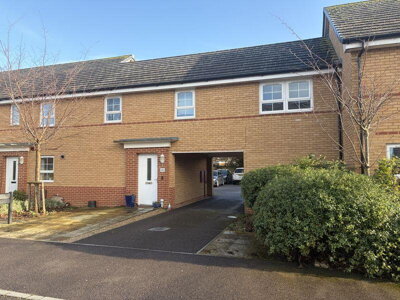
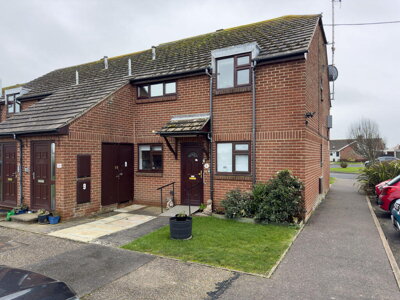
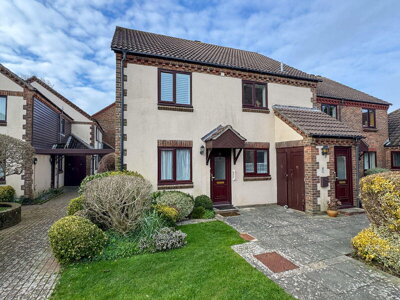
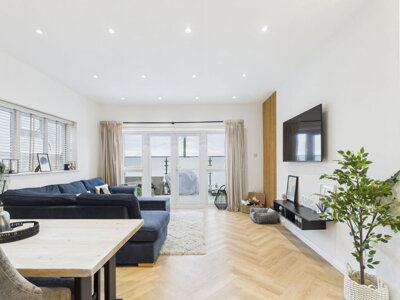
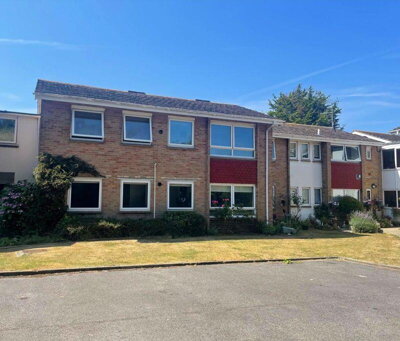
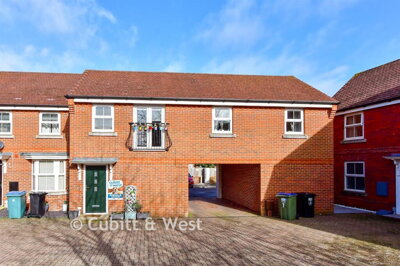
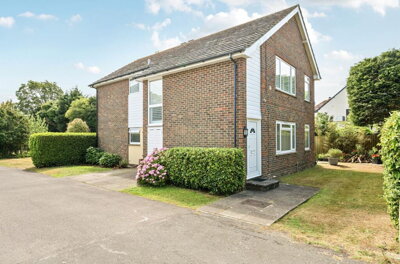
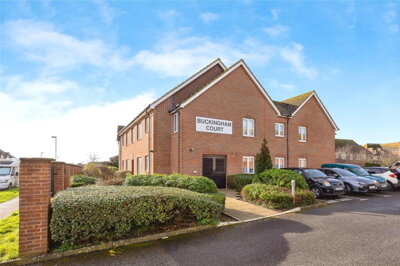
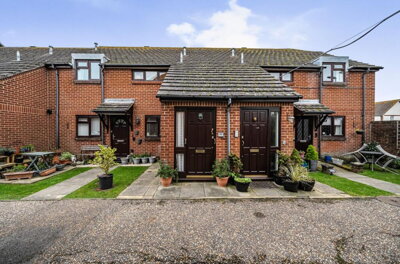
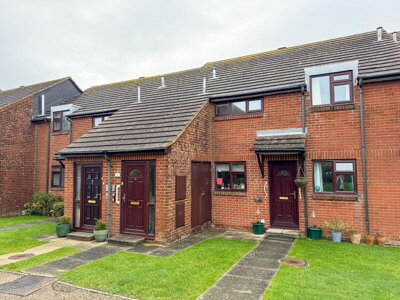
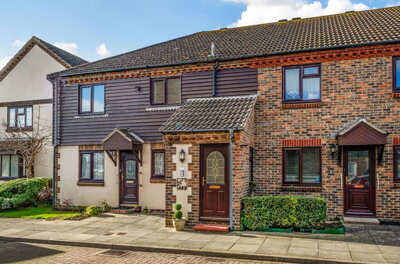
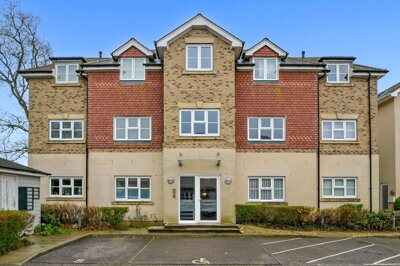
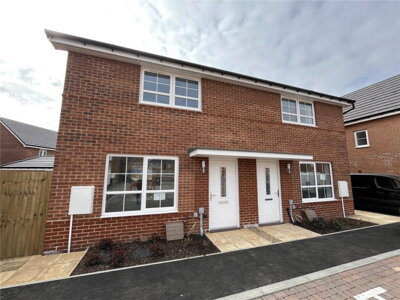
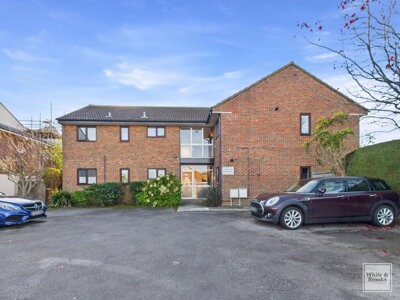
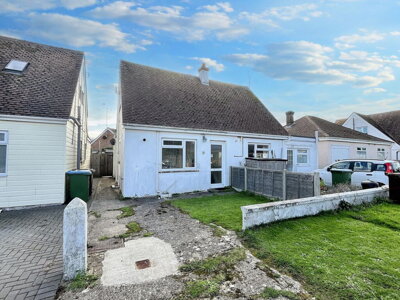
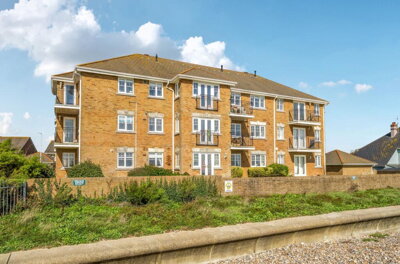
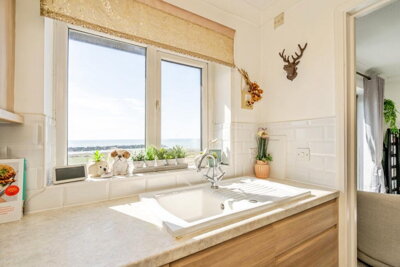
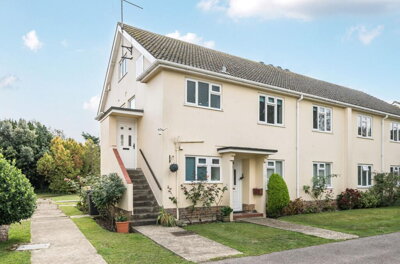
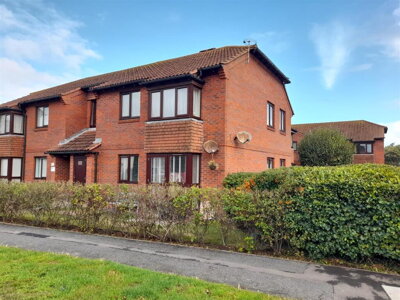
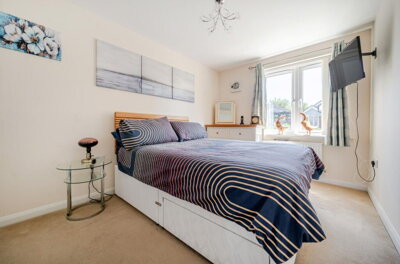
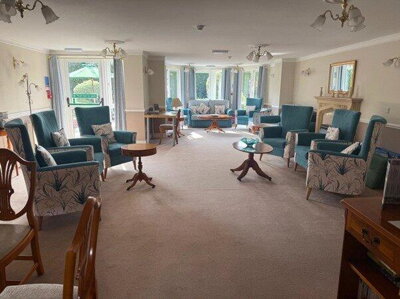
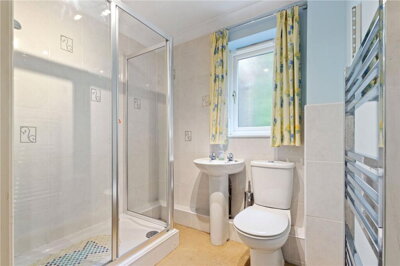
Browse 44 homes for sale in Middleton-on-Sea from local estate agents.
Studio apartments feature open-plan living spaces without separate bedrooms, incorporating sleeping, living, kitchen, and bathroom facilities. The Middleton On Sea studio market includes properties in modern apartment complexes, converted Victorian and Georgian buildings, and purpose-built developments.
The Middleton-on-Sea property market has demonstrated remarkable stability despite broader national fluctuations. Historical sold prices over the last year remained similar to the previous year, sitting just 3% below the 2022 peak of £407,132. This measured performance reflects the enduring appeal of coastal village living, where limited supply meets consistent demand from buyers seeking a quieter lifestyle without sacrificing accessibility to urban centres. The village attracts a mix of retired residents, commuters working in Chichester or Portsmouth, and families drawn to the community atmosphere and educational options.
New build activity in the area includes the Kinsted Living development on Ancton Lane, which offers 67 contemporary homes with two, three, and four bedrooms. This development provides options for various budgets and family sizes, introducing modern construction standards to a village largely characterised by older properties. Properties along premium roads such as Sea Lane and Old Point show significant price variation, with Sea Lane experiencing a 20% year-on-year decline and Old Point seeing a 56% reduction from its 2023 peak of £1,400,000, suggesting opportunities for savvy buyers in specific sub-markets.
The majority of properties sold in Middleton-on-Sea during recent years have been detached homes, reflecting the low-density residential character of the village. Semi-detached properties and bungalows form the backbone of the housing stock, with terraced homes and apartments providing more affordable entry points. The mix of property ages is significant: some cottages date from the 17th century, while substantial development occurred during the 1920s when the New City holiday resort opened, and construction has continued into the 21st century with the latest sale recorded in October 2025 at £467,500.

Middleton-on-Sea evolved from a handful of farms and coastguard cottages in the early 19th century into the peaceful residential community it is today. In 1801, only six houses existed in the parish, growing to 19 by 1841 following construction of the new St. Nicholas Church and additional coastguard accommodation. The village transformed during the 20th century as tourism and residential development replaced agriculture as the primary economic drivers. Today, the community maintains its unhurried character, with local services catering primarily to residents rather than transient visitors.
The village architecture reflects its varied heritage, with flint-walled cottages featuring brick dressings and thatched roofs standing alongside rendered Edwardian villas and modern developments. Grade II listed buildings including Rose Cottage, High Kettle Cottage, Flint Cottage, and The Manor House represent the architectural legacy of the 17th to 19th centuries. The Area of Special Character designation protects the visual coherence of the central village, ensuring that new development respects the established scale and materials of the community. Residents enjoy access to green spaces, local shops, and community facilities that foster neighbourly connections.
The population of 4,919 includes a notable proportion of retired residents, though economically active individuals commuting to Chichester, Portsmouth, and beyond also contribute significantly to the community profile. The 2001 census recorded 2,206 economically active residents, a figure that reflects the commuter-friendly location while maintaining village cohesion. Low crime rates and the proximity to the South Downs National Park make Middleton-on-Sea particularly attractive to families and retirees seeking a safe, scenic environment. The nearby town of Bognor Regis provides additional retail and entertainment options within a short drive.
Community life centres on local facilities including the sports club developed in the early 1920s, village halls, and churches that serve as gathering points for residents. The coastal position offers opportunities for walking along the seafront and enjoying views across the Solent, while the surrounding countryside provides further recreational options. Annual events and seasonal activities contribute to the village atmosphere that long-term residents value highly.

Families considering Middleton-on-Sea will find educational provision within easy reach, though primary and secondary options within the village itself are limited. The surrounding Arun District offers several primary schools serving the local community, with parents encouraged to research specific catchment areas and admissions criteria when planning a move. Secondary education options in the wider area include schools in Bognor Regis and Chichester, both accessible via regular bus services. For families prioritising educational outcomes, visiting potential schools and understanding the admissions process before committing to a property purchase is essential.
The proximity to Chichester, a historic cathedral city with excellent secondary schools and sixth-form colleges, adds significant value for families with older children. Chichester College, one of the most respected further education institutions in West Sussex, offers A-levels, vocational courses, and apprenticeships accessible via the regular train service from Bognor Regis. Primary-aged children can access several nearby village schools, with transport arrangements varying by location and individual circumstances. The quality of local education contributes substantially to the appeal of Middleton-on-Sea for family buyers, though competition for places at popular schools can be intense during peak moving periods.
Beyond state education, families may wish to explore independent school options in the wider West Sussex area. Schools in Chichester and the surrounding towns provide alternatives for those seeking particular educational approaches or academic specialisms. Planning school transport arrangements is an important consideration when viewing properties, as bus services connect the village to educational establishments across the district. Our listings include detailed location information to help families assess proximity to their preferred schools.
Transport connectivity from Middleton-on-Sea centres on road access via the A259 coast road, which links the village to Bognor Regis to the west and Chichester to the east. The A27 trunk road, accessible within a short drive, provides connections to Portsmouth, Southampton, and the broader motorway network. For rail travel, Bognor Regis railway station offers regular services to London Victoria, with journey times of approximately one hour and forty minutes. This makes Middleton-on-Sea viable for commuters working in the capital while enjoying coastal village living during evenings and weekends.
Local bus services operated by Stagecoach and other providers connect Middleton-on-Sea with surrounding villages and towns, though service frequency may be limited compared to urban areas. Residents with cars benefit from reasonable parking provision, though the village character means that congestion is rarely an issue. Cycling infrastructure has improved in recent years, with National Cycle Route 2 passing nearby and offering scenic routes along the coast and into the South Downs. Portsmouth's ferry connections and Southampton's airport provide international travel options within reasonable driving distance, ensuring that residents remain well-connected despite the village setting.
For those working in Chichester, the commute is particularly straightforward, with regular bus services and a short drive via the A259. Healthcare facilities in Bognor Regis and Chichester are accessible by public transport, while major hospitals in Portsmouth and Brighton serve more specialist medical needs. The village location means that everyday amenities in Bognor Regis are within easy reach, reducing the need for frequent longer journeys.
Before viewing properties, research the Middleton-on-Sea housing market thoroughly. Understand current average prices for your preferred property type, factor in flood risk considerations for specific locations, and obtain a mortgage agreement in principle from a lender. This preparation positions you as a serious buyer when the right property becomes available.
Contact local estate agents to arrange viewings of properties matching your criteria. Consider viewing properties in different locations within the village, as flood risk and accessibility vary significantly across different areas. Take notes and photographs during viewings, and return for second visits before making an offer.
Once your offer is accepted, arrange a RICS Level 2 Homebuyer Report before proceeding. Given Middleton-on-Sea's coastal location and flood risk profile, a thorough survey is essential to identify any damp, structural movement, or flood-related issues. Survey costs typically range from £380 for lower-value properties to £980 for homes above £500,000.
Appoint a solicitor experienced in West Sussex property transactions to handle the legal aspects of your purchase. Your solicitor will conduct searches including local authority, drainage, and environmental searches that are particularly important in flood-risk areas. Conveyancing costs in the area typically start from around £499 for standard transactions.
Once all searches are satisfactory and mortgage finance is confirmed, you will exchange contracts and pay your deposit. Completion typically follows within two to four weeks, after which you will receive the keys to your new Middleton-on-Sea home.
Flood risk requires careful consideration when purchasing property in Middleton-on-Sea. The village faces very high risk of coastal, river, flash, and surface water flooding, with hundreds of homes located within flood plains according to Environment Agency mapping. Properties near the Ryebank Rife drainage channel and areas to the east of the built-up village face particular risk. Engage with the Environment Agency flood risk maps, review local drainage patterns, and consider whether flood resilience measures are in place or could be installed. Specialist surveys can assess previous flooding history and potential vulnerability.
The geological conditions beneath Middleton-on-Sea include chalk with areas of clay, which can affect drainage and potentially contribute to ground movement. Properties in areas with high groundwater susceptibility, particularly to the east and north of the village centre where groundwater levels exceed 75%, may experience damp issues or drainage challenges. Heavy rainfall has historically led to untreated sewage flooding at Ancton Lane, Larksfield, Harefield, and Ray's Farm, with hydraulic continuity to the Ryebank Rife. Older properties built with flint and brick dressings require careful inspection for structural integrity and weathering damage.
The village's architectural heritage means that many properties require careful surveying before purchase. Flint-walled cottages dating from the 17th and 18th centuries feature characteristic brick dressings and thatched roofs that require specialist maintenance knowledge. Stuccoed Edwardian villas and rendered properties may hide underlying structural issues that a thorough inspection can identify. If considering a listed building or a property within the Area of Special Character, be aware that planning restrictions may limit alterations and that specialist surveys may be necessary.
Service charges and leasehold arrangements apply to some properties, particularly flats and apartments. Understanding these costs before purchase prevents unwelcome surprises, as annual charges can vary significantly depending on maintenance requirements and communal facilities. Freehold houses predominate in the village, offering clearer ownership terms, but always verify tenure arrangements through your solicitor. Properties near the coast may also face considerations around coastal erosion and maintenance of sea defences, which can affect long-term property values and insurance costs.
Understanding local construction methods helps buyers appreciate the characteristics and potential maintenance needs of properties throughout Middleton-on-Sea. The village's architectural heritage spans several centuries, with building materials and techniques evolving significantly over time. Our surveyors are familiar with the distinctive construction methods used locally, from historic flint and brick buildings to contemporary homes built to modern standards. This knowledge proves invaluable when assessing property condition and estimating future maintenance costs.
Historic properties in Middleton-on-Sea showcase traditional building techniques characteristic of coastal West Sussex. Rose Cottage, dating from the 17th century or earlier, exemplifies the use of flint with thatched roofing that defined local construction for generations. High Kettle Cottage, from the late 17th or early 18th century, demonstrates the combination of flint walls with brick dressings and thatch that remains a hallmark of the area's heritage. The Manor House, constructed in the early 19th century, features a stuccoed finish that distinguishes larger properties of the period. These traditional materials require specific maintenance approaches and specialist contractors.
The substantial development that occurred in the 1920s, following the opening of the New City holiday resort, introduced properties built during the interwar period. These homes typically feature brick construction with tile roofs, reflecting mainstream building practices of the era. Bungalows constructed during this period remain popular today, offering single-storey living that appeals to retirees and those seeking ground-floor accommodation. Properties from this era may show signs of age-related wear including outdated electrical systems and original windows requiring replacement.
Contemporary construction in the village, including the 67 homes at the Kinsted Living development on Ancton Lane, uses modern building methods with brick or block cavity walls and tile or slate roofing. These properties offer the advantages of modern construction standards including improved insulation and energy efficiency. However, even new-build properties benefit from independent surveying to verify construction quality and identify any defects before the warranty period expires. The Area of Special Character designation means that newer developments must respect the established scale and materials of the central village.
The average house price in Middleton-on-Sea is currently around £396,626, based on sales over the past year. Detached properties average £499,062, semi-detached homes £378,333, and flats approximately £170,969. Prices have remained relatively stable, sitting just 3% below the 2022 peak of £407,132. Premium locations such as Sea Lane and Old Point command higher prices, though these have experienced some correction in recent years, with Sea Lane showing a 20% year-on-year decline and Old Point seeing a 56% reduction from its 2023 peak of £1,400,000.
Properties in Middleton-on-Sea fall within Arun District Council's jurisdiction and are subject to West Sussex County Council charges. Council tax bands range from A to H depending on property value, with most residential properties in the village falling within bands A through D given the prevalence of bungalows and modest family homes. You can verify the specific band for any property through the Valuation Office Agency website or your solicitor during conveyancing searches. Band D properties in Arun currently pay approximately £1,900 annually.
Primary education in the area is served by schools in surrounding villages and Bognor Regis, with families advised to check specific catchment areas and admissions criteria before committing to a property purchase. Secondary education options include schools in Bognor Regis and Chichester, the latter offering excellent options including Chichester College for sixth-form study, which is accessible via the train service from Bognor Regis. Schools in the area generally perform well in Ofsted inspections, though parents should research individual ratings and consider travel arrangements when choosing a property, as school transport can significantly impact daily routines.
Middleton-on-Sea is connected to surrounding areas via bus services operating along the A259 coast road, linking to Bognor Regis and Chichester with varying frequency throughout the day. Bognor Regis railway station provides regular services to London Victoria in approximately one hour and forty minutes, making daily commuting feasible for those working in the capital. The A27 is accessible by car for broader regional connections to Portsmouth and Southampton. While public transport options are more limited than in major towns, they are sufficient for daily commuting with planning, and many residents find the village's road connections perfectly adequate for car-based travel.
Middleton-on-Sea offers stable property values with consistent demand from buyers seeking coastal village living at accessible price points. The village attracts retirees, commuters working in Chichester or Portsmouth, and families seeking a quieter lifestyle, providing a broad buyer base that supports liquidity in the market. However, flood risk is a significant consideration that may affect long-term values in certain areas, particularly properties near the Ryebank Rife channel or in zones with high groundwater susceptibility. Properties with good flood resilience measures and those in lower-risk locations within the village represent the most secure investments. The Area of Special Character designation helps maintain property values by controlling inappropriate development.
For properties purchased in Middleton-on-Sea, you will pay Stamp Duty Land Tax on completion. Standard rates apply: 0% on the first £250,000, 5% on £250,001 to £925,000, 10% on £925,001 to £1.5 million, and 12% on amounts exceeding £1.5 million. First-time buyers benefit from relief on the first £425,000, with 5% charged between £425,001 and £625,000. At current average prices of £396,626, most buyers would pay no stamp duty, and first-time buyer relief would eliminate duty entirely on properties under £425,000. Our team can provide personalised calculations based on your specific circumstances.
Middleton-on-Sea faces very high risk of coastal, river, flash, and surface water flooding, with hundreds of homes located within river and coastal flood plains. The Environment Agency's mapping shows high-risk zones along the Ryebank Rife and its feeding ditches, plus areas to the east of the built-up village. Approximately 30% of mid and northern Middleton is at moderately high to high risk from groundwater levels exceeding 75%. Properties near Ancton Lane, Larksfield, Harefield, and Ray's Farm have experienced historical sewage flooding during heavy rainfall. Buyers should review Environment Agency flood risk maps carefully and consider whether flood resilience measures are present or could be installed.
The primary new build development in Middleton-on-Sea is Kinsted Living on Ancton Lane, offering 67 contemporary homes with two, three, and four bedrooms. This development provides options for first-time buyers, growing families, and those seeking modern construction with current energy efficiency standards. New build properties offer the advantage of warranties covering major defects, though independent surveys remain advisable to verify construction quality. Properties in new developments may have different maintenance arrangements and service charge structures compared to older properties, so understanding these costs is important before committing to a purchase.
From £380
A thorough inspection ideal for most properties in Middleton-on-Sea, identifying defects common in older construction and flood-risk areas.
From £600
Comprehensive survey recommended for listed buildings and period properties with flint construction or thatched roofs.
From £60
Energy Performance Certificate required for all property sales, essential for understanding running costs.
From £499
Expert solicitors handling your legal transaction, including essential flood risk searches for Middleton-on-Sea properties.
From 4.5%
Competitive mortgage rates for Middleton-on-Sea property purchases, with local advisor support available.
Purchasing property in Middleton-on-Sea involves several costs beyond the purchase price itself. Stamp Duty Land Tax represents the most significant additional expense, though first-time buyers and those purchasing at median prices may find this minimal or non-applicable. For properties at the current average price of £396,626, a standard buyer would pay no SDLT on the first £250,000 and 5% on the remaining £146,626, totalling £7,331.30. First-time buyers purchasing properties under £425,000 would pay no stamp duty at all, making Middleton-on-Sea particularly accessible for those entering the property market.
Survey costs should be budgeted at between £380 and £980 depending on property value, with the RICS Level 2 Homebuyer Report providing comprehensive assessment suitable for most properties in the village. Given Middleton-on-Sea's flood risk profile and the prevalence of older properties with flint construction, thorough surveying is particularly valuable in this area. Properties over 50 years old, those with unusual construction including thatched roofs, or homes in flood-risk areas particularly benefit from comprehensive inspection. Your surveyor will check for damp, structural movement, roof condition, and any signs of previous flooding damage.
Conveyancing fees typically start from around £499 for standard transactions, though complex purchases involving listed buildings or leasehold properties may cost more. Your solicitor will conduct essential searches including local authority, drainage, and environmental checks, with flood risk searches being particularly important for Middleton-on-Sea properties. The local authority search through Arun District Council typically takes two to three weeks, while drainage and environmental searches provide crucial information about flood risk and contamination. Given the village's coastal position and history of coastal erosion, these searches often reveal information that significantly affects property decisions.
Additional moving costs include mortgage arrangement fees, which vary by lender but often range from £0 to £2,000, removal costs, and insurance. Buildings insurance must be arranged from completion, and buyers in flood-risk areas should carefully compare specialist insurers, as some mainstream providers may decline coverage or apply significant premiums in high-risk zones. Land Registry fees for title registration and searches complete the picture. Overall, buyers should budget approximately 2-3% of the property price for these additional costs, though several thousand pounds can be saved by comparing quotes from multiple providers and taking advantage of special offers available through Homemove's partner network.
Properties for Sale In London

Properties for Sale In Plymouth

Properties for Sale In Liverpool

Properties for Sale In Glasgow

Properties for Sale In Sheffield

Properties for Sale In Edinburgh

Properties for Sale In Coventry

Properties for Sale In Bradford

Properties for Sale In Manchester

Properties for Sale In Birmingham

Properties for Sale In Bristol

Properties for Sale In Oxford

Properties for Sale In Leicester

Properties for Sale In Newcastle

Properties for Sale In Leeds

Properties for Sale In Southampton

Properties for Sale In Cardiff

Properties for Sale In Nottingham

Properties for Sale In Norwich

Properties for Sale In Brighton

Properties for Sale In Derby

Properties for Sale In Portsmouth

Properties for Sale In Northampton

Properties for Sale In Milton Keynes

Properties for Sale In Bournemouth

Properties for Sale In Bolton

Properties for Sale In Swansea

Properties for Sale In Swindon

Properties for Sale In Peterborough

Properties for Sale In Wolverhampton

Enter your details to see if this property is within your budget.
Loans, cards, car finance
Estimated property budget
Borrowing + deposit
You could borrow between
Typical borrowing
Monthly repayment
Est. at 4.5%
Loan-to-value
This is an estimate only. Your actual budget may vary depending on interest rates, credit history, and personal circumstances. For an accurate affordability assessment, speak to one of our free mortgage advisors.
This calculator provides estimates for illustrative purposes only and does not constitute financial advice. Your home may be repossessed if you do not keep up repayments on your mortgage. Estimates based on 4.5% interest rate, repayment mortgage. Actual rates depend on your circumstances.
Homemove is a trading name of HM Haus Group Ltd (Company No. 13873779, registered in England & Wales). Homemove Mortgages Ltd (Company No. 15947693) is an Appointed Representative of TMG Direct Limited, trading as TMG Mortgage Network, which is authorised and regulated by the Financial Conduct Authority (FRN 786245). Homemove Mortgages Ltd is entered on the FCA Register as an Appointed Representative (FRN 1022429). You can check registrations at NewRegister or by calling 0800 111 6768.

We use cookies to show you personalised content and improve your experience of our website. Find out more in our Privacy policy and Cookie policy.