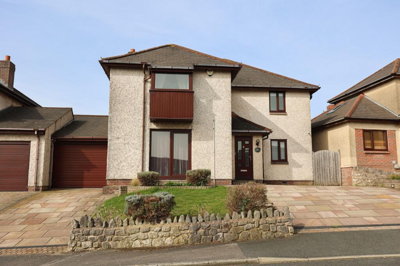
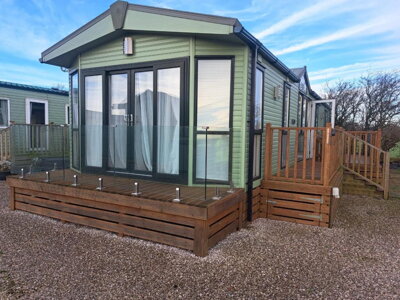
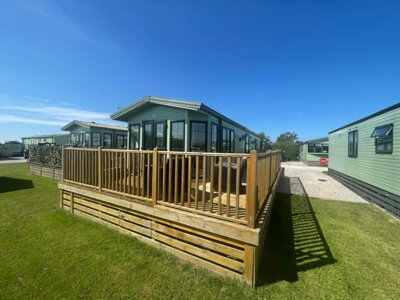
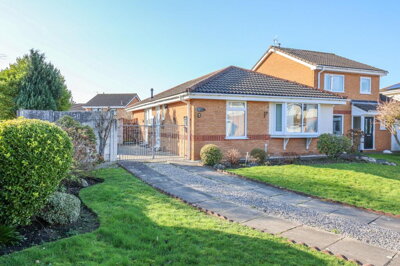
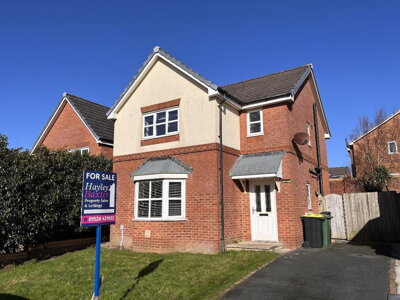
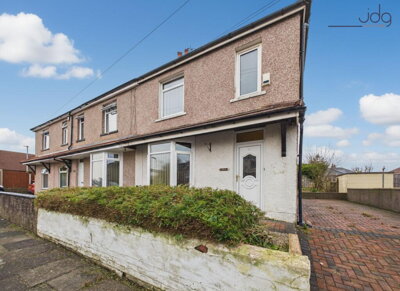
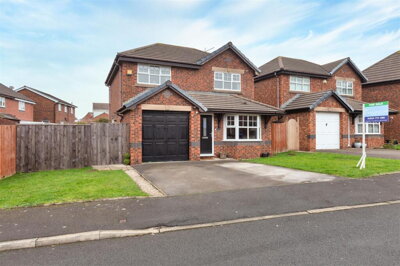
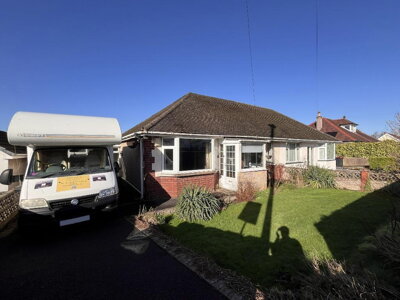
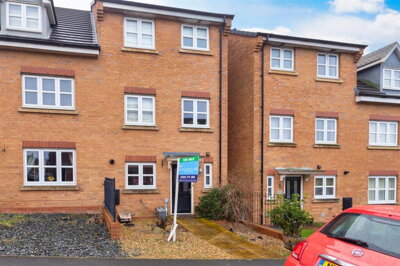
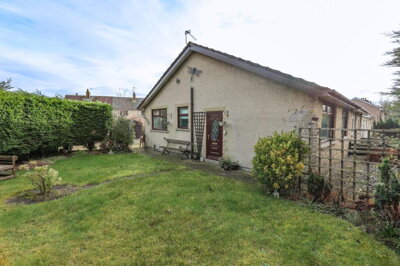
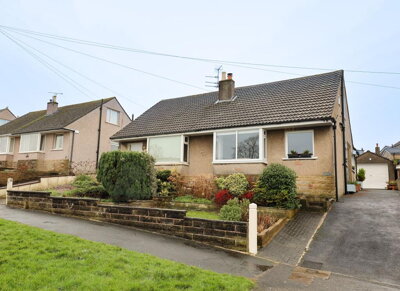
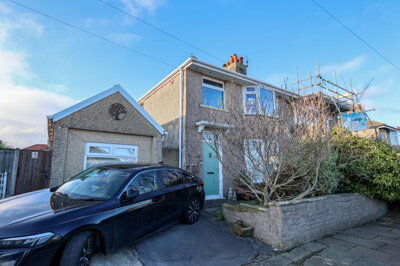
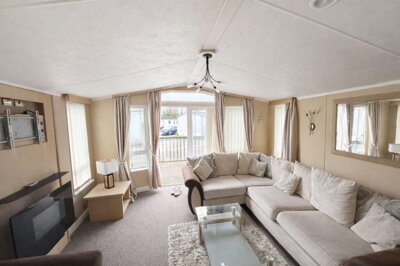
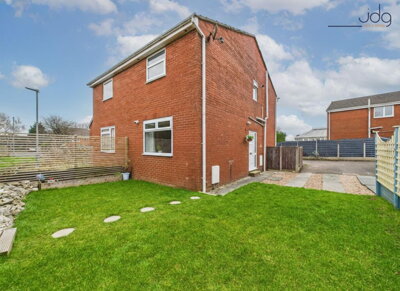
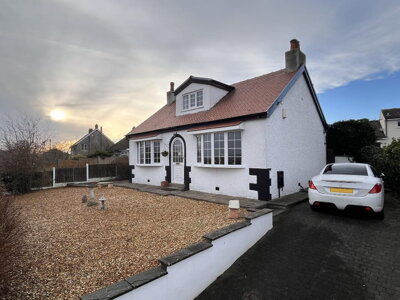
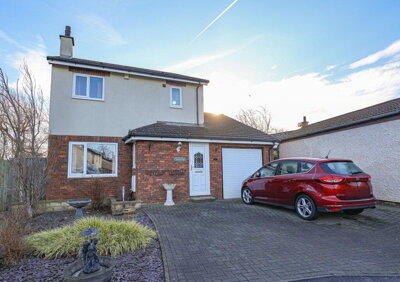
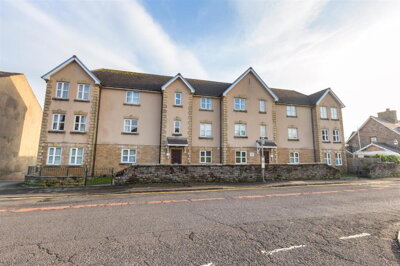
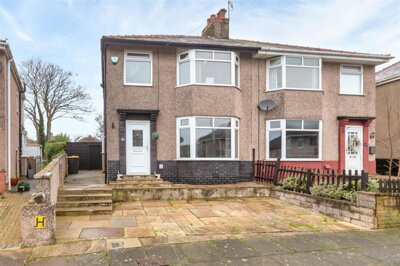
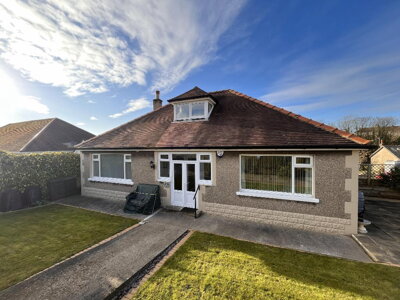
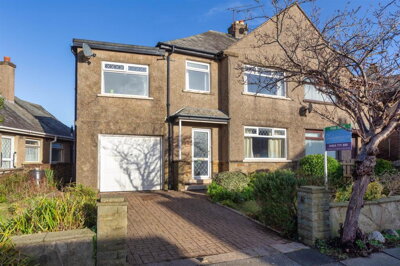
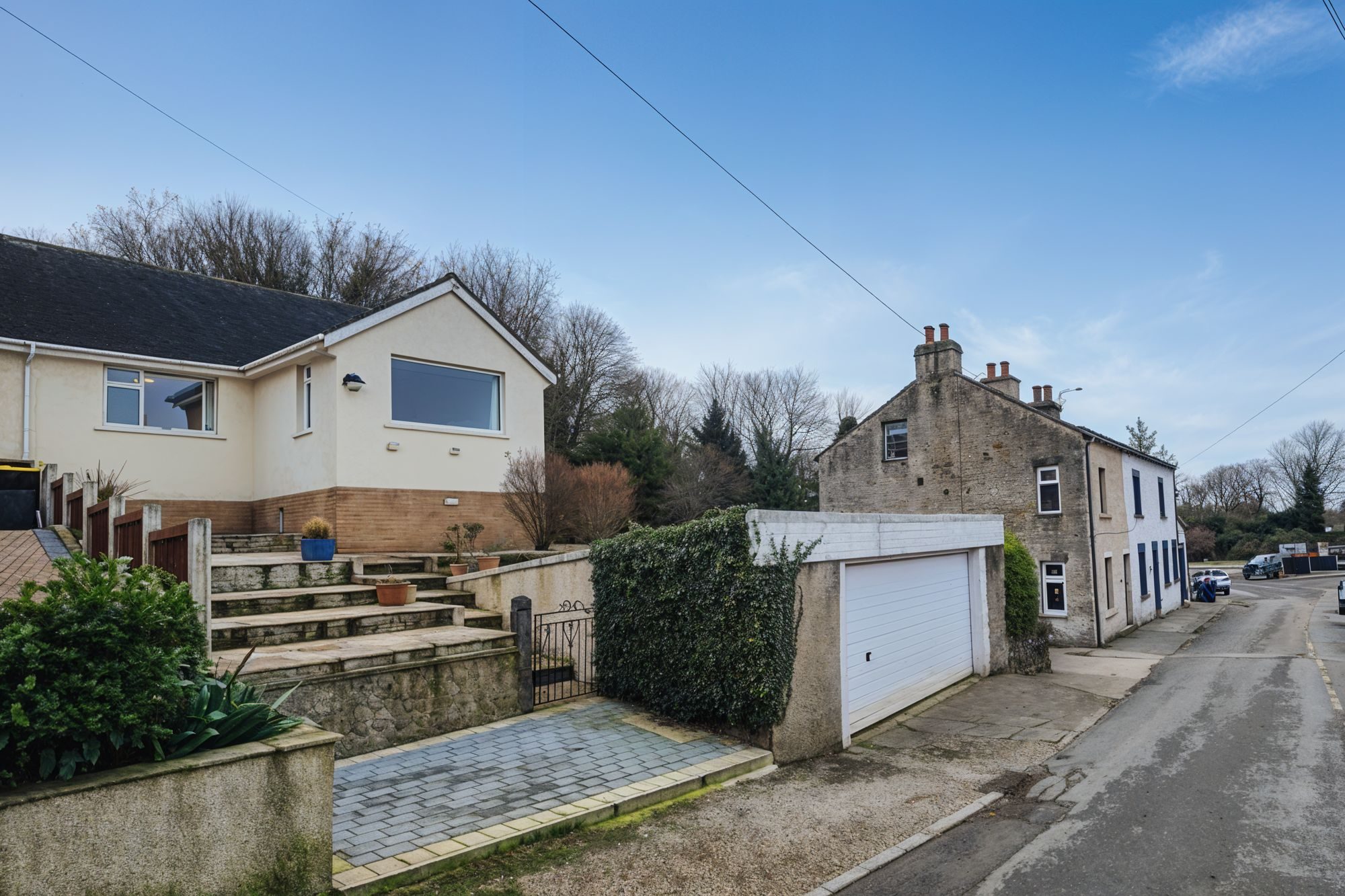
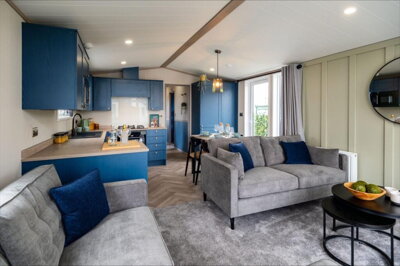
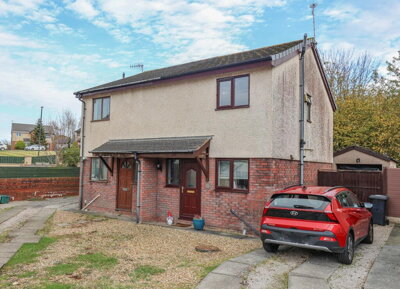
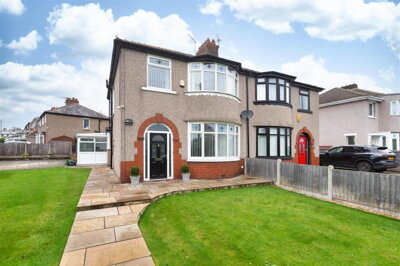
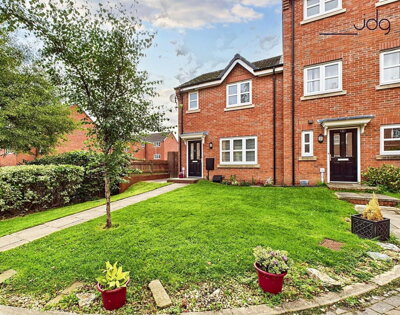
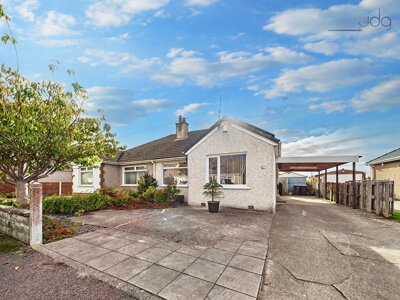
Browse 180 homes for sale in Middleton from local estate agents.
£269,700
Average Sold Price
510+
Properties Listed
-25%
Recent 12-Month Change
7
Properties Sold (12 months)
The Cornhill-on-Tweed property market reflects the broader trends affecting rural Northumberland, with detached properties commanding the highest prices at an average of £281,250 according to recent Rightmove data. Semi-detached homes average around £210,500, while terraced properties in the area typically sell for approximately £224,000 based on three recent sales. Notably, flats have seen no sales activity in the past twelve months, reflecting the predominantly residential rather than commercial character of this village setting where stone-built period homes form the overwhelming majority of available stock.
Price trends in Cornhill-on-Tweed show a softening market, with sold prices falling 25% compared to the previous year and sitting 19% below the 2021 peak of £304,394 according to Rightmove analysis. GetAgent data indicates asking prices have changed by approximately -2.1% over the past six months, suggesting vendors are adjusting expectations in response to broader economic conditions affecting rural property markets across the North East. Despite these short-term adjustments, the fundamental appeal of this rural location remains strong, with quality period properties continuing to attract buyers seeking the Northumbrian countryside lifestyle. The village primarily consists of older stone-built homes constructed between 1800 and 1911, many of which would benefit from the careful attention that comes with period property ownership.
For buyers considering the Cornhill-on-Tweed market, the current conditions present both challenges and opportunities. While the 25% year-on-year price reduction reflects broader economic pressures affecting the housing market, the underlying demand for rural properties in this picturesque location persists. Properties in the TD12 postcode area maintain their appeal due to the scarcity of homes in this village setting and the enduring attraction of Northumbrian countryside living. Research indicates that Bricks&Logic recorded just two sales on Cornhill-On-Tweed street itself over the past twelve months, underscoring the limited availability of properties in this specific location.
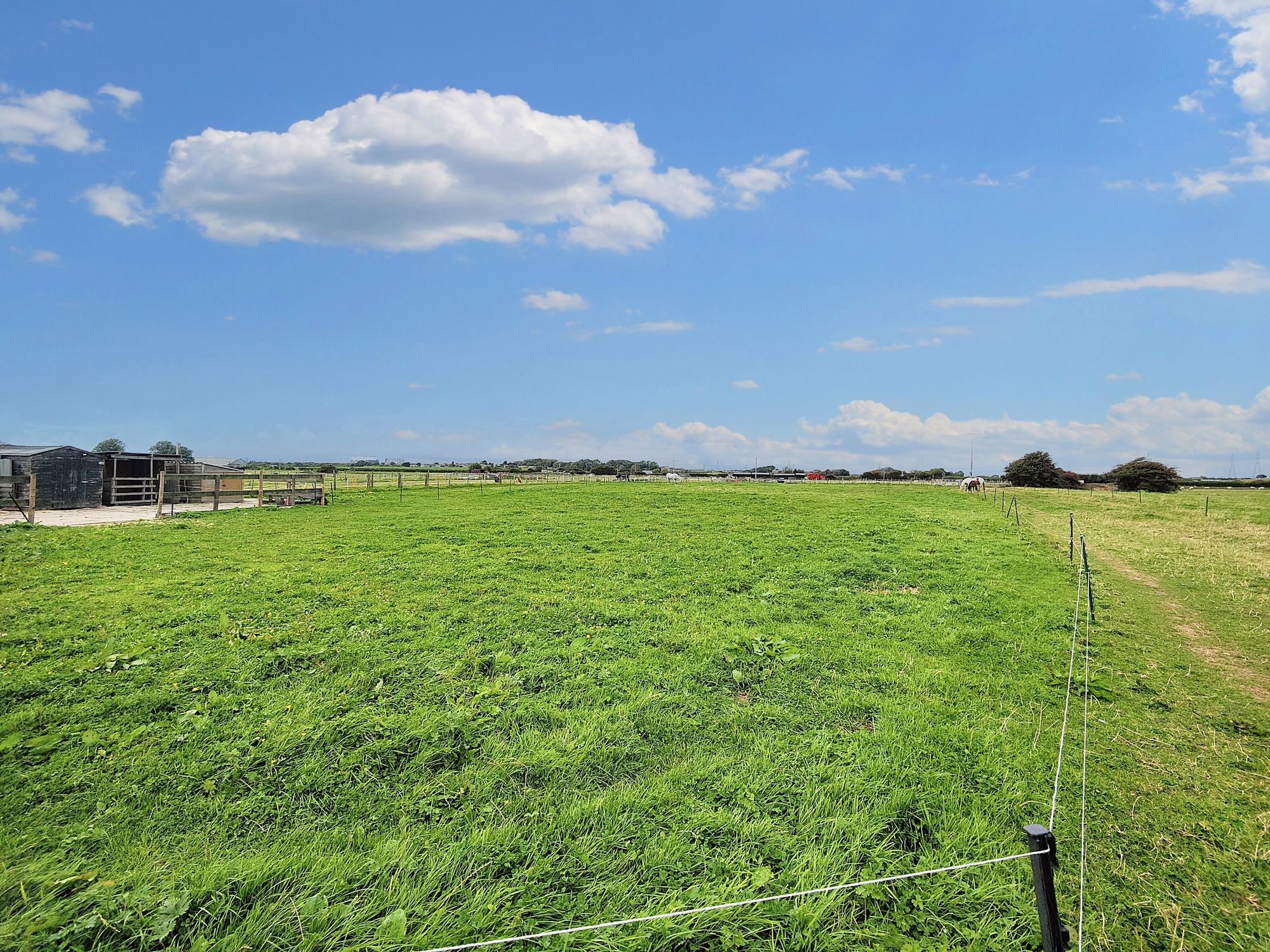
Life in Cornhill-on-Tweed revolves around the gentle rhythms of rural Northumberland, where the River Tweed serves as both a scenic backdrop and a boundary marker between England and Scotland. The village sits approximately three miles from the market town of Coldstream, where residents access everyday amenities including supermarkets, pharmacies, and independent retailers. The surrounding landscape consists of rolling farmland, patchwork fields, and the distinctive hedgerows that characterise the Scottish Borders fringe. The proximity to Scotland means Edinburgh lies approximately 90 minutes away by car, offering city amenities while maintaining a properly rural home environment.
The demographic character of Cornhill-on-Tweed reflects typical rural Northumberland communities, with a population drawn to the area by its peaceful environment, strong sense of local identity, and excellent quality of life. The village hosts a traditional pub where locals gather, while St. Cuthbert's Church provides a focal point for community gatherings and events throughout the year. The nearby River Tweed offers excellent fishing for salmon and trout, attracting enthusiasts from across the country who appreciate the legendary Tweed beats that have drawn fishermen for generations. Walking opportunities abound, with the river valleys and Northumberland National Park accessible within a short drive for those who enjoy exploring the beautiful Northumbrian countryside.
Beyond the village itself, residents benefit from access to the broader Northumberland region including the stunning coastline near Bamburgh and Alnwick, the historic market towns of Wooler and Berwick-upon-Tweed, and the spectacular countryside of the Cheviot Hills. The village school serves the local community, with children typically progressing to secondary education in nearby Coldstream, Berwick-upon-Tweed, or across the border in the Scottish Borders. Community events throughout the year bring residents together, from harvest suppers at the village hall to the annual show that celebrates the agricultural heritage of this farming community. Those moving to Cornhill-on-Tweed discover a warm welcome and a genuine sense of belonging in this authentic Northumbrian village.

The housing stock in Cornhill-on-Tweed predominantly consists of period stone-built properties constructed between 1800 and 1911, reflecting the agricultural heritage of this Northumbrian village. Bricks&Logic data indicates that of 351 addresses on Cornhill-On-Tweed street alone, 235 are classified as houses and 116 as other property types, underscoring the significance of traditional period dwellings in the local market. These historic properties typically feature thick stone walls, slate or stone tile roofs, and original features such as exposed beams, open fires, and flagstone floors that appeal to buyers seeking authentic countryside character.
Detached period farmhouses represent a significant portion of the higher-value properties in the village, often offering generous gardens, traditional outbuildings, and far-reaching views across the surrounding farmland towards the Cheviot Hills. These substantial family homes frequently retain original features including Victorian fireplaces, panelled doors, and decorative cornicing that demonstrate the craftsmanship of earlier eras. Semi-detached and terraced cottages form the backbone of the village's residential character, with many having been carefully maintained or sympathetically modernised by previous owners who respected the traditional character of these historic homes.
New-build activity within Cornhill-on-Tweed itself remains limited, with most available properties consisting of existing period stock rather than newly constructed homes. Some nearby developments in the wider Northumberland area offer alternative options for buyers seeking modern construction methods and energy efficiency, though these are typically located in nearby towns such as Coldstream rather than within the village itself. For buyers specifically seeking new-build properties in the TD12 area, options are generally restricted to individual plots or conversions of existing agricultural buildings rather than estate-style developments. The scarcity of new-build stock in Cornhill-on-Tweed contributes to the enduring appeal of period properties, which offer character and charm that modern construction cannot replicate.
Education provision in Cornhill-on-Tweed centres on small rural primary schools serving the village and surrounding hamlets, reflecting the dispersed settlement pattern typical of rural Northumberland. Children typically attend schools in nearby towns such as Coldstream or Wooler, with school transport arrangements supporting those living in more isolated locations throughout the TD12 postcode area. Primary schools in the surrounding region generally serve catchment areas spanning multiple villages, meaning families should carefully verify which school serves their specific property location before completing a purchase.
Coldstream Primary School serves many families from the Cornhill-on-Tweed area, offering education from early years through to Primary 7 with a strong reputation for pastoral care and academic achievement. The school benefits from modern facilities while maintaining the close-knit community atmosphere characteristic of rural schools where teachers know each pupil individually. For families preferring the Scottish education system, the nearby Scottish Borders offers additional primary options with Eyemouth and Duns providing catchment schools for families living close to the border.
Secondary education options for Cornhill-on-Tweed residents include schools in Berwick-upon-Tweed, approximately 20 miles to the north, or alternatively schools in the Scottish Borders such as Eyemouth High School. These institutions provide comprehensive secondary education through to sixth form, with school transport running from outlying villages including Cornhill-on-Tweed. Parents should verify current school performance data and admissions policies directly with the relevant local education authorities, as catchment areas and school capacities can affect placement availability. The rural nature of the area means school commutes may be longer than urban equivalents, with journey times of 20-40 minutes to secondary schools not unusual for village residents.
Transport connections from Cornhill-on-Tweed reflect its position in rural Northumberland, with car travel remaining the primary means of accessing wider amenities and employment centres. The A697 trunk road passes through the village, providing connections to Morpeth and Newcastle to the south and the Scottish Borders towns of Kelso and Melrose to the north. This strategic position on a main route makes the village accessible while maintaining its peaceful rural character, with traffic levels remaining low compared to urban areas.
For those commuting to work, journey times of approximately one hour to Newcastle are manageable for those working remotely or with flexible working arrangements that reduce the frequency of travel. Berwick-upon-Tweed lies just 20 miles north offering rail connections to Edinburgh and Newcastle via the East Coast Main Line, providing alternatives to road travel for longer journeys. The station at Berwick-upon-Tweed serves regular trains to Edinburgh taking approximately 45 minutes and to Newcastle taking approximately one hour, making day trips to both cities practical for work or leisure.
Public transport options are limited, with local bus services running on reduced frequencies typical of rural Northumberland where population density does not support frequent services. The X20 service connects Cornhill-on-Tweed with Coldstream and Berwick-upon-Tweed, though passengers should check current timetables as frequencies have been reduced in recent years. For international travel, Edinburgh Airport lies approximately 90 minutes by car, providing flights across Europe and beyond with major airlines serving destinations worldwide. Cyclists will find quiet country lanes suitable for cycling, though the undulating terrain of the Scottish Borders fringe requires reasonable fitness for longer rides.
Begin by exploring current property listings in Cornhill-on-Tweed through Homemove, reviewing prices, property types, and the condition of available homes. Given the prevalence of period stone-built properties constructed between 1800 and 1911, understanding renovation costs and maintenance requirements is essential for making informed decisions. Take time to attend open viewings in the TD12 postcode area and speak with local estate agents about the realistic pricing and competition for properties in this village setting.
Before viewing properties, secure a mortgage agreement in principle from a lender. This demonstrates your financial readiness to sellers and estate agents, strengthening your position when making offers on properties in this competitive rural market where well-presented buyers receive priority consideration. Given the average property price of around £270,000, most buyers will require mortgage finance, making a Decision in Principle document particularly valuable when competing against cash buyers who are common in rural property markets.
Schedule viewings of shortlisted properties, paying particular attention to the condition of older stone-built homes which dominate the local housing stock. Look for signs of damp in ground floor rooms, inspect roof conditions from exterior viewpoints, and assess whether traditional features have been maintained or compromised by previous alterations. Properties near the River Tweed warrant additional scrutiny regarding potential flood risk and drainage considerations, particularly given the village's position overlooking the river.
Given that most properties in Cornhill-on-Tweed were built before 1911, a thorough survey is strongly recommended before committing to purchase. Our team conducts detailed assessments that identify structural issues, defects, and maintenance needs common in period properties, providing negotiating leverage if repairs are needed before purchase. The stone construction methods typical of this area can conceal issues such as rising damp, woodworm, or structural movement that only experienced surveyors will identify.
Appoint a solicitor experienced in rural property transactions to handle the legal aspects of your purchase. They will conduct searches regarding local planning history, flood risk, and any conservation area restrictions that may affect your intended use of the property. Given the presence of listed buildings in the Cornhill-on-Tweed area, searches should also investigate whether the property or neighbouring properties carry listed status that could restrict future alterations.
Once all surveys and searches are satisfactory and mortgage finance is confirmed, your solicitor will coordinate the exchange of contracts and final completion. On completion day, you will receive the keys to your new Cornhill-on-Tweed home and can begin settling into your rural Northumberland lifestyle. Allow time for the adjustment to rural living and take opportunities to meet neighbours through local events at the village pub or church activities.
Purchasing property in Cornhill-on-Tweed requires careful attention to the characteristics of period stone-built homes that dominate the local housing stock, with properties typically constructed between 1800 and 1911 according to available data. Look for evidence of damp in older properties, particularly in ground floor rooms and basements where traditional construction methods may allow moisture penetration through the solid stone walls. Roof conditions merit close inspection, as replacement costs for traditional slate or stone tiles can be substantial, often running to tens of thousands of pounds for larger period properties.
The age of electrical systems and whether properties have been updated to meet modern standards should form part of your assessment, asrewiring older homes can be a significant additional cost. Our team commonly identifies outdated consumer units, inadequate earthing, and cabling that does not meet current regulations when inspecting properties in the TD12 area. Additionally, check the plumbing infrastructure, as older properties may feature lead or galvanised steel pipes that require replacement within a few years of purchase.
Flood risk warrants consideration given the village's proximity to the River Tweed, which forms the southern boundary of the village and has historically experienced periods of high water. While specific flood risk data for individual properties may not be readily available, understanding the general flood history of the area and any flood defences in place is prudent. Our inspectors pay particular attention to ground floor levels, basement or cellar existence, and the condition of drainage systems when assessing properties near watercourses in the Cornhill-on-Tweed area.
Check whether the property falls within any designated conservation area, as this may restrict permitted development rights and require planning permission for alterations that would otherwise be straightforward. Listed building status, indicated by B and C listed buildings in the vicinity of Cornhill-on-Tweed, imposes additional obligations regarding maintenance of original features and typically requires Listed Building Consent for any works affecting the fabric of the building. These considerations add complexity to renovation projects but also help preserve the character that makes these historic properties so desirable.
The average sold price in Cornhill-on-Tweed stands at approximately £269,700 according to Zoopla data, with Rightmove reporting an average of £245,875 over the past year and GetAgent indicating £253,726. Detached properties average around £281,250 based on four recent sales, semi-detached homes approximately £210,500, and terraced properties near £224,000 from three sales. Recent market trends show prices have fallen 25% compared to the previous year and sit 19% below the 2021 peak of £304,394, presenting potential opportunities for buyers in this softening rural market within the TD12 postcode area.
Cornhill-on-Tweed falls under Northumberland County Council jurisdiction for council tax purposes. Properties are assigned bands A through H based on their assessed value, with most period stone cottages and traditional farmhouses in the village occupying bands A through D given typical property values in the area. Larger detached homes, converted farm buildings, and properties with significant land may fall into higher bands E through H. Prospective buyers should verify the specific band with Northumberland County Council or check Land Registry records for the individual property, as the band affects ongoing monthly costs.
Primary education for Cornhill-on-Tweed families is served by schools in nearby Coldstream including Coldstream Primary School, with catchment areas spanning multiple villages across the TD12 postcode. Secondary options include The King's School in Berwick-upon-Tweed and Eyemouth High School in the Scottish Borders, both accessible via school transport from the village. Parents should consult current Ofsted ratings and Northumberland County Council admissions policies to identify the most suitable options for their family circumstances, noting that catchment boundaries can affect placement decisions and should be verified before purchasing property.
Public transport options in Cornhill-on-Tweed are limited, reflecting the rural character of the area and the TD12 postcode's dispersed settlement pattern. Local bus services including the X20 run on reduced frequencies, and many residents rely on car travel for daily needs and accessing services in nearby towns. The nearest railway station is in Berwick-upon-Tweed, approximately 20 miles away, offering East Coast Main Line services to Edinburgh taking approximately 45 minutes and to Newcastle taking approximately one hour. Edinburgh Airport is accessible within approximately 90 minutes by car for air travel requirements, while Newcastle Airport offers further international connections within similar driving distance.
Cornhill-on-Tweed offers potential for buyers seeking a countryside lifestyle investment rather than rental yield or capital appreciation. The rural location limits rental demand, but properties maintain value due to the scarcity of homes in this picturesque village setting on the Northumberland-Scottish Borders frontier. Price reductions over recent years, with sold prices 25% down from the 2021 peak of £304,394, may present buying opportunities for those planning long-term occupancy who can wait out short-term market fluctuations. The village appeals to buyers prioritising quality of life, authentic period character, and proximity to the Northumbrian countryside over investment returns.
Standard stamp duty land tax rates for 2024-25 apply to properties in Cornhill-on-Tweed: 0% on the first £250,000, 5% on £250,001 to £925,000, 10% on £925,001 to £1.5 million, and 12% above £1.5 million. First-time buyer relief raises the nil-rate threshold to £425,000, with 5% charged between £425,001 and £625,000. Given Cornhill-on-Tweed's average price around £269,700, most buyers would pay stamp duty only on approximately £19,700 at the standard rate, equating to around £985, or potentially nothing as a first-time buyer if the property falls below the £425,000 threshold.
The Cornhill-on-Tweed area contains examples of both B and C listed buildings, reflecting the historic character of this established village with origins dating back centuries. Properties carrying listed status are subject to additional regulations regarding maintenance and alterations, requiring Listed Building Consent for works affecting the historic fabric of the building. While listed status imposes constraints on renovation projects, it also ensures the preservation of original features such as stone detailing, traditional windows, and period fireplaces that contribute to the village's architectural heritage. Buyers should investigate whether their intended property carries listed status before completing purchase.
From 4.5%
Competitive mortgage rates for Cornhill-on-Tweed properties
From £499
Expert property solicitors for your Cornhill-on-Tweed purchase
From £350
Thorough inspection for period properties typical of Cornhill-on-Tweed
From £60
Energy performance certificate for your Cornhill-on-Tweed property
Understanding the additional costs beyond property price is essential when budgeting for your Cornhill-on-Tweed purchase. The average property price of approximately £269,700 means most buyers will pay stamp duty land tax on the portion exceeding £250,000 at the standard rate of 5%, equating to around £985 in stamp duty costs. First-time buyers may pay nothing if the property price falls within the £425,000 threshold for first-time buyer relief, making this an important consideration for those who have not previously owned property anywhere in the world.
Beyond stamp duty, budget for solicitor conveyancing costs typically ranging from £500 to £1,500 depending on complexity and property value, with additional search costs for local authority, drainage, and environmental searches. A thorough property survey is strongly recommended given the prevalence of period stone properties built between 1800 and 1911 in the TD12 postcode area, with costs from approximately £350 to £600 depending on property size and type. An Energy Performance Certificate costs around £60 to £120 and is a legal requirement for all property sales.
Factor in removal costs, potential renovation expenses for period properties, and ongoing maintenance of stone-built homes when calculating your total budget for moving to this historic Northumbrian village. Older properties may require unexpected works to electrical systems, plumbing, roofing, or damp proofing that can quickly accumulate costs. Survey costs for properties in Cornhill-on-Tweed reflect the property value and size rather than specific location, with our team experienced in assessing the particular construction methods and defect patterns common in traditional Northumbrian stone buildings.
Properties for Sale In London

Properties for Sale In Plymouth

Properties for Sale In Liverpool

Properties for Sale In Glasgow

Properties for Sale In Sheffield

Properties for Sale In Edinburgh

Properties for Sale In Coventry

Properties for Sale In Bradford

Properties for Sale In Manchester

Properties for Sale In Birmingham

Properties for Sale In Bristol

Properties for Sale In Oxford

Properties for Sale In Leicester

Properties for Sale In Newcastle

Properties for Sale In Leeds

Properties for Sale In Southampton

Properties for Sale In Cardiff

Properties for Sale In Nottingham

Properties for Sale In Norwich

Properties for Sale In Brighton

Properties for Sale In Derby

Properties for Sale In Portsmouth

Properties for Sale In Northampton

Properties for Sale In Milton Keynes

Properties for Sale In Bournemouth

Properties for Sale In Bolton

Properties for Sale In Swansea

Properties for Sale In Swindon

Properties for Sale In Peterborough

Properties for Sale In Wolverhampton

Enter your details to see if this property is within your budget.
Loans, cards, car finance
Estimated property budget
Borrowing + deposit
You could borrow between
Typical borrowing
Monthly repayment
Est. at 4.5%
Loan-to-value
This is an estimate only. Your actual budget may vary depending on interest rates, credit history, and personal circumstances. For an accurate affordability assessment, speak to one of our free mortgage advisors.
This calculator provides estimates for illustrative purposes only and does not constitute financial advice. Your home may be repossessed if you do not keep up repayments on your mortgage. Estimates based on 4.5% interest rate, repayment mortgage. Actual rates depend on your circumstances.
Homemove is a trading name of HM Haus Group Ltd (Company No. 13873779, registered in England & Wales). Homemove Mortgages Ltd (Company No. 15947693) is an Appointed Representative of TMG Direct Limited, trading as TMG Mortgage Network, which is authorised and regulated by the Financial Conduct Authority (FRN 786245). Homemove Mortgages Ltd is entered on the FCA Register as an Appointed Representative (FRN 1022429). You can check registrations at NewRegister or by calling 0800 111 6768.

We use cookies to show you personalised content and improve your experience of our website. Find out more in our Privacy policy and Cookie policy.