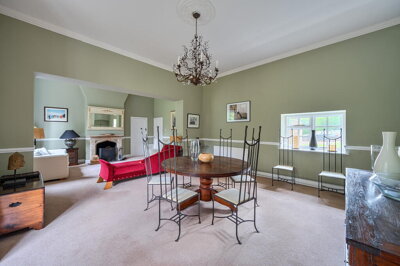
Browse 1 home for sale in Middle Aston from local estate agents.
Studio apartments feature open-plan living spaces without separate bedrooms, incorporating sleeping, living, kitchen, and bathroom facilities. The Middle Aston studio market includes properties in modern apartment complexes, converted Victorian and Georgian buildings, and purpose-built developments.
The Blythburgh property market reflects the broader trends of rural Suffolk, with property values showing a degree of resilience despite wider national fluctuations. Recent data indicates an average house price of £269,125 across all property types, though OnTheMarket reported a slightly higher figure of £311,000 as of early 2026. The market has experienced modest correction, with Rightmove recording a 2% annual decline and OnTheMarket noting a 6.1% decrease over twelve months, suggesting a buyer's market opportunity in this attractive coastal village.
Property types available in Blythburgh include detached homes averaging £246,500, flats at around £227,500, and semi-detached properties reaching £375,000 on average. Notably, Rightmove data reveals that flats constituted the majority of properties sold in Blythburgh over the past year, a pattern that differs from Suffolk county figures where detached properties dominate at 35.8% of sales. The diversity of housing stock means buyers can find everything from traditional Suffolk farmhouses to contemporary conversions. Properties in the Blyth View area have bucked the broader trend, with prices rising 17% year-on-year, indicating strong demand for certain locations within the village.
For context, Suffolk county as a whole saw average prices increase by 1% despite a 14.1% drop in transaction volumes, with 9,700 property sales recorded in the previous twelve months. This reduction in available properties creates a tighter market where well-priced homes in desirable locations like Blythburgh can still attract multiple interested parties. Buyers should be prepared to act decisively when they find a suitable property, while also using market comparables to ensure they are paying a fair price in the current climate.

Blythburgh embodies the quintessential Suffolk village experience, characterised by rolling heathland, ancient woodlands, and proximity to the dramatic Suffolk coastline. The village lies within the Suffolk Coast and Heaths Area of Outstanding Natural Beauty, offering residents immediate access to some of the most stunning landscapes in England. The area is renowned for its birdwatching opportunities, particularly at the nearby Minsmere Nature Reserve, while the village itself features historic architecture including its notable church, which has been a landmark for sailors navigating the coast for centuries.
The local economy benefits from a mix of tourism, agriculture, and small-scale creative enterprises that have established themselves in this attractive rural setting. The village pub serves as a community hub, while nearby towns including Halesworth and Southwold provide additional amenities, supermarkets, and specialist shops. Halesworth, just six miles away, offers a weekly market, independent shops, and a thriving cultural scene including the Norfolk and Suffolk Aviation Museum. Southwold, famed for its traditional pier, brewery, and beach huts, lies within easy reach and draws visitors throughout the year.
Annual events celebrating local produce and maritime heritage draw visitors from across the region, creating a vibrant community atmosphere that belies the village's small population. The combination of natural beauty, strong community spirit, and proximity to both coast and countryside makes Blythburgh particularly appealing to families, retirees, and those seeking a slower pace of life. The village hosts regular community activities including quiz nights, craft fairs, and seasonal celebrations that bring residents together throughout the year.

Families considering a move to Blythburgh will find a selection of educational options within reasonable driving distance. The village itself and surrounding parishes are served by primary schools in nearby communities, with several schools in the wider East Suffolk area consistently achieving favourable Ofsted ratings. Primary education is available at schools in villages such as Wrentham and Wangford, which serve their local communities with classes typically covering Reception through to Year 6. Wrentham Primary School, set in the heart of the village approximately four miles from Blythburgh, serves children from Reception through to Year 6 and has built a reputation for supportive learning environments.
Secondary education options include schools in Halesworth, which offers a comprehensive secondary school serving the Blythburgh area. The,Blythburgh falls within the catchment for several well-regarded secondary schools in the surrounding market towns, where students benefit from broader subject options and extracurricular activities. For families prioritising selective education, the area falls within catchment areas for several well-regarded grammar schools, with admission determined by proximity and selection procedures. The Kings School in Ely and St Albans School are among the options that draw students from across the wider region, though admission is competitive and subject to examination performance.
Sixth form provision is available at nearby secondary schools and colleges in Bungay and Halesworth, providing students with pathways to further education and apprenticeships. East Coast College in Lowestoft and Lowestoft Sixth Form College offer vocational and academic courses respectively, while the University of East Anglia in Norwich is accessible for older students seeking higher education. Parents are advised to verify current school performance data and catchment area boundaries directly with Suffolk County Council, as these can change and vary by property address.
Blythburgh enjoys convenient road connections despite its rural setting, with the A12 trunk road running through nearby villages and providing direct access to Ipswich to the south and Norwich to the north. The village sits approximately 6 miles from the market town of Halesworth, which offers regular bus services connecting to larger settlements including Beccles and Lowestoft. For those commuting to work or accessing services, the road network provides reliable connections, though prospective buyers should note that rural bus services may operate on limited timetables compared to urban areas. The journey to Norwich takes approximately 45 minutes by car, while Ipswich is around an hour's drive depending on traffic conditions.
The nearest railway stations are located in Darsham and Halesworth, offering connections to the East Suffolk line with services to Ipswich and Norwich. Darsham station provides access to Cambridge and London Liverpool Street via Ipswich, with journey times to the capital typically around two and a half hours. The broader rail network is accessible via interchange at Saxmundham or Ipswich, where connections to London Liverpool Street, Norwich, and Cambridge are available. For international travel, Norwich Airport offers flights to European destinations, while Stansted Airport is approximately 90 minutes away by car.
Cyclists will appreciate the scenic country lanes and National Cycle Network routes that connect Blythburgh to surrounding villages and coastal destinations, though the hilly Suffolk terrain requires reasonable fitness. The Suffolk Coast Cycle Route passes through the area, offering spectacular views across the heaths and coastline. For families, the relatively flat terrain within the village itself and along minor roads makes cycling a viable option for local journeys, though care should be taken on busier roads leading to nearby towns.
Spend time exploring the village and surrounding countryside, checking local amenities, travel times to work, school catchment areas, and the condition of properties that match your requirements. Understanding the local market dynamics, including recent sale prices and time-on-market trends, will help you make informed decisions and negotiate effectively. Drive the routes to schools, workplaces, and local shops at different times of day to gauge realistic journey times.
Before viewing properties, obtain a mortgage agreement in principle from a lender or broker. This demonstrates your serious intent to sellers and estate agents, and clarifies your budget range. Our partner brokers can help you compare rates and find the most suitable mortgage product for your circumstances, whether you are a first-time buyer, moving with an existing mortgage, or purchasing with a larger deposit. Given the average property prices in Blythburgh, many buyers will find their mortgage requirements fall within favourable lending brackets.
Work with local estate agents to arrange viewings of properties that meet your criteria. Take notes on property condition, potential maintenance issues, and the neighbourhood atmosphere. Pay attention to factors such as noise from roads, flooding history, and the condition of neighbouring properties, as these can significantly affect your enjoyment and the property's future value. For properties near the River Blyth, ask specifically about flood history and check the Environment Agency flood maps before proceeding.
Once you have had an offer accepted, we strongly recommend commissioning a RICS Level 2 Survey (Homebuyer Report) before proceeding to completion. This survey identifies defects that may not be visible during a viewing, including structural issues, damp, roof condition, and electrical safety concerns. Given that many Blythburgh properties are older rural homes featuring traditional construction, this survey is particularly valuable for identifying potential maintenance requirements and budget implications. Our surveyors are experienced in assessing period properties and will provide detailed guidance on any repairs needed.
Appoint a conveyancing solicitor to handle the legal aspects of your purchase. Your solicitor will conduct searches with East Suffolk Council, check for planning restrictions, flooding risk, and any charges affecting the property. They will handle contracts, coordinate with the seller's solicitor, and guide you through the exchange and completion process. Our conveyancing partners offer competitive fixed fees with no hidden costs and have experience handling rural property transactions across Suffolk.
Once all searches are satisfactory and finance is confirmed, you will exchange contracts and pay your deposit. A typical deposit is 10% of the purchase price, though this is negotiable. Completion usually follows within 7-28 days, when the remaining funds are transferred and you receive the keys to your new Blythburgh home.
Properties in Blythburgh frequently feature traditional construction methods that reflect the village's long history and local building materials. Traditional Suffolk construction frequently features timber frames, thatched or clay tile roofs, and original brick or flint work that requires ongoing maintenance. Understanding these construction methods is essential for buyers, as older properties may require different maintenance approaches compared to modern homes. Many cottages in the village feature lime mortar pointing rather than cement, which allows the structure to breathe and prevents moisture retention.
Timber framing is a common feature in older Blythburgh properties, with oak beams and jointed construction visible in many period homes. While these features contribute significantly to the character and charm of the property, they require periodic inspection for signs of woodworm or rot, particularly in areas where moisture may be present. Our surveyors pay particular attention to these structural elements during a RICS Level 2 Survey, checking for evidence of beetle activity, fungal decay, and any signs of movement that might indicate structural concerns.
Flint and brick construction is also prevalent in the area, particularly in boundary walls, outbuildings, and some older cottages. This combination of materials creates distinctive visual character but can present challenges when carrying out repairs or modifications. Finding craftsmen experienced in flint work can be more difficult than for standard brickwork, and buyers should factor this into any renovation budgets. Original windows in period properties often feature single glazing and sash mechanisms that may require upgrading for energy efficiency, though many buyers choose to retain these features for their authentic character.
Prospective buyers should look for signs of damp, particularly in properties with solid walls or those located near the river, as moisture ingress can cause significant damage if left unaddressed. The proximity to the River Blyth and the damp Suffolk climate means that damp assessment is a critical part of any property survey in the area. Common indicators include tide marks on walls, peeling wallpaper, musty odours, and warped or swollen skirting boards. An experienced surveyor will identify these issues during a Level 2 Survey and provide guidance on remediation.
Flood risk is an important consideration for Blythburgh properties given the village's proximity to the River Blyth and the Suffolk coastline. While not all properties are at risk, low-lying areas and homes near watercourses may experience flooding during periods of heavy rainfall or high tides. We recommend consulting the Environment Agency's flood maps for specific property locations and checking whether the property has any flood history. Properties in flood risk areas may face higher insurance premiums and may require specific precautions during extreme weather events.
Energy efficiency varies considerably across the rural housing stock, with older period properties often requiring upgrades to insulation, heating systems, and windows to meet modern standards. Many Blythburgh homes retain original features such as exposed beams, fireplaces, and traditional floorboards that contribute to their character but may impact thermal performance. An EPC assessment will provide a clear picture of the property's current energy rating and highlight potential improvement works that could reduce future energy costs.
Electrical and plumbing systems in older properties may not meet current standards and could require updating. Many period homes still operate with older fuse boxes, fabric-wired electrical systems, and lead or galvanised steel plumbing that should be inspected by a qualified electrician and plumber. Our RICS Level 2 Survey includes an electrical safety overview and will flag any concerns that warrant further investigation by specialists before you proceed with your purchase.
The average house price in Blythburgh is currently around £269,125 according to Rightmove and Zoopla data, though OnTheMarket reported a slightly higher average of £311,000 as of early 2026. Property prices vary significantly by type, with flats averaging £227,500, detached properties at £246,500, and semi-detached homes reaching approximately £375,000. The market has experienced modest corrections over the past year, with overall prices down 2-6% depending on the data source, creating potential opportunities for buyers in this attractive coastal village. It is worth noting that properties in the Blyth View area have bucked this trend with 17% annual price growth, suggesting certain micro-locations within the village command premium prices.
Properties in Blythburgh fall under East Suffolk Council's jurisdiction for council tax purposes. Council tax bands in the area range from Band A for smaller properties through to Band H for the most valuable homes, with the majority of standard family homes typically falling within Bands B to D. Prospective buyers should check the specific banding for any property they are considering, as this affects ongoing annual costs. East Suffolk Council sets the tax rates annually, and Band D properties currently pay around £1,800-£1,950 per year depending on specific parish precepts. Given that many Blythburgh properties are period cottages of modest size, Band A and B are common for smaller dwellings, while larger detached homes or properties with significant land may fall into higher bands.
The Blythburgh area is served by several primary schools in nearby villages including Wrentham and Wangford, many of which have achieved Good or Outstanding Ofsted ratings. Wrentham Primary School, approximately four miles from the village centre, serves children from Reception through Year 6 and benefits from small class sizes thanks to its village setting. Secondary education is available at schools in Halesworth, which serve the wider catchment area and offer a broader range of GCSE subjects and extracurricular activities. For families interested in grammar school options, several selective schools in the region accept applications from Blythburgh residents, subject to catchment boundaries and entrance assessments. Parents should verify current school performance data and confirm catchment eligibility with Suffolk County Council before purchasing.
Blythburgh is a rural village where private transport is the primary means of getting around, though public options are available for those without a car. Bus services operated by local providers connect the village to Halesworth, Southwold, and other nearby towns, with services typically running hourly during daytime hours on weekdays. The nearest railway stations at Darsham and Halesworth offer connections on the East Suffolk line, providing access to Ipswich and Norwich with onward links to London Liverpool Street. Darsham station, approximately five miles from Blythburgh, offers direct services to London Liverpool Street via Ipswich with a journey time of around two and a half hours. The village is approximately 90 minutes from Stansted Airport by car via the A12 and M11.
Blythburgh offers several factors that may appeal to property investors, including its location within an Area of Outstanding Natural Beauty, proximity to the Suffolk coastline, and strong demand for rental properties in the wider area. The village's tourism economy and appeal to second-home buyers suggest continued interest in the local market, with visitors drawn to the area for walking, birdwatching, and coastal pursuits. The area around Southwold and the wider Suffolk Heritage Coast sees consistent demand for holiday lets, and Blythburgh's positioning within this desirable corridor could offer similar opportunities. However, investors should consider factors including flood risk for certain properties, the rural nature of the area which limits rental demand, and the potential for limited capital growth given recent price corrections. As with any property investment, thorough research into local rental yields, demand trends, and ongoing costs is essential before committing.
Stamp Duty Land Tax rates for standard purchases in England are 0% on the first £250,000 of property value, 5% on £250,001 to £925,000, 10% on £925,001 to £1.5 million, and 12% on any value above £1.5 million. For first-time buyers, the nil-rate threshold is increased to £425,000, with 5% charged between £425,001 and £625,000. Given that most Blythburgh properties are valued below £425,000, many buyers will benefit from first-time buyer relief, potentially saving thousands of pounds in SDLT. Additional 3% surcharges apply for second homes and investment properties. With the average property price in Blythburgh at £269,125, most standard purchases by first-time buyers would attract zero SDLT, making this an unusually cost-effective location for those entering the property market.
The primary risks to consider when purchasing in Blythburgh include flood risk given the proximity to the River Blyth and coastal waters, which can affect insurance costs and property values in affected areas. The village sits on low-lying ground near the river estuary, and properties in the lowest areas may experience flooding during exceptional weather events or high tides. Older properties may require significant maintenance investment, with common issues including damp due to age or river proximity, timber defects such as woodworm or rot, outdated electrical systems, and roof repairs where traditional materials have deteriorated. Rural properties may also face challenges with septic tanks, private water supplies, or off-grid heating systems that differ from standard urban homes and carry their own maintenance responsibilities and regulatory requirements. A thorough RICS Level 2 Survey will identify these issues before you commit to purchase, giving you the information needed to make an informed decision or renegotiate the price if significant defects are discovered.
Blythburgh features several buildings of historical significance, including the notable Grade I listed church of St. Mary, which has served as a landmark for mariners navigating the Suffolk coast for centuries. The village contains a number of historic cottages and farmhouses that may be listed or located within areas of heritage interest. Listed buildings or properties in conservation areas require specialist consideration during purchase, as any alterations or renovations may need Listed Building Consent from East Suffolk Council in addition to standard planning permission. Buyers considering properties with listed status should factor in the additional costs and constraints this may involve, including requirements to use appropriate materials and traditional techniques for any repairs.
From 4.5%
Compare mortgage rates from leading lenders for your Blythburgh purchase
From £499
Expert conveyancing solicitors to handle your property purchase
From £350
Detailed survey to identify defects in your new home
From £60
Energy performance certificate for your property
Understanding the full costs of purchasing property in Blythburgh is essential for budgeting effectively. Beyond the property price, buyers should budget for Stamp Duty Land Tax, solicitor fees typically ranging from £500-£1,500 for conveyancing, survey costs of £350-£600 for a RICS Level 2 Survey, and Land Registry fees of approximately £300-£500. Additional costs include mortgage arrangement fees, valuation fees, and search fees with East Suffolk Council. Buildings insurance should be arranged from the point of exchange, and you will need to budget for removal costs and any immediate repairs or furnishings for your new home.
For first-time buyers purchasing properties up to £425,000, no Stamp Duty is payable on the first £425,000, making Blythburgh an attractive option for those entering the property market. With the average property price in Blythburgh at £269,125, the majority of properties on the market fall comfortably within the first-time buyer nil-rate threshold, potentially saving buyers thousands of pounds compared to purchasing in more expensive areas. Properties priced between £425,001 and £625,000 incur 5% SDLT on that portion, while the highest-value properties in the village may attract SDLT at the higher rate bands if they exceed £925,000.
However, buyers purchasing as second homes or investment properties should budget for an additional 3% SDLT surcharge on the full purchase price, which can add significantly to overall costs. For a £269,125 investment property, this would add approximately £8,074 to the SDLT bill, bringing total SDLT to £8,074 compared to zero for a primary residence. Removal costs, particularly for those moving from urban areas, may also be higher given the logistics of accessing rural properties, and buyers should obtain quotes from several providers before committing to a purchase.
Properties for Sale In London

Properties for Sale In Plymouth

Properties for Sale In Liverpool

Properties for Sale In Glasgow

Properties for Sale In Sheffield

Properties for Sale In Edinburgh

Properties for Sale In Coventry

Properties for Sale In Bradford

Properties for Sale In Manchester

Properties for Sale In Birmingham

Properties for Sale In Bristol

Properties for Sale In Oxford

Properties for Sale In Leicester

Properties for Sale In Newcastle

Properties for Sale In Leeds

Properties for Sale In Southampton

Properties for Sale In Cardiff

Properties for Sale In Nottingham

Properties for Sale In Norwich

Properties for Sale In Brighton

Properties for Sale In Derby

Properties for Sale In Portsmouth

Properties for Sale In Northampton

Properties for Sale In Milton Keynes

Properties for Sale In Bournemouth

Properties for Sale In Bolton

Properties for Sale In Swansea

Properties for Sale In Swindon

Properties for Sale In Peterborough

Properties for Sale In Wolverhampton

Enter your details to see if this property is within your budget.
Loans, cards, car finance
Estimated property budget
Borrowing + deposit
You could borrow between
Typical borrowing
Monthly repayment
Est. at 4.5%
Loan-to-value
This is an estimate only. Your actual budget may vary depending on interest rates, credit history, and personal circumstances. For an accurate affordability assessment, speak to one of our free mortgage advisors.
This calculator provides estimates for illustrative purposes only and does not constitute financial advice. Your home may be repossessed if you do not keep up repayments on your mortgage. Estimates based on 4.5% interest rate, repayment mortgage. Actual rates depend on your circumstances.
Homemove is a trading name of HM Haus Group Ltd (Company No. 13873779, registered in England & Wales). Homemove Mortgages Ltd (Company No. 15947693) is an Appointed Representative of TMG Direct Limited, trading as TMG Mortgage Network, which is authorised and regulated by the Financial Conduct Authority (FRN 786245). Homemove Mortgages Ltd is entered on the FCA Register as an Appointed Representative (FRN 1022429). You can check registrations at NewRegister or by calling 0800 111 6768.

We use cookies to show you personalised content and improve your experience of our website. Find out more in our Privacy policy and Cookie policy.