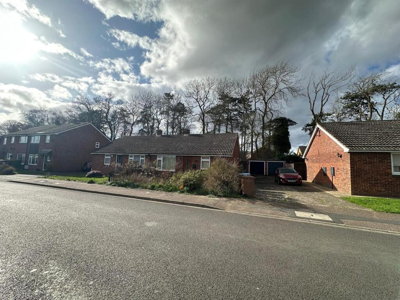
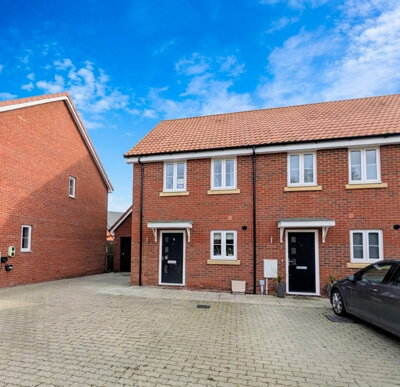
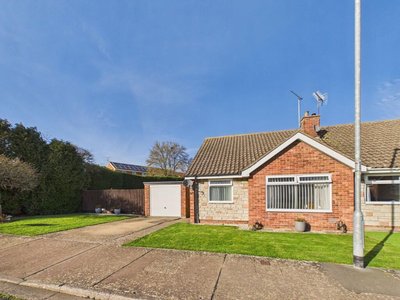
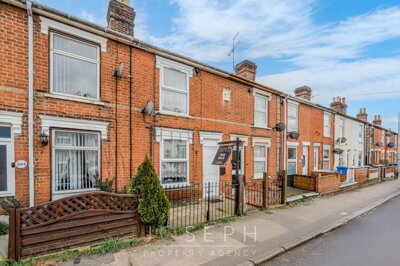
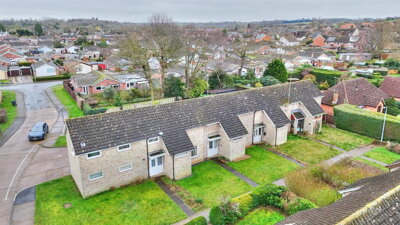
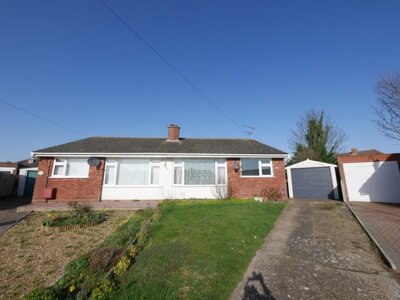
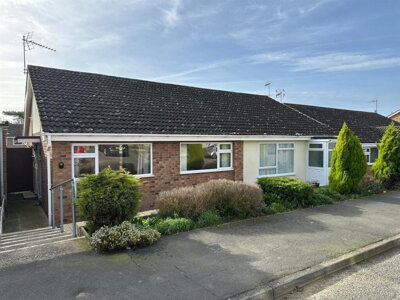
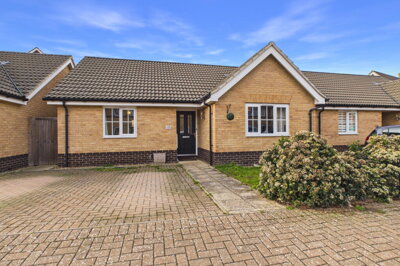
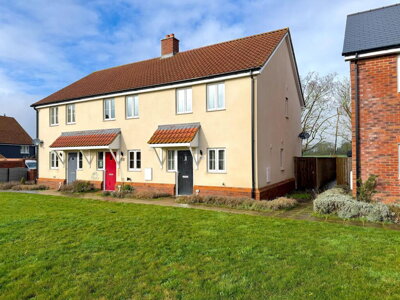
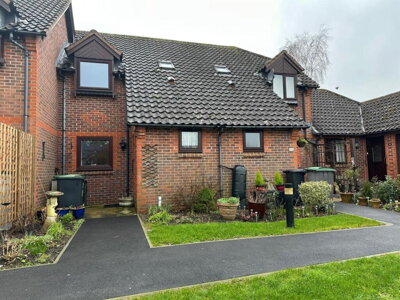
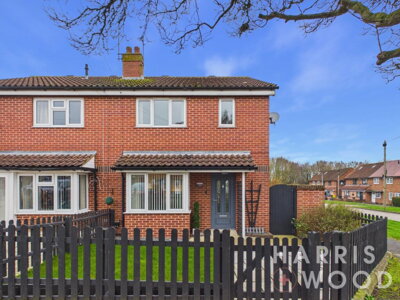
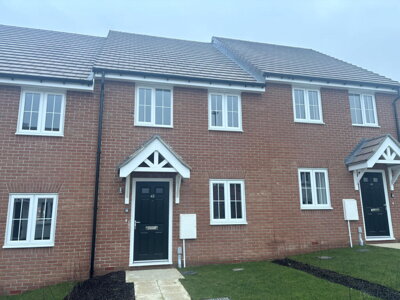
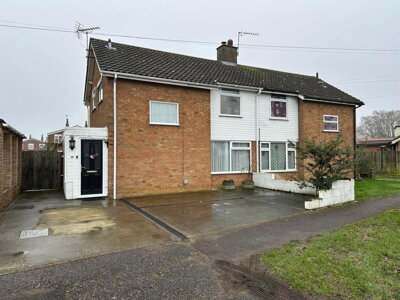
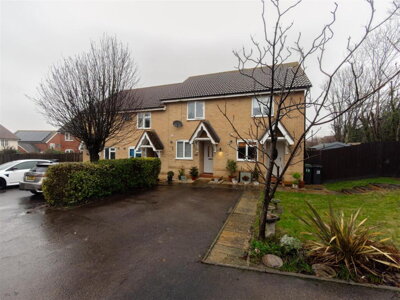
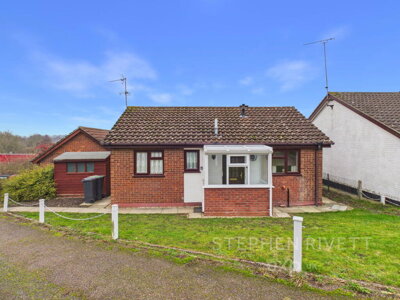
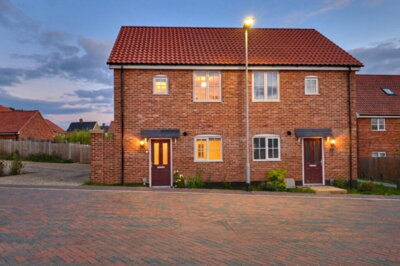
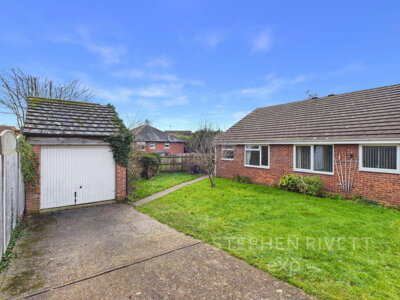
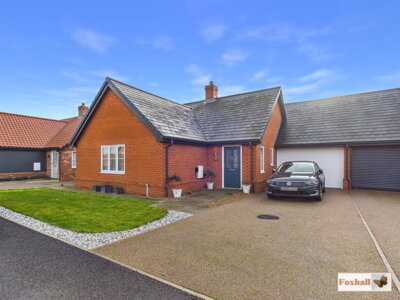
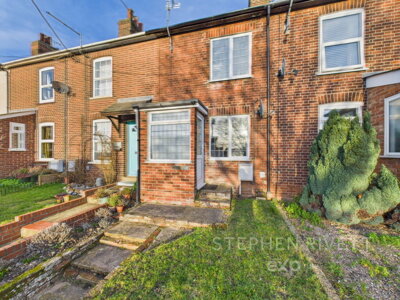
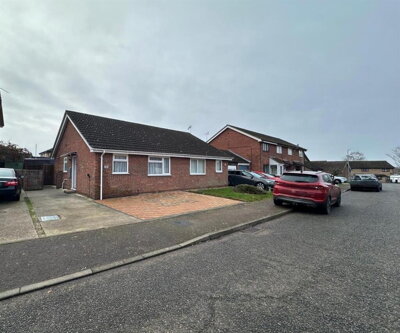
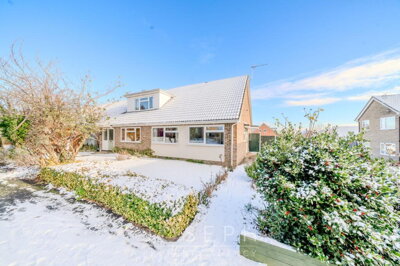
Browse 578 homes for sale in Mid Suffolk from local estate agents.
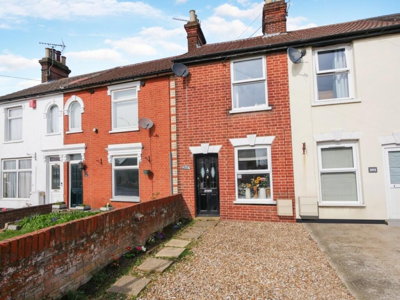
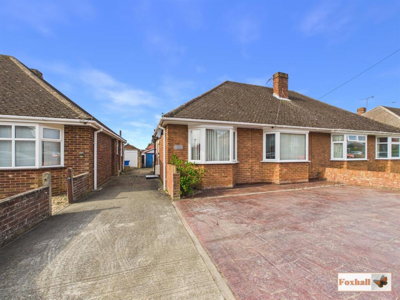
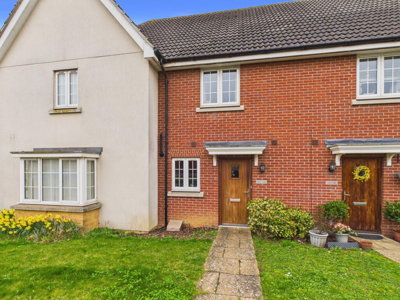
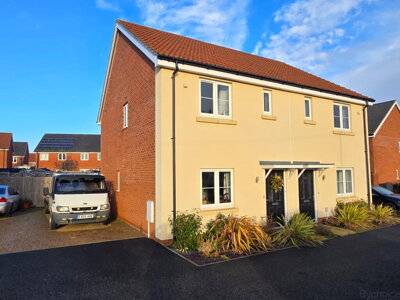
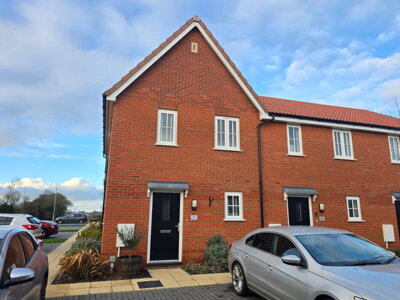
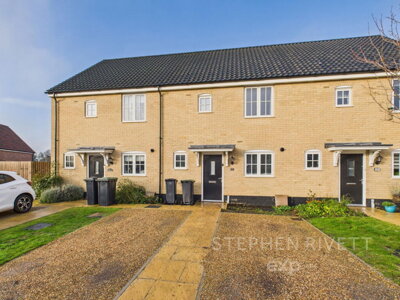
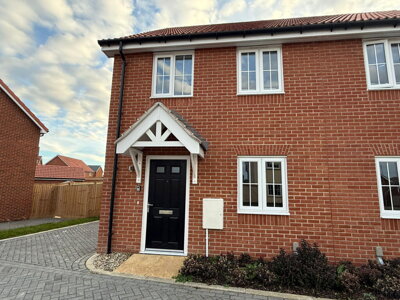
The 2 bed house market features detached, semi-detached, and terraced properties with two separate bedrooms plus living spaces. Properties in Mid Suffolk range from Victorian and Edwardian period homes to modern new builds, with pricing varying across different neighbourhoods.
The Mid Suffolk property market presents a compelling opportunity for buyers seeking rural living without the premium prices found in more metropolitan areas. As of late 2025, the district's average house price stands at £319,000 according to provisional Office for National Statistics data, with OnTheMarket reporting figures of £335,000 in early 2026. Property prices have shown resilience with a 5.2% annual increase recorded by the ONS for the year to December 2025, demonstrating sustained demand despite broader market fluctuations. The market saw 1,336 sales transactions in the twelve months to February 2026, though this represents a quieter period following the heightened activity of previous years.
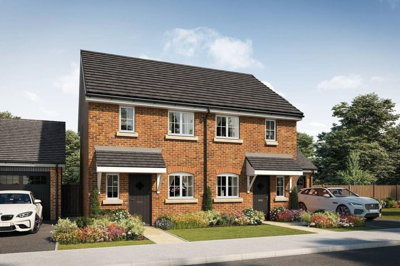
Property types in Mid Suffolk reflect the area's predominantly rural character, with detached homes commanding the highest average prices at £443,000. Semi-detached properties average £280,000 while terraced homes are more accessible at around £225,000. Flats and maisonettes represent the most affordable entry point at approximately £143,000. Semi-detached properties showed particularly strong performance, rising 6.4% in the year to December 2025, while flats also increased by 1.9%. New build activity in the wider Suffolk county saw 476 newly built properties sold, representing 4.9% of total sales, with the IP14 postcode district within Mid Suffolk recording the highest concentration of new home sales in the county at 37 transactions. The average price for newly built properties across Suffolk was £392,000, showing strong demand for modern homes in the region.
First-time buyers will find Mid Suffolk particularly accessible, with many properties priced below the £425,000 threshold for first-time buyer SDLT relief. The combination of relative affordability, consistent price growth and a diverse housing stock ranging from medieval timber-framed cottages to contemporary developments makes Mid Suffolk an attractive proposition for those looking to enter the property market in a desirable rural location. The area's strong community ties, quality schools and convenient transport links further enhance its appeal to buyers at every stage of their property journey.

Mid Suffolk encompasses a distinctive landscape characterised by rolling farmland, ancient woodlands and the gentle valleys carved by rivers including the River Dove and River Gipping. The district's geology features Cenozoic sedimentary deposits with areas of superficial deposits over solid bedrock, creating the classic Suffolk countryside that has defined the region for centuries. Many villages here date back to medieval times, their layouts still shaped by agricultural needs and historic trade routes. The combination of working farmland, small woodlands and wetland areas creates important habitats for wildlife, making the district popular with nature enthusiasts and those seeking an active outdoor lifestyle.
The market towns of Stowmarket, Needham Market, Eye and Debenham serve as local service centres providing residents with weekly markets, independent shops, traditional pubs and essential services. Stowmarket, the largest town in the district, offers comprehensive shopping facilities, healthcare services and recreational amenities including the Museum of East Anglian Life and the historic Milton's Cottage. The Haughley business parks situated along the A14 corridor provide employment opportunities in distribution and light manufacturing, while the surrounding villages support a network of farm shops, artisan producers and rural enterprises that contribute to Mid Suffolk's thriving local economy.
Community life in Mid Suffolk revolves around its market towns and villages, with regular events including the Stowmarket Summer Fete, Eye Carnival and various village harvest festivals bringing residents together throughout the year. The area benefits from several golf clubs, fishing lakes and countryside walks, while the proximity to the Suffolk Heritage Coast makes day trips to Aldeburgh and Southwold readily accessible. Many residents appreciate the balance between rural tranquility and urban accessibility that Mid Suffolk uniquely provides, with the district maintaining a strong agricultural economy while offering modern conveniences through its market towns and improved digital connectivity across even the smallest villages.

Education provision in Mid Suffolk serves families across all age groups, with primary schools scattered throughout the district's villages and market towns. Stowmarket Primary School and surrounding village primary schools provide early years and Key Stage 1 education, with many schools maintaining good or outstanding Ofsted ratings. The rural nature of the district means that primary schools often serve small catchment areas, creating close-knit school communities where teachers and parents develop strong working relationships. Several primary schools across Mid Suffolk benefit from recent investments in facilities, though parents should verify current Ofsted reports and catchment area boundaries when considering properties for purchase.
Secondary education in Mid Suffolk is centred on Stowmarket, where Stowupland High School and Stowmarket High School provide education for students aged 11-16. These schools offer a range of GCSE courses and have been subject to ongoing development to improve facilities and curriculum provision. Stowupland High School, situated in the village of Stowupland just outside Stowmarket, serves a wide catchment area covering much of the northern part of the district. For sixth form education, students may attend Stowmarket Sixth Form College or travel to Bury St Edmunds or Ipswich for broader A-level offerings, with several students each year securing places at selective grammar schools in those nearby towns.
Parents researching the area should note that school performance figures and admission policies change regularly, making it essential to check current information with Suffolk County Council's education department and individual schools before committing to a property purchase. Private education options in the wider area include notable preparatory and senior schools in Bury St Edmunds and Ipswich, accessible to families willing to travel. The presence of quality educational facilities throughout Mid Suffolk, combined with the reasonable property prices compared to more metropolitan areas, makes the district particularly attractive to families looking to balance educational opportunities with the benefits of rural living.
Mid Suffolk benefits from excellent road connections that make commuting to major employment centres straightforward for residents with cars. The A14 trunk road runs through the district connecting Felixstowe port with Cambridge and the national motorway network, providing crucial links for those working in logistics, distribution and manufacturing sectors. Journey times from Stowmarket to Ipswich take approximately 35 minutes, while Bury St Edmunds is reachable in around 25 minutes. The A140 provides north-south connectivity through the district, linking Mid Suffolk with Norwich to the north. Traffic conditions on these routes are generally manageable compared to urban areas, though peak hours can see increased volumes on approaches to larger towns.
Rail services from Stowmarket station provide direct connections to Cambridge and London Liverpool Street, with journey times to the capital taking approximately 90 minutes. This rail link makes Mid Suffolk viable for commuters working in London who wish to enjoy countryside living during the rest of the week. The station has undergone improvements in recent years, with better passenger facilities and car parking provisions including season ticket availability for regular commuters. Bus services operated by Suffolk County Council connect smaller villages with market towns, though frequencies are limited on less populated routes, making car ownership practically essential for many residents in outlying areas.
Cycling infrastructure varies across the district, with some traffic-free routes available on former railway lines including parts of the old Mid Suffolk Light Railway path. The rural road network requires careful navigation for cyclists given the narrow lanes and occasional heavy agricultural traffic, though more confident riders can enjoy scenic routes through the countryside. For air travel, Stansted Airport is approximately 60 miles away with good road access via the M11, while Norwich Airport offers domestic and European flights within reasonable driving distance for residents in the northern parts of the district.
Spend time exploring different villages and market towns within Mid Suffolk to find the community that best suits your lifestyle. Consider proximity to schools, transport links, amenities and property types. Use Homemove to set up property alerts for new listings matching your criteria. The area spans from the agricultural heartland around Haughley to the picturesque villages of Debenham and Eye, each offering different character and practical advantages.
Contact a mortgage broker to obtain an Agreement in Principle before viewing properties. This strengthens your position when making offers and demonstrates to sellers that you are a serious buyer with financing in place. Mid Suffolk properties at various price points will have different mortgage requirements, from compact terraced homes around £225,000 to substantial detached properties exceeding £440,000. Local brokers familiar with the Suffolk property market can advise on products suited to rural properties.
View multiple properties across different locations within Mid Suffolk to compare value, condition and potential. Take notes on property age, construction type and any signs of structural issues. Properties in conservation areas or with listed status may have additional considerations that affect renovation plans and future maintenance budgets. The mix of period properties, modern estates and village homes means buyers have genuine variety to explore.
Before purchasing, arrange a RICS Level 2 Survey to assess the property's condition. This is particularly important for older properties common in Mid Suffolk, where issues such as damp, timber defects, roof condition and potential subsidence from clay soils may be present. Properties with timber frames, those near watercourses with flood risk, and historic buildings all benefit from professional survey assessment before commitment.
Appoint a solicitor experienced in Suffolk property transactions to handle the legal process. They will conduct searches, review contracts, handle Land Registry registration and manage the transfer of funds through to completion. Searches specific to Mid Suffolk include local authority searches with Mid Suffolk District Council, environmental searches covering flood risk and land contamination, and water and drainage searches that are particularly important for rural properties relying on private water supplies or septic systems.
Once all searches are satisfactory and financing is confirmed, you will exchange contracts and pay your deposit. Completion typically follows within weeks, when the remaining funds are transferred and you receive the keys to your new Mid Suffolk home. The conveyancing timeline varies but typically runs eight to twelve weeks from offer acceptance to completion for standard transactions.
Properties in Mid Suffolk span a wide range of ages and construction types, from medieval timber-framed cottages to modern brick-built homes. Many older properties feature traditional timber frames with rendered or brick infill, while Victorian and Edwardian houses typically have solid brick construction with slate or clay tile roofs. Understanding the construction type is essential for assessing potential maintenance requirements and future renovation possibilities. Properties in conservation areas, such as those found in Eye, Debenham and parts of Stowmarket, are subject to stricter planning controls that affect permitted development rights and renovation options.
The clay-rich soils prevalent in parts of Suffolk create a shrink-swell risk that can affect property foundations, particularly during periods of drought or heavy rainfall. Buyers should look for signs of subsidence or structural movement, including cracking to walls, sticking doors or windows, and uneven floors. A thorough RICS Level 2 Survey will identify these concerns and assess their severity. River and surface water flooding also present considerations in some locations, as the River Dove, River Gipping and their tributaries run through the district. Requesting flood risk information from the Environment Agency and reviewing local drainage history can inform your purchase decision.
Leasehold properties, while less common in this rural district than in urban areas, do exist particularly in newer developments and conversions. Buyers should carefully examine ground rent terms, service charges and any extension or freehold enfranchisement provisions before proceeding. Properties with long Rural Enterprise Housing Association tenancies or agricultural occupancy conditions may carry restrictions that limit future saleability or mortgageability. Listed buildings require specialist surveys and buyers should budget for potentially higher maintenance costs given the requirements to use appropriate materials and traditional building methods for any repairs.
The age of the electrical and plumbing systems deserves particular attention in Mid Suffolk's older properties. Rewiring may be required for properties built before the 1960s, while original heating systems often prove inefficient by modern standards. Properties with solid walls rather than cavity walls may require specialist insulation solutions that preserve the building's character while improving energy performance. Budgeting for these potential improvements helps buyers avoid unexpected costs after purchase.
The average house price in Mid Suffolk was £335,000 according to OnTheMarket data from February 2026, with provisional Office for National Statistics figures showing £319,000 for December 2025. Detached properties average £443,000, semi-detached homes around £280,000, terraced properties approximately £225,000 and flats £143,000. Property prices increased by 5.2% year-on-year according to ONS data, though recent months have shown some stabilisation following the high activity levels of previous years. The 1,336 sales recorded in the twelve months to February 2026 reflects a quieter market, down significantly from the heightened volumes seen in earlier periods, suggesting more balanced conditions between buyer demand and available stock.
Properties in Mid Suffolk fall under Mid Suffolk District Council for council tax purposes. Bands range from A through to H, with most detached family homes in rural villages falling into bands D to F. Specific bands depend on the property's assessed value, and buyers should check with Mid Suffolk District Council or the Valuation Office Agency for exact banding on any property they are considering purchasing. Council tax bills typically include charges for Suffolk County Council services, Mid Suffolk District Council services and local police and fire authorities, with total bills varying considerably depending on the property band.
Mid Suffolk offers a range of primary schools across its villages and market towns, many of which maintain good Ofsted ratings. Secondary education is primarily provided by Stowupland High School and Stowmarket High School in the district's main town. Parents should research current Ofsted reports, examination results and admission catchment areas, as these factors can significantly influence educational outcomes and are subject to annual changes. Sixth form students may need to travel to Bury St Edmunds or Ipswich for broader A-level choices, with several students each year progressing to sixth form colleges in those larger towns that offer more extensive subject options and extracurricular activities.
Rail services from Stowmarket station provide direct connections to Cambridge and London Liverpool Street, with London journeys taking approximately 90 minutes. Bus services operated by Suffolk County Council connect villages with market towns, though frequencies on less populated routes can be limited. The A14 provides excellent road connectivity to Ipswich, Bury St Edmunds and the wider motorway network. Residents without cars should factor transport availability into their location choices within the district, as bus services connecting villages to Stowmarket and other market towns typically operate on reduced frequencies during evenings and weekends.
Mid Suffolk offers several factors that make it attractive for property investment, including the 5.2% annual price increase demonstrating sustained demand and relative affordability compared to metropolitan areas that creates potential for long-term capital growth. The district attracts rental demand from commuters working in Ipswich or Bury St Edmunds, rural workers employed in the local agricultural economy, and families seeking village lifestyles with good schools. Properties in conservation areas or with unique character such as listed timber-framed cottages may hold special appeal to tenants seeking authentic rural accommodation, though investors should consider factors such as flood risk in certain locations, planning restrictions affecting renovations, and potentially higher maintenance costs for older properties when calculating rental yields and management requirements.
Stamp Duty Land Tax rates for standard purchases are 0% on the first £250,000, 5% on £250,001 to £925,000, 10% on £925,001 to £1.5 million and 12% on amounts exceeding £1.5 million. First-time buyers benefit from relief on the first £425,000, with 5% charged between £425,001 and £625,000. Given Mid Suffolk's average price of £335,000, most purchases would incur no stamp duty for first-time buyers, while other buyers would pay 5% on £85,000, equalling £4,250. Always verify current thresholds with HMRC as these can change in each financial year, and consider consulting a solicitor or tax adviser for transactions above £625,000 where higher rates apply.
Mid Suffolk's inland position means coastal flooding is not a concern, but river and surface water flooding require consideration during property searches. The River Dove, River Gipping and their tributary streams run through the district, creating floodplains that can affect properties in valleys and lower-lying areas. Surface water flooding occurs when heavy rainfall overwhelms drainage systems, particularly in villages with older drainage infrastructure. The Environment Agency provides detailed flood risk information through its online mapping tool, and buyers should request this data alongside local knowledge from estate agents and residents about previous flooding incidents before committing to a purchase in vulnerable locations.
From 4.5% APR
From 4.5% APR, secure financing for your Mid Suffolk property purchase
From £499
Expert solicitors handling your Mid Suffolk property transaction
From £350
Professional condition survey for your Mid Suffolk property
From £80
Energy performance certificate for your Mid Suffolk property
Understanding the full costs of purchasing property in Mid Suffolk is essential for budgeting effectively. Beyond the property purchase price, buyers should budget for Stamp Duty Land Tax, which for most properties in Mid Suffolk represents a modest sum given the district's average price of £335,000. First-time buyers purchasing properties up to £425,000 pay no SDLT, making Mid Suffolk an accessible option for those entering the property market. Standard buyers purchasing at the average price would pay approximately £4,250 in stamp duty at the current 5% rate on the portion between £250,000 and £335,000. Properties priced above £625,000 would attract higher rates, with the first-time buyer relief tapering for amounts between £425,001 and £625,000.
Additional buying costs include solicitor conveyancing fees, which typically range from £500 to £1,500 depending on complexity and whether the property is freehold or leasehold. Survey costs vary by property type and value, with RICS Level 2 Surveys starting from around £350 for modest properties and rising to £800 or more for larger homes. Searches specific to Mid Suffolk include local authority searches with Mid Suffolk District Council, environmental searches covering flood risk and land contamination, and water and drainage searches. Mortgage arrangement fees typically range from zero to £2,000 depending on the lender and product chosen. Removal costs, mortgage broker fees and any renovation or repair costs should also be factored into your total budget when calculating what you can afford in Mid Suffolk's property market.
Properties for Sale In London

Properties for Sale In Plymouth

Properties for Sale In Liverpool

Properties for Sale In Glasgow

Properties for Sale In Sheffield

Properties for Sale In Edinburgh

Properties for Sale In Coventry

Properties for Sale In Bradford

Properties for Sale In Manchester

Properties for Sale In Birmingham

Properties for Sale In Bristol

Properties for Sale In Oxford

Properties for Sale In Leicester

Properties for Sale In Newcastle

Properties for Sale In Leeds

Properties for Sale In Southampton

Properties for Sale In Cardiff

Properties for Sale In Nottingham

Properties for Sale In Norwich

Properties for Sale In Brighton

Properties for Sale In Derby

Properties for Sale In Portsmouth

Properties for Sale In Northampton

Properties for Sale In Milton Keynes

Properties for Sale In Bournemouth

Properties for Sale In Bolton

Properties for Sale In Swansea

Properties for Sale In Swindon

Properties for Sale In Peterborough

Properties for Sale In Wolverhampton

Enter your details to see if this property is within your budget.
Loans, cards, car finance
Estimated property budget
Borrowing + deposit
You could borrow between
Typical borrowing
Monthly repayment
Est. at 4.5%
Loan-to-value
This is an estimate only. Your actual budget may vary depending on interest rates, credit history, and personal circumstances. For an accurate affordability assessment, speak to one of our free mortgage advisors.
This calculator provides estimates for illustrative purposes only and does not constitute financial advice. Your home may be repossessed if you do not keep up repayments on your mortgage. Estimates based on 4.5% interest rate, repayment mortgage. Actual rates depend on your circumstances.
Homemove is a trading name of HM Haus Group Ltd (Company No. 13873779, registered in England & Wales). Homemove Mortgages Ltd (Company No. 15947693) is an Appointed Representative of TMG Direct Limited, trading as TMG Mortgage Network, which is authorised and regulated by the Financial Conduct Authority (FRN 786245). Homemove Mortgages Ltd is entered on the FCA Register as an Appointed Representative (FRN 1022429). You can check registrations at NewRegister or by calling 0800 111 6768.

We use cookies to show you personalised content and improve your experience of our website. Find out more in our Privacy policy and Cookie policy.