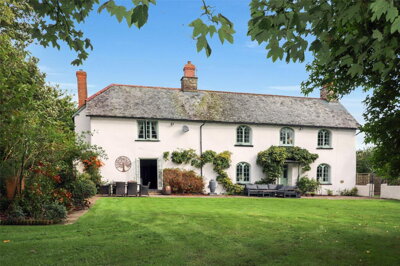
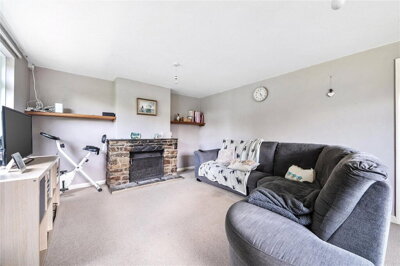
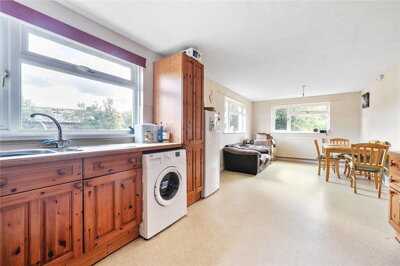
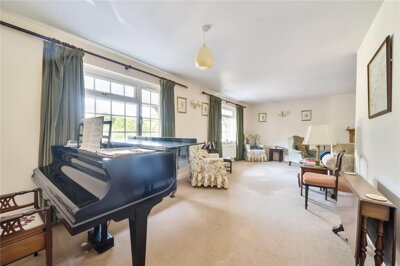
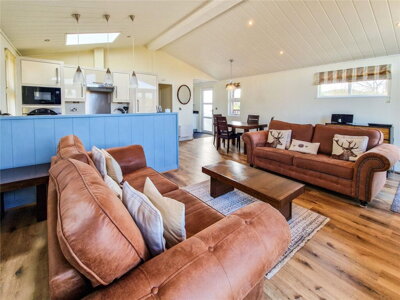
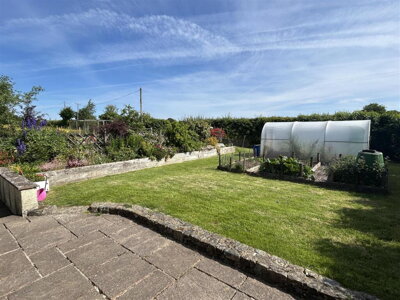
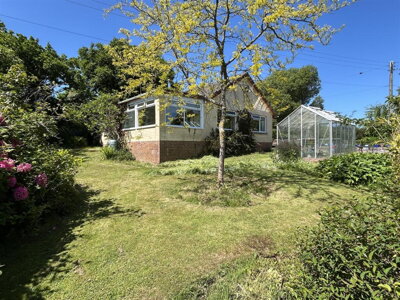
Browse 8 homes for sale in Meshaw, North Devon from local estate agents.
The Meshaw property market offers detached, semi-detached, and terraced houses spanning various price ranges and neighbourhoods. Each listing includes detailed property information, photographs, and direct contact with the marketing agent.
£450k
1
0
270
Source: home.co.uk
Showing 1 results for Houses for sale in Meshaw, North Devon. The median asking price is £450,000.
Source: home.co.uk
Detached
1 listings
Avg £450,000
Source: home.co.uk
Source: home.co.uk
The Little Dunham property market reflects the character of this rural Norfolk village, with detached homes commanding the highest prices at an average of £430,000. These spacious properties often feature traditional Norfolk construction methods, including brick and flint walls that are characteristic of the Breckland region. Semi-detached properties in the village average £280,000, offering excellent value for families seeking generous living spaces without the premium associated with detached homes. The market recorded 10 property sales in the twelve months to February 2026, demonstrating consistent activity despite the village's modest size.
Terraced properties in Little Dunham provide an accessible entry point to the local market, with average prices around £200,000. These homes often feature the traditional architecture found throughout Norfolk villages, with characteristic brick facades and well-proportioned rooms that make efficient use of space. The modest volume of sales reflects both the limited housing stock available in a small village and the tendency for properties to change hands less frequently than in urban areas. When properties do come to market, they tend to attract interest from buyers seeking the tranquility and community spirit that villages like Little Dunham offer.
The housing stock in Little Dunham spans several eras of construction, from historic properties predating 1919 through to post-war builds from 1945 to 1980 and more recent developments constructed after 1980. Many of the older properties feature solid brick or flint walls, timber floors, and pitched roofs clad with traditional clay tiles or slate. These construction methods, while offering excellent character and thermal mass, require regular maintenance and may show signs of wear that warrant professional inspection before purchase. Understanding the age and construction of a property is crucial when budgeting for potential maintenance or renovation costs in this rural Norfolk village.

Life in Little Dunham centres around the peaceful rhythms of rural Norfolk, where community connections run deep and the pace of life offers a welcome respite from urban pressures. The village sits within Breckland, a district known for its distinctive landscape of heathland, forest, and farmland that has shaped the local character for centuries. Residents enjoy access to scenic walking routes through the surrounding countryside, with the Norfolk Broads accessible to the north and the historic city of Norwich within easy reach for day trips and cultural outings.
The local economy of Little Dunham and the surrounding Breckland area draws from diverse sources, including agriculture, local services, and tourism associated with Norfolk's visitor attractions. Employment opportunities extend to nearby market towns such as Swaffham and Dereham, where residents access retail, healthcare, and administrative roles. Many residents also commute to Norwich, approximately 25 miles away, taking advantage of the broader job market while returning to the tranquility of village life each evening.
The village itself retains essential character through its historic church, traditional buildings constructed from Norfolk brick and flint, and the warm atmosphere that defines community living in rural England. The geology of the Breckland region includes chalk bedrock often overlain by glacial tills, sands, and gravels, which influence both the local landscape and the construction methods used in traditional Norfolk buildings. Surface water drainage in the area can present challenges during heavy rainfall due to the flat topography characteristic of this part of Norfolk, a factor that prospective buyers should consider when assessing individual properties.

Families considering a move to Little Dunham will find educational provision available in the surrounding Breckland area, with primary schools serving the local villages and secondary education accessed through nearby market towns. The village's small population means that primary school-aged children typically travel to schools in neighbouring communities, with school transport arrangements supported by Norfolk County Council for families living in rural areas. Parents are advised to research specific school performance data and catchment areas through the Ofsted website to identify the most suitable options for their children's education.
Secondary education in the region is centred on market towns including Swaffham and Dereham, where schools offer comprehensive curricula and sixth form provision for older students. Swaffham has a well-established secondary school serving the surrounding villages, while Dereham offers additional options for families seeking diverse educational pathways. Norfolk has several well-regarded grammar schools, and families interested in this educational pathway should investigate admission arrangements and exam selection processes well in advance of relocation.
Further and higher education opportunities are readily accessible in Norwich, home to the University of East Anglia and Norwich University of the Arts, providing extensive options for older children and young adults pursuing academic or vocational qualifications. The proximity of these institutions makes Little Dunham an attractive location for families planning for the long term, offering educational pathways from primary school through to university without requiring relocation to a major urban centre.
Transport connections from Little Dunham reflect its rural village character, with private vehicle travel forming the primary means of accessing wider amenities and employment centres. The village is situated approximately 8 miles from the market town of Swaffham, which provides essential shopping facilities, healthcare services, and transport links. Norwich lies approximately 25 miles to the east, offering comprehensive retail, cultural, and employment opportunities accessible via the A47 and A11 roads that connect Breckland to the regional capital.
Public transport options serving Little Dunham include bus services connecting the village to surrounding towns, though frequencies may be limited compared to urban routes. The village's position means that residents generally rely on private vehicles for regular commuting and shopping trips, making car ownership essential for full participation in local amenities and services. Rail connections are accessed via stations in nearby towns, with Norwich offering direct services to London Liverpool Street, Cambridge, and Birmingham.
For commuters working in Norwich or the surrounding market towns, living in Little Dunham provides an attractive balance of rural tranquility during evenings and weekends alongside practical access to employment and amenities during the working week. The village's position within the Norfolk countryside also makes it popular with those working from home, who benefit from the peaceful environment while maintaining connectivity through broadband services. The government broadband checker can verify specific coverage at individual properties, as speeds can vary within rural villages.
Explore current property listings in Little Dunham and understand the price ranges for different property types, from terraced homes around £200,000 to detached properties averaging £430,000. Consider engaging with local estate agents who have knowledge of the village's housing stock and can alert you to upcoming listings before they appear on mainstream portals.
Once you identify properties of interest, arrange viewings to assess the condition, character, and suitability of each home. Pay particular attention to the construction materials typical of Norfolk properties, including brick and flint construction, and note any signs of damp or structural concerns that may require further investigation by a qualified surveyor.
Before making a formal offer, secure a mortgage agreement in principle from a lender to confirm your borrowing capacity and strengthen your position as a buyer. Our partner mortgage brokers can help you compare rates and find the most suitable mortgage product for your circumstances, including advice on products suitable for traditional Norfolk properties that may require specialist lending approaches.
Given the age of many properties in Little Dunham, we strongly recommend commissioning a RICS Level 2 Survey before completing your purchase. This detailed assessment will identify any defects in the property's construction, condition, and services, allowing you to make an informed decision and negotiate repairs if needed. The proportion of properties over 50 years old in Little Dunham is significant, making professional surveys particularly valuable for uncovering hidden defects.
Engage a qualified conveyancing solicitor to handle the legal aspects of your purchase, including searches, contracts, and registration with HM Land Registry. Our conveyancing partners offer competitive fixed fees and have experience with rural Norfolk property transactions, including properties with unique characteristics such as listed building status or unusual tenure arrangements.
Once all legal checks are satisfactory and your mortgage is finalized, you will exchange contracts and pay your deposit. Completion typically follows shortly after, at which point you will receive the keys to your new home in Little Dunham. Our team can advise on final steps including building insurance arrangements and utility transfer to ensure a smooth transition to your new property.
Buyers considering properties in Little Dunham should pay particular attention to the construction and condition of older properties, which make up a significant portion of the village's housing stock. Traditional Norfolk buildings constructed with solid brick, flint, or rendered walls may show signs of damp, particularly where damp-proof courses are absent or compromised. A thorough RICS Level 2 Survey will identify any moisture issues, roof defects, or timber problems that could affect the property's value or require future maintenance investment.
The local geology of Norfolk includes areas where clay soils are present, which can cause shrink-swell movement affecting property foundations. While Little Dunham does not face significant flood risk from rivers or the sea, surface water flooding can occur in localized areas during heavy rainfall due to the flat topography and drainage characteristics of the Breckland region. Buyers should review any available flood risk assessments and consider the drainage history of specific properties before committing to a purchase. Properties situated on lower-lying ground within the village may be more susceptible to surface water pooling after heavy rain.
Planning restrictions in Little Dunham may apply to certain properties, particularly those that are listed buildings or fall within areas of special architectural or historical interest. St Margaret's Church stands as a Grade I listed building, and other historic properties in the village may carry listed status that restricts permitted development rights. Prospective buyers should verify planning constraints through Breckland Council and ensure that any planned modifications comply with conservation requirements. Service charges and maintenance arrangements for any leasehold elements should also be clarified to avoid unexpected costs following purchase.
The average property price in Little Dunham was £360,000 as of February 2026, according to Rightmove data. Detached properties average £430,000, semi-detached homes around £280,000, and terraced properties approximately £200,000. Property values have increased by 2.9% over the past twelve months, indicating steady demand for homes in this rural Norfolk village. The village recorded 10 property sales in the year to February 2026, reflecting the modest scale of the local market.
Properties in Little Dunham fall under Breckland Council's jurisdiction, and council tax bands are assigned based on property value as assessed by the Valuation Office Agency. Most residential properties in the village would fall within bands A through D, which are among the lower council tax brackets in England. Prospective buyers should check specific properties with Breckland Council or through the government council tax band lookup service to confirm the exact band applicable to any property they are considering purchasing.
Primary education in the Little Dunham area is provided through village schools in surrounding communities, with families encouraged to research Ofsted ratings and admission catchment areas. Secondary schools in nearby towns such as Swaffham and Dereham serve the region, with further education and sixth form options available. The University of East Anglia in Norwich provides higher education opportunities within reasonable traveling distance, making the area suitable for families planning for children's education through to university level.
Little Dunham is a rural village with limited public transport options, primarily served by bus routes connecting to nearby market towns including Swaffham approximately 8 miles away. Rail connections are accessed via stations in surrounding towns, with Norwich offering direct services to London Liverpool Street, Cambridge, and Birmingham. Most residents rely on private vehicles for daily transport, making car ownership essential for full access to amenities and employment opportunities in this part of Breckland.
Little Dunham offers potential for property investment, particularly given the 2.9% annual increase in values and the consistent demand for rural homes in Norfolk. Properties in good condition within peaceful village settings tend to retain their value well, while rental demand may exist from individuals seeking countryside living within commuting distance of larger towns. However, investors should consider the limited housing stock and the importance of maintaining traditional Norfolk construction methods when managing rental properties, as maintenance costs for older brick and flint buildings can be higher than for modern properties.
Stamp Duty Land Tax applies to property purchases in England, with standard rates of 0% on the first £250,000, 5% on £250,001 to £925,000, and 10% on the portion up to £1.5 million. First-time buyers benefit from relief on the first £425,000, with 5% charged between £425,001 and £625,000. Given the average property price of £360,000 in Little Dunham, many purchases would attract minimal stamp duty, though buyers should calculate their specific liability based on property value and buyer status using HMRC's online calculator.
Properties in Little Dunham, particularly older homes, commonly exhibit defects including damp penetration through solid walls, roof deterioration with damaged tiles or leadwork, timber rot or woodworm, and outdated electrical or plumbing systems. Clay soils in some areas of Norfolk can cause foundation movement, while surface water flooding during heavy rainfall affects localized areas due to the flat Breckland topography. A RICS Level 2 Survey will thoroughly assess any property and identify issues requiring attention or negotiation with the seller before completing your purchase.
Little Dunham contains St Margaret's Church as a Grade I listed building, reflecting the village's historic heritage spanning centuries. Other properties in the village may carry listed status, and prospective buyers should verify whether any property they are considering is listed through the Historic England database. Listed buildings carry restrictions on alterations and require listed building consent for significant works, which should be factored into any purchase decision or renovation plans.
Broadband speeds in Little Dunham can vary significantly across the village due to its rural location and the age of local infrastructure. The government broadband checker allows prospective buyers to verify expected speeds at specific addresses before committing to a purchase. Properties may have access to varying technologies including standard broadband, fibre-to-the-cabinet, or in some cases full fibre connections, depending on proximity to the local exchange and recent infrastructure investments in the area.
From 3.5%
Competitive mortgage rates from trusted lenders
From £499
Expert property solicitors for Little Dunham purchases
From £400
Professional property surveys by RICS qualified inspectors
From £80
Energy Performance Certificate for your property
Understanding the full costs of purchasing property in Little Dunham extends beyond the sale price to include stamp duty, legal fees, survey costs, and moving expenses. For a property valued at the village average of £360,000, a standard buyer without first-time buyer status would pay stamp duty of £5,500, calculated at 0% on the first £250,000 and 5% on the remaining £110,000. First-time buyers purchasing at this price point would pay no stamp duty, as the entire purchase falls within the first-time buyer threshold of £425,000.
Additional buying costs to budget for include conveyancing fees from approximately £499 to £1,500 depending on complexity, a RICS Level 2 Survey ranging from £400 to £900 for Norfolk properties, and an Energy Performance Certificate from around £80. Mortgage arrangement fees typically range from 0% to 1.5% of the loan amount, and buyers should factor in valuation fees charged by lenders. Removal costs vary based on distance and volume of belongings, while buildings insurance must be in place from the point of completion to protect your investment.
Total buying costs for a £360,000 property typically range from £3,000 to £8,000, and our partner services offer competitive fixed fees to help you manage these expenses effectively. When budgeting for your purchase in Little Dunham, we recommend setting aside an additional contingency of at least 1-2% of the purchase price to cover any unexpected costs that may arise during the conveyancing process or immediate repairs required after moving into an older property. Our team can provide a comprehensive breakdown of all costs associated with purchasing in this Norfolk village.
Properties for Sale In London

Properties for Sale In Plymouth

Properties for Sale In Liverpool

Properties for Sale In Glasgow

Properties for Sale In Sheffield

Properties for Sale In Edinburgh

Properties for Sale In Coventry

Properties for Sale In Bradford

Properties for Sale In Manchester

Properties for Sale In Birmingham

Properties for Sale In Bristol

Properties for Sale In Oxford

Properties for Sale In Leicester

Properties for Sale In Newcastle

Properties for Sale In Leeds

Properties for Sale In Southampton

Properties for Sale In Cardiff

Properties for Sale In Nottingham

Properties for Sale In Norwich

Properties for Sale In Brighton

Properties for Sale In Derby

Properties for Sale In Portsmouth

Properties for Sale In Northampton

Properties for Sale In Milton Keynes

Properties for Sale In Bournemouth

Properties for Sale In Bolton

Properties for Sale In Swansea

Properties for Sale In Swindon

Properties for Sale In Peterborough

Properties for Sale In Wolverhampton

Enter your details to see if this property is within your budget.
Loans, cards, car finance
Estimated property budget
Borrowing + deposit
You could borrow between
Typical borrowing
Monthly repayment
Est. at 4.5%
Loan-to-value
This is an estimate only. Your actual budget may vary depending on interest rates, credit history, and personal circumstances. For an accurate affordability assessment, speak to one of our free mortgage advisors.
This calculator provides estimates for illustrative purposes only and does not constitute financial advice. Your home may be repossessed if you do not keep up repayments on your mortgage. Estimates based on 4.5% interest rate, repayment mortgage. Actual rates depend on your circumstances.
Homemove is a trading name of HM Haus Group Ltd (Company No. 13873779, registered in England & Wales). Homemove Mortgages Ltd (Company No. 15947693) is an Appointed Representative of TMG Direct Limited, trading as TMG Mortgage Network, which is authorised and regulated by the Financial Conduct Authority (FRN 786245). Homemove Mortgages Ltd is entered on the FCA Register as an Appointed Representative (FRN 1022429). You can check registrations at NewRegister or by calling 0800 111 6768.

We use cookies to show you personalised content and improve your experience of our website. Find out more in our Privacy policy and Cookie policy.