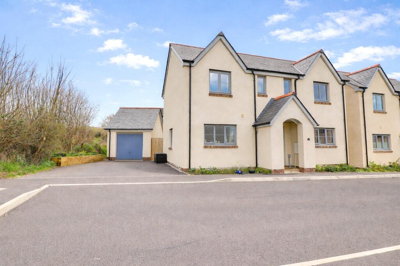
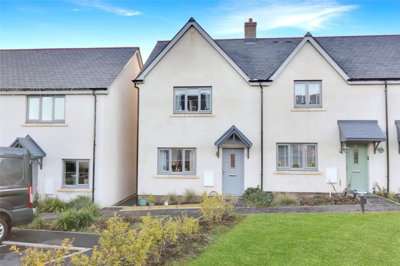
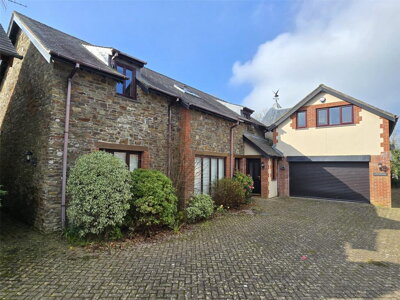
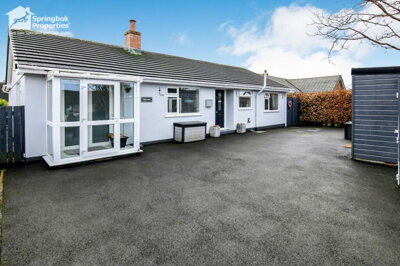
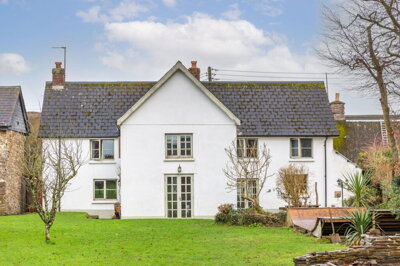
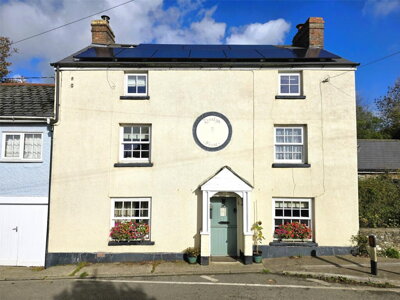
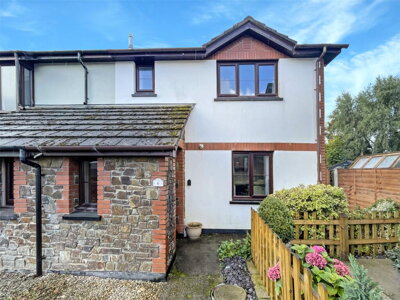
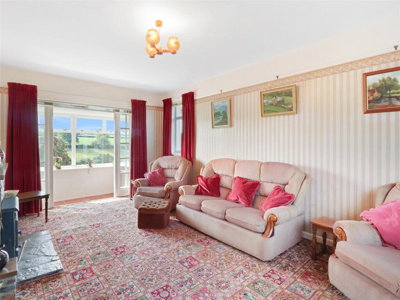
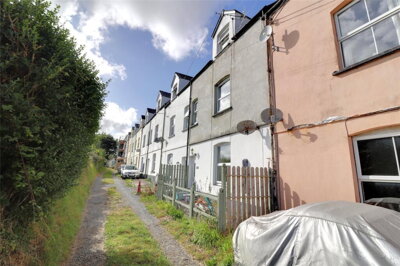
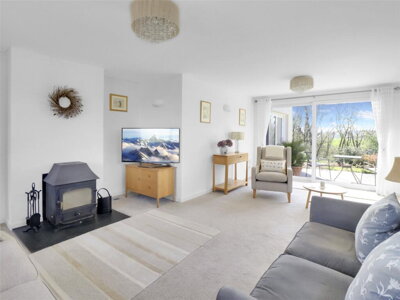
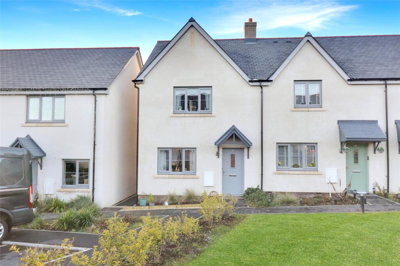
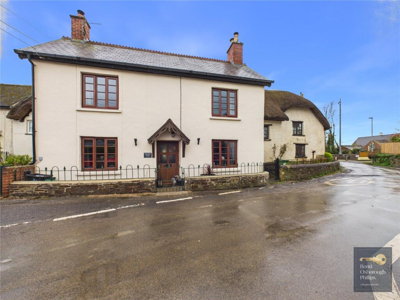
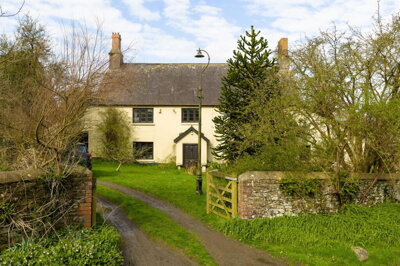
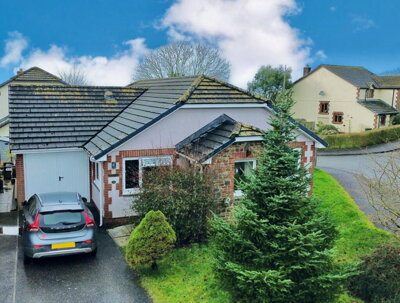
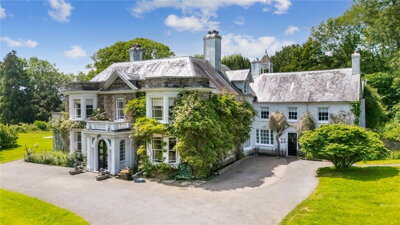
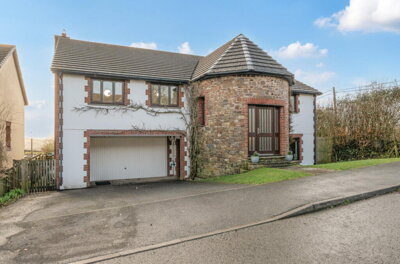
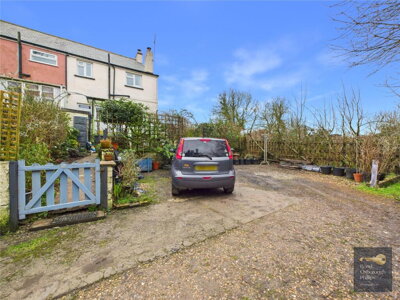
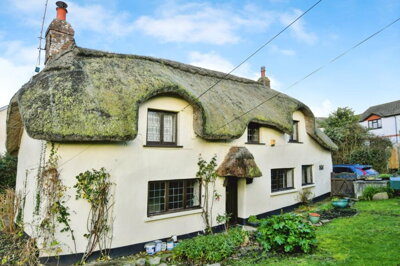
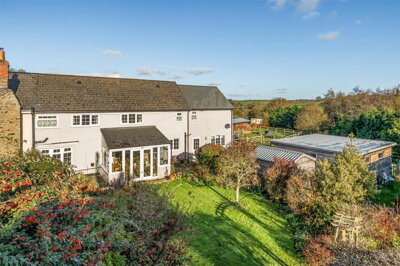
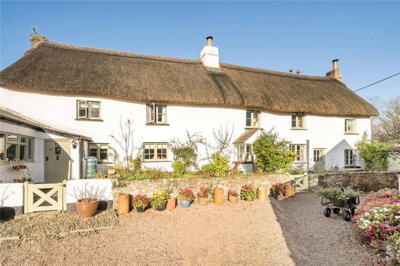
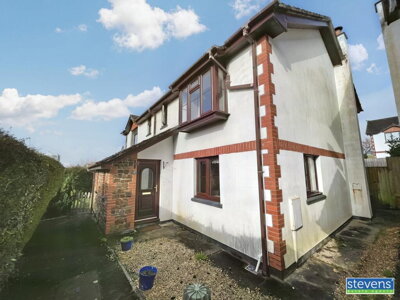
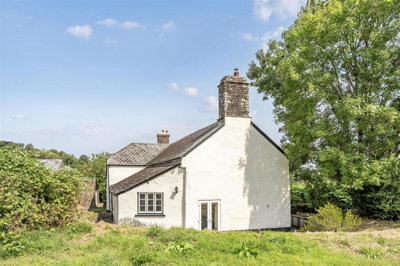
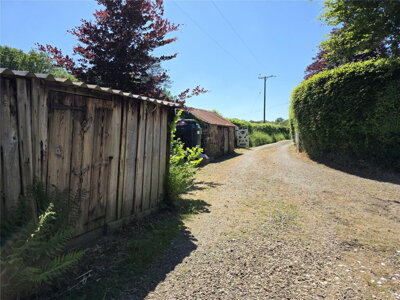
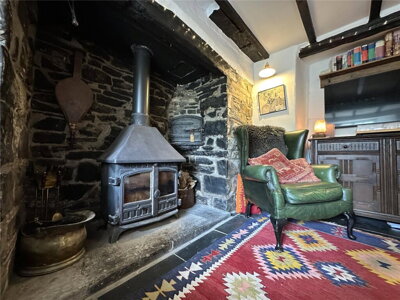
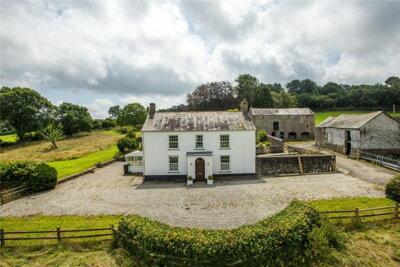
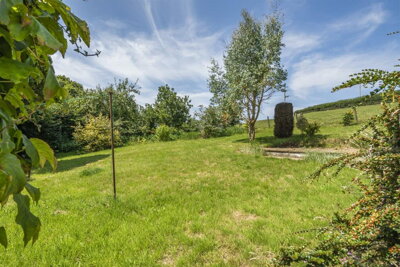
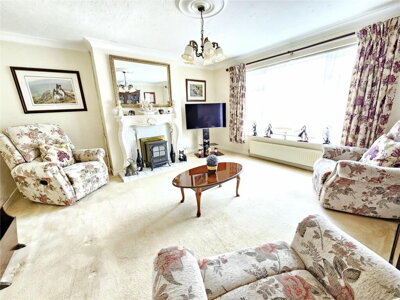
Browse 27 homes for sale in Merton, Torridge from local estate agents.
£325k
6
2
73
Source: home.co.uk
Source: home.co.uk
Detached
2 listings
Avg £402,500
End of Terrace
2 listings
Avg £217,125
Semi-Detached
1 listings
Avg £230,000
detached
1 listings
Avg £550,000
Source: home.co.uk
Source: home.co.uk
The Dowland property market reflects its status as a small, exclusive rural community where detached homes command premium prices. Over the past year, the average sold price for properties in this parish has ranged between £300,000 and £357,500 depending on data sources, with the majority of transactions involving substantial family homes set within generous plot sizes. Semi-detached properties have sold for approximately £300,000, whilst detached homes with more land and accommodation have achieved around £415,000 on average. The market here moves at a measured pace, appropriate to village life, with transaction volumes reflecting the small population of approximately 108 residents spread across this 2.7 square mile parish.
Historical price trends in Dowland reveal a market that experienced significant growth leading up to 2021, when properties achieved an average price peak of £530,000. Since that point, values have corrected by approximately 33%, settling into a more sustainable range that may appeal to buyers seeking long-term value in a premium location. The wider Devon county provides context for local activity, with approximately 15,500 property sales recorded across the region, though this figure represents a 15.6% decrease in transactions between January and December 2025. New build activity within Dowland itself remains limited, with the nearest developments located in nearby towns such as Okehampton, where two-bedroom apartments at The Market Quarter start from approximately £170,000. For buyers seeking newly constructed properties, the broader Torridge district offers options including three and four-bedroom houses at developments in Topsham and Hemyock.
The housing stock in Dowland predominantly consists of older properties, many dating from the 17th and 18th centuries when the village was established as a farming community. Rightmove data indicates that the majority of properties sold in Dowland over recent years have been detached homes, reflecting the historical pattern of development in rural Devon parishes where landowners and farmers constructed substantial houses on generous plots. This dominance of detached properties means that buyers seeking terraced housing or apartments may find limited options within the parish itself, though neighbouring villages and market towns offer greater variety in property type and price range.

Life in Dowland offers an authentic taste of Devon village society, where the rhythms of rural life continue largely undisturbed by the pressures of modern urban living. The parish sits amid productive agricultural land, with farming remaining central to the local economy and landscape character. Residents enjoy expansive views across rolling hills and fields, with the absence of significant light pollution offering exceptional stargazing opportunities on clear nights. The tight-knit community hosts various informal gatherings throughout the year, fostering the neighbourly atmosphere that makes village living so appealing to families and retirees alike. With an average household size consistent with Devon's 2.3 persons per household, the village maintains a peaceful residential character suitable for those seeking community connection without urban density.
The area benefits from its proximity to the wider Torridge district while maintaining a distinctly isolated character that appeals to those seeking privacy and tranquility. Local amenities in the immediate vicinity are limited by design, as is typical for parishes of this size, but essential services are accessible within a short drive to neighbouring villages and market towns. The presence of heritage buildings, including the Grade II listed Dowland Mill dating from the mid-17th century and the Grade II* listed St Peter's Church, anchors the community in centuries of history. The traditional cob construction evident in local buildings reflects the vernacular architecture of mid-Devon, creating a distinctive visual character that distinguishes the village from more modern settlements.
The geology of the surrounding area, typical of mid-Devon, comprises largely clay soils that can be subject to shrink-swell movement in response to moisture content changes. This geological characteristic is relevant to property owners, as clay heave can occur when excess water is present in soils beneath a property, causing the ground to lift and potentially affecting foundations. Our inspectors frequently note these considerations when surveying properties in this part of Devon, and any prospective buyer should factor in the potential for ground movement when evaluating older structures. Regular maintenance of drainage systems and gutters is particularly important in clay soil areas to prevent water accumulation that could compromise foundation stability over time.
Families considering a move to Dowland will find that primary education is typically accessed through village primary schools in the surrounding area, with pupils generally progressing to secondary schools in nearby market towns. The rural school network in Devon ensures that children in small parishes like Dowland receive personalised attention and strong community links, though families should research specific catchment areas and admissions criteria carefully. Many parents choose to supplement school provision with home-based activities and community groups that thrive in village settings, where parental involvement tends to be exceptionally high. The low population density means that class sizes in local primary schools are often smaller than in urban areas, providing opportunities for more individual attention from teachers.
Secondary education options include schools in towns such as Great Torrington, Bideford, and Okehampton, all of which serve the Dowland area and offer diverse curricula including GCSEs and A-levels. Great Torrington School offers secondary education with strong community ties to the surrounding villages, while Bideford College and Okehampton College provide broader curriculum options including sixth-form provision for students pursuing A-level qualifications. Independent schooling options are available in the wider Devon region, with several well-regarded private schools within reasonable driving distance for families committed to a particular educational approach. Transport arrangements for secondary school pupils typically involve school bus services connecting rural villages to nearby towns, an arrangement that has worked successfully for generations of Devon families.
Parents are advised to verify current school performance data, inspection reports, and admission policies directly with schools and the Devon County Council education department. Ofsted reports provide valuable insight into school quality, and families should note that rural schools may have different strengths and challenges compared to their urban counterparts. Visiting potential schools before committing to a property purchase is strongly recommended, as this allows parents to assess the facilities, meet staff, and understand the school's approach to education firsthand. The school transport routes serving Dowland should also be confirmed, as these can significantly impact daily routines for secondary-age children.
Transport connections from Dowland reflect its rural character, with the village relying primarily on road travel for access to larger settlements and transport hubs. The nearest mainline railway station is located in Exeter, approximately 25 miles away, offering direct services to London Paddington with journey times of around two and a half hours, as well as connections to Bristol, Birmingham, and other major destinations. For domestic travel, Exeter St Davids and Exeter Central stations provide connections across the South West region, while the M5 motorway at Exeter offers access to the national motorway network for those travelling by car. Local bus services operated by Stagecoach and community transport schemes connect Dowland with neighbouring villages and market towns on varying schedules that may not suit those requiring regular daily commuting options.
For residents who work remotely or have flexible arrangements, the tranquil setting of Dowland presents an ideal base for professional activities without the distractions of urban environments. The absence of heavy traffic, combined with reliable broadband connections increasingly available in rural Devon, makes village life compatible with many modern professions. Road travel within Devon benefits from scenic routes through the county, though journey times to larger cities can be lengthy compared to urban areas. A journey to Exeter typically takes around 45 minutes by car, while Plymouth is approximately an hour's drive and Bristol around two and a half hours. Exeter Airport, located near Clyst Honiton, provides domestic flights and limited international services for business and leisure travel.
Those considering Dowland as a primary residence should carefully evaluate their commuting requirements and ensure that transport arrangements align with their professional and personal needs, as the rural location does require a degree of independence from public transport. The high rate of home ownership at 81.53% suggests that most residents have access to private vehicles, which is practically essential for daily life in a parish of this size. Community transport schemes operated by local volunteers provide occasional transport for medical appointments and essential shopping trips, though these services operate on limited schedules and should not be relied upon for regular commuting needs.
Explore property listings in Dowland and understand current price trends, including the average price of £357,500 and the range of detached and semi-detached properties available. Consider engaging with local estate agents who have specialist knowledge of the Torridge area and can provide insights into the small number of properties that become available each year. Online property portals offer good starting points for understanding what is currently on the market, though the limited transaction volumes mean that opportunities can arise with little notice in this tight-knit community.
Spend time in Dowland at different times of day and week to experience the village atmosphere, meet potential neighbours, and assess the local amenities and community facilities available. Check travel times to essential services and your workplace, as well as school bus routes if you have children. Visiting local pubs, village events, and community facilities will give you a genuine feel for whether the pace of life suits your family's needs. The best time to visit is during different seasons, as winter conditions on rural Devon roads can significantly affect accessibility compared to summer months.
Obtain a mortgage agreement in principle before making any offers, as this strengthens your position with sellers in what can be a competitive market for village properties. With detached properties averaging £415,000, ensure your borrowing capacity aligns with the local market and budget for additional costs including stamp duty, which on a typical £357,500 property amounts to approximately £5,375 for standard buyers. First-time buyers may qualify for relief reducing or eliminating stamp duty on properties within the threshold. Solicitor fees, survey costs, and moving expenses should all be factored into your overall budget.
Work with estate agents to arrange viewings of suitable properties, paying particular attention to the condition of older buildings including those with traditional cob construction common throughout Devon. Consider commissioning a RICS Level 2 survey before committing to purchase, as this will identify any structural concerns, defects, or maintenance issues that may not be apparent during a standard viewing. Our inspectors have experience surveying properties throughout the Torridge area and understand the common issues affecting older Devon buildings.
Once you find your ideal home, submit a formal offer through your estate agent and instruct a solicitor to handle conveyancing. Your solicitor will conduct searches including local authority checks, environmental searches, and drainage enquiries, handle contracts, and coordinate with your mortgage provider. Given the rural nature of Dowland, additional searches regarding borehole water supplies, private drainage systems, and any agricultural restrictions may be particularly relevant to your purchase.
Finalise your mortgage, complete all legal formalities, and arrange your move. On completion day, you will receive the keys to your new Dowland home and can begin enjoying village life in this charming Devon parish. Allow plenty of time for setting up utilities, internet connections, and any insurance requirements specific to older properties before moving day.
Properties in Dowland include a significant proportion of older buildings, with the Grade II listed Dowland Mill dating from the mid-17th century exemplifying the historical construction methods found throughout the parish. Traditional cob walls, common in Devon properties of this era, require specific maintenance considerations including protection from prolonged wet weather and regular inspection for signs of damp penetration. The plaster finish on cob walls can deteriorate over time, and moisture ingress is a particular concern in areas of high rainfall. Prospective buyers should pay close attention to roof conditions, as older clay or thatched roofs can require costly specialist maintenance. Our inspectors frequently note that replacing original clay tiles with heavier concrete alternatives can cause structural problems through roof spread, so the history of any roof work should be established where possible.
The rural setting of Dowland means that properties may be subject to various planning designations and restrictions that buyers should investigate thoroughly. Properties near agricultural land may experience occasional noise and odour associated with farming operations, which is generally considered acceptable in rural locations and reflects the working nature of the surrounding countryside. Drainage arrangements in older rural properties deserve careful inspection, as private sewage systems and borehole water supplies are not uncommon and carry ongoing maintenance responsibilities. The presence of a private water supply should prompt enquiries about water quality testing, filtration systems, and any relevant permits or registrations with the Environment Agency.
Conservation considerations may apply to certain properties given the presence of listed buildings in the parish, potentially limiting permitted development rights and renovation options. Properties listed at Grade II or Grade II* require consent for alterations that might otherwise be permitted under general planning rules, and this should be factored into any plans for future modification. A thorough RICS Level 2 survey will identify any structural concerns specific to older Devon properties, providing detailed assessment before committing to purchase. For properties of unusual construction or significant historical interest, a RICS Level 3 Building Survey may be more appropriate, offering the comprehensive investigation needed for complex structures where standard mortgage valuations may prove insufficient.
The clay soils prevalent in this part of Devon can create foundation challenges that buyers should understand. Subsidence from natural ground movement or soil erosion can affect properties, particularly those with shallow foundations typical of older construction. Signs of subsidence include diagonal cracking wider than 5mm, doors and windows that stick or fail to close properly, and visible gaps between walls and floors. Conversely, clay heave occurs when soil absorbs water and expands, potentially lifting foundations and causing upward movement. Our surveyors are experienced in identifying these issues and will report any signs of foundation movement that may require further investigation by a structural engineer.
The average house price in Dowland over the past year was approximately £357,500, though some sources report the average at £300,000 depending on methodology and the specific properties included in each analysis. Detached properties, which form the majority of sales in this rural parish, achieved an average price of £415,000, whilst semi-detached homes sold for around £300,000. Property values have stabilised in recent years following a 33% correction from the 2021 peak of £530,000, potentially creating attractive entry conditions for buyers seeking value in a premium rural location. The limited transaction volumes mean that individual property sales can significantly affect average figures, and buyers should focus on comparables of similar type and age when assessing value.
Properties in Dowland fall under Torridge District Council administration, which sets council tax bands based on property values as assessed by the Valuation Office Agency. Band valuations for properties in this price range typically fall within Bands D to F, though specific banding depends on the individual property's assessed value. Prospective buyers should request the current council tax band from the seller or agent and verify directly with Torridge District Council, as bands can be disputed and altered through formal appeals. Council tax payments in Torridge support local services including waste collection, street lighting, and community facilities, with the amount payable varying by band.
Dowland itself is served by primary schools in nearby villages, with pupils typically progressing to secondary schools in towns such as Great Torrington, Bideford, or Okehampton. Great Torrington School serves the immediate area for secondary education, while Bideford College offers a broader curriculum including A-levels and specialist subjects. The specific "best" school depends on individual requirements including curriculum preferences, extracurricular activities, and travel arrangements, but parents should research current Ofsted ratings, admission catchment areas, and transport arrangements carefully. Devon County Council maintains detailed school information on its website, and visiting potential schools before purchasing is strongly recommended to assess fit with family needs.
Dowland is a rural parish with limited public transport provision, reflecting its small population of approximately 108 residents. Local bus services connect the village with neighbouring communities on varying schedules that may not suit those requiring regular daily commuting options. The nearest mainline railway stations are located in Exeter, approximately 25 miles away, offering services to London Paddington, Bristol, and other major destinations. Residents typically rely on private vehicles for most journeys, and those without cars should thoroughly investigate current bus timetables and consider whether community transport schemes operated by local volunteers are available to supplement public services for essential trips.
Dowland offers several characteristics that may appeal to property investors, including its high home ownership rate of 81.53% and the desirability of rural Devon living. The significant correction from the 2021 peak of £530,000 to current averages around £357,500 may represent improved value for longer-term investors seeking capital appreciation as the market stabilises. However, the small population and limited rental demand suggest that buy-to-let opportunities may be more limited than in larger towns, and rental yields may be constrained by the modest number of prospective tenants seeking village accommodation. Any investment decision should consider the local market dynamics, potential for capital appreciation, and the specific property type in question, with professional advice recommended before committing to purchase.
Stamp duty rates for 2024-25 apply as follows: 0% on properties up to £250,000, 5% on the portion from £250,001 to £925,000, 10% on the portion from £925,001 to £1.5 million, and 12% above £1.5 million. First-time buyers benefit from relief on properties up to £625,000, paying 0% up to £425,000 and 5% on the portion between £425,001 and £625,000. Given the average Dowland property price of £357,500, a standard buyer would pay approximately £5,375 in stamp duty, whilst first-time buyers would pay nothing if purchasing within the relief threshold. SDLT calculations can become complex for properties above certain thresholds, and professional advice from a solicitor or financial adviser is recommended for higher-value purchases.
Properties in Dowland, particularly older buildings constructed from traditional cob and stone, may be subject to several structural considerations relevant to buyers. The clay soils prevalent in this part of Devon can undergo shrink-swell movement in response to moisture changes, potentially affecting foundations of older properties. Signs of foundation movement include diagonal cracking, sticking doors and windows, and gaps between walls and skirting boards. Our RICS Level 2 surveys assess these structural elements and will identify any concerns requiring further investigation. For properties with visible cracking or other signs of movement, a structural engineer's report may be advisable before proceeding with purchase.
From 3.89%
Expert mortgage advice and competitive rates from leading lenders
From £499
Specialist solicitors handling your Dowland property purchase
From £450
Professional property surveys by RICS-qualified inspectors
From £85
Energy performance certificates for Dowland properties
Purchasing a property in Dowland involves several costs beyond the purchase price, with stamp duty land tax representing the most significant additional expense for most buyers. At current rates, a buyer purchasing a typical Dowland property priced at the village average of £357,500 would incur stamp duty of approximately £5,375, calculated at 5% on the amount above £250,000. First-time buyers purchasing properties valued at £625,000 or less may qualify for relief, potentially reducing their stamp duty liability to zero if the property price falls within the first-time buyer threshold of £425,000. Relief is available only to those who have not previously owned property anywhere in the world, and the relief percentage reduces on the portion of price between £425,001 and £625,000.
Additional buying costs include solicitor fees for conveyancing, typically ranging from £500 to £1,500 depending on complexity and property value, as well as search fees, land registry charges, and bankruptcy checks that together add several hundred pounds. Local searches specific to Devon properties may include drainage and water authority enquiries, as well as local authority searches for the Torridge district. Mortgage arrangement fees vary significantly between lenders, ranging from zero to around £2,000, whilst valuation fees for the lender's assessment typically cost between £200 and £500. Survey costs should also be budgeted, with a RICS Level 2 survey for a property in this price range typically costing between £450 and £600 depending on property size and complexity.
For older properties such as those with cob construction found throughout Dowland, investing in a thorough survey before purchase is particularly advisable given the potential for hidden defects in traditional buildings. Our inspectors have extensive experience surveying properties throughout the Torridge area and understand the common issues affecting older Devon buildings, including damp penetration in cob walls, roof deterioration, and timber decay. The cost of a RICS Level 2 survey represents a minor expense compared to the overall purchase price and can reveal issues that would otherwise result in significant unexpected costs after completion. For properties of unusual construction or significant age, such as listed buildings, a RICS Level 3 Building Survey may be more appropriate despite the higher investment, offering the comprehensive assessment needed for complex structures.
Properties for Sale In London

Properties for Sale In Plymouth

Properties for Sale In Liverpool

Properties for Sale In Glasgow

Properties for Sale In Sheffield

Properties for Sale In Edinburgh

Properties for Sale In Coventry

Properties for Sale In Bradford

Properties for Sale In Manchester

Properties for Sale In Birmingham

Properties for Sale In Bristol

Properties for Sale In Oxford

Properties for Sale In Leicester

Properties for Sale In Newcastle

Properties for Sale In Leeds

Properties for Sale In Southampton

Properties for Sale In Cardiff

Properties for Sale In Nottingham

Properties for Sale In Norwich

Properties for Sale In Brighton

Properties for Sale In Derby

Properties for Sale In Portsmouth

Properties for Sale In Northampton

Properties for Sale In Milton Keynes

Properties for Sale In Bournemouth

Properties for Sale In Bolton

Properties for Sale In Swansea

Properties for Sale In Swindon

Properties for Sale In Peterborough

Properties for Sale In Wolverhampton

Enter your details to see if this property is within your budget.
Loans, cards, car finance
Estimated property budget
Borrowing + deposit
You could borrow between
Typical borrowing
Monthly repayment
Est. at 4.5%
Loan-to-value
This is an estimate only. Your actual budget may vary depending on interest rates, credit history, and personal circumstances. For an accurate affordability assessment, speak to one of our free mortgage advisors.
This calculator provides estimates for illustrative purposes only and does not constitute financial advice. Your home may be repossessed if you do not keep up repayments on your mortgage. Estimates based on 4.5% interest rate, repayment mortgage. Actual rates depend on your circumstances.
Homemove is a trading name of HM Haus Group Ltd (Company No. 13873779, registered in England & Wales). Homemove Mortgages Ltd (Company No. 15947693) is an Appointed Representative of TMG Direct Limited, trading as TMG Mortgage Network, which is authorised and regulated by the Financial Conduct Authority (FRN 786245). Homemove Mortgages Ltd is entered on the FCA Register as an Appointed Representative (FRN 1022429). You can check registrations at NewRegister or by calling 0800 111 6768.

We use cookies to show you personalised content and improve your experience of our website. Find out more in our Privacy policy and Cookie policy.