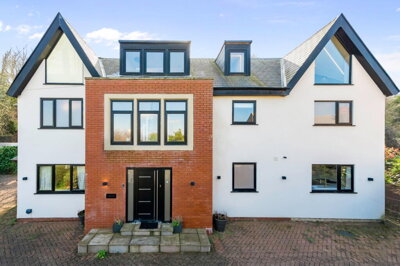
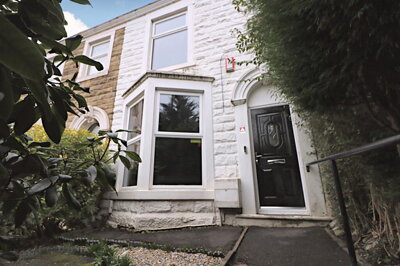
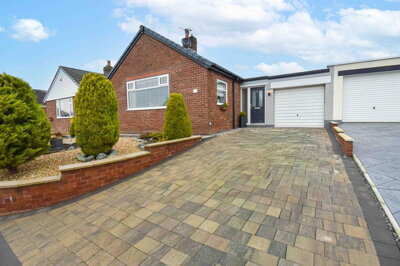
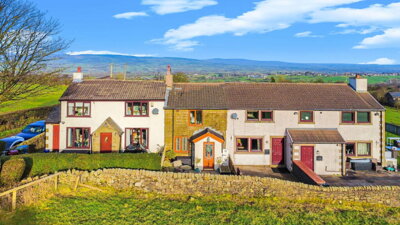
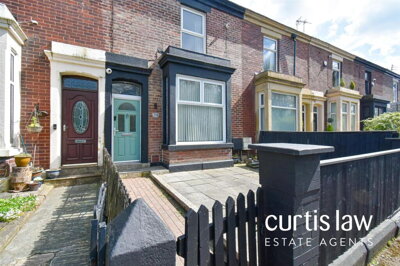
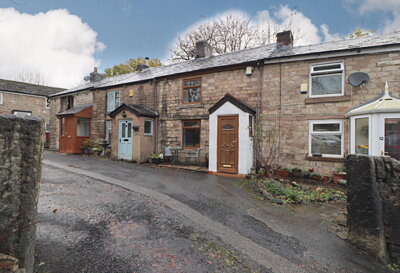
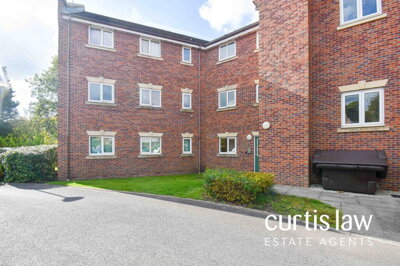
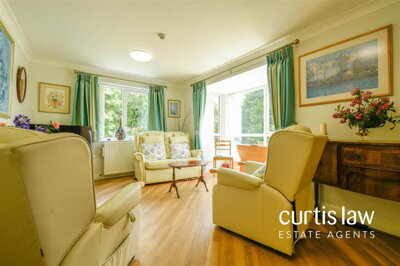
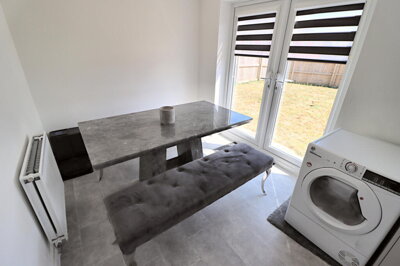
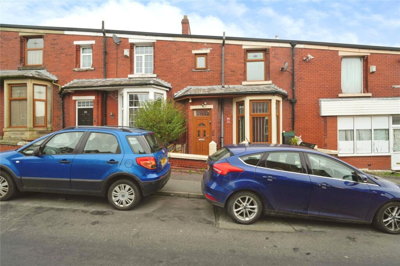
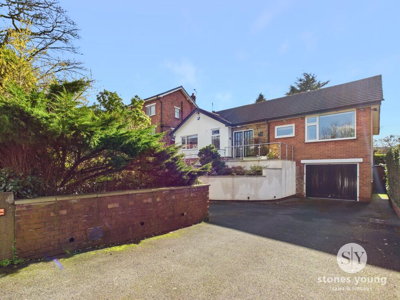
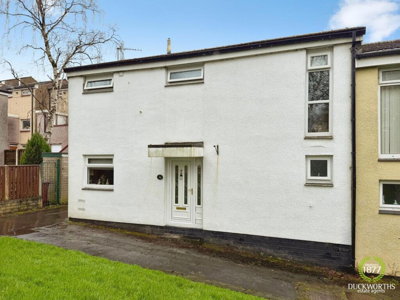
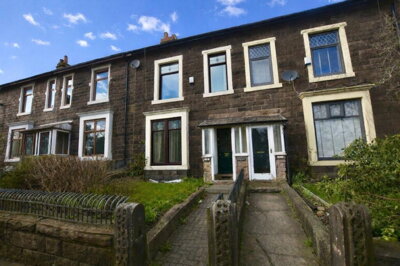
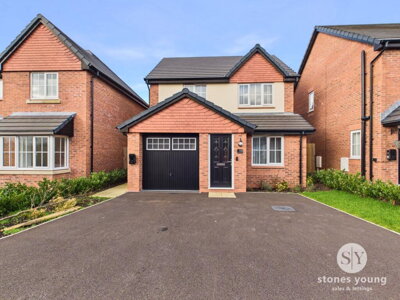
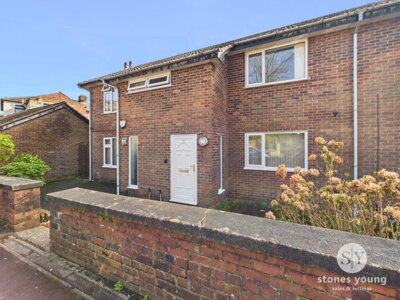
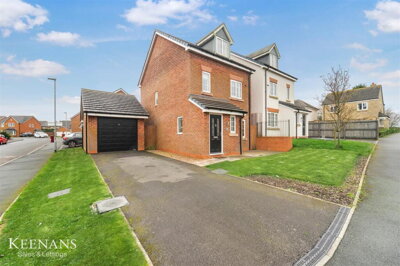
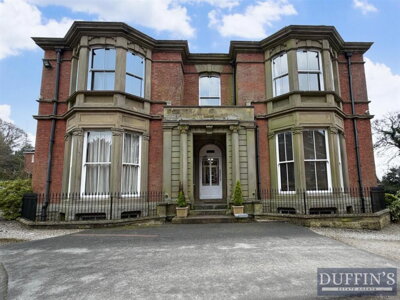
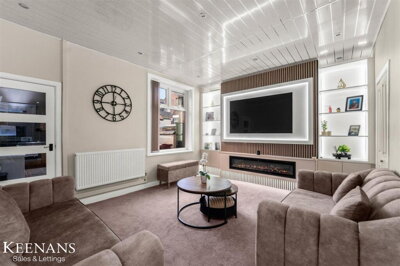
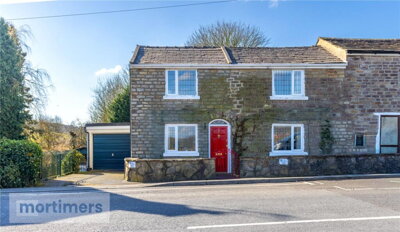
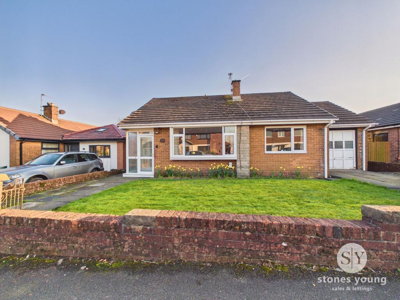
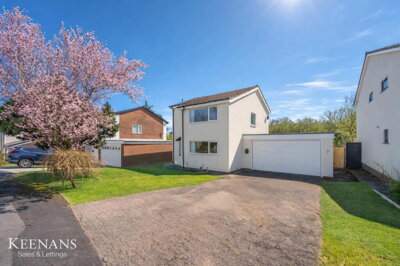
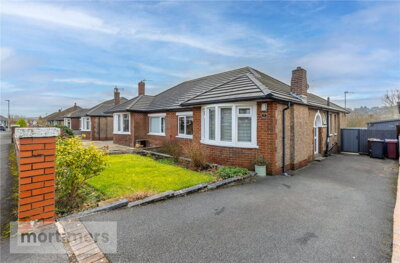
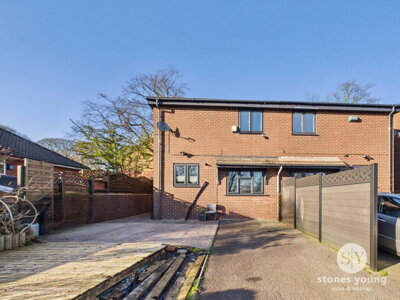
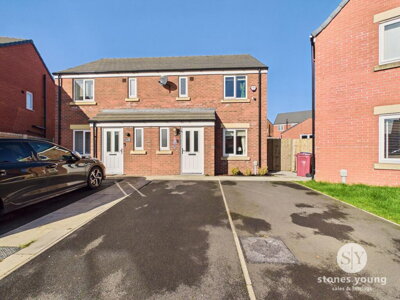
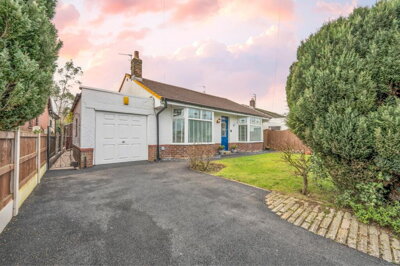
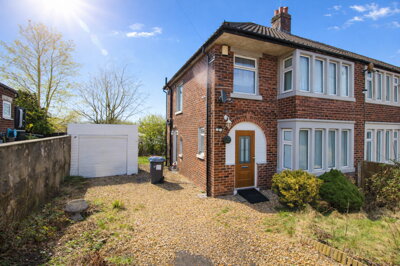
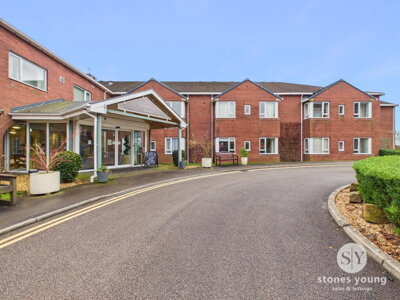
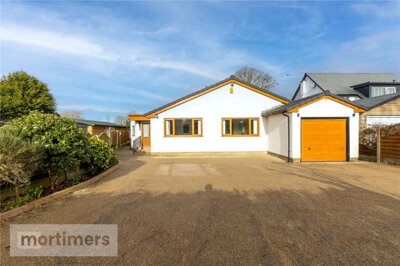
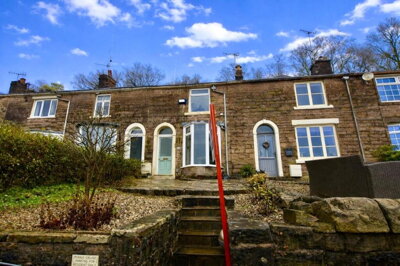
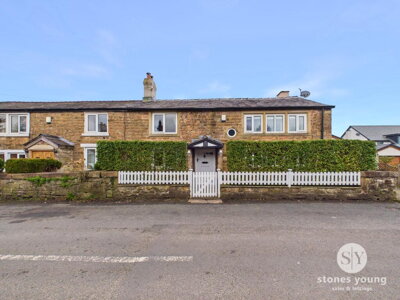
Browse 201 homes for sale in Mellor, Ribble Valley from local estate agents.
£332k
18
0
173
Source: home.co.uk
Source: home.co.uk
Detached
9 listings
Avg £688,883
Semi-Detached
3 listings
Avg £450,000
Bungalow
2 listings
Avg £121,875
Cottage
2 listings
Avg £225,000
Apartment
1 listings
Avg £375,000
Town House
1 listings
Avg £525,000
Source: home.co.uk
Source: home.co.uk
The Dene Valley property market presents an accessible entry point for buyers seeking value in County Durham. Our listings feature a diverse range of property types, with terraced homes typically priced from around £120,000, semi-detached properties from £160,000, and larger detached homes reaching £240,000 or more depending on condition and location. Recent transaction data for Dene Valley View in Close House shows a semi-detached property selling for £240,000 in June 2024, having previously sold for £182,000 in November 2017, demonstrating solid capital growth over a seven-year period. Another similar property changed hands for £176,990 in April 2021, previously purchased for £160,000 in May 2017.
The local market benefits from a mix of traditional County Durham architecture, including characterful red brick terraced properties built during the mining era, alongside more modern developments constructed in subsequent decades. Buyers will find period features such as original fireplaces, high ceilings, and traditional timber sash windows in older properties, while newer builds offer contemporary open-plan living spaces and improved energy efficiency. The area attracts buyers from across the economic spectrum, from first-time purchasers taking their first step onto the property ladder to families seeking larger homes with outdoor space at prices that would be unimaginable in more metropolitan areas.
Price trends in the DL14 postcode district have shown consistent growth over recent years, with the Bishop Auckland area benefiting from significant regeneration investment. Properties in good condition within popular streets and developments command premiums, while those requiring modernisation often present negotiation opportunities for buyers willing to undertake improvement projects. The rental market remains active, with consistent demand from local workers, healthcare staff, and families awaiting their own property purchase.

Life in Dene Valley offers a quality of life that many metropolitan areas simply cannot match. The neighbourhood sits within easy reach of Bishop Auckland's town centre, where residents enjoy access to weekly markets, independent shops, cafes, and restaurants. The area maintains the strong community spirit characteristic of former mining towns, with local pubs, community centres, and village halls hosting regular events throughout the year. Friendly neighbours, low crime rates, and a genuine sense of belonging make Dene Valley particularly appealing to families and those seeking a quieter pace of life without sacrificing access to urban amenities.
The surrounding County Durham countryside provides endless opportunities for outdoor recreation, with rolling hills, scenic river valleys, and extensive public footpaths waiting to be explored. The nearby River Wear flows through Bishop Auckland, offering pleasant riverside walks and wildlife spotting opportunities. History enthusiasts will appreciate the area's rich heritage, from the medieval Auckland Castle to the industrial archaeology of former collieries now transformed into country parks. The Auckland Project has transformed the town into a cultural destination, with the Spanish Gallery and Faith Museum drawing visitors from across the region and beyond.
Local supermarkets, GP surgeries, dental practices, and pharmacies ensure all essential services are within convenient reach, while the nearby towns of Durham and Bishop Auckland provide access to larger retail centres, hospitals, and specialist services. The town centre features a mix of high street chains and independent traders, with the historic market continuing to operate weekly and providing fresh local produce alongside crafts and household goods.

Education provision in the Dene Valley area serves families well across all age ranges. The local authority of County Durham maintains a network of primary schools within and around Bishop Auckland, many of which hold Good or Outstanding Ofsted ratings. Primary schools in the area typically accommodate children from reception through to Year 6, providing a solid foundation in core subjects alongside creative arts, physical education, and character-building activities. Parents moving to Dene Valley should research individual school catchments, as admission policies vary between institutions and can significantly impact which schools serve specific addresses.
Secondary education in the area includes several well-established comprehensives serving the Bishop Auckland catchment, with some schools offering specialist subjects in areas such as technology, arts, or sports. For students pursuing higher education or vocational qualifications, Durham College and New College Durham provide further education opportunities within reasonable commuting distance, while the prestigious University of Durham is accessible for those aiming for university degrees. The presence of good schools makes Dene Valley particularly attractive to families, and properties located within favourable school catchments often command a premium in the local market, making early research essential for those with school-age children.
Several primary schools within Bishop Auckland have expanded their facilities in recent years to accommodate growing pupil numbers, reflecting the popularity of education in the area. Extra-curricular activities are well-supported, with local clubs offering everything from sports teams to music tuition and youth organisations. Parents considering specific streets or developments should verify current catchment boundaries with Durham County Council, as these can change and may affect which school a child can attend.
Dene Valley benefits from practical transport connections that make commuting to major employment centres straightforward. The nearest railway station is Bishop Auckland, offering regular services connecting residents to the wider rail network. From here, travellers can reach Durham in approximately 20 minutes and access onward connections to Newcastle, York, and beyond via the East Coast Main Line. For those working in larger cities, the journey to Newcastle typically takes around an hour by combined rail and bus, while the drive to Middlesbrough takes approximately 45 minutes via the A688 and A1.
Road connectivity is equally strong, with the A688 providing direct access to the A1 motorway, connecting Dene Valley to the wider North East road network. Daily commuters to Durham or Newcastle often find driving more convenient than public transport, with journey times of 30-40 minutes to Durham city centre and around 50 minutes to Newcastle city centre depending on traffic conditions. Local bus services operated by Go North East provide regular connections throughout the Bishop Auckland area, including services to surrounding villages and towns. For air travel, Newcastle International Airport is reachable within an hour's drive, offering domestic flights and international connections across Europe and beyond.
Bishop Auckland railway station has seen service improvements in recent years, making rail travel an increasingly attractive option for residents. The station has step-free access and convenient parking, while the town centre bus station provides connections across the region. For those working from home, ultrafast broadband is available in most areas, though buyers in more rural pockets should verify connection speeds with providers before committing to a purchase.
Before viewing any properties, arrange a mortgage agreement in principle with a lender to understand exactly how much you can borrow. Factor in additional costs including solicitor fees, stamp duty, surveys, and moving expenses. Consider the long-term implications of your purchase, including potential for capital growth and resale value in this growing market.
Browse our comprehensive listings of homes for sale in Dene Valley, using filters to narrow down properties by price, type, bedrooms, and key features. Once you find properties that match your criteria, contact estate agents to arrange viewings. Visit properties at different times of day to assess noise levels, lighting, and neighbourhood character before making any decisions.
When you find your ideal home, submit an offer through the estate agent handling the sale. Be prepared to negotiate on price and terms, particularly for properties that have been on the market for some time or require work. Once your offer is accepted, the agent will confirm details and issue a memorandum of sale. At this point, instruct your solicitor to begin the conveyancing process promptly.
Protect your investment by commissioning a RICS Level 2 Survey before completion. This detailed inspection will identify any structural issues, maintenance concerns, or potential problems that might affect the property's value or your decision to proceed. Given the age of many properties in the Bishop Auckland area, a professional survey is particularly valuable for detecting issues common to mining-era construction. Any significant issues can then be addressed through renegotiation if necessary.
Your solicitor will conduct searches, review contracts, and coordinate with your mortgage lender to ensure everything proceeds smoothly. Searches should include local authority checks for planning permissions, environmental searches for ground conditions, and water and drainage enquiries. Once all legal requirements are satisfied, you will sign contracts and pay a deposit to exchange keys with the seller. A completion date will be agreed and confirmed between both parties.
On completion day, your solicitor will transfer the remaining funds to the seller's solicitor and you will receive the keys to your new home. Take time to change locks, set up utilities, and familiarise yourself with your new neighbourhood. Welcome to your home in Dene Valley.
The Bishop Auckland area, including Dene Valley, features a distinctive mix of construction styles reflecting its industrial heritage and subsequent development. Traditional properties built during the late 19th and early 20th century mining era typically feature solid brick construction, often in the characteristic local red brick that gives many streets their uniform appearance. These mining-era terraces were built for practicality and durability, with front door knockers, ground-floor sculleries, and small rear yards standard features across the housing stock.
Interwar properties constructed between 1919 and 1939 introduced semi-detached designs with bay windows and larger gardens, reflecting changing family needs and improved living standards. These homes often feature cavity wall construction, which offers better insulation than solid walls, though the cavity may have been filled with insulation only in more recent renovations. Post-war construction from the 1950s to 1970s brought council housing developments with concrete tile roofs and cavity brick walls, while modern properties from the 1980s onwards feature improved thermal performance and contemporary layouts.
Local materials include the distinctive County Durham red brick, with occasional sandstone detailing on older Victorian properties. Roofs typically feature slate in older properties and concrete or clay tiles in post-war construction. Our inspectors regularly encounter properties with original single-glazed timber sash windows, period fireplaces, and solid fuel burning features that may no longer be in use. Understanding these local construction patterns helps identify properties that may require investment in modernisation or have inherited defects requiring attention.
Our inspectors frequently identify specific defects in Dene Valley properties that buyers should be aware of before purchasing. Mining-era terraced houses often show signs of movement at the front-to-rear junction where different construction phases meet, particularly where original buildings were extended at the rear without proper structural connections. These properties frequently have solid walls without cavity insulation, resulting in higher heating costs and potential condensation issues, especially in properties without adequate ventilation.
Electrical systems in older properties may date from the mid-20th century or earlier, with outdated fuse boards, insufficient socket outlets, and wiring that may not meet current regulations. Our surveyors routinely recommend full electrical testing and potential rewire for properties over 40 years old. Drainage issues affect some properties, particularly those on sloping sites where falls may be insufficient or where shared drains require maintenance agreements with neighbouring properties.
Timber decay affects sash windows, door frames, and floorboards throughout period properties, with rot and woodworm identified in properties of all ages. The clay-rich soils present in parts of County Durham can cause foundation movement through shrink-swell processes during dry spells and periods of heavy rainfall. Our surveyors pay particular attention to cracks, door and window operation, and signs of previous movement when inspecting properties in the Dene Valley area.
Purchasing property in Dene Valley requires careful consideration of several local factors that could affect your investment. The area's mining heritage means some properties may have been constructed on previously mined ground, so it is worth researching whether any former collieries or mine shafts exist in the vicinity. A thorough RICS Level 2 Survey can identify any structural concerns related to ground conditions, including potential issues with clay-rich soils that may cause subsidence or shrink-swell movement. Properties in flood-risk zones near the River Wear should be carefully evaluated, and buyers should request confirmation of any historical flooding incidents.
Many properties in the area are freehold houses, though some newer developments and conversions may be leasehold with associated service charges and ground rent arrangements. Understanding these terms before committing to a purchase is essential to avoid unexpected costs. Conservation areas in parts of Bishop Auckland may impose restrictions on modifications or extensions, so prospective buyers should check with Durham County Council planning department if they have renovation plans. Energy efficiency varies significantly between older terraced properties and more modern builds, with older homes potentially requiring investment in insulation, double glazing, or heating upgrades to meet current standards and reduce ongoing utility bills.
Properties near the former colliery sites may have underlying coal mining risks that require consideration, though many former pit villages have been extensively remediated and are considered safe for residential use. A local search will reveal any recorded mining activity near a specific property. For those purchasing near the River Wear, checking the Environment Agency flood risk maps for the specific address is essential, and properties with any flood history should be carefully assessed for damp and structural impact.
Property prices in Dene Valley and the surrounding Bishop Auckland area offer excellent value compared to many other parts of the UK. Terraced properties typically sell for around £120,000 to £150,000, while semi-detached homes range from £160,000 to £200,000. Larger detached properties and those in premium positions can achieve prices of £240,000 or more. Recent sales data shows consistent growth in the area, with properties on Dene Valley View in Close House changing hands for between £176,990 and £240,000 in recent years, reflecting solid capital appreciation over medium-term holding periods.
Properties in the Dene Valley area of County Durham fall under Durham County Council's jurisdiction. Most residential properties in the Bishop Auckland and DL14 postcode area are classified in council tax bands A through D, with the majority falling into bands A, B, or C. Band A properties are valued at up to £30,000 and currently pay around £1,400 per year in council tax, making this one of the most affordable local authority areas in England for this particular household expense. Prospective buyers can verify the specific band for any property through the Valuation Office Agency website.
The Dene Valley area is served by several well-regarded primary schools within Bishop Auckland and the surrounding villages. Parents should check individual school performance data and Ofsted reports, as ratings can vary between institutions. Some primary schools serving the DL14 postcode have achieved Good or Outstanding ratings in recent inspections, though performance can change over time. Secondary education options include comprehensive schools serving the local catchment area, with some offering specialist subjects in technology, arts, or sports. The nearby cities of Durham and Newcastle provide access to highly selective grammar schools and independent schools for families seeking alternative educational pathways.
Dene Valley has practical public transport connections through local bus services operated by Go North East, providing regular services to Bishop Auckland, Durham, and surrounding towns. Bishop Auckland railway station offers rail connections to Durham in approximately 20 minutes and onward to Newcastle and the East Coast Main Line for longer journeys. The A688 and A1 motorway provide road connections for those who prefer to drive, with Durham approximately 30 minutes away by car and Newcastle around 50 minutes depending on traffic conditions. Newcastle International Airport is accessible within an hour for those requiring air travel.
Dene Valley and the wider Bishop Auckland area present compelling investment opportunities for several reasons. Property prices remain significantly lower than regional averages in Newcastle or even Durham, offering scope for capital growth as the area continues to regenerate. The Auckland Project and ongoing investment in Auckland Castle have already attracted increased tourism and economic activity to the town, with the Spanish Gallery and Faith Museum drawing visitors from across the UK. Rental demand is steady, driven by local workers, healthcare staff, and families seeking affordable accommodation, with rental yields potentially outperforming more expensive markets on a percentage basis. First-time landlords should consider the strong tenant demand from key workers employed at Bishop Auckland Hospital and the University Hospital of North Durham.
Stamp duty land tax (SDLT) rates for residential purchases are set nationally. For properties up to £250,000, no SDLT is payable. For purchases between £250,001 and £925,000, the rate is 5% on the portion above £250,000. A typical semi-detached property in Dene Valley priced at £180,000 would therefore incur no stamp duty liability, making the market particularly attractive for first-time buyers. First-time buyers purchasing properties up to £425,000 can claim relief, paying 0% on the first £425,000 of their purchase, providing significant savings for those meeting the eligibility criteria.
Flood risk varies across Dene Valley depending on proximity to watercourses and local topography. Properties near the River Wear in Bishop Auckland carry some fluvial flood risk during periods of heavy rainfall and high water levels. Surface water flooding can affect low-lying areas during exceptional weather events. Our surveyors always recommend checking the Environment Agency flood maps for specific locations and requesting information about any historical flooding incidents from previous owners or occupiers before completing a purchase. Properties in higher-risk areas should be evaluated for flood resilience measures such as non-return valves on drains and flood-resistant door sets.
Understanding the full costs of buying a property in Dene Valley helps you budget accurately and avoid surprises during the transaction process. The most significant additional cost for most buyers is stamp duty land tax, which applies to purchases above £250,000 at a rate of 5% on the portion between £250,001 and £925,000. For a typical Dene Valley property priced at £180,000, there is no stamp duty to pay, making this an exceptionally affordable market for first-time buyers and those purchasing modest family homes. Those buying more expensive properties should use HMRC's online calculator to determine their exact liability.
Beyond stamp duty, buyers should budget for solicitor fees typically ranging from £800 to £1,500 depending on complexity and property value. A RICS Level 2 Survey costs from around £350 to £600 depending on the property size and location, with larger or more complex properties requiring additional fees. An Energy Performance Certificate is mandatory and costs from £80 to £120. Mortgage arrangement fees vary by lender but often range from £0 to £2,000, while valuation fees add another £200 to £500. Removal costs, Land Registry fees for registering ownership, and potential estate agent fees if you are selling a property simultaneously should all be factored into your overall moving budget.
Setting aside a contingency fund of around 5% of the property price is prudent to cover any unexpected expenses that may arise during the buying process. Older properties in particular may reveal defects that require attention shortly after purchase, from urgent repairs to energy efficiency improvements. Budgeting conservatively ensures you can proceed with confidence knowing you have reserves available for whatever the property requires.
Properties for Sale In London

Properties for Sale In Plymouth

Properties for Sale In Liverpool

Properties for Sale In Glasgow

Properties for Sale In Sheffield

Properties for Sale In Edinburgh

Properties for Sale In Coventry

Properties for Sale In Bradford

Properties for Sale In Manchester

Properties for Sale In Birmingham

Properties for Sale In Bristol

Properties for Sale In Oxford

Properties for Sale In Leicester

Properties for Sale In Newcastle

Properties for Sale In Leeds

Properties for Sale In Southampton

Properties for Sale In Cardiff

Properties for Sale In Nottingham

Properties for Sale In Norwich

Properties for Sale In Brighton

Properties for Sale In Derby

Properties for Sale In Portsmouth

Properties for Sale In Northampton

Properties for Sale In Milton Keynes

Properties for Sale In Bournemouth

Properties for Sale In Bolton

Properties for Sale In Swansea

Properties for Sale In Swindon

Properties for Sale In Peterborough

Properties for Sale In Wolverhampton

Enter your details to see if this property is within your budget.
Loans, cards, car finance
Estimated property budget
Borrowing + deposit
You could borrow between
Typical borrowing
Monthly repayment
Est. at 4.5%
Loan-to-value
This is an estimate only. Your actual budget may vary depending on interest rates, credit history, and personal circumstances. For an accurate affordability assessment, speak to one of our free mortgage advisors.
This calculator provides estimates for illustrative purposes only and does not constitute financial advice. Your home may be repossessed if you do not keep up repayments on your mortgage. Estimates based on 4.5% interest rate, repayment mortgage. Actual rates depend on your circumstances.
Homemove is a trading name of HM Haus Group Ltd (Company No. 13873779, registered in England & Wales). Homemove Mortgages Ltd (Company No. 15947693) is an Appointed Representative of TMG Direct Limited, trading as TMG Mortgage Network, which is authorised and regulated by the Financial Conduct Authority (FRN 786245). Homemove Mortgages Ltd is entered on the FCA Register as an Appointed Representative (FRN 1022429). You can check registrations at NewRegister or by calling 0800 111 6768.

We use cookies to show you personalised content and improve your experience of our website. Find out more in our Privacy policy and Cookie policy.