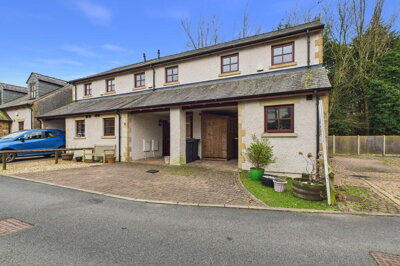
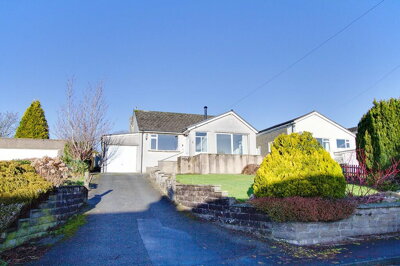
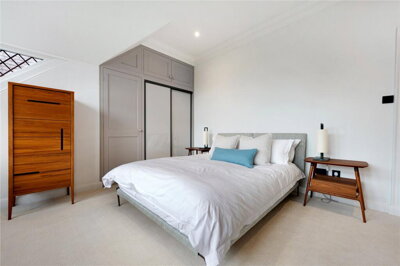
Browse 3 homes for sale in Melling-with-Wrayton from local estate agents.
The 2 bed house market features detached, semi-detached, and terraced properties with two separate bedrooms plus living spaces. Properties in Melling With Wrayton range from Victorian and Edwardian period homes to modern new builds, with pricing varying across different neighbourhoods.
The property market in Melling-with-Wrayton reflects its status as a small, highly desirable rural parish with strong Conservation Area protection. Recent sales data reveals a diverse range of property values, with terraced properties averaging around £370,667 while semi-detached homes achieve significantly higher prices, exemplified by a sale at Swallows Nest on Melling Road which completed for £805,000 in March 2025. The market shows remarkable year-on-year growth of 53%, though prices remain approximately 3% below the 2021 peak of £454,206, suggesting continued stability in this sought-after location.
Given the limited number of properties changing hands, prospective buyers should understand that opportunities in Melling-with-Wrayton arise infrequently. The village's property stock predominantly consists of pre-20th century sandstone buildings with traditional slate roofs, many falling within the extensive Conservation Area boundary. The village centre, as documented in the Conservation Area assessment, features traditional rubble sandstone walling with coping stones that define the architectural character along the main A683 road through the village.
New build development activity in this specific LA6 postcode area remains minimal, with most construction references relating to Melling in Merseyside rather than this Lancashire parish. Properties here tend to be characterful period homes requiring varying degrees of maintenance appropriate to their age and traditional construction methods. The prevalence of solid-wall sandstone construction means that modern insulation standards may be limited, and buyers should factor potential renovation costs into their budget when considering period properties in the parish.
Life in Melling-with-Wrayton centres on the village's remarkable heritage and its position within the beautiful Lune Valley. The Conservation Area designation ensures the preservation of traditional rubble sandstone walling with coping stones, contributing to an architectural harmony that defines the village character along the main thoroughfare. St Wilfrid's Church, a Grade I listed building of sandstone construction with stone-slate roofs, stands as the spiritual and historical heart of the community and has done so for centuries.
The local economy draws influence from agriculture, local services, and tourism generated by proximity to two national parks. Residents enjoy access to scenic rural landscapes, with extensive walking opportunities through farmland and countryside, including routes toward Gressingham and Hornby. The community maintains a strong focus on preserving its historic environment, as evidenced by the Conservation Area boundaries that encompass virtually all residential properties and their land in both Melling and Wrayton villages.
Despite its small population of just 305 residents, the village offers a genuine sense of belonging and community spirit that larger towns cannot replicate. The village pub, local church activities, and village events provide regular opportunities for social interaction, while the stunning surrounding countryside offers recreation for walkers, cyclists, and nature enthusiasts throughout the year. The proximity to the Lake District and Yorkshire Dales National Parks enhances the appeal for those seeking an active outdoor lifestyle.

Families considering a move to Melling-with-Wrayton will find educational facilities available within reasonable travelling distance in the wider Lancaster district. The parish's rural location means that primary and secondary school options are typically found in neighbouring towns, with several well-regarded schools accessible via the local road network. The nearest primary schools are located in Hornby and Lunesdale, serving the local rural population with traditional village school settings that reflect the community-focused education available in the area.
Parents should research specific catchment areas and admission policies for schools in Hornby, Lunesdale, or Lancaster, as these serve the local population. The Lunesdale Grammar School in Kirkby Lonsdale provides secondary education options for the wider Lune Valley area, with transport arrangements commonly available through the local authority for pupils residing in outlying villages like Melling-with-Wrayton. For families prioritising education in their property search, understanding the travel commitments associated with school runs is essential when living in this rural parish.
The village's position in the Lune Valley provides access to both state and independent educational options in the broader area, including grammar schools in Lancaster with excellent reputations. Transport to secondary schools typically involves journeys of 15-30 minutes by car, with school bus services operating on established routes. Prospective buyers with school-age children should factor school transport arrangements and journey times into their decision-making process, particularly given the rural nature of the parish and varying availability of public transport options during school hours.
Transport connections from Melling-with-Wrayton are shaped by its rural location in the Lune Valley and its position between two national parks. The A683 provides the primary road route through the village, connecting to the A65 and onward to Lancaster, which offers mainline railway services to destinations including Manchester, Leeds, and London. The nearest railway stations are typically found in Lancaster or on the West Coast Main Line at Oxenholme, requiring onward travel from the village of approximately 20-30 minutes by car.
For commuters working in Lancaster, Kendal, or the surrounding area, car ownership is effectively essential given the limited public transport provision typical of small rural parishes. The journey to Lancaster city centre takes approximately 25 minutes by car, while Kendal is accessible in around 35 minutes via the A683 and A65. Road travel to the Lake District and Yorkshire Dales National Parks is straightforward, with the M6 motorway accessible via the A65 at Kirkby Lonsdale, providing connections to Manchester, Liverpool, and the wider motorway network.
Cyclists benefit from scenic routes through the Lune Valley, though the hilly terrain requires reasonable fitness and appropriate equipment for the Lancashire countryside. Bus services connecting Melling-with-Wrayton to neighbouring villages and towns provide occasional alternatives to car travel, though frequencies are limited to certain days and times rather than providing comprehensive daily coverage. Parking within the village is generally straightforward given the low traffic volumes, offering a contrast to urban living where parking pressure can be significant for residents and visitors alike.
Spend time understanding property values in Melling-with-Wrayton and the wider Lune Valley. Given limited stock availability, working with a local estate agent who understands the Conservation Area requirements and listed building considerations will prove invaluable. Register with Homemove for automated alerts when new properties matching your criteria become available in the LA6 postcode area.
Contact a mortgage broker to obtain an Agreement in Principle before beginning property viewings. With average prices around £442,400, most buyers will require substantial mortgage finance. Having your financial position confirmed strengthens your offer when competing against other buyers for desirable village properties in this competitive market.
Schedule viewings of properties matching your requirements, paying particular attention to construction type and condition given the age of local housing stock. Many properties are pre-20th century sandstone buildings with traditional slate roofs requiring varying levels of maintenance. Consider arranging a preliminary inspection before committing formally to purchase.
Before completing your purchase, arrange a RICS Level 2 Survey to assess the condition of the property. Given the prevalence of older construction methods including solid-wall sandstone buildings with slate roofs, professional surveys identify defects such as damp, roof condition issues, timber defects, and outdated electrical systems. For listed buildings, a more detailed RICS Level 3 Building Survey may be appropriate.
Appoint a solicitor experienced in rural property transactions, particularly those involving Conservation Areas or listed buildings. Additional searches regarding flood risk in the Lune Valley and planning restrictions specific to the Conservation Area will be required. Complete legal work efficiently to meet agreed completion deadlines.
Purchasing property in Melling-with-Wrayton requires attention to several area-specific considerations that differ from urban property searches. The village's location within the Lune Valley flood risk zone, particularly covered by the flood alert for Upper River Lune, means buyers should investigate the property's position relative to Flood Zones 2 and 3a. Surface water hotspots have been identified in the broader region following incidents during Storm Desmond in 2015 and again in November 2017, when scattered flooding affected communities throughout the Lune Valley including areas near Melling-with-Wrayton.
The Conservation Area designation imposes planning restrictions on alterations, extensions, and even external painting or maintenance work. Properties listed at Grade I, Grade II*, or Grade II face additional listed building consent requirements for any works affecting their character or fabric. With 22 listed buildings recorded in the parish, including the Grade I Church of St Wilfrid and the Grade II* Old Malt House, buyers should understand that any proposed changes to these properties require consent from Lancaster City Council planning authority.
Traditional construction methods in Melling-with-Wrayton require specialist knowledge during property surveys and renovations. Many properties feature rubble sandstone walls with lime-based mortars and renders that breathe differently from modern cement-based products. Using incorrect materials can cause significant damage to historic fabric. Buyers should factor potential renovation costs into their budget, as older sandstone properties with traditional construction may require specialist contractors familiar with period building techniques and materials.
The average house price in Melling-with-Wrayton is approximately £442,400 based on recent sales data covering the year to August 2025. Detached properties have sold for around £440,000, while semi-detached homes have achieved higher prices including sales at £660,000 and £805,000 at Swallows Nest on Melling Road. Terraced properties average around £370,667. The market showed significant growth with prices rising 53% compared to the previous year, though they remain approximately 3% below the 2021 peak of £454,206. The limited number of sales means individual transactions can significantly influence averages.
Properties in Melling-with-Wrayton fall under Lancaster City Council for council tax purposes, with the LA6 postcode covering the parish. Specific band allocations vary by property depending on the valuation and characteristics of the individual home, with period properties and listed buildings sometimes having varying valuations reflecting their historic status. Prospective buyers should check the specific council tax band for any property they are considering purchasing, as these can be verified through the Lancaster City Council website or the government valuation agency. Council tax bands typically range from A to H depending on property value.
Melling-with-Wrayton is a small rural parish without its own primary or secondary schools within the village boundaries. The nearest primary schools are located in Hornby and Lunesdale, serving the local rural population with traditional village school settings. Secondary education is available at Lunesdale Grammar School in Kirkby Lonsdale, with the Lancaster grammar schools providing additional options for families within reasonable daily travel distance. Families should research specific school catchment areas, admission criteria, and any transport arrangements available through the local authority for eligible pupils.
Public transport connections from Melling-with-Wrayton are limited, reflecting its status as a small rural parish with approximately 305 residents. Bus services connecting to surrounding villages and towns operate but with frequencies suitable for occasional rather than daily commuting use, typically running on specific days rather than providing comprehensive daily coverage. The nearest mainline railway stations are located in Lancaster, offering direct services to Manchester and London, and at Oxenholme on the West Coast Main Line. Car ownership is effectively essential for residents who need to commute regularly or access a full range of services and amenities in the wider area.
Property in Melling-with-Wrayton can represent a sound investment, particularly given the rarity of available properties in this designated Conservation Area and the strong protection preserving the village's character. Prices have shown resilience with 53% year-on-year growth, demonstrating strong demand despite the small transaction volumes. Properties with listed building status or exceptional character, such as those along the A683 through the village, may hold their value well over the long term. However, the limited rental market and rural location may affect rental demand and yields compared to urban areas, so investors should consider their objectives carefully.
Stamp Duty Land Tax rates for standard residential purchases start at 0% on the first £250,000 of the purchase price, then 5% on the portion from £250,001 to £925,000. For properties priced above £925,000, rates increase to 10% up to £1.5 million and 12% above that threshold. First-time buyers benefit from relief on the first £425,000 at 0% and pay 5% on the portion between £425,001 and £625,000. Given the local average price of £442,400, most buyers would pay stamp duty only on the amount above £250,000, resulting in approximately £9,620 for standard buyers.
Properties in Melling-with-Wrayton should be assessed for flood risk given the village's location in the Lune Valley floodplain. The parish is covered by the flood alert for Upper River Lune, with Flood Zones 2 and 3a extending into surrounding farmland. The area experienced flooding incidents during Storm Desmond in December 2015 and again in November 2017 when scattered flooding affected Lune Valley communities. Surface water hotspots have been identified on routes such as the Gressingham to Hornby Road. Buyers should request flood risk searches and consider the property's position, any flood mitigation measures, and insurance implications.
Almost all residential properties in both Melling and Wrayton villages fall within the designated Conservation Area, which imposes restrictions on alterations, extensions, demolition, and even external maintenance work. Properties may also be listed at Grade I, Grade II*, or Grade II, with 22 listed buildings recorded in the parish, adding further consent requirements for any works affecting their character or historic fabric. Planning permission and listed building consent from Lancaster City Council are required for most external changes. Buyers considering renovation should budget for these additional requirements and engage specialist contractors familiar with historic building conservation.
From £350
A detailed assessment of property condition, ideal for traditional sandstone construction found locally
From £500
Comprehensive building survey recommended for listed buildings and period properties
From £60
Energy performance certificate required for all property sales
From 4.5%
Expert mortgage advice with rates from 4.5%
From £499
Specialist solicitor services for rural and listed property transactions
When purchasing a property in Melling-with-Wrayton, understanding the full cost breakdown helps you budget accurately for your rural home purchase. Stamp Duty Land Tax applies to purchases above £250,000 at 5% on the portion between £250,001 and £925,000. For a property priced at the local average of around £442,400, a standard buyer would pay approximately £9,620 in stamp duty on the portion above the threshold. First-time buyers benefit from increased thresholds, paying 0% on the first £425,000, which would result in no stamp duty liability on average-priced properties.
Beyond stamp duty, additional purchasing costs include solicitor conveyancing fees typically starting from £499 for standard transactions, plus search fees, Land Registry fees, and mortgage arrangement costs. A RICS Level 2 Survey costs between £350 and £900 depending on property value and size, with the average around £455 nationally, though remote locations may incur additional travel charges. Given that most properties in Melling-with-Wrayton are older period homes with traditional sandstone construction, an independent survey is particularly valuable for identifying defects common to buildings with slate roofs.
Common defects identified in older rural properties include damp issues affecting solid-wall construction, roof condition concerns with traditional slate coverings, timber defects such as wet rot or woodworm, and outdated electrical systems that may not meet current regulations. Given the prevalence of pre-20th century sandstone buildings in the parish, buyers should factor in potential renovation work, specialist contractor costs for lime-based repairs, and moving expenses before committing to your purchase. Energy performance ratings are likely to be lower than modern standards due to limited insulation in period properties.
Properties for Sale In London

Properties for Sale In Plymouth

Properties for Sale In Liverpool

Properties for Sale In Glasgow

Properties for Sale In Sheffield

Properties for Sale In Edinburgh

Properties for Sale In Coventry

Properties for Sale In Bradford

Properties for Sale In Manchester

Properties for Sale In Birmingham

Properties for Sale In Bristol

Properties for Sale In Oxford

Properties for Sale In Leicester

Properties for Sale In Newcastle

Properties for Sale In Leeds

Properties for Sale In Southampton

Properties for Sale In Cardiff

Properties for Sale In Nottingham

Properties for Sale In Norwich

Properties for Sale In Brighton

Properties for Sale In Derby

Properties for Sale In Portsmouth

Properties for Sale In Northampton

Properties for Sale In Milton Keynes

Properties for Sale In Bournemouth

Properties for Sale In Bolton

Properties for Sale In Swansea

Properties for Sale In Swindon

Properties for Sale In Peterborough

Properties for Sale In Wolverhampton

Enter your details to see if this property is within your budget.
Loans, cards, car finance
Estimated property budget
Borrowing + deposit
You could borrow between
Typical borrowing
Monthly repayment
Est. at 4.5%
Loan-to-value
This is an estimate only. Your actual budget may vary depending on interest rates, credit history, and personal circumstances. For an accurate affordability assessment, speak to one of our free mortgage advisors.
This calculator provides estimates for illustrative purposes only and does not constitute financial advice. Your home may be repossessed if you do not keep up repayments on your mortgage. Estimates based on 4.5% interest rate, repayment mortgage. Actual rates depend on your circumstances.
Homemove is a trading name of HM Haus Group Ltd (Company No. 13873779, registered in England & Wales). Homemove Mortgages Ltd (Company No. 15947693) is an Appointed Representative of TMG Direct Limited, trading as TMG Mortgage Network, which is authorised and regulated by the Financial Conduct Authority (FRN 786245). Homemove Mortgages Ltd is entered on the FCA Register as an Appointed Representative (FRN 1022429). You can check registrations at NewRegister or by calling 0800 111 6768.

We use cookies to show you personalised content and improve your experience of our website. Find out more in our Privacy policy and Cookie policy.