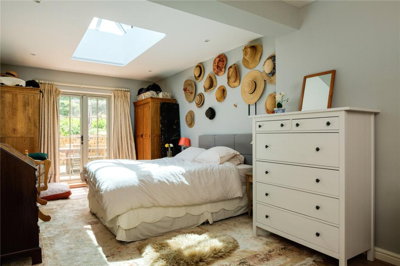
Browse 1 home for sale in Melbury Osmond from local estate agents.
The larger property sector typically features multiple bathrooms, substantial reception space, and private gardens or off-street parking. Four bedroom houses in Melbury Osmond span detached, semi-detached, and occasionally terraced configurations, with styles ranging from period properties to modern executive homes.
The Melbury Osmond property market reflects the village's status as a sought-after rural location within easy commuting distance of major employment centres. Our current listings include detached houses, traditional cottages, and period properties that exemplify the best of Dorset architecture. Recent transaction data shows properties ranging from around £435,000 for cottages to over £800,000 for substantial period homes, with the DT2 0LS postcode recording an average sale value of £614,039 as of early 2026. This postcode area has demonstrated resilience, with prices increasing by 6.5% since March 2021 when a significant sale achieved £725,000.
Property types available in Melbury Osmond include charming three-bedroom cottages priced from approximately £313,000 for leasehold arrangements, rising to five-bedroom freehold houses reaching around £873,000. Recent sales demonstrate this range, with Magpies on Brakes Hill selling for £665,000 in April 2023 and School Cottage on The Street achieving £810,000 in October 2022. The village's heritage is evident in its housing stock, with many properties featuring original stone fireplaces, flagstone flooring, and traditional thatched roofs that define the local architectural character. Our platform aggregates listings from estate agents across Dorset, ensuring buyers have access to the full range of properties available in this competitive village market.
New build developments are scarce within the DT2 postcode area, meaning most buyers purchase character properties that require careful consideration of their condition and maintenance requirements. The village's extraordinary concentration of 34 listed buildings and structures underscores its historic character and the predominance of older housing stock. For buyers seeking modern conveniences alongside period charm, neighbouring areas such as Sherborne and Milborne Port in the DT9 postcode may offer new build options while still providing access to the Melbury Osmond lifestyle.

Melbury Osmond offers a lifestyle defined by Dorset countryside at its most authentic. The village clusters around historic lanes where thatched cottages stand beside elderly oaks and a charming stream flows through the lower part of the settlement, accessible via a traditional ford that adds to the rural charm. The parish, with its population of approximately 181 residents, maintains an intimate community atmosphere where neighbours know one another and local events bring people together throughout the year. This is a place where the rhythm of rural life continues undisturbed by the noise and stress of urban existence.
The village's historical significance is underscored by its extraordinary concentration of 34 listed buildings and structures, including the Grade I listed Parish Church of St Osmond, which was rebuilt in 1745 and restored in 1888, with parish registers dating back to 1550. Thomas Hardy's mother was born in Barton Hill Cottage around 1813, and the village provided inspiration for "The Woodlanders," with the village appearing as "Little Hintock" in Hardy's work. The village was historically involved in producing plated buckles, horn buttons, and dowlas cloth, reflecting a manufacturing heritage that has long since given way to farming and rural enterprise.
The surrounding working estate and agricultural land define the landscape, with tractors and farm machinery part of everyday village life. The local economy revolves around agriculture and rural enterprise, with the working estate providing employment and maintaining the traditional landscape that makes the village so appealing to residents and visitors alike. Community events throughout the year bring together residents of all ages, from harvest suppers to summer fetes, fostering the strong sense of belonging that defines life in this small Dorset parish.

Families considering a move to Melbury Osmond will find educational facilities available in surrounding villages and towns within reasonable driving distance. The village's small scale means that primary education is typically accessed in nearby communities, with several good schools serving the wider area. Parents should research specific catchment areas and admission policies, as these can significantly influence school placement for children relocating to the village. Secondary education options include schools in Yeovil, Sherborne, and surrounding market towns, all accessible via local bus services or car.
The broader Dorset area is renowned for its educational excellence, with independent schools in Sherborne and nearby towns offering alternatives to the state system. Sherborne School, one of the oldest public schools in England founded in 1550, attracts families from across the region and beyond. Several schools in the region have achieved outstanding Ofsted ratings, making the area attractive to families prioritising education. For families considering older children, sixth form colleges and further education institutions in Yeovil and Dorchester provide progression pathways after GCSE.
Prospective buyers with school-age children should contact Dorset Council for the most current information on catchment areas, school capacities, and admission arrangements relevant to Melbury Osmond addresses. School transport arrangements for pupils attending schools outside the immediate village should also be verified, as rural bus services may not cover all necessary routes. The availability of school places can fluctuate, making early enquiry essential for families planning a move to ensure continuity of education for their children.
Melbury Osmond enjoys strategic positioning with access to the A37 and A356 providing road connections to Yeovil approximately 7 miles north, where mainline railway services connect to London Waterloo and Exeter St Davids. Yeovil Pen Mill station offers regular services, while Yeovil Junction provides additional travel options. The village sits roughly 40 miles from Bristol and 130 miles from London, making day trips to the capital feasible with an early morning departure. For those working in professional occupations but seeking a rural lifestyle, the commuting options from nearby towns provide essential flexibility.
Bus services operated by First Dorset and local operators connect Melbury Osmond to surrounding villages and towns, though potential buyers should verify current timetables as rural services can be limited. The Jurassic Coast, with its dramatic cliffs and beaches at Lyme Regis and Charmouth, lies approximately 21-23 miles to the south, making weekend coastal excursions a regular possibility. Bristol Airport, with its range of international destinations, is accessible within approximately an hour's drive, while Southampton Airport and Bournemouth Airport provide additional travel options for those requiring regular air travel.
Daily commuting is feasible for those whose employers offer hybrid working arrangements or who can travel to Yeovil for the working week. The journey to Yeovil takes approximately 25 minutes by car, while Bristol is around an hour away and London approximately 2.5 hours. Many residents find that the quality of life gained from village living more than compensates for the commuting requirements, particularly when combined with flexible working patterns that have become increasingly common since the pandemic.
Begin your property search by exploring our current listings in Melbury Osmond and understanding price trends in the DT2 postcode area. With recent sales ranging from £435,000 to over £800,000, understanding what different properties offer in terms of size, condition, and character will help you identify properties that match your requirements and budget. Properties in Melbury Osmond vary considerably, from compact period cottages to substantial Georgian houses, each requiring different considerations for purchase and ongoing maintenance.
Before arranging viewings, contact a mortgage broker to secure an agreement in principle. This demonstrates your purchasing credibility to estate agents and sellers, particularly important in a competitive village market where multiple offers are common. Our mortgage partners can provide quotes tailored to your circumstances and the property values typical in Melbury Osmond, where typical mortgage requirements might range from £280,000 for a standard cottage to over £800,000 for larger period properties.
Contact estate agents listing properties in Melbury Osmond to arrange viewings at properties that meet your criteria. Take time to assess the condition of older properties, noting features such as thatched roofs, stone walls, and period details that may require ongoing maintenance. Our platform provides contact details for all listed properties in the village. When viewing thatched cottages, pay particular attention to the roof's age and condition, as re-thatching represents a significant expense that could influence your offer.
Given the age of most properties in Melbury Osmond, with many dating from before 1919, a thorough survey is essential. Our partners offer RICS Level 2 Home Surveys in Dorset from £375, providing detailed assessments of condition, structural issues, and any concerns specific to period properties such as thatched roofs, solid wall construction, and historic building materials. Given the prevalence of listed buildings and traditional construction in the village, surveyors experienced with historic Dorset properties can provide invaluable advice.
Once your offer is accepted, instruct a solicitor to handle the legal aspects of your purchase. Our conveyancing partners offer competitive rates for property transactions in Dorset, with experience handling older properties and listed buildings that may require additional searches and investigations. Properties with listed building status or those in conservation areas may require additional legal work, making specialist conveyancing experience valuable.
Work with your solicitor and mortgage provider to complete all legal requirements, searches, and financing arrangements before exchanging contracts. On completion day, you will receive the keys to your new Melbury Osmond home, joining a small community of residents who have chosen to live in one of Dorset's most enchanting villages. Be prepared for the registration process with Land Registry, particularly for properties with unusual tenure arrangements or those that have not changed hands recently.
Properties in Melbury Osmond require careful inspection due to their age and traditional construction methods. The village's geological conditions, with Oxford clay underlying areas of limestone bedrock, mean that clay-with-flints and potential shrink-swell behaviour can affect ground conditions. Older properties with shallower foundations may be susceptible to subsidence, particularly during periods of drought or heavy rainfall. A thorough RICS Level 2 Survey will assess these risks and identify any signs of movement or structural concern that require further investigation.
The local stone, a shelly limestone from the Jurassic Forest Marble sometimes referred to as "Melbury marble" due to its ability to take a high polish, has been used for buildings throughout the village and the surrounding area including Melbury Sampford and Evershot. This traditional building material responds differently to modern building standards and weather conditions than modern materials, requiring specialist understanding during survey and maintenance. Many cottages in the village are thatched, demanding specialist attention to roof condition and maintenance history. Thatched roofs require re-ridging every 15-25 years and complete re-thatching every 30-40 years, representing significant ongoing costs that buyers should factor into their budget.
Properties with original solid walls may lack effective damp-proof courses, making specialist damp surveys valuable for older properties. The local limestone from Holt Farm quarry was historically exploited for paving and damp-proof courses due to its impermeable nature, illustrating the technical properties of local building materials that affect modern property condition. With 34 listed buildings in the parish, many buyers will purchase properties subject to listed building consent requirements for alterations and improvements. Understanding these restrictions before purchase prevents costly complications later. Conservation area considerations may also apply, affecting permitted development rights and requiring planning consent for changes that would be permitted on unlisted properties.
Common defects found in older Dorset properties include timber defects such as woodworm and rot, particularly in areas where dampness has affected structural timbers. Outdated electrical wiring and consumer units are frequently encountered in properties that have not been modernised in recent decades, representing both a safety concern and an additional cost for buyers. Our RICS Level 2 Survey partners have experience with historic Dorset properties and can advise on the specific implications for your chosen property, identifying issues that might not be apparent during a standard viewing.
Understanding the local construction methods in Melbury Osmond is essential for any buyer considering a property in this historic village. The predominant building material is local shelly limestone from the Jurassic Forest Marble formation, which has been used for buildings in Melbury Osmond, Melbury Sampford, and Evershot for centuries. This stone, sometimes called "Melbury marble" due to its ability to take a high polish, can be found within the Oxford clay deposits that underlie much of the area. The stone's characteristics, including its durability and attractive appearance, have made it the material of choice for traditional buildings throughout the parish.
Traditional construction methods in the village typically involve solid wall construction, lime mortars, and timber frames that predate modern building regulations. Properties built before 1919 often lack the damp-proof courses that are standard in contemporary construction, making them more vulnerable to rising damp and penetrating damp in certain conditions. The thick solid walls provide excellent thermal mass but can be more difficult to insulate to modern standards, representing a consideration for buyers prioritising energy efficiency. Lime-based renders and mortars, which were universal in traditional buildings, require different maintenance approaches than modern cement-based products.
Many properties in Melbury Osmond feature traditional thatched roofs, which represent a distinctive feature of the local housing stock but also require specialist maintenance knowledge. Thatch provides excellent insulation but is vulnerable to damage from birds, moss, and weather if not properly maintained. Specialist thatch surveyors can assess roof condition and advise on expected maintenance costs, which can be substantial compared to conventional tiled roofs. Our survey partners understand these traditional construction methods and can identify issues specific to properties built using historic techniques common throughout the village.
The average property price in Melbury Osmond is currently £280,000 based on sales over the last year, though this represents a significant decrease from previous years due to broader market conditions. Properties in the DT2 0LS postcode area have an average sale value of £614,039 as of early 2026, with prices in this specific postcode having increased by 6.5% since March 2021. Recent individual sales have ranged from £435,000 for 6 Barton Hill Cottages sold in September 2024, to over £800,000 for larger period properties, with School Cottage on The Street achieving £810,000 in October 2022. The discrepancy between the village average and postcode average reflects the mix of property types sold in different periods, with larger homes commanding premium prices in this sought-after location.
Properties in Melbury Osmond fall under Dorset Council administration for council tax purposes. The village's properties typically range from council tax bands A through E, depending on the property's size, age, and value. Smaller cottages and terraced properties often fall into bands A or B, while larger detached period homes with substantial gardens may attract bands D or E. Rural Dorset properties with historical status or those of significant size may attract higher bands. Prospective buyers should verify the specific band for any property they are considering, as bands can affect ongoing annual costs and may be reassessed following alterations or improvements to the property.
Melbury Osmond is a small village without its own primary school, with primary education accessed in surrounding villages such as those serving the wider Dorset Council area. Several good primary schools serve the wider area, with schools in nearby towns providing secondary education options. The broader Dorset area is well-served by both state and independent schools, with notable institutions in Sherborne including Sherborne School, founded in 1550, and Sherborne School for Girls. Parents should check current Ofsted ratings and catchment area boundaries with Dorset Council, as these can change and vary by specific address within the village's postal catchment.
Melbury Osmond is a rural village with limited public transport options compared to urban areas. Bus services operated by First Dorset connect the village to surrounding towns and villages, though services are less frequent than in urban areas and may not operate on Sundays or public holidays. Yeovil, approximately 7 miles away, provides mainline railway connections to London Waterloo and Exeter St Davids via Yeovil Pen Mill and Yeovil Junction stations, offering regular services throughout the day. Residents generally benefit from car ownership for daily activities, though some commuters may find occasional use of local transport feasible for specific journeys to work or appointments.
Melbury Osmond offers several attractive features for property investment, including its picturesque setting, historical significance with 34 listed buildings, and connection to Thomas Hardy's literary heritage as the inspiration for "Little Hintock" in "The Woodlanders." The village's proximity to Yeovil provides access to employment and services, while the broader Dorset area continues to attract buyers seeking rural lifestyles. Property values in the DT2 0LS postcode have shown long-term growth of 27.1% over the past decade, demonstrating sustained demand for property in this location. Properties in conservation areas and those with land or period features tend to retain their value well, making Melbury Osmond attractive for both lifestyle purchases and long-term investment.
Stamp Duty Land Tax rates for properties in England from April 2025 are 0% on the first £250,000 of purchase price, 5% on £250,001 to £925,000, 10% on £925,001 to £1,500,000, and 12% on amounts exceeding £1,500,000. First-time buyers benefit from relief on the first £425,000, with 5% charged between £425,001 and £625,000. For a typical Melbury Osmond property at £280,000, standard buyers would pay no stamp duty, while first-time buyers would pay nothing on the full amount under current thresholds. Given that many properties in the village exceed £425,000, with some substantial period homes reaching £800,000 or more, buyers should calculate their specific liability based on the purchase price of their intended property.
Melbury Osmond features a stream and ford in the lower part of the village, indicating potential for surface water and fluvial flooding in low-lying areas during periods of heavy rainfall. The village's position on Oxford clay, which is known to be in low-lying areas, requires consideration when assessing flood risk for specific properties. Properties on higher ground within the village may have lower flood risk, while those near the stream and ford in the lower part of the settlement warrant more careful assessment. A thorough property survey should include flood risk assessment, and prospective buyers should request drainage and flood information from the Environment Agency and local authority before completing a purchase. Buildings insurance should also be checked to ensure adequate cover for flood risk is available at reasonable premiums.
With 34 listed buildings and structures within the parish, many properties in Melbury Osmond are subject to listed building consent requirements that restrict alterations and improvements. The Grade I listed Parish Church of St Osmond, rebuilt in 1745 and restored in 1888, represents just one example of the heritage designations affecting the village. Properties subject to listed building consent require approval from Dorset Council before any works that might affect their character or structure. Conservation area status, if applicable, would further restrict permitted development rights. Buyers considering properties with plans for alterations should consult with the planning department before committing to a purchase to understand the implications for their intended works.
From 4.5%
Competitive mortgage rates for Dorset properties
From £499
Specialist solicitors for Dorset property transactions
From £375
Thorough surveys for period Dorset properties
From £85
Energy performance certificates for property listings
Purchasing a property in Melbury Osmond involves several costs beyond the purchase price itself. The primary additional cost for most buyers is Stamp Duty Land Tax, which is calculated on a tiered basis. For properties purchased at the current village average of £280,000, standard buyers would pay no SDLT under the zero-rate threshold extending to £250,000. First-time buyers benefit from an increased threshold covering their entire purchase, resulting in zero stamp duty liability on properties up to £425,000. At higher price points common for larger family homes in the village, SDLT becomes a consideration worth factoring into your budget.
Additional buying costs include survey fees, with RICS Level 2 Home Surveys available in Dorset from £375 for properties at the lower end of the market. For period properties in Melbury Osmond, particularly those with thatched roofs or listed building status, a more comprehensive RICS Level 3 Survey may be advisable at higher cost due to the complexity of assessing historic construction methods and materials. Solicitor conveyancing fees typically range from £499 for standard transactions, with complexity increasing for properties involving listed buildings, unusual tenure arrangements, or properties with historical title issues that require additional legal investigation.
Local search fees, land registry fees, and mortgage arrangement fees complete the typical cost package for a property purchase in Dorset. Searches specific to Melbury Osmond may include drainage and water searches given the village's stream and ford, while environmental searches should address the underlying clay geology and any flood risk considerations. Land registry fees for registering your ownership title are typically modest, while mortgage arrangement fees vary by lender and broker. Our conveyancing partners can provide a comprehensive quote covering all anticipated costs, ensuring no unexpected expenses arise during your property transaction.
Properties for Sale In London

Properties for Sale In Plymouth

Properties for Sale In Liverpool

Properties for Sale In Glasgow

Properties for Sale In Sheffield

Properties for Sale In Edinburgh

Properties for Sale In Coventry

Properties for Sale In Bradford

Properties for Sale In Manchester

Properties for Sale In Birmingham

Properties for Sale In Bristol

Properties for Sale In Oxford

Properties for Sale In Leicester

Properties for Sale In Newcastle

Properties for Sale In Leeds

Properties for Sale In Southampton

Properties for Sale In Cardiff

Properties for Sale In Nottingham

Properties for Sale In Norwich

Properties for Sale In Brighton

Properties for Sale In Derby

Properties for Sale In Portsmouth

Properties for Sale In Northampton

Properties for Sale In Milton Keynes

Properties for Sale In Bournemouth

Properties for Sale In Bolton

Properties for Sale In Swansea

Properties for Sale In Swindon

Properties for Sale In Peterborough

Properties for Sale In Wolverhampton

Enter your details to see if this property is within your budget.
Loans, cards, car finance
Estimated property budget
Borrowing + deposit
You could borrow between
Typical borrowing
Monthly repayment
Est. at 4.5%
Loan-to-value
This is an estimate only. Your actual budget may vary depending on interest rates, credit history, and personal circumstances. For an accurate affordability assessment, speak to one of our free mortgage advisors.
This calculator provides estimates for illustrative purposes only and does not constitute financial advice. Your home may be repossessed if you do not keep up repayments on your mortgage. Estimates based on 4.5% interest rate, repayment mortgage. Actual rates depend on your circumstances.
Homemove is a trading name of HM Haus Group Ltd (Company No. 13873779, registered in England & Wales). Homemove Mortgages Ltd (Company No. 15947693) is an Appointed Representative of TMG Direct Limited, trading as TMG Mortgage Network, which is authorised and regulated by the Financial Conduct Authority (FRN 786245). Homemove Mortgages Ltd is entered on the FCA Register as an Appointed Representative (FRN 1022429). You can check registrations at NewRegister or by calling 0800 111 6768.

We use cookies to show you personalised content and improve your experience of our website. Find out more in our Privacy policy and Cookie policy.