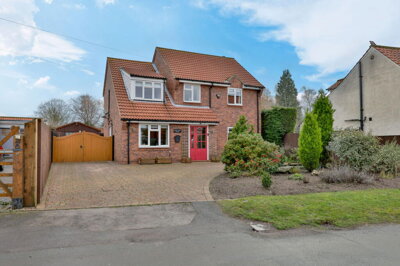
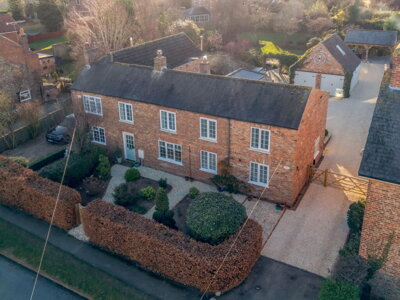
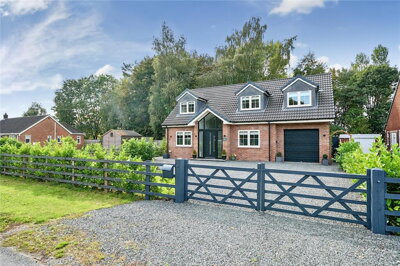
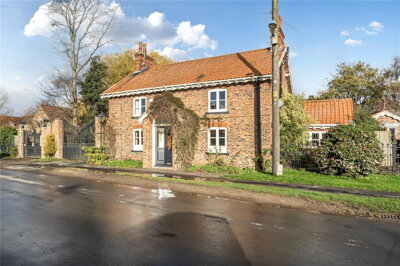
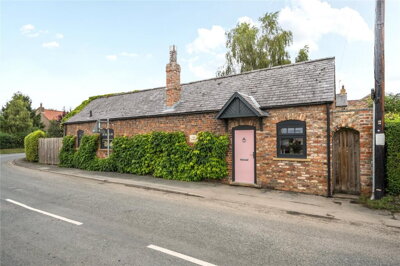
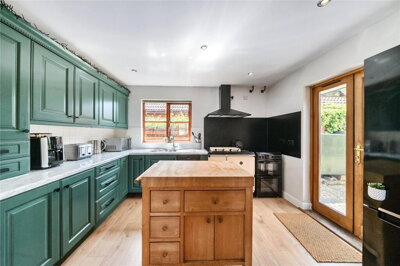
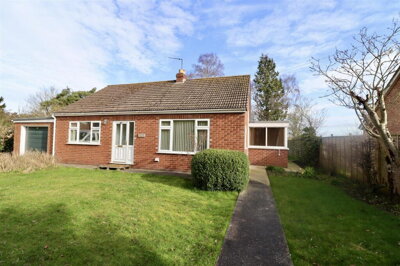
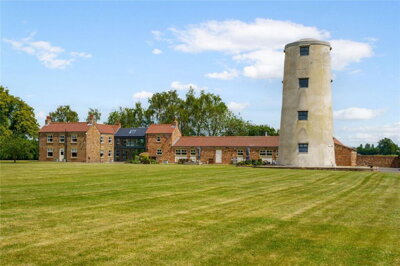
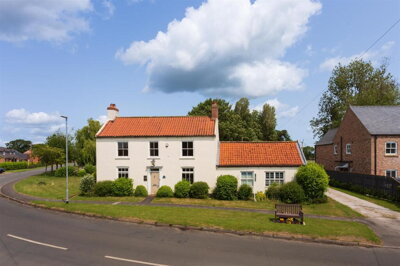
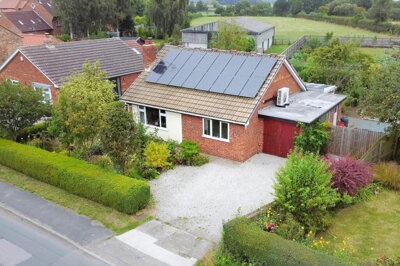
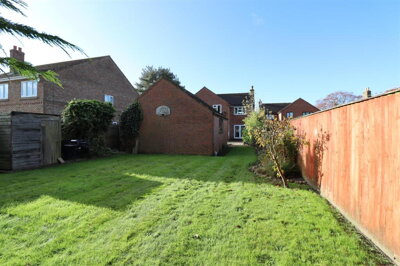
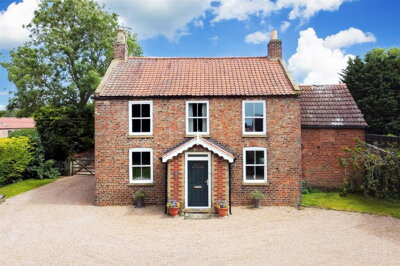
Browse 16 homes for sale in Melbourne, East Riding of Yorkshire from local estate agents.
The Melbourne property market offers detached, semi-detached, and terraced houses spanning various price ranges and neighbourhoods. Each listing includes detailed property information, photographs, and direct contact with the marketing agent.
£623k
2
0
165
Source: home.co.uk
Showing 2 results for Houses for sale in Melbourne, East Riding of Yorkshire. The median asking price is £622,500.
Source: home.co.uk
Detached
2 listings
Avg £622,500
Source: home.co.uk
Source: home.co.uk
The Melbourne property market offers a diverse range of housing options to suit different budgets and lifestyles. Detached properties command the highest prices, with averages around £463,000 according to recent Rightmove data, while semi-detached homes typically sell for approximately £326,000. Zoopla reports similar trends with detached properties averaging £503,278 and semi-detached around £236,000 based on December 2025 provisional South Derbyshire data. Terraced properties represent the most accessible entry point to the local market, with prices averaging around £266,000, making them particularly attractive to first-time buyers looking to establish themselves in this sought-after location.
Over the past year, 63 residential properties have changed hands in Melbourne, representing a decrease of 35% compared to the previous year when 85 transactions were recorded. Despite this reduction in sales volume, prices have remained resilient, with the market showing a 3.59% increase over 12 months. Historical data shows that property prices in Melbourne peaked in 2023 at approximately £417,000, and current values sit around 19% below that peak, presenting potential opportunities for buyers who are willing to take a longer-term view on their investment. Over the last decade, 828 properties have sold in Melbourne, demonstrating the enduring appeal of this location.
New build activity in the area includes the Richborough Estates development on Kings Newton Lane, which has secured outline planning permission for up to 135 new homes with 30% affordable housing provision. Cameron Homes is also building at Poppy Court, offering 4-5 bedroom family homes. A recent planning application (DMPA/2025/0973) was granted for the demolition of a two-storey building and erection of two new dwellings at 55 Derby Road, DE73 8FE. These developments will expand the housing stock available in Melbourne and provide options for buyers seeking brand new properties with modern construction standards and energy efficiency features.

Melbourne is a late Georgian market town characterised by its distinctive red brick architecture featuring stone wedge-lintels and Flemish bond brickwork. The historic town centre contains many buildings from the late 18th and early 19th centuries, creating an atmosphere of timeless elegance that appeals to those who appreciate architectural heritage. Many ordinary Georgian townhouses and cottages were embellished with decorative stone lintels, with older properties potentially being cruck and timber-framed with painted brick nogging or red brick infill and tile roofs. The Conservation Area encompasses a high proportion of well-preserved buildings, and notable landmarks include the Grade I listed Church of St Michael and St Mary, dating from around 1125-1135, and the historic Melbourne Hall.
The local economy has evolved from its historical roots in lace glove manufacturing and quarrying for building stone and scythe-sharpening stone to become a dormitory town for the nearby cities of Derby, Nottingham and Leicester. Melbourne was also home to Thomas Cook, founder of the travel agency that bears his name. The town hosts an annual arts festival that showcases local talent and draws visitors from across the region. The town benefits from a range of local amenities including shops, pubs and restaurants, while the surrounding Derbyshire countryside provides ample opportunities for walking, cycling and outdoor recreation.
The local geology consists of hilly terrain with rich loam and clay soils, with Melbourne sitting on Triassic Mercia Mudstones and having the southernmost outcrop of Derbyshire Millstone Grit. The area is dominated by Triassic Mercia Mudstones, with Sherwood Sandstones extending towards the River Trent approximately 2 miles south. The fertile reddish clay soils have historically supported agriculture in the area, though the presence of clay soils indicates a potential for shrink-swell risk affecting property foundations. Properties in certain areas may be affected by clay-related subsidence, so buyers should arrange appropriate surveys before purchasing. The proximity to the South Derbyshire Coalfield also means buyers should enquire about historical mining activity in specific locations.
Families considering a move to Melbourne will find several educational options within the town and surrounding area. Primary education is served by schools in Melbourne itself and nearby villages, with the town falling within the catchment area for secondary schools in the South Derbyshire area. The South Derbyshire area includes both grammar schools and comprehensive schools, with options in Derby accessible via regular bus services. Parents should check current catchment areas and admissions policies, as these can change and may affect school placement decisions for their children.
For families requiring secondary education, there are grammar schools accessible from Melbourne for those who pass the 11-plus entrance examination. Comprehensive schools in the surrounding towns provide alternatives for families outside the grammar school system. Sixth form provision is available at secondary schools in the area, with further education colleges located in Derby and surrounding towns providing a wider range of vocational and academic courses. Parents are advised to check current Ofsted ratings and speak directly with schools about admissions criteria, which can change annually and may affect placement decisions.
The quality of local schools and their good reputations contribute significantly to the appeal of Melbourne for families. Primary schools in the area have historically performed well in Ofsted inspections, providing solid foundations for children's education. The smaller class sizes often found in village schools can offer benefits for younger children, while the proximity to Derby's more extensive educational options ensures families have choices as their children progress through their schooling. Parents are encouraged to visit schools directly and review current performance data before committing to a property purchase, as school catchments can impact both family life and future resale value.
Melbourne enjoys excellent transport connections that make it an ideal base for commuters working in the East Midlands and beyond. The town is located close to major road networks including the A50 and A5111, providing direct access to Derby city centre and connecting to the wider motorway network. Birmingham is approximately a 40-minute drive away, while Nottingham and Leicester can both be reached in around 30 minutes by car. The strategic position of Melbourne means residents can access major employment hubs while enjoying the lifestyle benefits of village living.
For those relying on public transport, East Midlands Parkway railway station is located nearby and provides direct services to major cities including London St Pancras, Sheffield and Birmingham. The station offers regular services throughout the day, making it practical for commuters who work in London or other major cities. Local bus services connect Melbourne with Derby and surrounding villages, offering options for those who prefer not to drive or who wish to reduce their carbon footprint. The 26 bus service provides a regular link between Melbourne and Derby city centre.
Cycling infrastructure in the area has improved in recent years, with cycle paths connecting Melbourne to nearby towns and providing sustainable commuting options for those working locally. The relatively flat terrain in parts of the town makes cycling accessible for most fitness levels. Parking provision in the town centre is adequate for a settlement of its size, and the relatively low traffic levels in the village centre contrast favourably with the congestion often experienced in larger towns and cities. These factors combine to make Melbourne an attractive proposition for buyers who need to commute but want to avoid the daily frustrations of city centre living.
Spend time exploring Melbourne at different times of day and week to understand the local community, amenities and character. Visit during the annual arts festival to experience the town's cultural life, and speak with current residents about their experiences of living in the area. Explore the Conservation Area to appreciate the architectural heritage, and check the Melbourne Neighbourhood Development Plan to understand local planning policies that may affect your purchase.
Obtain a mortgage agreement in principle before viewing properties. With average property prices around £336,000, most buyers will need a mortgage. Local brokers understand the Derbyshire property market and can help find competitive rates for properties in this area. Getting pre-approved will also strengthen your position when making offers, particularly for desirable properties that may attract multiple bids in the Melbourne market.
Work with local estate agents who know the Melbourne market intimately. With 63 sales in the past year, agents will have valuable insight into comparable properties, pricing trends and the specific characteristics of different neighbourhoods within the town. Consider attending open viewings in your target areas and take detailed notes on property condition, as this will help you prioritise properties for more thorough inspection.
Given Melbourne's significant older housing stock, we strongly recommend a RICS Level 2 Homebuyers Survey for most properties. Our inspectors frequently identify issues in Melbourne properties including damp in period properties, subsidence related to clay soils, defective rainwater goods and poor underfloor ventilation. Surveys in the Melbourne area typically cost £400-£600 depending on property value and size. For properties in the Conservation Area or listed buildings, additional specialist surveys may be required.
Appoint a conveyancing solicitor with experience of South Derbyshire property transactions. They will handle legal checks, searches and the registration process. Ensure they are aware of any Conservation Area restrictions or planning conditions that may affect the property. Searches should include local authority checks, environmental searches to identify any potential contamination risks, and mining searches given the proximity to the South Derbyshire Coalfield.
Once surveys are satisfactory and legal queries are resolved, you can proceed to exchange contracts and set a completion date. On average, the process from offer acceptance to completion takes 8-12 weeks in this area. On completion day, you will receive the keys to your new Melbourne home, and you can begin settling into this historic Derbyshire market town with its excellent transport links, quality schools and strong community spirit.
Melbourne's architectural heritage means that many properties are constructed from traditional materials including red brick, buff sandstone and clay roof tiles. When viewing properties, pay attention to the condition of these materials, as they require specific maintenance approaches. Stone wedge-lintels and Flemish bond brickwork are characteristic features that should be in good condition on well-maintained properties. Look for signs of cracking in brickwork, spalling or erosion of stone lintels, and any signs of movement in walls that may indicate structural issues requiring attention.
The presence of clay soils in Melbourne means that some properties may be affected by subsidence or movement from shrink-swell activity. Our inspectors have identified subsidence issues in Melbourne properties, particularly affecting extensions and older parts of buildings. Look for signs of cracking, doors and windows that stick, or uneven floors. If you have concerns, a RICS Level 2 survey will assess the structural condition and identify any issues that need attention. Properties in the Melbourne Parklands area, which often feature Staffordshire blue clay tile roofs on large red brick farmsteads, may have different maintenance requirements than standard terraced or semi-detached properties.
Many properties in Melbourne fall within the Conservation Area, which means they may be subject to specific planning restrictions on alterations and extensions. If you are considering making changes to a property, check with South Derbyshire District Council about permitted development rights and any Conservation Area consents required. Listed buildings will have additional restrictions to preserve their historic character, and specialist surveys may be needed for properties with significant historical features. Factor these considerations into your renovation plans and budget, as compliance with conservation requirements can add both time and cost to any proposed works.
The average house price in Melbourne is approximately £336,000 according to recent Rightmove data, with Rightmove reporting an overall average of £336,613 over the past year. Zoopla suggests slightly higher averages around £346,050. Detached properties average around £463,000 to £503,000 depending on the source, semi-detached homes approximately £236,000 to £326,000, and terraced properties around £189,000 to £266,000. Property prices have increased by 3.59% over the past 12 months, though they remain around 19% below the 2023 peak of £417,000, which may present buying opportunities for those with a longer-term investment horizon.
Properties in Melbourne fall under South Derbyshire District Council. Council tax bands in the area follow the standard national banding system from A to H, with most period properties in the town centre typically falling into bands B to D. The actual band depends on the property's 1991 valuation, and you can check the specific band for any property through the Valuation Office Agency website or by contacting South Derbyshire District Council directly. Properties on Kings Newton Lane, Derby Road and in the historic town centre may fall into higher bands due to their size and character.
Melbourne offers primary education options within the town itself, with several well-regarded schools serving the local community. The surrounding South Derbyshire area includes both grammar schools and comprehensive schools, with places in Derby accessible via regular bus services for secondary education. Parents should check current Ofsted ratings and catchment area maps before purchasing, as these can change and will significantly impact school placement. The quality of local schools contributes significantly to Melbourne's appeal for families, with smaller class sizes in village schools often providing additional benefits for younger children.
Melbourne benefits from good public transport links despite its village character. Local bus services including the 26 connect the town with Derby and surrounding villages throughout the day. East Midlands Parkway railway station is within easy reach, offering direct services to London St Pancras in around 90 minutes, Sheffield, Birmingham and other major destinations. The A50 and A5111 roads provide excellent driving connections, with Derby accessible in approximately 15 minutes and Nottingham and Leicester in around 30 minutes by car. Birmingham can be reached in approximately 40 minutes by car.
Melbourne offers several factors that make it attractive for property investment. The proximity to major employment centres in Derby, Nottingham and Leicester supports continued demand from commuters seeking village living with city access. The historic housing stock and Conservation Area designation help maintain property values by limiting over-development. With prices currently around 19% below the 2023 peak, there may be opportunities for buyers with a longer-term horizon. The annual arts festival and strong community spirit help maintain the desirability of the area for residents, while new developments like Richborough Estates will add modern housing stock to meet demand.
For standard purchases, stamp duty rates from April 2025 are 0% on the first £250,000, 5% on £250,001 to £925,000, 10% on £925,001 to £1.5 million, and 12% on anything above £1.5 million. First-time buyers benefit from relief on properties up to £625,000, paying 0% on the first £425,000 then 5% on the remainder. With average Melbourne property prices around £336,000, a first-time buyer would pay no stamp duty, while a next-time buyer purchasing at the average price would pay approximately £4,300 in stamp duty to HMRC.
We strongly recommend commissioning a RICS Level 2 Homebuyers Survey when purchasing in Melbourne, particularly given the age of much of the housing stock. Our inspectors have identified common issues in local properties including damp in Victorian and Edwardian properties, subsidence related to the clay soils in the area, defective rainwater goods and poor underfloor ventilation. Properties in Conservation Areas or listed buildings may require additional specialist surveys. Survey costs typically range from £400 to £600 for properties in the £300,000 to £400,000 price range, representing a worthwhile investment to identify any issues before you commit to your purchase.
The main risks when buying period property in Melbourne relate to the traditional construction methods and materials used in Georgian and Victorian properties. Clay soils in the area can cause subsidence or heave affecting foundations, particularly during dry spells or when large trees are present. Damp is common in properties without modern damp-proof courses, especially in solid-walled construction. Stone lintels may show signs of erosion or failure over time, and timber-framed elements in older properties can be affected by woodworm or rot. A thorough RICS Level 2 survey will identify any such issues, allowing you to make an informed decision or renegotiate the price if significant defects are found.
From 4.5% APR
Expert mortgage advice tailored to your circumstances
From £499
Specialist conveyancing solicitors for Melbourne property sales
From £397
RICS Home Survey Level 2 with local expert inspectors
From £85
Energy Performance Certificate for your Melbourne property
When purchasing a property in Melbourne, you will need to budget for several costs beyond the purchase price itself. Stamp duty is calculated on a tiered system: standard buyers pay nothing on the first £250,000, then 5% on the portion between £250,001 and £925,000. For a property at the Melbourne average price of £336,000, a next-time buyer would pay £4,300 in stamp duty. First-time buyers purchasing properties up to £625,000 pay 0% on the first £425,000, making the average Melbourne property stamp-duty free for first-time buyers, which can save thousands of pounds on your purchase.
Survey costs are an important consideration in Melbourne given the age of much of the housing stock. A RICS Level 2 Homebuyers Survey typically costs between £400 and £600 for properties in the £300,000-£400,000 price range, though costs vary depending on property size and value. For higher-value detached properties averaging around £463,000, expect to pay towards the upper end of this range or slightly above. An EPC assessment costs from £85 and is a legal requirement for all sales, providing important information about the energy efficiency of the property.
Solicitors fees for conveyancing typically start from around £499 for standard purchases, though costs can increase for leasehold properties, listed buildings or those in conservation areas due to additional complexity. Search fees, land registry fees and bankruptcy checks add approximately £200-£300 to your costs. Factor in removal costs, potential estate agent fees if you are selling simultaneously, and a contingency of around 1-2% of the purchase price for unforeseen costs. Getting a mortgage in principle before you start your property search will help you understand your budget and demonstrate your seriousness to sellers when making offers on properties in Melbourne.
Properties for Sale In London

Properties for Sale In Plymouth

Properties for Sale In Liverpool

Properties for Sale In Glasgow

Properties for Sale In Sheffield

Properties for Sale In Edinburgh

Properties for Sale In Coventry

Properties for Sale In Bradford

Properties for Sale In Manchester

Properties for Sale In Birmingham

Properties for Sale In Bristol

Properties for Sale In Oxford

Properties for Sale In Leicester

Properties for Sale In Newcastle

Properties for Sale In Leeds

Properties for Sale In Southampton

Properties for Sale In Cardiff

Properties for Sale In Nottingham

Properties for Sale In Norwich

Properties for Sale In Brighton

Properties for Sale In Derby

Properties for Sale In Portsmouth

Properties for Sale In Northampton

Properties for Sale In Milton Keynes

Properties for Sale In Bournemouth

Properties for Sale In Bolton

Properties for Sale In Swansea

Properties for Sale In Swindon

Properties for Sale In Peterborough

Properties for Sale In Wolverhampton

Enter your details to see if this property is within your budget.
Loans, cards, car finance
Estimated property budget
Borrowing + deposit
You could borrow between
Typical borrowing
Monthly repayment
Est. at 4.5%
Loan-to-value
This is an estimate only. Your actual budget may vary depending on interest rates, credit history, and personal circumstances. For an accurate affordability assessment, speak to one of our free mortgage advisors.
This calculator provides estimates for illustrative purposes only and does not constitute financial advice. Your home may be repossessed if you do not keep up repayments on your mortgage. Estimates based on 4.5% interest rate, repayment mortgage. Actual rates depend on your circumstances.
Homemove is a trading name of HM Haus Group Ltd (Company No. 13873779, registered in England & Wales). Homemove Mortgages Ltd (Company No. 15947693) is an Appointed Representative of TMG Direct Limited, trading as TMG Mortgage Network, which is authorised and regulated by the Financial Conduct Authority (FRN 786245). Homemove Mortgages Ltd is entered on the FCA Register as an Appointed Representative (FRN 1022429). You can check registrations at NewRegister or by calling 0800 111 6768.

We use cookies to show you personalised content and improve your experience of our website. Find out more in our Privacy policy and Cookie policy.