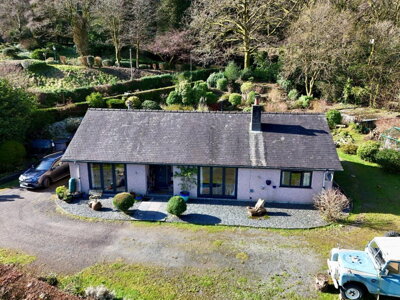
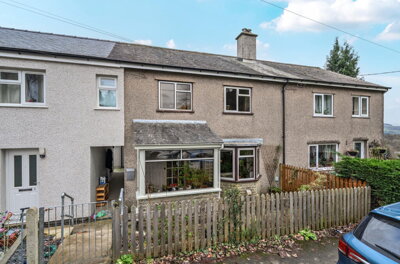
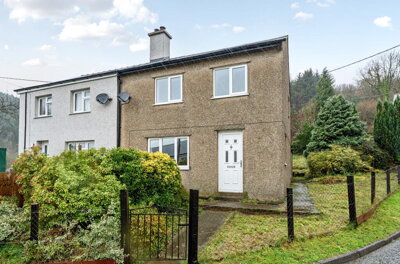
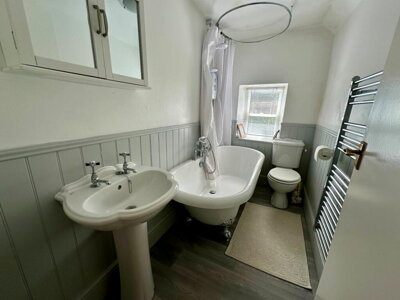
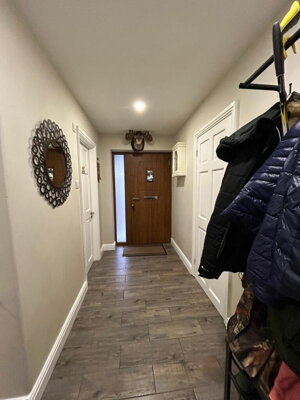
Browse 6 homes for sale in Mawddwy, Gwynedd from local estate agents.
Three bedroom properties represent a significant portion of the Mawddwy housing market, offering space for families with multiple reception rooms and gardens in many cases. Browse detached, semi-detached, and terraced options ranging from period character homes to contemporary developments.
£270k
3
0
326
Source: home.co.uk
Showing 3 results for 3 Bedroom Houses for sale in Mawddwy, Gwynedd. The median asking price is £269,995.
Source: home.co.uk
Detached
2 listings
Avg £274,998
Terraced
1 listings
Avg £160,000
Source: home.co.uk
Source: home.co.uk
Purchasing property in Mawddwy offers a lifestyle that urban living simply cannot replicate. The village sits at the gateway to some of Wales's most spectacular countryside, with the Cambrian Mountains providing dramatic backdrop and endless opportunities for outdoor pursuits. Residents benefit from a genuine sense of community that has become increasingly rare, where neighbours know one another and local events bring people together throughout the year. The quality of air, the sounds of flowing water and birdsong, and the absence of traffic noise create an environment conducive to wellbeing that buyers consistently cite as life-changing.
For remote workers and those with location-independent employment, Mawddwy presents a viable option for combining career aspirations with quality of life. The village benefits from improving digital connectivity that enables home working, while the absence of daily commuting costs and the lower cost of living compared to cities offset the distances required for occasional travel. Families are drawn by the safe streets, excellent state schooling with small class sizes, and the opportunities for children to grow up surrounded by nature rather than screens. The strong Welsh cultural identity of the community, where the Welsh language remains part of daily life, provides a richness that enriches the educational and social development of children.
The practical advantages extend to property prices that remain accessible compared to other Areas of Outstanding Natural Beauty across the UK. While the average property price of around £278,250 reflects the desirable nature of the location, it represents significant value when considering what buyers receive: substantial period properties with land, mountain views, and gardens that would cost multiples in more accessible areas. For those seeking to escape urban property chains and embrace a different way of life, Mawddwy represents an achievable destination that rewards residents with a quality of life that money alone cannot easily purchase.
The Mawddwy property market presents a distinctive picture shaped by its rural location and limited transaction volumes. Our data shows that average house prices in the area have fluctuated between £219,143 and £278,250 depending on the data source, with the variation reflecting the inherent volatility of a small rural market where even a handful of transactions can significantly shift aggregate statistics. Detached properties command the highest prices at around £268,500 on average, while semi-detached homes have been recorded at approximately £307,500 in recent transactions, suggesting strong demand for family-sized accommodation with gardens and mountain views.
One dataset indicates that house prices in Dinas Mawddwy were 123% up on the previous year and 9% up on the 2023 peak of £254,600. However, another Rightmove report states that historical sold prices over the last year were similar to the previous year and 10% down on the 2022 peak of £242,213. This significant discrepancy highlights how small sample sizes in rural markets can produce dramatically different aggregate figures, and underscores the importance of examining individual comparable sales rather than relying solely on headline averages when assessing property values.
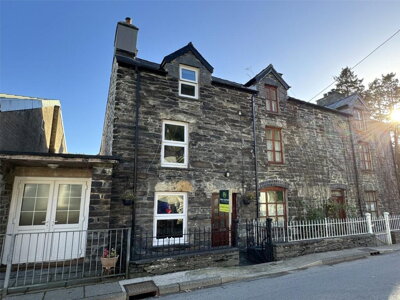
Property types available in Mawddwy reflect the area's agricultural heritage and historical development. Traditional stone-built cottages with slate roofs dominate the older housing stock, many of which are Grade II Listed due to their historical significance. These characterful properties often feature original fireplaces with slate surrounds, exposed beam ceilings, and thick walls that speak to the craftsmanship of previous centuries. New build activity remains virtually non-existent in the immediate Mawddwy area, with any recent development limited to conversions of existing buildings such as chapels rather than purpose-built construction. This scarcity of new housing stock means that buyers seeking modern specifications may need to look to surrounding villages or accept that some modernisation of traditional properties will be necessary.

Mawddwy occupies a special position in the heart of Powys, where the Cambrian Mountains meet the Dovey Valley, creating a landscape of outstanding natural beauty that has attracted settlers for millennia. The community takes its name from the medieval cantref of Mawddwy, an area historically associated with the Princes of Gwynedd, and the region retains a strong Welsh cultural identity with the Welsh language spoken by the majority of residents. The village itself clusters around the River Dyfi, with the surrounding hills providing dramatic backdrop and endless opportunities for outdoor exploration. Local architecture predominantly uses the grey-green stone quarried from nearby hillsides, with traditional slate roofs completing the distinctive aesthetic that has remained largely unchanged for generations.
The quality of life in Mawddwy centres on community connection and access to nature. The village benefits from a primary school, local chapel, and community facilities that bring residents together throughout the year. The surrounding countryside offers exceptional walking, cycling, and fishing opportunities, with the Dyfi Valley providing habitats for rare birds and wildlife that draw naturalists from across the UK. The proximity to the Snowdonia National Park means that mountain adventures, coastal walks, and cultural attractions are all within easy reach, while the absence of heavy traffic and urban noise creates an environment conducive to peaceful family living. Demographically, Mawddwy attracts those seeking an alternative to city life, including remote workers, retired couples, and families drawn by the excellent state schooling and safe streets.
For those considering relocation, understanding the practical aspects of daily life helps set realistic expectations. Local employment opportunities tend to focus on agriculture, tourism, and public services, with many residents working remotely or commuting to larger towns. The nearest major shopping and services are located in Machynlleth, approximately 8 miles away, meaning residents typically plan weekly shopping trips rather than daily errands. The village pub and local shop provide essential supplies, while the weekly market in Machynlleth offers fresh produce and artisan goods that sustain community connections. For buyers prepared to embrace this way of life, the rewards include lower stress levels, stronger community bonds, and access to countryside that remains a precious natural heritage.
Education provision in Mawddwy serves the local community through a primary school that provides a nurturing environment for children in the early years of their education. The school benefits from small class sizes that allow teachers to provide individual attention and support, an advantage often cited by parents choosing rural schooling for their children. Pupils progress to secondary education in the nearby town of Machynlleth, which hosts comprehensive schools serving families across the Dyfi Valley and surrounding hill communities. The quality of teaching and the close relationships between staff and students in these smaller schools frequently result in strong academic outcomes and personal development that rivals larger urban institutions.
For families considering relocation to Mawddwy, the educational landscape extends beyond state provision to include nearby grammar schools and further education opportunities. Secondary schools in the region have established reputations for academic achievement and extracurricular activities, with students regularly progressing to sixth form colleges in towns such as Newtown and Aberystwyth. The strong Welsh cultural dimension of local education means that children develop fluency in both English and Welsh, a valuable skillset in modern Wales that opens doors to career opportunities in public service, media, and cultural industries. Parents should verify current catchment areas and admissions policies with Gwynedd Council, as these can influence which schools children attend and may affect property values in specific locations.
Beyond formal education, the learning opportunities available to Mawddwy residents extend into the natural environment and community life. Children growing up in the village benefit from first-hand experience of farming, wildlife, and seasonal changes that enrich classroom learning. The local chapel and community events provide cultural education rooted in Welsh traditions, while the proximity to historic sites including Castell-y-bela and the ancient forests of the Dyfi Valley offer living history lessons that urban children rarely experience. For families seeking to raise children with a strong connection to place, heritage, and community, Mawddwy provides an environment that nurtures these values alongside academic achievement.
Transport connectivity from Mawddwy reflects its rural character while providing essential links to regional centres and beyond. The nearest railway station is located in Machynlleth, approximately 8 miles from Mawddwy village, offering regular services along the Cambrian Line that connects Birmingham, Shrewsbury, and Aberystwyth. This rail connection provides residents with practical commuting options and access to wider rail networks, though journey times to major English cities require careful planning given the rural nature of the line. Bus services operate along the A470 and surrounding roads, connecting Mawddwy to Machynlleth, Dolgellau, and other communities in Gwynedd and Powys, though frequency may be limited compared to urban routes.
Road access from Mawddwy centres on the A489 and A470 roads that traverse the Dovey Valley, providing connections to the A44 and to the M6 and M5 motorway networks via Shrewsbury for those travelling to Birmingham and the North West. The scenic nature of these routes comes with the trade-off of longer journey times compared to urban driving, with travel to Birmingham taking approximately two and a half hours under normal conditions. For air travel, Liverpool John Lennon Airport and Manchester Airport provide international connections within reasonable driving distance. Commuters to London may find the rail journey from Machynlleth to Euston takes around four hours, making Mawddwy more suitable for those working locally or remotely than for daily commuters to the capital.
For residents who have embraced rural living, the transport considerations become part of a lifestyle adjustment rather than a burden. Many households find that reducing commuting needs transforms their quality of life, with the time previously spent on trains and motorways redirected toward family activities and outdoor pursuits. The village location means that local journeys are typically short and scenic, whether collecting children from school, visiting the local shop, or heading to weekend walking routes on the surrounding hills. Planning ahead for longer journeys to access specialised services, shopping, or entertainment becomes a normal part of life that most residents find manageable and worthwhile.
Purchasing property in Mawddwy requires careful consideration of factors specific to rural Welsh homes and the local environment. The prevalence of Grade II Listed buildings means that buyers should understand the additional responsibilities and restrictions that come with listed status, including requirements for consent before making alterations and obligations to maintain historic features. Our research indicates that properties such as the characterful end-of-terrace cottages in Mawddwy Cottages, including Oswalds Cottage at 4 Mawddwy Cottages, often feature original slate fireplace surrounds and traditional construction methods that require specialist understanding during surveys and renovations. Before purchasing any period property, commissioning a thorough building survey helps identify potential issues with damp, roof condition, and structural integrity that are common in older properties.
Flood risk in Mawddwy remains low according to current assessments, with the probability of flooding from rivers, sea, and surface water standing at between 0.1% and 1% annually. This reassuring statistic reflects the community's elevated position in the valley and the natural drainage provided by the surrounding hillsides. However, prospective buyers should still review specific location flood maps and consider the property's position relative to the River Dyfi during periods of heavy rainfall. Other practical considerations include heating systems in older properties, as some listings mention electric wall heaters and storage heaters that may require upgrading to more efficient alternatives. Understanding service charges, communal area maintenance responsibilities, and any planned improvements to rural infrastructure helps avoid unexpected costs after purchase.
The construction methods used in Mawddwy properties reflect the local geology and traditional building practices of the Cambrian Mountains region. Properties built from local grey-green stone with slate roofs were designed for the climate of the Welsh hills, with thick walls providing thermal mass and protection from wind and rain. However, these traditional methods can present challenges for modern living, including limited insulation, single-glazed windows, and heating systems designed for lower expectations of comfort. Buyers should assess the condition of solid walls for signs of damp penetration, examine roof structures for deterioration of timber and slate, and consider the costs of bringing heritage properties up to contemporary standards while preserving their character. Properties with original features including exposed beams, stone fireplaces, and traditional floorboards often command premium prices, reflecting the desirability of authentic period character.

Average house prices in Mawddwy and the surrounding Dinas Mawddwy area range from approximately £219,143 to £278,250 depending on the data source, with detached properties averaging around £268,500, semi-detached homes at approximately £307,500, and terraced properties from £158,333. The variation between sources reflects the small number of transactions in this rural market, where individual sales can significantly impact aggregate statistics. Prospective buyers should consult with local estate agents for current listings and recent comparable sales to establish realistic price expectations for specific property types and conditions.
Properties in Mawddwy fall under Gwynedd Council jurisdiction for council tax purposes. Bands range from A through to H, with the actual band for any specific property depending on its assessed value. Rural properties with traditional construction and smaller footprints often fall into the lower bands, though converted properties and larger homes may attract higher ratings. Buyers should check the specific council tax band with Gwynedd Council or on the Valuation Office Agency website before budgeting for ongoing costs.
Mawddwy is served by a local primary school providing education for early years children, with pupils progressing to secondary schools in nearby Machynlleth. The schools benefit from small class sizes and strong community involvement that parents frequently cite as advantages of rural education. For families seeking grammar school options, schools in surrounding towns serve as alternatives. All local schools follow the Welsh curriculum with emphasis on bilingual education, and parents should verify current admission arrangements with Gwynedd Council.
Public transport connections from Mawddwy centre on bus services connecting the village to Machynlleth, Dolgellau, and surrounding communities, though service frequencies are lower than in urban areas. The railway station in Machynlleth provides access to the Cambrian Line running between Aberystwyth and Birmingham. Road access uses the A489 and A470 through the Dovey Valley, connecting to the broader national road network. Commuters should plan journeys carefully and consider whether remote working arrangements or part-time office attendance better suit life in this rural location.
Property investment in Mawddwy offers different considerations compared to urban markets. The limited supply of homes for sale, combined with strong demand from buyers seeking rural lifestyles and the area's position within an Outstanding Natural Beauty zone, provides a foundation for stable values. Period properties and traditional cottages attract interest from buyers seeking character homes, while the conversion of buildings such as chapels into residential use adds occasionally to supply. However, the rural location means capital growth may be more modest than in areas near major employment centres, and liquidity can be lower due to smaller buyer pools. Professional advice tailored to individual investment objectives is recommended.
Stamp duty land tax for residential purchases follows UK-wide thresholds: 0% on the first £250,000, 5% on the portion from £250,001 to £925,000, 10% on £925,001 to £1.5 million, and 12% above £1.5 million. First-time buyers benefit from relief on the first £425,000 at 0%, with 5% charged between £425,001 and £625,000. Given that Mawddwy property prices typically fall within the lower threshold bands, many purchases incur either no stamp duty or only the standard rate on amounts above £250,000. Buyers should use the HMRC calculator or consult a solicitor to confirm their specific liability.
Mawddwy contains a notable concentration of Grade II Listed buildings reflecting its historical significance as a medieval cantref associated with the Princes of Gwynedd. Properties such as Oswalds Cottage at 4 Mawddwy Cottages and other period terraced cottages carry listed status, meaning any alterations require Listed Building Consent from Gwynedd Council. While this restricts certain renovations, it also protects the character that makes these properties desirable. Buyers should factor the additional responsibilities of listed ownership into their decision-making and budget for specialist surveys that assess the condition of historic fabric.
Prospective residents should consider that limited local amenities require regular travel to Machynlleth for supermarkets, healthcare, and other services. Broadband speeds can vary depending on location, though improving connectivity is making remote work more viable. The nearest hospital is in Bangor or Shrewsbury, requiring longer journeys for specialist medical care. Weather conditions in the Cambrian Mountains can be more severe than lowland areas, and properties require heating systems capable of coping with cold winters. Despite these considerations, most residents find that the quality of life benefits far outweigh the practical adjustments required.
From 4.5%
Financing your Mawddwy purchase
From £499
Legal support for Welsh property transactions
From £350
Detailed assessment for period properties
From £60
Energy performance certificates required for all sales
Understanding the full costs of purchasing property in Mawddwy helps buyers budget accurately and avoid surprises during the transaction process. The property prices in Mawddwy typically fall within ranges that mean many buyers incur either minimal or no stamp duty land tax, as the average price of around £278,250 means only the portion above £250,000 triggers the 5% rate. For a typical Mawddwy property priced at the average, this would result in stamp duty of approximately £1,413. First-time buyers purchasing properties up to £425,000 would pay no stamp duty at all, making Mawddwy an accessible option for those entering the property market for the first time.
Beyond stamp duty, buyers should budget for solicitor fees typically ranging from £500 to £1,500 depending on complexity, survey costs between £350 and £600 for a standard RICS Level 2 survey, and search fees around £250 to £400. Mortgage arrangement fees vary but often fall between £500 and £2,000 depending on the lender and product chosen. Given the prevalence of older properties in Mawddwy, buyers should also consider potential renovation costs that may not be immediately apparent from viewings. Obtaining quotes for essential work and building insurance from the point of offer acceptance provides a complete picture of affordability. Our recommended solicitors and surveyors experienced with Welsh rural properties can provide detailed cost estimates tailored to specific transactions.
For buyers considering older properties requiring renovation, budgeting for potential works becomes particularly important. Properties with electric wall heaters and storage heaters, as noted in some listings, may require upgrading to more efficient heating systems such as heat pumps or modern gas boilers where mains gas is available. Roof repairs, damp treatment, and insulation improvements represent common expenses for period properties, and obtaining a detailed building survey before purchase helps identify these costs before commitment. Setting aside a renovation budget of 10-15% of the purchase price provides a prudent contingency for bringing traditional Mawddwy properties up to comfortable modern standards while preserving their character.
Beyond the property purchase price, budgeting for life in Mawddwy requires consideration of ongoing costs that differ from urban living. Council tax through Gwynedd Council typically sits in lower bands for rural properties, reflecting the smaller values and footprints of traditional Welsh cottages compared to urban homes. However, heating costs in older stone-built properties can be higher than modern homes, as traditional construction methods prioritised durability over insulation. Many residents find that investing in secondary glazing, loft insulation, and efficient heating systems reduces running costs while maintaining comfortable temperatures throughout the winter months.
Rural property insurance requires careful consideration for period homes and Grade II Listed properties. Standard insurers may decline properties above certain ages or with non-standard construction, while specialist insurers who understand traditional buildings can provide appropriate cover at competitive rates. Buyers should obtain insurance quotes before completing purchase to ensure the property is insurable and to budget for annual premiums. Community facilities and services rely partly on local council provision and partly on community funding, meaning residents may contribute to village hall maintenance, footpath upkeep, and other local initiatives through voluntary contributions alongside council tax.
The cost of living in Mawddwy compares favourably with urban areas in many respects. While groceries and fuel cost more due to transport distances, savings on transport commuting, parking, and entertainment expenses offset these costs. Many residents embrace self-sufficiency through vegetable growing, wood fuel from managed woodlands, and reduced consumerism that comes with rural living. The community spirit that characterises Mawddwy also manifests in sharing arrangements, from borrowing tools to car sharing for shopping trips, that reduce individual costs while strengthening social bonds. For families seeking an affordable alternative to city life without sacrificing quality, Mawddwy offers a viable path to sustainable living.
Properties for Sale In London

Properties for Sale In Plymouth

Properties for Sale In Liverpool

Properties for Sale In Glasgow

Properties for Sale In Sheffield

Properties for Sale In Edinburgh

Properties for Sale In Coventry

Properties for Sale In Bradford

Properties for Sale In Manchester

Properties for Sale In Birmingham

Properties for Sale In Bristol

Properties for Sale In Oxford

Properties for Sale In Leicester

Properties for Sale In Newcastle

Properties for Sale In Leeds

Properties for Sale In Southampton

Properties for Sale In Cardiff

Properties for Sale In Nottingham

Properties for Sale In Norwich

Properties for Sale In Brighton

Properties for Sale In Derby

Properties for Sale In Portsmouth

Properties for Sale In Northampton

Properties for Sale In Milton Keynes

Properties for Sale In Bournemouth

Properties for Sale In Bolton

Properties for Sale In Swansea

Properties for Sale In Swindon

Properties for Sale In Peterborough

Properties for Sale In Wolverhampton

Enter your details to see if this property is within your budget.
Loans, cards, car finance
Estimated property budget
Borrowing + deposit
You could borrow between
Typical borrowing
Monthly repayment
Est. at 4.5%
Loan-to-value
This is an estimate only. Your actual budget may vary depending on interest rates, credit history, and personal circumstances. For an accurate affordability assessment, speak to one of our free mortgage advisors.
This calculator provides estimates for illustrative purposes only and does not constitute financial advice. Your home may be repossessed if you do not keep up repayments on your mortgage. Estimates based on 4.5% interest rate, repayment mortgage. Actual rates depend on your circumstances.
Homemove is a trading name of HM Haus Group Ltd (Company No. 13873779, registered in England & Wales). Homemove Mortgages Ltd (Company No. 15947693) is an Appointed Representative of TMG Direct Limited, trading as TMG Mortgage Network, which is authorised and regulated by the Financial Conduct Authority (FRN 786245). Homemove Mortgages Ltd is entered on the FCA Register as an Appointed Representative (FRN 1022429). You can check registrations at NewRegister or by calling 0800 111 6768.

We use cookies to show you personalised content and improve your experience of our website. Find out more in our Privacy policy and Cookie policy.