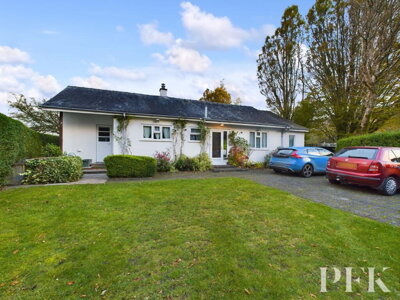
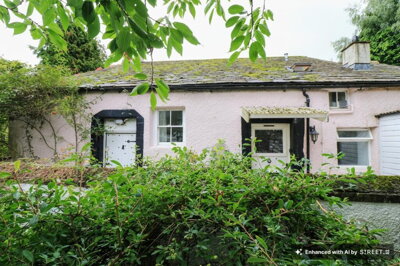
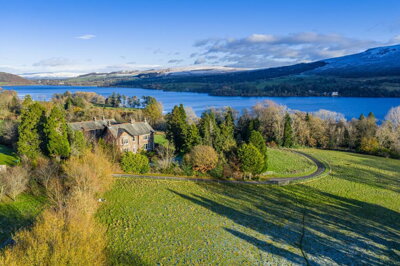
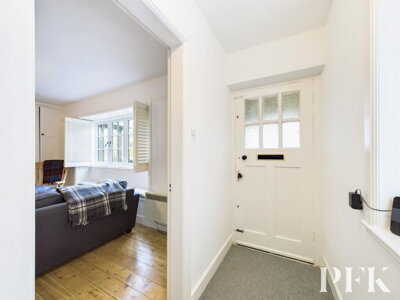
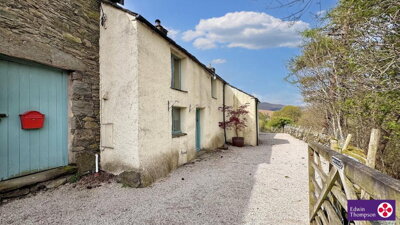
Browse 5 homes for sale in Martindale, Westmorland and Furness from local estate agents.
£0k
0
0
0
Source: home.co.uk
The property market in Martindale operates on a unique set of dynamics shaped by its protected location within the Lake District National Park. With fewer than 100 permanent residents in the civil parish, available properties are exceptionally scarce at any given time. The broader CA10 postcode area shows an average property price of £402,139, though individual properties can range dramatically from around £16,072 to £4,000,000 depending on size, condition, and position. This wide range reflects the mix of modest stone cottages through to grand country houses and farms that characterise the valley.
New build development in Martindale is virtually non-existent. The Lake District National Park Authority maintains strict planning controls to preserve the landscape character, with the authority making provision for just 1,200 new permanent homes across the entire park by 2035. This development focus targets local housing need rather than commercial expansion, meaning remote valleys like Martindale rarely see new properties enter the market. For buyers seeking a contemporary new build home, options in this area are extremely limited, and those that do appear command significant premiums.
A notable feature of the Martindale housing market is the extraordinarily high proportion of non-permanently occupied properties. Research indicates that 77% of housing stock in the parish has no permanent resident, with 37.14% classified as second homes. This is substantially higher than the Lake District average and creates significant upward pressure on prices while limiting the availability of homes for those seeking to establish permanent residence. Buyers should be prepared for competition and should budget accordingly for what is a premium, niche property market.
The predominant housing stock in Martindale consists of traditional stone-built properties dating from the 18th and 19th centuries, with some buildings even older. Properties are typically detached or semi-detached farmhouses, cottages, and agricultural buildings converted for residential use. Terraced properties and flats are exceptionally rare in this rural setting. The age of the housing stock means that most properties will require ongoing maintenance and modernisation, and buyers should budget for the possibility of updating electrical systems, plumbing, and insulation to meet contemporary standards.
Life in Martindale unfolds at a pace dictated by the seasons and the landscape rather than the demands of urban life. The village sits at the southern tip of Ullswater, England's second-largest lake, giving residents immediate access to some of the country's most dramatic scenery. The civil parish encompasses Howegrain Beck and its tributaries, along with extensive common land, crags, and woodlands that form part of the fell country. For those who find fulfilment in outdoor pursuits, Martindale offers an unparalleled quality of life with walking, cycling, and nature observation on the doorstep.
The community in Martindale is small but resilient, with residents drawn together by shared appreciation for the landscape and a sense of custodianship over this special place. The economy centres on agriculture, with traditional farming practices still evident across the valley, alongside tourism and conservation work. The village's historic buildings, including the Church of St. Martin dating from 1634 and the later Victorian St. Peter's Church from 1880, provide spiritual and community anchors. The presence of Bonscale Tower, a 14th-century pele tower, speaks to the area's long history of settlement and its strategic importance through the centuries.
Daily life requires an acceptance of rural logistics. The nearest shops, schools, and services are located in larger settlements like Penrith or Keswick, typically a 30 to 45-minute drive away. This is not a location for those who need immediate access to amenities, but for residents who value tranquility and natural beauty above convenience, Martindale provides a rare quality of existence. The sense of space, the dark skies, the clean air, and the deep connection to the Lake District landscape create a lifestyle that many find impossible to replicate elsewhere in England.
The local landscape offers exceptional opportunities for outdoor activities throughout the year. Ullswater itself provides opportunities for kayaking, sailing, and paddleboarding, while the surrounding fells attract walkers and climbers of all abilities. The Howegrain Beck and its tributaries support native wildlife including otters, dippers, and red squirrels, making the area particularly attractive to nature enthusiasts. During winter months, the fells can experience significant snowfall, creating a different but equally compelling character to the landscape, though residents should be prepared for occasional isolation during severe weather events.

Families considering a move to Martindale should be aware that the village itself does not have a school. The civil parish's tiny population of under 100 residents means that formal educational facilities are located in nearby towns and villages, typically requiring daily transportation. The nearest primary schools are found in the surrounding Eden district, with settlements like Shap, Penruddock, or Bampton providing local options for younger children. These small rural schools offer intimate class sizes and strong community connections, though they serve very small catchment areas.
Secondary education options include schools in Penrith, which is approximately 20 miles from Martindale, and Keswick, which sits across the other side of Derwentwater. Ullswater Community College in Penrith serves as the main secondary school for the northern Lake District area, offering a range of GCSE and A-level courses. Parents should carefully consider school transport arrangements and journey times when evaluating Martindale as a family home, as secondary school commutes can be substantial. Some families choose to board children locally during the week or to relocate closer to schools during the teenage years, particularly if children are pursuing GCSE or A-level studies where continuity matters.
For sixth form and further education, the major centres of Penrith, Carlisle, and Kendal offer the widest range of provision. The Eden district performs well in national educational assessments, and rural schools in the area have strong reputations for academic achievement alongside the development of independent and outdoor-oriented young people. Families moving to Martindale from urban areas should plan carefully for educational logistics and consider visiting potential schools before committing to a property purchase.
Reaching Martindale requires either private vehicle travel or acceptance of very limited public transport options. The village sits at the end of a minor road that branches from the A592, which itself winds along the shores of Ullswater connecting Penrith in the north to Keswick in the south. This picturesque route is a single carriageway road throughout, taking approximately 30 minutes to reach Penrith and around 45 minutes to Keswick under normal driving conditions. The road is well-maintained but subject to seasonal traffic from tourists and fellwalkers, which can extend journey times during peak periods, particularly during summer weekends and school holidays when the Lake District attracts significant visitor numbers.
Public transport options are sparse, as is typical for remote Lake District valleys. Bus services operate along the A592 route but with limited frequency, typically running to a timetable suited to visitors rather than daily commuters. The 508 bus service connects Penrith to Keswick via the Ullswater valley, but frequencies of just two or three services per day make regular commuting impractical. The nearest railway station is in Penrith, which sits on the West Coast Main Line offering direct services to London Euston, Edinburgh, Birmingham, and Manchester. Penrith station is approximately 25 miles from Martindale, meaning residents reliant on rail travel will need reliable private transport to reach it.
For those working in the region's larger towns, commuting from Martindale is a significant undertaking that typically requires a car for at least part of the journey. Home working has transformed viability for many residents, enabling those with remote employment or self-directed work to live in Martindale without the burden of daily commuting. The village has mobile phone coverage from major networks, though speeds may be limited in some parts of the valley. Broadband connectivity can be variable, with some properties accessing superfast broadband while others rely on slower connections or satellite services. Prospective buyers should verify current broadband speeds at specific properties, as connectivity varies significantly within the valley depending on exact location.
Begin by exploring current property listings in Martindale and the broader CA10 postcode area. Given the limited availability, set up alerts to be notified when new properties come to market. Understanding the price range, which spans from around £200,000 to over £1 million for larger properties, will help you establish a realistic budget for your requirements. Many properties in this area are marketed by specialist country agencies familiar with Lake District property, so registering with multiple agents can increase your chances of finding suitable homes.
Contact estate agents with properties in the area to arrange viewings. Many properties in Martindale are sold by specialist country agencies familiar with Lake District property. Viewings may require advance booking, and access to some properties involves travelling along unmade tracks or lanes. Take time to explore the village and surrounding area at different times to understand what living there would be like. Visiting at various times of year can help you appreciate both the beauty and the practical realities of life in this remote location.
Before making an offer, obtain a mortgage agreement in principle from a lender. This demonstrates your financial readiness to sellers and their agents, which is particularly important in a competitive market where second home buyers and cash purchasers may be prevalent. Rural properties sometimes involve unusual financing arrangements, so discuss your options with a specialist mortgage broker who understands the Lake District property market and can advise on appropriate products for traditional stone properties.
Given the age and traditional construction of most Martindale properties, a thorough building survey is essential. Our RICS Level 2 Survey service examines the property condition, identifying issues such as damp, roof defects, timber problems, and structural movement common in older Lake District properties. A survey provides negotiation leverage and alerts you to potential repair costs before completion. Given the prevalence of traditional lime mortar construction and natural slate roofing in the area, a qualified surveyor familiar with historic building methods will be best placed to assess these properties accurately.
Once your offer is accepted, instruct a solicitor with experience in rural and potentially listed property transactions. Conveyancing for properties within the Lake District National Park may involve additional checks on planning conditions, listed building status, and any covenants affecting the property. Your solicitor should be familiar with National Park planning policy and its implications for ownership, including any agricultural tie or occupancy conditions that may affect your use of the property.
Your solicitor will handle the legal transfer of ownership, including local searches, title verification, and registration with the Land Registry. Given the remote location and potential for flood risk or other environmental factors, ensure your solicitor conducts thorough drainage and environmental searches. On completion, you will receive the keys to your new Martindale home. Budget additional time for completion, as rural transactions sometimes involve more complex title issues or searches than urban properties.
Properties in Martindale are predominantly of traditional construction, built from local stone with slate roofs using solid wall techniques and traditional lime mortars. When viewing properties, pay close attention to the condition of the external fabric, including pointing, roof slates, and leadwork. The harsh Lake District weather, including high rainfall, strong winds, and freezing winter conditions, accelerates wear on traditional buildings. Look for signs of penetrating damp, particularly in properties without modern damp-proof courses, and check that rainwater goods are clear and functioning. Properties with solid walls will not have cavity insulation, and upgrading this can be complex and expensive in historic buildings.
Flood risk is a genuine consideration for properties in Martindale. The valley location, with streams flowing into Ullswater, creates potential for both river flooding and surface water flooding during periods of heavy rainfall. Before purchasing, check the Environment Agency flood risk maps for the specific property location, and ask the seller about any historical flooding incidents. Properties in lower-lying areas of the valley may face greater risk, while properties on higher ground or on the valley sides may be less susceptible. The Howegrain Beck and its tributaries can rise rapidly during heavy rainfall, and this should be a key consideration when evaluating any property in the valley floor.
The majority of properties in Martindale will be located within the Lake District National Park, which brings specific planning considerations. Properties may be listed or located within areas where planning restrictions apply to preserve character. Before purchasing any older property, verify its listed status and any planning conditions that may affect your intended use or any future alterations. Standard survey and conveyancing processes will identify most of these issues, but specialist advice may be required for significant renovation projects. Alterations to listed buildings require Listed Building Consent from the National Park Authority, and this process can be lengthy and impose strict requirements on materials and methods.
Electrical and plumbing systems in older Martindale properties often require updating to meet current standards. Many traditional buildings will have been wired in the mid-20th century or earlier, and these installations may not cope with modern power demands. Similarly, plumbing may be via outdated systems that would benefit from replacement. When budgeting for a purchase, include allowance for potential rewiring and replumbing works, as these can be disruptive and expensive in solid-walled properties where chasing walls is not straightforward. A RICS Level 2 Survey will identify the condition of these services and flag any safety concerns.
When purchasing property in Martindale, you will need to budget for several costs beyond the purchase price itself. The primary cost is Stamp Duty Land Tax (SDLT), which applies to all property purchases above £250,000. For a typical Martindale property priced around the CA10 area average of £402,139, you would expect to pay SDLT at 5% on the amount above £250,000, which equals £7,607. Properties priced above £925,000 attract SDLT at 10% on the amount above that threshold, while those exceeding £1.5 million pay 12% on the excess.
First-time buyers purchasing residential property may qualify for relief that raises the zero-rate threshold to £425,000, with 5% applying between £425,001 and £625,000. However, this relief is only available to those who have never owned property anywhere in the world, and it does not apply above £625,000. Given the price profile of Martindale properties, many purchases will fall outside first-time buyer relief, and buyers should budget accordingly for SDLT as a significant additional cost.
Beyond SDLT, you should budget for survey costs (a RICS Level 2 Survey typically starts from £350 for smaller properties but will be higher for larger or more complex buildings), conveyancing fees (from around £499 for standard transactions but potentially more for listed or complex properties), land registry fees, and removal costs. Buildings insurance should be in place from the point of completion, and you may wish to budget for immediate repairs or renovations identified during survey. For remote Lake District properties, factor in potential additional costs for specialist tradespeople who may need to travel from larger towns, and ensure your insurance covers the full rebuild cost including any unique local materials or methods required for traditional buildings.
The broader CA10 postcode area surrounding Martindale shows an average property price of £402,139, with prices ranging from around £16,072 for modest parcels of land or small holdings up to £4,000,000 for substantial country houses and estates. However, specific properties within the Martindale civil parish itself are extremely rare in the market, and prices for available homes can vary significantly based on condition, size, and position. The limited supply, combined with high demand from buyers seeking Lake District property, means that Martindale properties typically command premiums over comparable properties in less desirable locations.
Properties in Martindale fall within the Westmorland and Furness Council authority area. Council tax bands in this part of Cumbria range from A through to H, with most traditional stone cottages and village properties typically falling in bands A to D, while larger farmhouses and country houses may be in higher bands. You can verify the specific band for any property through the Valuation Office Agency website or by requesting this information during the conveyancing process. Given the value of many Lake District properties, it is worth noting that even smaller cottages can occasionally fall into higher bands than their size might suggest.
There are no schools within the Martindale civil parish itself. The nearest primary schools are located in surrounding villages such as Shap, Penruddock, and Bampton, typically within a 15 to 30-minute drive. For secondary education, families typically look to schools in Penrith, including Ullswater Community College, or in Keswick. The journey times for secondary school pupils can be substantial, and parents should carefully consider school transport arrangements when evaluating Martindale as a family location. Schools in the Eden district generally perform well in national assessments, and small class sizes in rural schools offer individual attention that urban schools often cannot match.
Public transport connections from Martindale are very limited. The village is accessed via minor roads off the A592, which connects Ullswater to Penrith and Keswick. Bus services operate along the A592 but with frequencies suited to visitors rather than commuters, typically running several times daily rather than hourly. The 508 bus service connects Penrith to Keswick via the Ullswater valley but operates only two or three times per day. The nearest railway station is Penrith, approximately 25 miles away, on the West Coast Main Line. Residents generally rely on private vehicles for daily transportation, and this should be factored into any decision to relocate to Martindale.
Martindale property has historically shown strong capital appreciation, driven by the extreme scarcity of available homes and the enduring appeal of Lake District living. The 77% non-permanent occupancy rate and 37.14% second home proportion indicate strong demand from buyers seeking holiday lets or weekend retreats. However, buyers should be aware that the market is thinly traded, properties can take longer to sell than in urban areas, and future appreciation will depend on broader economic conditions and Lake District National Park planning policy. For those planning to let properties as holiday accommodation, there is significant potential given the area's popularity with visitors, though planning permission may be required for certain types of let.
Stamp Duty Land Tax applies to your purchase based on the property price. For properties purchased at £250,000 or below, there is no SDLT to pay. Between £250,001 and £925,000, the rate is 5%. From £925,001 to £1.5 million, the rate rises to 10%, and above £1.5 million it is 12%. If this is your first property purchase and the price is below £625,000, you may qualify for first-time buyer relief, which increases the zero-rate threshold to £425,000. Given the price range of most Martindale properties, most buyers will pay SDLT at the standard rates, and for a typical property at £402,139, this would amount to approximately £7,607.
Properties in Martindale face genuine flood risk due to the valley location, presence of watercourses including Howegrain Beck, and the high rainfall typical of the Lake District. River flooding from the becks and surface water flooding during heavy rainfall are the primary risks. Coastal flooding does not apply as Martindale is inland. Before purchasing, you should check the Environment Agency flood risk maps for the specific property, review any historical flooding records, and ensure your buildings insurance covers flood risk. A RICS Level 2 Survey will assess any visible signs of water damage or drainage issues. Properties on elevated ground within the parish generally face lower flood risk than those in the valley floor.
From £350
A thorough inspection of your Martindale property, ideal for traditional stone construction common in the Lake District. Identifies damp, roof defects, timber issues, and structural concerns.
From £500
For older or more complex Martindale properties, our detailed RICS Level 3 Survey provides comprehensive analysis of defects and expert guidance on repairs.
From £75
Required for all property sales, our Energy Performance Certificate assessment for Martindale homes includes recommendations for improving energy efficiency.
Whether you are seeking a traditional stone cottage, a converted barn, or a substantial period farmhouse in one of England's most beautiful valleys, we can connect you with available properties in Martindale. Browse current listings from local estate agents and begin your journey towards finding your perfect Lake District home. With patience, the right preparation, and an understanding of what makes this special corner of Cumbria so sought after, you could soon be calling Martindale home.

Properties for Sale In London

Properties for Sale In Plymouth

Properties for Sale In Liverpool

Properties for Sale In Glasgow

Properties for Sale In Sheffield

Properties for Sale In Edinburgh

Properties for Sale In Coventry

Properties for Sale In Bradford

Properties for Sale In Manchester

Properties for Sale In Birmingham

Properties for Sale In Bristol

Properties for Sale In Oxford

Properties for Sale In Leicester

Properties for Sale In Newcastle

Properties for Sale In Leeds

Properties for Sale In Southampton

Properties for Sale In Cardiff

Properties for Sale In Nottingham

Properties for Sale In Norwich

Properties for Sale In Brighton

Properties for Sale In Derby

Properties for Sale In Portsmouth

Properties for Sale In Northampton

Properties for Sale In Milton Keynes

Properties for Sale In Bournemouth

Properties for Sale In Bolton

Properties for Sale In Swansea

Properties for Sale In Swindon

Properties for Sale In Peterborough

Properties for Sale In Wolverhampton

Enter your details to see if this property is within your budget.
Loans, cards, car finance
Estimated property budget
Borrowing + deposit
You could borrow between
Typical borrowing
Monthly repayment
Est. at 4.5%
Loan-to-value
This is an estimate only. Your actual budget may vary depending on interest rates, credit history, and personal circumstances. For an accurate affordability assessment, speak to one of our free mortgage advisors.
This calculator provides estimates for illustrative purposes only and does not constitute financial advice. Your home may be repossessed if you do not keep up repayments on your mortgage. Estimates based on 4.5% interest rate, repayment mortgage. Actual rates depend on your circumstances.
Homemove is a trading name of HM Haus Group Ltd (Company No. 13873779, registered in England & Wales). Homemove Mortgages Ltd (Company No. 15947693) is an Appointed Representative of TMG Direct Limited, trading as TMG Mortgage Network, which is authorised and regulated by the Financial Conduct Authority (FRN 786245). Homemove Mortgages Ltd is entered on the FCA Register as an Appointed Representative (FRN 1022429). You can check registrations at NewRegister or by calling 0800 111 6768.

We use cookies to show you personalised content and improve your experience of our website. Find out more in our Privacy policy and Cookie policy.