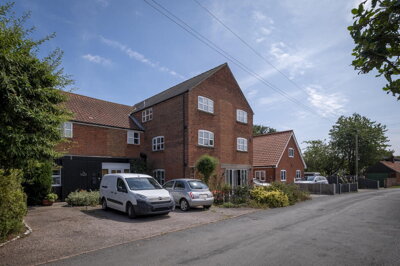
Browse 1 home for sale in Martham, Great Yarmouth from local estate agents.
The 2 bed flat sector typically includes two separate bedrooms, dedicated living areas, and bathroom facilities. Properties in Martham span purpose-built blocks, converted period houses, and modern apartment complexes on various floors.
£0k
0
0
0
Source: home.co.uk
Showing 0 results for 2 Bedroom Flats for sale in Martham, Great Yarmouth.
Liath Sgeir itself is a small islet in Argyll and Bute, a council area known for its spectacular coastline, sea lochs, and rugged landscapes. The region encompasses the Kintyre peninsula, the islands of Mull, Islay, Jura, and Bute, as well as the coastal towns of Oban, Dunoon, and Helensburgh. This geographical diversity means property seekers using Liath Sgeir as their reference point can access everything from remote coastal plots to homes in vibrant towns with excellent amenities. The area spans over 2,600 square miles, making it one of the most geographically diverse council areas in Scotland.
The local economy of Argyll and Bute is built on tourism, fishing, aquaculture, renewable energy, and public services. Communities here are known for their warmth and resilience, with many villages maintaining traditional Highland culture while embracing modern conveniences. The population tends to be concentrated in the larger towns, with scattered small communities throughout the more remote areas. Major employers include the NHS, Argyll and Bute Council, and the aquaculture industry, which has significant operations around the Mull of Kintyre and Loch Fyne areas.
The geology of Argyll and Bute consists largely of ancient metamorphic rocks, with areas of granite intrusion particularly around the Mull of Kintyre and the islands of Mull and Arran. Properties in these areas may encounter different foundation conditions compared to areas built on softer sedimentary deposits. Coastal erosion is a natural consideration for properties positioned on exposed headlands, particularly along the western seaboard where Atlantic weather systems can be severe during winter months.

The Argyll and Bute property market offers excellent diversity, with everything from traditional stone cottages and Victorian townhouses to modern new-build developments. Properties in coastal towns like Oban, Dunoon, and Tobermory often feature stunning sea views and proximity to marina facilities, while inland homes in areas like Dalmally and Tayvallich offer greater seclusion and access to expansive countryside. The market includes both freehold houses and a proportion of leasehold properties, particularly in some of the town centre apartments. Many properties date from the 18th and 19th centuries when the region prospered from fishing, shipping, and the distilling industry.
Property prices in Argyll and Bute vary significantly depending on location, type, and proximity to the coast. Coastal properties with direct sea access or panoramic views typically command premiums, while homes in more remote locations offer exceptional value for those seeking larger plots or renovation projects. The market attracts buyers from across Scotland and the wider UK seeking to escape larger cities for a slower pace of life in one of Britain's most beautiful regions. Entry-level properties can be found from around £100,000 for smaller cottages, while substantial family homes with sea views regularly exceed £400,000 in sought-after locations.
Recent market activity has shown increased interest from buyers seeking more space following changes to working patterns. Properties with home office potential or reliable broadband connectivity have become particularly desirable in towns like Helensburgh, where commuters can reach Glasgow while enjoying coastal living. The holiday let market remains strong, particularly on Mull and around Oban, where tourism supports both investment purchases and owners who let their properties seasonally to offset mortgage costs.

Education provision in Argyll and Bute is managed by Argyll and Bute Council, which operates a network of primary schools across the region alongside secondary schools in the main towns. Oban High School serves the south of the region, while Dunoon Grammar School caters to the Cowal peninsula. Schools in the area generally maintain favorable pupil-to-teacher ratios, allowing for more individualized attention than often found in larger urban schools. The total school population across Argyll and Bute is approximately 6,500 pupils, with education delivered across 29 primary schools and 6 secondary schools.
For families considering a move to the region, it is worth noting that some smaller island communities operate their own primary schools, providing essential local education access. Secondary education for island pupils may involve boarding arrangements or ferry commutes, which families should factor into their planning. The region also has strong community links and often organizes educational activities that take advantage of the unique coastal and Highland environment. Schools on islands like Islay, Jura, and Mull each have their own primary provision, with secondary pupils typically attending schools on the mainland or boarding in larger towns.
Beyond state education, families in Argyll and Bute may also consider independent schooling options, with some pupils travelling to schools in Glasgow or Stirling. Further education opportunities are available at the University of the Highlands and Islands, which has campuses in Oban and offers courses ranging from vocational qualifications to degree programs. The university's presence supports local employment and provides educational pathways for students wishing to remain in the area while pursuing higher education.
Transport in Argyll and Bute is shaped by its geography, combining road networks with ferry services that connect the mainland to the various islands. The A83 trunk road runs through the region, connecting Campbeltown to Tarbert and onwards to Inverness, while the A819 provides access to the Dalmally area. The A815 serves the Cowal peninsula leading to Dunoon, and the A886 provides connections to the Rosneath peninsula. For those using Liath Sgeir as a reference, the nearest mainland road connections lead to Oban, which serves as a major transport hub for the region.
Public transport options include bus services operated by West Coast Motors, connecting towns and villages throughout Argyll and Bute with reasonable frequency on main routes. CalMac ferries operate the extensive ferry network connecting mainland ports to islands including Mull, Islay, Jura, and Bute, with some routes running several times daily. Key ferry routes include Oban to Craignure on Mull (approximately 45 minutes), Kennacraig to Islay (around 2 hours), and Colintraive to Rhubodach on Bute (just 5 minutes). These ferry connections are essential for island residents and significantly impact property viewing logistics.
The nearest railway stations are in Oban and Taynuilt, offering connections to Glasgow via the spectacular West Highland Line. The journey from Oban to Glasgow Queen Street takes approximately 3 hours, passing through some of Scotland's most dramatic scenery including Rannoch Moor and Glen Coe. Helensburgh has direct rail connections to Glasgow via the West Highland Line, with journey times of around 45 minutes to the city centre. For those travelling by air, Glasgow Airport is approximately 90 minutes from Helensburgh, while Inverness Airport is around 2 hours from Oban.
Decide whether you need to be on a specific island, in a particular town like Oban or Dunoon, or somewhere more remote. Island living requires consideration of ferry schedules and access. Some buyers prioritize quick ferry connections to the mainland, while others seek the solitude of locations like Jura or Colonsay where services are more limited.
Browse current listings across Argyll and Bute to understand what is available at your budget. Properties range from cottages under £150,000 to substantial family homes exceeding £400,000. Online property portals show the full range of options, but engaging with local estate agents can reveal properties not yet listed publicly. Setting up alerts for new listings is advisable in popular areas where properties can sell quickly.
Before viewing properties, obtain a mortgage agreement in principle from a lender. This strengthens your position when making offers, particularly in competitive island markets. Several lenders offer specialist Scottish mortgage products, and using a broker familiar with the Argyll and Bute market can be advantageous given the unique nature of some rural properties.
Plan viewings to minimize travel, particularly if viewing properties on multiple islands. Consider overnight accommodation to see more properties in a single visit. Many buyers fly into Oban or take the ferry from Gourock when viewing Cowal properties. In summer, booking viewings well in advance is recommended as accommodation fills quickly with tourists.
Once your offer is accepted, arrange a RICS Level 2 Survey to assess the property condition. Our inspectors are familiar with traditional Scottish construction methods common throughout Argyll and Bute, including stone walls, slate roofs, and timber-frame structures. Survey costs typically range from £400 to £600 depending on property size and value, with discounts often available when booking multiple surveys for portfolio landlords.
Instruct a solicitor to handle conveyancing, searches, and registration. The process typically takes 8-12 weeks for standard transactions in Scotland. Your solicitor will conduct local authority searches with Argyll and Bute Council, along with water and drainage searches, and mining searches where applicable given the historical mining activity in some areas of the region.
When purchasing property in Argyll and Bute, the coastal environment requires particular consideration. Salt air can accelerate corrosion on metal fixtures and fittings, so inspect external hardware, hinges, and structural connections carefully. Properties near the sea may also be subject to higher insurance premiums and should be checked for any history of flooding or storm damage, particularly in low-lying coastal areas. The Scottish Flood Risk Assessment should be consulted for properties in known flood zones, and we recommend checking the SEPA flood maps before committing to a purchase.
Many properties in the region are constructed from traditional stone or local materials that may predate modern building regulations. Our surveyors frequently identify issues in older properties including penetrating damp, condensation related to inadequate ventilation, and structural movement in buildings with original timber frames. If viewing older properties, look for signs of damp, structural movement, or previous alterations that may require attention. Properties in conservation areas may have restrictions on alterations, so verify with Argyll and Bute Council planning department before committing to significant changes.
Properties with private water supplies are common in more rural areas of Argyll and Bute, unlike properties in urban Scotland which typically connect to mains water. These private supplies require regular testing and maintenance, and buyers should budget for potential treatment system upgrades. Similarly, many rural properties use oil-fired or electric heating systems rather than gas, which affects running costs. Our inspectors always note the condition and age of heating systems during surveys, as replacing an old oil boiler can cost £2,000 or more.
When purchasing property in Argyll and Bute, you should budget for several costs beyond the purchase price. Land and Buildings Transaction Tax (LBTT) will be calculated on your purchase price using the Scottish bands. A mortgage arrangement fee, typically between £0 and £2,000, may be charged by your lender. Survey costs for a RICS Level 2 Homebuyer Report generally range from £400 to £600 depending on property size, while a solicitor's conveyancing fees typically start from around £500 and increase with transaction complexity. Our team can provide quotes for surveys across the Argyll and Bute region.
Additional costs include search fees, which cover local authority, environmental, and drainage searches, typically £200 to £400. Land Registry fees in Scotland vary based on property value. Buildings insurance should be in place from the date of entry, and you may need to factor in the cost of moving furniture and belongings, particularly if relocating from the mainland with ferry transport considerations. For remote island properties, factor in additional travel costs for viewings, surveys, and legal appointments. Some island solicitors charge higher fees to account for the additional complexity of island transactions.
Properties in Argyll and Bute may also be subject to premium rates for buildings and contents insurance, particularly those in flood risk areas or exposed coastal locations. Getting insurance quotes before finalizing a purchase is advisable, as some insurers decline to cover properties in certain flood zones. Energy costs can also be higher for properties off the gas grid, with oil, electricity, or biomass systems providing heating. An EPC assessment can help you understand the energy efficiency of any property you are considering, and our assessors operate throughout the Argyll and Bute region.
Property prices in Argyll and Bute vary considerably by location and type. Entry-level cottages and flats can be found from around £100,000 to £150,000, while detached family homes in desirable coastal locations typically range from £250,000 to £450,000. Properties with significant land or sea views command higher prices. The market offers good value compared to the Central Belt of Scotland, particularly for larger properties. Helensburgh tends to command higher prices due to its proximity to Glasgow, while more remote areas like Kintyre and the islands generally offer better value for money.
Properties in Argyll and Bute are assigned council tax bands by Argyll and Bute Council, following valuation by the Scottish Assessors. Bands range from A to H, with most residential properties falling between Band C and Band E. You can check the specific band for any property through the Scottish Assessors Portal or when viewing property details. Council tax rates for Argyll and Bute are set annually by the council and typically align with Scottish national averages, though the rural nature of the area means some services may be delivered differently than in urban councils.
Argyll and Bute has several well-regarded schools including Oban High School, Dunoon Grammar School, and Islay High School. Primary schools across the region generally achieve positive inspection results from Education Scotland. For specific school performance data, consult the Education Scotland website or Argyll and Bute Council's education pages for current statistics and inspection reports. Schools in smaller communities like Tayvallich, Portavadie, and Craobh Haven provide valuable local education but may have limited capacity, so early enquiry about enrollment is recommended when moving to these areas.
Argyll and Bute is served by regular bus routes connecting major towns, with Campbeltown, Oban, and Dunoon having the most frequent services. CalMac ferries provide essential connections to all islands in the region. The nearest railway station is in Oban, with direct services to Glasgow. Journey times to Glasgow by train are approximately 3 hours, while driving via the A82 takes around 2.5 to 3 hours from Oban. The Cowal peninsula is well-served by buses from Dunoon to Glasgow, with the journey taking approximately 1 hour 15 minutes.
Argyll and Bute attracts investment from buyers seeking holiday lets, long-term rentals, and retirement homes. The tourism industry supports strong short-term rental demand, particularly in towns like Oban and on islands like Mull. Property values have shown steady growth as more buyers discover the region. However, investors should consider factors like seasonal demand fluctuations and the cost of maintaining remote properties. Holiday let investors should note that properties must meet certain standards and register with Argyll and Bute Council to operate legally.
Stamp Duty Land Tax (SDLT) in Scotland is called Land and Buildings Transaction Tax (LBTT). For residential purchases, there is no LBTT on properties up to £145,000. The rate is 2% on the portion from £145,001 to £250,000, 5% from £250,001 to £325,000, 10% from £325,001 to £750,000, and 12% above £750,000. First-time buyers in Scotland receive relief on properties up to £175,000. Always consult a solicitor for current rates as these may change.
Properties along the coast and near sea lochs in Argyll and Bute should be assessed for coastal erosion and wave overtopping risks, particularly those on low-lying shores. SEPA flood maps indicate areas at risk from river and coastal flooding throughout the region. Properties in locations like Dunoon, Oban, and along the shores of Loch Fyne have experienced flooding events, so checking the flood history of any specific property is essential. Our surveyors always check for signs of previous water damage and can recommend further investigation if flooding is a concern.
The housing stock in Argyll and Bute reflects the region's history and geography, with a high proportion of traditional stone-built cottages, Victorian and Edwardian townhouses, and 20th-century semi-detached properties. In towns like Oban and Dunoon, you will find Victorian terraces with sea views alongside modern apartments in converted buildings. Rural areas feature stone cottages, farmhouses, and more modern detached houses built during various housing development schemes. Many properties have large gardens, particularly those outside town centres, which is a significant attraction for buyers seeking space.
From 4.5%
Finding the right mortgage for your Argyll and Bute property purchase
From £499
Solicitors experienced in Scottish property transactions across Argyll and Bute
From £400
Our RICS qualified inspectors assess properties throughout Argyll and Bute
From £80
Energy performance certificates required for all Argyll and Bute property sales
Properties for Sale In London

Properties for Sale In Plymouth

Properties for Sale In Liverpool

Properties for Sale In Glasgow

Properties for Sale In Sheffield

Properties for Sale In Edinburgh

Properties for Sale In Coventry

Properties for Sale In Bradford

Properties for Sale In Manchester

Properties for Sale In Birmingham

Properties for Sale In Bristol

Properties for Sale In Oxford

Properties for Sale In Leicester

Properties for Sale In Newcastle

Properties for Sale In Leeds

Properties for Sale In Southampton

Properties for Sale In Cardiff

Properties for Sale In Nottingham

Properties for Sale In Norwich

Properties for Sale In Brighton

Properties for Sale In Derby

Properties for Sale In Portsmouth

Properties for Sale In Northampton

Properties for Sale In Milton Keynes

Properties for Sale In Bournemouth

Properties for Sale In Bolton

Properties for Sale In Swansea

Properties for Sale In Swindon

Properties for Sale In Peterborough

Properties for Sale In Wolverhampton

Enter your details to see if this property is within your budget.
Loans, cards, car finance
Estimated property budget
Borrowing + deposit
You could borrow between
Typical borrowing
Monthly repayment
Est. at 4.5%
Loan-to-value
This is an estimate only. Your actual budget may vary depending on interest rates, credit history, and personal circumstances. For an accurate affordability assessment, speak to one of our free mortgage advisors.
This calculator provides estimates for illustrative purposes only and does not constitute financial advice. Your home may be repossessed if you do not keep up repayments on your mortgage. Estimates based on 4.5% interest rate, repayment mortgage. Actual rates depend on your circumstances.
Homemove is a trading name of HM Haus Group Ltd (Company No. 13873779, registered in England & Wales). Homemove Mortgages Ltd (Company No. 15947693) is an Appointed Representative of TMG Direct Limited, trading as TMG Mortgage Network, which is authorised and regulated by the Financial Conduct Authority (FRN 786245). Homemove Mortgages Ltd is entered on the FCA Register as an Appointed Representative (FRN 1022429). You can check registrations at NewRegister or by calling 0800 111 6768.

We use cookies to show you personalised content and improve your experience of our website. Find out more in our Privacy policy and Cookie policy.