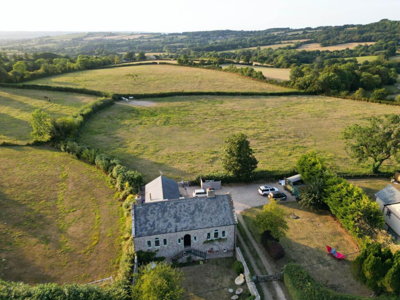
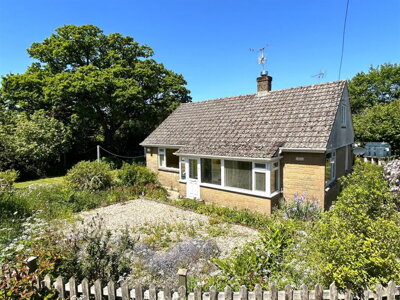
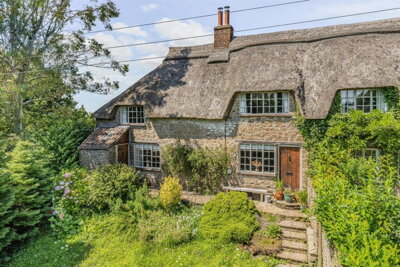
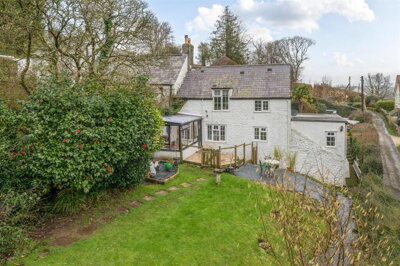
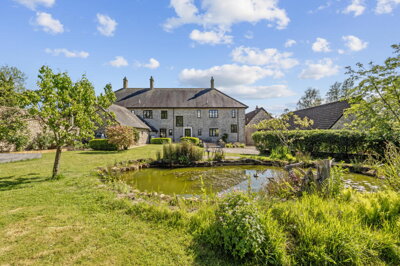
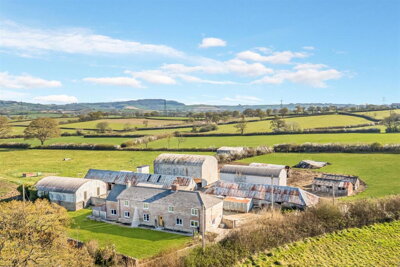
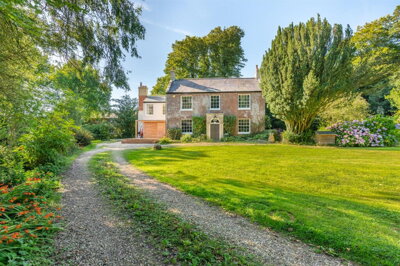
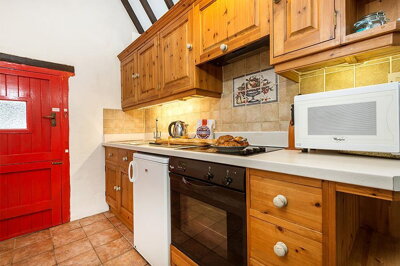
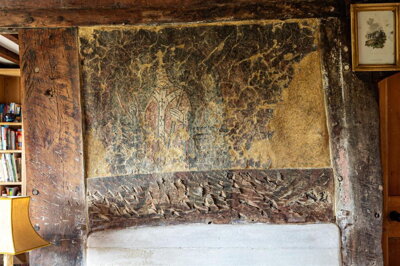
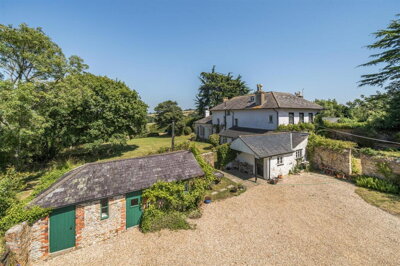
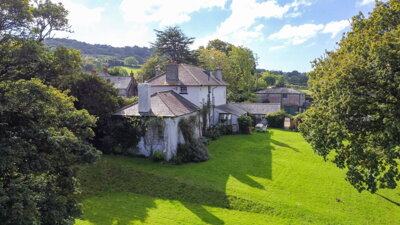
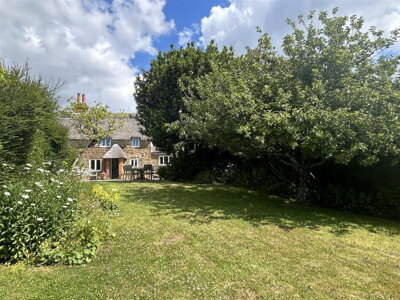
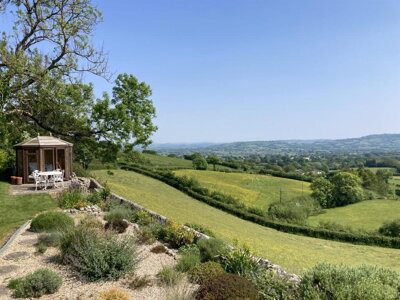
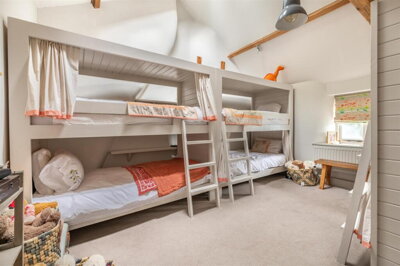
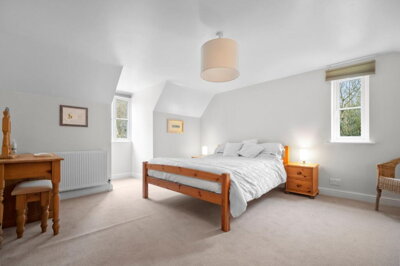
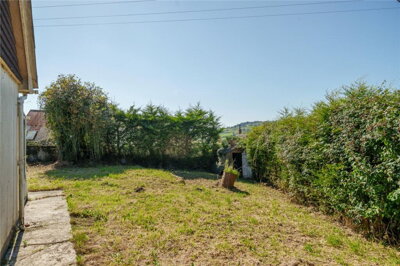
Browse 16 homes for sale in Marshwood, Dorset from local estate agents.
£750k
3
0
291
Source: home.co.uk
Source: home.co.uk
Bungalow
1 listings
Avg £290,000
Detached
1 listings
Avg £750,000
Farm House
1 listings
Avg £995,000
Source: home.co.uk
Source: home.co.uk
The Leeds property market has demonstrated remarkable resilience and steady growth over recent years, making it an attractive destination for buyers at every stage of their property journey. City centre flats in Leeds offer excellent value compared to London and other southern cities, with one and two-bedroom apartments typically ranging from £120,000 for older stock to £300,000 for premium developments with river or skyline views. The popular LS2 and LS3 postcode areas command the highest city centre prices, particularly around Wellington Street, Granary Wharf, and the Calls development where modern living meets historic industrial architecture. Investors have taken notice of Leeds's strong rental market, with city centre properties consistently achieving yields of 5-7% depending on location and condition.
Moving outward from the city core, the Victorian and Edwardian terraces of Headingley, Burley, and Meanwood offer exceptional period charm at more accessible price points than many comparable UK cities. These properties typically feature original fireplaces, high ceilings, and generous room proportions that characterise the best of Leeds's architectural heritage. Family homes with three or four bedrooms in areas like Alwoodley, Roundhay, and Collingham can reach into the £400,000-£700,000 bracket, with particularly sought-after streets commanding premium prices. The new build sector has expanded significantly on Leeds's outskirts, with developments at Thorpe Park, East Leeds, and the Aire Valley creating thousands of new homes ranging from stylish apartments to substantial detached family houses.

Leeds has transformed into one of Britain's most exciting cities over the past two decades, evolving from its industrial past into a modern metropolis that consistently attracts new residents drawn by its employment prospects, cultural offerings, and relatively affordable cost of living compared to the capital. The city centre pulses with energy from the regenerated Granary Wharf area down to the historic Kirkgate Market and the sleek shopping precincts of Trinity Leeds and John Lewis at home. Residents benefit from an exceptional concentration of restaurants, bars, and cafes, with the Calls, Greek Street, and the waterfront district offering diverse culinary experiences from independent bistros to popular chain restaurants. The cultural scene thrives through venues such as Leeds Grand Theatre, the City Varieties Music Hall, and the West Yorkshire Playhouse, while annual events including Leeds Festival and Live at Leeds bring national and international attention to the city.
Beyond the city centre, Leeds reveals a patchwork of distinctive neighbourhoods each with its own character and community spirit. North Leeds encompasses areas like Roundhay with its famous park and weekend market, while Headingley has long been associated with the student community yet retains a village atmosphere with independent shops and vibrant nightlife. The regeneration of Holbeck has brought new investment to traditionally working-class areas, creating interesting contrasts between historic back-to-back terraces and contemporary apartment developments. West Leeds includes areas like Pudsey and Bramley, which offer more suburban living with good schools and local amenities while maintaining excellent transport connections into the city. The surrounding countryside of West Yorkshire remains easily accessible, with the Yorkshire Dales National Park starting approximately twenty miles north of the city centre.
Demographically, Leeds is a young and diverse city with a population exceeding 800,000 within the city boundary and a wider metropolitan area of more than 2.5 million people. The city has significant student populations associated with the University of Leeds, Leeds Beckett University, and Leeds Trinity University, creating a dynamic atmosphere that influences housing demand across the city. Young professionals are drawn by the strong employment opportunities in financial services, healthcare, technology, and creative industries that cluster in and around the central business district. Families appreciate the balance of urban conveniences with access to parks and green spaces, with properties in areas like Alwoodley and Shadwell offering spacious living with excellent local schools within reasonable distance.
Leeds offers an exceptional range of educational opportunities from early years through to higher education, making it particularly attractive to families considering a move to the city. At primary level, the city hosts numerous Outstanding and Good-rated schools, with notable names including St. Urban's Catholic Primary, Moortown Primary, and Adel Primary School consistently performing well in national assessments. The early years education landscape includes both maintained nurseries and private settings, providing flexibility for working parents. Primary school catchment areas are highly competitive in popular areas such as Roundhay, Alwoodley, and Headingley, meaning prospective buyers with children should research admission criteria carefully before committing to a specific area or property.
Secondary education in Leeds includes a mix of comprehensive schools, academies, and selective grammar schools that serve students across the city. The city operates a partly selective system with several highly regarded grammar schools including Leeds Grammar School and Leeds Girls' High School, which select students based on academic ability through the 11-plus examination. Comprehensive and academy secondary schools in areas such as Otley, Wetherby, and Garforth have built strong reputations for academic achievement and extracurricular provision. The nearby Roundhay School, despite its popularity, operates as a non-selective academy and has achieved impressive results in recent years. Parents should verify current Ofsted ratings and admission policies directly with schools, as these can change and catchment areas can shift based on demand.
Higher education opportunities in Leeds are particularly strong, with the University of Leeds consistently ranked among the top twenty UK universities and particularly renowned for its business, engineering, and medical schools. Leeds Beckett University offers a wider range of vocational courses, while Leeds Trinity University focuses on media, journalism, and health-related subjects. The presence of three major universities creates significant demand for student accommodation across the city, influencing the buy-to-let market particularly in areas close to campus such as Hyde Park, Headingley, and Woodhouse. Further education is well-served through Leeds City College and various apprenticeship providers, ensuring residents have access to vocational pathways alongside traditional academic routes.
Leeds enjoys exceptional transport connectivity that makes commuting and regional travel straightforward for residents, contributing significantly to the city's appeal as a place to live and work. Leeds railway station stands as one of the busiest in the north of England, offering direct services to London King's Cross that take approximately two hours, alongside frequent connections to Manchester, Sheffield, Newcastle, Liverpool, and York. The station has undergone significant redevelopment in recent years, with improved facilities and additional platforms making rail travel more convenient. Commuters travelling to Manchester can reach Piccadilly in around an hour, while Sheffield is approximately forty minutes away, making Leeds viable for those working in other northern cities while living in more affordable West Yorkshire.
Within the city, public transport options include the West Yorkshire Metro train network, which connects Leeds with surrounding towns and suburbs including Bradford, Huddersfield, Wakefield, and Harrogate. The Leeds Bradford Airport provides international connectivity with flights to European destinations and beyond, though the airport's runway length limits some long-haul options. The city benefits from the Leeds Park and Ride scheme, with sites at Elland Road, Temple Green, and Stourton providing convenient access to the city centre for those driving from surrounding areas. Bus services across the wider conurbation are coordinated through Metro, offering extensive coverage across residential areas and connecting with key employment centres.
For drivers, Leeds sits at the intersection of major motorways including the M1, M62, and A1(M), providing road connections across the north and to London via the M1 or M25. Traffic congestion during peak hours can be significant on key routes into the city centre, making proximity to the city loop road an important consideration for commuters choosing where to live. The Leeds Inner Ring Road circles the city centre, providing relief routes and connecting to major arterials. Cycling infrastructure has improved substantially in recent years, with the Leeds City Cycle scheme offering bike hire at numerous stations throughout the city and dedicated cycle lanes on key routes encouraging sustainable commuting. Walking remains viable for city centre residents, with most amenities accessible within a reasonable radius of the central business district.

Explore our listings to understand the range of properties available across different Leeds neighbourhoods. Each area offers distinct advantages, from the student-friendly streets of Headingley to the family-oriented suburbs of East Leeds. Understanding local prices and property types will help you refine your search effectively.
Obtain a mortgage agreement in principle before viewing properties to demonstrate your buying capacity to estate agents and sellers. Leeds lenders offer competitive rates, and getting pre-approved will streamline the purchase process significantly. Factor in additional costs including stamp duty, solicitor fees, and surveys.
Schedule viewings of properties that match your criteria, visiting different areas to compare neighbourhoods and amenities. Take time to explore the surrounding streets at different times of day and chat with local residents about the area. Pay attention to transport links, nearby schools, and local shops.
Once you have found your ideal Leeds property and had an offer accepted, arrange a comprehensive survey to check the condition of the building. An RICS Level 2 survey is suitable for most properties, while older or non-standard construction may benefit from a Level 3 building survey.
Choose a solicitor or licensed conveyancer to handle the legal aspects of your purchase. They will conduct searches, liaise with the seller's representatives, and manage the transfer of funds through to completion. Local knowledge can be valuable for identifying any specific Leeds-related concerns.
Your solicitor will arrange for contracts to be signed and the deposit paid at exchange of contracts, legally committing you to the purchase. Completion typically follows within a few weeks, after which you will receive the keys to your new Leeds home.
Property buyers considering Leeds should be aware of several location-specific factors that can significantly impact their purchase decision and future enjoyment of the property. Flood risk varies across different parts of Leeds, with areas near the River Aire including parts of Holbeck and the Calls area having experienced historical flooding incidents. The Environment Agency provides detailed flood maps that prospective buyers should consult, and properties in flood-risk areas may face higher insurance premiums or require additional precautions. Similarly, the proximity to Leeds Bradford Airport influences noise levels significantly in areas under flight paths, including parts of Yeadon, Rawdon, and Horsforth, which buyers should experience during different times of day before committing.
Conservation areas across Leeds impose planning restrictions that affect what owners can do with their properties, and these designations can protect or enhance property values depending on perspective. The Headingley Conservation Area and Potternewton Conservation Area each have distinct character considerations, while listed buildings throughout the city require listed building consent for alterations. Buyers interested in period properties should verify any existing planning permissions or alterations that may have been undertaken, as non-compliant works can create complications during future sales. The city's student population means that Houses in Multiple Occupation (HMOs) are prevalent in certain areas, which buyers should factor into considerations about neighbourhood character and potential buy-to-let investment strategies.
The tenure of properties in Leeds varies significantly between areas and property types, with city centre apartments typically sold as leasehold with annual service charges and ground rent clauses that require careful scrutiny. Ground rent escalation clauses in older leases can create issues for future saleability, so buyers should ensure these terms are reasonable or negotiate lease extensions before completing. Freehold houses predominate in residential suburbs, though some modern developments include communal areas and service charges for shared facilities. New build properties often include developer restrictions and covenants that limit alterations or use, which buyers should review thoroughly before purchase to ensure they understand any limitations on the property.
The average house price in Leeds sits around £230,000 for all property types, though this varies considerably by area and property type. City centre flats typically start from £120,000 for older one-bedroom apartments and can reach £300,000 or more for premium penthouses with views of the River Aire or Leeds skyline. Victorian terraces in popular areas such as Headingley, Meanwood, and Burley commonly sell for £200,000-£350,000 depending on size and condition, with properties on sought-after streets like Cardigan Road and St. Anne's Road commanding premiums. Suburban family homes with four bedrooms in areas like Alwoodley, Collingham, or Bardsey can exceed £500,000, with particularly large detached properties reaching £700,000 or more. The Leeds property market has shown steady appreciation over recent years, with certain postcodes and property types outperforming others, making location selection a critical factor in investment value.
Properties in Leeds fall under Leeds City Council and are assigned bands A through H based on their assessed value at 1991 prices. City centre apartments frequently fall into bands A-C, while larger Victorian terraces and family homes in sought-after areas typically occupy bands D-F. Premium properties in areas like Alwoodley and Roundhay occasionally reach band G or H, particularly detached family homes on established streets. Leeds City Council sets annual charges for each band, with current rates available on the council website, and prospective buyers should verify the specific band before budgeting for ongoing ownership costs. The council tax bands can significantly affect monthly outgoings, with band A properties paying roughly half of what band D properties contribute annually.
Leeds offers numerous highly-rated schools across all phases of education. At primary level, Adel Primary, St. Urban's Catholic Primary, and Moortown Primary consistently achieve strong results and good Ofsted ratings, with these schools located in popular family neighbourhoods that also feature strong property values. For secondary education, the grammar schools including Leeds Grammar and Leeds Girls' High School select by ability through the 11-plus examination, while nonselective options such as Roundhay School and Prince Henry's Grammar in Otley have built excellent reputations for academic achievement and extracurricular activities. The University of Leeds and Leeds Beckett University provide strong higher education opportunities locally, with the main university campus situated in the LS2 postcode area near Woodhouse and Hyde Park. Parents should research current admission criteria and catchment areas, as these directly influence school placement for local children and can affect which properties prove most suitable for families.
Leeds provides comprehensive public transport options including extensive bus networks coordinated through Metro, frequent train services from Leeds station to major UK destinations, and the Leeds Bradford Airport for air travel. Direct trains reach London King's Cross in approximately two hours, Manchester Piccadilly in one hour, and Sheffield in forty minutes, making Leeds practical for commuters working in other major cities. The Metro train network connects Leeds with surrounding towns including Bradford, Huddersfield, Wakefield, and Harrogate, with stations like Horsforth and Bramley providing suburban access to the city centre. Within the city, the Park and Ride scheme at Temple Green, Elland Road, and Stourton offers convenient access to the centre, while the Leeds City Cycle bike share scheme and improved cycling infrastructure support sustainable travel for shorter journeys.
Leeds has consistently demonstrated strong fundamentals for property investment, driven by its role as a major employment centre in West Yorkshire, the presence of three universities creating ongoing rental demand from students and academic staff, and relatively affordable entry prices compared to London and the south. Buy-to-let investors can achieve typical yields of 5-7% in the city centre and popular student areas, with rental demand sustained by young professionals, students, and those relocating to the city for work at major employers including the NHS, Leeds City Council, and financial services firms. Property values have shown steady appreciation over the long term, and the ongoing regeneration of areas including South Bank and the Aire Valley continues to attract investment and new residents to the city. As with any investment, prospective buyers should conduct thorough research on specific areas and consider factors including void periods, maintenance costs, and potential legislative changes affecting landlords.
Stamp duty Land Tax applies to all property purchases in England at standard rates, and properties in Leeds are subject to the same national thresholds as elsewhere in the country. For primary residences, you pay nothing on the first £250,000 of the purchase price, 5% on the portion from £250,001 to £925,000, 10% up to £1.5 million, and 12% above that. As an example, a £250,000 property incurs no stamp duty, while a £300,000 property attracts £2,500 in SDLT, and a £500,000 Leeds home would incur £12,500 in total stamp duty. First-time buyers benefit from relief on the first £425,000 of properties up to £625,000, meaning a £300,000 property would be stamp duty free for eligible first-time buyers, though relief phases out completely above the £625,000 threshold. You should factor these costs into your overall budget alongside solicitor fees, surveys, and moving costs to avoid shortfalls at completion.
Purchasing a property in Leeds involves several costs beyond the purchase price itself, and understanding these expenses upfront will help you budget accurately and avoid delays during the transaction process. Stamp duty Land Tax represents the largest additional cost for most buyers, with current thresholds meaning that properties up to £250,000 attract no SDLT for standard purchasers. The tax then applies at 5% on the portion between £250,001 and £925,000, 10% on the next portion up to £1.5 million, and 12% on any value exceeding that threshold. As an illustration, a £350,000 property in Leeds would incur £5,000 in stamp duty, calculated as £0 on the first £250,000 plus £5,000 on the £100,000 above that threshold.
First-time buyers in Leeds benefit from enhanced stamp duty relief that can significantly reduce acquisition costs for eligible purchasers. The relief applies to properties up to £625,000 with no SDLT due on the first £425,000 and 5% charged only on the amount between £425,001 and £625,000. This means a first-time buyer purchasing a £400,000 Leeds property would pay no stamp duty whatsoever, compared to £7,500 for a buyer who has previously owned property. Buyers should ensure they meet the definition of a first-time buyer according to HMRC rules, which considers whether any individual purchaser has ever owned a property anywhere in the world, and should be aware that relief is withdrawn entirely for properties priced above £625,000.
Solicitors and licensed conveyancers in Leeds typically charge between £500 and £1,500 for handling a standard residential purchase, with costs varying based on complexity, property value, and whether the transaction involves a mortgage. Additional legal costs include search fees charged by local authorities and utility companies, typically totalling £250-£400, and Land Registry fees for registering the change of ownership. Property surveys represent another essential cost, with RICS Level 2 homebuyer reports starting from approximately £350 for standard properties in Leeds, rising for larger homes or those requiring more detailed inspection. Buildings insurance must be in place from the point of exchange, and buyers should budget for moving costs, potential furniture or decoration expenses, and the ongoing costs of council tax, utility bills, and maintenance that accompany homeownership.
Properties for Sale In London

Properties for Sale In Plymouth

Properties for Sale In Liverpool

Properties for Sale In Glasgow

Properties for Sale In Sheffield

Properties for Sale In Edinburgh

Properties for Sale In Coventry

Properties for Sale In Bradford

Properties for Sale In Manchester

Properties for Sale In Birmingham

Properties for Sale In Bristol

Properties for Sale In Oxford

Properties for Sale In Leicester

Properties for Sale In Newcastle

Properties for Sale In Leeds

Properties for Sale In Southampton

Properties for Sale In Cardiff

Properties for Sale In Nottingham

Properties for Sale In Norwich

Properties for Sale In Brighton

Properties for Sale In Derby

Properties for Sale In Portsmouth

Properties for Sale In Northampton

Properties for Sale In Milton Keynes

Properties for Sale In Bournemouth

Properties for Sale In Bolton

Properties for Sale In Swansea

Properties for Sale In Swindon

Properties for Sale In Peterborough

Properties for Sale In Wolverhampton

Enter your details to see if this property is within your budget.
Loans, cards, car finance
Estimated property budget
Borrowing + deposit
You could borrow between
Typical borrowing
Monthly repayment
Est. at 4.5%
Loan-to-value
This is an estimate only. Your actual budget may vary depending on interest rates, credit history, and personal circumstances. For an accurate affordability assessment, speak to one of our free mortgage advisors.
This calculator provides estimates for illustrative purposes only and does not constitute financial advice. Your home may be repossessed if you do not keep up repayments on your mortgage. Estimates based on 4.5% interest rate, repayment mortgage. Actual rates depend on your circumstances.
Homemove is a trading name of HM Haus Group Ltd (Company No. 13873779, registered in England & Wales). Homemove Mortgages Ltd (Company No. 15947693) is an Appointed Representative of TMG Direct Limited, trading as TMG Mortgage Network, which is authorised and regulated by the Financial Conduct Authority (FRN 786245). Homemove Mortgages Ltd is entered on the FCA Register as an Appointed Representative (FRN 1022429). You can check registrations at NewRegister or by calling 0800 111 6768.

We use cookies to show you personalised content and improve your experience of our website. Find out more in our Privacy policy and Cookie policy.