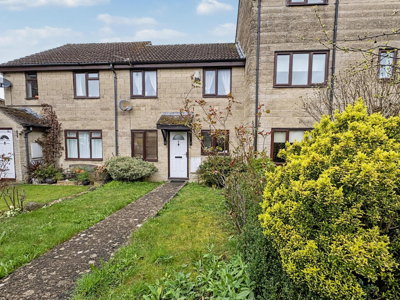
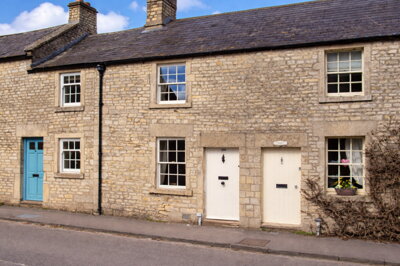
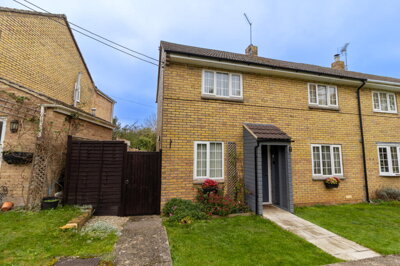
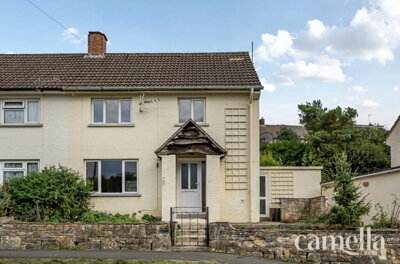
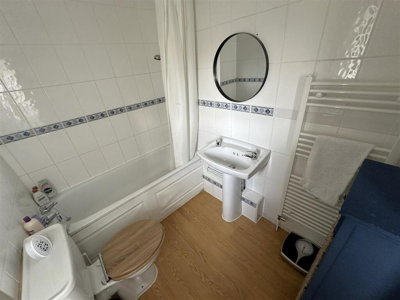
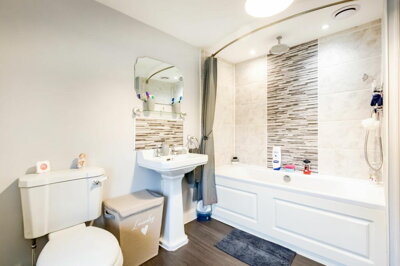
Browse 6 homes for sale in Marshfield, South Gloucestershire from local estate agents.
The 2 bed house market features detached, semi-detached, and terraced properties with two separate bedrooms plus living spaces. Properties in Marshfield range from Victorian and Edwardian period homes to modern new builds, with pricing varying across different neighbourhoods.
£325k
2
0
17
Source: home.co.uk
Showing 2 results for 2 Bedroom Houses for sale in Marshfield, South Gloucestershire. The median asking price is £325,000.
Source: home.co.uk
Terraced
2 listings
Avg £325,000
Source: home.co.uk
Source: home.co.uk
The Marshfield property market has demonstrated remarkable resilience, with house prices rising 8% over the past year despite broader national fluctuations. Properties in this village command a premium compared to surrounding areas, reflecting the desirability of its Conservation Area status, exceptional architectural heritage, and proximity to both the Cotswold Area of Outstanding Natural Beauty and major transport corridors. The village maintains strong buyer interest, with Rightmove recording 409 property transactions in the wider area over the last twelve months, indicating healthy market activity for a settlement of this size.
Detached properties form the upper end of the Marshfield market, with average prices of £634,583 reflecting the demand for generous proportions and private gardens that suit family living. Semi-detached homes average £510,000, while terraced properties average £495,875, offering relatively accessible entry points to this sought-after village location. The market experienced a peak in 2023 when average prices reached £597,167, and current values represent a modest 11% correction from that high point, potentially creating advantageous conditions for buyers who missed the previous buying cycle.
Two notable new build developments are currently shaping the Marshfield market. Andrews' Yard on High Street, developed by Ashford Homes, offers a collection of 2-4 bedroom homes including two barn conversions with prices starting from £495,000 and extending to £1,250,000 for converted period properties. The Wheatfield Barns community-led housing scheme, delivered in partnership with Brighter Places and Marshfield Community Land Trust, provides 18 homes including 12 affordable units for local people, demonstrating the community's commitment to maintaining housing accessibility for future generations.

Marshfield presents a compelling proposition for those seeking village life with genuine substance rather than mere aesthetics. The village dates to a planned medieval layout with a distinctive broad High Street and narrow burgage plots that remain visible in the street pattern today. The Conservation Area, originally designated in 1973 and extended in 1998, protects the special character of the village centre, ensuring that new development respects the traditional scale, materials, and spatial qualities that make Marshfield distinctive. Walking along the High Street, visitors encounter an architectural timeline spanning centuries, from fine 17th-century almshouses at the western end to the impressive Grade I listed parish church of St Mary at the eastern terminus.
The village supports a population of approximately 1,716 residents across 750 households, creating a close-knit community atmosphere where neighbours recognise one another and local events foster social cohesion. The village contains several traditional public houses serving as social hubs, independent shops providing everyday necessities, and a well-regarded primary school that serves families with children of all ages. Community facilities include a village hall, sports pitches, and green spaces that host seasonal events from summer fetes to Christmas markets, ensuring that village life offers genuine social engagement rather than simply pastoral scenery.
The surrounding countryside provides extensive opportunities for outdoor recreation, with footpaths and bridleways crossing the rolling Cotswold hills and farmland that forms the agricultural backdrop to village life. The location at the southern end of the Cotswolds places residents within easy reach of the Area of Outstanding Natural Beauty for weekend exploration, while the proximity to the Bowood House and Gardens estate and various National Trust properties provides additional cultural and recreational options. Local economic activity historically centred on barley production and malting, and while agriculture remains important to the parish character, many residents now commute to employment centres in Bath, Bristol, or Swindon, taking advantage of the excellent motorway connections that place these cities within comfortable driving distance.

Education provision in Marshfield centres on Marshfield Primary School, a village school that serves families with children from reception through to the end of Key Stage 2. The school maintains strong community ties and benefits from the supportive village environment that allows teachers to develop close relationships with pupils and families. For secondary education, children from Marshfield typically travel to schools in surrounding towns, with several options available within reasonable commuting distance including grammar schools and comprehensive academies in Chippenham, Bath, and the Bristol area.
The village location within South Gloucestershire places families within reach of several notable educational institutions across the wider region. Families may wish to investigate admission arrangements and catchment area boundaries when considering property purchase, as these can significantly influence educational placement. Sixth form provision is available at secondary schools in nearby towns, while further and higher education opportunities are abundant in Bath, Bristol, and Swindon, each offering college and university programmes across a diverse range of subjects.
Parents researching schools in the Marshfield area should note that the village falls within the South Gloucestershire local authority for educational administration, though the SN14 postcode extends into parts of Wiltshire Council's jurisdiction. This administrative boundary can affect school placement and admission policies, making it essential to verify which local authority serves a specific property address before finalising educational plans for any children in the household. The village's historic character means that many families have lived in Marshfield for generations, creating established community networks that often align with local school communities.
Marshfield enjoys exceptional connectivity for a village of its size, with the M4 motorway running through the southern edge of the parish and providing direct access to Bristol, Swindon, and London beyond. The village sits approximately 8 miles from Chippenham railway station, which offers regular services to London Paddington with journey times of approximately 90 minutes, making Marshfield viable for professionals who require occasional or regular rail access. Bath Spa station provides additional rail connections with services to Bristol, Salisbury, and the south-west, while the anticipated benefits of the proposed West of England Metro Mayor rail improvements could further enhance local connectivity.
Bus services operate between Marshfield and surrounding towns, providing essential connections for those who prefer not to drive or who wish to reduce car dependency for local journeys. The village maintains reasonable parking provision for a settlement of its size, though the historic street pattern along the High Street can create constraints during busy periods. Cycling infrastructure varies across the surrounding road network, with country lanes providing scenic but sometimes challenging routes for less experienced cyclists, while the proximity to the Cotswold Way and other bridleways offers recreational cycling opportunities for those seeking traffic-free routes.
For residents working in Bristol, the daily commute from Marshfield by car typically takes 30-40 minutes depending on traffic conditions, with the route following the M4 and then either the M32 into the city centre or alternative routes to northern and eastern suburbs. Commuters heading to Bath can expect similar journey times, while those travelling to Swindon benefit from the straightforward M4 corridor route that can be completed in approximately 25 minutes. The strategic position of Marshfield within the M4 corridor places three major employment centres within comfortable driving distance, explaining the premium that local properties command compared to more isolated rural settlements.
Before viewing properties, research Marshfield's property market thoroughly. Check current listings on Rightmove and Zoopla, understand the average price of £533,406 for the area, and get a mortgage agreement in principle from a lender. This demonstrates your buying position to estate agents and strengthens your offer when you find the right property. Given Marshfield's premium positioning, factor in the 11% correction from the 2023 peak when evaluating whether current prices represent good value.
Visit multiple properties in Marshfield to compare the village's different neighbourhoods and property types. Pay particular attention to construction age and condition, as many homes are 17th or 18th-century stone buildings with traditional construction methods. Consider factors like Conservation Area restrictions that may affect future renovations or extensions, and note the difference between listed and non-listed properties, as Grade I, Grade II*, and Grade II designations each carry different levels of planning control.
Once you have found your preferred property, arrange a Level 2 survey before committing to purchase. Given Marshfield's predominantly older housing stock built from solid Cotswold stone walls, this survey can identify issues such as damp, roof condition, structural movement, or outdated electrics that may not be visible during viewings. Properties in Marshfield typically require the surveyor to apply a premium of 20-40% due to the additional inspection complexity of traditional construction methods.
When you are ready to proceed, submit your offer through the estate agent with your mortgage agreement in principle and any survey findings as supporting context. In Marshfield's competitive market where properties in the Conservation Area are limited by strict planning controls, being prepared and responsive helps secure your preferred property. Use your survey findings to negotiate on price if defects have been identified that require remedial work.
Your solicitor handles all legal work including searches, contracts, and land registry checks. They will investigate flood risk, planning permissions, and any Conservation Area restrictions that affect the property. Exchange contracts once all enquiries are resolved. For Marshfield properties, additional searches regarding the property's listed building status and any planning conditions attached to the Conservation Area designation may be required.
Your lender arranges the final mortgage valuation before releasing funds. On completion day, you receive the keys and can move into your new Marshfield home. Arrange your RICS Level 2 survey and EPC assessment through Homemove for competitive rates. Remember to budget for stamp duty, which for a property at the Marshfield average of £533,406 would amount to approximately £14,170 for a standard buyer.
Properties in Marshfield present unique considerations due to the village's historic character and Conservation Area status. The predominant Cotswold stone construction, while undeniably attractive, requires specific maintenance knowledge and may involve higher costs for repairs using traditional materials and techniques. Prospective buyers should investigate whether stone pointing, render condition, and roof coverings have been recently maintained, as these represent significant ongoing costs for period properties. The use of traditional lime mortar rather than modern cement is essential for breathability in historic walls, and inappropriate repairs using impervious materials can accelerate deterioration and cause moisture to become trapped within the stone fabric.
The Conservation Area designation brings additional planning considerations that buyers must understand before purchasing. Certain permitted development rights may be restricted within the Conservation Area, meaning that planning permission could be required for extensions, dormer conversions, or even some exterior alterations that would normally proceed without consent in non-designated areas. The Grade I, Grade II*, and Grade II listed buildings scattered throughout the village carry more substantial restrictions, and any alterations to these protected properties require Listed Building Consent from South Gloucestershire Council. Unauthorised works to listed buildings constitute a criminal offence, so verifying the listed status of any property and its permitted development rights is essential before purchase.
Given the age of Marshfield's housing stock, damp and moisture problems represent the most common defect identified during property surveys in the village. Properties built before 1900 typically have solid walls without cavity insulation, making them more susceptible to rising damp if the original damp-proof course has failed or was never installed. Penetrating damp can affect stone walls where pointing has deteriorated or where flashings around chimneys and parapets have failed, while condensation-related issues often arise in properties that have been upgraded with modern heating but retain inadequate ventilation.
Structural movement and roof defects also require careful assessment when purchasing in Marshfield. Many 17th and 18th-century buildings will have experienced some degree of movement over their lifespan, and while minor cracking is common in historic structures, significant cracks, bulging walls, or uneven floor levels warrant further investigation by a structural engineer. Roof coverings using Cotswold stone slates or traditional clay tiles can be expensive to repair, and deterioration of hidden guttering behind parapet walls is a particular concern in Georgian properties, as problems can develop unnoticed for years. The stone slate roofing common throughout Marshfield requires specialist repair skills, and sourcing matching replacement slates from local suppliers such as Marshfield Stone Ltd may be necessary following storm damage or general wear.
Flood risk in Marshfield is generally low, with Wiltshire and South Gloucestershire reporting minimal river, coastal, or groundwater flooding incidents in recent years. However, surface water flooding after heavy rainfall can occur in low-lying areas, and prospective buyers should review the property's position relative to local drainage patterns and any historical flooding records. Properties with basements or cellars warrant particular scrutiny, as these may be susceptible to damp ingress or water penetration during periods of heavy rainfall. The local geology at the southern end of the Cotswold Hills means that clay-rich soils may be present, which can cause shrink-swell movement affecting foundations, particularly where trees are located close to buildings.
The average house price in Marshfield stands at £533,406 based on recent sales data. Detached properties average £634,583, semi-detached homes average £510,000, and terraced properties average £495,875. House prices have increased 8% over the past year, though they remain 11% below the 2023 peak of £597,167, potentially offering favourable conditions for buyers entering the market. Zoopla reports an average sold price of £546,406, reflecting recent transaction values across the village.
Properties in Marshfield fall under South Gloucestershire Council for council tax purposes, with most properties in Bands D through H given the predominantly larger, older character of the housing stock. Exact bands depend on property valuation, and buyers should verify the specific band with the selling agent or during the conveyancing process. The village's historic properties with original features often attract higher valuations, which can affect both council tax banding and the overall purchase price expectations in the local market.
Marshfield Primary School serves the village for primary education, providing reception through Key Stage 2 provision. The school benefits from the supportive village environment that allows teachers to develop close relationships with pupils and families, contributing to its strong community reputation. For secondary education, families typically access schools in nearby towns including grammar schools and academies in Chippenham, Bath, and the Bristol area, with admission arrangements managed by South Gloucestershire Council for most village postcodes.
Marshfield has limited public transport options, with bus services connecting to surrounding towns providing essential links for those without private vehicles. The nearest railway stations are Chippenham, approximately 8 miles away, offering regular London Paddington services with journey times of around 90 minutes, and Bath Spa providing additional regional connections to Bristol, Salisbury, and the south-west. The M4 motorway runs through the parish, making car travel the primary transport option for most residents commuting to Bristol, Bath, or Swindon, with typical journey times of 30-40 minutes to Bristol and Bath and approximately 25 minutes to Swindon.
Marshfield offers strong investment potential due to its desirable village character, Conservation Area status that limits supply of new development, and excellent M4 corridor location connecting three major employment centres in Bath, Bristol, and Swindon. The village's 8% annual price increase demonstrates continued demand from buyers seeking the unique combination of historic architecture and modern accessibility, while the community-led affordable housing scheme at Wheatfield Barns ensures some local housing accessibility without diluting the character of the wider village. Properties in Conservation Areas with quality Cotswold stone construction typically maintain their value well, and the 73.5% owner-occupancy rate indicates a stable, settled community likely to support property values long-term.
Stamp duty rates for 2024-25 are 0% on the first £250,000, 5% on £250,001 to £925,000, 10% on £925,001 to £1.5 million, and 12% on any amount above £1.5 million. First-time buyers receive relief on the first £425,000, paying 5% on the portion between £425,001 and £625,000. Given Marshfield's average price of £533,406, a typical buyer would pay approximately £14,170 in stamp duty, while a first-time buyer could benefit from reduced liability of approximately £5,420 on a property at this price point.
From 3.5%
Compare mortgage rates and find the best deal for your Marshfield purchase
From £499
Expert legal services for your Marshfield property purchase
From £495
Detailed survey for Marshfield's older properties including listed buildings
From £85
Energy performance certificate for your new Marshfield home
When purchasing a property in Marshfield, understanding the full cost breakdown helps you budget accurately and avoid unexpected expenses. The stamp duty land tax (SDLT) represents the most significant purchase cost after the property price itself. For a typical Marshfield property at the village average of £533,406, a standard buyer purchasing their main residence would pay SDLT of 0% on the first £250,000 (totalling £0), then 5% on the amount between £250,001 and £533,406, which comes to £14,170. First-time buyers benefit from increased thresholds, paying 0% on the first £425,000 and 5% on amounts between £425,001 and £625,000, potentially reducing their SDLT liability to approximately £5,420 on a property at this price point.
Survey costs require careful consideration for Marshfield properties given the village's predominantly older housing stock. A RICS Level 2 Survey costs between £495 and £700 depending on property value and complexity, with the average nationally around £455. For a Marshfield stone property built before 1900, surveyors typically apply a premium of 20-40% due to the additional inspection complexity of traditional construction methods. A Level 2 survey provides a detailed assessment of condition, identifying defects such as damp, structural movement, or roof issues that are particularly relevant in period stone buildings where problems may be concealed behind traditional lime render or within roof voids.
Legal fees for conveyancing typically start from £499 for basic transaction work, though complexity varies considerably depending on the property type and history. Marshfield properties within the Conservation Area may involve additional searches regarding planning history and Listed Building status, while standard searches cover drainage, local authority records, and environmental factors. A mortgage arrangement fee of 0.5-1.5% of the loan amount may apply depending on your lender, and you should budget for removal costs, surveyor fees, and potential renovation expenses if purchasing a property requiring modernisation. Properties in Marshfield that have been subject to recent renovation works using appropriate traditional materials may command a premium, while those with outstanding maintenance or unsympathetic modern additions may require additional investment following purchase.
Marshfield's architectural heritage is defined by the widespread use of natural Cotswold stone, with buildings throughout the village unified by the consistent application of local limestone materials. The village possesses a remarkable concentration of historic buildings, predominantly constructed during the 17th and 18th centuries in a largely Georgian style that reflects the period of greatest prosperity for this malt-producing settlement. Almost every property along the distinctive broad High Street dates from this era, creating an exceptionally well-preserved streetscape that justified the village's Conservation Area designation in 1973.
The traditional building methods used in Marshfield properties have direct implications for prospective buyers. Walls are typically of solid stone construction without cavity insulation, roof coverings traditionally used Cotswold stone slates or locally fired clay tiles, and foundations were often shallow strip footings on the limestone bedrock that underlies much of the southern Cotswolds. Traditional lime mortar was used throughout for pointing and render, allowing the walls to breathe and manage moisture naturally, and this material compatibility remains essential for any repair or renovation work. Modern cement-based mortars and renders can trap moisture within historic fabric, leading to deterioration of the underlying stone and the development of damp problems that may not become apparent for several years after inappropriate work has been completed.
The village contains numerous listed buildings including the Grade I listed parish church of St Mary at the eastern end of the High Street, the fine 17th-century Almshouses at the western end, and many private houses ranging from modest cottages to substantial Georgian residences. Listed Building Consent from South Gloucestershire Council is required for any alterations that would affect the character or fabric of listed buildings, and planning applications affecting the Conservation Area receive careful scrutiny to ensure that new work respects the traditional scale, materials, and spatial qualities of the village. This regulatory framework, while sometimes viewed as a constraint by property owners, helps preserve the exceptional character that makes Marshfield desirable and maintains the village's distinctive identity against the pressures of suburban development that have transformed many other settlements along the M4 corridor.
Properties for Sale In London

Properties for Sale In Plymouth

Properties for Sale In Liverpool

Properties for Sale In Glasgow

Properties for Sale In Sheffield

Properties for Sale In Edinburgh

Properties for Sale In Coventry

Properties for Sale In Bradford

Properties for Sale In Manchester

Properties for Sale In Birmingham

Properties for Sale In Bristol

Properties for Sale In Oxford

Properties for Sale In Leicester

Properties for Sale In Newcastle

Properties for Sale In Leeds

Properties for Sale In Southampton

Properties for Sale In Cardiff

Properties for Sale In Nottingham

Properties for Sale In Norwich

Properties for Sale In Brighton

Properties for Sale In Derby

Properties for Sale In Portsmouth

Properties for Sale In Northampton

Properties for Sale In Milton Keynes

Properties for Sale In Bournemouth

Properties for Sale In Bolton

Properties for Sale In Swansea

Properties for Sale In Swindon

Properties for Sale In Peterborough

Properties for Sale In Wolverhampton

Enter your details to see if this property is within your budget.
Loans, cards, car finance
Estimated property budget
Borrowing + deposit
You could borrow between
Typical borrowing
Monthly repayment
Est. at 4.5%
Loan-to-value
This is an estimate only. Your actual budget may vary depending on interest rates, credit history, and personal circumstances. For an accurate affordability assessment, speak to one of our free mortgage advisors.
This calculator provides estimates for illustrative purposes only and does not constitute financial advice. Your home may be repossessed if you do not keep up repayments on your mortgage. Estimates based on 4.5% interest rate, repayment mortgage. Actual rates depend on your circumstances.
Homemove is a trading name of HM Haus Group Ltd (Company No. 13873779, registered in England & Wales). Homemove Mortgages Ltd (Company No. 15947693) is an Appointed Representative of TMG Direct Limited, trading as TMG Mortgage Network, which is authorised and regulated by the Financial Conduct Authority (FRN 786245). Homemove Mortgages Ltd is entered on the FCA Register as an Appointed Representative (FRN 1022429). You can check registrations at NewRegister or by calling 0800 111 6768.

We use cookies to show you personalised content and improve your experience of our website. Find out more in our Privacy policy and Cookie policy.