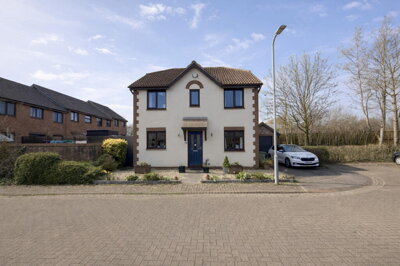
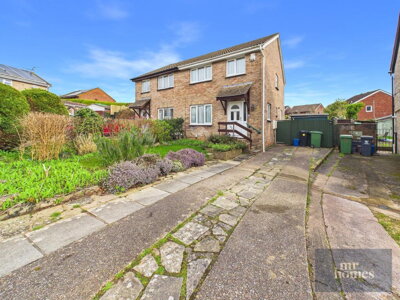
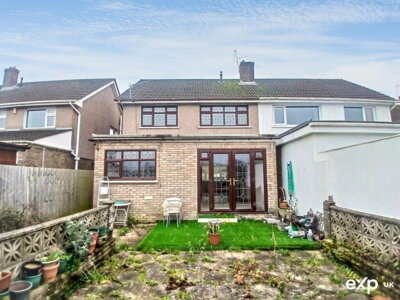
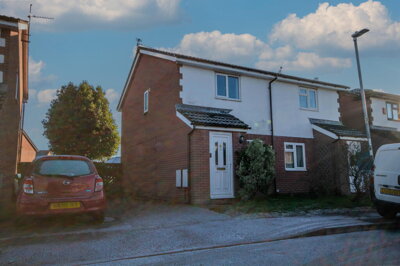
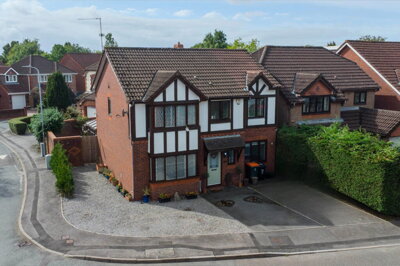
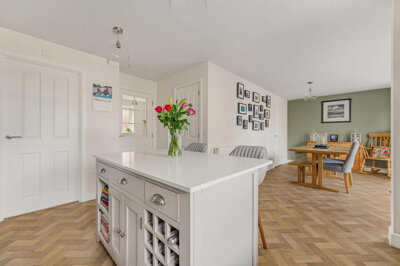
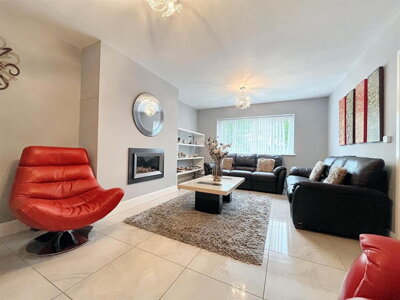
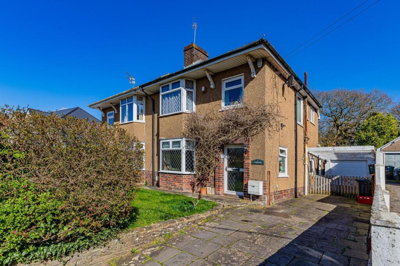
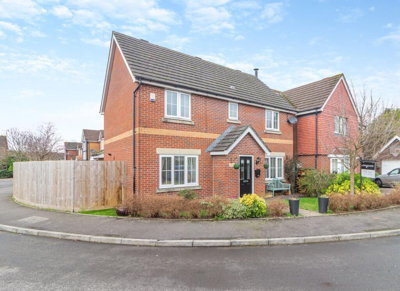
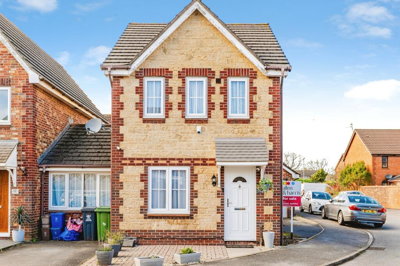
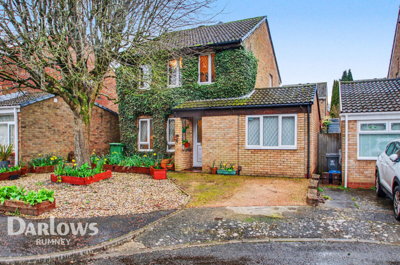
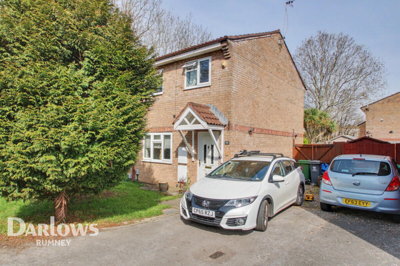
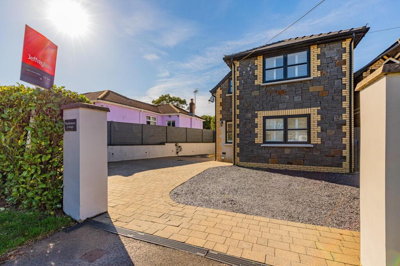
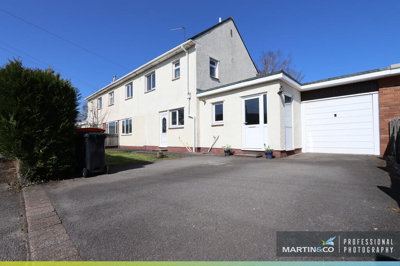
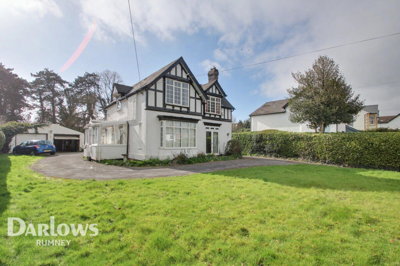
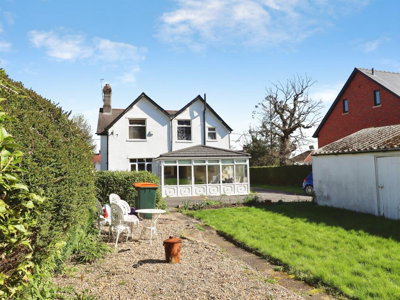
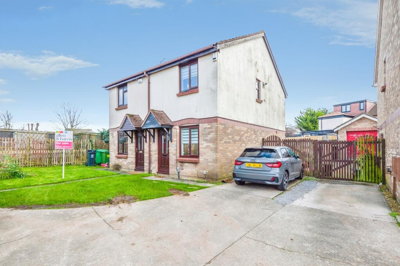
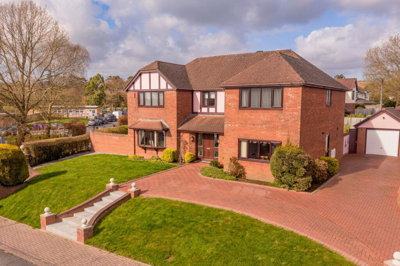
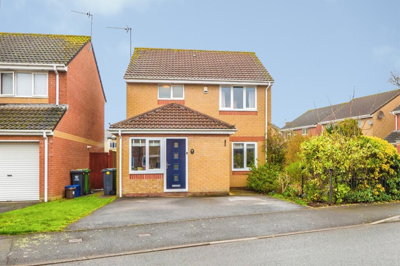
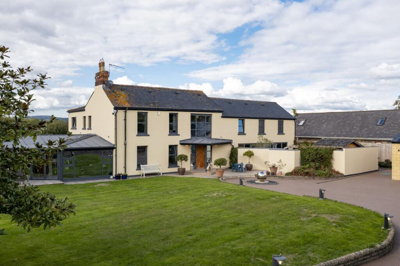
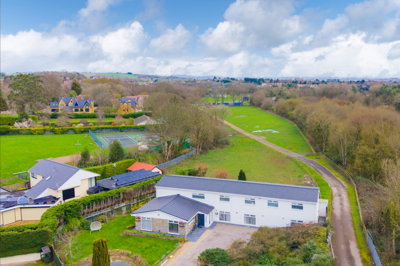
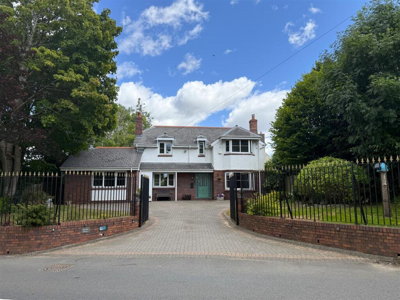
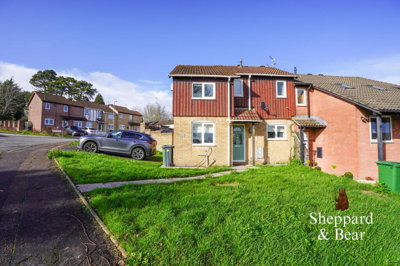
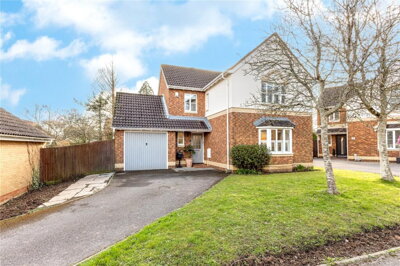
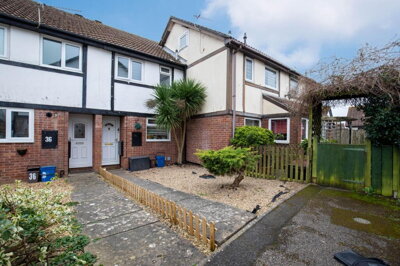
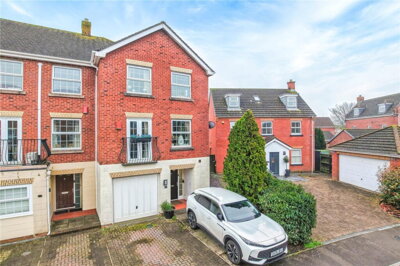
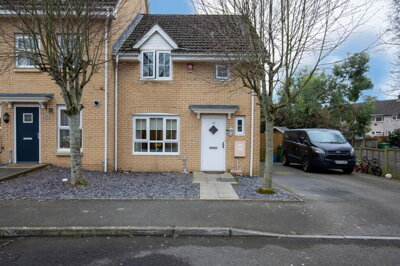
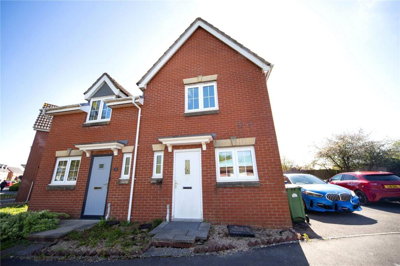
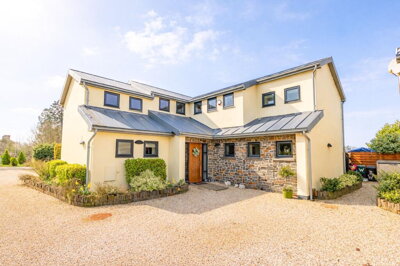
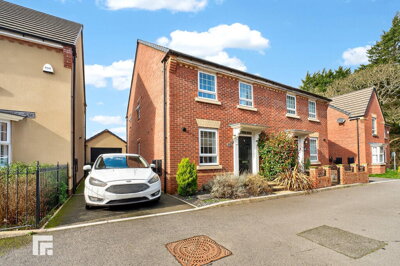
Browse 157 homes for sale in Marshfield from local estate agents.
The Marshfield property market offers detached, semi-detached, and terraced houses spanning various price ranges and neighbourhoods. Each listing includes detailed property information, photographs, and direct contact with the marketing agent.
The Marshfield property market presents an interesting picture for prospective buyers considering this Newport village. Overall average prices currently sit at £346,950, representing a 9% decrease from the previous year and a 15% reduction from the 2023 peak of £408,324. Despite these short-term corrections, the market demonstrates underlying strength, with detached properties averaging £412,150 and semi-detached homes at £295,375, reflecting the premium placed on larger family accommodation in this desirable location. The price range of £100,000 to £975,000 indicates that Marshfield offers properties suitable for various buyer requirements, from more affordable starter homes to substantial executive residences.
Property types available in Marshfield are predominantly second-hand houses, with all 27 sales over the past twelve months falling into this category. The village has no active new-build developments within its boundaries, meaning buyers seeking modern properties may need to consider the wider Newport or Cardiff areas. The absence of new construction within Marshfield itself contributes to the character of the area, with the majority of housing stock comprising established properties that form part of the village's historic charm. This established stock includes period farmhouses, Victorian terraces, and interwar detached properties that represent the evolution of housing provision in this part of South Wales.
The CF3 2 postcode area that includes Marshfield and St Mellons saw house prices grow by 2.6% in the last year, slightly outperforming the village-specific figures and suggesting resilience in the wider local market. Historical data shows the median house price in Marshfield was £302,000 as of February 2022, up from £255,000 in the 2019-2020 period, indicating longer-term capital growth despite recent market corrections. For buyers, the current market conditions present opportunities to enter this desirable village location at prices below the 2023 peak, particularly for properties that have been on the market for longer periods.

Marshfield sits on the distinctive Gwent Levels, a reclaimed marshland landscape lying between the rivers Usk and Rhymney, which shapes both the character and the name of this community. The village derives its name directly from the marshy terrain of these levels, offering buyers a genuine connection to the landscape that has defined settlement here for centuries. With a population of 3,217 according to the 2021 Census, Marshfield maintains an intimate village atmosphere while benefiting from modern amenities and strong community ties. The village has experienced modest population growth of approximately 5.3% since 2011, reflecting its increasing popularity as a place to live for those seeking a balance between rural charm and urban accessibility.
The area is recognised as affluent compared to urban Newport, with economic activity rates around 76% for working-age residents and above-average educational attainment among the population. Important offices like the UK Patent Office and the Office for National Statistics are located in the wider Newport area, contributing to professional employment opportunities that attract residents to this part of Cymru. Marshfield serves as a green belt community between Cardiff and Newport, with development restrictions protecting the semi-rural character that makes the area so desirable to buyers. This green belt positioning limits new housing supply, which historically supports property values by restricting the availability of homes in this attractive location.
The village features several historic listed buildings that give Marshfield a tangible sense of history and place. The Grade II* listed Parish Church of St Mary, believed to date from 1135 with its distinctive crenelated Perpendicular style tower and 15th-century south porch, represents one of the oldest religious buildings in the area. Gelli-ber Farmhouse, a 17th-century farmhouse with later extensions located on the northern side of the A48, features rendered elevations and a slate-clad roof that exemplifies traditional Welsh construction methods. The prominent Coach and Horses public house and the Castleton Baptist Church, situated on the corner of the A48 and Marshfield Road, complete the picture of a village with rich heritage that appeals to buyers seeking character properties in a rural setting.

Families considering a move to Marshfield will find educational provision within the village and the wider Newport area caters to children of all ages. The village has its own primary school serving the local community, providing education for children from reception through to Year 6. Parents should verify current school allocations and catchment areas with Newport City Council, as admission policies can change and proximity to schools often influences property values in this desirable village location. The presence of historic properties including period cottages and farmhouses throughout Marshfield means that many families may reside in buildings that were constructed long before modern educational standards were established.
Secondary education options in the area include schools in the wider Newport authority, with some families also accessing grammar school provision in Cardiff or other nearby authorities depending on admission criteria and availability. Schools in Newport provide comprehensive education for students aged 11-16, with a range of GCSE and vocational qualifications available. For sixth form and further education, students have access to colleges and sixth form centres in Newport and Cardiff, both of which are readily accessible via the excellent transport links that make Marshfield particularly attractive to commuters. The above-average educational attainment levels noted in Marshfield reflect both the quality of local schooling and the demographic profile of residents who choose this area for its combination of rural charm and educational opportunity.
The village benefits from its proximity to further and higher education institutions in nearby cities. Newport has its own university campus offering a range of undergraduate and postgraduate degrees, while Cardiff University and Cardiff Metropolitan University provide additional options for students wishing to study closer to home. The ease of commuting from Marshfield to both cities means that students can live in the village while attending university, benefiting from lower living costs compared to city-centre accommodation while maintaining access to campus facilities and social activities.
Marshfield benefits from excellent transport connections that make it particularly attractive to commuters working in Cardiff, Newport, or Bristol. The village is situated near the A48, providing direct access to the M4 motorway corridor that links South Wales to London and the West Country. This strategic positioning means that residents can access employment opportunities in the capital cities while returning to a peaceful village environment at the end of the working day. Public transport options include bus services connecting Marshfield to both Cardiff and Newport, with more frequent services available from nearby town centres. The A48 itself is a major arterial route that serves as the main road through Marshfield, with the prominent Castleton Baptist Church located at its corner with Marshfield Road marking the village centre.
For rail travel, the main line stations at Cardiff Central and Newport provide frequent services to major destinations including London Paddington, with journey times to the capital typically under two hours. Bristol can also be reached within approximately one hour by train, opening up employment opportunities in the South West of England. The Severn Tunnel provides a direct rail link under the Severn Estuary, connecting South Wales to England and reducing journey times to destinations beyond Bristol. This excellent rail connectivity makes Marshfield particularly attractive to professionals who work in major cities but wish to live in a more peaceful village environment.
The village itself has a semi-rural character with limited parking considerations, and residents appreciate the trade-off between car dependency in daily life and the accessibility provided by proximity to major road and rail networks. The flat terrain of the Gwent Levels is generally favourable for cyclists of all abilities, and cycling infrastructure continues to develop in the area. For those who work from home, the village offers a peaceful environment with good broadband connectivity, making it possible to commute virtually while enjoying the benefits of village life. The proximity to Cardiff and Newport means that essential services, shopping, and leisure facilities are within easy reach, reducing the need for daily car journeys.
Start by exploring property listings in Marshfield and understanding the price ranges for different property types. With detached homes averaging £412,150 and terraced properties around £272,667, knowing your budget helps narrow your search effectively. Use our property search to browse current listings and set up alerts for new properties matching your criteria. Consider visiting the village at different times of day to get a feel for the neighbourhood and its amenities.
Before viewing properties, obtain a mortgage agreement in principle from a lender. This strengthens your position when making offers and demonstrates to sellers that you have financing secured. Given Marshfield's average property price of £346,950, most buyers will need a mortgage of £280,000 or more, so speaking to a broker about suitable products is advisable. Having this documentation ready shows sellers that you are a serious buyer and can accelerate the offer process considerably.
View multiple properties in Marshfield to compare options. Consider factors like proximity to the A48, flood risk considerations given the Gwent Levels location, and the age of construction of different properties. We recommend viewing at least three or four properties before making an offer to ensure you have a good comparison baseline. Take notes and photographs during viewings to help remember the condition and features of each property you visit.
Given Marshfield's older housing stock and clay soil conditions, a comprehensive Level 2 survey is essential. This homebuyer report identifies defects like damp, structural movement, or roof issues that may affect older properties. A RICS Level 2 survey costs between £400 and £600 depending on property size and value, with older properties or those with non-standard construction potentially requiring a Level 3 survey. The marshy terrain of the Gwent Levels means that properties may be susceptible to damp and subsidence issues, making a thorough survey particularly important.
Choose a conveyancing specialist to handle the legal aspects of your purchase. They will conduct searches, review contracts, and coordinate with the Land Registry for registration. Searches should include a local authority search with Newport City Council, a drainage and water search, and an environmental search that covers flood risk for properties on the Gwent Levels. Your solicitor should also check for any planning permissions or listed building considerations if you are purchasing an older property.
Once all searches are satisfactory and your mortgage is confirmed, you will exchange contracts and pay your deposit. Completion typically follows within days or weeks, when you receive the keys to your new Marshfield home. Budget for additional costs including Land Transaction Tax (approximately £7,317 on a £346,950 property), solicitor fees of £500 to £1,500, and survey costs of around £350 to £600 for a Level 2 report.
Prospective buyers considering properties in Marshfield should be aware of several area-specific factors that can affect purchasing decisions and long-term ownership costs. The village's location on the Gwent Levels means that clay soils are present, creating potential shrink-swell risks that can cause subsidence in properties with shallow foundations. Older properties throughout the village may show signs of structural movement over time, and a thorough survey is essential before committing to purchase. The Marshfield Community Council actively advocates on environmental issues including flood risk and wildlife preservation, indicating that water management is a recognised consideration in this low-lying area. Given these ground conditions, we always recommend a thorough structural inspection before purchase.
Many properties in Marshfield fall into older age categories, with some dating from the 17th century or earlier, built using traditional construction methods with stone, render, and slate materials. These historic buildings often require more maintenance than modern properties and may have non-standard features that affect insurance premiums or renovation plans. Pre-1900 properties were generally constructed based on tradesmen's knowledge rather than modern engineering calculations, which can lead to issues such as deflecting timbers over time, particularly in roofs that may have been re-tiled with heavier modern materials. The presence of listed buildings in the village means that any alterations or extensions require Listed Building Consent from the planning authority, adding complexity to renovation projects.
Common defects found in Marshfield properties include damp and moisture problems due to the marshy terrain, roof defects from aging slate tiles or damage caused by heavy rainfall, and structural cracks that may indicate subsidence or settlement issues. Timber decay and pest damage are also concerns in period properties, particularly where original timber sash windows or floorboards have not been properly maintained. Hidden guttering behind parapet walls, common in traditional Welsh properties, can lead to ignored problems and penetrating damp if not regularly inspected. Drainage problems including blocked or collapsed drains, tree root ingress, and corroded pipework frequently affect older properties in the area.
Buyers should also consider the distinction between freehold and leasehold tenure, as service charges and ground rent arrangements vary between properties and can significantly affect ongoing costs. Buildings insurance should be arranged from exchange of contracts, and premiums may be higher for older properties or those with non-standard construction. When viewing properties, look for signs of damp such as tide marks on walls, lifting floor coverings, or a musty smell. Check the condition of the roof from ground level if possible, and examine walls for cracks that may indicate structural movement. The proximity to the Severn Estuary means that coastal considerations including potential erosion and salt air exposure may affect the external condition of properties over time.
Given the age of Marshfield's housing stock and the challenging ground conditions of the Gwent Levels, our inspectors frequently encounter several specific defect types during surveys. Rising damp is common in older properties with inadequate or failed damp-proof courses, particularly in properties that have not been well-maintained. The marshy terrain exacerbates moisture issues, and properties with solid walls rather than cavity construction are especially vulnerable. Our inspectors will check for signs of damp using moisture meters and will advise on appropriate remediation measures if damp is detected.
Roof condition is another frequent area of concern in Marshfield properties. Many traditional Welsh properties feature slate roofs that may be original or may have been replaced with heavier concrete tiles that can cause structural issues over time. Roof spread occurs when the weight of heavier tiles causes the rafters to deflect, potentially leading to ceiling cracks and structural damage. Chimneys on period properties often require maintenance, and we check for signs of cracking, leaning, or deterioration in brickwork and mortar joints. Hidden guttering behind parapet walls is a particular concern, as leaks can go unnoticed for years, causing penetrating damp and structural damage to the property.
Subsidence and structural movement are significant risks for properties on the clay soils of the Gwent Levels. When clay soils dry out, they shrink, and when they absorb moisture, they swell, causing movement in foundations that can lead to cracks in walls and structural damage. Tree roots near foundations can also cause subsidence or heave as vegetation extracts moisture from the soil or adds moisture through irrigation. Our inspectors assess the signs of movement by examining walls, door and window frames, and floors for cracks, distortion, or unevenness that may indicate structural problems requiring further investigation.
Electrical and plumbing systems in older Marshfield properties often require updating to meet modern standards and safety requirements. Original wiring may be inadequate for modern loads and may not comply with current electrical regulations, while lead or iron plumbing may be corroded or prone to leaks. A thorough survey will identify these issues and provide recommendations for necessary upgrades before purchase. Given that all recent sales in Marshfield have been second-hand properties, the likelihood of encountering outdated infrastructure is high, and budgeting for necessary improvements should be factored into your purchase plans.
Marshfield contains several listed buildings that add to the village's character but also require special consideration from prospective buyers. The Grade II* listed Parish Church of St Mary, believed to date from 1135, represents one of the most significant heritage buildings in the area, with its distinctive crenelated Perpendicular style tower visible across the Gwent Levels. Grade II listed buildings include the Castleton Baptist Church on the A48 and Marshfield Road corner, Gelli-ber Farmhouse on the northern side of the A48, and The Coach and Horses public house, all representing the architectural heritage of this historic village.
Properties with listed status are protected under planning legislation, meaning that any alterations, extensions, or even some repairs require Listed Building Consent from the planning authority. This adds complexity and potential cost to renovation projects, as work must be carried out using appropriate materials and methods that preserve the historic character of the building. Insurance costs for listed buildings may be higher due to the specialist materials and expertise required for any repairs. If you are considering purchasing a listed property in Marshfield, we recommend a Level 3 building survey in addition to or instead of a Level 2, as this provides a more detailed assessment of the property's condition and identifies issues specific to historic construction.
The presence of listed buildings throughout Marshfield contributes to the village's overall character and helps maintain property values by preserving the historic environment that makes the area so attractive to buyers. However, buyers should be aware that living in a listed building carries responsibilities as well as privileges. Regular maintenance is essential to prevent deterioration, and any work must be undertaken by contractors experienced in historic building conservation. If you are purchasing a non-listed property in the village, you may still be affected by the proximity to listed buildings or by planning policies that seek to preserve the character of the conservation area.
The overall average house price in Marshfield currently sits at £346,950, with detached properties averaging £412,150, semi-detached homes at £295,375, and terraced properties around £272,667. The village has seen a 9% decrease in prices over the past twelve months and a 15% reduction from the 2023 peak of £408,324. Properties range from approximately £100,000 to £975,000, offering options across various budget levels. Despite recent price corrections, the longer-term trend shows growth from £255,000 in 2019-2020 to the current average, indicating underlying market strength in this desirable semi-rural location.
Properties in Marshfield fall under Newport City Council's jurisdiction for council tax purposes. Bands range from A through to H, with values determined by the Valuation Office Agency based on property characteristics rather than current market values. Prospective buyers should check specific property bandings via the Newport City Council website or the Valuation Office Agency valuation search tool. Council tax bands can significantly affect ongoing ownership costs, with Band A properties paying considerably less than Band H properties, so this is worth verifying before budgeting for your purchase.
Marshfield has primary education provision serving the local community, with parents advised to verify current school allocations with Newport City Council as admission policies and catchment areas can change. The village school provides education for children from reception through Year 6, with secondary schools in the wider Newport area serving Marshfield residents. Some families also access schools in Cardiff depending on individual circumstances and admission criteria. For sixth form and further education, students can attend colleges in both Newport and Cardiff, which are accessible via the excellent transport links from the village.
Marshfield is served by bus routes connecting the village to both Cardiff and Newport, with more frequent services available from nearby urban centres. The A48 provides direct road access to the M4 motorway, connecting South Wales to London and the West Country. Main line rail services from Cardiff and Newport offer regular trains to London Paddington, with journey times to the capital under two hours. The Severn Tunnel provides direct rail connections to destinations beyond Bristol, making Marshfield well-connected for commuters working in major cities or traveling further afield.
Marshfield's semi-rural location on the Gwent Levels, combined with its strong transport connections to Cardiff and Newport, makes it attractive to commuters and families seeking village living with urban accessibility. The village benefits from its green belt positioning between the two cities, which limits new development and supports property values. With 27 sales over the past twelve months representing 78% of long-term average activity, the market shows stable demand despite recent price corrections from the 2023 peak. The 868 properties that have sold in Marshfield over the past decade demonstrate consistent activity and sustained interest in this desirable location.
Marshfield is situated on the flood-prone Gwent Levels and near the Severn Estuary coastline, indicating elevated flood risk from rivers, coastal sources, and surface water. The marshy terrain means that clay soils are present, creating potential shrink-swell risks that can cause subsidence in properties with shallow foundations. The Marshfield Community Council advocates on environmental issues including flood risk management and wildlife preservation on the levels. Buyers should obtain an environmental search report before purchase that details flood risk classifications, historical flooding incidents, and any flood defences or mitigation measures in place for specific properties. Properties near water features or in low-lying areas of the village may be at higher risk and should be subject to particular scrutiny.
Stamp duty rates in Wales apply Land Transaction Tax instead. For residential purchases, the rates are 0% on transactions up to £225,000, 6% on £225,001 to £400,000, and 7.5% on £400,001 to £750,000, with additional rates above this threshold. First-time buyers may qualify for first-time buyer relief on purchases up to £260,000. For example, on a property at the Marshfield average price of £346,950, a standard buyer would pay approximately £7,317 in Land Transaction Tax. This calculation works by applying 0% to the first £225,000 and 6% to the remaining £121,950, totalling £7,317.
Given that all recent sales in Marshfield have been second-hand properties, often dating from the 17th century or earlier, a thorough survey is essential to identify defects that may not be visible during a viewing. Our inspectors frequently find damp and moisture issues due to the marshy terrain, roof defects including slate tile damage or roof spread from heavy concrete replacements, structural movement related to clay soil conditions, and outdated electrical and plumbing systems in period properties. A RICS Level 2 survey costs between £400 and £600 depending on property size and value, while a more detailed Level 3 survey may be advisable for listed buildings or properties showing signs of significant defects. The cost of a survey is small compared to the potential cost of discovering serious defects after purchase.
Understanding the costs involved in purchasing property in Marshfield is essential for budgeting effectively. The average property price of £346,950 means that most buyers will incur Land Transaction Tax rather than traditional stamp duty, as Wales operates its own land transaction tax system. For a property at this price point, a standard buyer would expect to pay approximately £7,317 in Land Transaction Tax under current rates, which apply 0% on the first £225,000, 6% between £225,001 and £400,000, and higher rates above £750,000. First-time buyers purchasing property in Marshfield may benefit from first-time buyer relief, which provides relief on transactions up to £260,000 and can significantly reduce acquisition costs for eligible purchasers.
Beyond Land Transaction Tax, buyers should budget for solicitor conveyancing fees typically ranging from £500 to £1,500 depending on complexity. Local authority searches with Newport City Council, drainage and water searches, and environmental searches covering flood risk should cost around £300 to £500 in total. Mortgage arrangement fees vary by lender and deal type, ranging from nothing for some products to around £1,500 for others. Survey costs for a RICS Level 2 report typically range from £400 to £600, with older properties or those with non-standard construction potentially costing more due to the additional inspection time required.
Additional costs to factor into your budget include buildings insurance from exchange of contracts, which may be higher for older properties or those with listed status. EPC assessments are mandatory and cost around £60 to £120. Removal costs vary depending on the distance and volume of belongings, typically ranging from £500 to £2,000. If you are purchasing a property with a large garden or outbuildings, factor in the cost of ongoing maintenance. For leasehold properties, ground rent and service charges vary significantly and should be verified before purchase, as these ongoing costs can affect the overall affordability of the property over time.
Finance your Marshfield home purchase
From 4.5% APR
Expert legal services for your property purchase
From £499
Identify defects before purchase
From £350
Energy performance certificate
From £60
Properties for Sale In London

Properties for Sale In Plymouth

Properties for Sale In Liverpool

Properties for Sale In Glasgow

Properties for Sale In Sheffield

Properties for Sale In Edinburgh

Properties for Sale In Coventry

Properties for Sale In Bradford

Properties for Sale In Manchester

Properties for Sale In Birmingham

Properties for Sale In Bristol

Properties for Sale In Oxford

Properties for Sale In Leicester

Properties for Sale In Newcastle

Properties for Sale In Leeds

Properties for Sale In Southampton

Properties for Sale In Cardiff

Properties for Sale In Nottingham

Properties for Sale In Norwich

Properties for Sale In Brighton

Properties for Sale In Derby

Properties for Sale In Portsmouth

Properties for Sale In Northampton

Properties for Sale In Milton Keynes

Properties for Sale In Bournemouth

Properties for Sale In Bolton

Properties for Sale In Swansea

Properties for Sale In Swindon

Properties for Sale In Peterborough

Properties for Sale In Wolverhampton

Enter your details to see if this property is within your budget.
Loans, cards, car finance
Estimated property budget
Borrowing + deposit
You could borrow between
Typical borrowing
Monthly repayment
Est. at 4.5%
Loan-to-value
This is an estimate only. Your actual budget may vary depending on interest rates, credit history, and personal circumstances. For an accurate affordability assessment, speak to one of our free mortgage advisors.
This calculator provides estimates for illustrative purposes only and does not constitute financial advice. Your home may be repossessed if you do not keep up repayments on your mortgage. Estimates based on 4.5% interest rate, repayment mortgage. Actual rates depend on your circumstances.
Homemove is a trading name of HM Haus Group Ltd (Company No. 13873779, registered in England & Wales). Homemove Mortgages Ltd (Company No. 15947693) is an Appointed Representative of TMG Direct Limited, trading as TMG Mortgage Network, which is authorised and regulated by the Financial Conduct Authority (FRN 786245). Homemove Mortgages Ltd is entered on the FCA Register as an Appointed Representative (FRN 1022429). You can check registrations at NewRegister or by calling 0800 111 6768.

We use cookies to show you personalised content and improve your experience of our website. Find out more in our Privacy policy and Cookie policy.